Vienna Private Tours: The Local's Guide to Seeing the City Like an Insider
Related Turistic Attractions
Check out other tourist attractions in the same city
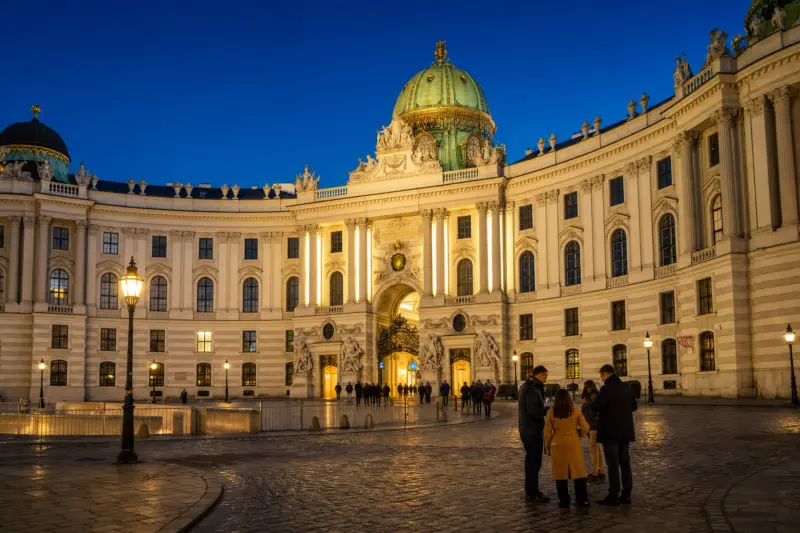
Hofburg Palace: Heart of the Habsburg Empire
Vienna
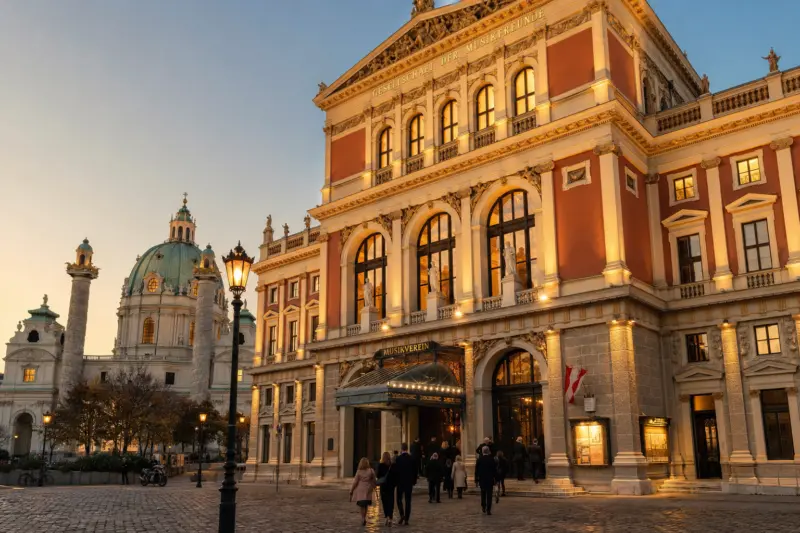
Musikverein — Vienna's Golden Hall
Vienna
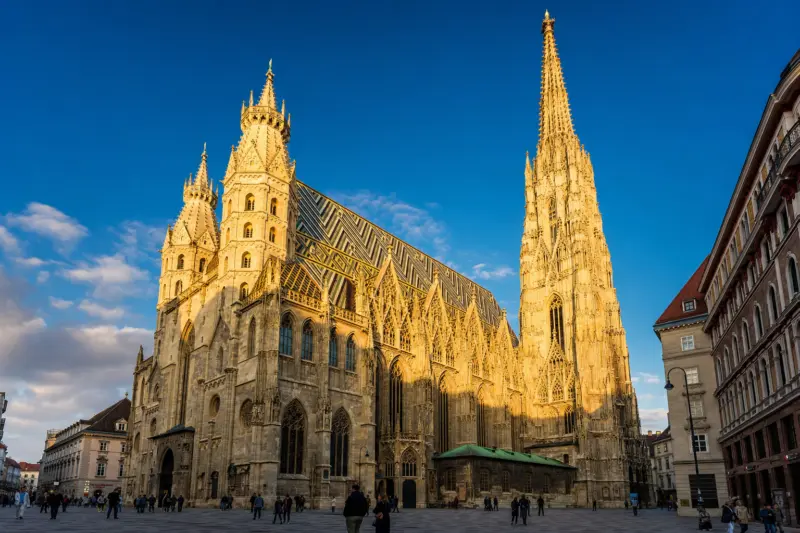
St. Stephen's Cathedral, Vienna
Vienna
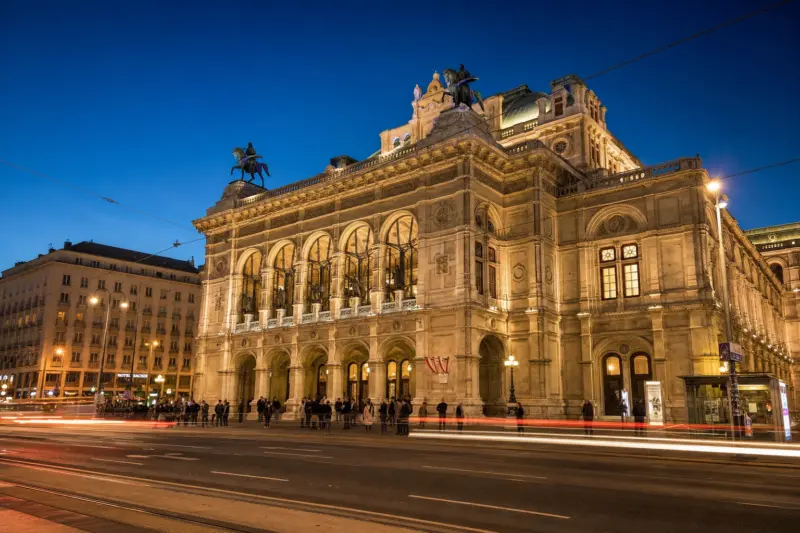
Vienna State Opera: Wiener Staatsoper
Vienna
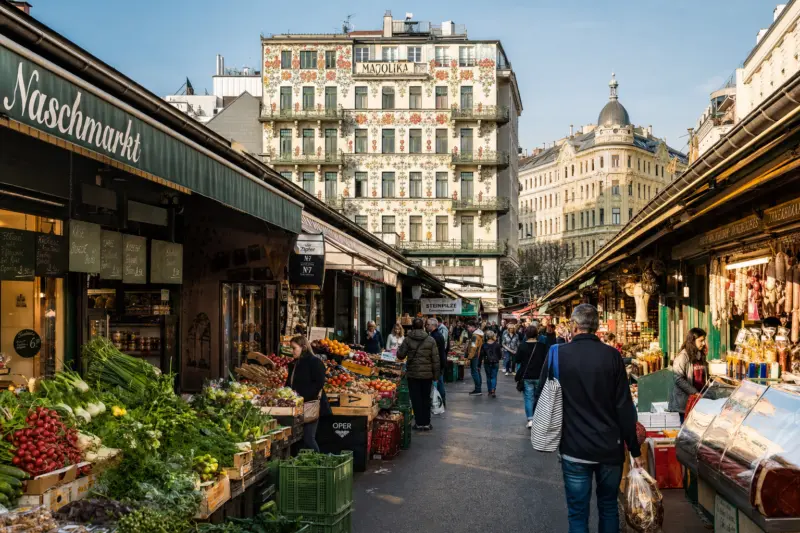
Naschmarkt Vienna
Vienna
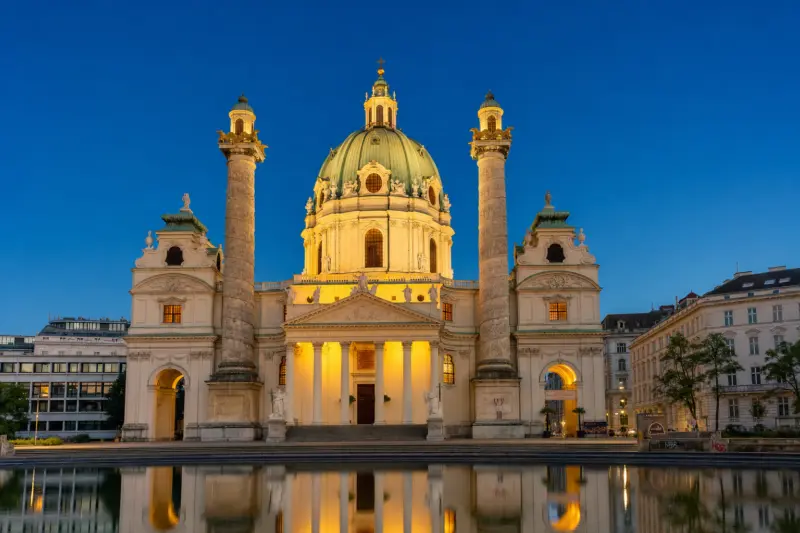
Karlskirche Vienna
Vienna
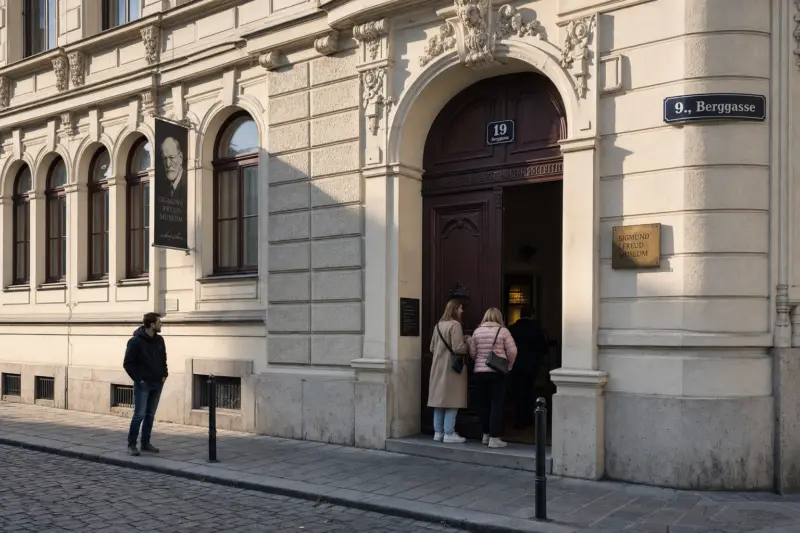
Sigmund Freud Museum Vienna
Vienna
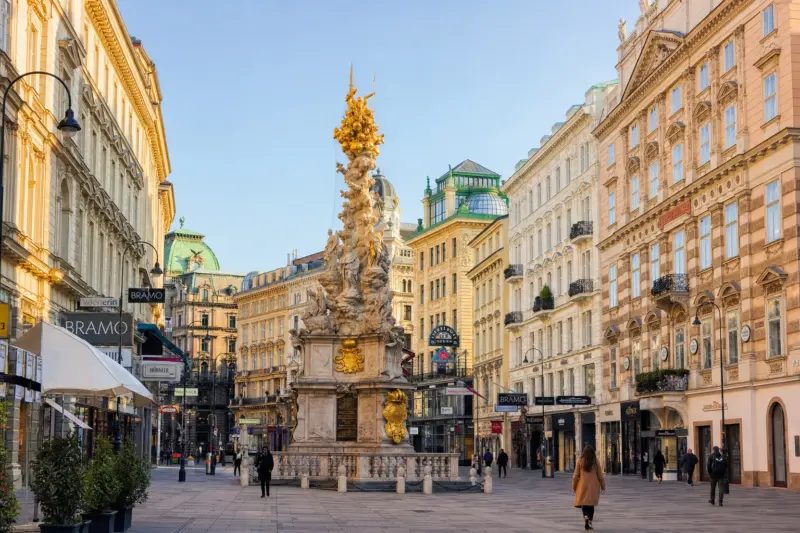
The Graben: Vienna's Imperial Pedestrian Boulevard
Vienna
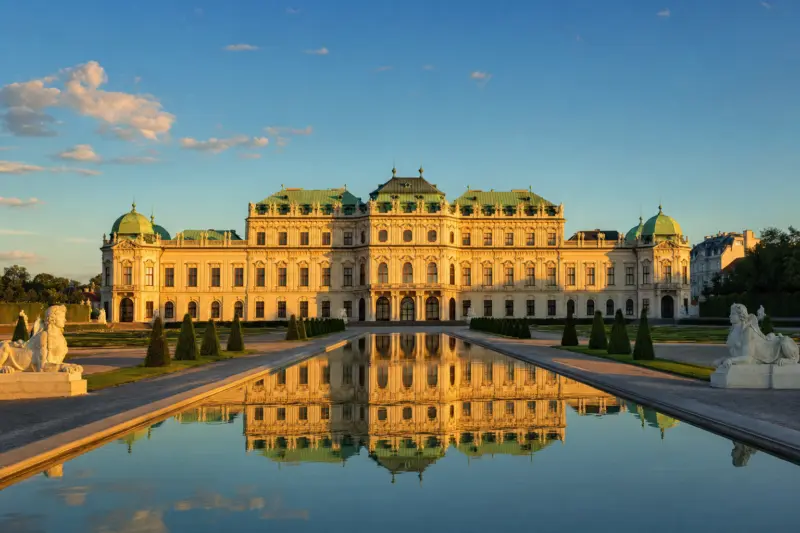
Belvedere Palace: Vienna's Baroque Masterpiece
Vienna
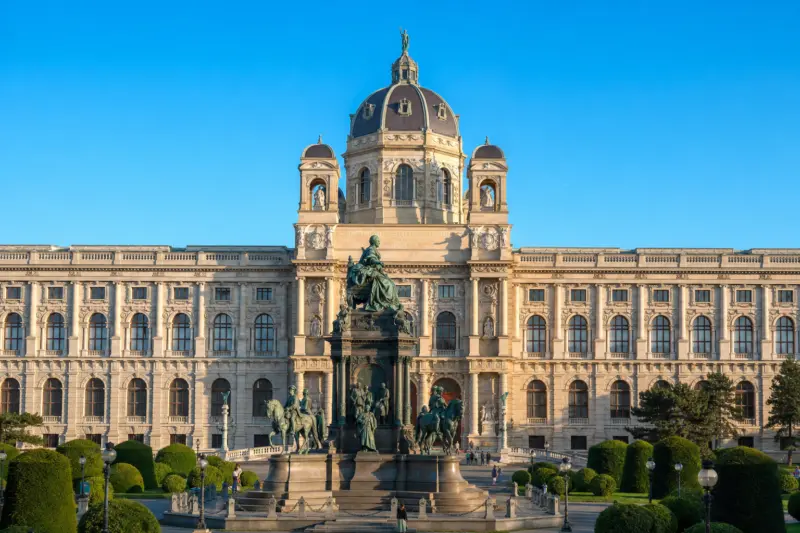
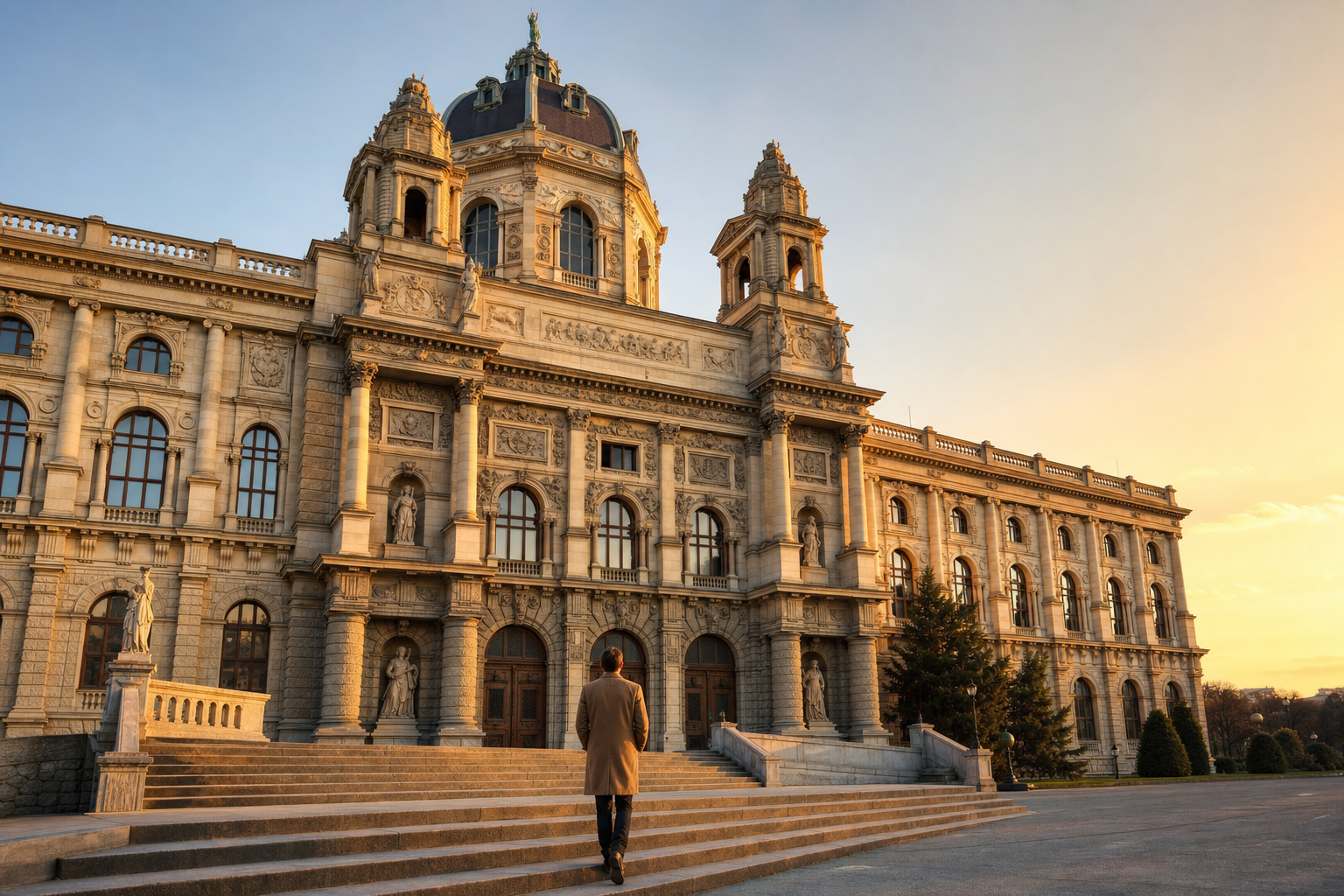
Kunsthistorisches Museum Vienna
Vienna
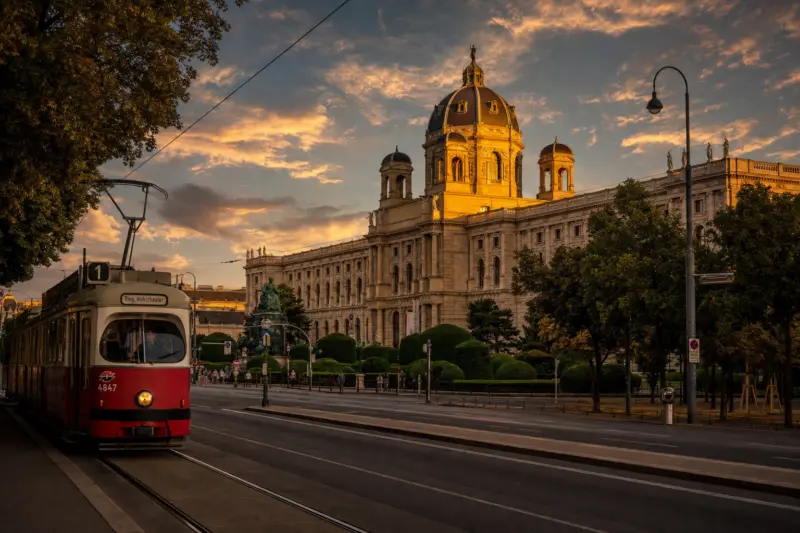
Vienna's Ringstrasse
Vienna
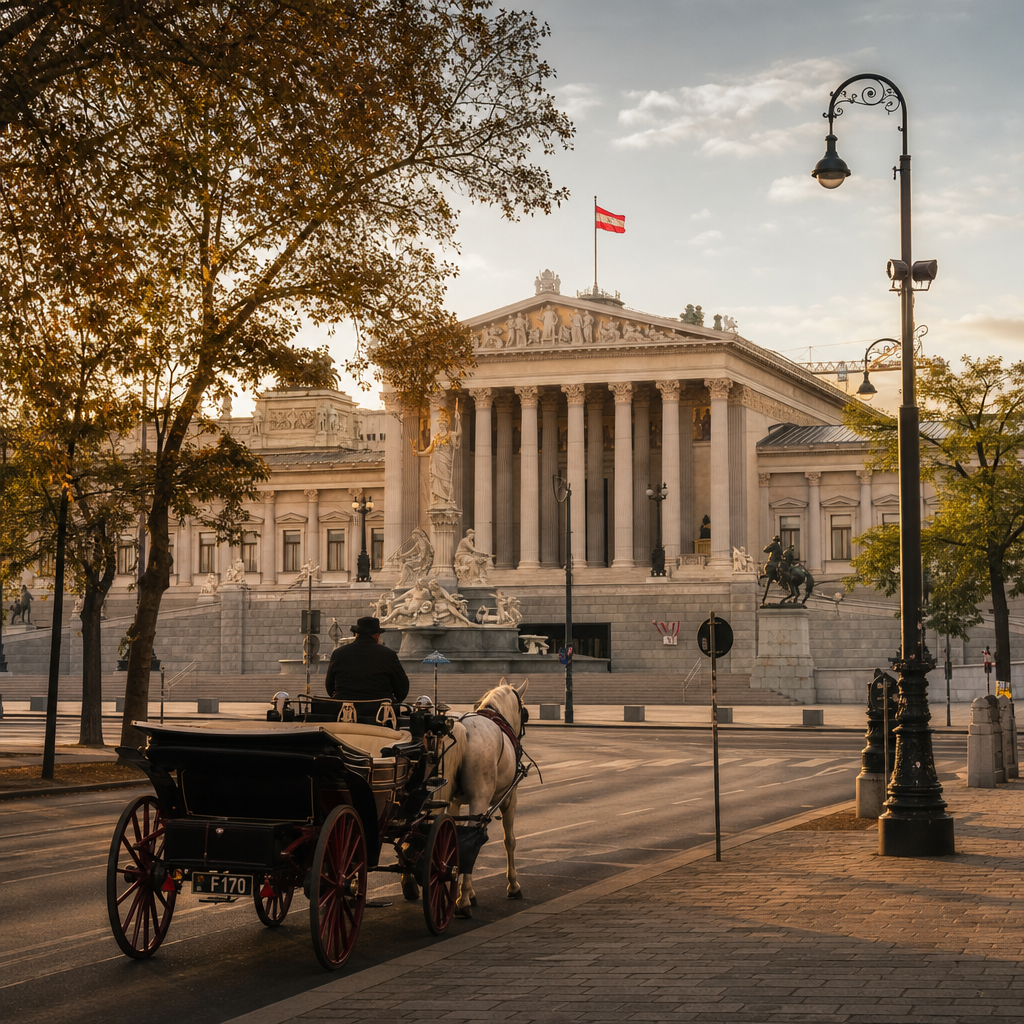
Why Vienna Rewards a Slower, Deeper Look (And Why Most Visitors Miss It)
Vienna is one of those cities that appears straightforward and reveals itself to be extraordinarily complex the moment someone knowledgeable starts talking. Consider a single street: the Ringstrasse. On a bus, it is a parade of grand facades. On foot with a local guide, it becomes a political manifesto. Franz Joseph I ordered the demolition of Vienna's medieval fortification walls in 1857, and over the following three decades a deliberate sequence of institutions rose along the new boulevard — each in an architectural style chosen to communicate a specific idea. The Parliament building was constructed in Greek Revival style, a direct reference to Athenian democracy. The Rathaus (City Hall) was built in Flemish Gothic, signalling civic and burgher pride rather than imperial power. The Burgtheater, Vienna's national theatre, adopted Renaissance humanism as its visual language. None of this is accidental, and none of it registers without context.
Then there is Stephansdom, whose south tower took 65 years to complete — construction ran from 1359 to 1433. Beneath it lies a crypt holding the internal organs of Habsburg rulers preserved in copper urns. Their hearts were separately interred at the Augustinerkirche. Their bodies rest in the Kaisergruft beneath the Kapuzinerkirche. This deliberate dispersal of a single person across three locations is one of the most striking funerary traditions in European history — and it is almost never explained on a generic sightseeing tour.
At its imperial peak, the Habsburg Empire governed more than 50 million people across Central Europe. Vienna was the nerve centre of all of it. That concentration of power, ceremony, art, and anxiety is embedded in every cobblestone of the Innere Stadt. A rushed two-hour coach tour delivers the postcards. A Highlights Vienna private tour delivers the story.
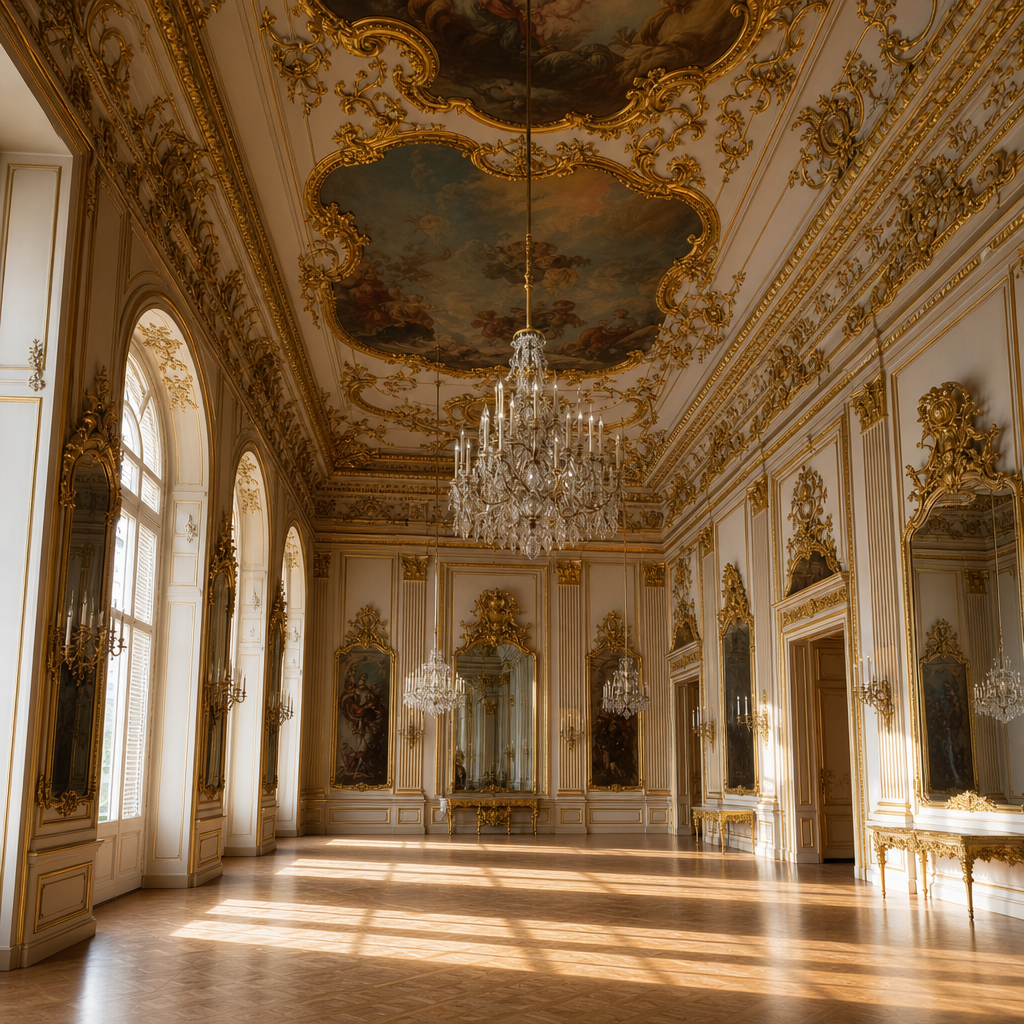
The Habsburg Blueprint: How Vienna's Layout Was Designed to Impress (and Intimidate)
Understanding Vienna architecturally is understanding power — who had it, how they displayed it, and what they feared losing. The Ringstrasse was more than a boulevard: its 5.3 km ceremonial arc, traced over the footprint of demolished medieval walls beginning in 1858, was designed so that no single institution — military, religious, or civic — could dominate the skyline unchallenged. Franz Joseph I balanced them deliberately, and a prepared visitor can read that balance like a sentence.
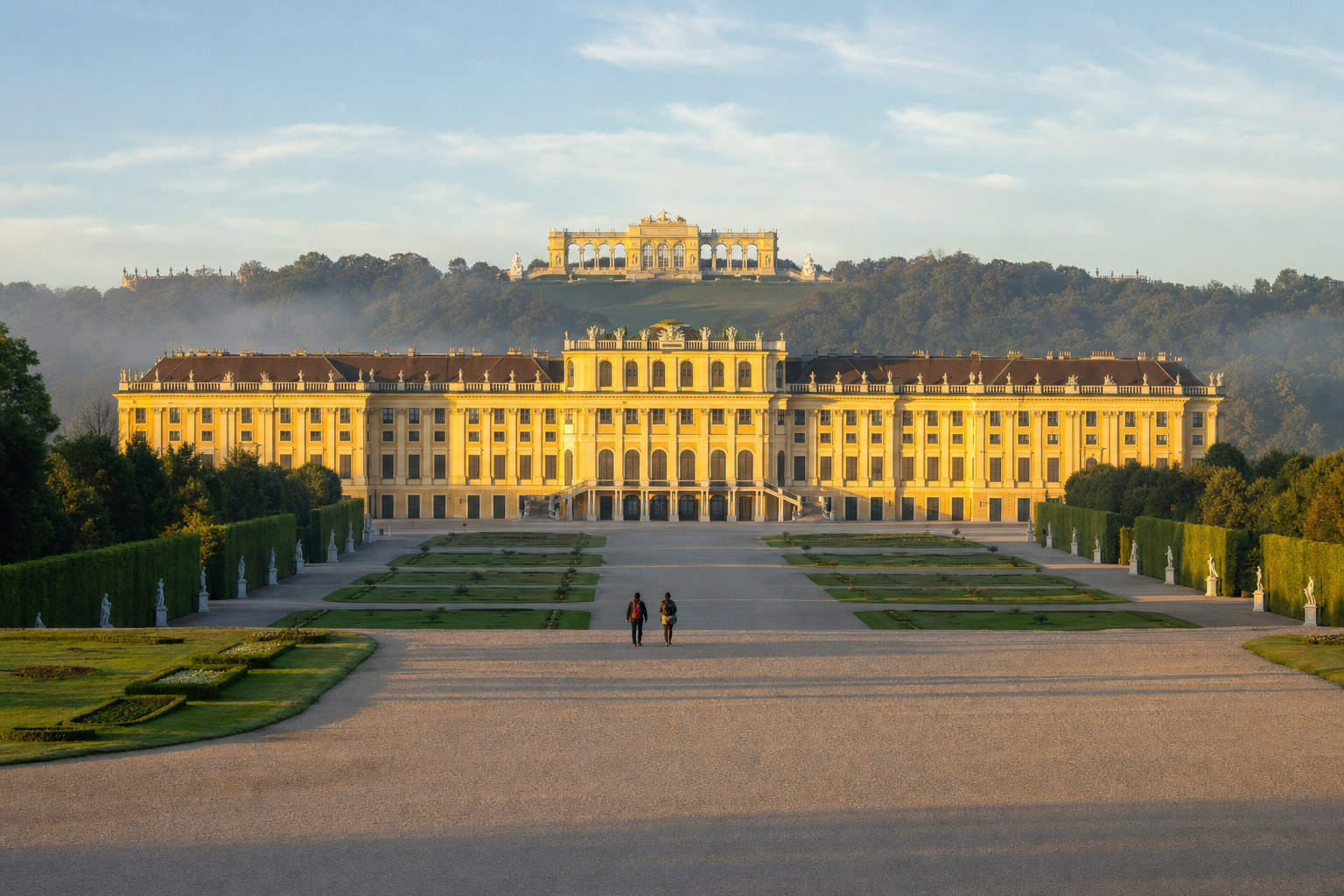
Schönbrunn Palace tells a different story of power. Redesigned by Johann Bernhard Fischer von Erlach and later modified by Nikolaus Pacassi, the 1,441-room complex was Vienna's explicit answer to Versailles. Maria Theresa, who ruled from 1740 to 1780, chose the palace's distinctive warm ochre hue — officially known as 'Schönbrunn Yellow' or 'Imperial Yellow' — as a calculated branding exercise. The colour became so synonymous with Habsburg authority that it was replicated on official buildings across the empire.
The Hofburg Palace complex is an even more disorienting place without guidance. It grew organically over 600 years into a labyrinth of 18 wings, 19 courtyards, and 2,600 rooms — making it one of the largest palace complexes in the world. Remarkably, it remains the official residence of the Austrian President today.
A short walk away, the Naschmarkt — originally a milk market known as the 'Aschenmarkt' dating to the 16th century — stretches 1.5 km with over 120 stalls. Its evolution from dairy trade to multicultural food destination mirrors Vienna's own transformation. The Vienna Full Day private tour includes Schönbrunn with skip-the-line tickets and lunch — the ideal way to absorb this Habsburg blueprint with a local guide who can narrate the politics behind every facade. The Highlights Vienna tour covers the Innere Stadt's architectural masterpieces at a pace that lets you actually absorb them.
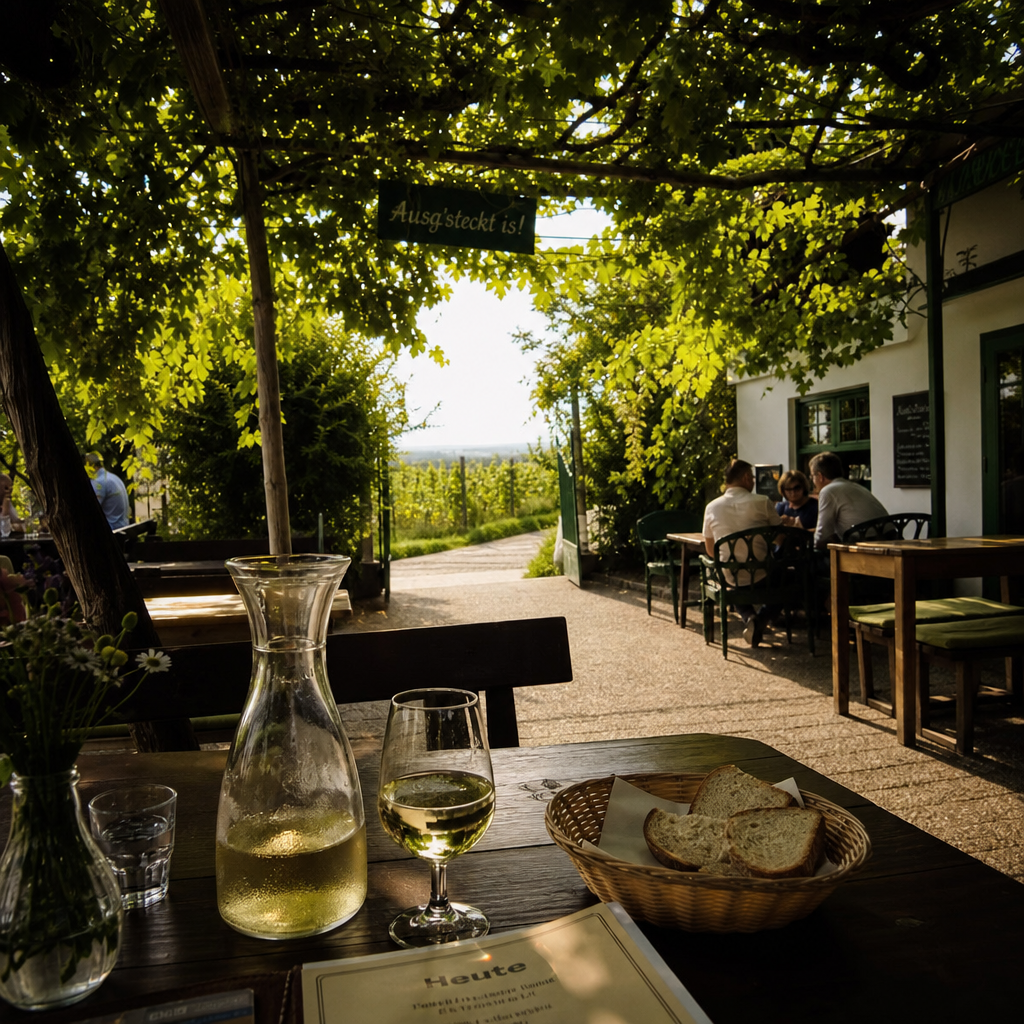
Beyond the Ringstrasse: Vienna's Neighbourhoods, Food Culture & Living Traditions That Guidebooks Overlook
The version of Vienna that lives in guidebooks — palaces, opera houses, Sachertorte — is real but incomplete. The city that Viennese people actually inhabit is stranger, warmer, and far more interesting. A local guide is the only reliable map to it.
Start with wine. Vienna is the only world capital with significant wine production within city limits — roughly 700 hectares of vineyards spread across Grinzing, Nussdorf, and Stammersdorf. The Heuriger tradition that sustains this culture was formally codified in 1784, when Emperor Joseph II issued an edict allowing vintners to sell their own wine directly from their estates. The result is a network of neighbourhood wine taverns that are neither restaurants nor bars but something distinctly Viennese.
Vienna's coffeehouse culture operates on similarly idiosyncratic rules. Recognised as UNESCO Intangible Cultural Heritage in 2011, the Viennese Kaffeehauskultur is built on the understanding that ordering a single Melange entitles you to stay as long as you like — newspapers, chess sets, and billiard tables provided free of charge. Sigmund Freud and Leon Trotsky were both regulars at Café Central before the First World War. The same marble table, the same unhurried atmosphere.
Beyond the coffeehouses, a local guide unlocks the neighbourhoods most visitors never reach: Spittelberg, a Biedermeier-era cobblestone quarter that survived WWII bombing largely intact; the 7th district (Neubau), Vienna's creative and design hub; and the Prater's Wurstelprater fairground, home to the 1897 Riesenrad Ferris wheel — one of the oldest surviving Ferris wheels in the world and famously featured in Carol Reed's 1949 film The Third Man. Even the Naschmarkt rewards insider timing: a local knows a Saturday morning brings artisan producers and the city's best chefs shopping for the week; a Tuesday afternoon is quieter and more navigable.
The Food & Drinks Vienna tour, the Like a Local Vienna tour, and the Vienna Classical Music tour each access a different layer of this living city — the kind of access no map or app can replicate.
Find Your Perfect Vienna Private Tour with Local Cool Tour
Every traveller arrives in Vienna with a different set of questions. Local Cool Tour's private-only model means your guide adapts the pace, depth, and focus entirely to your group — no shared coaches, no waiting for strangers, and guides available in multiple languages.
Here is where to start, depending on what draws you to the city:
Travelling with children? The Vienna Private Family Tour (city highlights, museum, and cake — 3 hours, 23 reviews) is built for young curiosity. First-time visitors who want to cover the essential landmarks efficiently will find the Highlights Vienna Sightseeing tour perfectly paced, while the Vienna Gems & Secrets tour goes deeper into churches, palaces, and the famous Sacher cake. Culture and music lovers should look at the Vienna Classical Music tour. For food explorers, the Food & Drinks Vienna tour is essential. Those who want full immersion — Schönbrunn Palace tickets included, lunch provided — should book the Vienna Full Day tour. Neighbourhood enthusiasts and curious travellers will love the Like a Local Vienna tour. And if you have an extra day, the Melk Day Trip from Vienna takes you into the Wachau Valley and the extraordinary Benedictine abbey overlooking the Danube.
Browse the full Vienna private tours collection and find the experience that matches your version of the city.