2 hrs
Vienna
Vienna Private Classical Music Tour: Museum Entry & Concert
✓ Free cancellation Kids friendly
4.7(12 reviews)
From €166/ person
Book Now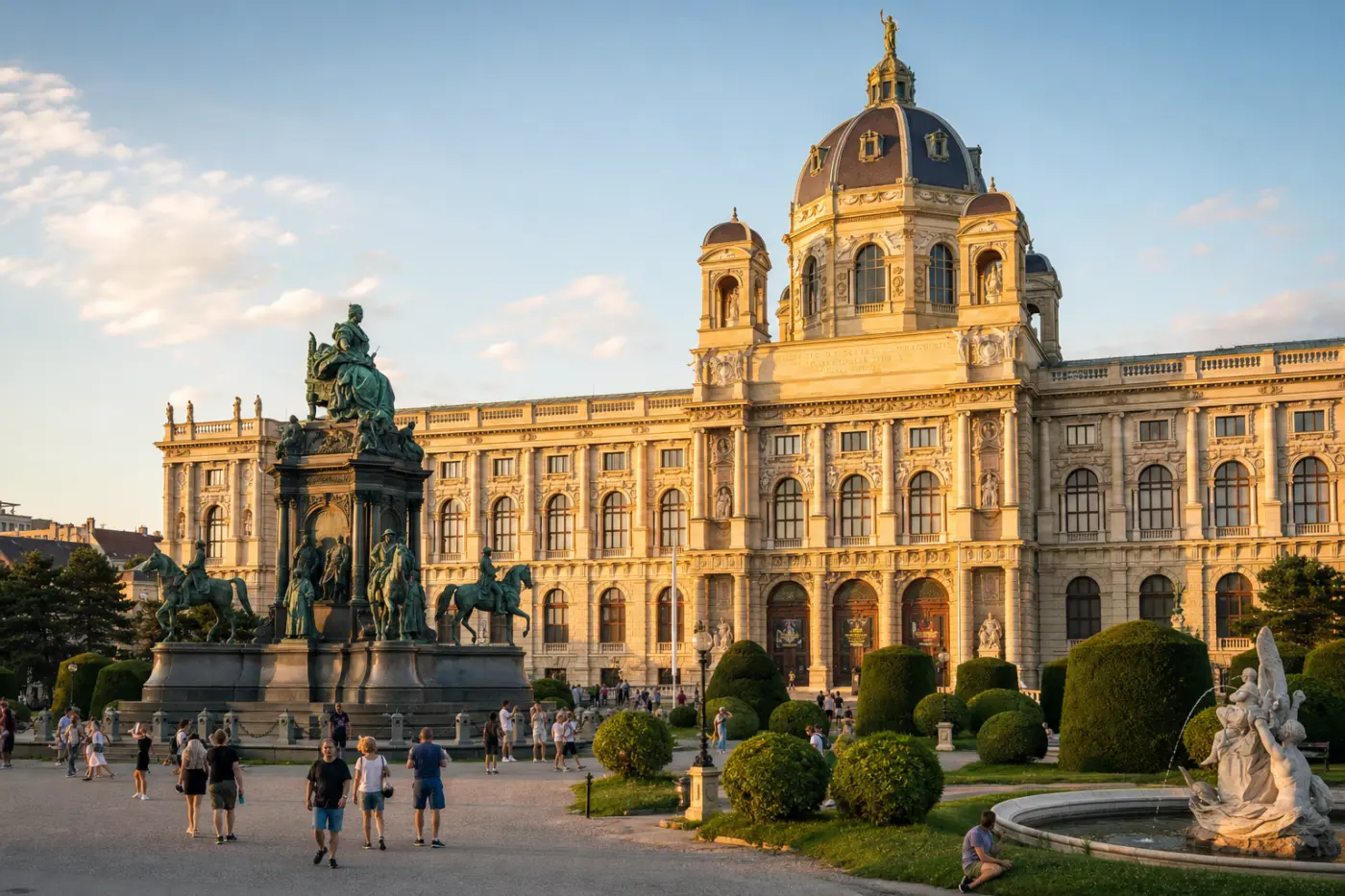
Tourist attraction
The Naturhistorisches Museum Wien (NHM Vienna) is one of the largest and most significant natural history museums on Earth, housing more than 30 million objects across 39 permanent exhibition rooms. Designed by architects Gottfried Semper and Karl von Hasenauer under Emperor Franz Joseph I, the museum was built symmetrically opposite the Kunsthistorisches Museum, flanking Maria-Theresien-Platz in a deliberate act of urban grandeur. The building itself is a monument to Historicist architecture: its Renaissance Revival façade, crowned by a dome 58 metres high and topped with a statue of Helios, signals that knowledge of the natural world was considered as culturally vital as fine art. After nearly three decades of construction, the museum opened its doors on August 10, 1889, in a ceremony attended by the Emperor himself.
The collection's roots stretch back to the 16th century, predating the building by centuries — Emperor Rudolf II's curiosity cabinet and the Habsburg imperial collections formed its nucleus. Today, its 39 rooms span mineralogy, petrology, meteorites, prehistoric life, human prehistory, and zoology. The museum's meteorite collection is among the most important in the world, containing over 1,100 specimens including the Tissint Martian meteorite that fell in Morocco in 2011. But the undisputed star is the Venus of Willendorf, a 11.1-centimetre limestone figurine carved approximately 25,000–30,000 years ago during the Upper Paleolithic, discovered in 1908 near Willendorf in the Wachau Valley. This tiny figurine — one of the oldest and most recognised works of art ever found — occupies its own dedicated display case, drawing visitors from across the globe.
Walking through the NHM is a layered experience. Visitors move from dinosaur skeletons and cast replicas of the largest known sauropods to the African Hall's taxidermied megafauna, then up through geological time in the mineral rooms, where a 117-kilogram topaz crystal and a 680-kilogram block of rock salt sit alongside gems once owned by the Habsburg court. The ceiling frescoes painted by Hans Canon in 1891 in the ceremonial entrance hall — depicting the cycle of life — are a seldom-discussed masterpiece of 19th-century Austrian painting, worth pausing over before descending into the exhibition halls themselves.
The museum is open daily except Tuesdays, from 9:00 am to 6:00 pm (with extended hours until 8:00 pm on Wednesdays), and is located at Maria-Theresien-Platz, 1010 Vienna, directly accessible from the Museumsquartier U-Bahn station (U2). Budget at least three hours for a thorough visit; the sheer volume of the collections rewards a slow pace. Guided tours in English can be booked in advance through the museum's website, and the rooftop terrace — accessed seasonally — offers one of the more unusual vantage points over Vienna's Ringstraße.
Private tours with a local guide, at your own pace.
Vienna
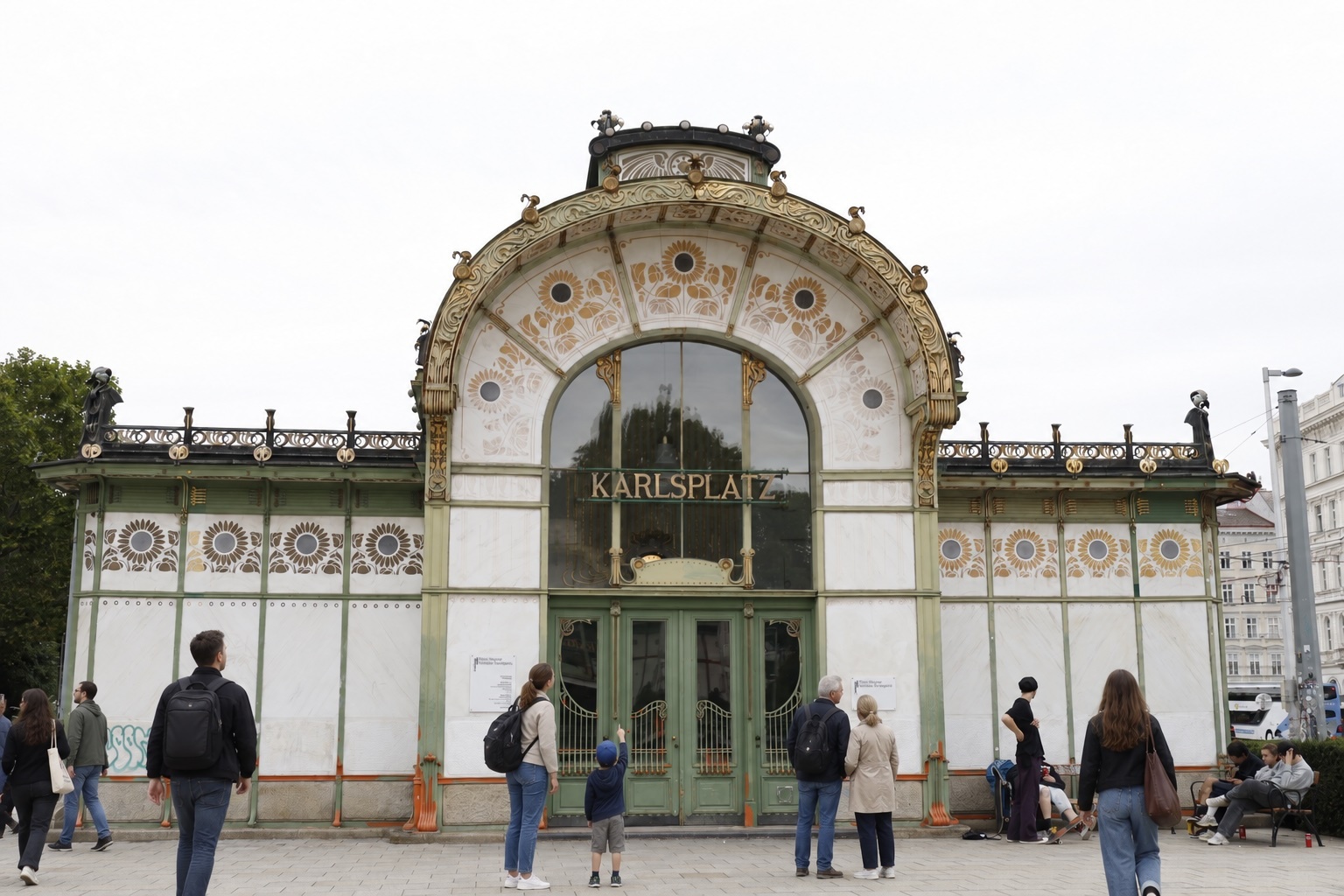
Vienna
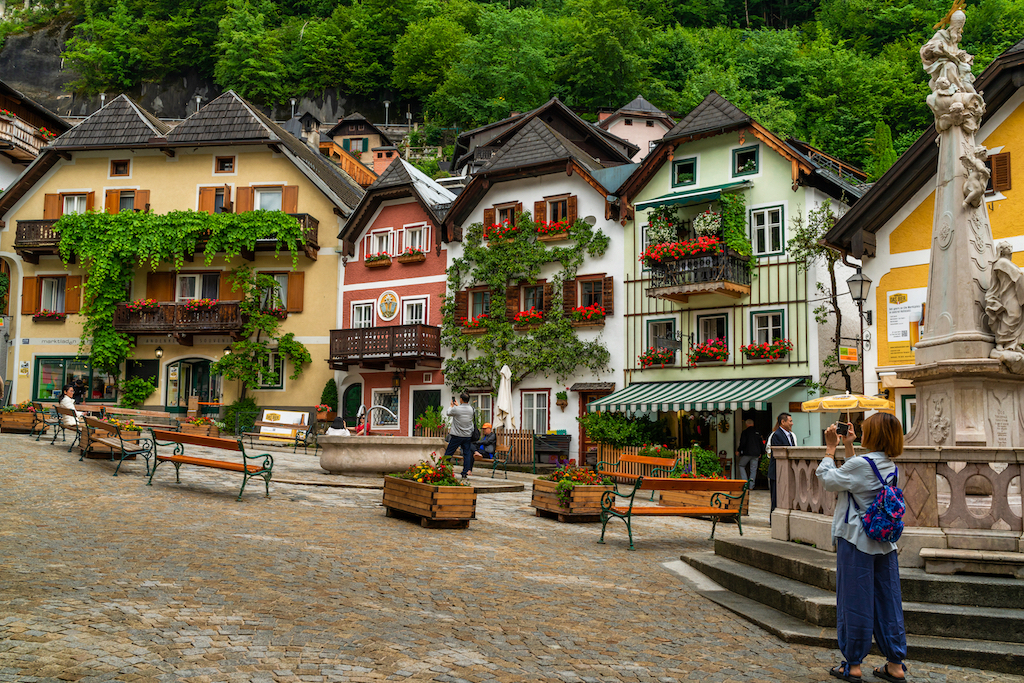
Vienna
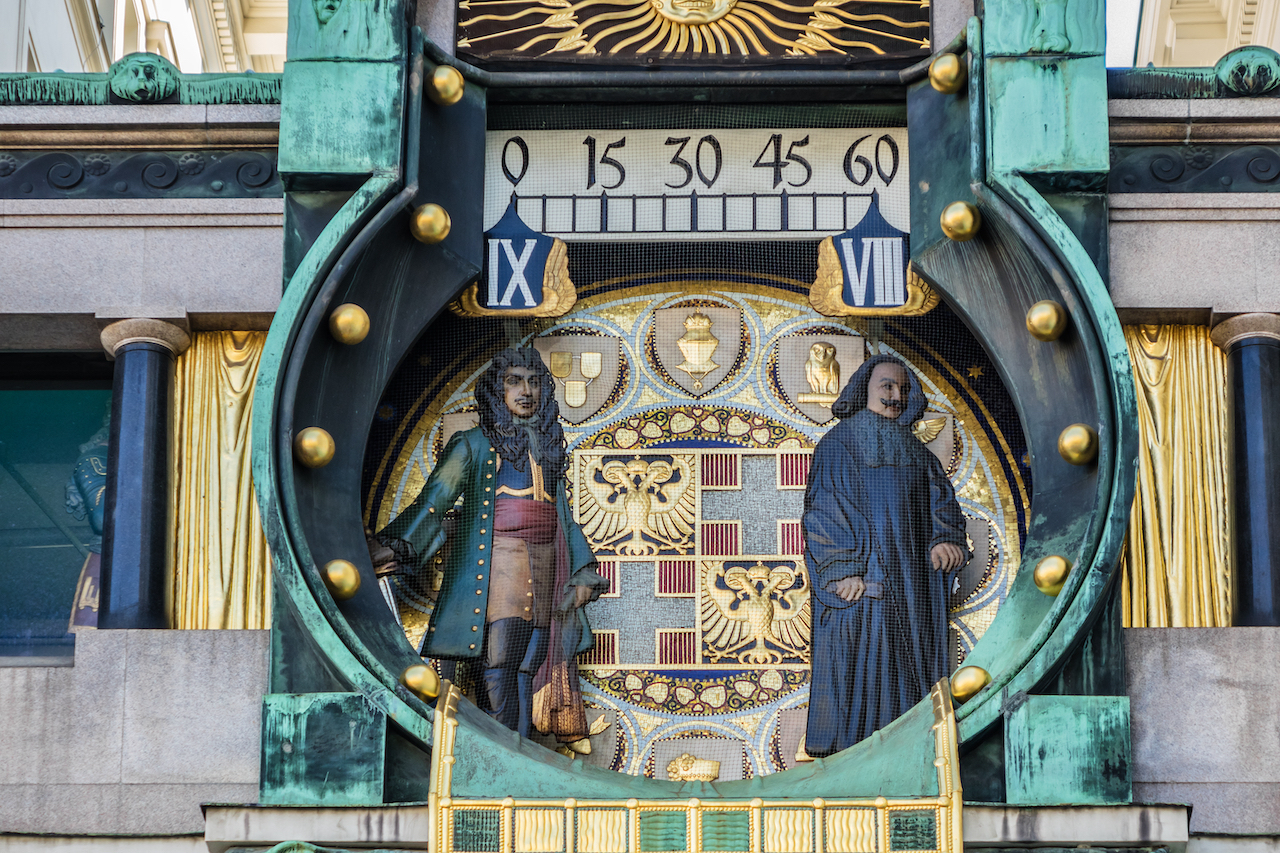
Vienna
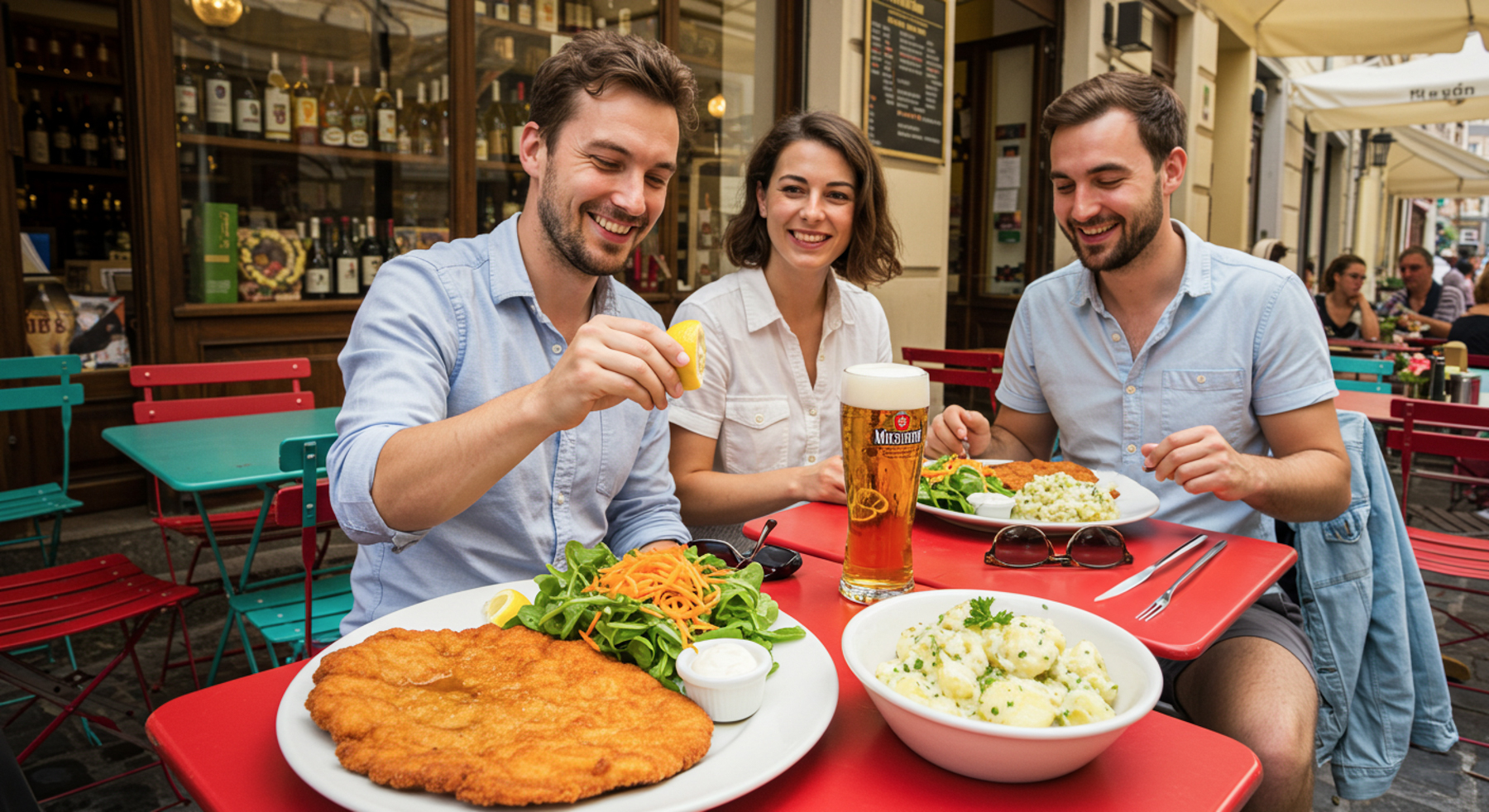
Vienna
Vienna
Vienna
Vienna
Vienna