Things to Do in Vienna: A Local's Guide to the City of Music & Dreams
Related Turistic Attractions
Check out other tourist attractions in the same city
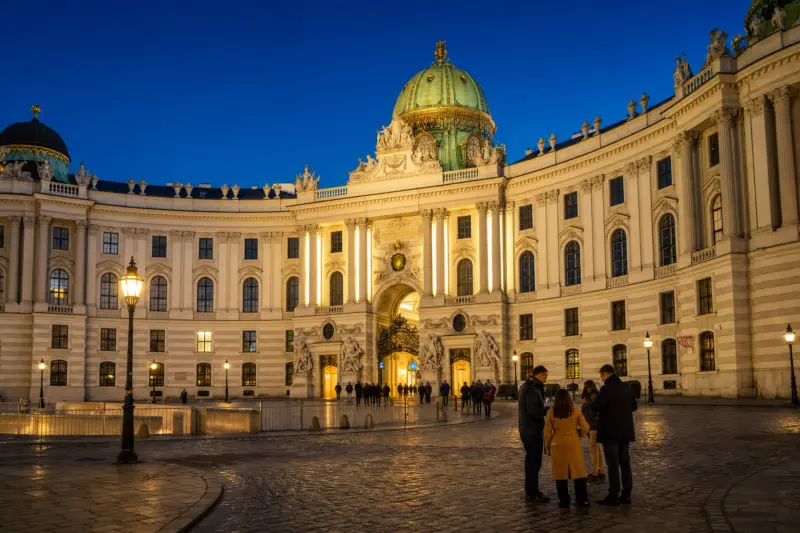
Hofburg Palace: Heart of the Habsburg Empire
Vienna
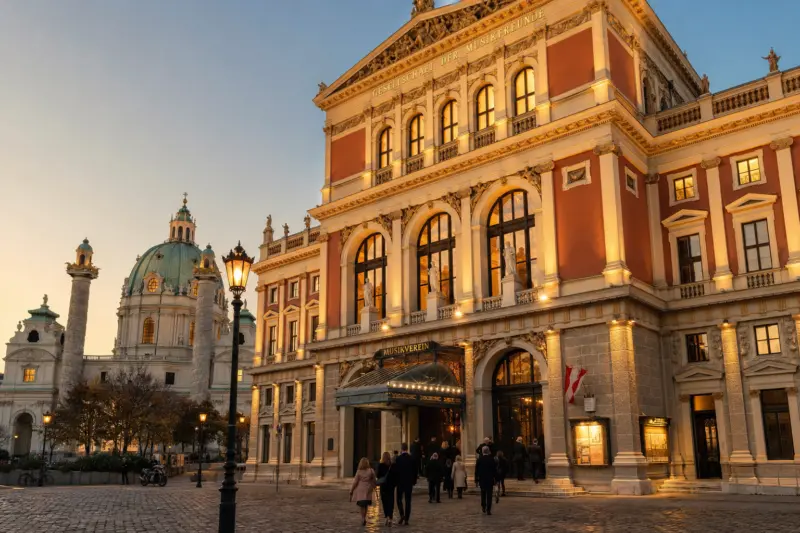
Musikverein — Vienna's Golden Hall
Vienna
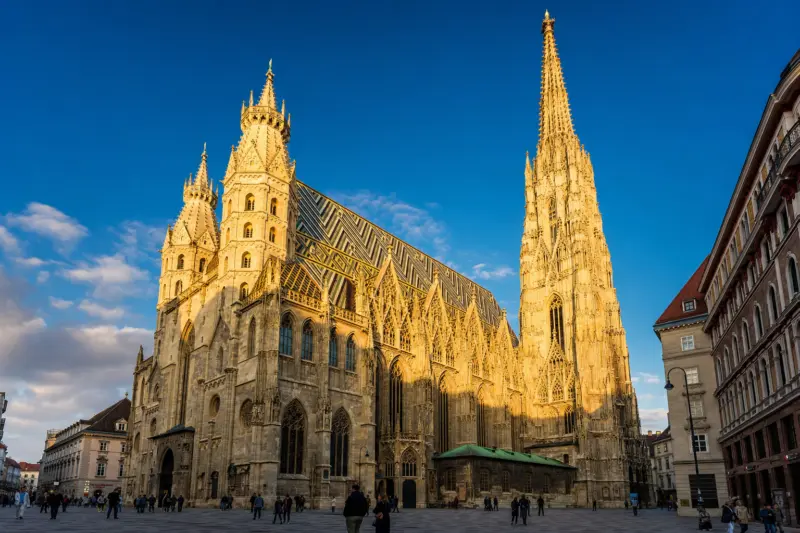
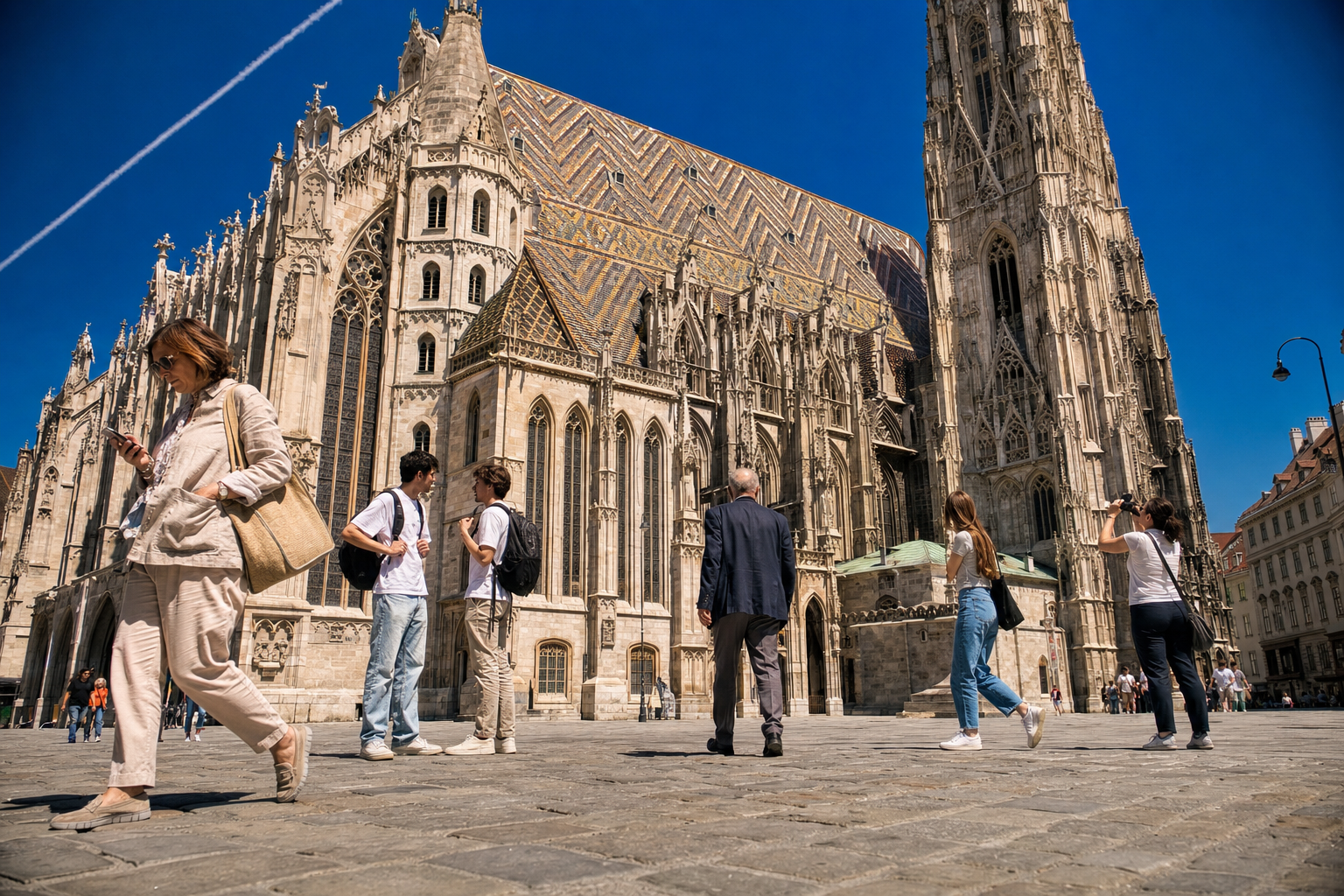
St. Stephen's Cathedral, Vienna
Vienna
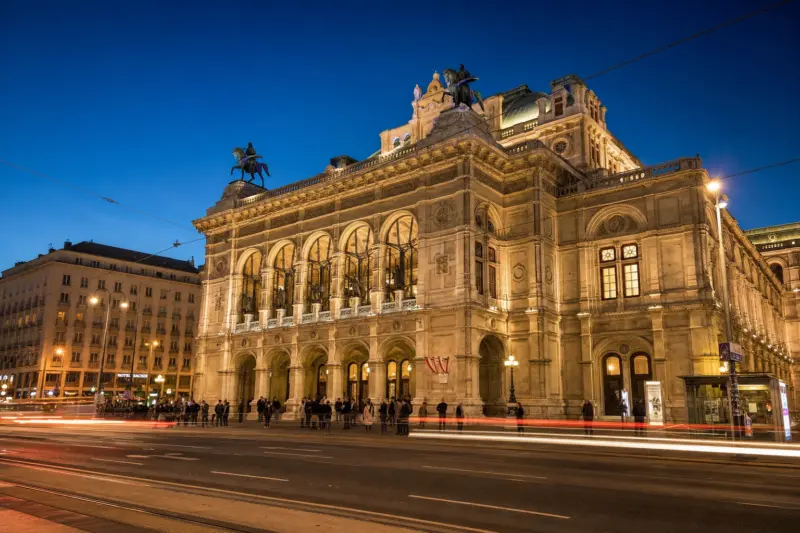
Vienna State Opera: Wiener Staatsoper
Vienna
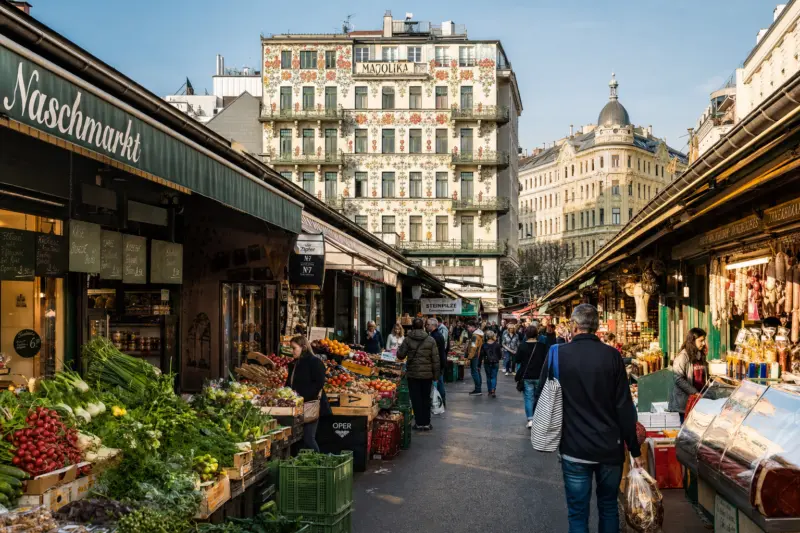
Naschmarkt Vienna
Vienna
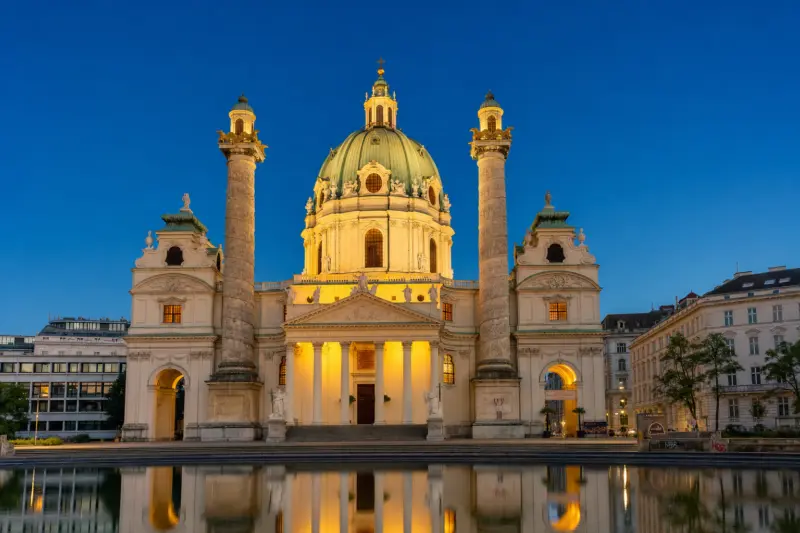
Karlskirche Vienna
Vienna
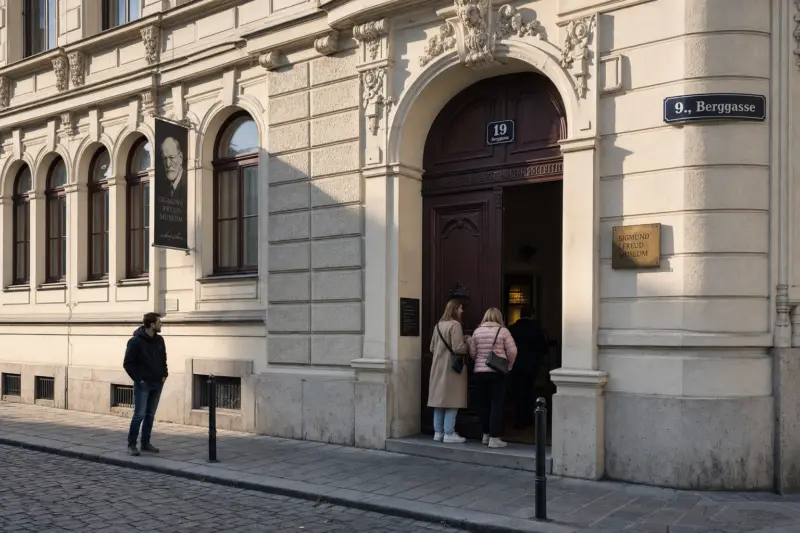
Sigmund Freud Museum Vienna
Vienna
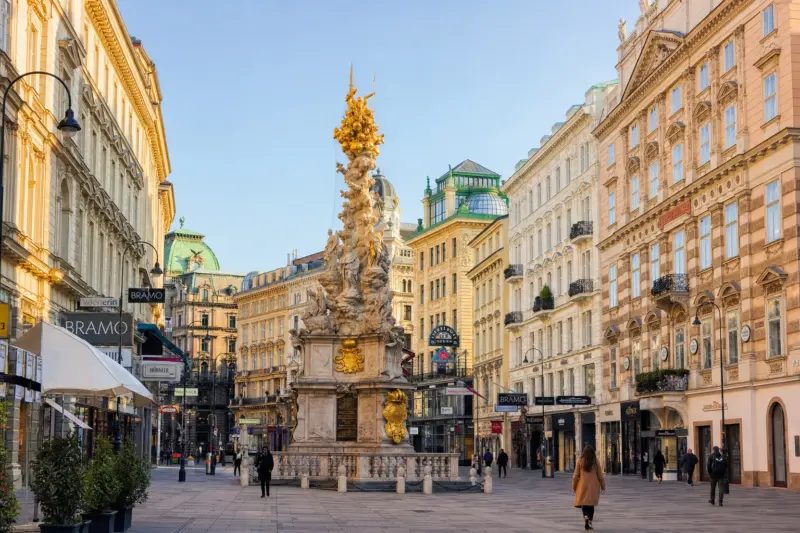
The Graben: Vienna's Imperial Pedestrian Boulevard
Vienna
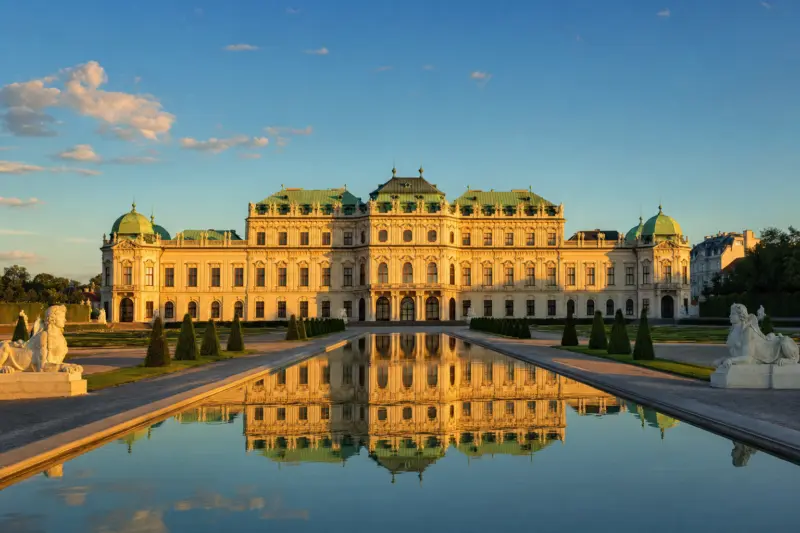
Belvedere Palace: Vienna's Baroque Masterpiece
Vienna
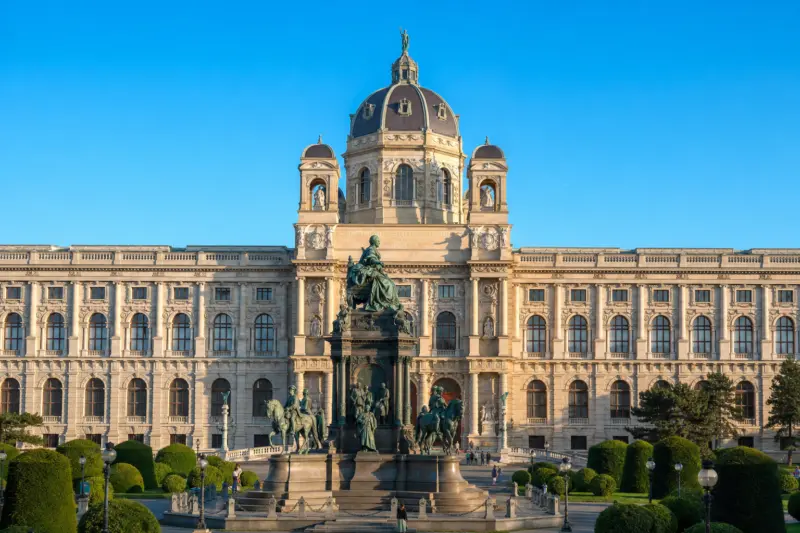
Kunsthistorisches Museum Vienna
Vienna
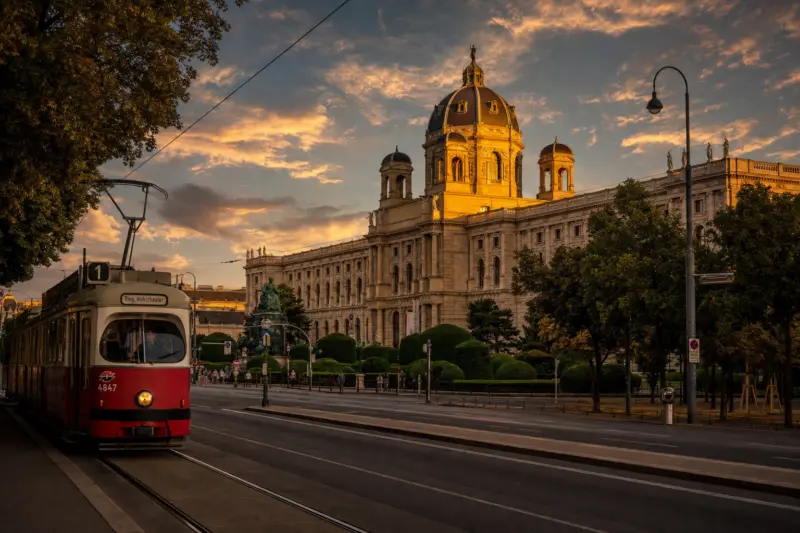
Vienna's Ringstrasse
Vienna
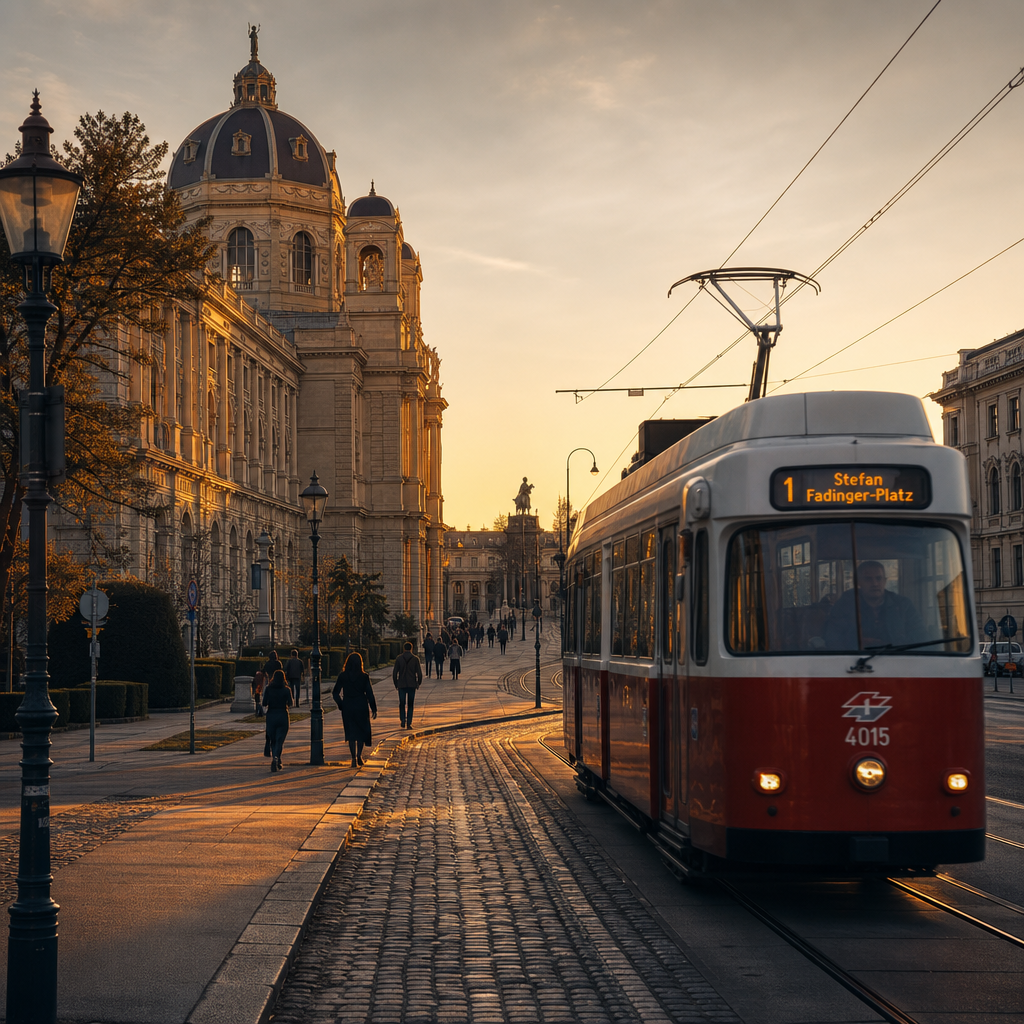
Vienna's Imperial Layer Cake: Palaces, Ringstrasse & the Habsburg Legacy
On 20 December 1857, Emperor Franz Joseph I signed the imperial decree that would demolish Vienna's ancient city fortifications and replace them with the Ringstrasse — a 4km ceremonial boulevard that remains one of the most deliberate acts of urban branding in European history. Within a single generation, the Ring was lined with monumental showpieces: the neo-Gothic Rathaus, the neo-Renaissance Kunsthistorisches Museum, the neo-Baroque Opera House, and the neo-Classical Parliament building — each style chosen to invoke a different era of imperial legitimacy. The architect Adolf Loos, never one to mince words, dismissed the whole enterprise as "Potemkin architecture" — a façade of historical authority masking a fundamentally insecure empire.
The Opera House itself carries one of Vienna's most tragic footnotes. When it opened in May 1869, the Viennese press savaged it — mocking the building's proportions and calling it a "sunken chest." One of its two architects, Eduard van der Nüll, was so devastated by the criticism that he died by suicide before the inauguration. Emperor Franz Joseph, shaken by the episode, is said to have adopted his famous diplomatic phrase — "it was very nice, it pleased me very much" — to avoid ever again publicly criticising a creative work.
Beyond the Ring, the contrast between Vienna's two great palaces reveals the Habsburg relationship with ambition and compromise. Schönbrunn, originally designed in 1693 by Johann Bernhard Fischer von Erlach to rival Versailles, was scaled back after cost overruns to its current 1,441 rooms — still the second-largest palace in Europe, but not the colossus first imagined. The Hofburg Palace, by contrast, was never designed at all — it simply grew across 7 centuries and 18 wings, each dynasty adding its own layer of ambition. To walk these buildings with context is to read the entire arc of Habsburg power in stone. The Vienna's Gems & Secrets Private Tour unpacks exactly this layered history, while the Vienna Private Full Day Tour with Schönbrunn tickets takes you inside the palace itself with a local expert. For a curated sweep of the Ringstrasse's architectural drama, the Highlights Vienna Sightseeing Tour covers the boulevard's key monuments in depth.