3 hrs
Vienna
Vienna Art Nouveau Private Tour with Secession Tickets and Klimt
✓ Free cancellation Kids friendly
4.5(56 reviews)
From €219/ person
Book Now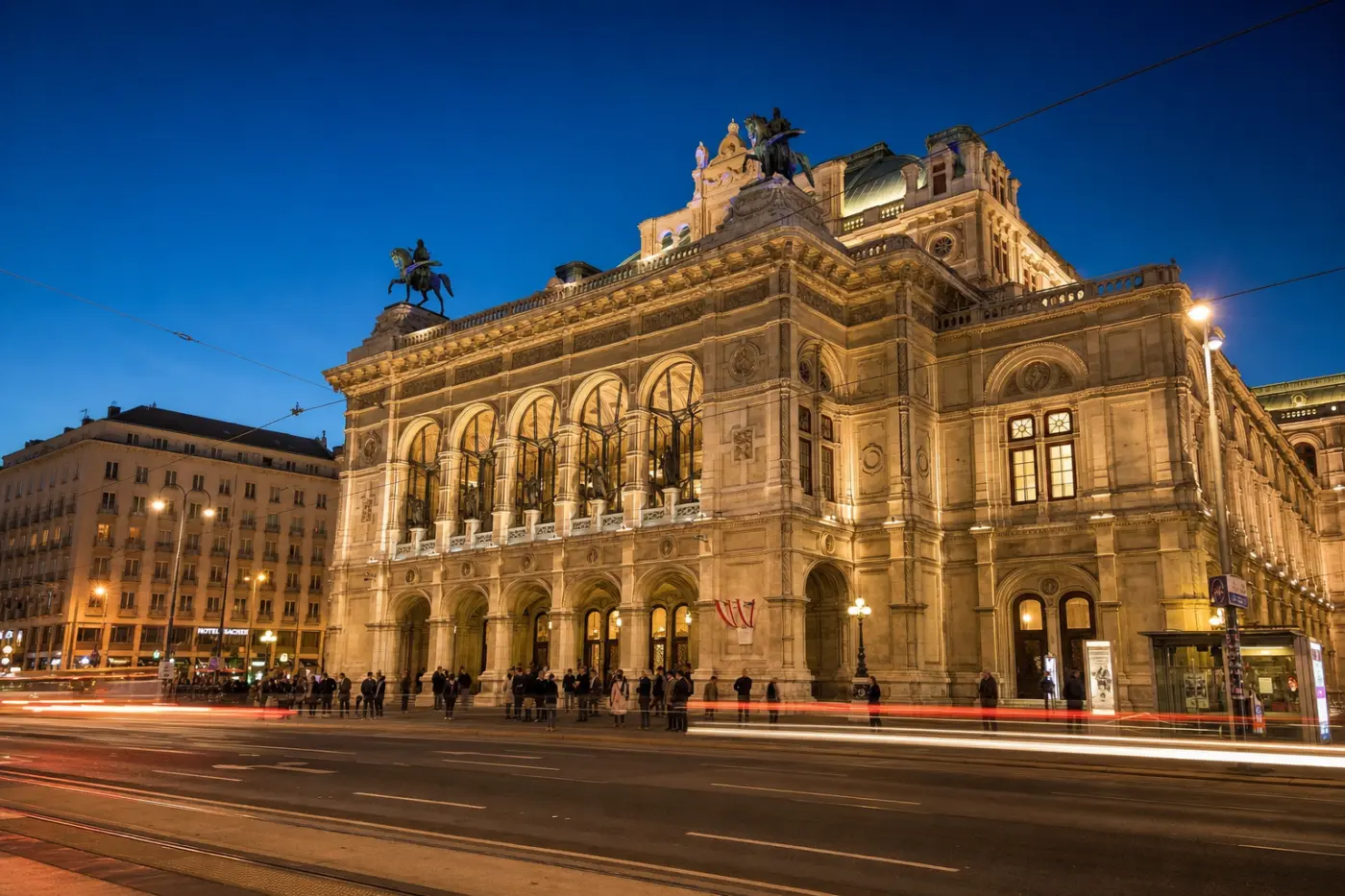
Tourist attraction
The Vienna State Opera — Wiener Staatsoper in German — stands as one of the most important opera institutions on earth. Inaugurated on May 25, 1869, with a performance of Mozart's Don Giovanni, the building was designed by architects August Sicard von Sicardsburg and Eduard van der Nüll as a showpiece of Emperor Franz Joseph I's ambitious Ringstrasse redevelopment of Vienna. Constructed in a richly ornamented Neo-Renaissance style, the facade features a loggia of five arched portals, equestrian statues representing heroic and lyric poetry, and bronze figures of the opera's patron muses. Tragically, van der Nüll did not live to see the completed building — he died by suicide months before the opening, reportedly devastated by public criticism of the design, which some Viennese mockingly called a "sunken chest" for sitting slightly below street level after the road was raised during construction.
The opera house suffered its most catastrophic moment on March 12, 1945, when Allied bombing raids during the final months of World War II gutted the interior, destroying the auditorium, the stage machinery, and much of the original décor. Only the grand foyer, the main staircase, and the tea salon survived largely intact. The reconstruction effort became a symbol of Austrian national renewal: on November 5, 1955 — just days after Austria regained full sovereignty with the signing of the State Treaty — the rebuilt house reopened with a performance of Beethoven's Fidelio conducted by Karl Böhm. That reopening was broadcast live on radio to an estimated one million Austrians, many of whom gathered in the streets outside to listen.
Today the Wiener Staatsoper maintains one of the most demanding schedules of any opera house in the world, presenting roughly 300 performances across opera and ballet each season in a true repertory system — meaning different productions rotate nightly with minimal rehearsal, requiring a permanent ensemble of extraordinary depth and versatility. The house has been led by legendary directors including Gustav Mahler (1897–1907), who modernized production standards dramatically, and more recently by conductors such as Claudio Abbado, Lorin Maazel, and Franz Welser-Möst. Every January, the building is transformed into the venue for the Vienna Opera Ball (Opernball), one of the most prestigious social events in Europe, when the stalls seats are removed and replaced by a vast ballroom floor.
Visitors who attend a performance step into a restored auditorium of deep red and gold, seating approximately 1,709 patrons across stalls, balconies, and 567 standing-room places — the latter famously affordable and fiercely sought after by devoted opera-goers who queue hours in advance. For those not attending a performance, guided tours of the interior are offered daily and cover the imperial foyer with its ceiling frescoes, the Schwind Foyer with murals depicting scenes from Mozart's The Magic Flute, and the grand marble staircase. The opera is located at Opernring 2, directly above the Karlsplatz/Oper U-Bahn station, and is best visited on foot along the Ringstrasse to appreciate its architectural relationship with the wider boulevard.
Private tours with a local guide, at your own pace.
Vienna
Vienna
Vienna
Vienna
Vienna
Vienna
Vienna
Vienna
Vienna
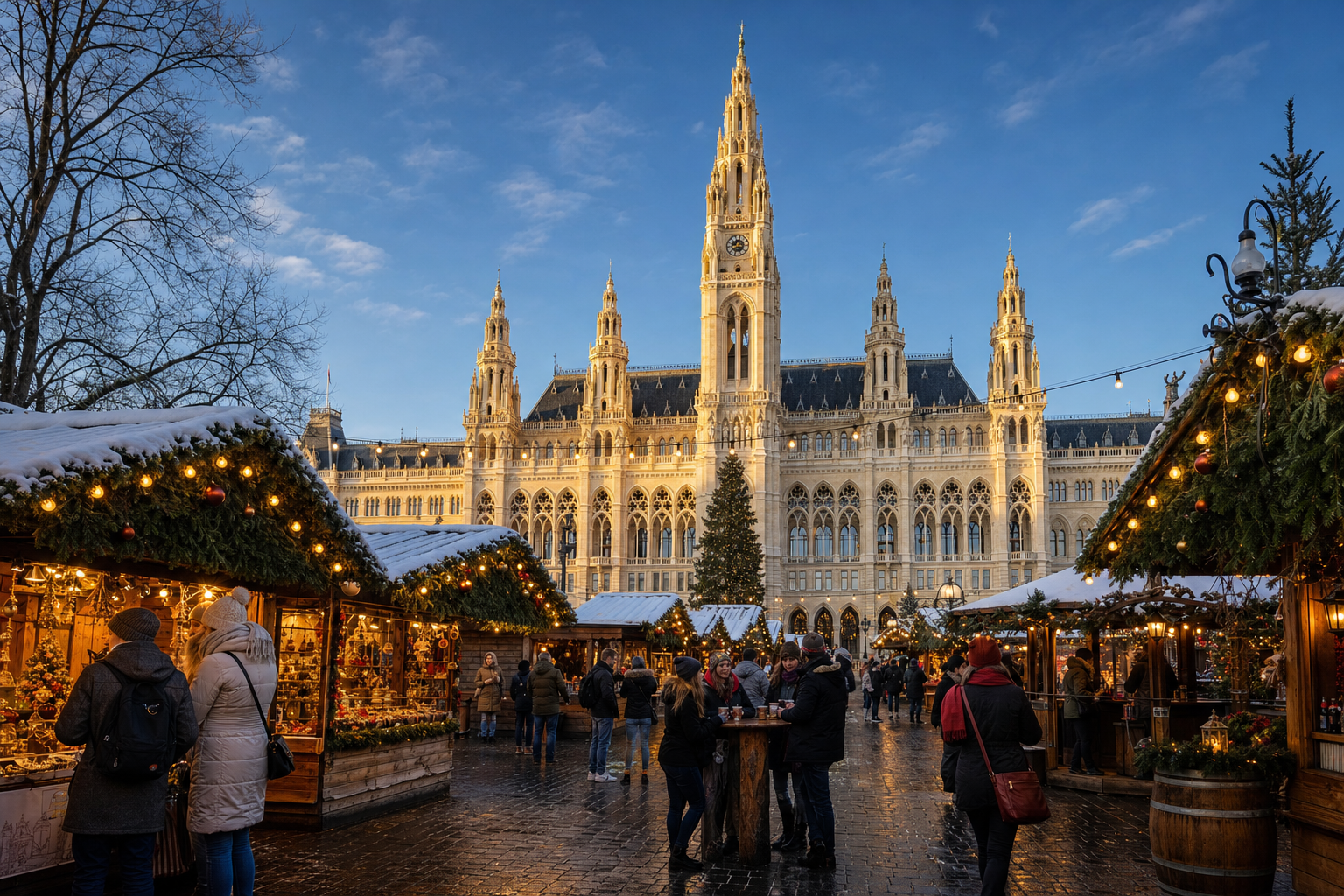
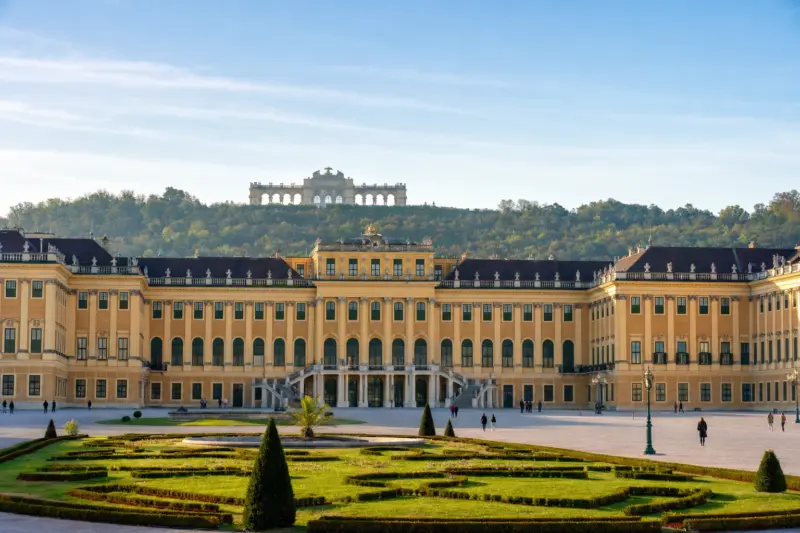
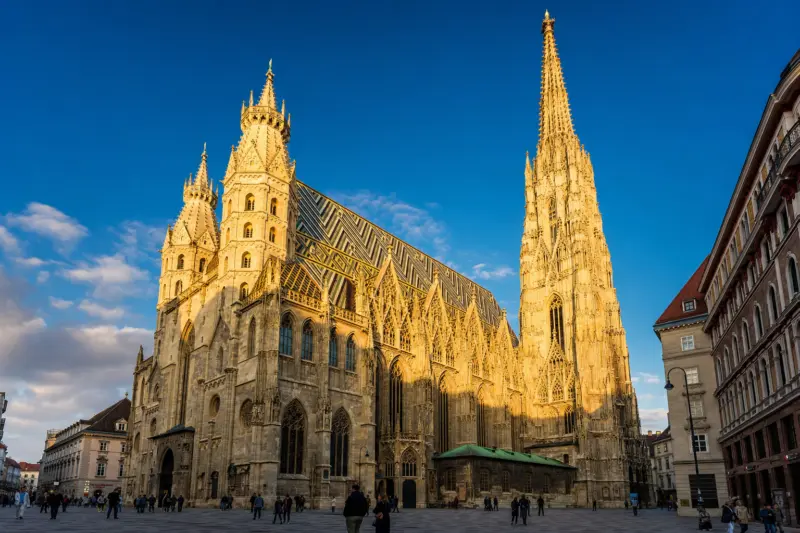
On the 20th of November 2026, the lights go on at the Rathausplatz Christmas market — and Vienna becomes, for five weeks, the most convincing argument anyone has made for winter travel. The Austrian capital hosts not one but a constellation of Advent markets, each anchored to a landmark of world historical significance: a Gothic cathedral begun in 1137, a Baroque imperial palace with 1,441 rooms, a Neo-Gothic city hall whose tower clears 98 metres. This is not the Christmas market circuit of fairy-lit sheds and mass-produced ornaments. Vienna's markets sit inside one of the densest concentrations of monumental architecture in Europe, and the 2026 season adds a brand-new market at Schwarzenbergplatz to an already remarkable lineup. Whether you are planning your first December in Vienna or your fifth, the 2026 calendar has enough new details — and enough enduring magic — to justify reading every word of what follows.
Read more →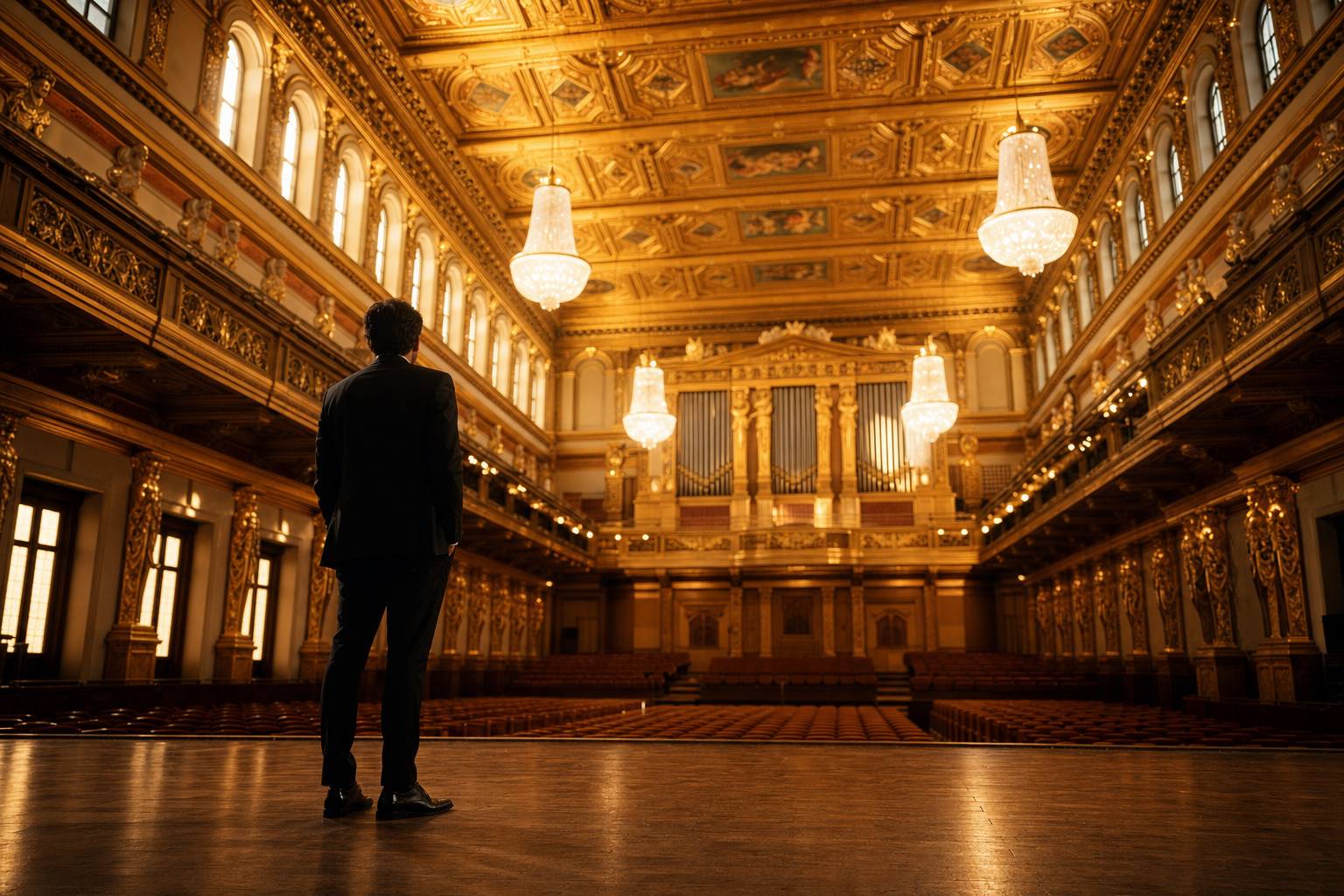
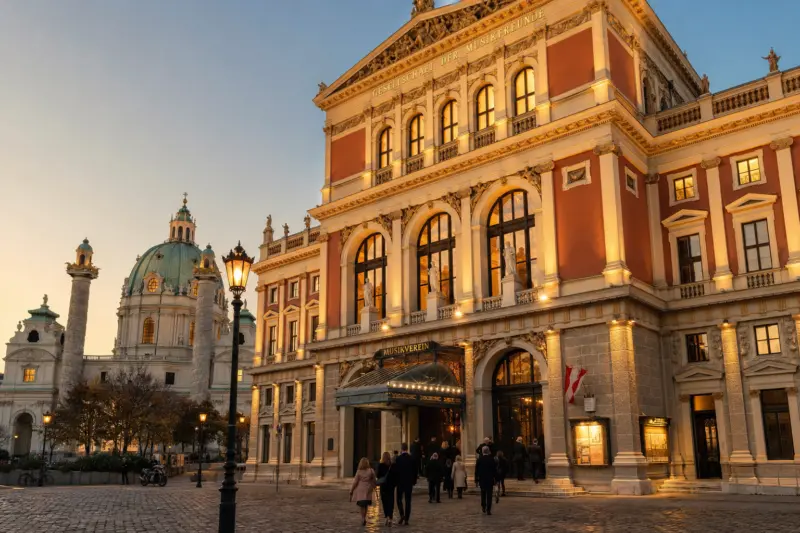
On the night of 30 September 1791, The Magic Flute premiered at the Theater auf der Wieden in Vienna — just ten weeks before Mozart died at 35. That a composer on the edge of poverty could still produce one of opera's most enduring works in this city is not a coincidence. Vienna didn't simply attract great composers; it manufactured the conditions for greatness. The Habsburg imperial court poured money into music for two centuries, aristocratic families competed for prestige through the composers they sponsored, and by the mid-19th century, the bourgeoisie had taken over that role — filling salons and concert halls with an appetite for live performance that has never really stopped. Today Vienna remains the only city on earth where the classical tradition isn't a museum piece but a living, breathing part of daily life: the Vienna Philharmonic still rehearses in the same Musikverein built in 1870, and you can hear Mozart performed within walking distance of the apartment where he wrote it. This guide explains why — and how to experience it fully.
Read more →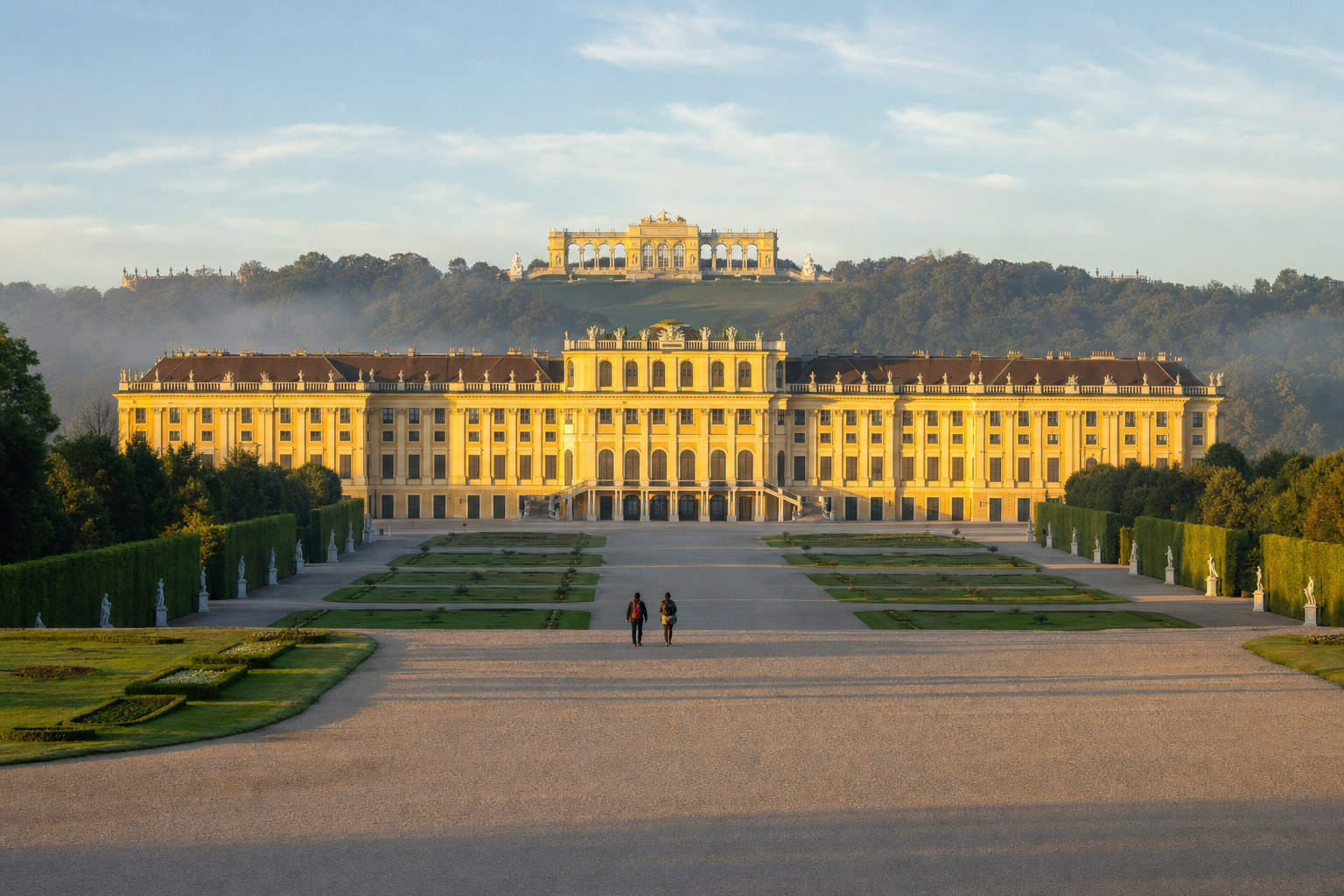
When the Habsburg court needed to escape the summer heat of the Hofburg, they didn't travel far — they didn't need to. Vienna sits at one of Europe's great geographical crossroads: the eastern edge of the Alps, where the Danube cuts through limestone gorges before fanning out across the Pannonian Plain. That position, refined over seven centuries of imperial ambition, means that monasteries, wine valleys, spa towns, and forested hilltops all cluster within 100 kilometres of the city centre. Vienna is, by any measure, the most populous city on the entire length of the Danube — and that river is the artery along which the most memorable day trips flow. The Wachau Valley, a UNESCO World Heritage Site since 2000, begins barely 80 km upstream. Baroque abbeys, Roman thermal springs, and a castle where an English king once languished in captivity are all reachable before lunch. If you've given Vienna a day or two and feel the pull to go further, you're in exactly the right city for it.
Read more →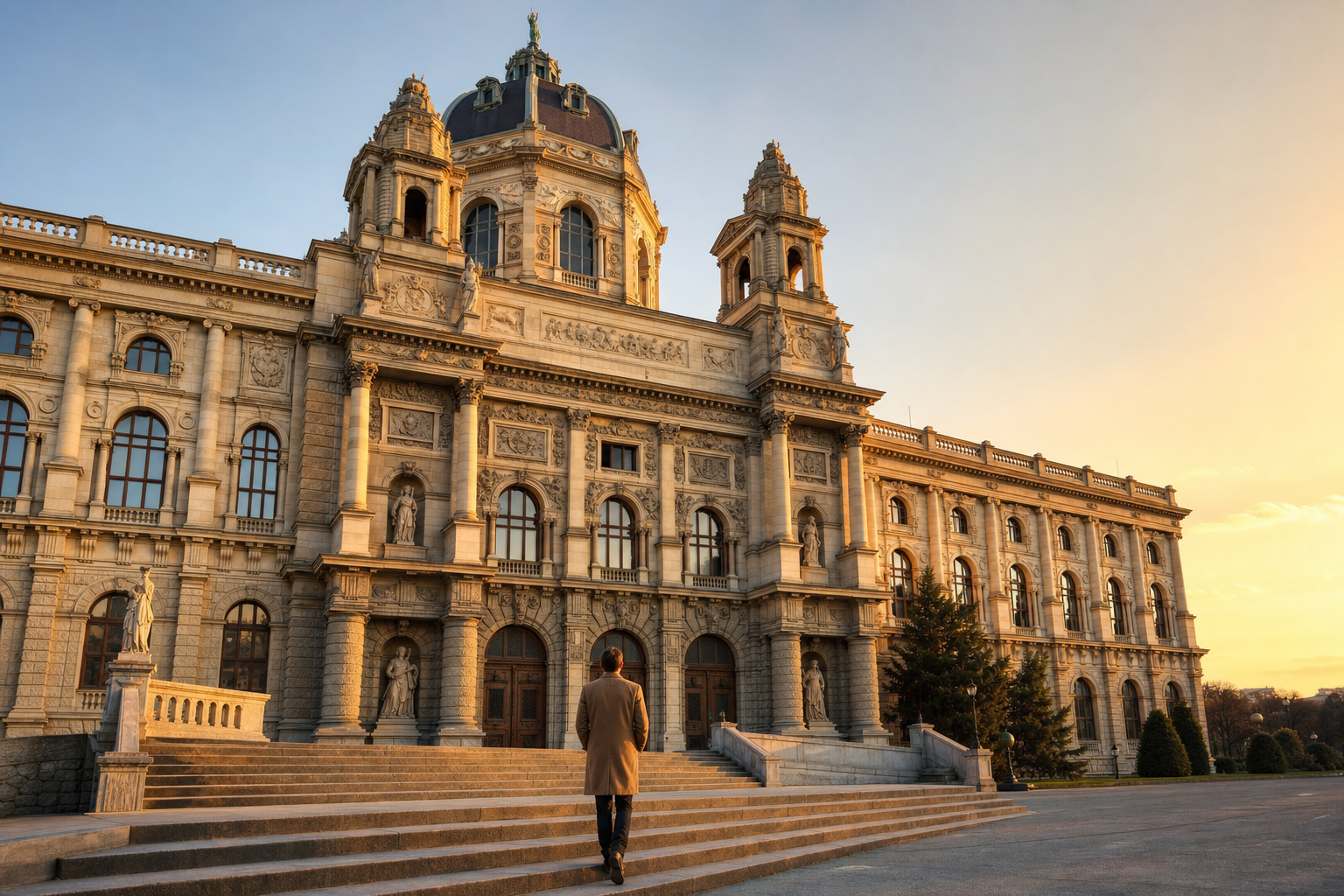
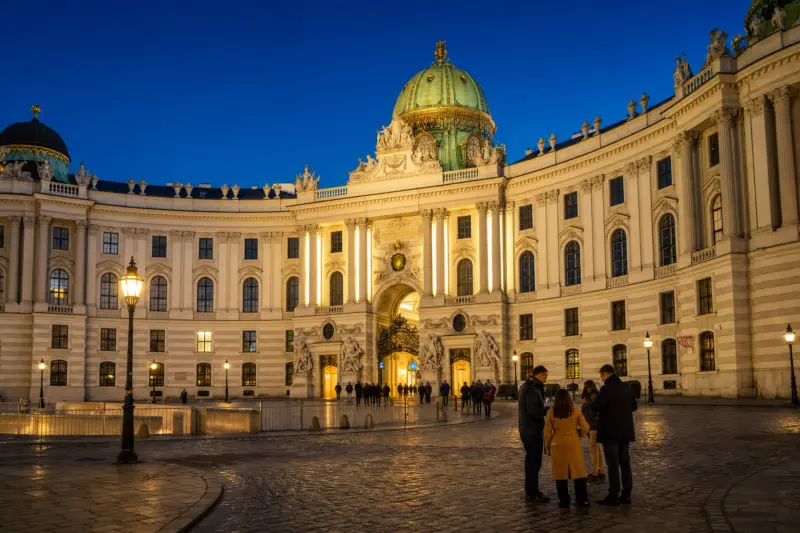
In 1857, Emperor Franz Joseph I signed a single decree that erased Vienna's medieval city walls and replaced them with one of the most choreographed urban boulevards in European history. What rose in their place — the Ringstrasse — was not just a road but a statement of imperial ambition encoded in stone, marble, and political symbolism. Today, Vienna remains the 5th-largest city in the EU by population, yet at its Habsburg peak it governed over 50 million people across a dozen languages and cultures. That weight of history doesn't announce itself. It hides in the geometry of a palace courtyard, in the separate resting places of a dead emperor's heart, entrails, and body, in the deliberate Gothic silhouette of a city hall designed to honour civic — not royal — power. A two-hour bus tour skims the surface of all this. A Vienna private tour, led by a local who has spent years decoding the city's layers, is something categorically different. This guide explains exactly why — and helps you find the right experience for your visit.
Read more →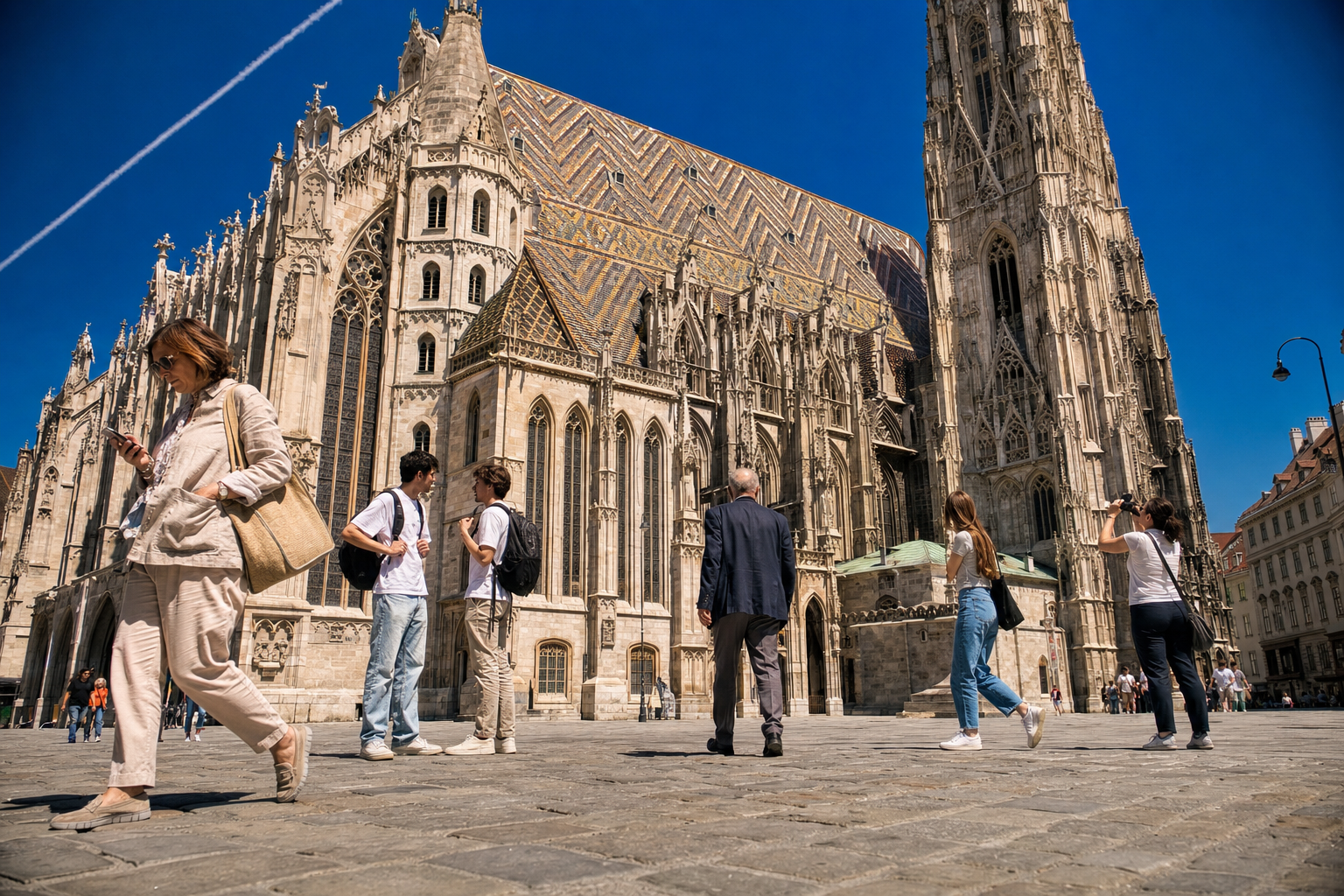
In 1857, Emperor Franz Joseph I issued a single decree that would physically reshape Vienna forever — ordering the demolition of the medieval city walls to make way for the Ringstrasse, a grand ceremonial boulevard that would announce the Habsburg Empire's ambitions to the world. That act of urban willpower set the tone for a city that has always used culture, architecture, and intellect as instruments of power and identity. Vienna is where Mozart premiered operas and Freud mapped the unconscious; where coffeehouse regulars rewrote political theory over a single cup of Melange; where social housing was built on a scale that still astonishes urban planners today. For travellers, this density of history, music, design, and everyday Viennese life means there is almost no such thing as a wasted hour. The question is never whether there's something extraordinary to do — it's knowing where to look, and why it matters. This guide cuts through the clichés to show you the city that locals know: layered, contradictory, and endlessly rewarding.
Read more →We use a single cookie, to remember this choice. We do not use analytics or advertising cookies. Read our cookie policy.