3 hrs
Vienna
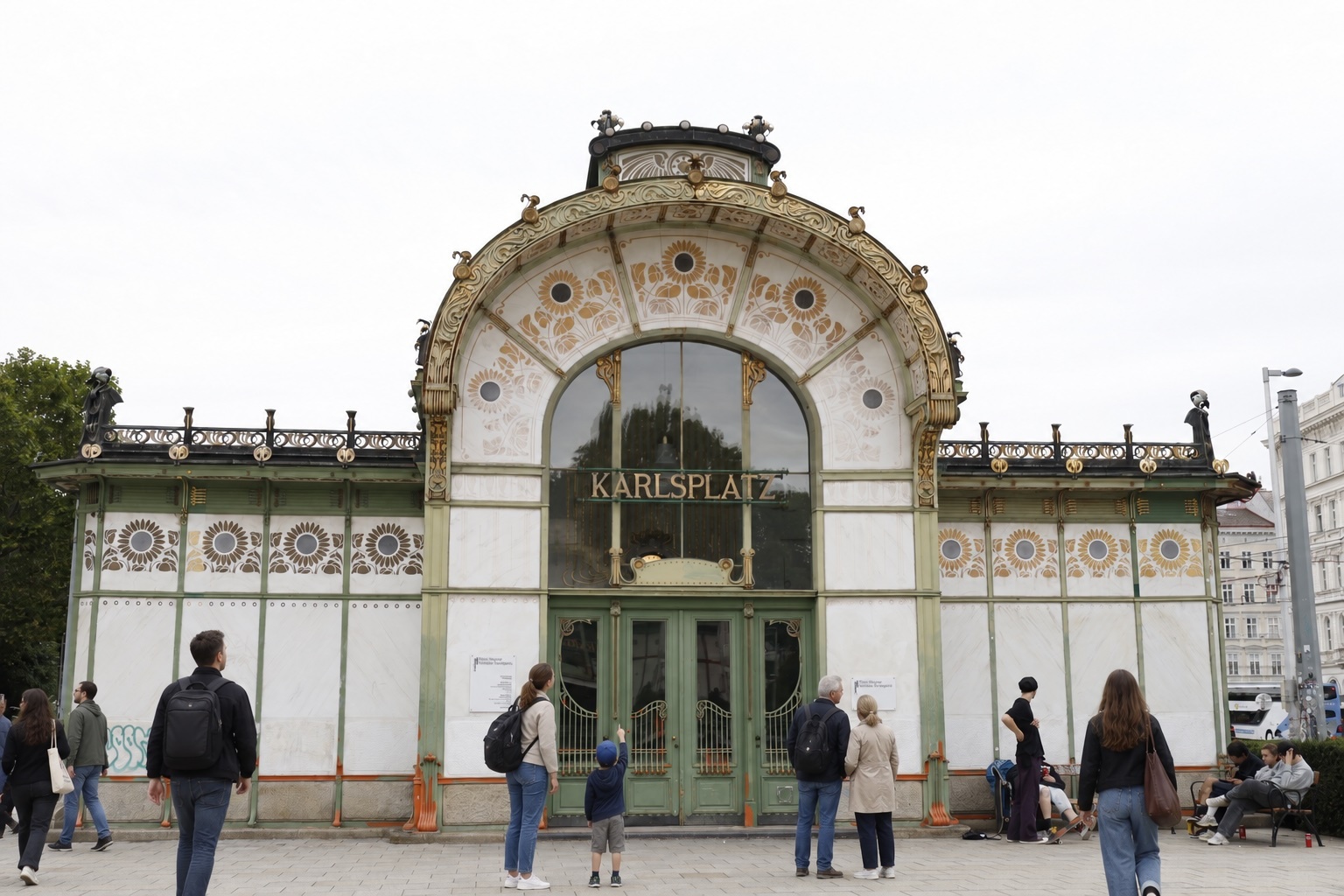
Vienna Art Nouveau Private Tour with Secession Tickets and Klimt
✓ Free cancellation Kids friendly
4.5(56 reviews)
From €219/ person
Book Now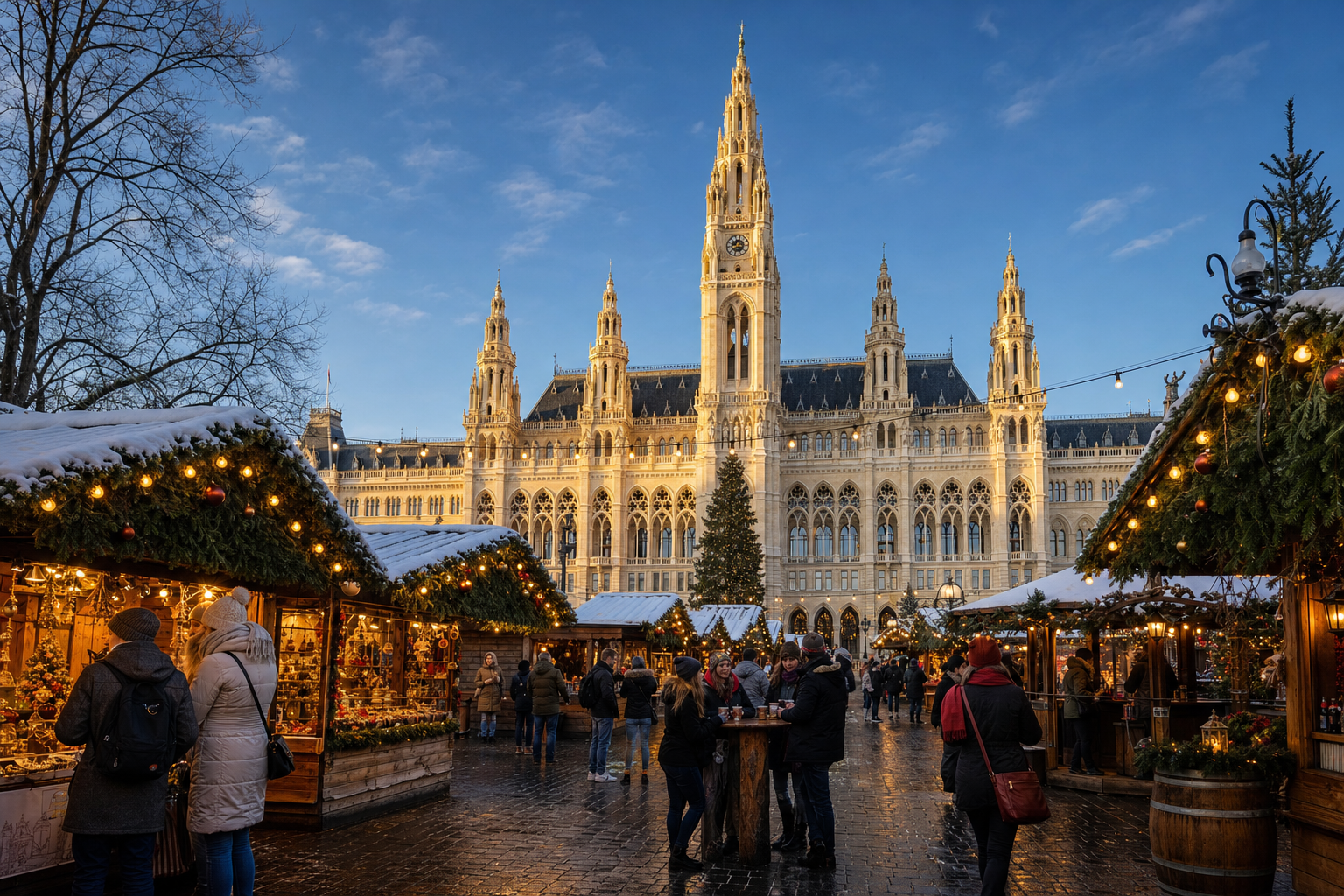
Check out other tourist attractions in the same city
Vienna
Vienna
Vienna
Vienna
Vienna
Vienna
Vienna
Vienna
Vienna
Vienna
Vienna
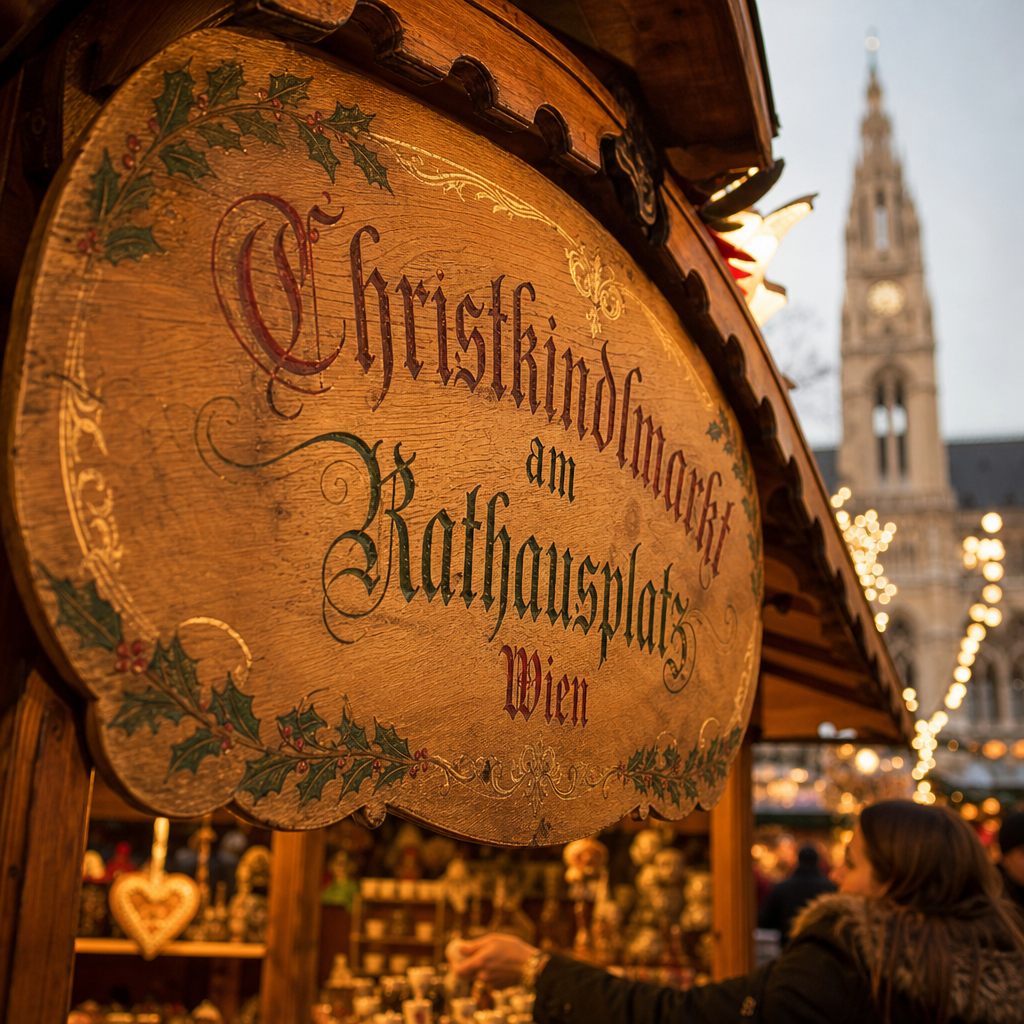
The anchor of the 2026 season is the Rathausplatz Christkindlmarkt, open from 20 November to 26 December 2026, including Christmas Day, with hours of 10:00–22:00 daily. Set in front of Vienna's neo-Gothic City Hall — completed in 1883 by Friedrich von Schmidt — this is the largest Christmas market in the city and the one most visitors picture when they think of Vienna in December. The 98-metre central tower of the Rathaus forms the silhouette behind several hundred illuminated stalls, and the rink in front adds an ice-skating dimension that keeps families here well into the evening.
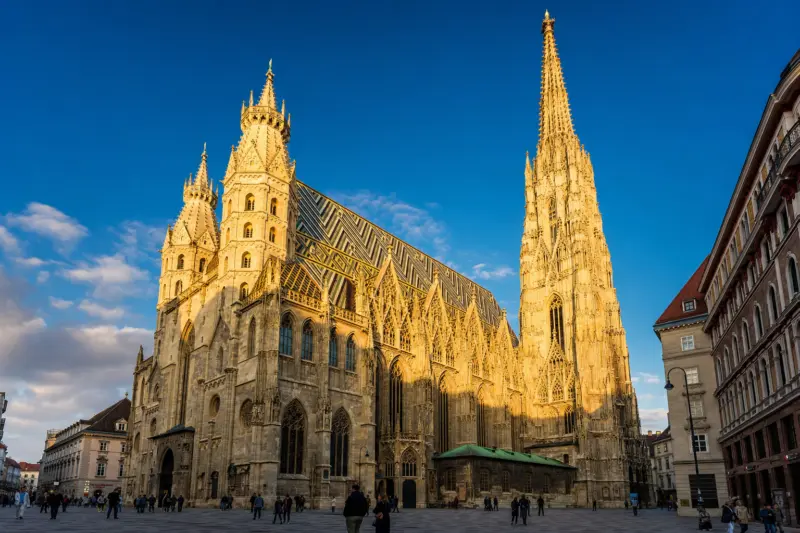
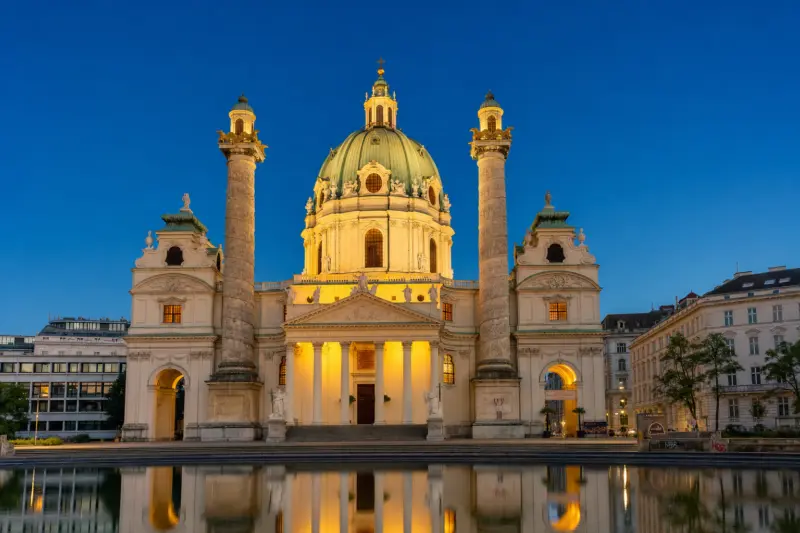
The Christkindlmarkt am Stephansplatz is one of Vienna's oldest, encircling the base of St. Stephen's Cathedral — a Gothic church begun in 1137 whose South Tower rises 136 metres. It runs from late November through 26 December. The Schönbrunn Palace Christmas market, set in the front courtyard of the UNESCO-listed Baroque palace, and the Karlsplatz market in front of Karlskirche (1716–1737) both typically close on 23 December — plan those visits for the first two weeks of December to avoid disappointment.
The headline addition for 2026 is the new market at Schwarzenbergplatz, operated by the same team behind the Rathausplatz, Stephansplatz, AKH, and Maria-Theresien-Platz markets — an operator with a proven track record of artisan curation that makes this debut immediately credible. Dates are aligned with the main season. Over at the Prater, the Wurstelprater market runs adjacent to the 1897 Giant Ferris Wheel (Riesenrad) and Madame Tussauds Vienna, giving it a fairground energy that sets it apart from the more atmospheric inner-city locations.
A guided Highlights Vienna Sightseeing Tour or the Vienna's Gems & Secrets Tour can be timed to move between several market locations in a single half-day, with a guide who knows which squares get crowded when.
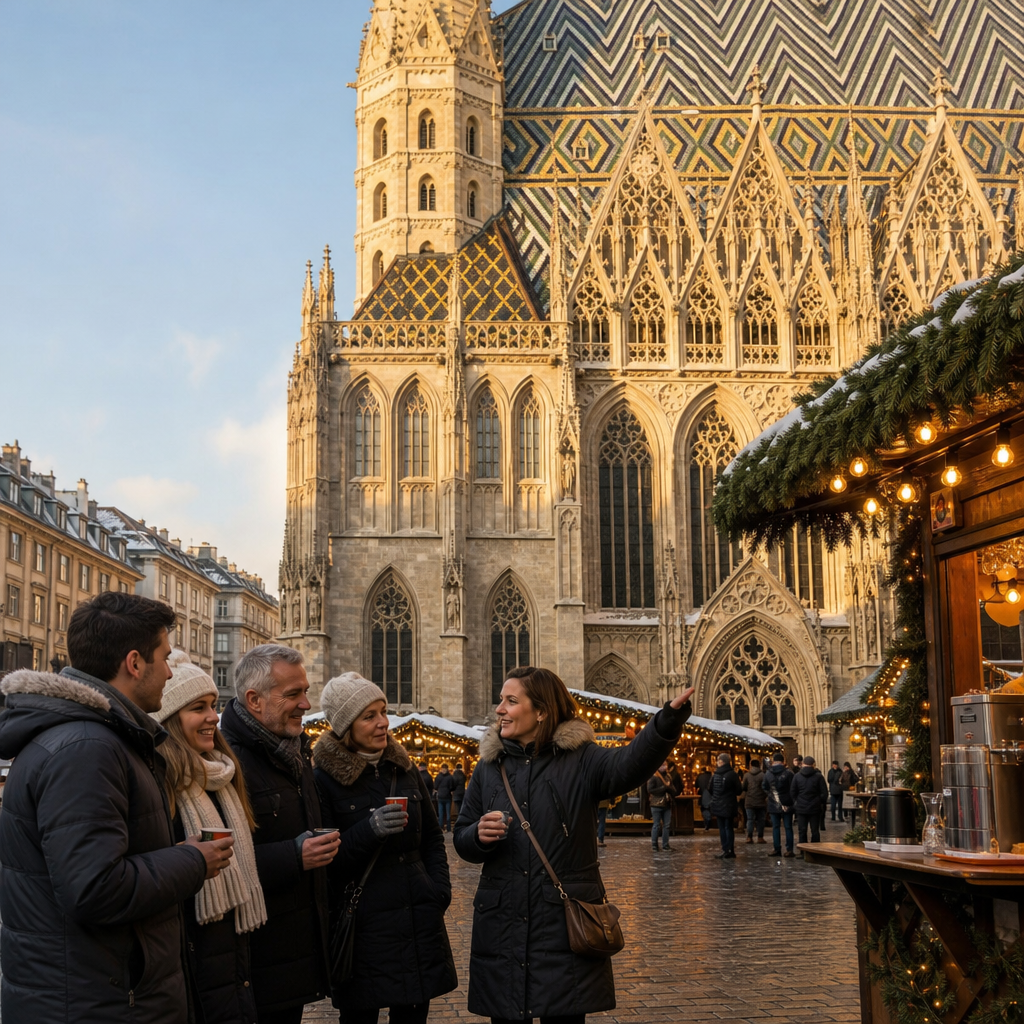
The easiest mistake at a Vienna Christmas market is treating the food and craft stalls as interchangeable with those you have seen elsewhere in Europe. They are not. Start with what you drink. Punsch — Austria's answer to mulled wine — is a distinct tradition: traditionally a blend of wine, rum, or tea with citrus peel, cloves, and sugar. It is warmer, sweeter, and more spirit-forward than its German Glühwein cousin. Every market has its own recipe, and comparing them between squares is a legitimate itinerary in itself.
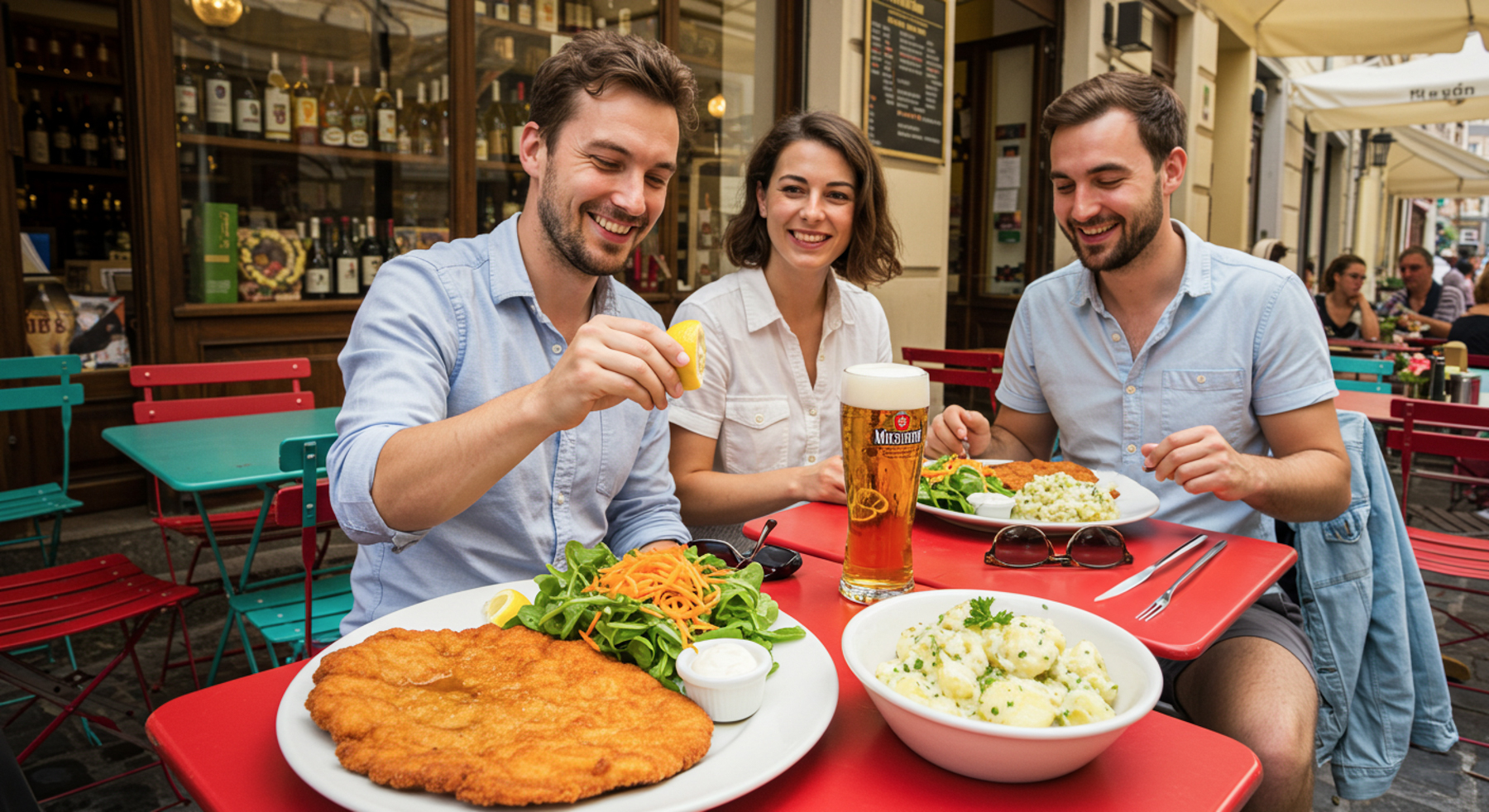
For food, the markers of a good stall are Maroni (roasted chestnuts, sold from cast-iron drums in a tradition stretching back to the Habsburg street trade), Kaiserschmarrn (the shredded pancake dessert named after Emperor Franz Joseph I, best eaten fresh from a pan with plum compote), and Langos — deep-fried dough with sour cream and cheese, a Central European staple that tastes significantly better than it photographs. Lebkuchen in Vienna tends to be spicier and less sweet than northern German versions; look for the ones iced with Viennese street scenes.
On the craft side, Viennese Christmas baubles trace their aesthetic lineage to 19th-century glassblowing workshops, and the best examples at quality-vetted markets like Rathausplatz and the new Schwarzenbergplatz are hand-painted and signed. Krippen (nativity figurines) reflect Austria's dedicated Krippenbauvereinen guild tradition — a craft federation that has maintained standards for nativity construction since the Baroque era. Pottery candle holders and hand-thrown ceramics round out what a serious stall will offer.
Stall quality varies sharply between markets. Those operated by the shared Rathausplatz/Stephansplatz/Maria-Theresien-Platz/Schwarzenbergplatz operator apply stricter artisan vetting than open-access markets. As one regular visitor put it, the best Vienna markets feel like "a place where people came to meet friends and spend an evening together, rather than just another tourist attraction." The Food & Drinks Vienna Tour and the Like a Local Vienna Tour both go deeper into the Viennese culinary world that underpins what you find in those stalls.
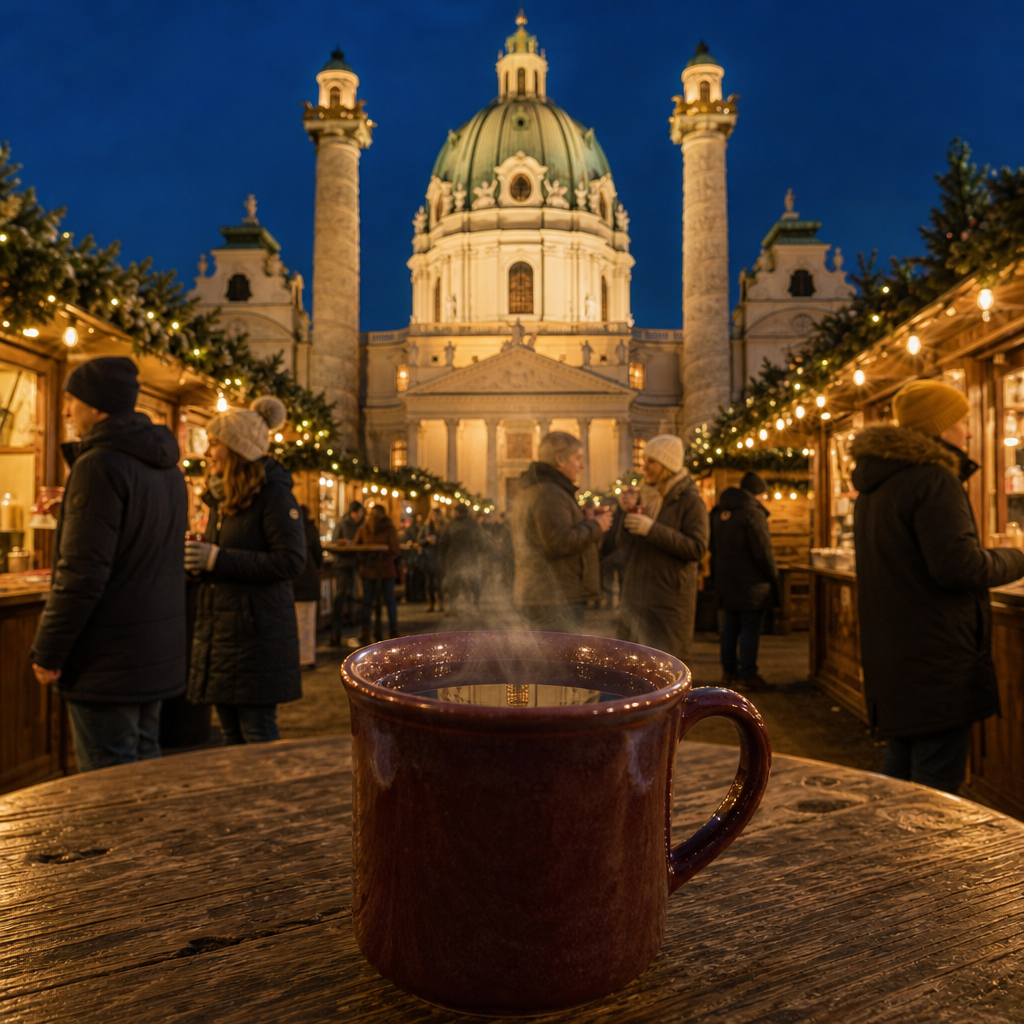
No other city in Europe places its Christmas markets against backdrops of this architectural calibre — and understanding what you are looking at transforms the experience completely. At Rathausplatz, the market glows in front of Friedrich von Schmidt's Flemish Neo-Gothic Rathaus (completed 1883), its 98-metre central tower framing every photograph taken from the market's centre. At Stephansplatz, St. Stephen's Cathedral — with its South Tower at 136 metres, one of the tallest surviving Gothic structures in the world — looms over stalls that literally encircle its medieval foundations.
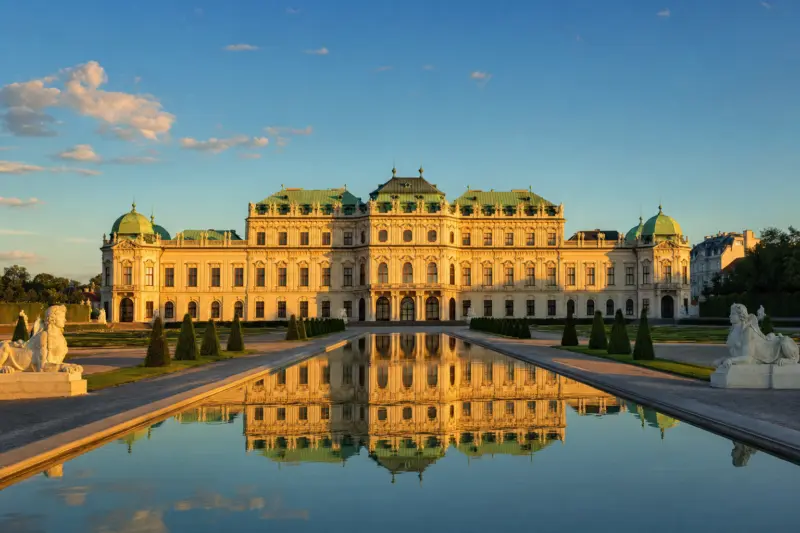
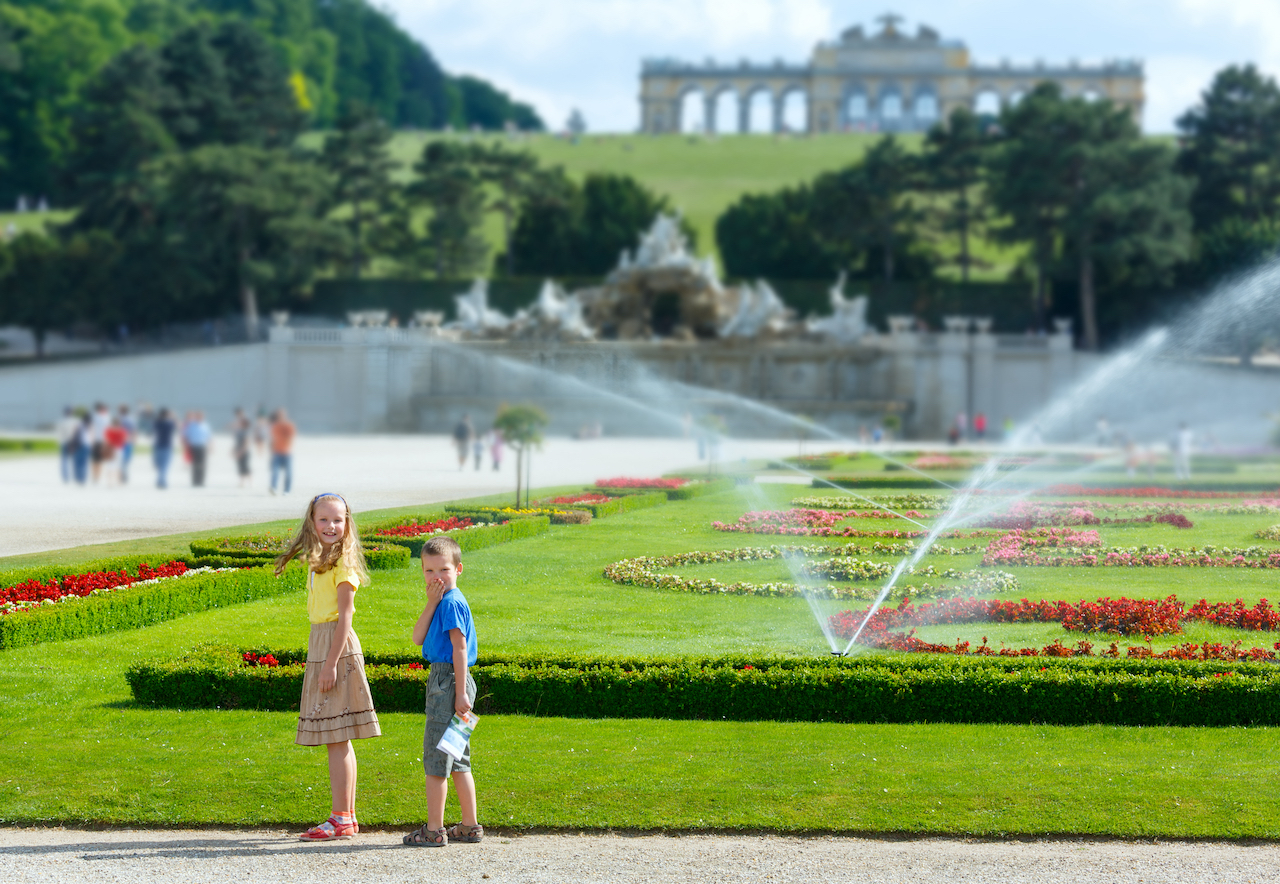
The Schönbrunn Palace Christmas market is set in the front courtyard of a 1,441-room Baroque palace designed by Johann Fischer von Erlach and completed under Empress Maria Theresa, whose UNESCO World Heritage status reflects its singular European importance. At Karlsplatz, the Karlskirche (1716–1737, also Fischer von Erlach) features twin triumphal columns modelled on Rome's Trajan's Column — each 33 metres tall, with spiralling relief carvings depicting the life of St. Charles Borromeo — and the market glows directly in front of them. The Belvedere market, set in the formal French garden between Upper and Lower Belvedere Palace (built for Prince Eugene of Savoy, 1714–1723, now housing Klimt's The Kiss), may be the most visually composed setting of all.
A guide who can explain Fischer von Erlach's twin-column concept, or Schmidt's debt to Cologne Cathedral, turns a walk between stalls into a layered cultural encounter. The Architectural Tour Vienna is designed exactly for this, while the Vienna Full Day Tour including Schönbrunn pairs the palace Christmas market with an interior visit. Families wanting to combine the architecture with a museum stop will find the Vienna Private Family Tour a natural fit for a December day.
First-time visitors in December often spend their days moving between markets without context — arriving at Karlsplatz without knowing about Trajan's Column, or queuing at a Schönbrunn stall unaware they are standing inside a UNESCO palace courtyard. An LCT private guide changes that equation entirely, building the historical and architectural narrative into every step between squares and tailoring the route to your group's pace, interests, and ages.
For visitors who want to go deep on Viennese Advent gastronomy, the Food & Drinks Vienna Tour is the natural choice. Architecture enthusiasts should start with the Architectural Tour Vienna. Families get the most from the Vienna Private Family Tour, which combines market magic with kid-friendly museum stops. The Vienna Full Day Tour including Schönbrunn Palace & Lunch pairs the palace Christmas market with a full interior visit and a proper Viennese lunch. For a broader introduction, the Highlights Vienna Sightseeing Tour, Vienna's Gems & Secrets Tour, and the Like a Local Vienna Tour each offer a distinct angle on the city. The Vienna Classical Music Tour and Melk Day Trip round out the December options for those with more time. Browse the full Vienna tours collection and find the experience that fits your December.
Explore the city with a local guide
Vienna
Vienna
Vienna
Vienna
Vienna
Vienna
Vienna
Vienna