6 hrs
Lisboa
Lisbon Private Full-day Tour - History, Culture, Local Life & Gastro Experience
✓ Free cancellation Kids friendly
5.0(27 reviews)
From €219/ person
Book Now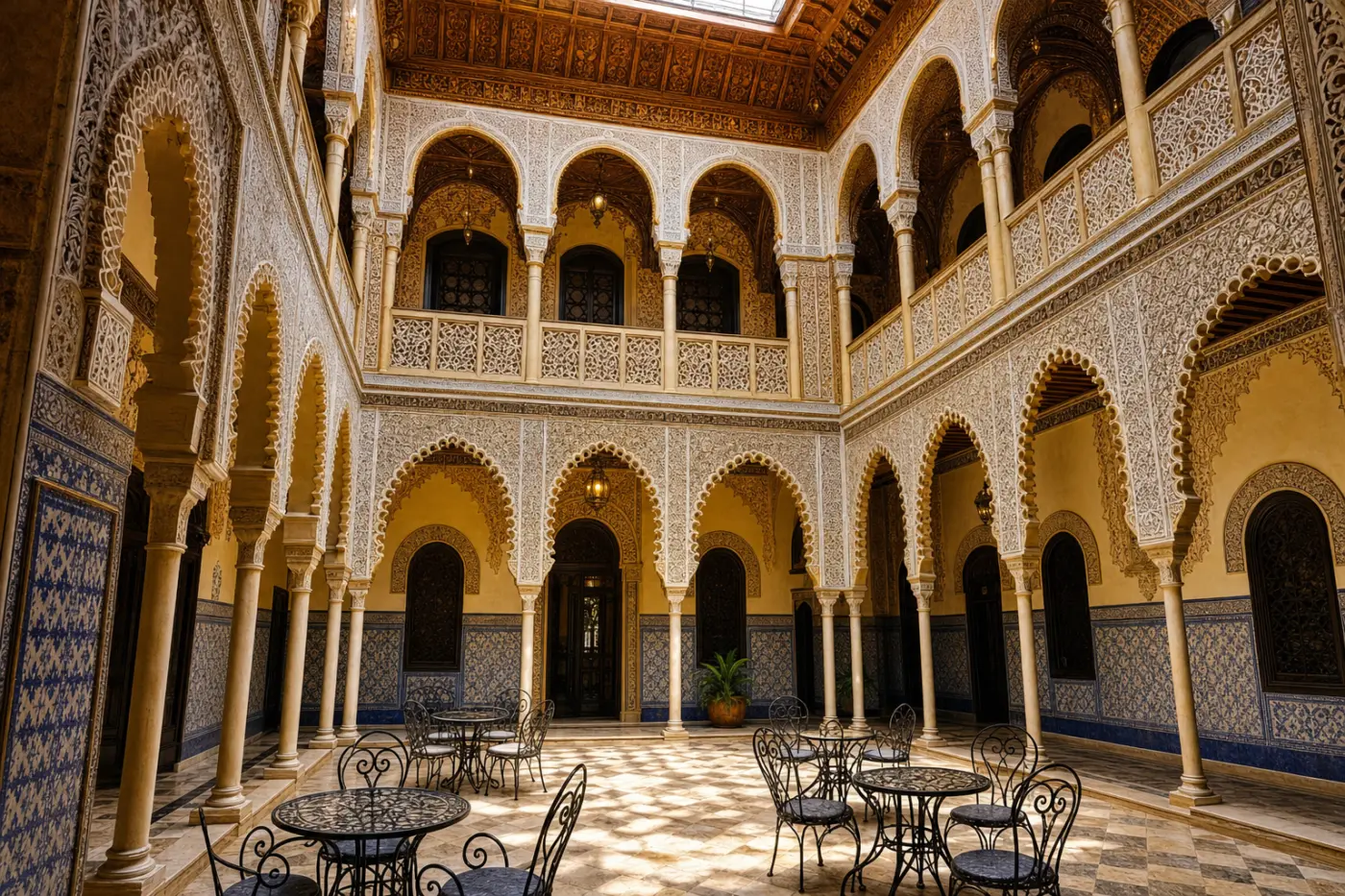
Tourist attraction
Casa do Alentejo occupies the Palácio Alverca, a 17th-century noble townhouse on Rua das Portas de Santo Antão, one of Lisbon's most storied pedestrian streets in the Baixa district. The building was substantially remodelled in the early 20th century in a Moorish Revival style — locally called Arte Árabe — giving it an interior that feels strikingly out of place in Portugal and closer to the Alhambra in Granada or the riads of Fez. Its centrepiece is a two-storey open courtyard ringed by horseshoe arches, ornate stucco lacework, hand-painted azulejo tile panels, and a coffered ceiling of carved and gilded wood. This Mudéjar-inflected aesthetic was fashionable among Lisbon's wealthy elite in the late 19th and early 20th centuries, reflecting Portugal's long historical entanglement with Moorish Iberia.
In 1932, the Association of People from Alentejo — the vast, cork-oak-forested region that stretches across southern Portugal — took over the palace and converted it into a cultural and social headquarters for Alentejanos living in Lisbon. The institution has functioned continuously since then as a licensed social club, restaurant, and cultural centre, making it one of the city's most enduring regional associations. It survived the Salazar dictatorship, the upheaval of the 1974 Carnation Revolution, and the economic pressures of modern tourism, retaining its deeply local character throughout. The frescoed ballroom on the upper floor, with its painted allegorical ceiling panels and mirrored walls, was used for community dances and banquets and remains largely intact from the 1930s restoration.
Visitors today can walk freely into the ground-floor courtyard and bar without membership or a reservation, making it one of Lisbon's most accessible hidden gems. The ground-floor restaurant and tavern serve traditional Alentejano cuisine — expect dishes like migas com carne de porco (bread-based porridge with pork), açorda à Alentejana (garlic and bread soup with poached egg), and regional wines from estates around Évora and Estremoz. The wine list leans heavily on Alentejo's DOC appellations, which produce some of Portugal's most acclaimed reds from Aragonez, Trincadeira, and Alicante Bouschet grapes.
The best time to visit is on a weekday morning or early afternoon, when the courtyard is quiet enough to appreciate the architecture without crowds. Entrance to the building is free; the restaurant is open for lunch and dinner but fills quickly on weekends. Casa do Alentejo is located a five-minute walk from Rossio station and is best reached on foot from the Rossio or Restauradores metro stations. Photography is welcomed in the public areas, and the interplay of natural light filtering through the courtyard's upper windows onto the tilework makes for exceptional shots in the late morning hours.
Private tours with a local guide, at your own pace.
Lisboa
Lisboa

Lisboa
Lisboa

Lisboa
Lisboa

Lisboa
Lisboa
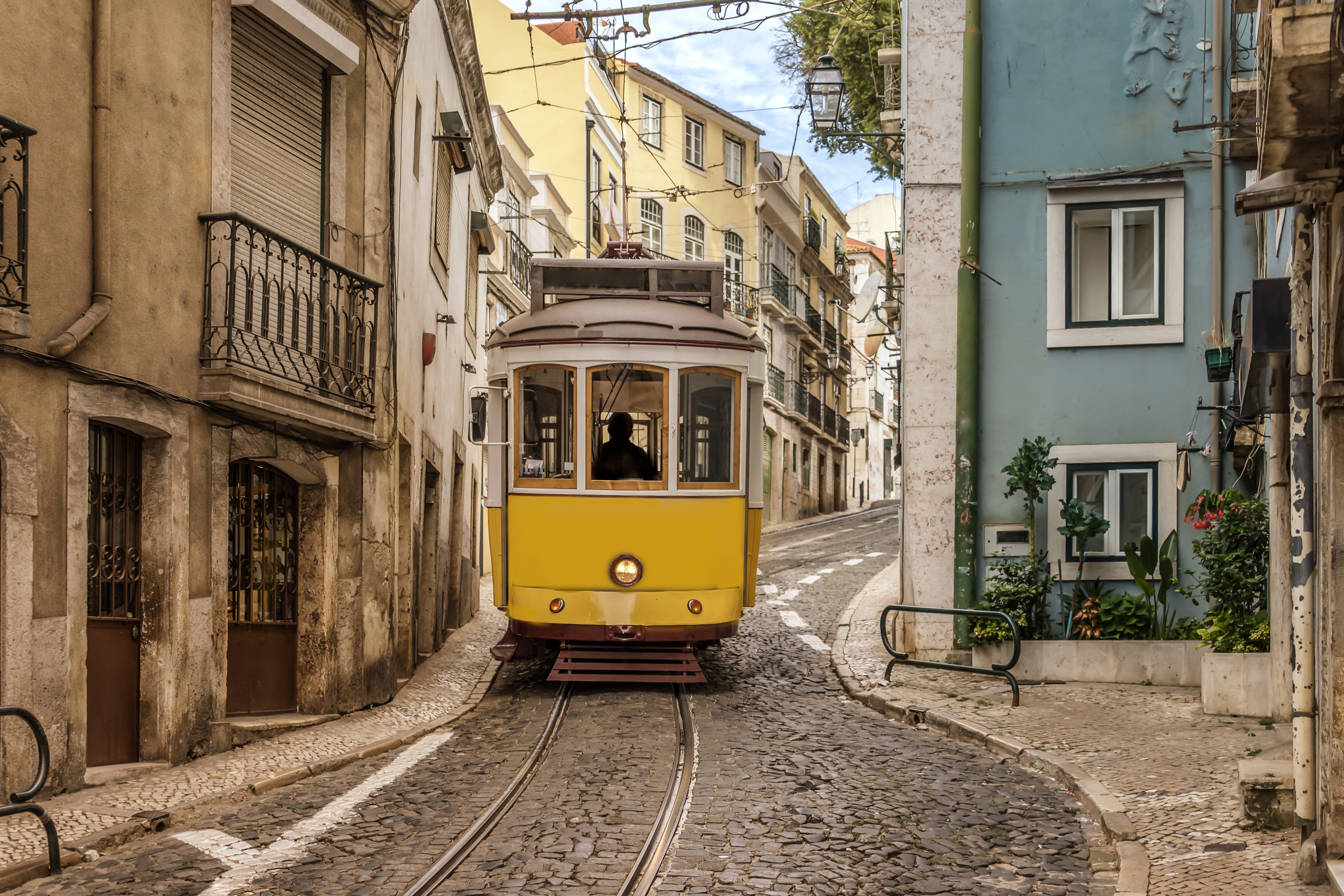
Lisboa
We use a single cookie, to remember this choice. We do not use analytics or advertising cookies. Read our cookie policy.