16 hrs
Barcelona
2 Days Private Tour: Gaudí & Sagrada Familia + Montserrat & Vineyard
✓ Free cancellation Kids friendly
5.0(13 reviews)
From €986/ person
Book Now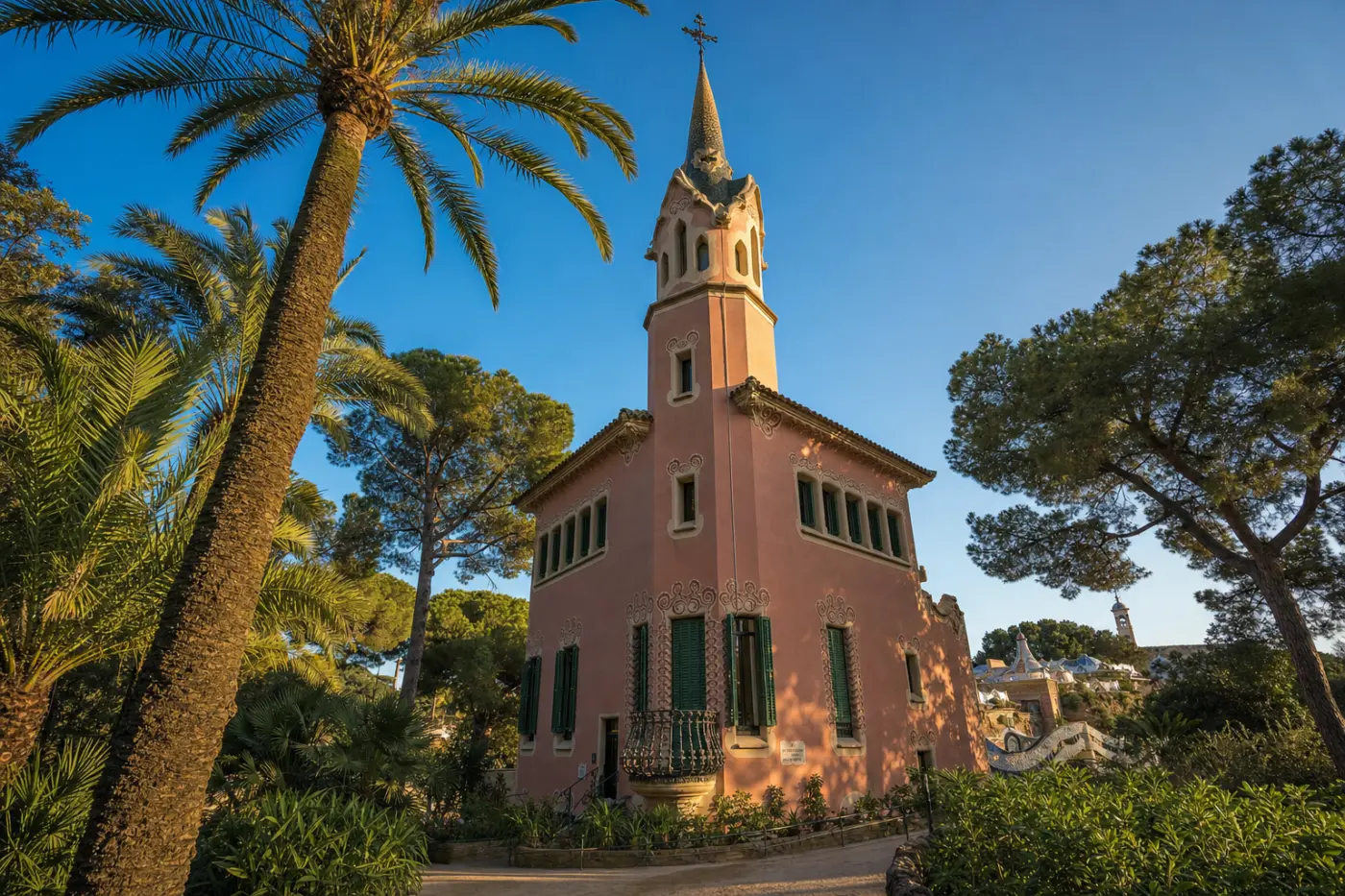
Tourist attraction
The Casa Museo Gaudí is a modest pink tower-house standing at the heart of Park Güell, on the slopes of the Carmel hill in the Gràcia district of Barcelona. The building was not designed by Antoni Gaudí himself but by his collaborator and friend Francesc Berenguer i Mestres, who completed it in 1904. Gaudí moved in that same year and lived there for roughly twenty years — the longest continuous residence of his adult life — until 1925, when he relocated to a workshop cell inside the Sagrada Família to be closer to his life's work in its final stretch. The house is a rare survivor: a three-storey Neo-Gothic structure with a conical turret, wrought-iron railings, and a rooftop cross, set against the sweeping mosaic terraces Gaudí himself designed for the park. It was purchased by the Friends of Gaudí association in 1961 and inaugurated as a museum the following year, making it one of the earliest dedicated Gaudí sites in the city.
The collection inside is intimate and biographical rather than monumental. Visitors encounter the original furniture Gaudí designed for the Casa Batlló and Casa Calvet projects — high-backed wooden chairs ergonomically curved decades before the concept had a name — alongside his personal prie-dieu, crucifix, and the plain iron bed on which he slept. Letters, sketches, and surveying instruments fill the vitrines, tracing the arc of a career that began with the Moorish-inflected Casa Vicens in 1888 and culminated in the still-unfinished basilica that consumed the last forty-three years of his life. A portrait photograph taken in 1878, the year he graduated from the Barcelona School of Architecture, shows a well-dressed young man bearing little resemblance to the ascetic figure he would become: by the time he died — struck by a tram on the Gran Via on 7 June 1926 and initially unrecognised because of his threadbare clothes — Gaudí had given away nearly all his possessions and subsisted almost entirely on bread, nuts, and water.
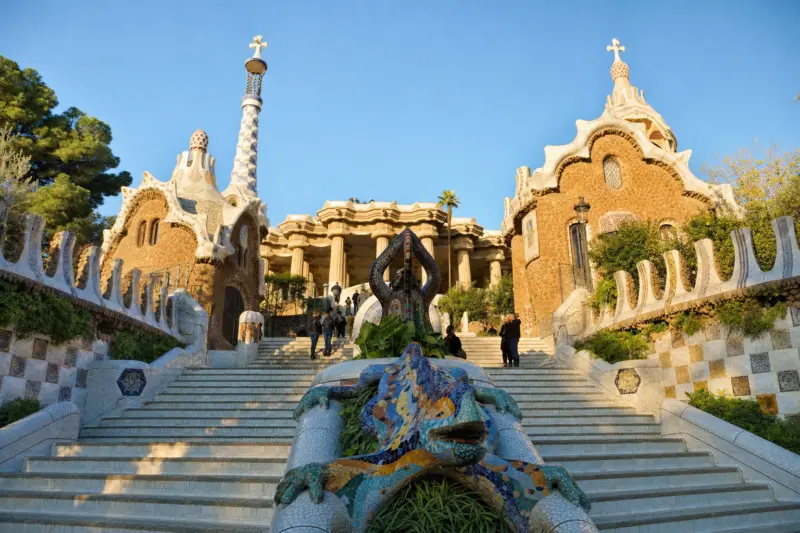
The museum occupies only four rooms across the three floors, so the visit is unhurried and contemplative rather than exhaustive. What rewards careful attention is the relationship between the objects and the park immediately outside: standing at the first-floor window, you look directly across the park's famous hypostyle hall of 86 Doric columns and the serpentine tiled bench of the main terrace — both conceived by Gaudí between 1900 and 1914 for the failed garden-city project commissioned by the industrialist Eusebi Güell. The park was intended to contain sixty residential plots; only two houses were ever built, one of which Gaudí purchased from Güell to live in. UNESCO inscribed Park Güell as part of the Works of Antoni Gaudí World Heritage Site in 1984, and the museum sits at the geographical and spiritual centre of that designation.
The Casa Museo Gaudí is managed by the Sagrada Família Foundation and is included in the ticketed Monumental Zone of Park Güell, which requires advance booking — walk-in entry is rarely possible during the peak season from April through October. The museum itself charges a separate, modest entry fee on top of the park ticket; combined tickets are available online. The nearest metro station is Lesseps (L3, green line), from which the uphill walk takes approximately fifteen minutes via Carrer de Larrard. Mornings on weekdays offer the least crowded conditions. The ground floor is accessible, but the upper floors are reached by a narrow original staircase with no lift.
Private tours with a local guide, at your own pace.
Barcelona
Barcelona
Barcelona
Barcelona
Barcelona
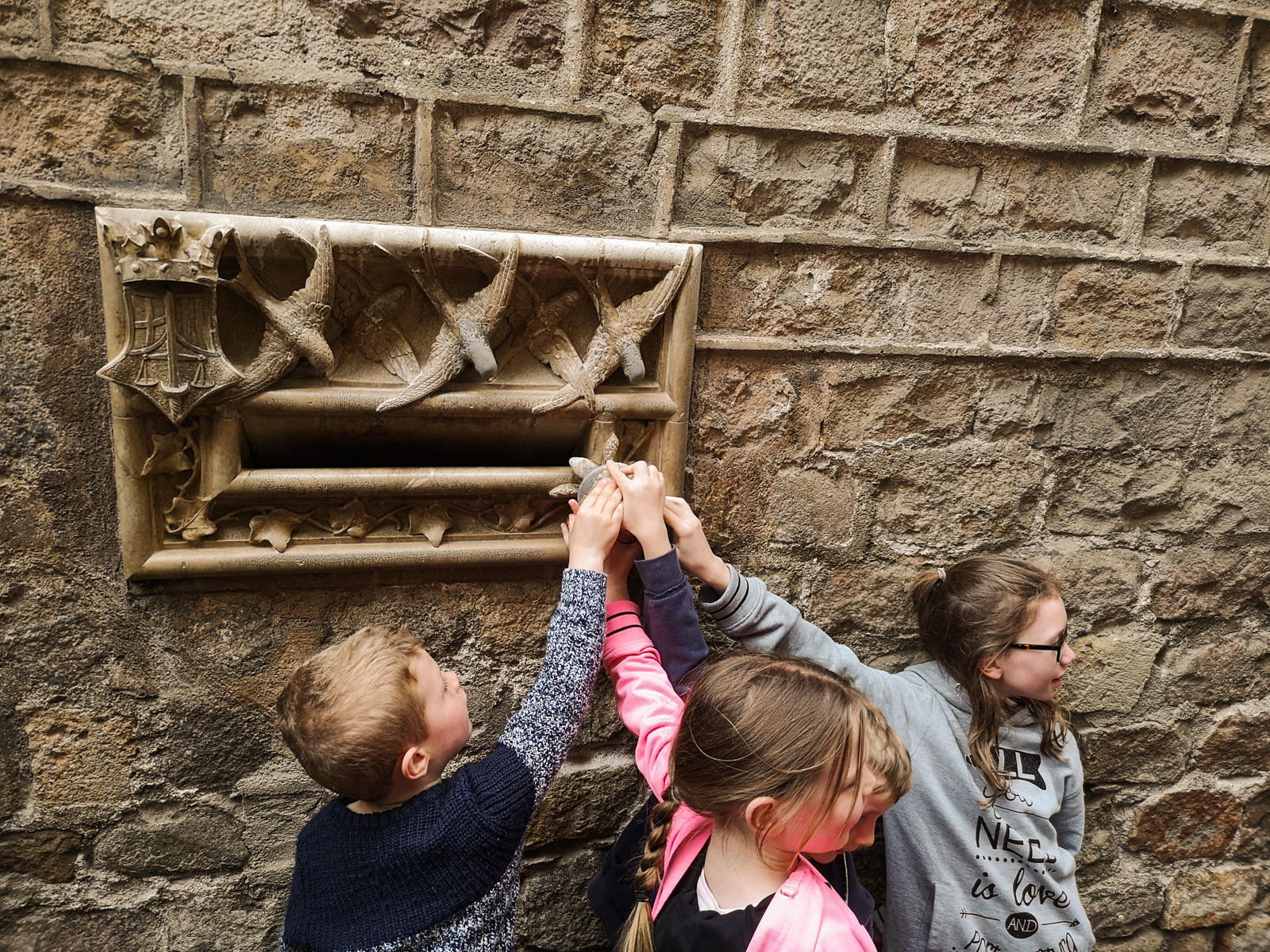
Barcelona
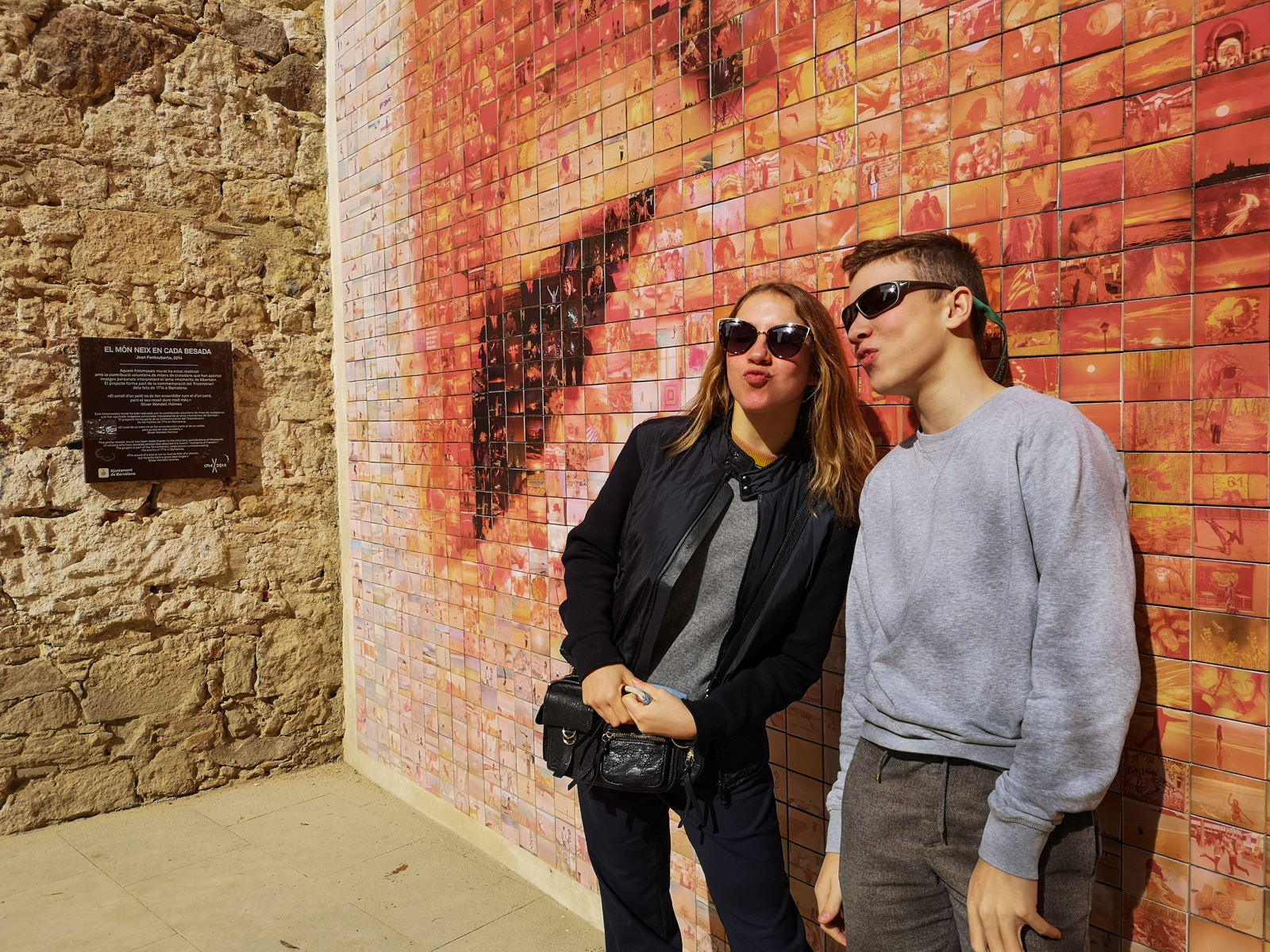
Barcelona
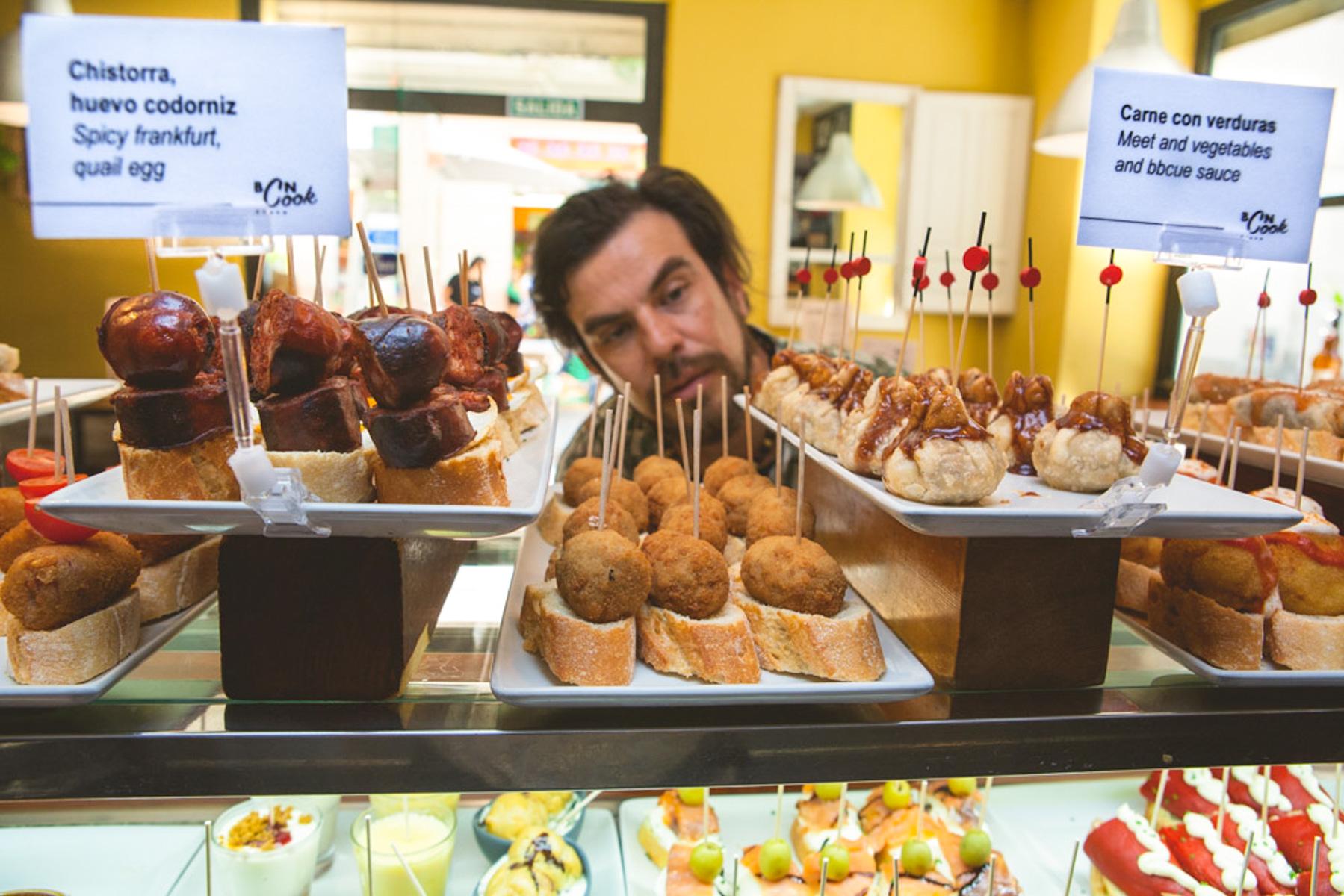
Barcelona
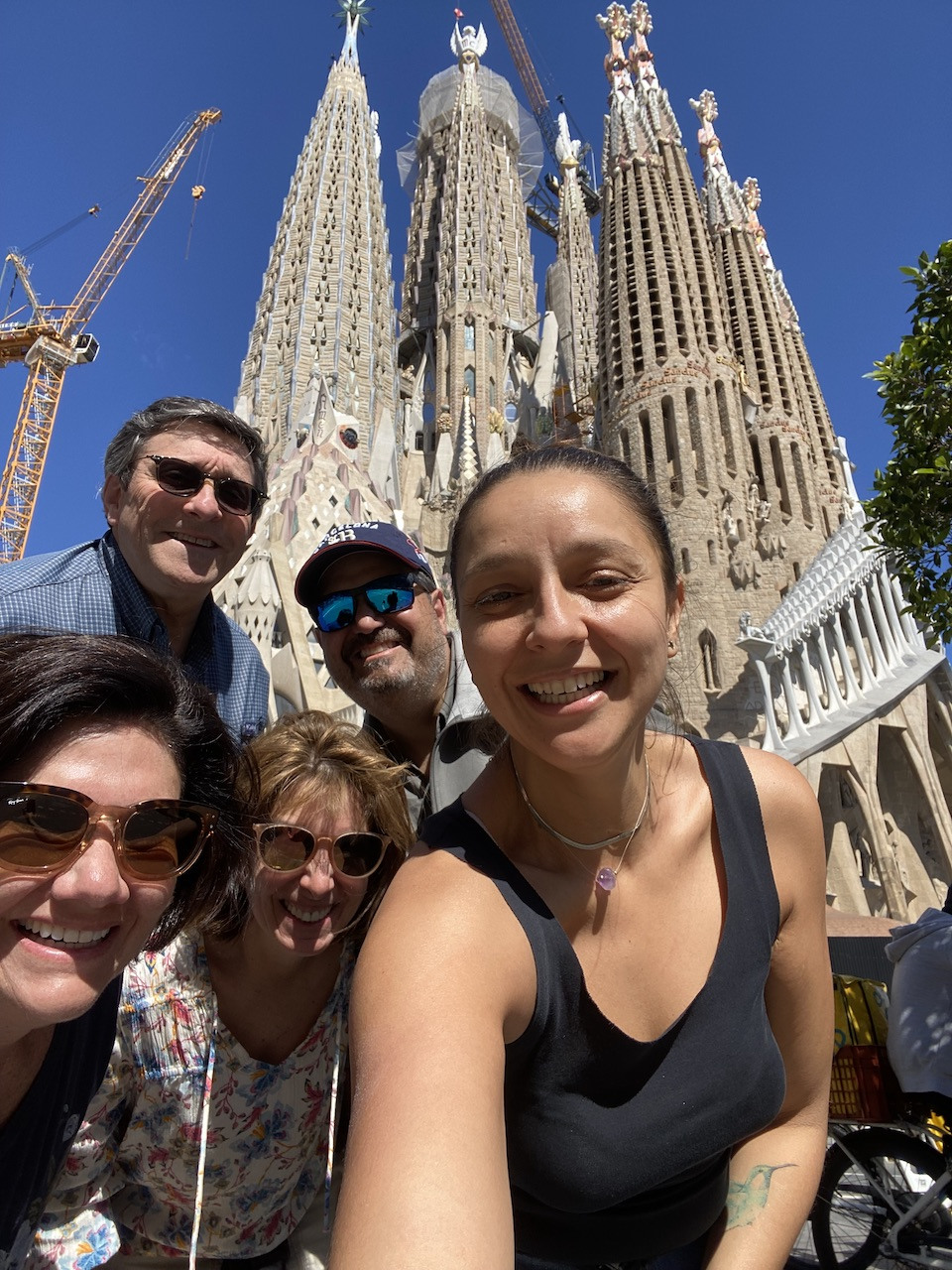
Barcelona
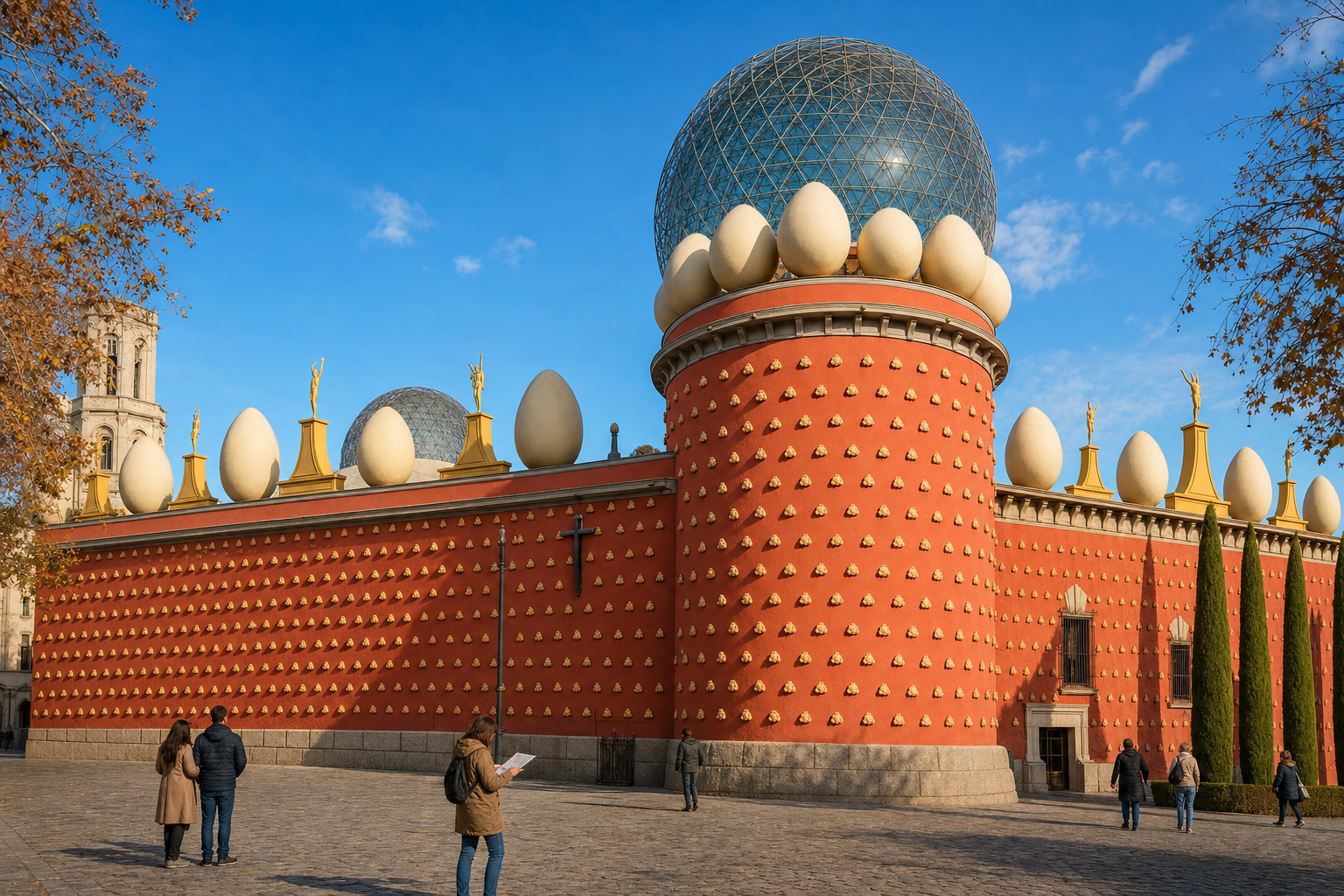
Most people know that Salvador Dalí was born in Figueres on 11 May 1904 — fewer realise that he spent the last decade of his life living inside his own museum, in a castle tower he had converted into a private apartment, refusing almost all visitors. That detail alone reframes everything you're about to see on a Costa Brava day trip from Barcelona. This isn't a sightseeing loop past pretty landmarks; it's a journey into one of the most deliberately constructed artistic universes ever assembled, set against a coastline so geologically dramatic that it physically shaped the imagery of a surrealist movement. From the geodesic dome above Figueres to the labyrinthine rooms of Portlligat, from the tramuntana-battered vines of the Empordà to the whitewashed lanes of Cadaqués, every stop carries a specific weight of history that rewards knowing before you arrive. This guide gives you that context — and shows you why adding a winery to the route isn't a detour, it's the most logical ending the day could have.
Read more →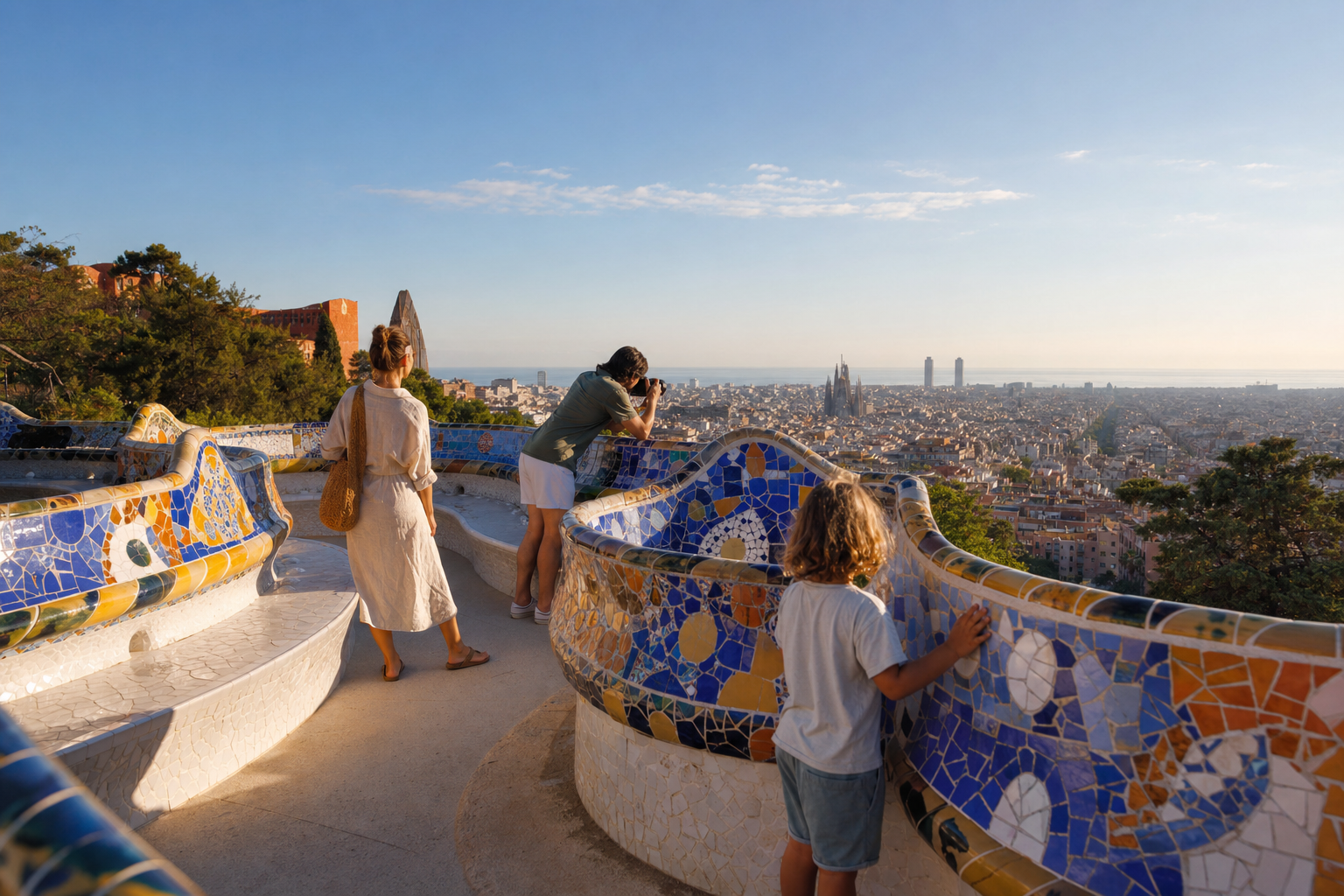
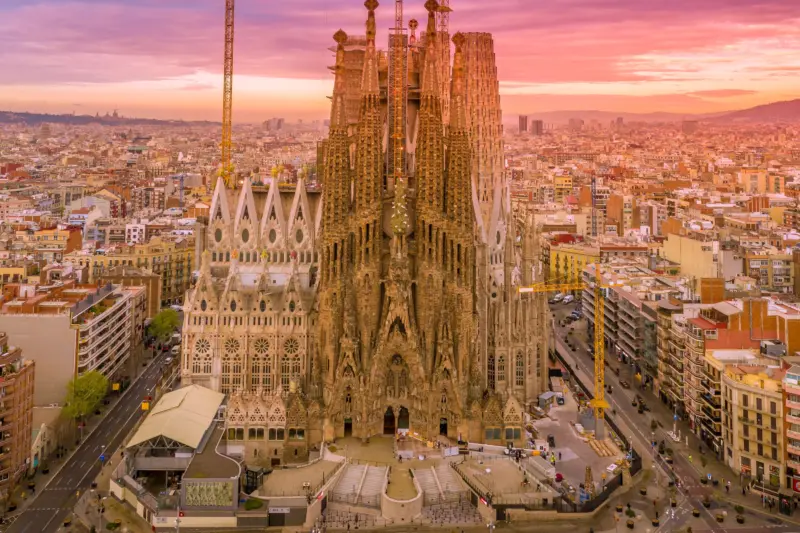
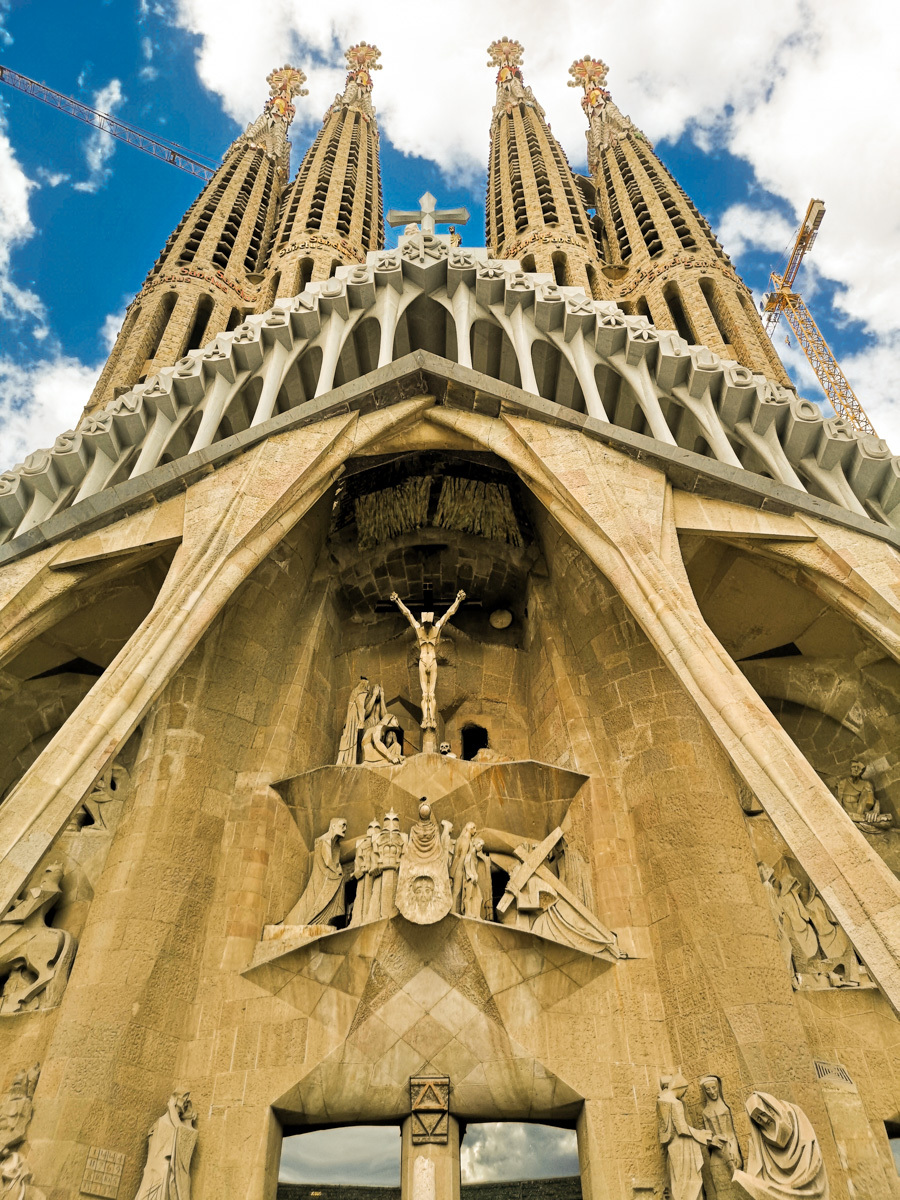
In 1883, a 31-year-old architect named Antoni Gaudí inherited a half-built church from a resigning predecessor and spent the next 43 years — until his death in 1926 — turning it into one of the most structurally radical buildings in human history. That church, the Sagrada Família, is still under construction today, and it is just one reason why Barcelona rewards curiosity more than almost any other city in Europe. But Gaudí's Barcelona is only one layer. Beneath the Gothic Quarter's cobblestones lie the preserved streets of a Roman settlement called Barcino, founded around 10 BC. In the city's markets, a food culture rooted in Catalan identity — not the generalised 'Spanish' clichés exported for tourists — plays out every single morning. Barcelona is a city that consistently offers more the deeper you look. This guide cuts past the surface to give you the historical facts, cultural context, and local knowledge that turn a good trip into an unforgettable one.
Read more →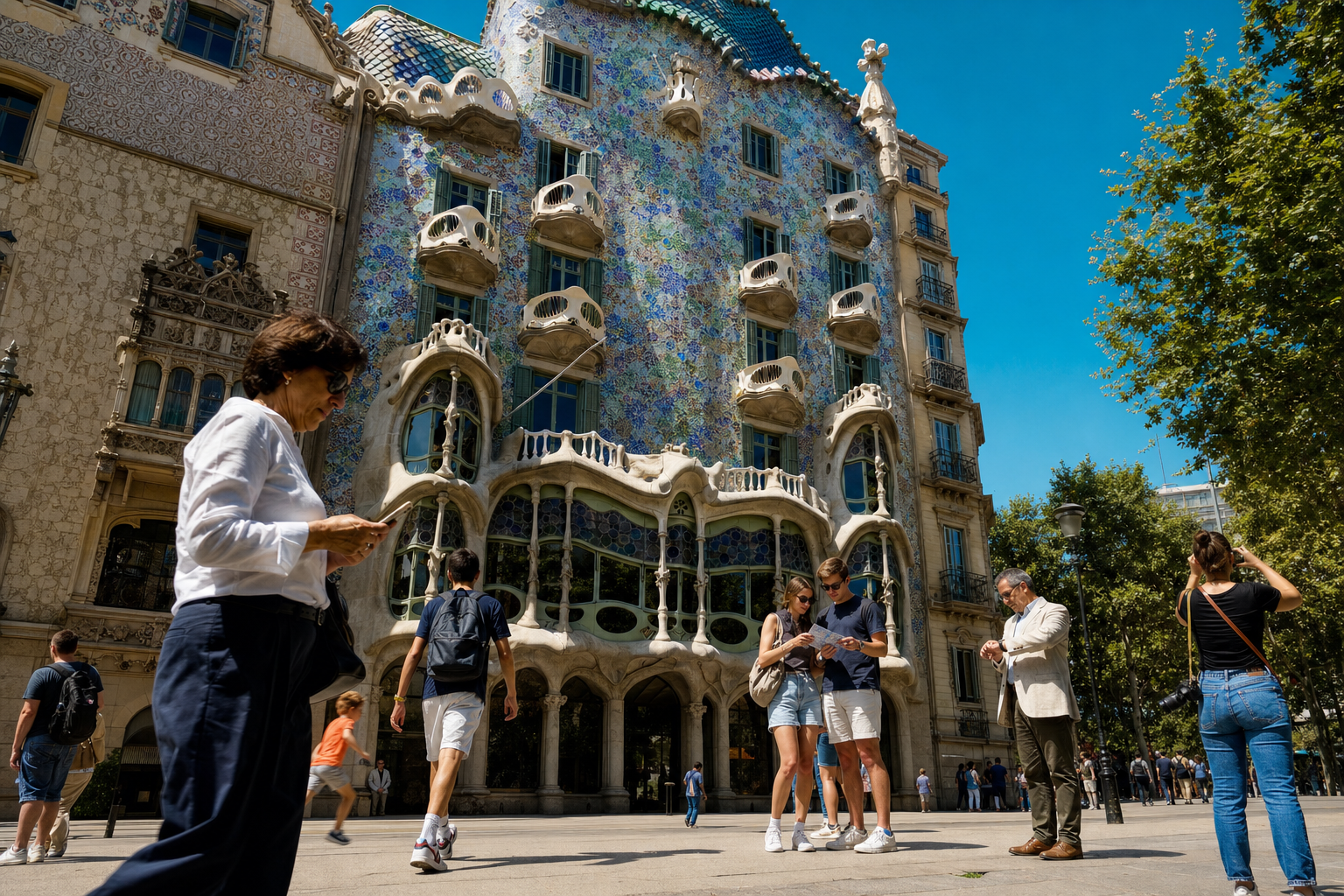
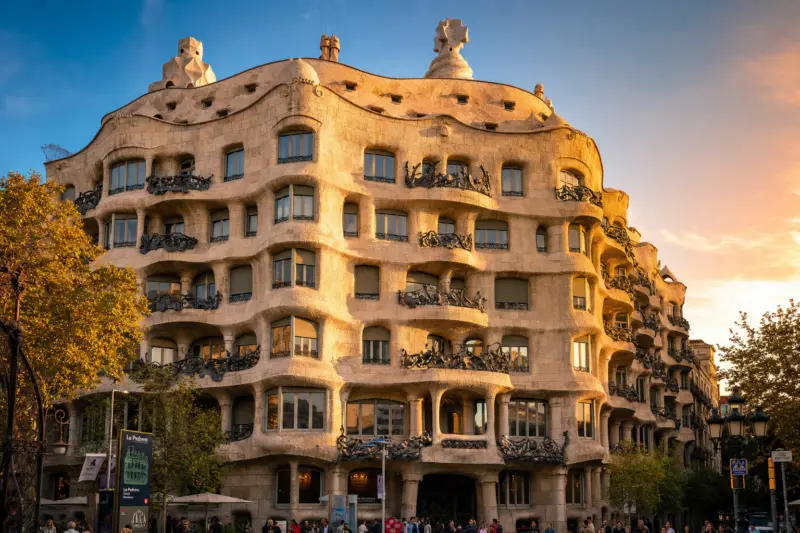
On the grandest stretch of Barcelona's Passeig de Gràcia — a boulevard so thick with Modernista jewels that locals call it the Block of Discord — one building stops every passerby cold. Casa Batlló shimmers like a living creature: scales of iridescent ceramic, a roofline that breathes, skulls carved into stone balconies. It was commissioned by a wealthy textile magnate, transformed by a visionary architect, and completed in 1906 as a statement that would redefine what a city building could be. This is its story.
Read more →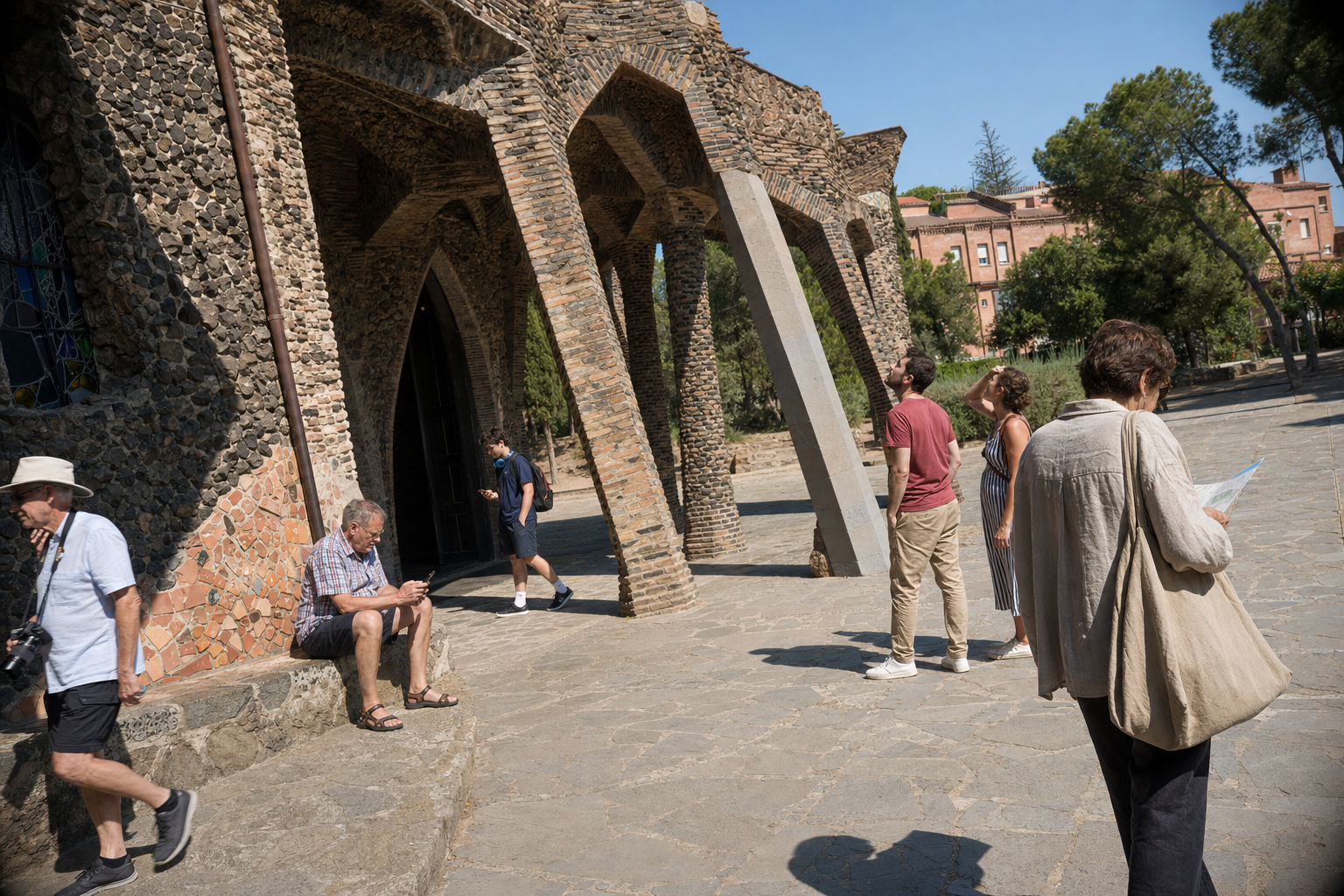
In 1890, the Catalan industrialist Eusebi Güell made a decision that was radical even by the standards of a city already electrified by modernisme: he abandoned Barcelona's choking factory districts and moved his textile mill — and his entire workforce — to a pine-forested hillside in Santa Coloma de Cervelló, just 20 kilometres southwest of the city. What he built there was not merely a factory complex but a full social experiment: a self-contained workers' village with housing, schools, a theatre, a cooperative shop, and a church that would become one of the most structurally daring buildings of the 20th century. That church was entrusted to Antoni Gaudí — and what Gaudí designed in its crypt between 1908 and 1914 was nothing less than the structural laboratory for the Sagrada Família. Colonia Güell is where the dream was tested. It draws a fraction of the crowds that queue outside Park Güell or the Sagrada Família, yet it is arguably the most intellectually fascinating Gaudí site in all of Catalonia.
Read more →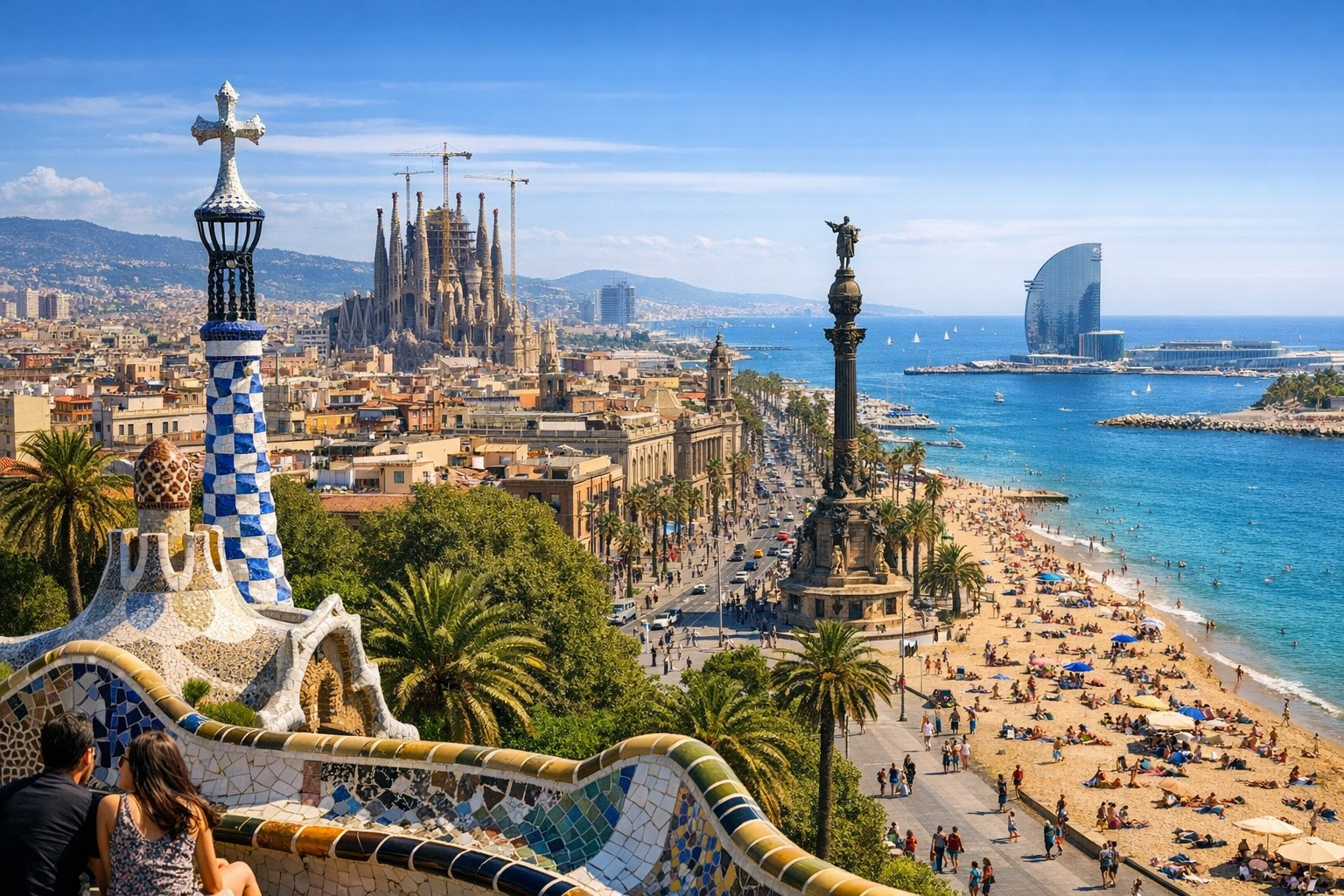
Discover the vibrant culture, stunning architecture, and culinary delights of Barcelona. From iconic landmarks to hidden gems, this guide offers the best activities to experience in the city, ensuring an unforgettable visit.
Read more →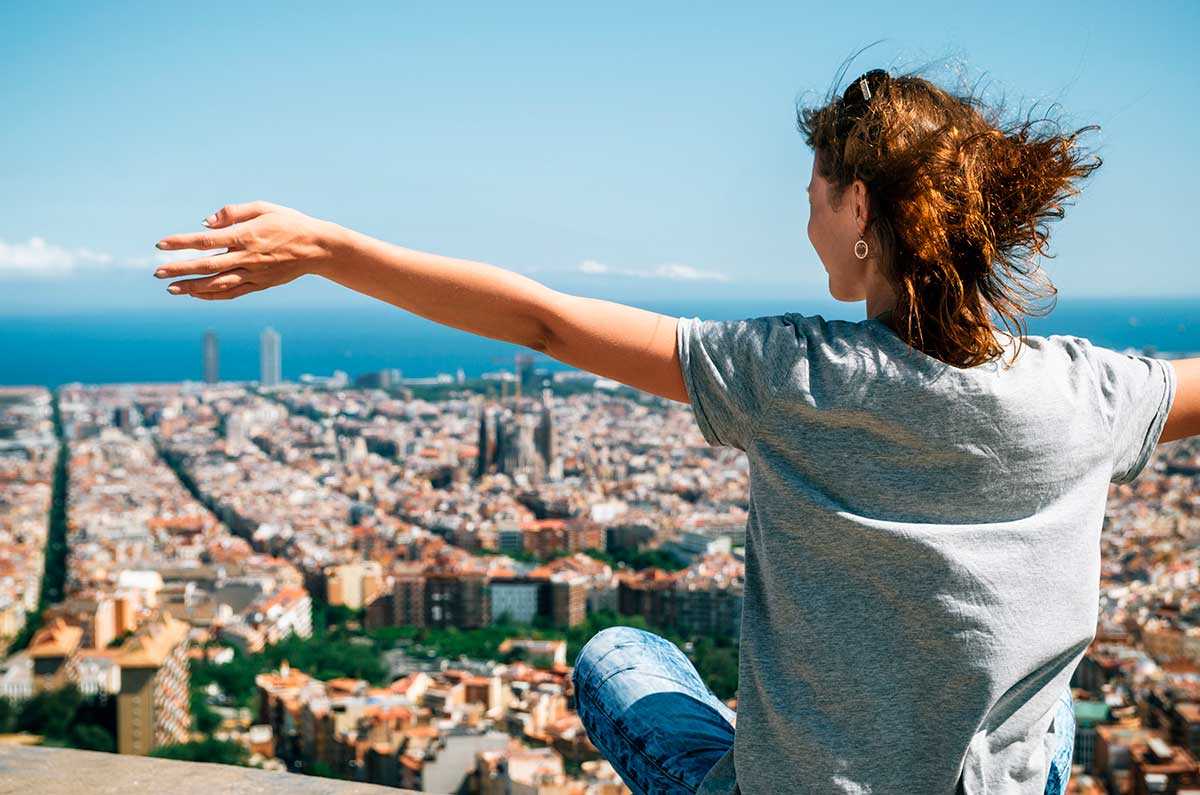
Barcelona, the enchanting coastal city in Spain, is a treasure trove of captivating attractions, historic landmarks, and awe-inspiring architecture. With so much to explore, having a well-designed attractions map can significantly enhance your sightseeing experience and ensure you make the most of your time in this vibrant destination. Whether you are an adventurous solo traveler or a family seeking a cultural getaway, a detailed map will be your faithful companion throughout your journey.
Read more →We use a single cookie, to remember this choice. We do not use analytics or advertising cookies. Read our cookie policy.