8 hrs
Lisboa
Sintra, Cascais & Estoril Private Tour - Palace Regaleira Tickets
✓ Free cancellation Kids friendly
4.7(14 reviews)
From €375/ person
Book Now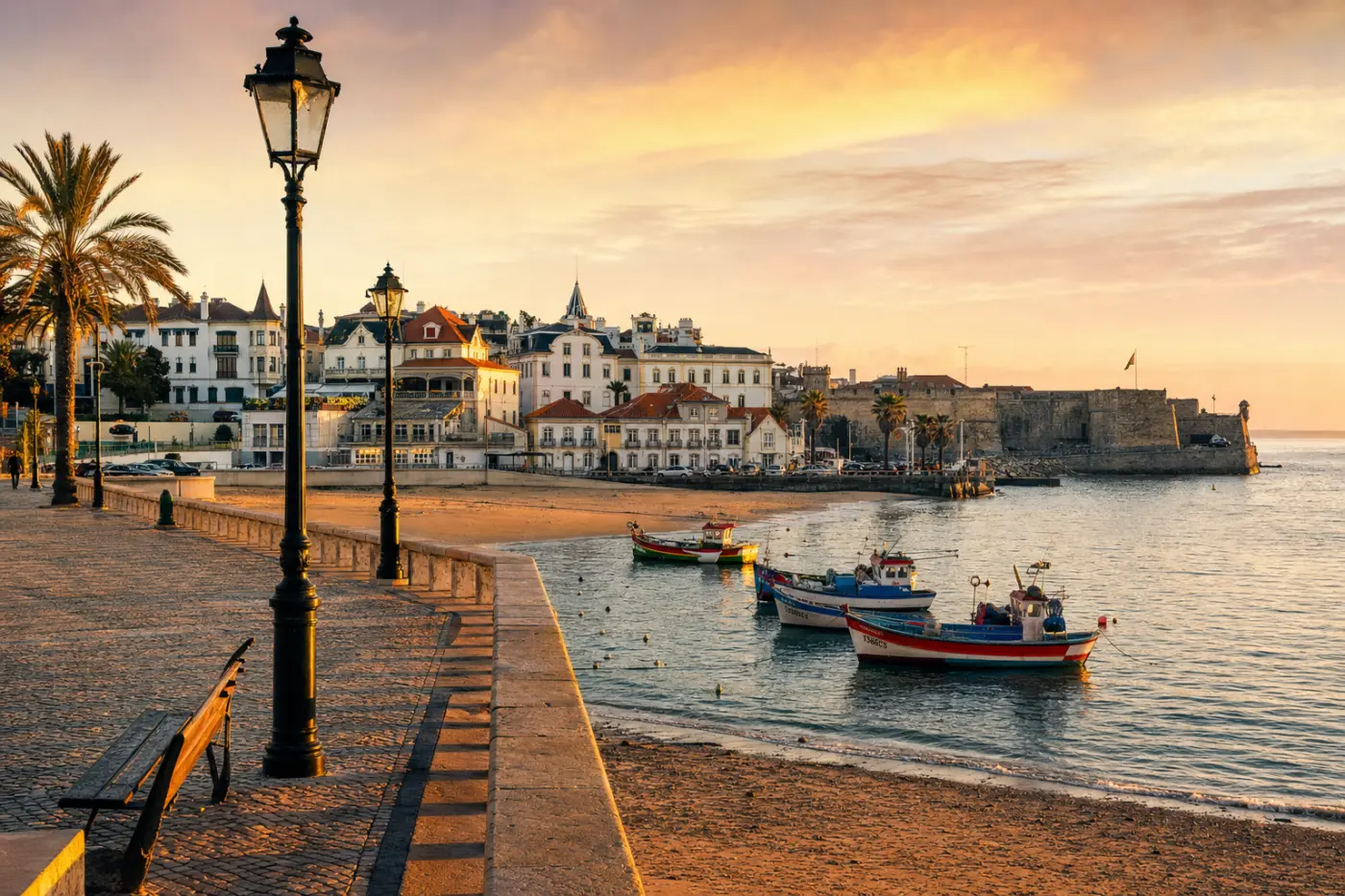
Tourist attraction
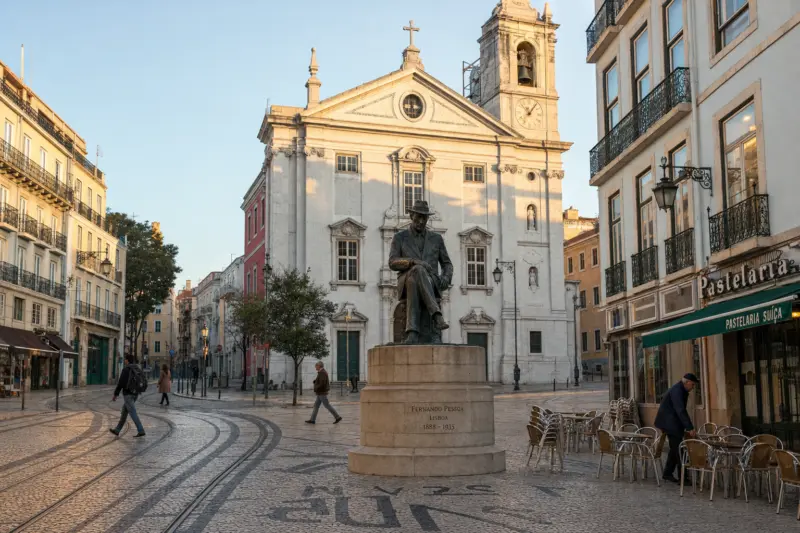
Cascais (pronounced kush-kyesh) sits at the mouth of the Tagus estuary on the Atlantic coast, 30 kilometres west of Lisbon. What began as a modest fishing village was irrevocably transformed in 1870 when King Luís I chose it as his summer residence, establishing the Cascais Citadel — the Cidadela de Nossa Senhora da Luz — as the royal retreat. The Portuguese nobility swiftly followed, lining the seafront and cobbled pedestrian streets with elegant late-19th-century mansions, many of which still stand and define the town's architectural character today. This royal endorsement earned Cascais the lasting epithet of the "Portuguese Riviera," a comparison that is architectural, climatic, and entirely earned.
During World War II, Portugal's neutrality made the Lisbon coast a haven for displaced European royalty and international spies. Exiled monarchs, including King Umberto II of Italy and King Carol II of Romania, settled in Cascais and neighbouring Estoril, lending the area an air of intrigue and cosmopolitan glamour that persisted well into the late 20th century. The Casino Estoril, just a short drive east, is widely cited as one of the inspirations for Ian Fleming's Casino Royale, written after Fleming visited the area during the war years. This layered history — royal, aristocratic, wartime clandestine — gives Cascais a depth that its sun-drenched beaches alone do not reveal.
Today, Cascais balances a thriving beach culture with a genuinely rich cultural quarter. The Bairro dos Museus (Museum Quarter) concentrates several institutions within walking distance, including the Paula Rego Museum, dedicated to the celebrated Portuguese-British artist and housing the world's largest collection of her work, and the Condes de Castro Guimarães Museum, an early-20th-century manor filled with Indo-Portuguese furniture, Moorish tilework, and a 16th-century illuminated manuscript. The Santa Marta Lighthouse Museum occupies a working 1868 lighthouse with hand-painted azulejo panels covering its exterior. Beyond the town, the wind-scoured beach of Guincho — located within the Sintra-Cascais Natural Park — has hosted World Surfing Championship events, while the dramatic sea cliff of Boca do Inferno (Hell's Mouth) offers one of the coast's most photographed geological spectacles.
Cascais is served by a direct train from Lisbon's Cais do Sodré station, with departures approximately every 30 minutes and a journey time of around 40 minutes — making it an effortless day trip but a destination well worth a longer stay. The historic centre is compact and entirely walkable; the seafront promenade connects Cascais to Estoril over a flat, scenic 2-kilometre path. Visit in May or June to avoid peak-summer crowds while still enjoying warm, sunny days. The town's market, Mercado da Vila, is open Tuesday and Saturday mornings and is the best place to source local cheeses, smoked fish, and seasonal produce before heading to the beach.
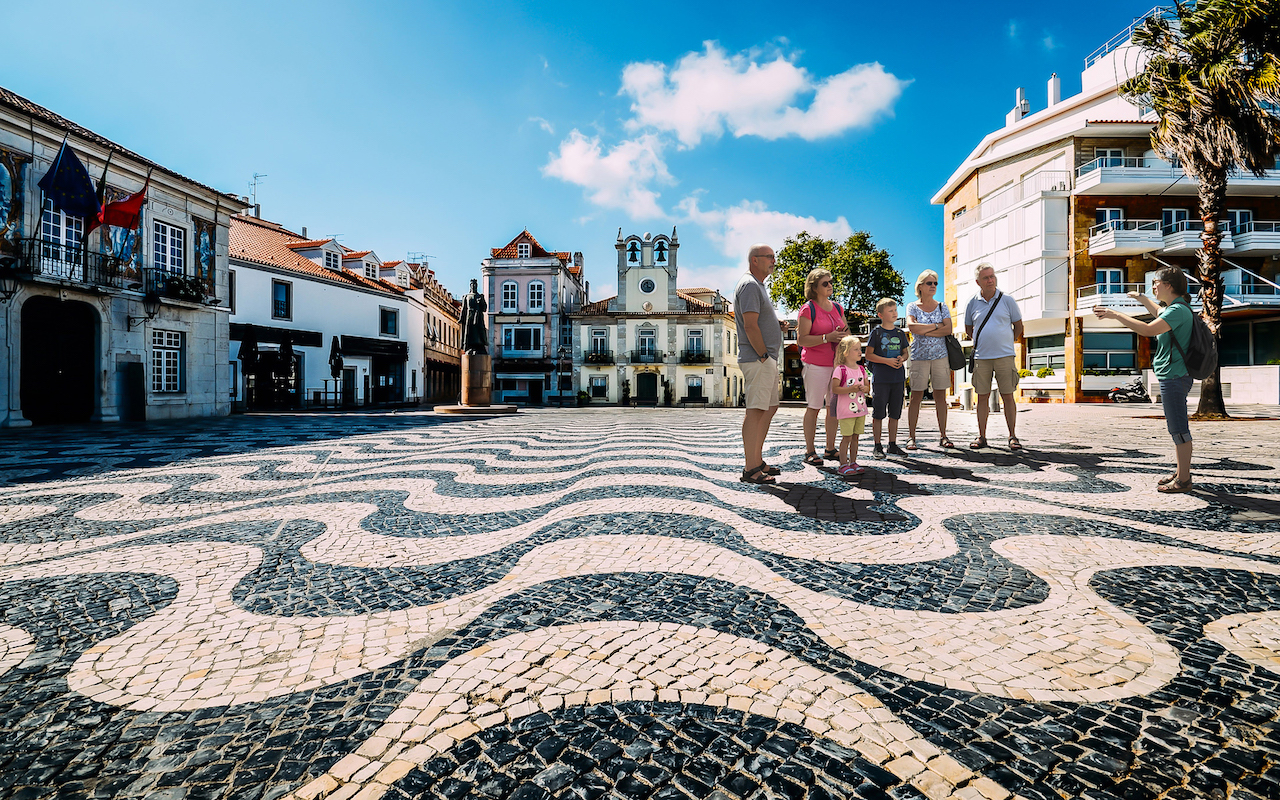
Private tours with a local guide, at your own pace.
Lisboa

Lisboa
Lisboa
Lisboa

Lisboa
Lisboa

Lisboa
Lisboa
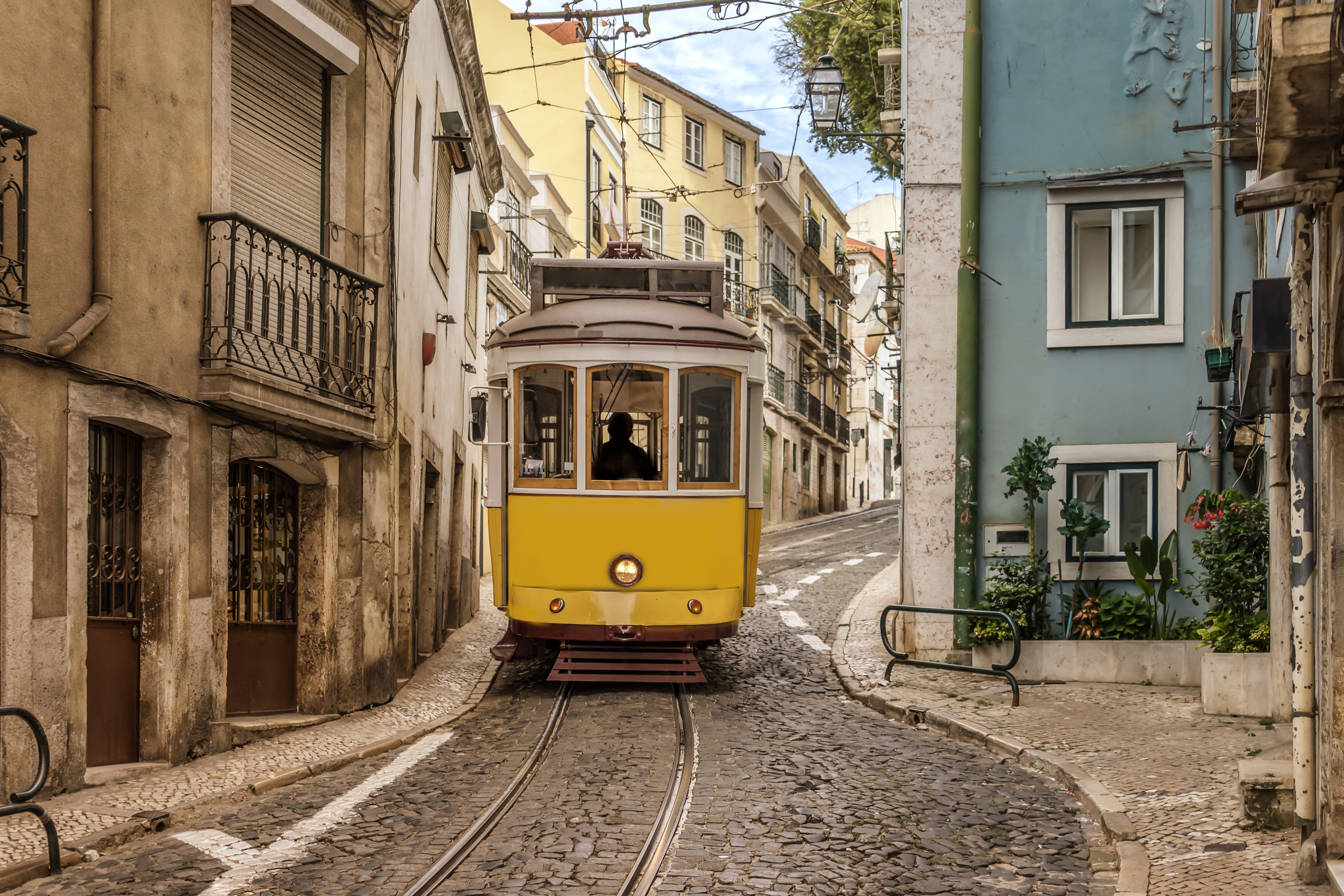
Lisboa
We use a single cookie, to remember this choice. We do not use analytics or advertising cookies. Read our cookie policy.