6 hrs
Lisboa
Lisbon Private Full-day Tour - History, Culture, Local Life & Gastro Experience
✓ Free cancellation Kids friendly
5.0(27 reviews)
From €219/ person
Book Now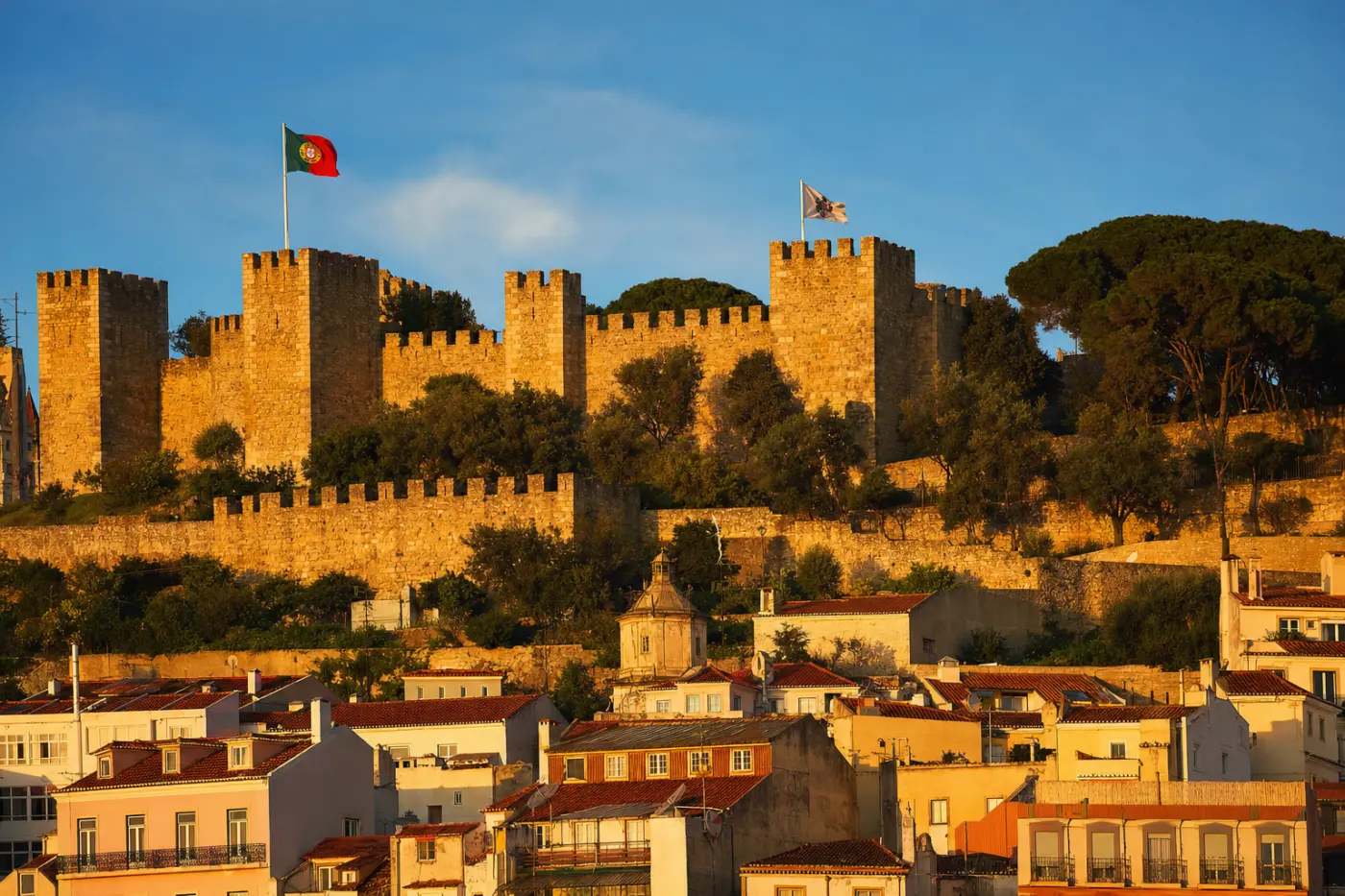
Tourist attraction
Castelo de São Jorge crowns the highest hill in Lisbon's Alfama district, rising above a labyrinth of terracotta rooftops at roughly 110 metres above sea level. Human occupation of this site stretches back to the Iron Age, and Phoenician, Roman, and Visigothic settlements have all left archaeological traces excavated within the walls. The Moors fortified the hilltop into a substantial alcáçova — a palace-citadel — between the 8th and 11th centuries, and it was this structure that the first King of Portugal, Afonso Henriques, seized in 1147 after a legendary siege in which crusaders sailing to the Holy Land were enlisted as allies. The castle's current name honours Saint George, the patron saint of England and of Portugal's enduring alliance with the English Crown, formalised by the Treaty of Windsor in 1386. For two centuries after the Reconquista, São Jorge served as the royal residence of the Portuguese monarchs, until the court relocated to the Paço da Ribeira near the waterfront in the early 16th century.
The castle complex is organised around two distinct enclosures. The outer ring, the Cerca Moura, encloses shaded gardens and the ruins of the Paço da Alcáçova — the medieval royal palace — where mature trees and resident peacocks provide unexpected calm in the middle of Lisbon's most-visited monument. The inner ring, the castelejo or keep, is a tighter, more martial structure ringed by eleven towers connected by narrow battlemented walkways, all of which are open to visitors. The Torre de Ulisses, the largest, houses a 19th-century camera obscura that projects a real-time, rotating panoramic image of the living city below onto a concave dish — a genuinely surprising piece of technology that most visitors overlook. The Núcleo Museológico within the castle displays a detailed pre-1755 drawing of Lisbon, showing the city as it stood before the great earthquake levelled the Baixa district and reshaped the entire urban fabric — the Sé Cathedral with its original tower intact, medieval river walls, and the castle standing in isolated hilltop grandeur.
The view from the Praça d'Armas, the castle's central courtyard, is the finest urban panorama in Lisbon by most reckonings. On clear days, the sweep takes in the full Alfama quarter, the Baixa grid, the broad curve of the Tagus Estuary, and the Cristo Rei statue on the southern bank at Almada. The walkways atop the battlements push the view even further, with arrow slits that frame precise, almost photographic sightlines over the city — the same slits through which defenders repelled Afonso Henriques's forces in 1147.
Admission is €17 for adults, with reductions for students, seniors, and children. The castle opens daily, with slightly shorter hours in winter. Queues peak sharply between 10:00 and 13:00; arriving at opening time or after 15:00 significantly reduces waiting. The 28E tram stops at the base of the Alfama hill, though the steep climb on foot is itself a rewarding introduction to the neighbourhood. Tuk-tuks and taxis can drop visitors directly at the castle gate. Book tickets online in advance during July and August to avoid the longest queues, and allow at least 90 minutes inside to do the complex justice.
Private tours with a local guide, at your own pace.
Lisboa
Lisboa

Lisboa
Lisboa
Lisboa

Lisboa
Lisboa
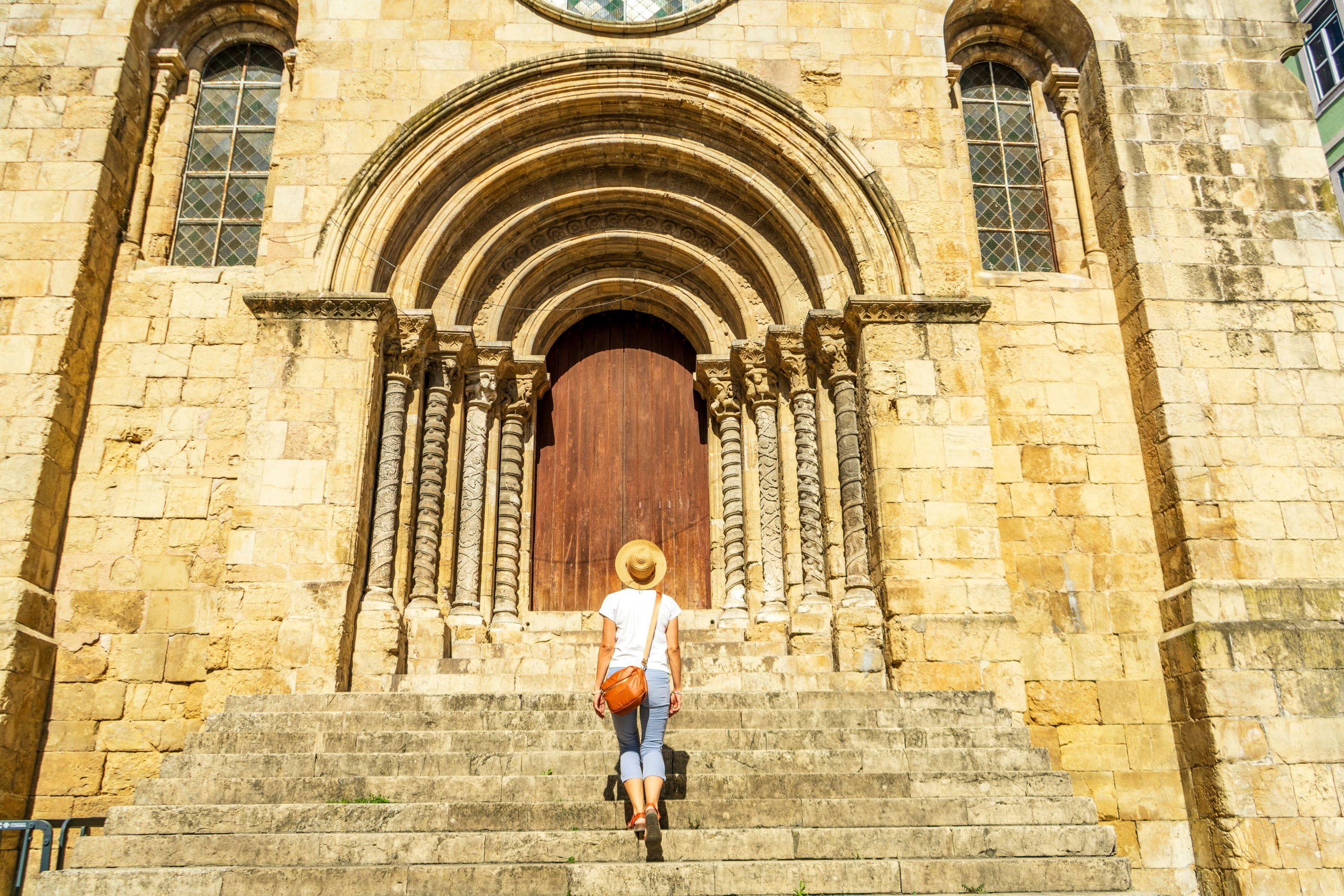
Lisboa
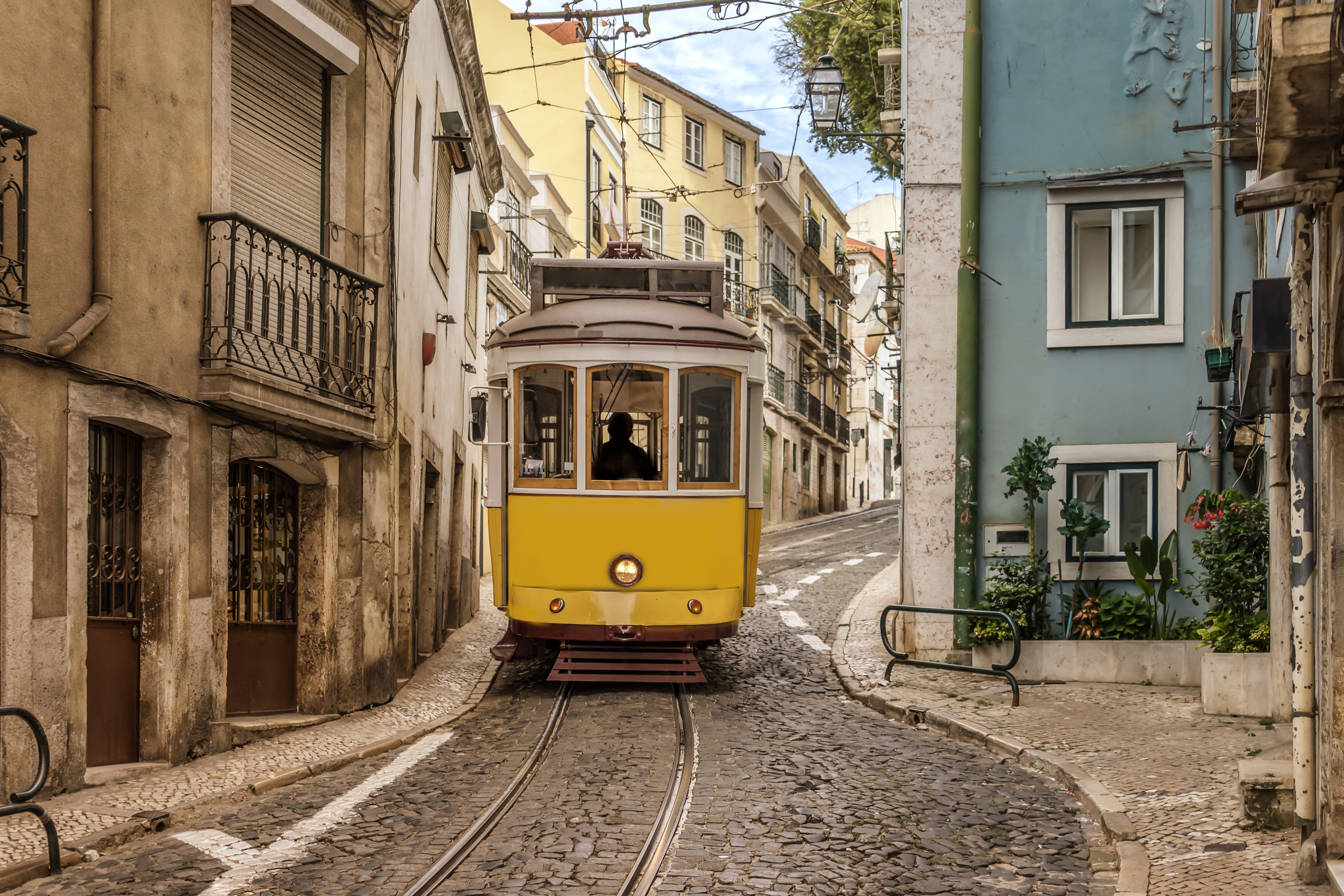
Lisboa
We use a single cookie, to remember this choice. We do not use analytics or advertising cookies. Read our cookie policy.