2 hrs
Barcelona
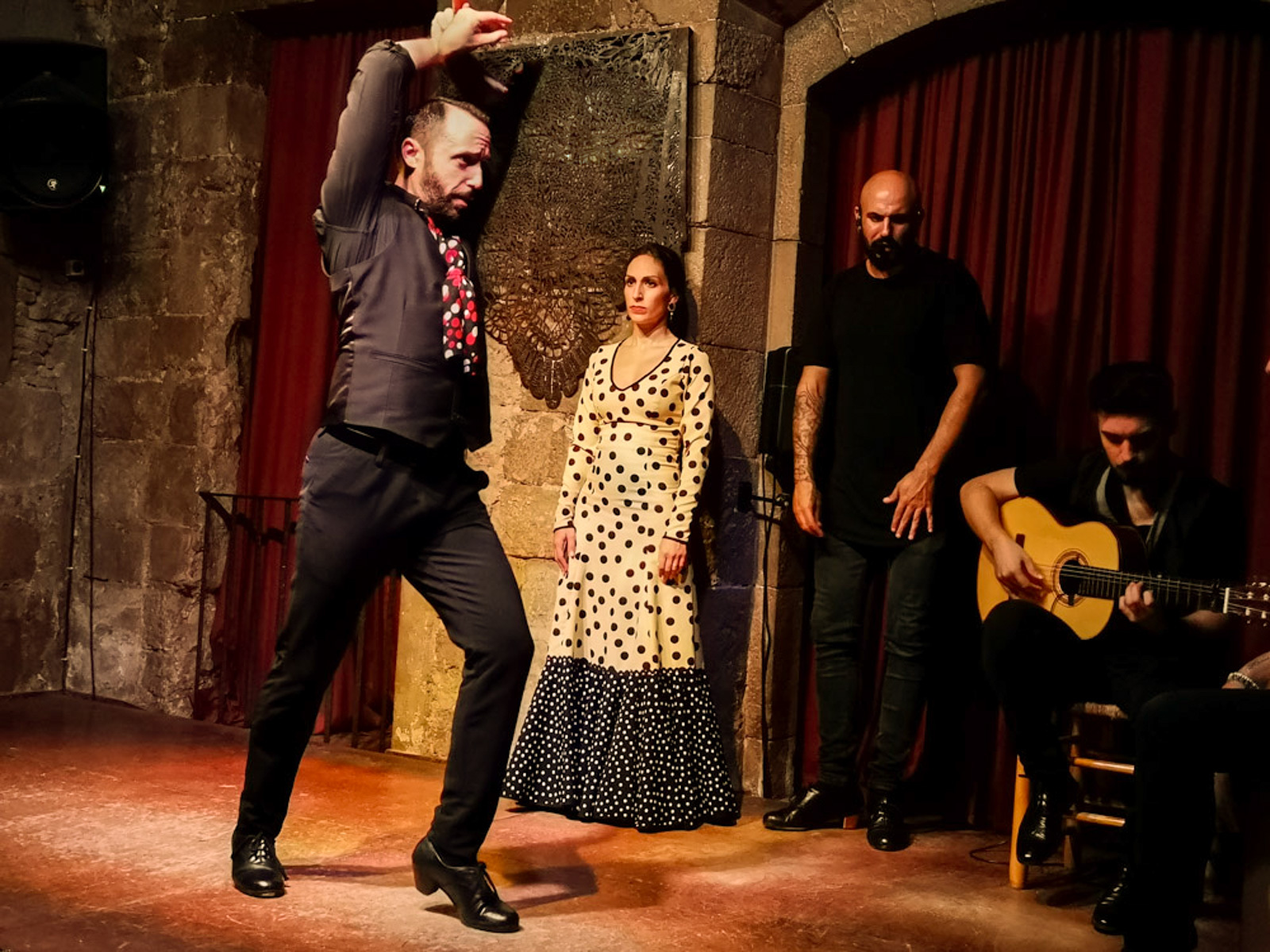
Olé Barcelona! Experience a Tapas & Flamenco Show in a Private local tour
✓ Free cancellation
4.7(108 reviews)
From €164/ person
Book Now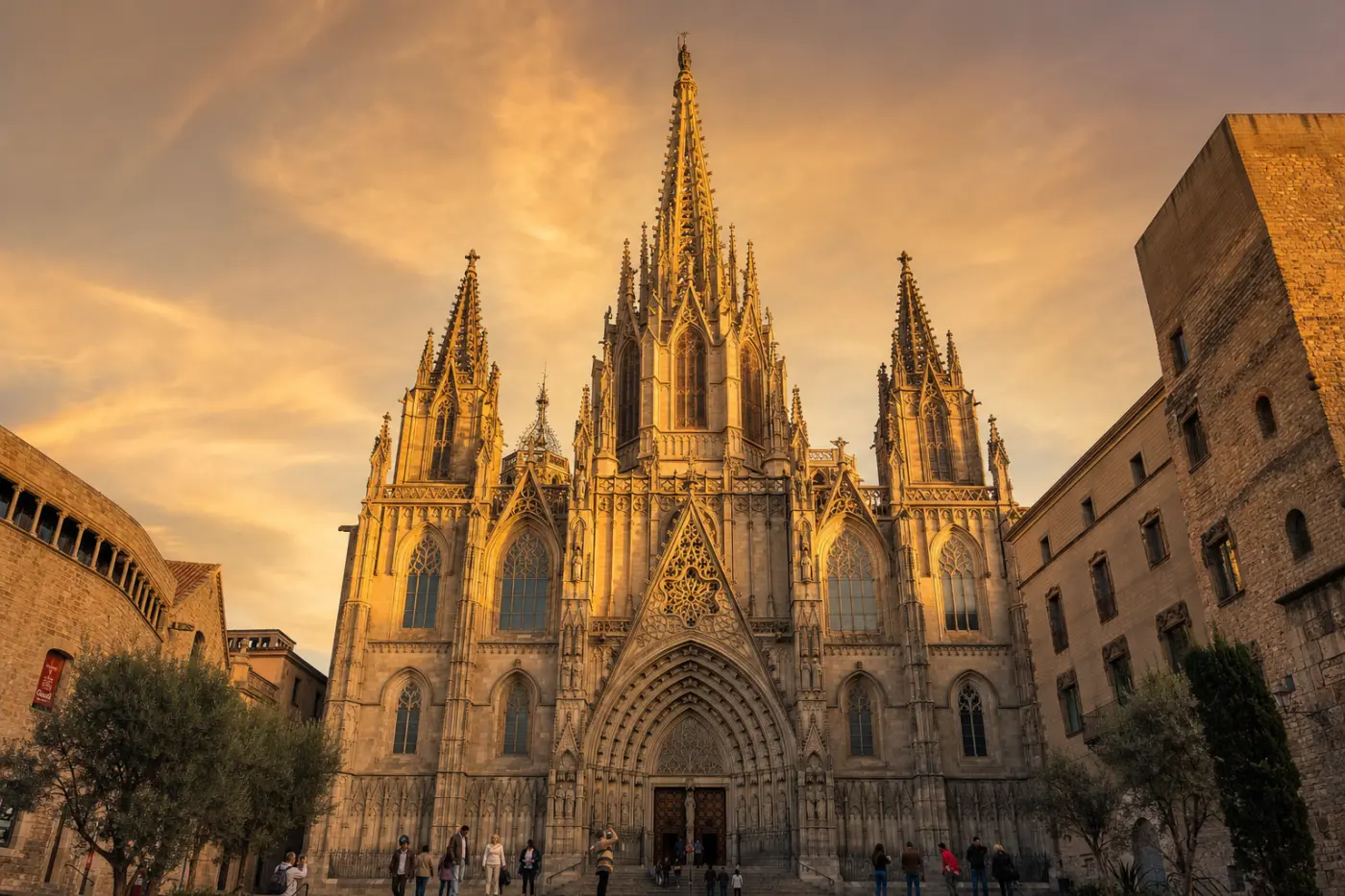
Tourist attraction
The Cathedral of Barcelona — officially the Santa Església Catedral Basílica Metropolitana de Barcelona — stands at the spiritual and geographic center of the city's Gothic Quarter, on a site that has hosted Christian worship since at least the 4th century. The current Gothic structure was begun in 1298 under King James II of Aragon, though construction continued in phases for nearly 150 years, with the main body completed around 1448. Remarkably, the iconic neo-Gothic facade and central spire visible today were not added until 1887–1913, financed largely by banker Manuel Girona following 15th-century plans drawn by the French architect Charles Galtés de Rouen — meaning the exterior is far younger than the soaring interior it conceals. The result is a building that layers medieval ambition onto Victorian-era stone, a palimpsest of Barcelona's long history written in limestone and light.
Inside, the cathedral stretches across three naves supported by slender octagonal columns that climb 28 meters to a ribbed Gothic vault, creating an atmosphere of extraordinary vertical drama. The crypt beneath the high altar houses the alabaster sarcophagus of Saint Eulalia, Barcelona's co-patron saint, a 13-year-old Roman girl martyred in 304 AD for refusing to renounce Christianity under Emperor Diocletian. Her remains were transferred here in 1339 and the intricately carved tomb — attributed to the Pisan sculptor Lupo di Francesco — remains one of the most venerated objects in Catalonia. The cathedral also preserves the Holy Christ of Lepanto, a contorted wooden crucifix that, according to tradition, was mounted on the bow of the Christian flagship at the 1571 Battle of Lepanto and survived the naval engagement against the Ottoman fleet. Its dramatic, torqued posture was long explained by sailors as the figure having miraculously dodged a cannonball.
One of the cathedral's most distinctive and beloved features is its cloister, a tranquil 14th-century enclosure housing a garden of magnolias, orange trees, and palm, presided over by 13 white geese. The geese are kept in memory of Saint Eulalia — one for each year of her life — and their presence has been an unbroken tradition for centuries. Twenty-eight chapels ring the cathedral's perimeter, each dedicated to a different guild or brotherhood and packed with altarpieces ranging from the 14th to 18th centuries, turning a single visit into an accidental survey of Catalan sacred art. The rooftop terrace, accessible by elevator, offers a close-up view of the ornate pinnacles and gargoyles and a panorama across the terracotta rooftops of the Barri Gòtic toward the sea.
The cathedral is an active place of worship, so visitors should expect masses and liturgical events, particularly on Sunday mornings, to take precedence over tourist access. A dedicated tourist visiting circuit operates during set hours (typically mornings and afternoons outside of mass times), with a modest entrance fee that covers the choir, crypt, museum, and rooftop. The square in front of the facade, Pla de la Seu, hosts Barcelona's traditional sardana folk dance on weekend mornings and is the gathering point for the city's famous La Mercè festival celebrations each September. Arriving early on a weekday morning — before tour groups arrive and when amber light rakes across the neo-Gothic facade — gives the fullest sense of a building that has anchored this city for seven centuries.
Private tours with a local guide, at your own pace.
Barcelona
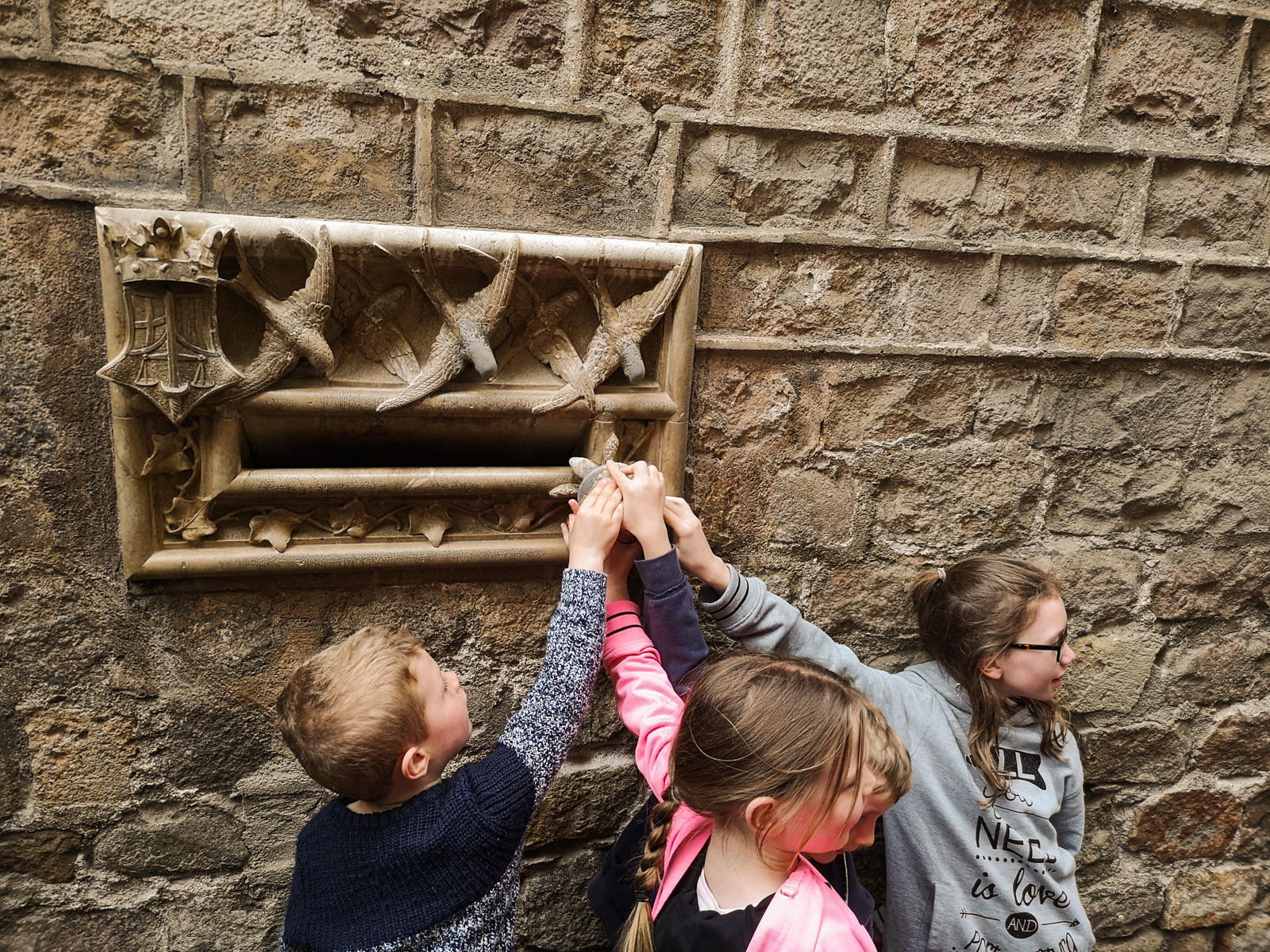
Barcelona
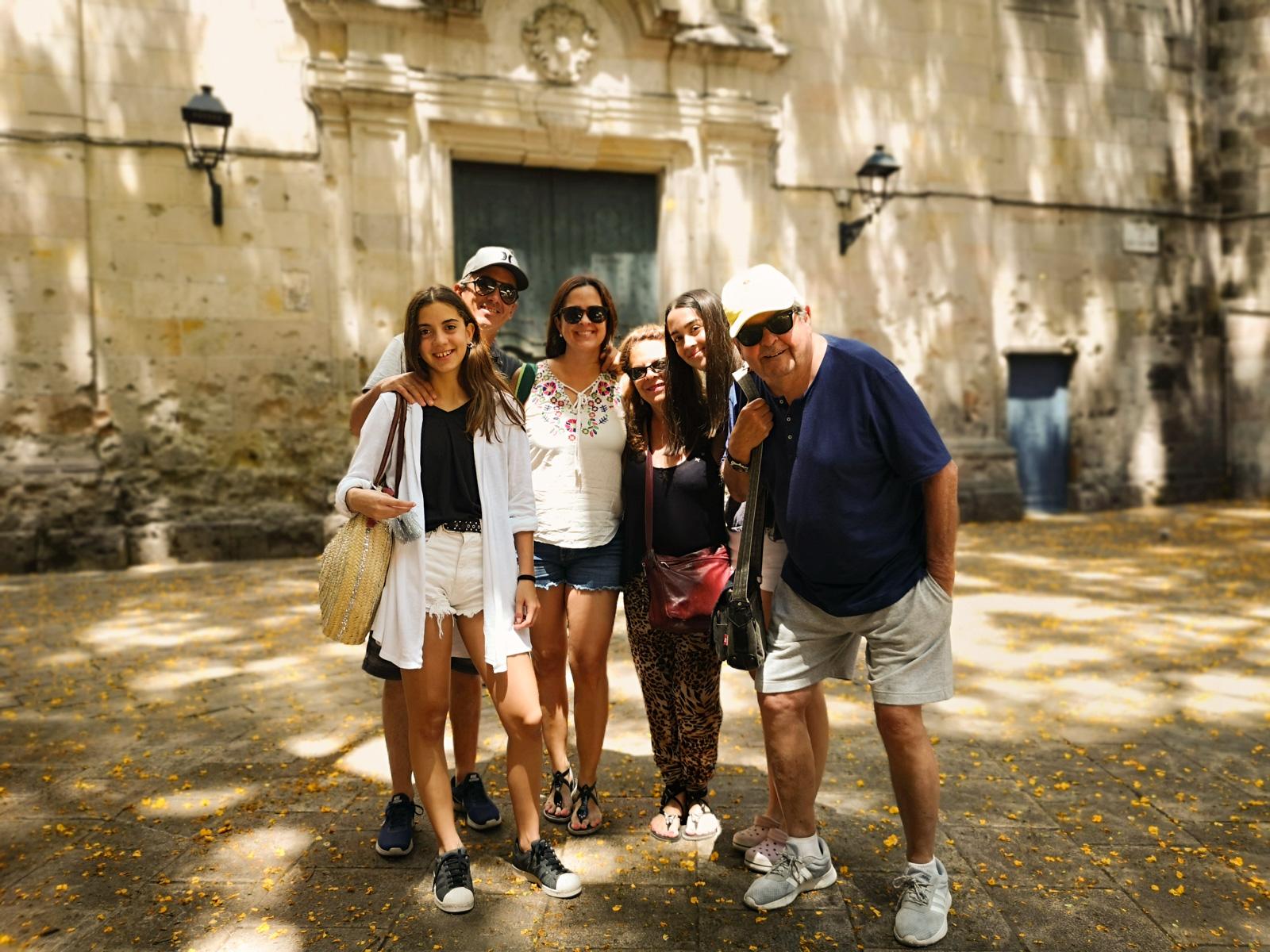
Barcelona
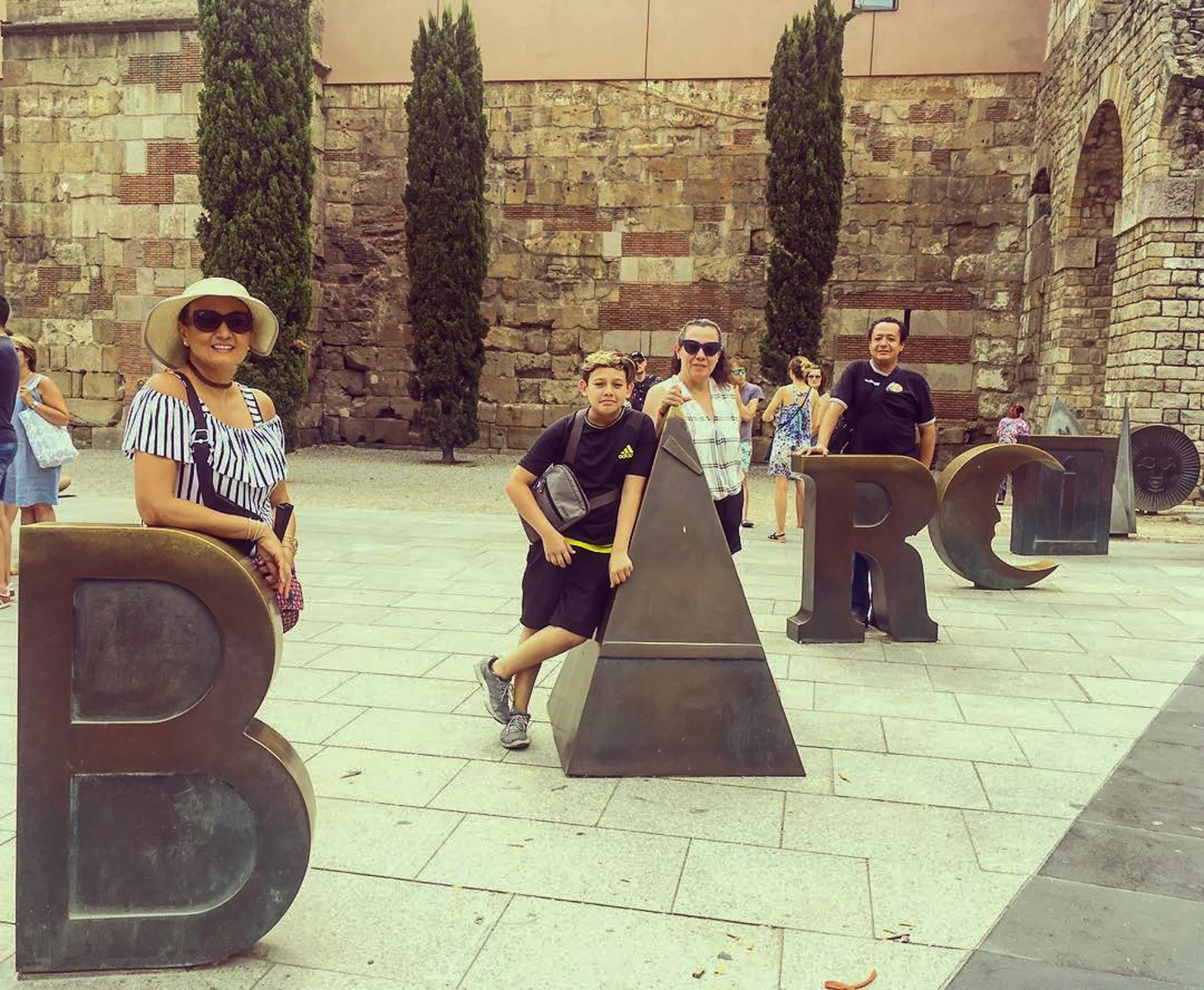
Barcelona
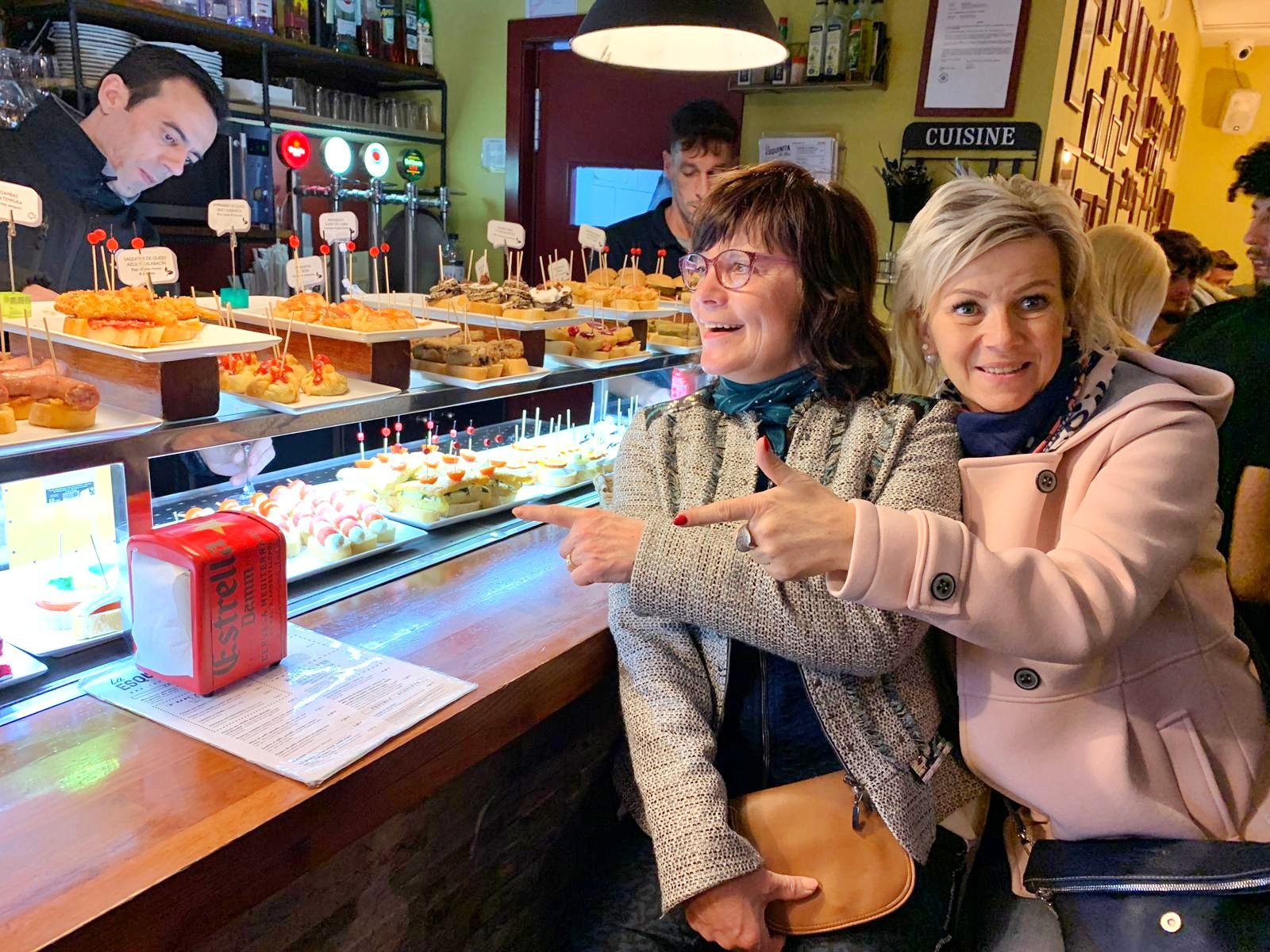
Barcelona
Barcelona
Barcelona
Barcelona
Barcelona
Barcelona
Barcelona
Barcelona
Barcelona
Barcelona
Barcelona
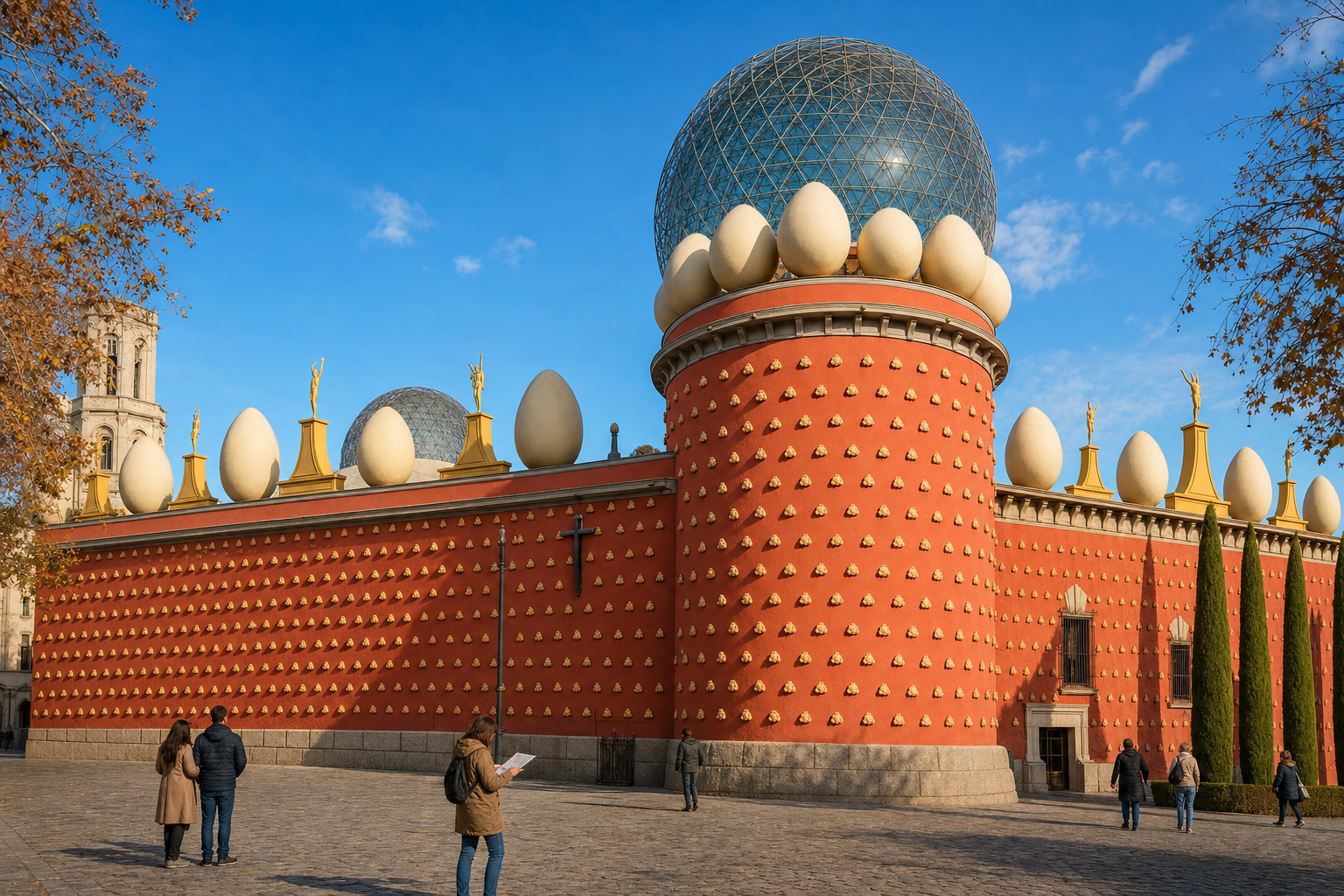
Most people know that Salvador Dalí was born in Figueres on 11 May 1904 — fewer realise that he spent the last decade of his life living inside his own museum, in a castle tower he had converted into a private apartment, refusing almost all visitors. That detail alone reframes everything you're about to see on a Costa Brava day trip from Barcelona. This isn't a sightseeing loop past pretty landmarks; it's a journey into one of the most deliberately constructed artistic universes ever assembled, set against a coastline so geologically dramatic that it physically shaped the imagery of a surrealist movement. From the geodesic dome above Figueres to the labyrinthine rooms of Portlligat, from the tramuntana-battered vines of the Empordà to the whitewashed lanes of Cadaqués, every stop carries a specific weight of history that rewards knowing before you arrive. This guide gives you that context — and shows you why adding a winery to the route isn't a detour, it's the most logical ending the day could have.
Read more →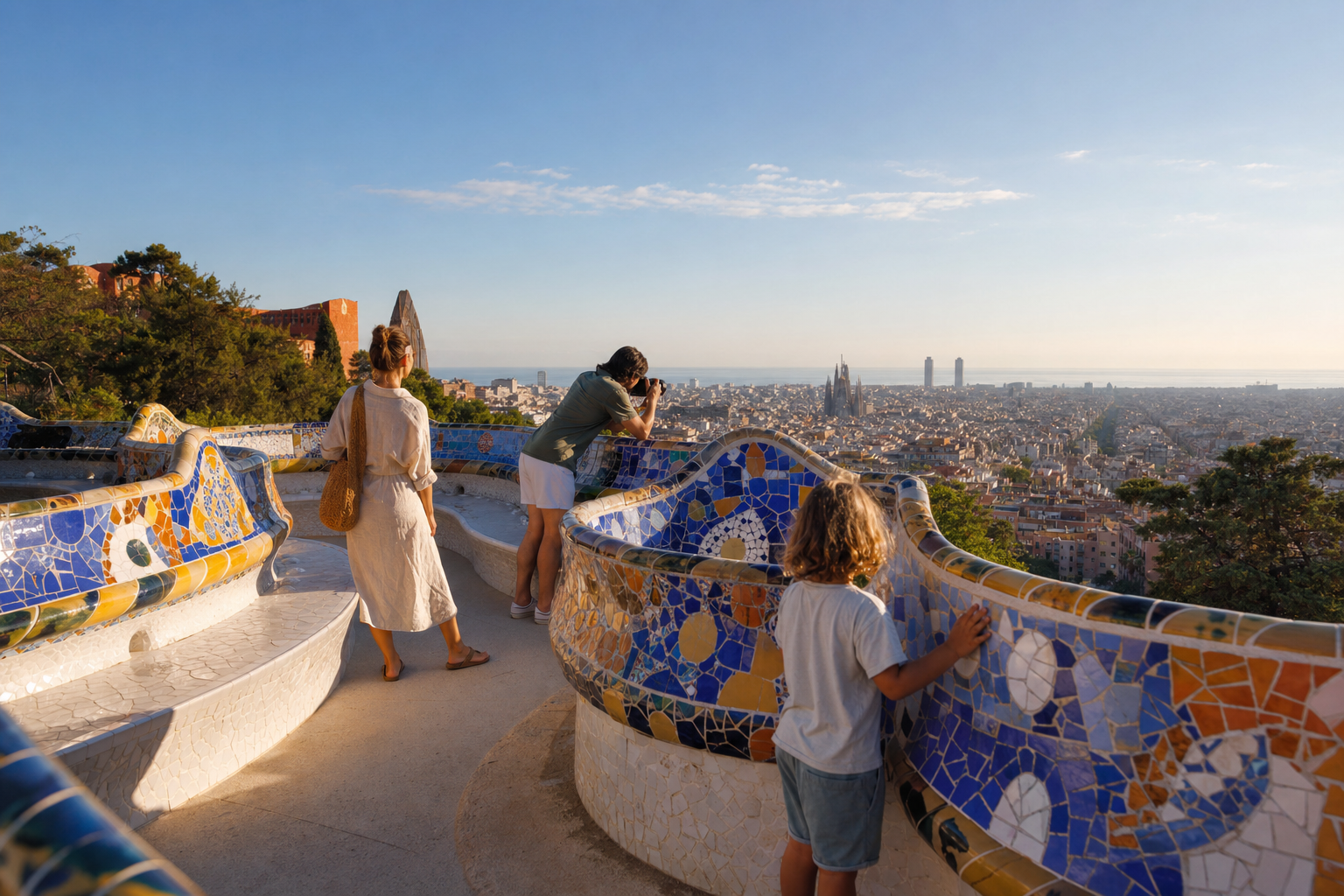
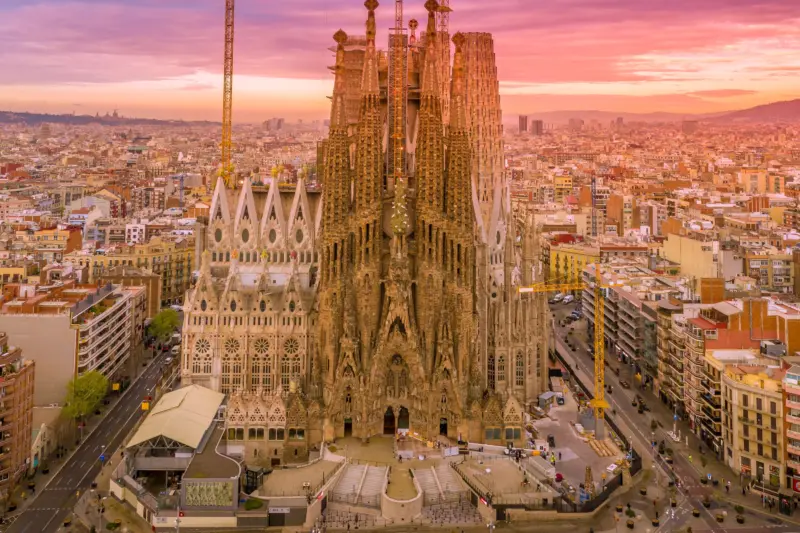
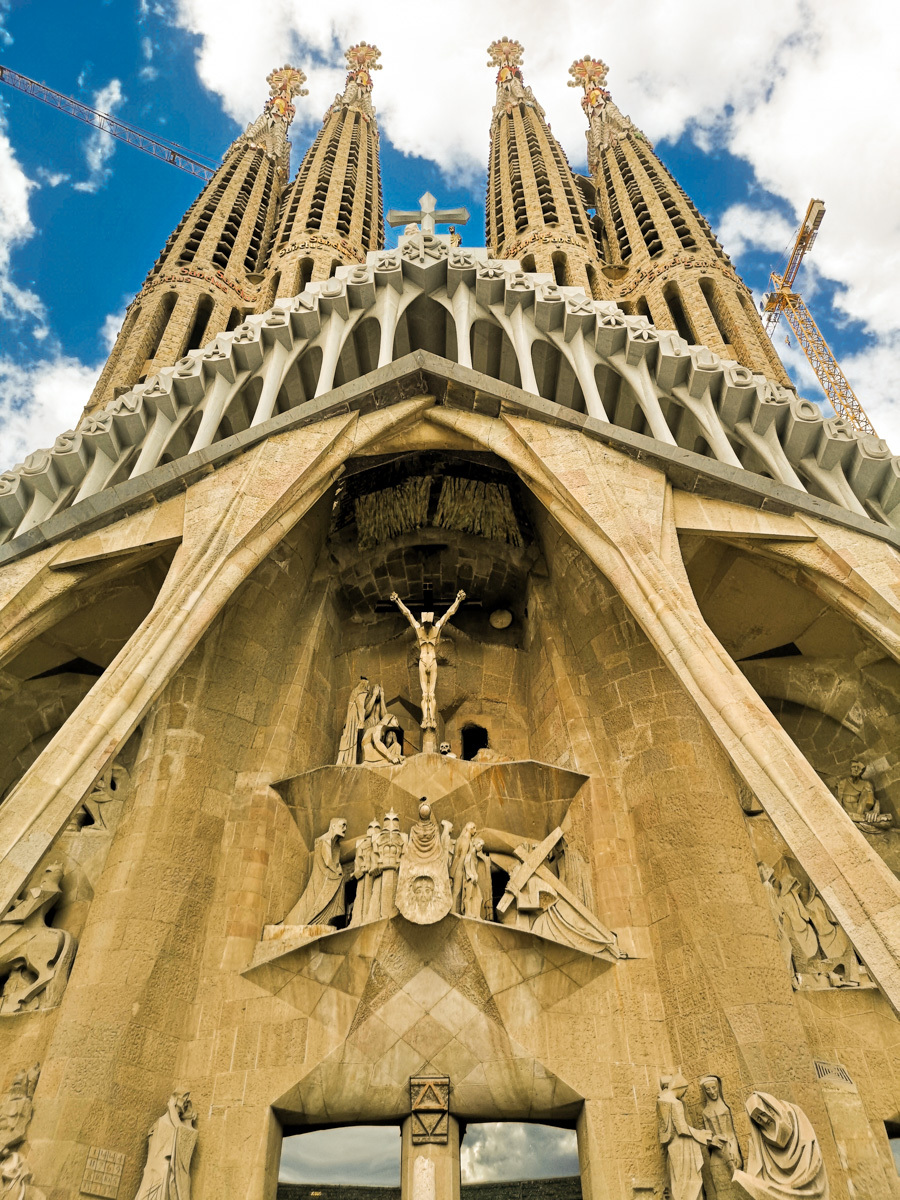
In 1883, a 31-year-old architect named Antoni Gaudí inherited a half-built church from a resigning predecessor and spent the next 43 years — until his death in 1926 — turning it into one of the most structurally radical buildings in human history. That church, the Sagrada Família, is still under construction today, and it is just one reason why Barcelona rewards curiosity more than almost any other city in Europe. But Gaudí's Barcelona is only one layer. Beneath the Gothic Quarter's cobblestones lie the preserved streets of a Roman settlement called Barcino, founded around 10 BC. In the city's markets, a food culture rooted in Catalan identity — not the generalised 'Spanish' clichés exported for tourists — plays out every single morning. Barcelona is a city that consistently offers more the deeper you look. This guide cuts past the surface to give you the historical facts, cultural context, and local knowledge that turn a good trip into an unforgettable one.
Read more →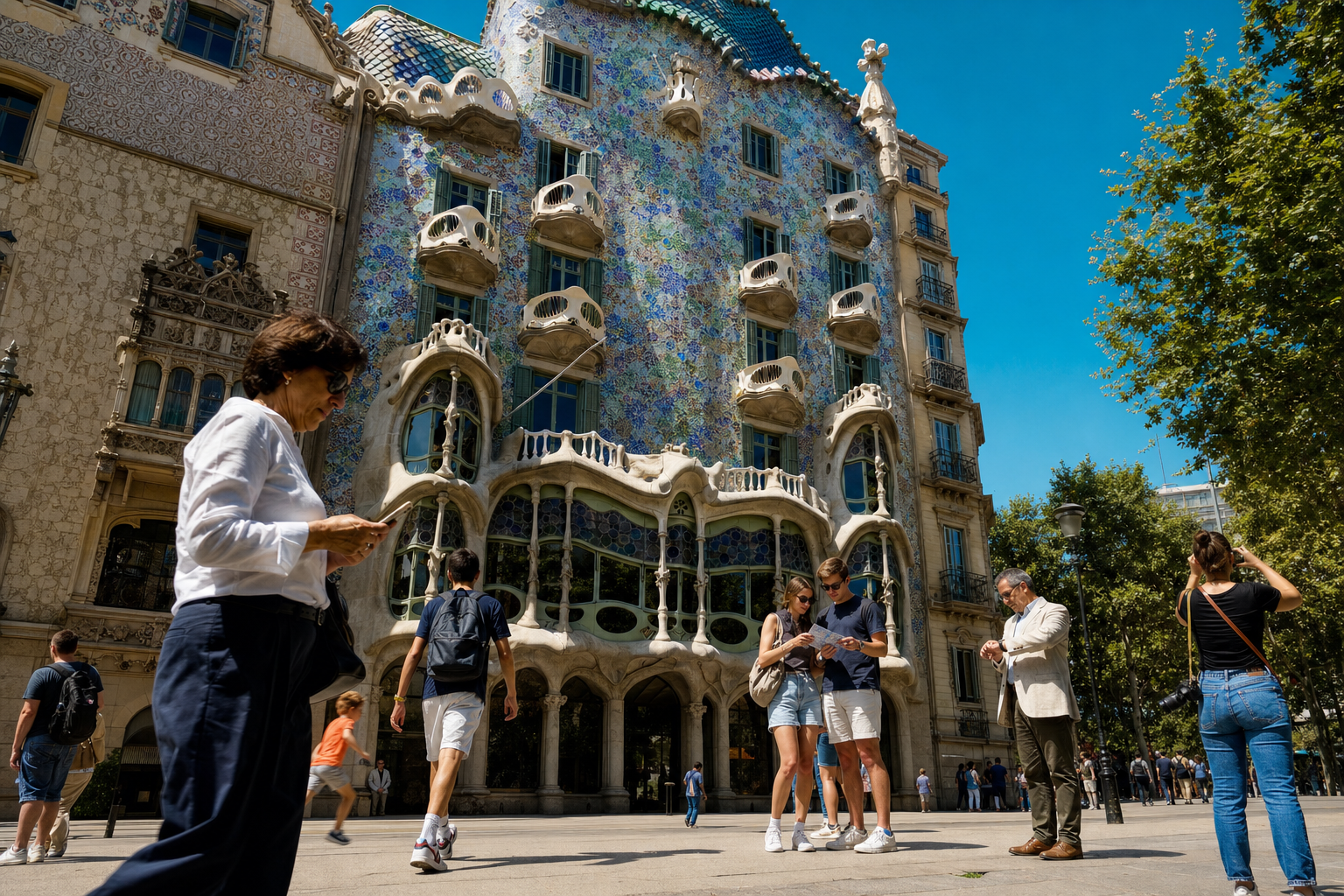
On the grandest stretch of Barcelona's Passeig de Gràcia — a boulevard so thick with Modernista jewels that locals call it the Block of Discord — one building stops every passerby cold. Casa Batlló shimmers like a living creature: scales of iridescent ceramic, a roofline that breathes, skulls carved into stone balconies. It was commissioned by a wealthy textile magnate, transformed by a visionary architect, and completed in 1906 as a statement that would redefine what a city building could be. This is its story.
Read more →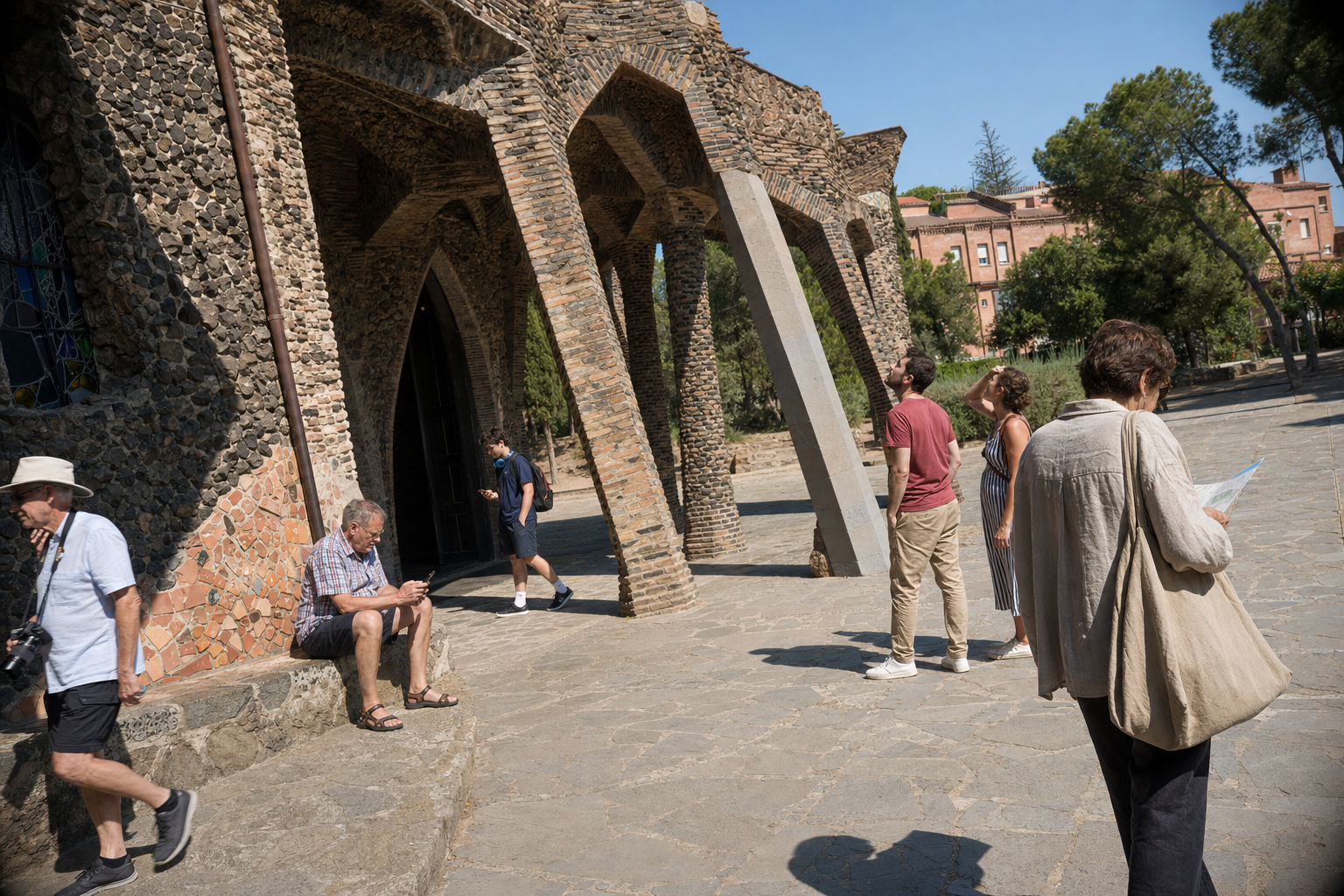
In 1890, the Catalan industrialist Eusebi Güell made a decision that was radical even by the standards of a city already electrified by modernisme: he abandoned Barcelona's choking factory districts and moved his textile mill — and his entire workforce — to a pine-forested hillside in Santa Coloma de Cervelló, just 20 kilometres southwest of the city. What he built there was not merely a factory complex but a full social experiment: a self-contained workers' village with housing, schools, a theatre, a cooperative shop, and a church that would become one of the most structurally daring buildings of the 20th century. That church was entrusted to Antoni Gaudí — and what Gaudí designed in its crypt between 1908 and 1914 was nothing less than the structural laboratory for the Sagrada Família. Colonia Güell is where the dream was tested. It draws a fraction of the crowds that queue outside Park Güell or the Sagrada Família, yet it is arguably the most intellectually fascinating Gaudí site in all of Catalonia.
Read more →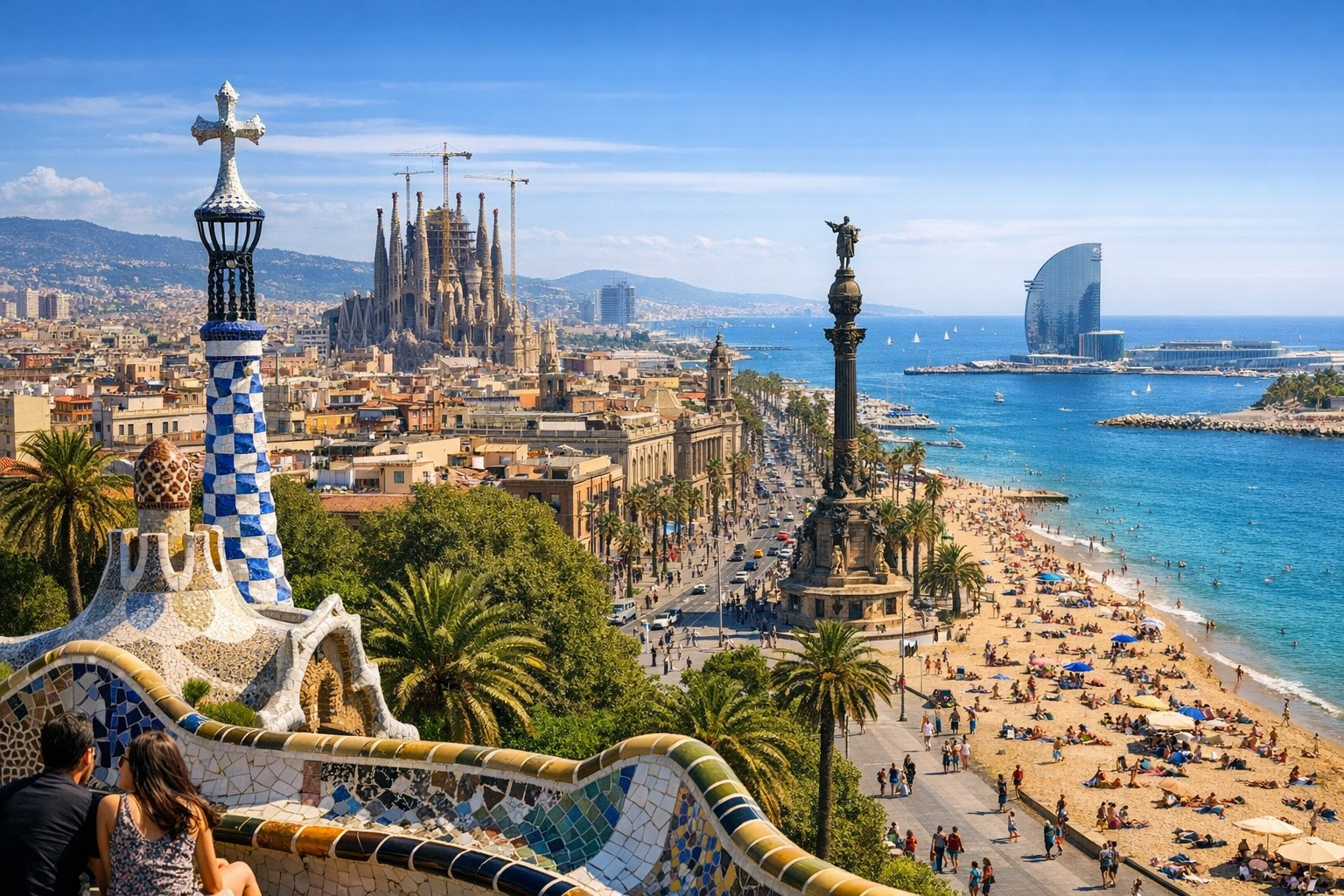
Discover the vibrant culture, stunning architecture, and culinary delights of Barcelona. From iconic landmarks to hidden gems, this guide offers the best activities to experience in the city, ensuring an unforgettable visit.
Read more →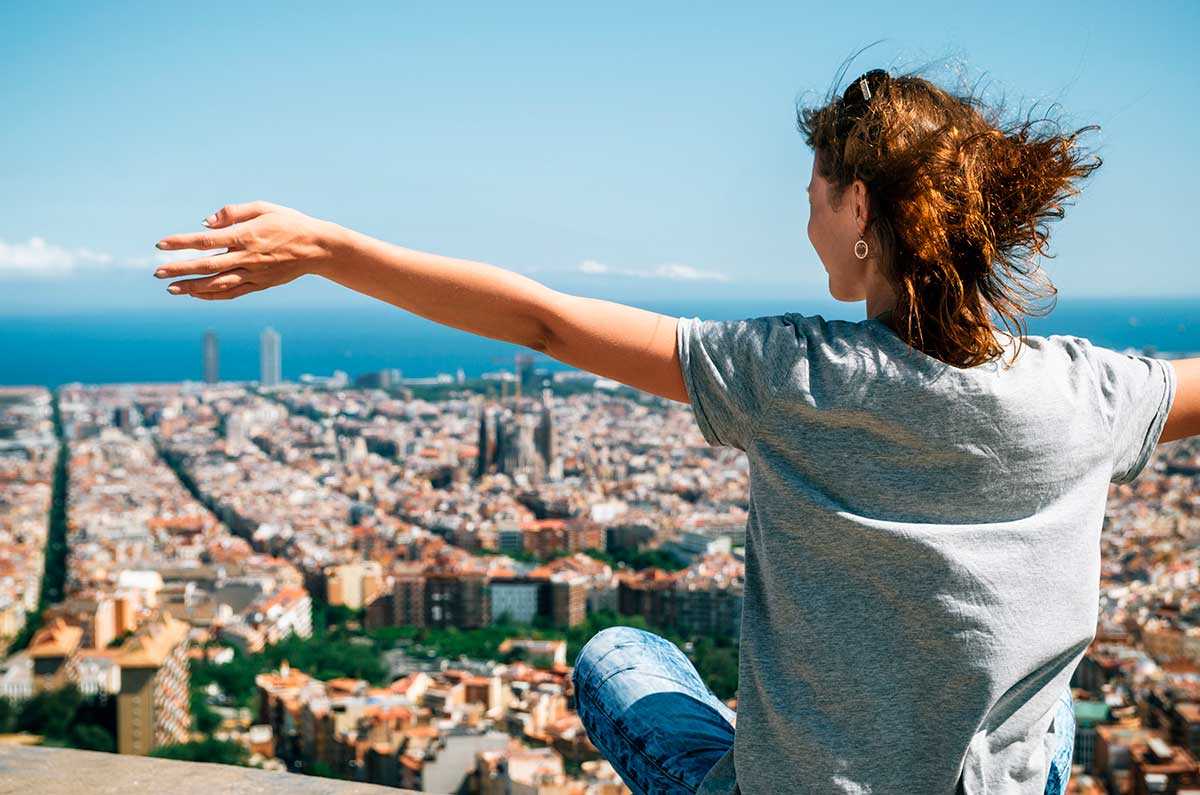
Barcelona, the enchanting coastal city in Spain, is a treasure trove of captivating attractions, historic landmarks, and awe-inspiring architecture. With so much to explore, having a well-designed attractions map can significantly enhance your sightseeing experience and ensure you make the most of your time in this vibrant destination. Whether you are an adventurous solo traveler or a family seeking a cultural getaway, a detailed map will be your faithful companion throughout your journey.
Read more →We use a single cookie, to remember this choice. We do not use analytics or advertising cookies. Read our cookie policy.