6 hrs
Lisboa
Lisbon Private Full-day Tour - History, Culture, Local Life & Gastro Experience
✓ Free cancellation Kids friendly
5.0(27 reviews)
From €219/ person
Book Now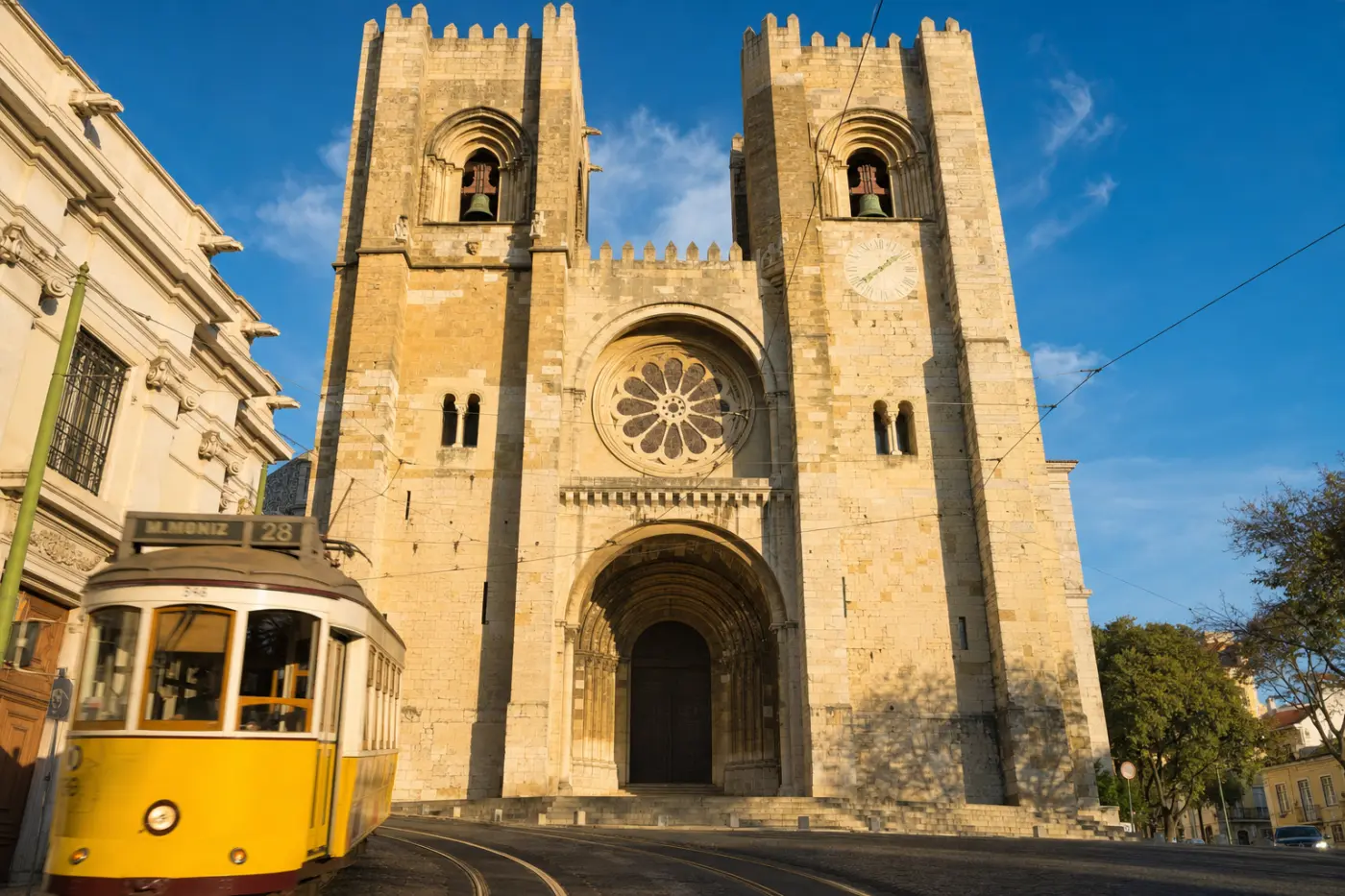
Tourist attraction
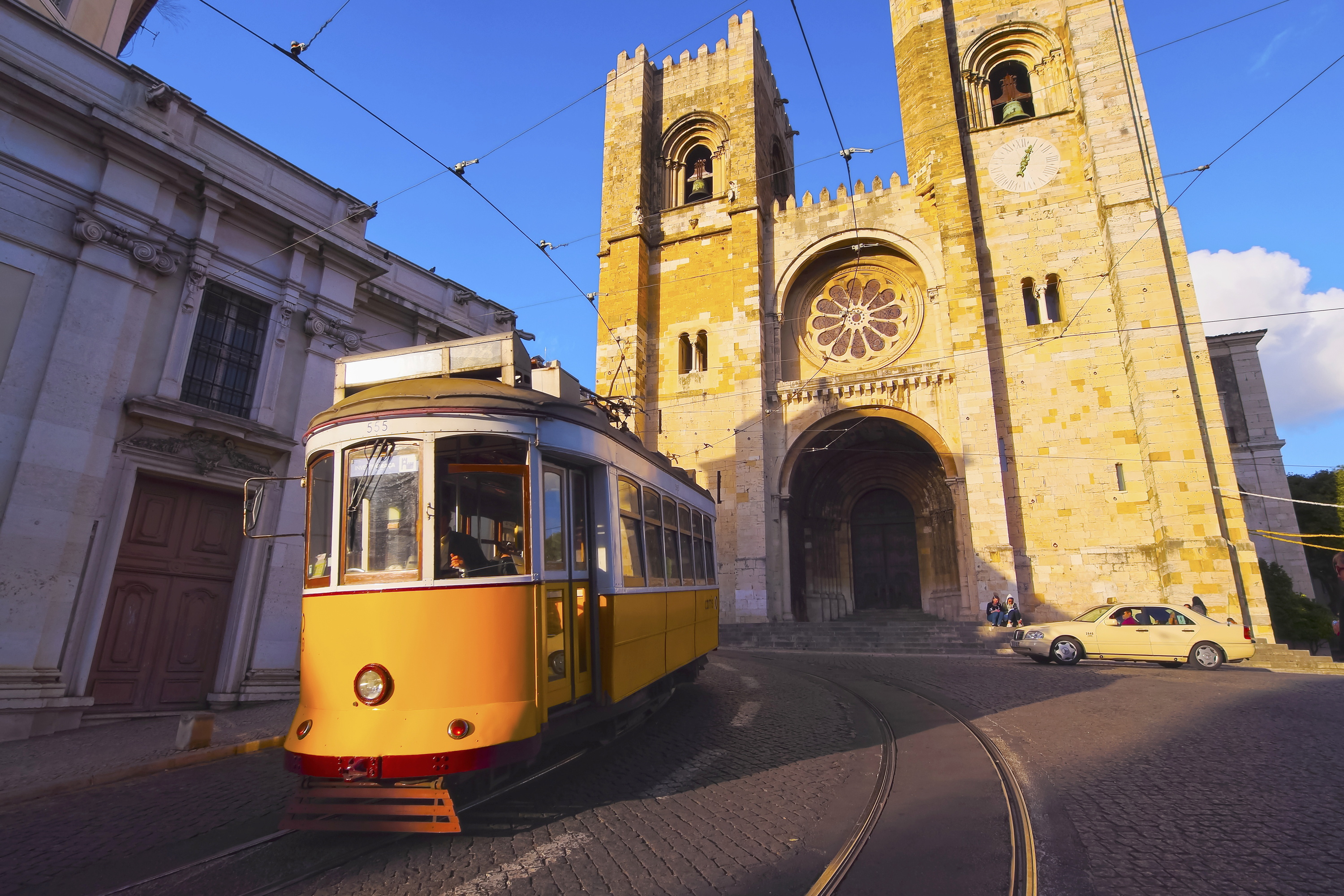
The Sé de Lisboa — formally the Cathedral of Santa Maria Maior — is the oldest surviving church in Lisbon and one of the most historically layered buildings on the Iberian Peninsula. Its origins trace directly to 1147, when the Crusader king Afonso Henriques, Portugal's first monarch, captured Lisbon from the Moors with the help of Northern European Crusaders passing through on their way to the Holy Land. Almost immediately after the city fell, the recently defeated mosque was converted into a Christian cathedral. The first bishop of Lisbon, Gilbert of Hastings — an Englishman — was appointed that same year, and construction of a permanent Romanesque cathedral began shortly thereafter. The building's twin crenellated towers, massive stone façade, and fortress-like silhouette are not merely aesthetic choices: they reflect an era when a church in a newly reconquered city had to serve as both a spiritual anchor and a defensive stronghold.
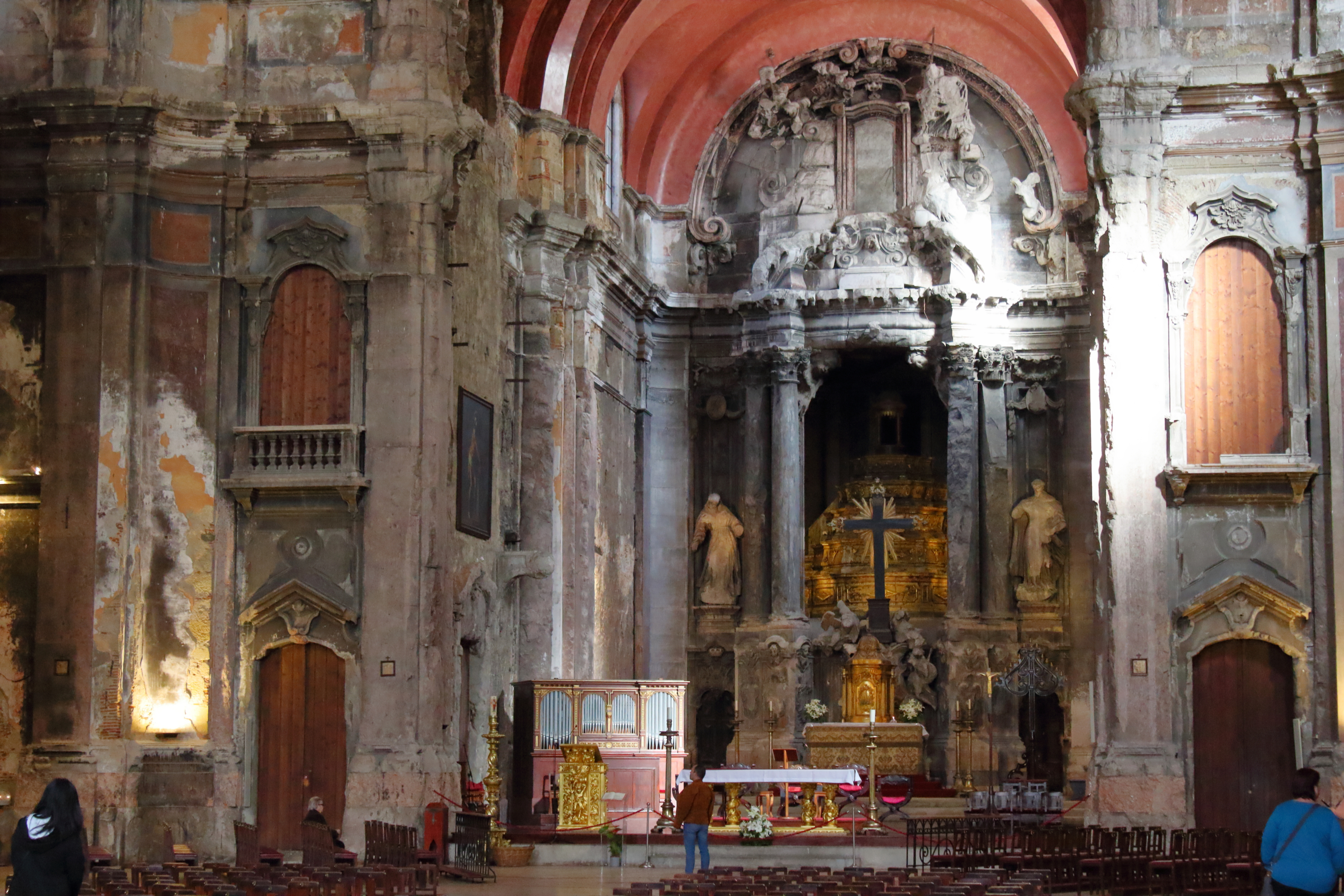
Centuries of seismic activity, particularly the catastrophic earthquake of 1755 that levelled much of Lisbon, reshaped the cathedral's interior repeatedly. Yet the Romanesque nave — three aisles separated by robust rounded arches — survived largely intact, preserving the spatial grammar of the 12th-century original. Subsequent monarchs added Gothic and Baroque chapels, most notably the Gothic ambulatory and the Chapel of Bartolomeu Joanes (14th century), which contains the tomb effigy of Lopo Fernandes Pacheco, a nobleman of the court of Afonso IV. The cathedral also holds the baptismal font where Saint Anthony of Padua — Lisbon's own patron saint, born in the city in 1195 — was baptised. His connection to this building is celebrated every year on 13 June during the Festas de Santo António, when the cathedral becomes the focal point of the city's largest popular festival.
Archaeological excavations beneath the cathedral, ongoing since the 1990s, have exposed occupation layers reaching back to the Iron Age, through Phoenician, Roman, Visigothic, and Moorish settlements. The Roman *cardo maximus* — the main north–south street of the ancient city of *Felicitas Iulia Olisipo* — ran directly beneath the current nave. These stratified ruins are partially visible through glass panels set into the floor, making the cathedral as much an archaeological site as a place of worship. The Treasury, housed in the sacristy, contains a 13th-century reliquary chest said to hold the bones of Saint Vincent, Lisbon's patron saint, whose relics were transported to the city by ship in 1173 — an event famously escorted, according to legend, by a pair of ravens whose descendants would guard the cathedral for centuries.
Visitors approach the cathedral along the Alfama hillside via Rua Augusta or Tram 28, which stops almost at the entrance on Largo da Sé. The interior is open to the public, and a combined ticket grants access to the Gothic cloister — where excavation work remains visible — and the Treasury. Masses are held daily and the cathedral remains an active parish, so tourist visits are restricted during liturgical hours. The best light for photography falls on the twin Romanesque towers in the late afternoon, when the western sun catches the pale limestone and throws the rose window into sharp relief. Wear comfortable shoes: the surrounding Alfama cobblestones are steep and uneven.
Private tours with a local guide, at your own pace.
Lisboa
Lisboa

Lisboa

Lisboa
Lisboa
Lisboa

Lisboa
Lisboa
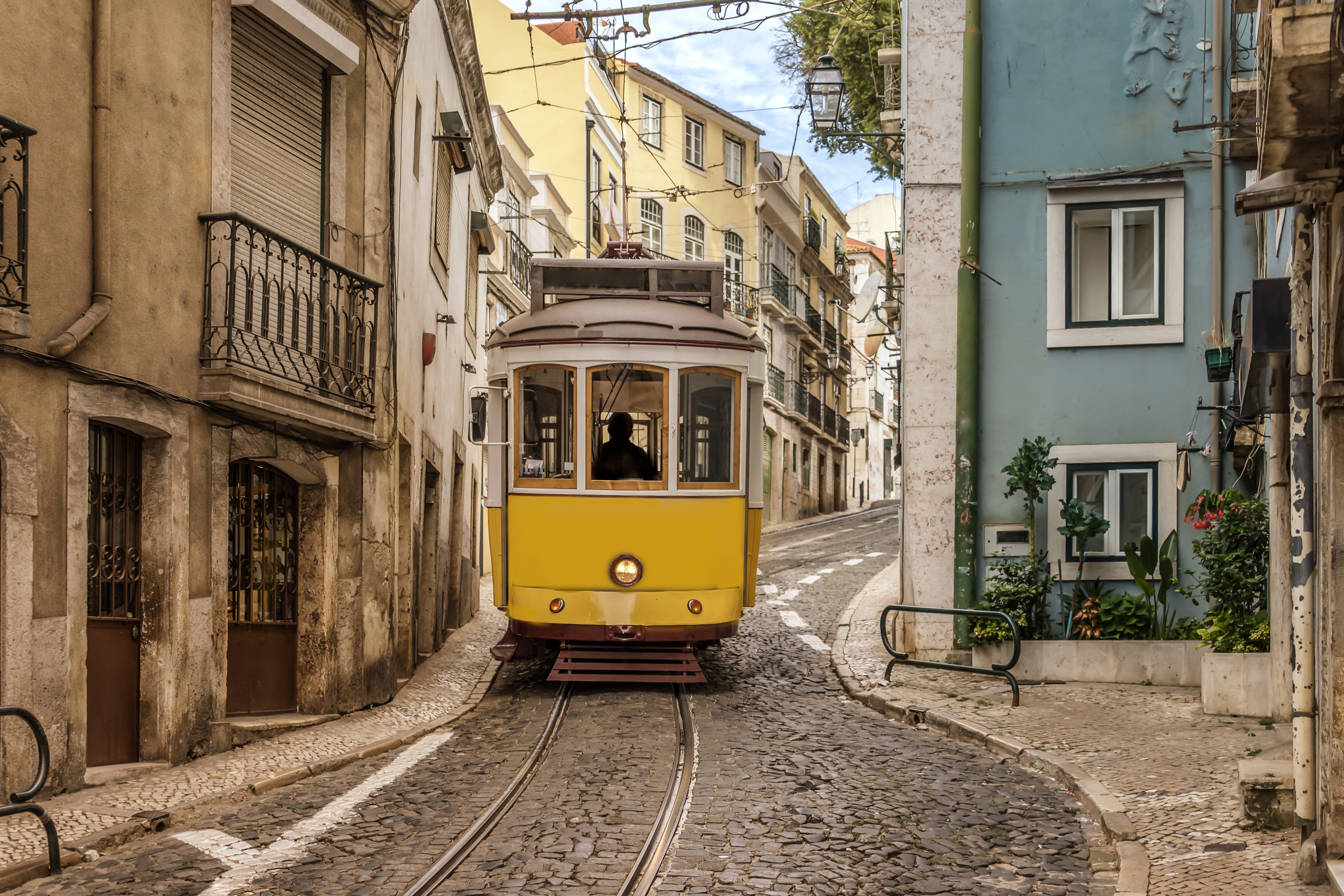
Lisboa
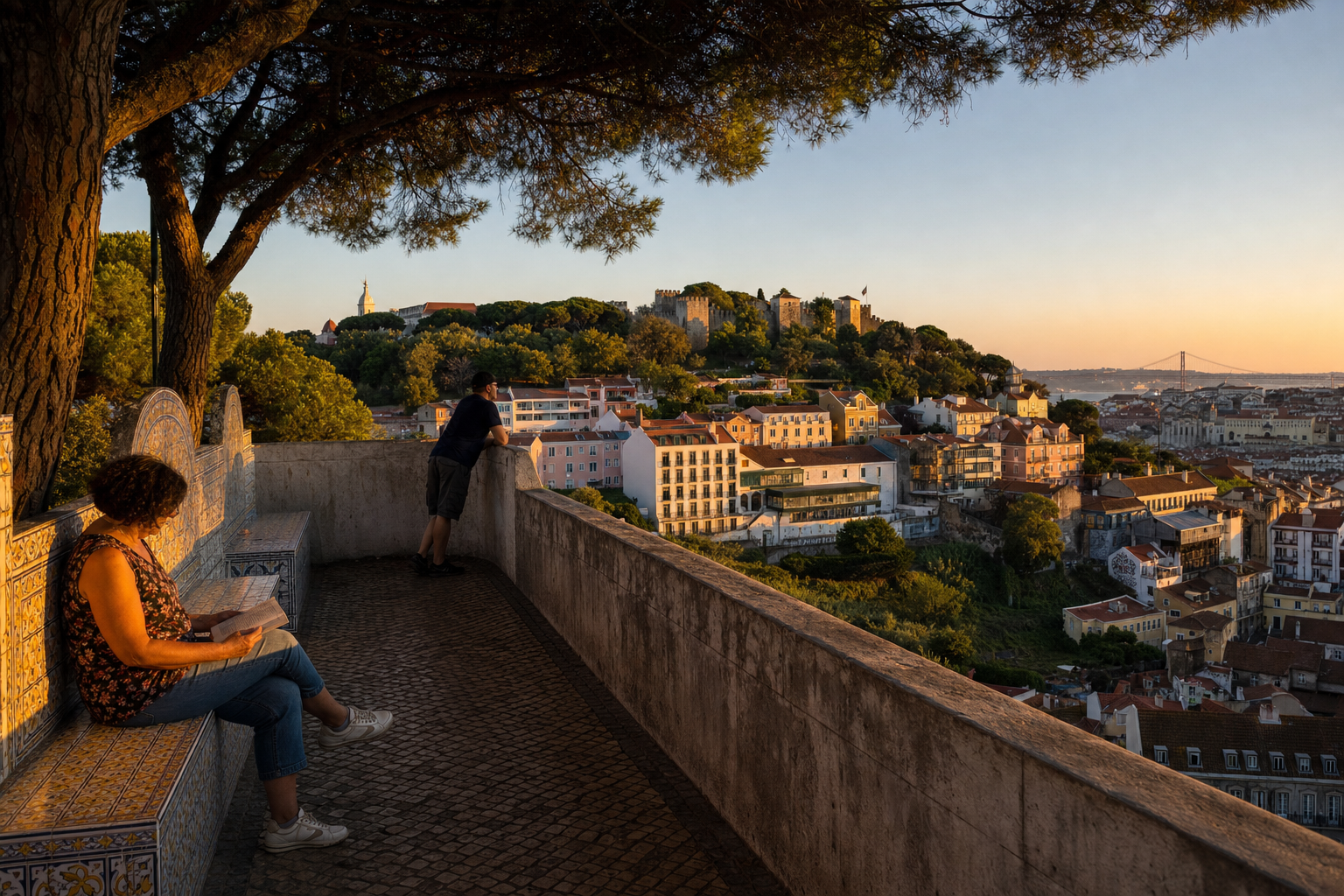
On the morning of 1 November 1755 — All Saints' Day — a catastrophic earthquake followed by a tsunami and fire destroyed roughly 85% of Lisbon. What you walk through today is, in large part, a city deliberately rebuilt from scratch. But not all of it. Alfama, clinging to its bedrock ridge above the Tagus, survived almost untouched. Mouraria, pressed against the castle hill, kept its labyrinthine medieval lanes. Belém, several kilometres west, was far enough from the epicentre to preserve its extraordinary Manueline monuments. These geological and historical accidents shaped the city's character as profoundly as any monarch or architect — and they explain why Lisbon's neighborhoods feel so radically different from one another, even when separated by a ten-minute walk. This guide goes beyond the postcard version. It digs into the specific histories, architectural DNA, and cultural layers that make each district genuinely distinct — and tells you what you'd actually miss if you only followed the crowds.
Read more →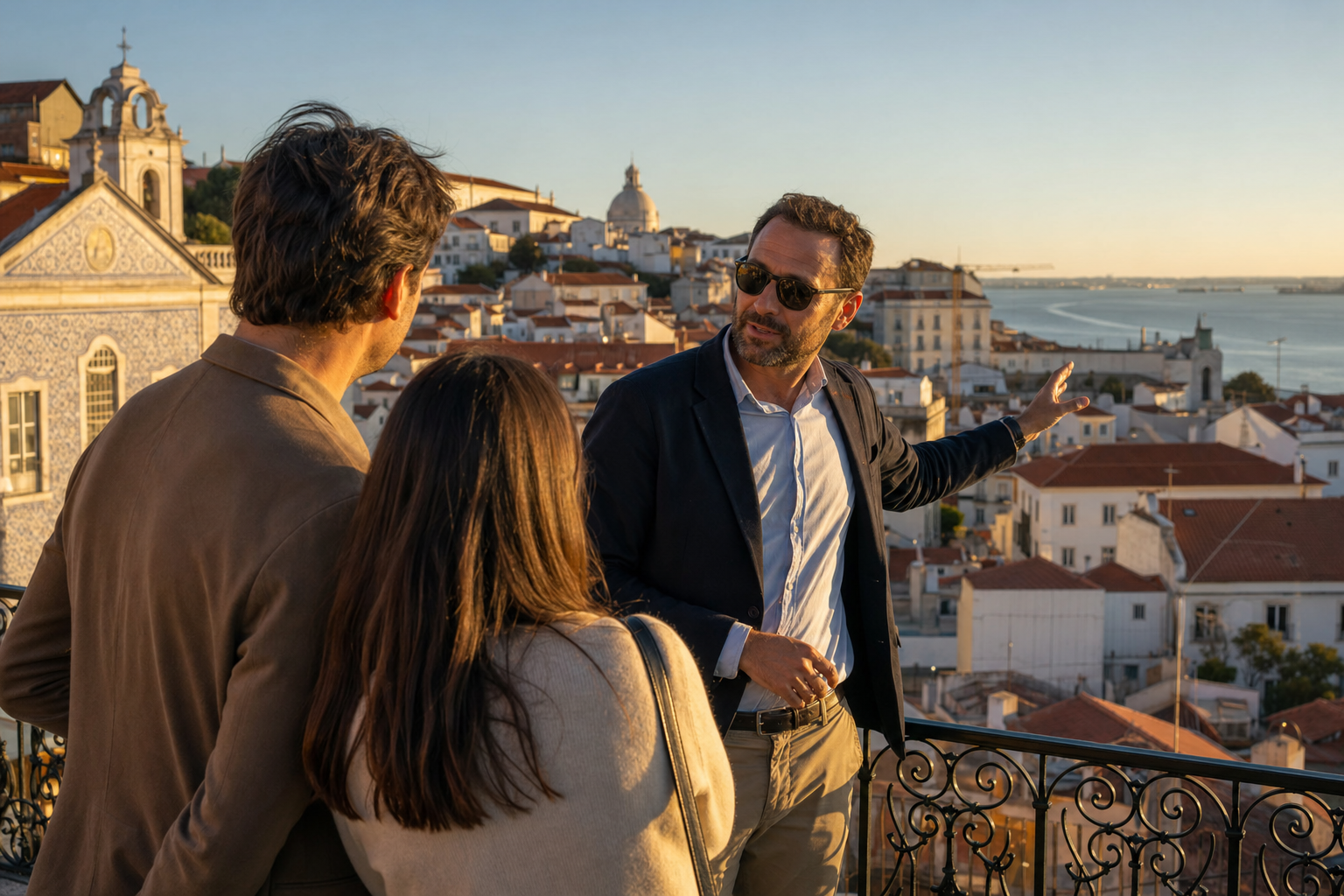
On the morning of 1 November 1755 — All Saints' Day — a catastrophic earthquake, followed by a tsunami and firestorm, killed between 30,000 and 40,000 people and erased the medieval centre of Lisbon in under six minutes. The city that rose from the rubble was rebuilt on an entirely different logic: the rational Pombaline grid of Baixa, named after the Marquis of Pombal who oversaw the reconstruction. That rupture still defines every street, tile panel, and viewpoint you encounter today — but almost no group tour has the time or flexibility to explain why. Lisbon is not one city; it is at least four, stacked across seven hills, shaped by a global maritime empire, a catastrophic earthquake, and centuries of cultural layering that even most visitors who have been here before have only scratched the surface of. That is precisely why private tours in Lisbon work so differently from anywhere else in Europe — and why getting them right matters.
Read more →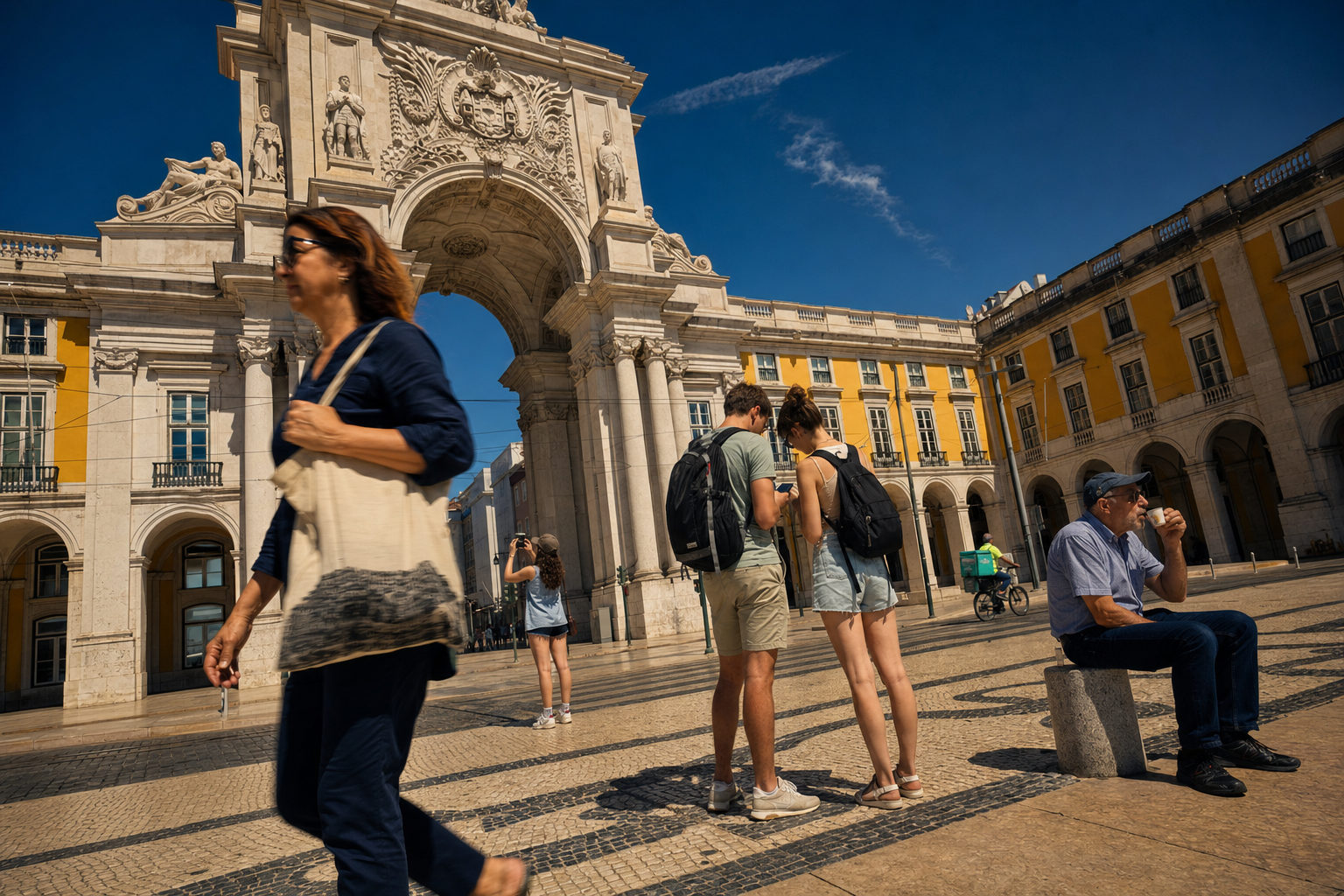
At 9:40 on the morning of 1 November 1755 — All Saints' Day, when most of Lisbon's population was inside a church — an earthquake estimated between 8.5 and 9 on the Richter scale struck the city. Three separate tremors, a tsunami, and fires that burned for five days killed between 30,000 and 40,000 people and levelled roughly 85% of the built environment. The Marquis of Pombal rebuilt the lower city from scratch on a rational Enlightenment grid — one of the first planned urban rebuilds in European history. But one neighbourhood didn't fall. Alfama, the ancient Moorish quarter, sat on solid schist bedrock and held. The street pattern you walk today is the one laid down before the 12th century. That single geological accident is the reason Lisbon feels unlike any other Western European capital: its oldest layers weren't buried under 19th-century renovation. They stayed visible, walkable, and inhabited. A long weekend in Lisbon — three full days, properly structured — is enough time to feel that depth across millennia of empire, faith, and fado. But only if you spend those days the right way.
Read more →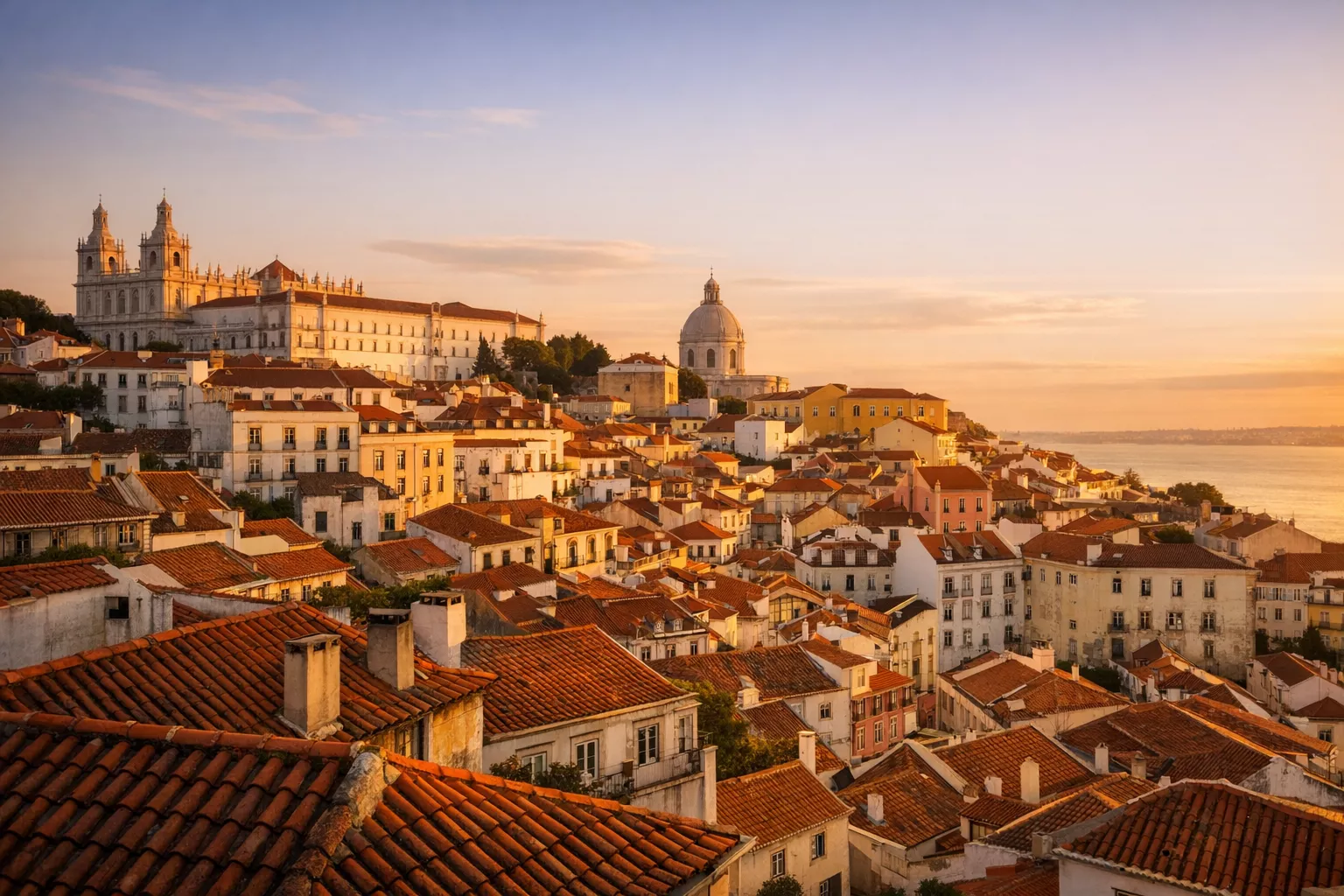
Discover the vibrant city of Lisbon, where history, culture, and gastronomy blend together perfectly. Whether you're a history buff, a foodie, or an adventurer, this guide will reveal the top things to do in Lisbon, along with links to exclusive local tours.
Read more →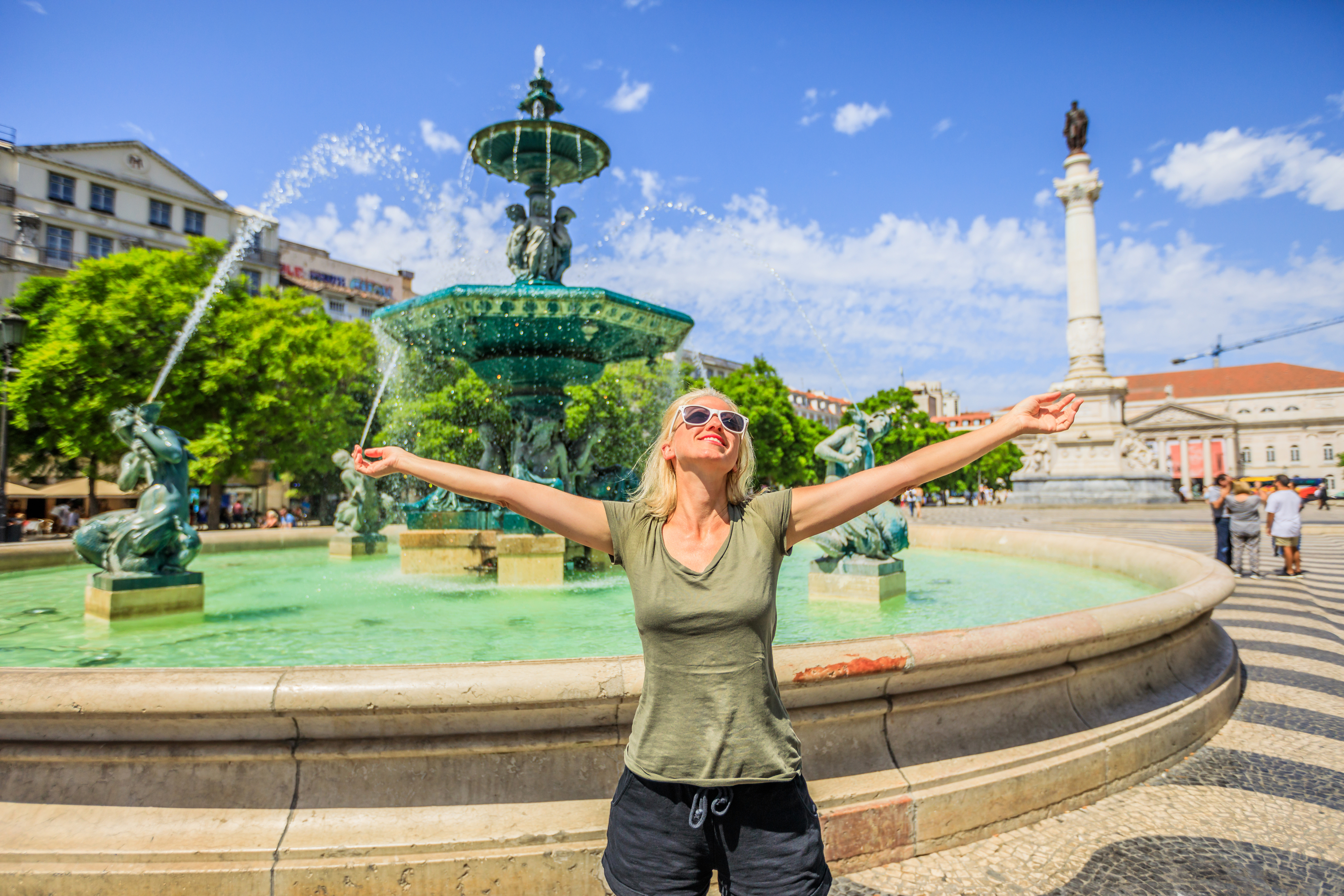
Lisbon, the capital city of Portugal, is a vibrant and enchanting destination that offers a perfect blend of history, culture, and natural beauty. From its picturesque neighborhoods to its stunning architectural landmarks, Lisbon has something to offer every traveler. Whether you have just a few days or a whole week, this city will captivate you with its charm and allure.
Read more →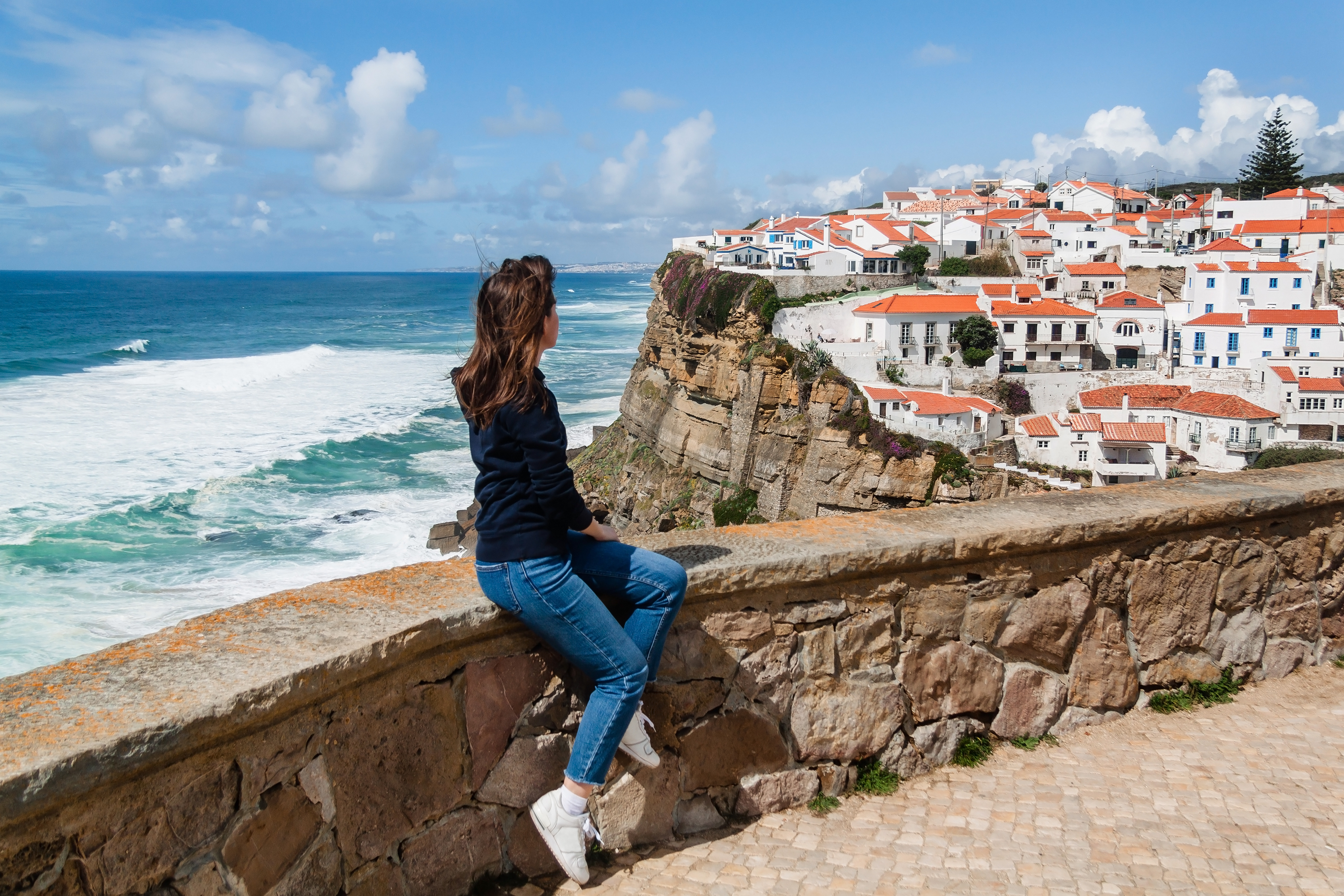
In the vicinity of Lisbon there are many beautiful villages and places to visit on day trips. At any time of the year, you can discover small towns, palaces, castles, beaches and beautiful landscapes. Signing up for a private tour with a local guide can be a very good option, so that you don't miss any detail, learn about history, while optimising time and money. Otherwise, it is also possible to do it on your own, thanks to public transport or rental cars. Which places do we recommend?
Read more →We use a single cookie, to remember this choice. We do not use analytics or advertising cookies. Read our cookie policy.