3 hrs
Lisboa
Lisbon Like a Local Private Tour - Avoid the Tourist Route
✓ Free cancellation Kids friendly
5.0(1 reviews)
From €120/ person
Book Now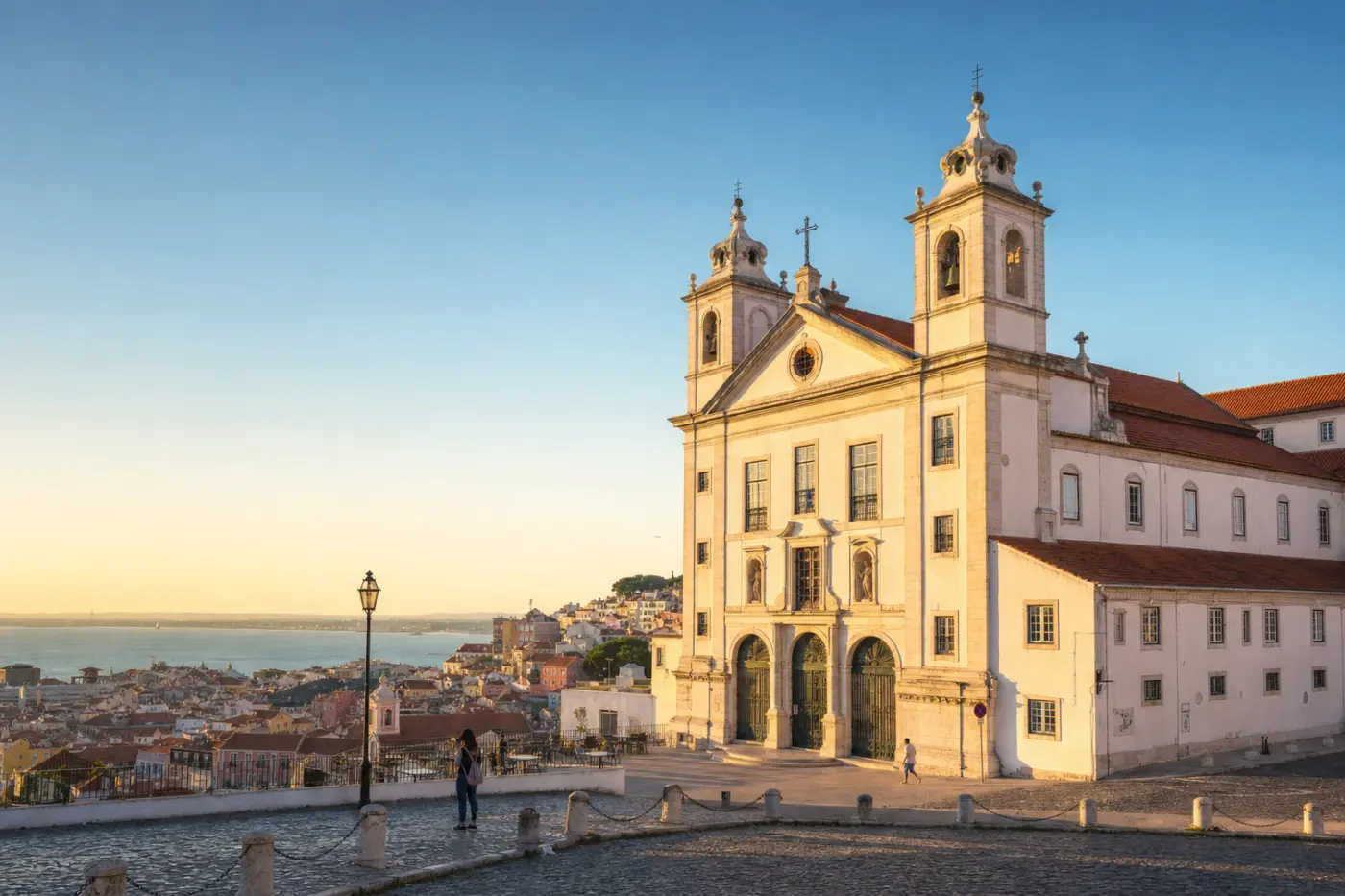
Tourist attraction
The Church and Convent of Graça (Igreja e Convento da Graça) stands on the highest hill in Lisbon's historic eastern quarter, making it one of the most visually commanding religious complexes in the entire city. Founded in 1271 by Dom Frei Henrique de Coimbra under the Order of Hermits of Saint Augustine — making it the first Augustinian house established in Portugal — the original structure was almost entirely destroyed in the catastrophic earthquake of 1755. What visitors see today is a substantial reconstruction carried out in the late 18th century, though the church retains architectural elements and devotional objects that pre-date the disaster, anchoring it firmly in Lisbon's medieval and early modern religious history.
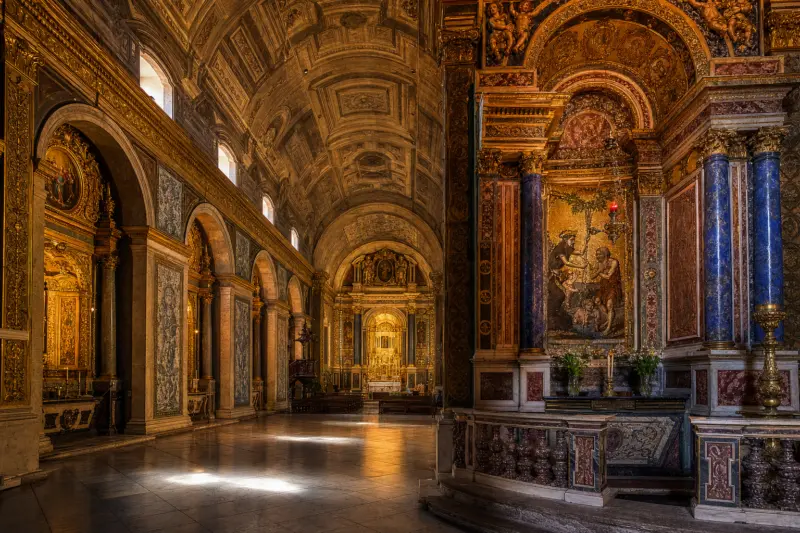
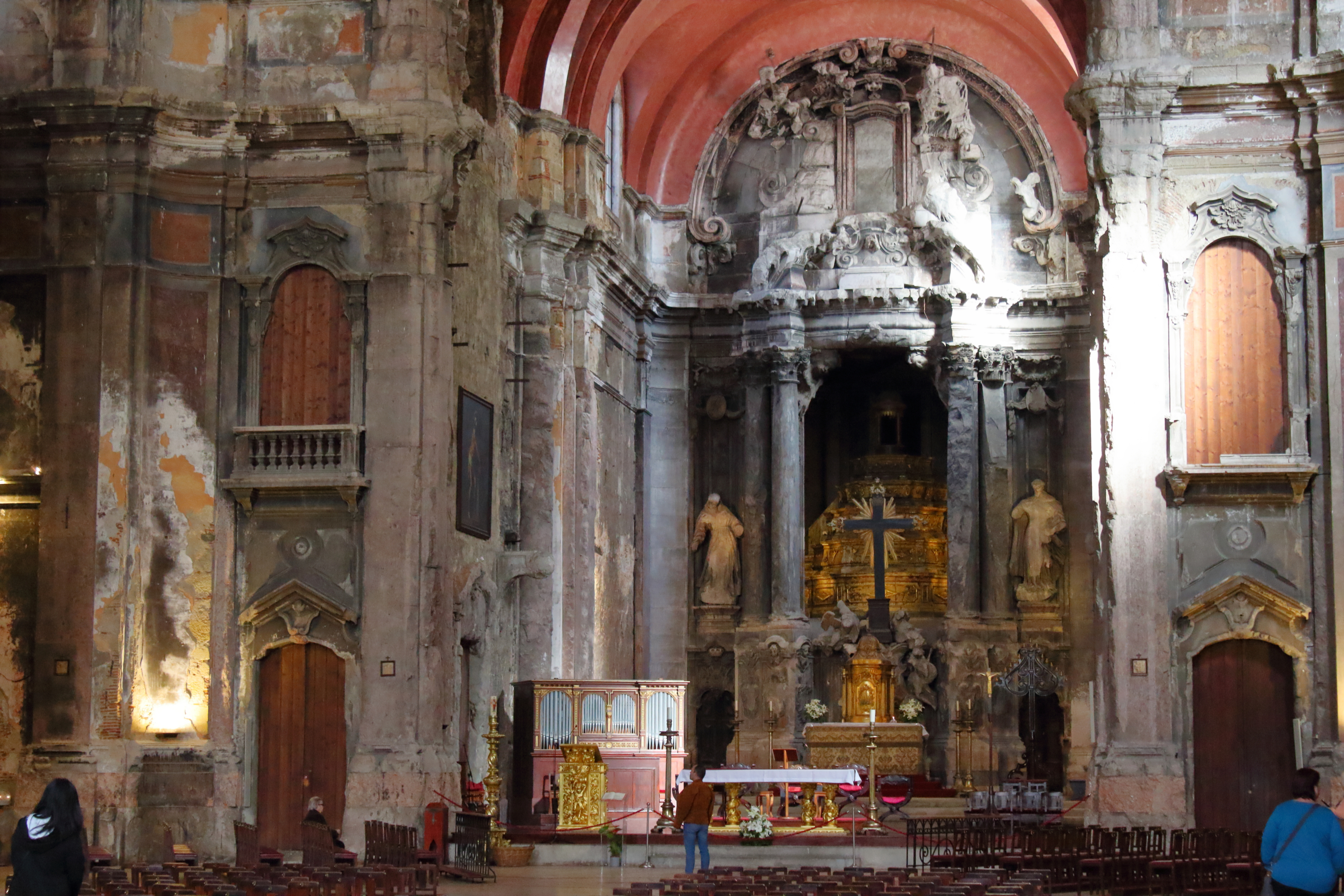
The interior of the church is a showcase of Portuguese Baroque craftsmanship. The nave walls are lined with magnificent gilded carved woodwork (talha dourada), and a series of 17th-century azulejo tile panels depicting scenes from the life of Saint Augustine runs the length of the building — among the finest examples of narrative tilework surviving in Lisbon. The church is also home to the venerated figure of Senhor dos Passos, a solemn processional statue of Christ carrying the Cross that is the focus of one of Lisbon's most emotionally charged popular processions, held on the second Sunday of Lent each year. The brotherhood dedicated to this devotion, the Royal Brotherhood of the Holy Cross, has maintained this tradition for centuries and remains active today.
Beyond its religious and artistic contents, the convent complex offers visitors access to a rooftop terrace that ranks among the best panoramic viewpoints in Lisbon — arguably superior to the more famous Portas do Sol miradouro nearby. From the terrace, the full sweep of the Tagus estuary, the Alfama roofscape, and the distant Serra de Sintra unfolds without obstruction. In recent years, the convent has expanded its cultural programming to include "Golden Hour" sunset visits, fado music evenings inside the church, and a hands-on gilding workshop where visitors can try traditional gold-leaf application techniques.
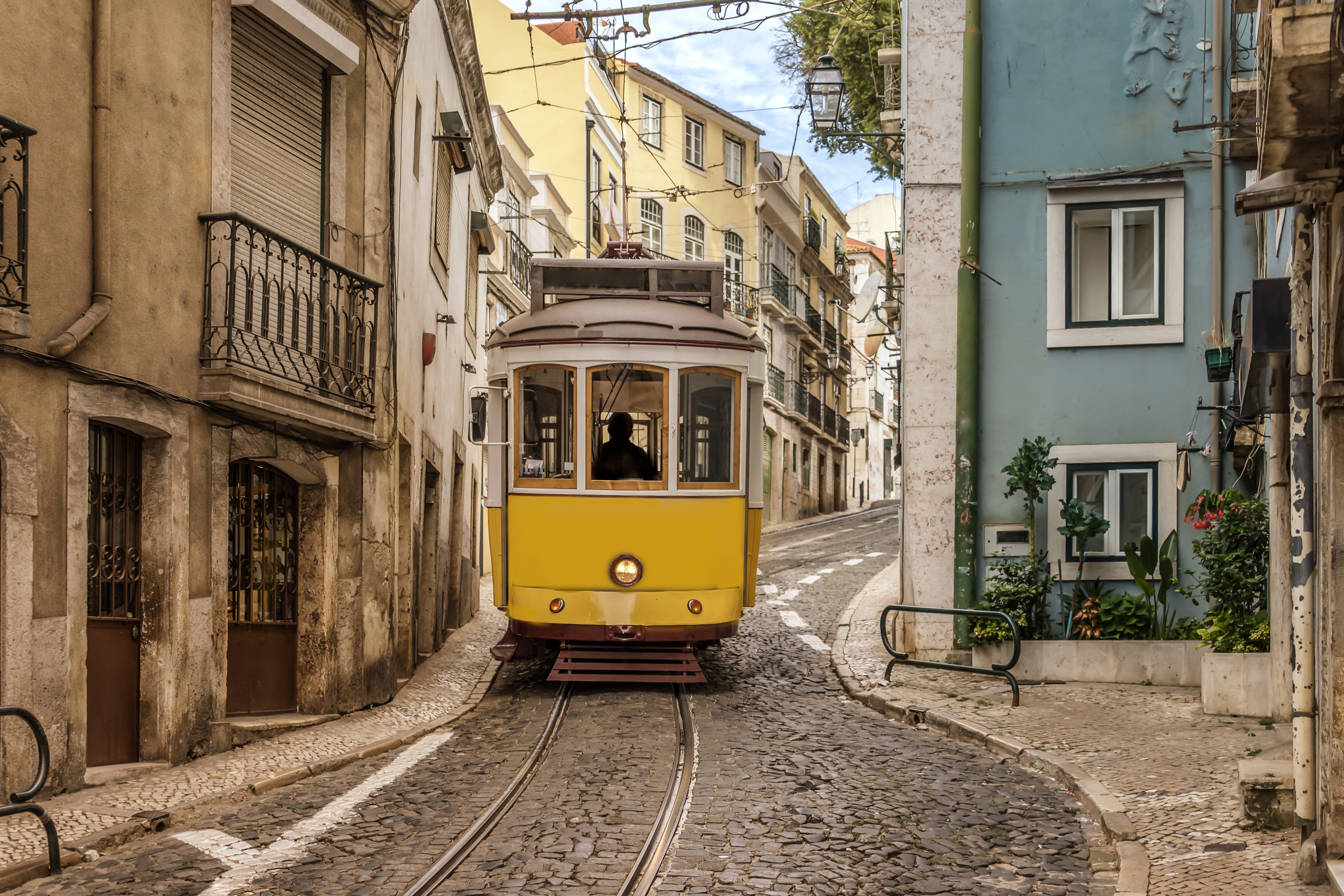
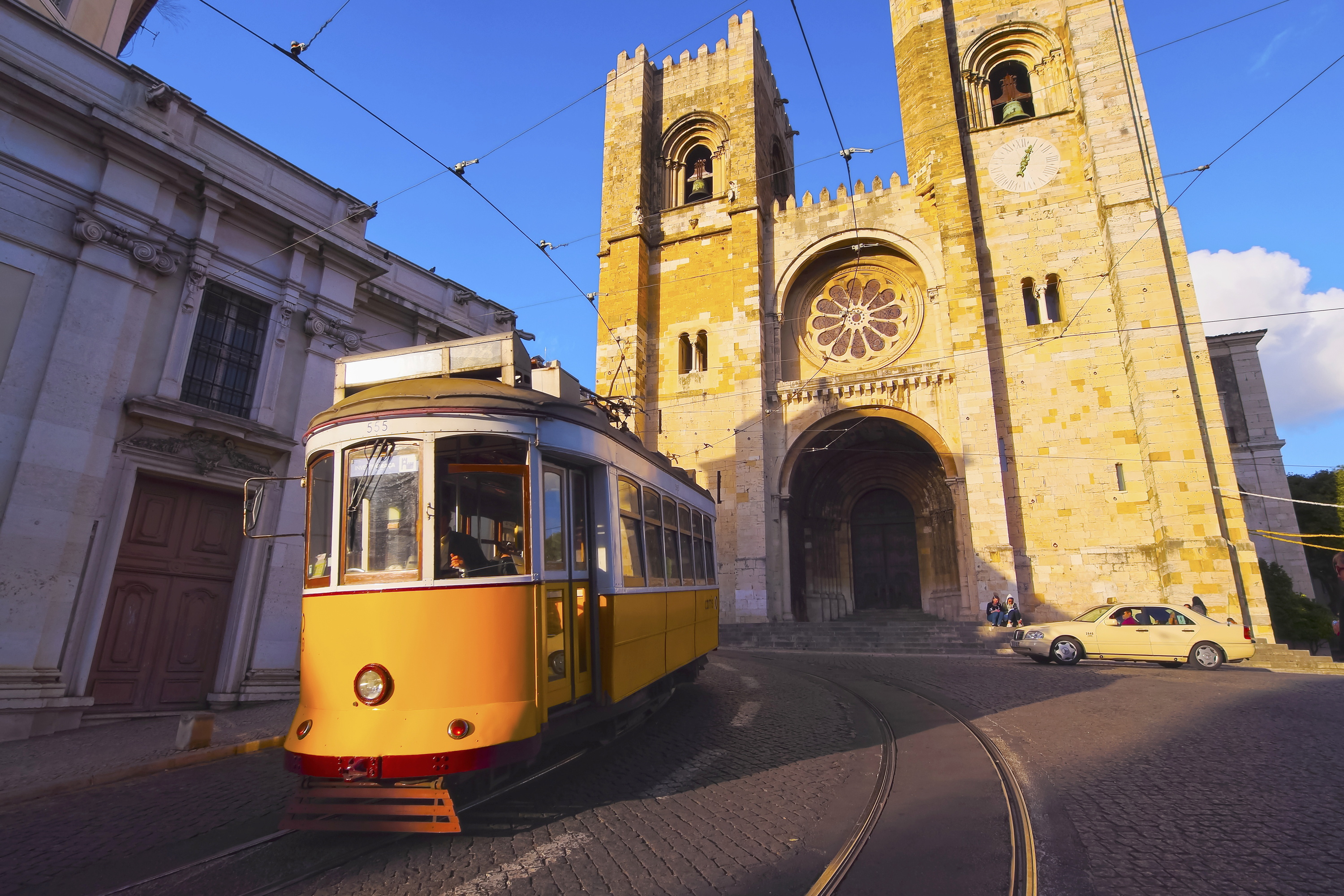
The Graça neighbourhood itself is one of Lisbon's most authentically local districts, relatively less trafficked by mass tourism than the adjacent Alfama, and the square in front of the church — Largo da Graça — is lined with old-fashioned tascas and a small Sunday antiques market. The church is an active parish and admission to the main nave is free; the rooftop terrace and special experiences carry a modest fee. Reaching Graça on foot from the city centre is a steep climb, but the 28E tram stops at the foot of the hill, and buses 734 and 107 serve the neighbourhood directly.
Private tours with a local guide, at your own pace.
Lisboa

Lisboa
Lisboa
Lisboa

Lisboa
Lisboa
Lisboa

Lisboa
Lisboa
We use a single cookie, to remember this choice. We do not use analytics or advertising cookies. Read our cookie policy.