4.5 hrs
Lisboa
Belem Private Day Trip: History, Heritage & Local Tasting
✓ Free cancellation Kids friendly
5.0(31 reviews)
From €177/ person
Book Now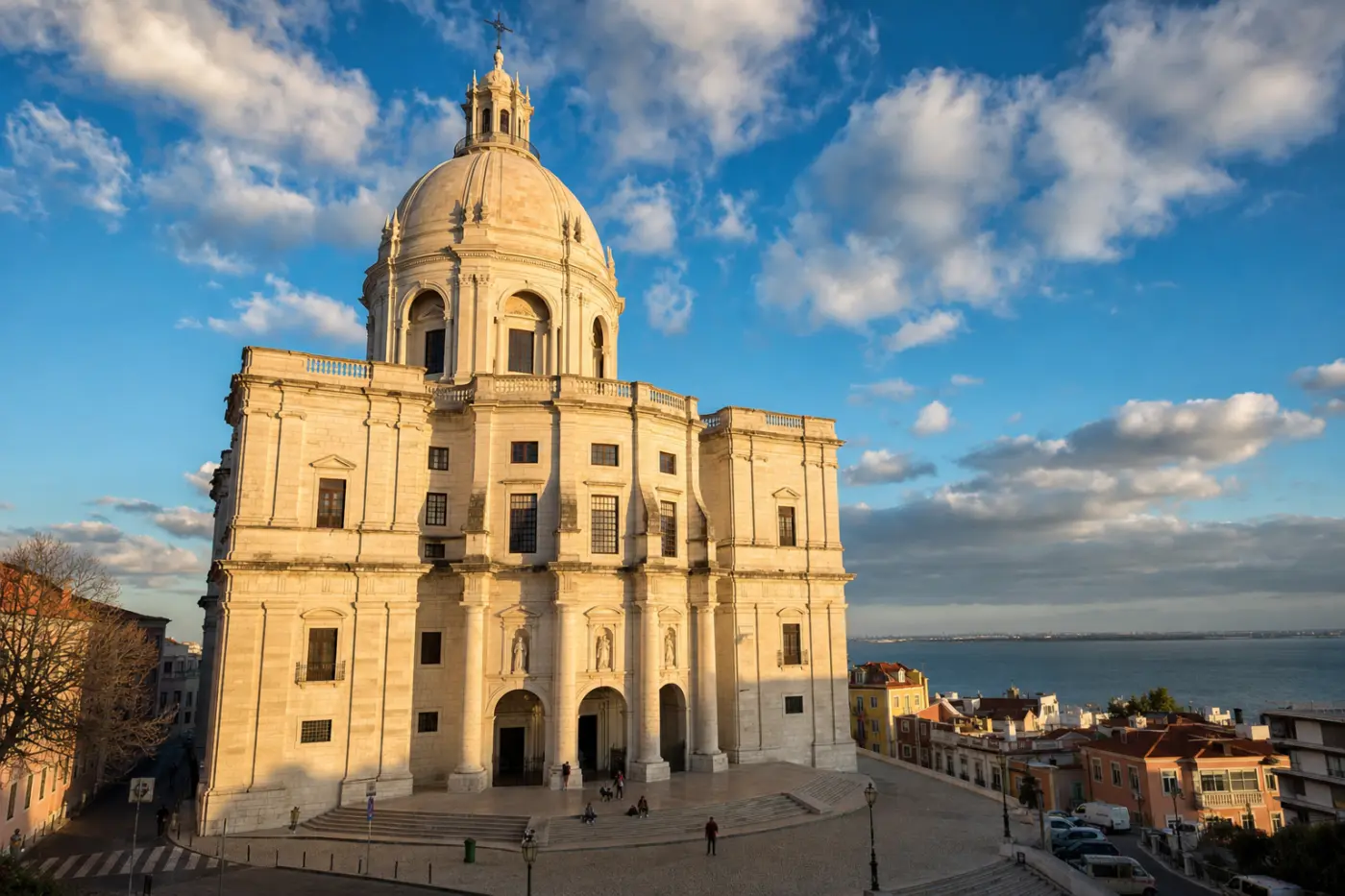
Tourist attraction
The Church of Santa Engrácia is one of the most architecturally commanding buildings in Lisbon — a Portuguese Baroque masterpiece whose construction began in 1681 under architect João Antunes and was not completed until 1966, a delay so notorious it gave rise to the Portuguese idiom obras de Santa Engrácia (works of Santa Engrácia), still used today to describe any seemingly endless task. The church replaced an earlier Renaissance structure destroyed after a scandalous robbery of the Blessed Sacrament in 1630, an event that led to the wrongful execution of Simão Pires Solis, a New Christian nobleman. The current building's floor plan is a rare Greek cross with four equal arms and rounded apses, topped by a vast white dome — modelled in part on St. Peter's Basilica in Rome — that dominates the roofline of the Alfama district and the banks of the Tagus River.
On June 15, 1910 — the very day Portugal proclaimed the end of the monarchy and moved toward the Republic — the unfinished shell of Santa Engrácia was classified as a National Monument. Six years later, by law of April 26, 1916, the state formally designated it as Portugal's National Pantheon, reserving it as a place of honour for distinguished citizens. The building's completion, however, had to wait until the Estado Novo regime under Salazar, who financed and concluded the works partly for political prestige; the dome and interior were finally finished and the Pantheon inaugurated on June 10, 1966. Among those interred or honoured here are President Óscar Carmona, fado icon Amália Rodrigues (transferred here in 2001), explorer Vasco da Gama's empty cenotaph (his remains lie in Jerónimos Monastery), writer Sophia de Mello Breyner Andresen, and football legend Eusébio, whose cenotaph was added in 2015. The distinction between true tombs and cenotaphs — symbolic empty tombs — is itself a telling reflection of Portuguese attitudes toward national memory.
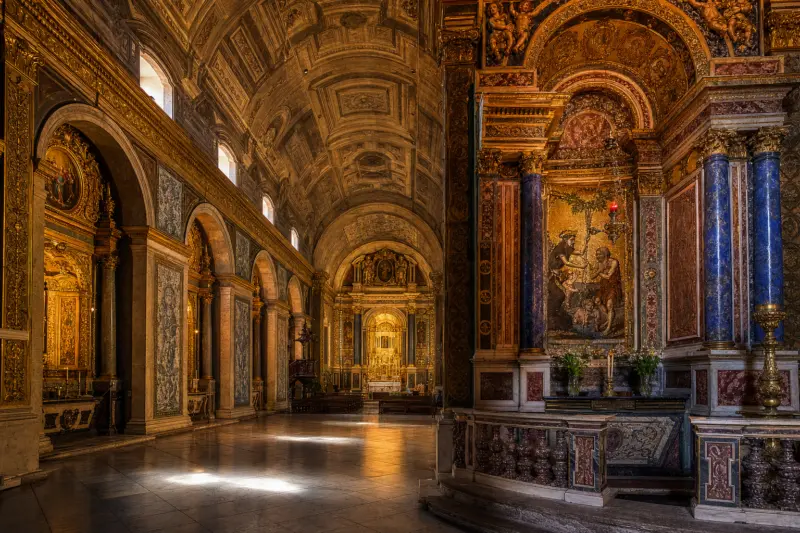
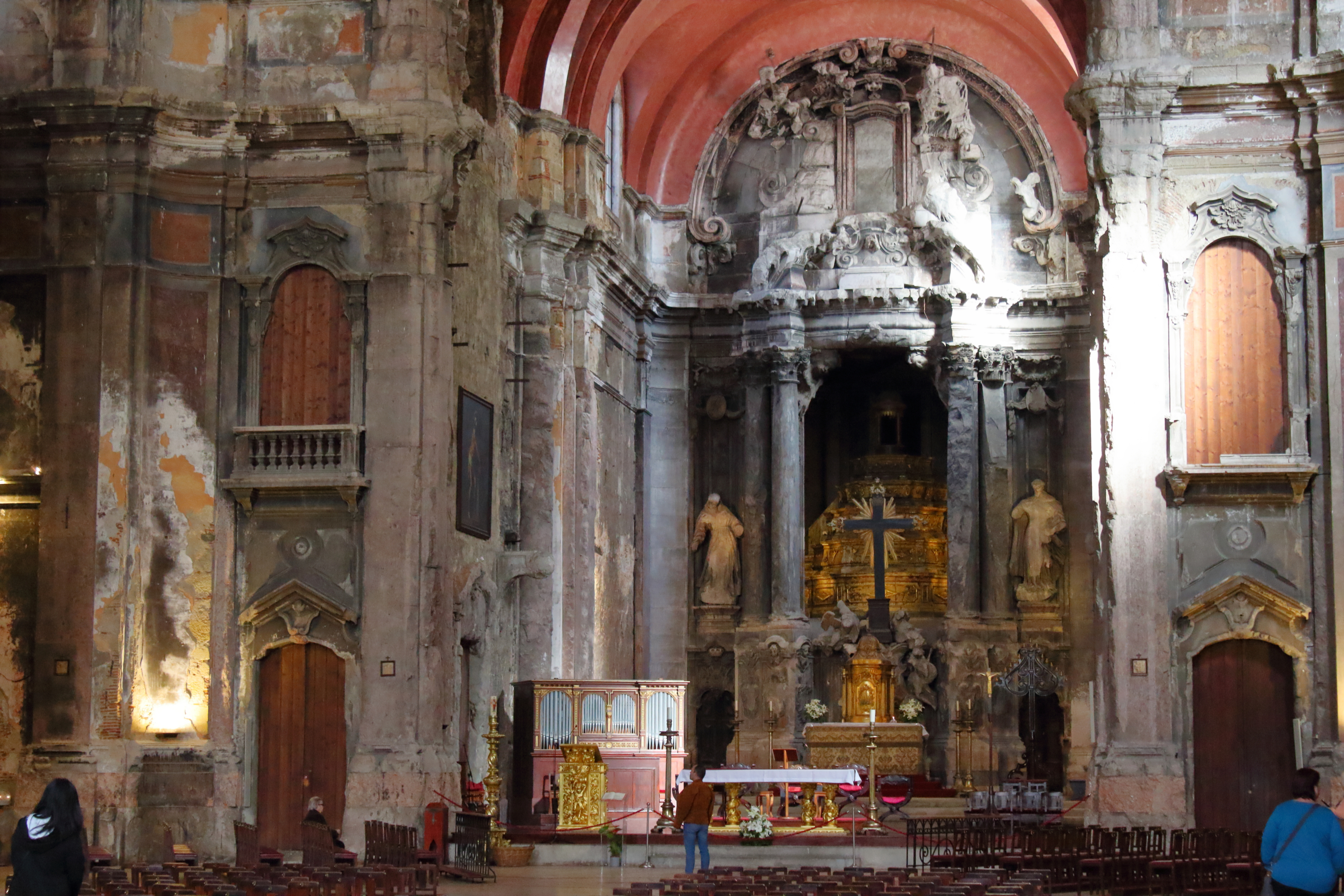
Inside, visitors are immediately struck by the polychrome marble floors laid in intricate geometric patterns and the vast, light-flooded interior that feels both austere and celebratory. The walls are lined with white limestone and coloured marble panels, and the atmosphere carries genuine solemnity — a sense reinforced by the discreet plaques and sarcophagi of those the nation chose to honour across four centuries of history. The rooftop terrace, accessible by elevator, is one of Lisbon's best-kept panoramic secrets: the 360-degree view sweeps across the red-tiled rooftops of Alfama, the Tagus estuary, the São Jorge Castle, and on clear days, the hills of the south bank. The terrace is rarely as crowded as Lisbon's better-known miradouros, making it a genuinely rewarding detour.
The Pantheon is located at Campo de Santa Clara in the Alfama neighbourhood, a short walk from the Santa Apolónia railway station and the Tuesday and Saturday Feira da Ladra flea market, which sprawls across the adjacent square. Entry is ticketed, with free admission on Sunday mornings. The Lisboa Card covers entry. Allow at least 45 minutes to an hour — more if you linger on the terrace or study the individual cenotaphs. Wear comfortable shoes if you plan to walk up from the riverfront; the climb through Alfama's steep lanes is part of the experience.
Private tours with a local guide, at your own pace.
Lisboa
Lisboa
Lisboa

Lisboa
Lisboa
Lisboa

Lisboa
Lisboa
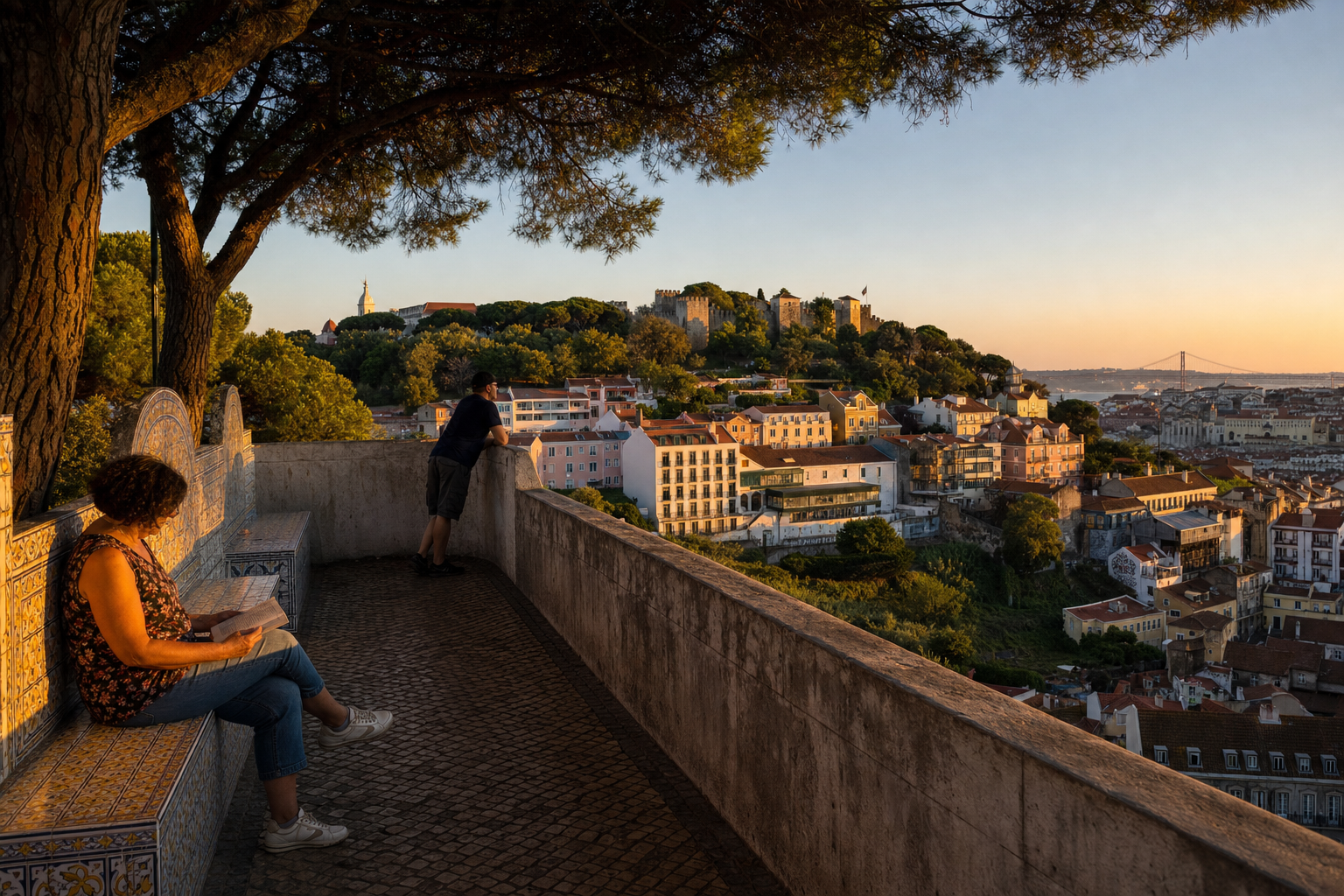
On the morning of 1 November 1755 — All Saints' Day — a catastrophic earthquake followed by a tsunami and fire destroyed roughly 85% of Lisbon. What you walk through today is, in large part, a city deliberately rebuilt from scratch. But not all of it. Alfama, clinging to its bedrock ridge above the Tagus, survived almost untouched. Mouraria, pressed against the castle hill, kept its labyrinthine medieval lanes. Belém, several kilometres west, was far enough from the epicentre to preserve its extraordinary Manueline monuments. These geological and historical accidents shaped the city's character as profoundly as any monarch or architect — and they explain why Lisbon's neighborhoods feel so radically different from one another, even when separated by a ten-minute walk. This guide goes beyond the postcard version. It digs into the specific histories, architectural DNA, and cultural layers that make each district genuinely distinct — and tells you what you'd actually miss if you only followed the crowds.
Read more →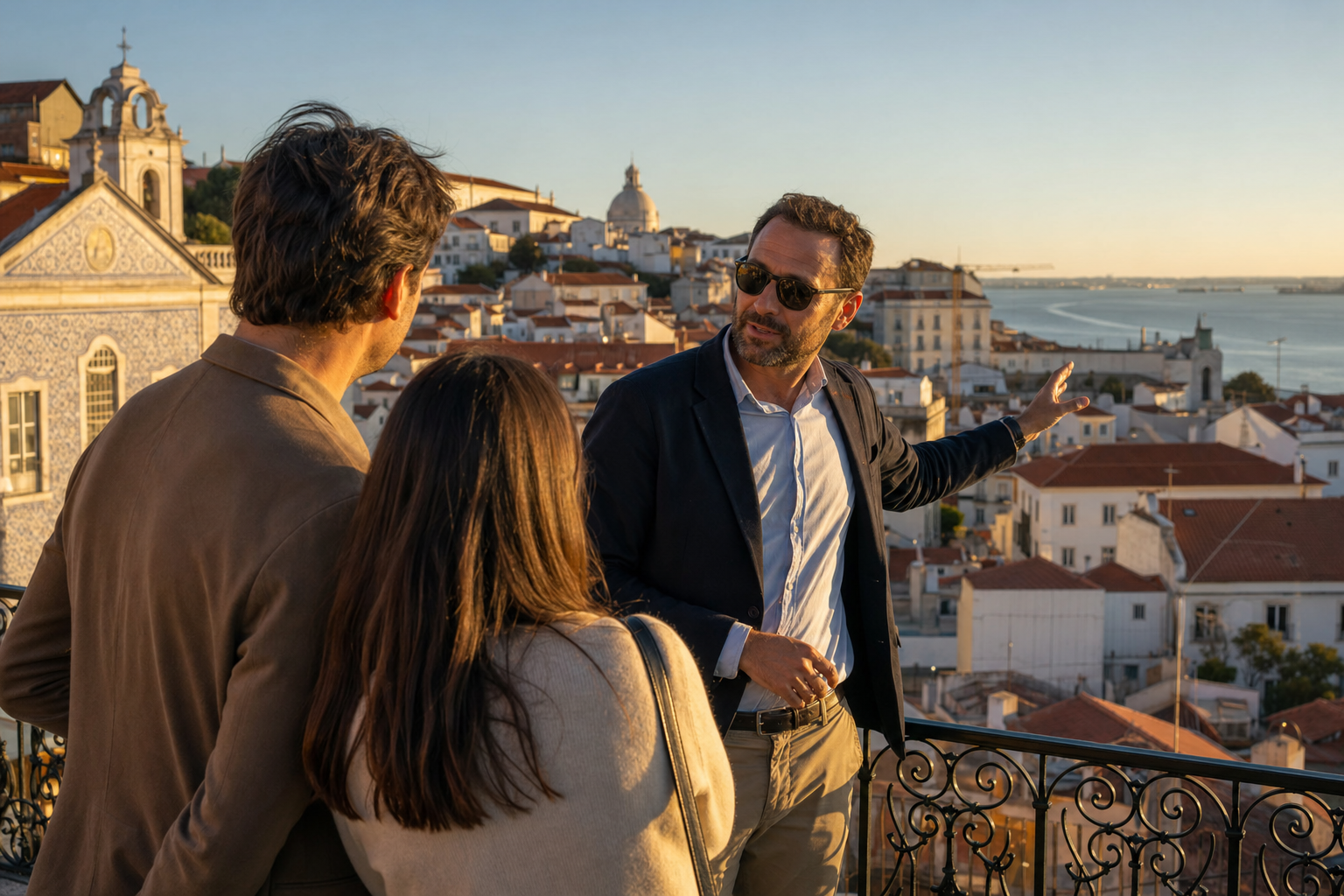
On the morning of 1 November 1755 — All Saints' Day — a catastrophic earthquake, followed by a tsunami and firestorm, killed between 30,000 and 40,000 people and erased the medieval centre of Lisbon in under six minutes. The city that rose from the rubble was rebuilt on an entirely different logic: the rational Pombaline grid of Baixa, named after the Marquis of Pombal who oversaw the reconstruction. That rupture still defines every street, tile panel, and viewpoint you encounter today — but almost no group tour has the time or flexibility to explain why. Lisbon is not one city; it is at least four, stacked across seven hills, shaped by a global maritime empire, a catastrophic earthquake, and centuries of cultural layering that even most visitors who have been here before have only scratched the surface of. That is precisely why private tours in Lisbon work so differently from anywhere else in Europe — and why getting them right matters.
Read more →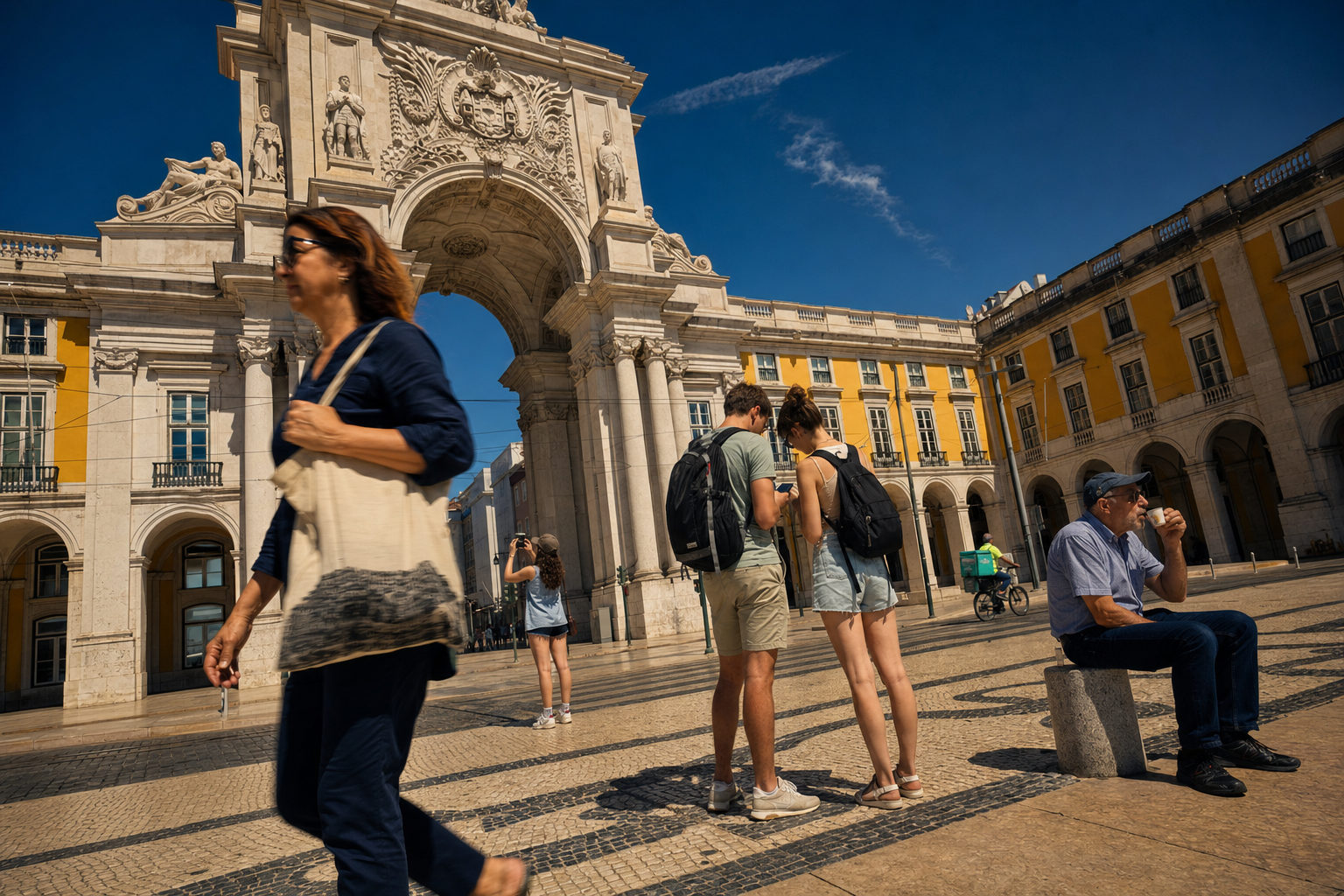
At 9:40 on the morning of 1 November 1755 — All Saints' Day, when most of Lisbon's population was inside a church — an earthquake estimated between 8.5 and 9 on the Richter scale struck the city. Three separate tremors, a tsunami, and fires that burned for five days killed between 30,000 and 40,000 people and levelled roughly 85% of the built environment. The Marquis of Pombal rebuilt the lower city from scratch on a rational Enlightenment grid — one of the first planned urban rebuilds in European history. But one neighbourhood didn't fall. Alfama, the ancient Moorish quarter, sat on solid schist bedrock and held. The street pattern you walk today is the one laid down before the 12th century. That single geological accident is the reason Lisbon feels unlike any other Western European capital: its oldest layers weren't buried under 19th-century renovation. They stayed visible, walkable, and inhabited. A long weekend in Lisbon — three full days, properly structured — is enough time to feel that depth across millennia of empire, faith, and fado. But only if you spend those days the right way.
Read more →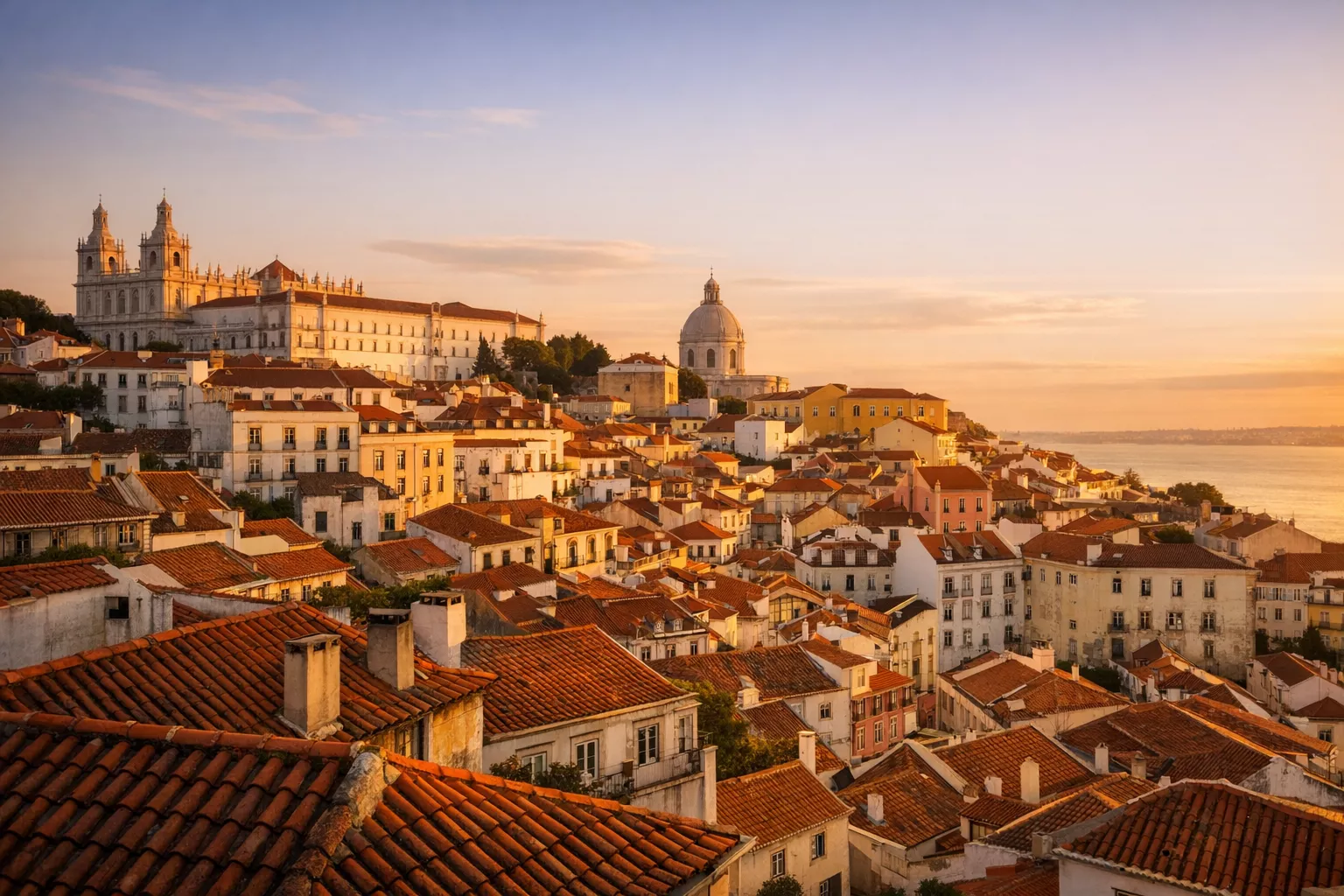
Discover the vibrant city of Lisbon, where history, culture, and gastronomy blend together perfectly. Whether you're a history buff, a foodie, or an adventurer, this guide will reveal the top things to do in Lisbon, along with links to exclusive local tours.
Read more →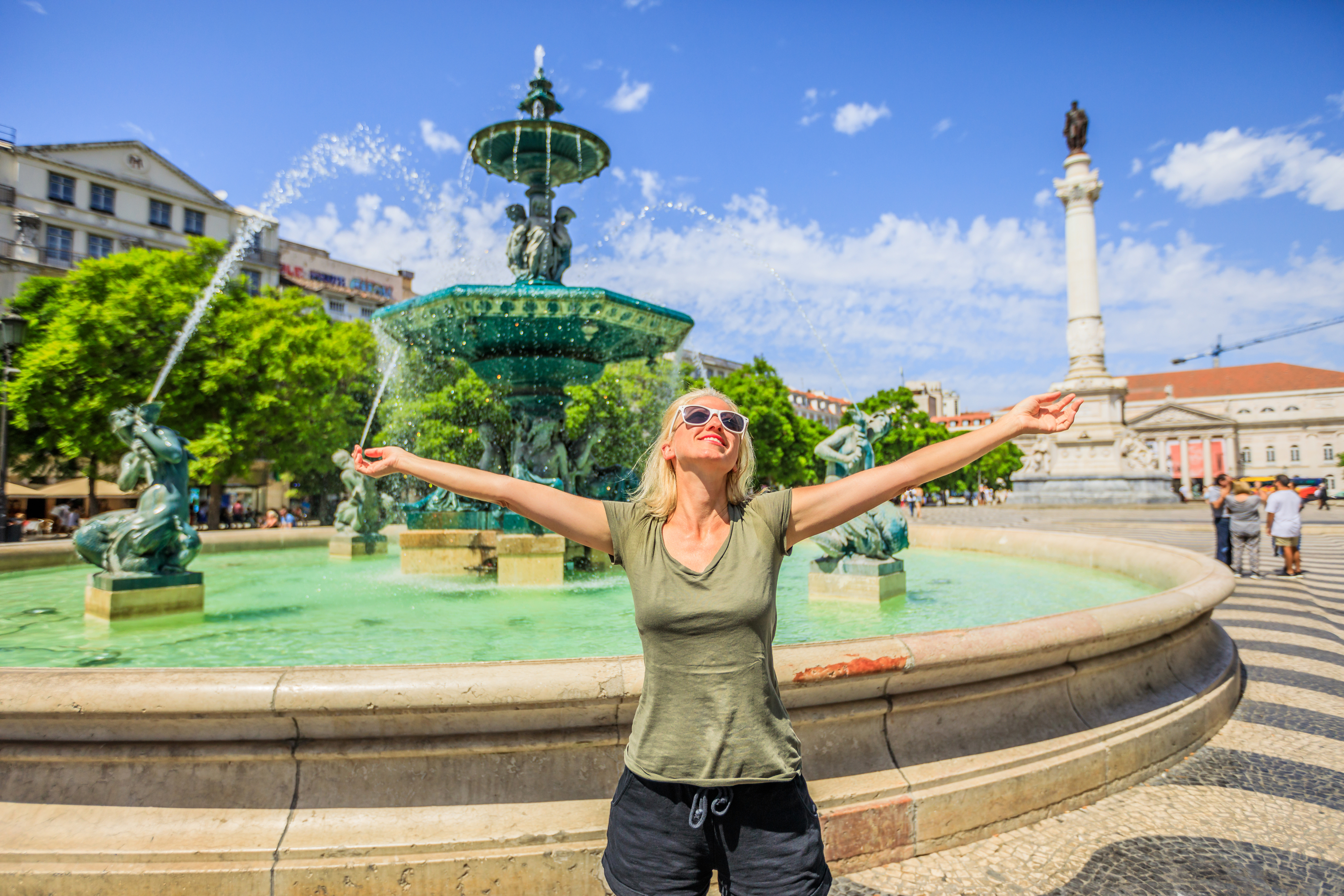
Lisbon, the capital city of Portugal, is a vibrant and enchanting destination that offers a perfect blend of history, culture, and natural beauty. From its picturesque neighborhoods to its stunning architectural landmarks, Lisbon has something to offer every traveler. Whether you have just a few days or a whole week, this city will captivate you with its charm and allure.
Read more →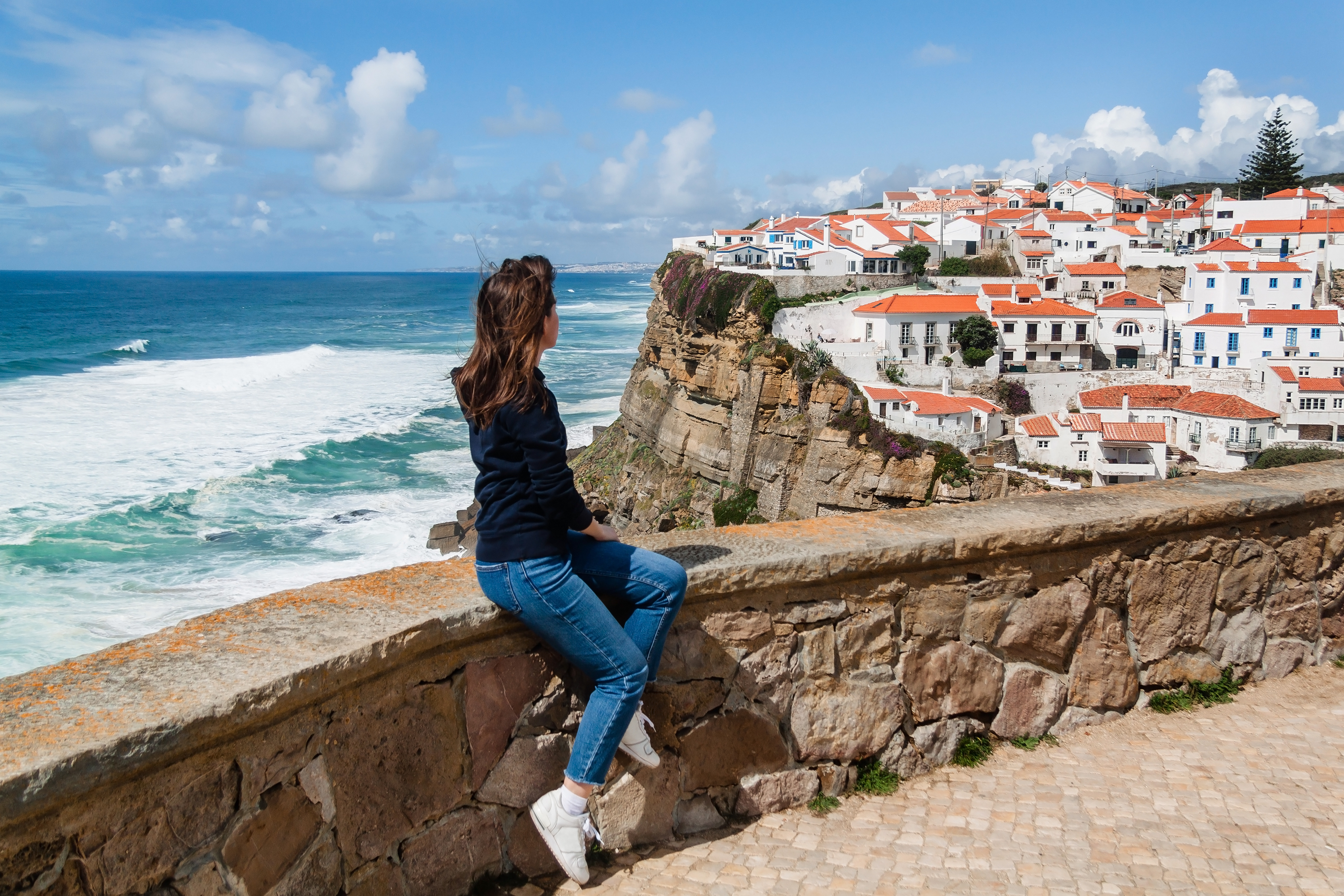
In the vicinity of Lisbon there are many beautiful villages and places to visit on day trips. At any time of the year, you can discover small towns, palaces, castles, beaches and beautiful landscapes. Signing up for a private tour with a local guide can be a very good option, so that you don't miss any detail, learn about history, while optimising time and money. Otherwise, it is also possible to do it on your own, thanks to public transport or rental cars. Which places do we recommend?
Read more →We use a single cookie, to remember this choice. We do not use analytics or advertising cookies. Read our cookie policy.