6 hrs
Lisboa
Lisbon Private Full-day Tour - History, Culture, Local Life & Gastro Experience
✓ Free cancellation Kids friendly
5.0(27 reviews)
From €219/ person
Book Now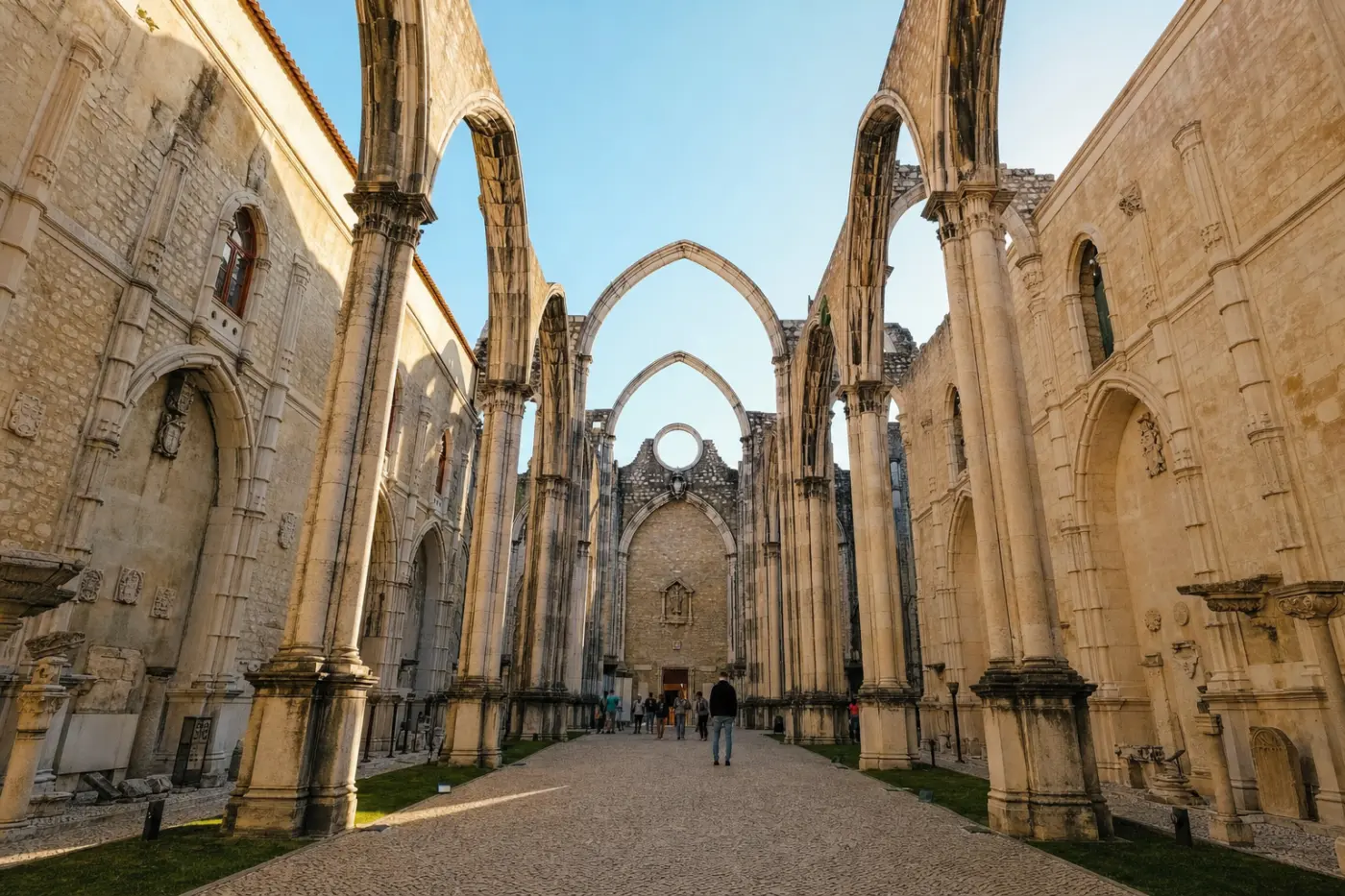
Tourist attraction
The Convento do Carmo was founded in 1389 by Nuno Álvares Pereira, one of the most celebrated military commanders in Portuguese history. As Constable of Portugal, Pereira led the decisive victory at the Battle of Aljubarrota on 14 August 1385 — the engagement that secured the independence of Portugal from Castilian rule and established the Aviz dynasty under King João I. In gratitude for that victory, Pereira commissioned the convent as an act of religious devotion, assigning it to the Carmelite Mendicant Order. Construction of the Gothic church was completed in the early 15th century, and in 1423, Pereira himself renounced his titles, estates, and military rank to enter the convent as a friar, taking the name Brother Nuno of Saint Mary. He died there in 1431 and was beatified by Pope Benedict XV in 1918, with his cause for full canonisation still active in Rome.
The convent's greatest architectural drama is not a deliberate design — it is the result of catastrophe. On 1 November 1755, the Great Lisbon Earthquake and its subsequent fires destroyed much of the city, and the Carmo church suffered the collapse of its roof and vaulted ceiling. Rather than being fully rebuilt, the skeletal nave was left open to the sky, creating one of the most arresting architectural silences in Europe. The surviving Gothic arches — pointed, slender, and reaching upward with no surface to meet — frame open air and light in a way that no architect could have planned. The roofless nave is still consecrated ground, and the effect on visitors entering from the busy Largo do Carmo square is immediate and visceral.
Within the surviving walls, the Museu Arqueológico do Carmo has occupied the transept and apse since 1864, making it one of Portugal's oldest archaeological museums. Its collection spans an extraordinary geographic and chronological range: Peruvian and Mexican pre-Columbian mummies, Egyptian mummies still in their sarcophagi, Roman-era mosaic fragments, medieval tomb effigies of Portuguese nobility, and a remarkable assemblage of prehistoric stone tools and Bronze Age funerary objects. The two Peruvian mummies — displayed in crouching burial position — consistently stop visitors mid-step. The museum's eclectic accumulation reflects 19th-century collecting culture at its most ambitious and uncurated, which gives it an authenticity that more polished institutions lack.
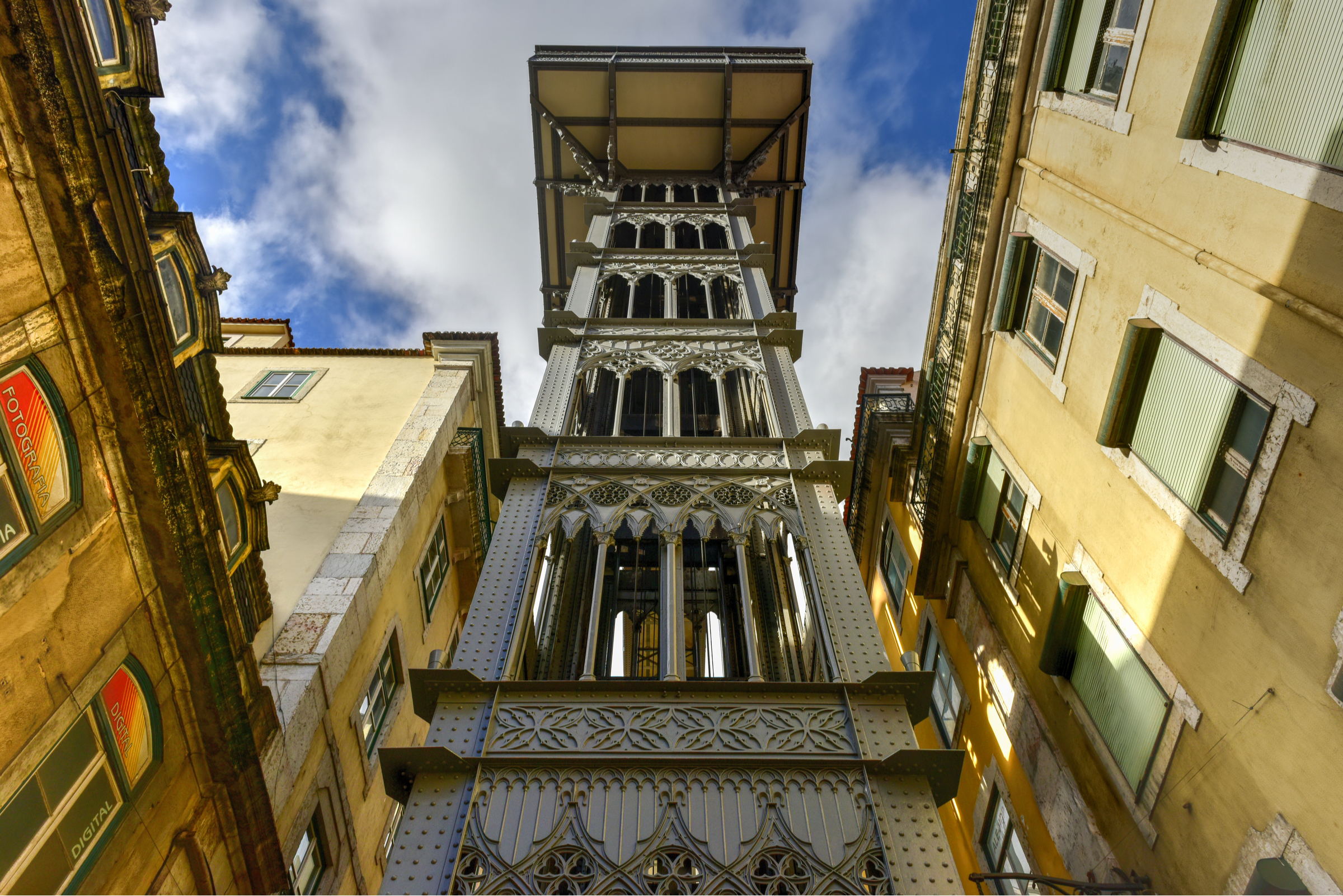
The convent is located in the Chiado neighbourhood, accessed most dramatically via the Elevador de Santa Justa — the iron neo-Gothic lift designed by Raoul Mesnier de Ponsard and inaugurated in 1902 — which deposits visitors at a walkway directly overlooking the Largo do Carmo. The museum is open Monday to Saturday, with reduced hours in winter (October–May). Admission is modest, generally under €5. Arrive early in the morning to experience the nave in quiet light before tour groups arrive. The square outside, flanked by a 17th-century fountain and the facades of Chiado's historic buildings, is itself worth lingering in before or after your visit.
Private tours with a local guide, at your own pace.
Lisboa
Lisboa
Lisboa

Lisboa

Lisboa
Lisboa

Lisboa
Lisboa
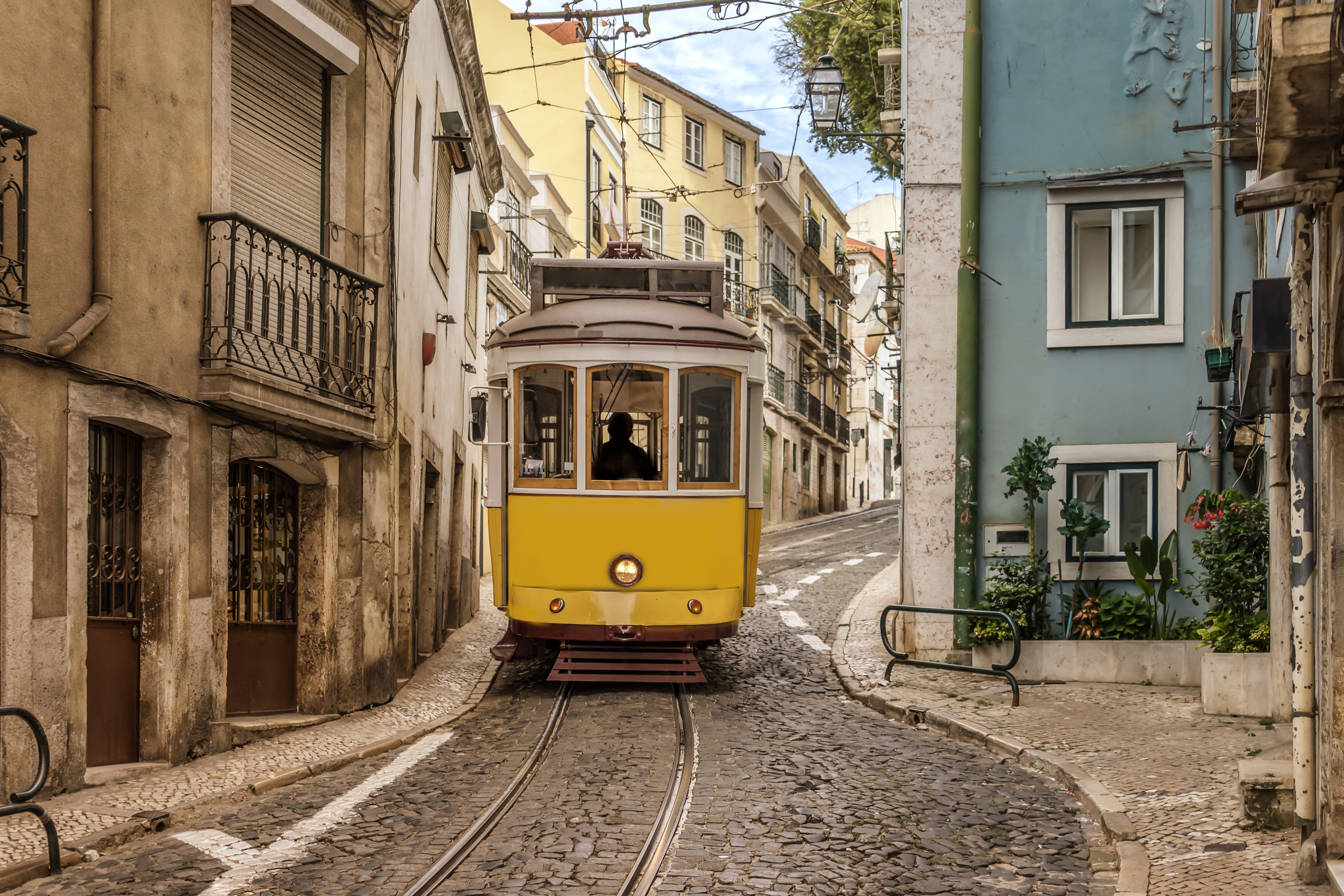
Lisboa
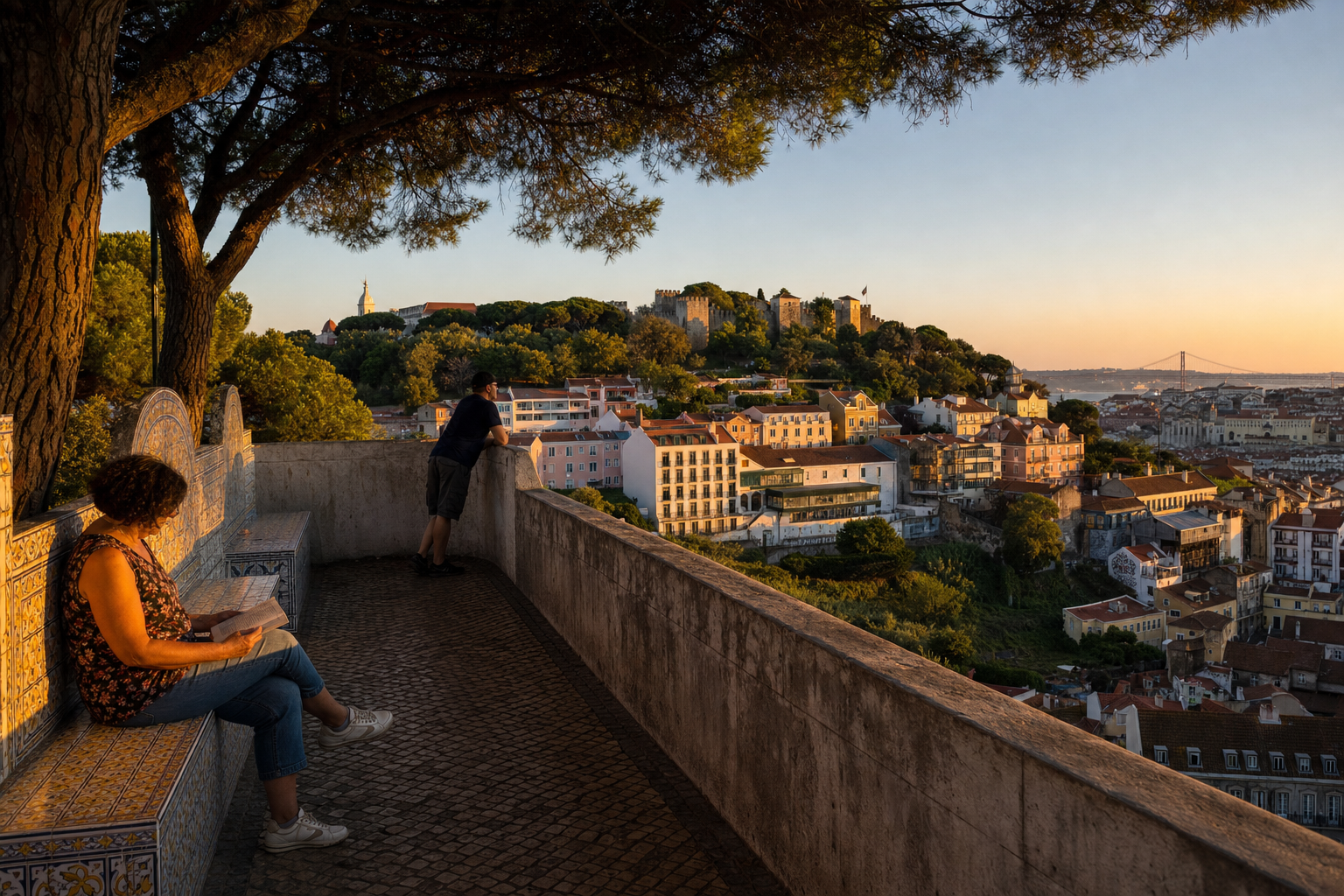
On the morning of 1 November 1755 — All Saints' Day — a catastrophic earthquake followed by a tsunami and fire destroyed roughly 85% of Lisbon. What you walk through today is, in large part, a city deliberately rebuilt from scratch. But not all of it. Alfama, clinging to its bedrock ridge above the Tagus, survived almost untouched. Mouraria, pressed against the castle hill, kept its labyrinthine medieval lanes. Belém, several kilometres west, was far enough from the epicentre to preserve its extraordinary Manueline monuments. These geological and historical accidents shaped the city's character as profoundly as any monarch or architect — and they explain why Lisbon's neighborhoods feel so radically different from one another, even when separated by a ten-minute walk. This guide goes beyond the postcard version. It digs into the specific histories, architectural DNA, and cultural layers that make each district genuinely distinct — and tells you what you'd actually miss if you only followed the crowds.
Read more →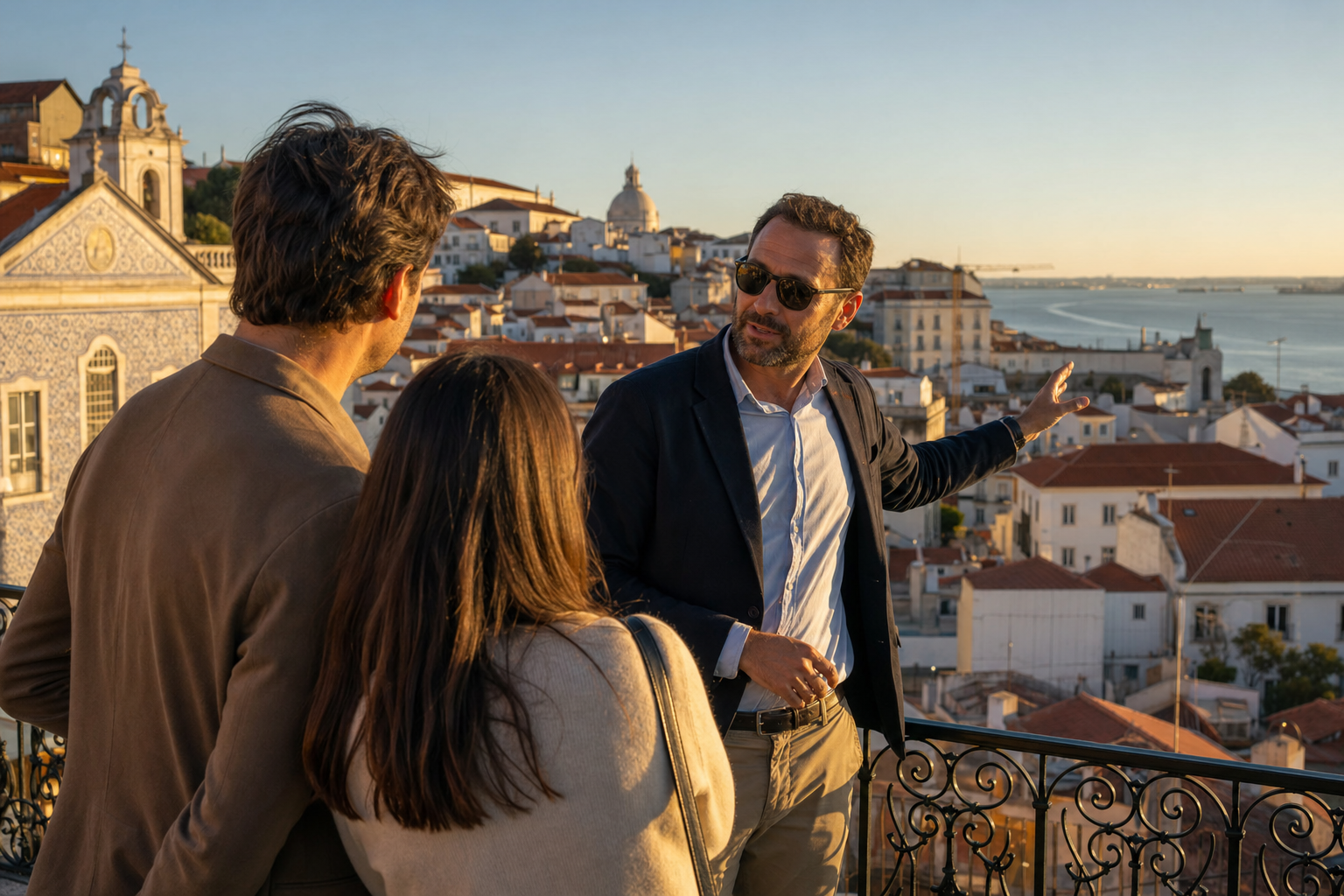
On the morning of 1 November 1755 — All Saints' Day — a catastrophic earthquake, followed by a tsunami and firestorm, killed between 30,000 and 40,000 people and erased the medieval centre of Lisbon in under six minutes. The city that rose from the rubble was rebuilt on an entirely different logic: the rational Pombaline grid of Baixa, named after the Marquis of Pombal who oversaw the reconstruction. That rupture still defines every street, tile panel, and viewpoint you encounter today — but almost no group tour has the time or flexibility to explain why. Lisbon is not one city; it is at least four, stacked across seven hills, shaped by a global maritime empire, a catastrophic earthquake, and centuries of cultural layering that even most visitors who have been here before have only scratched the surface of. That is precisely why private tours in Lisbon work so differently from anywhere else in Europe — and why getting them right matters.
Read more →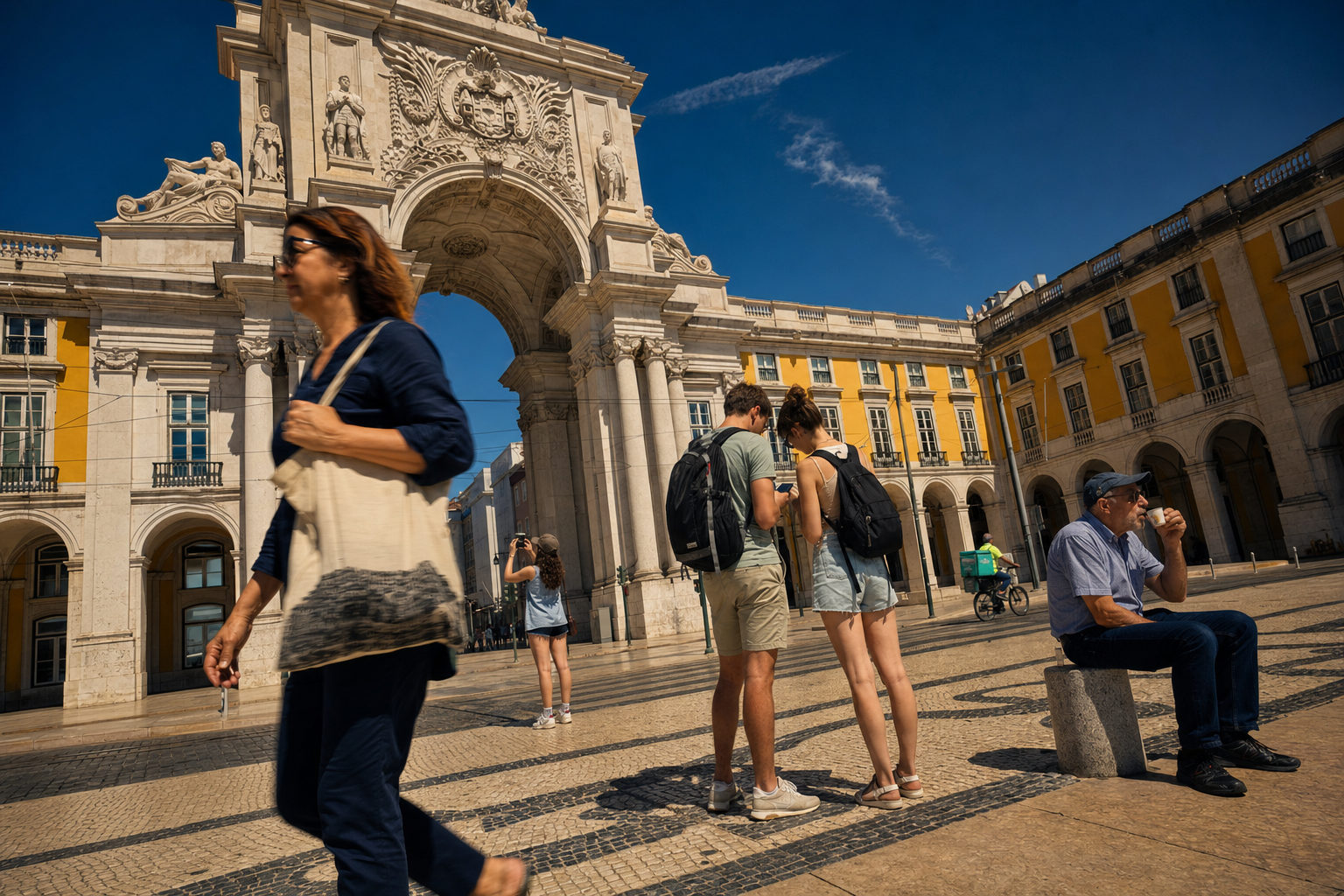
At 9:40 on the morning of 1 November 1755 — All Saints' Day, when most of Lisbon's population was inside a church — an earthquake estimated between 8.5 and 9 on the Richter scale struck the city. Three separate tremors, a tsunami, and fires that burned for five days killed between 30,000 and 40,000 people and levelled roughly 85% of the built environment. The Marquis of Pombal rebuilt the lower city from scratch on a rational Enlightenment grid — one of the first planned urban rebuilds in European history. But one neighbourhood didn't fall. Alfama, the ancient Moorish quarter, sat on solid schist bedrock and held. The street pattern you walk today is the one laid down before the 12th century. That single geological accident is the reason Lisbon feels unlike any other Western European capital: its oldest layers weren't buried under 19th-century renovation. They stayed visible, walkable, and inhabited. A long weekend in Lisbon — three full days, properly structured — is enough time to feel that depth across millennia of empire, faith, and fado. But only if you spend those days the right way.
Read more →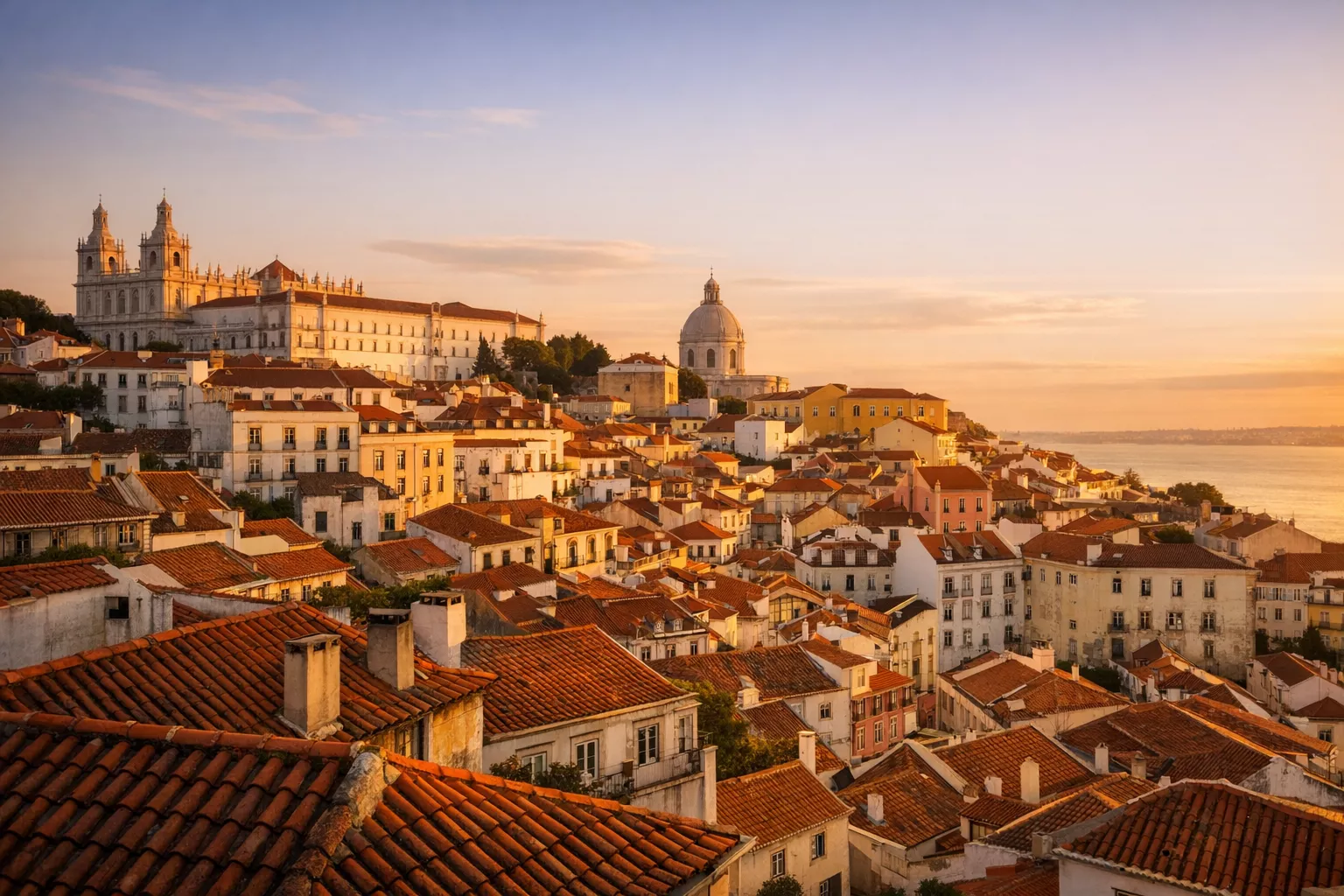
Discover the vibrant city of Lisbon, where history, culture, and gastronomy blend together perfectly. Whether you're a history buff, a foodie, or an adventurer, this guide will reveal the top things to do in Lisbon, along with links to exclusive local tours.
Read more →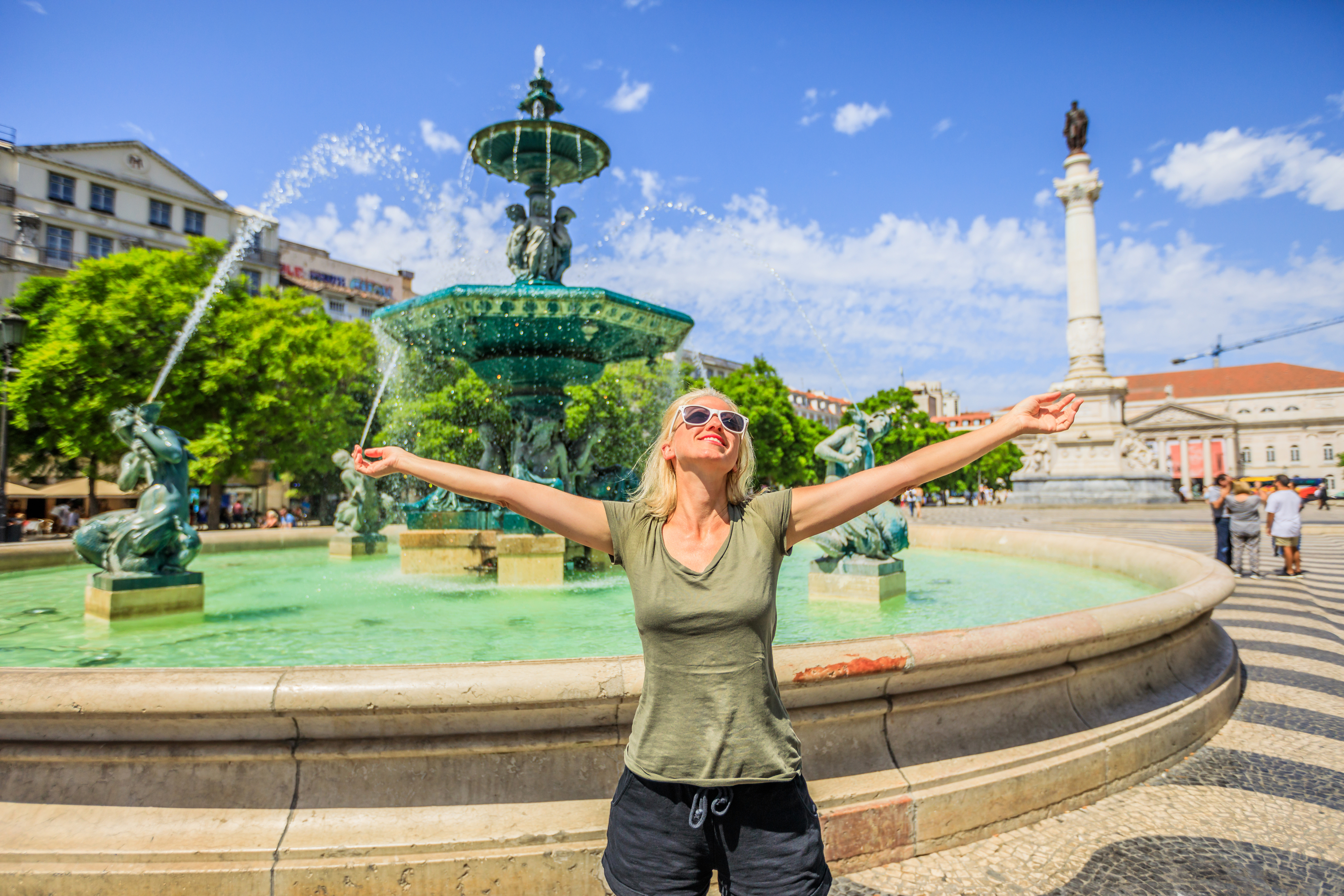
Lisbon, the capital city of Portugal, is a vibrant and enchanting destination that offers a perfect blend of history, culture, and natural beauty. From its picturesque neighborhoods to its stunning architectural landmarks, Lisbon has something to offer every traveler. Whether you have just a few days or a whole week, this city will captivate you with its charm and allure.
Read more →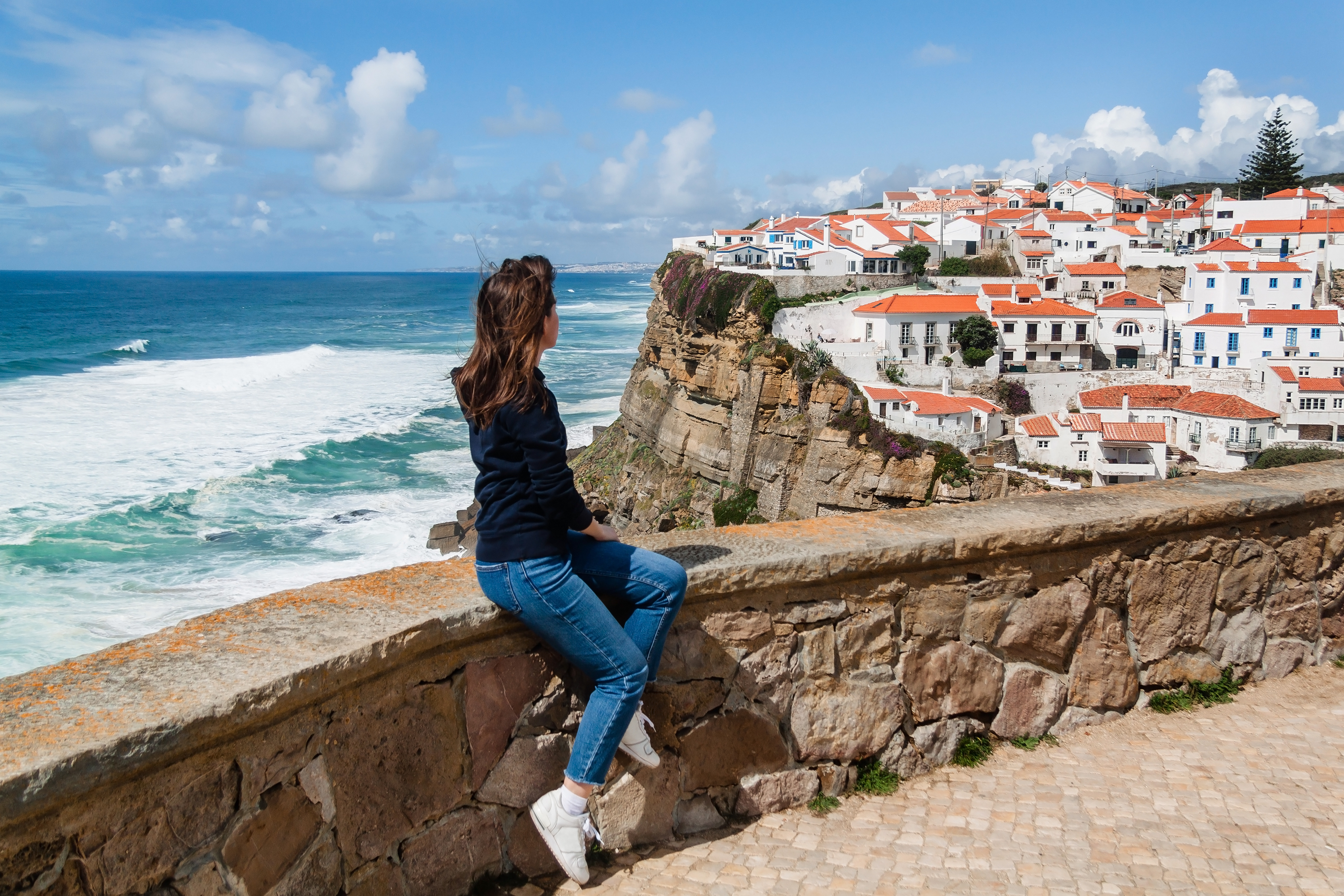
In the vicinity of Lisbon there are many beautiful villages and places to visit on day trips. At any time of the year, you can discover small towns, palaces, castles, beaches and beautiful landscapes. Signing up for a private tour with a local guide can be a very good option, so that you don't miss any detail, learn about history, while optimising time and money. Otherwise, it is also possible to do it on your own, thanks to public transport or rental cars. Which places do we recommend?
Read more →We use a single cookie, to remember this choice. We do not use analytics or advertising cookies. Read our cookie policy.