7 to 7,5 hrs
Barcelona
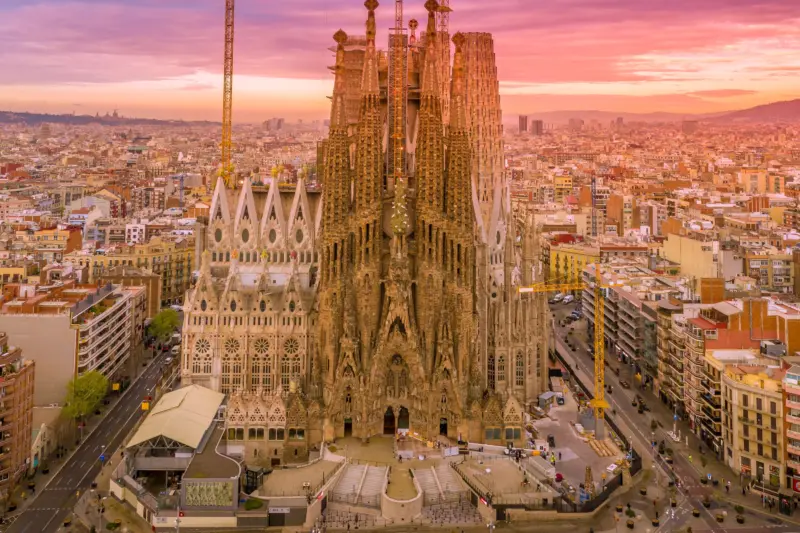
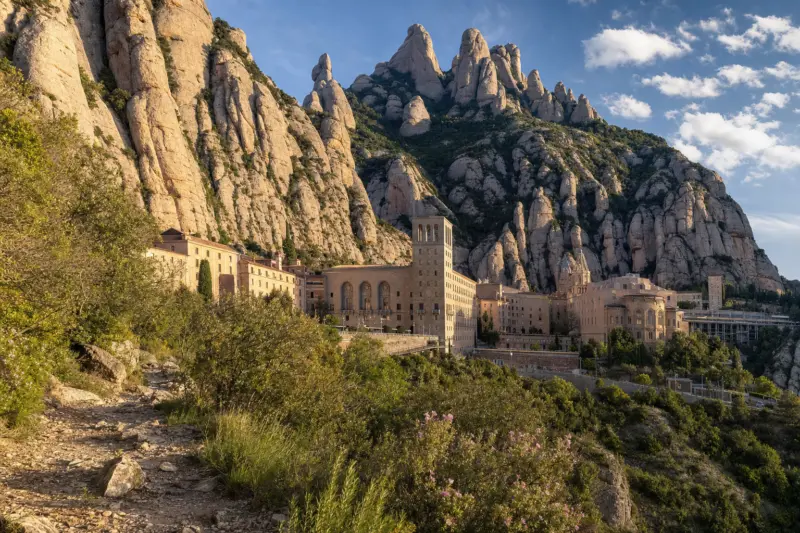
Barcelona & Montserrat Day Trip with Sagrada Familia Guided Tour
✓ Free cancellation Kids friendly
4.5(4 reviews)
From €134/ person
Book Now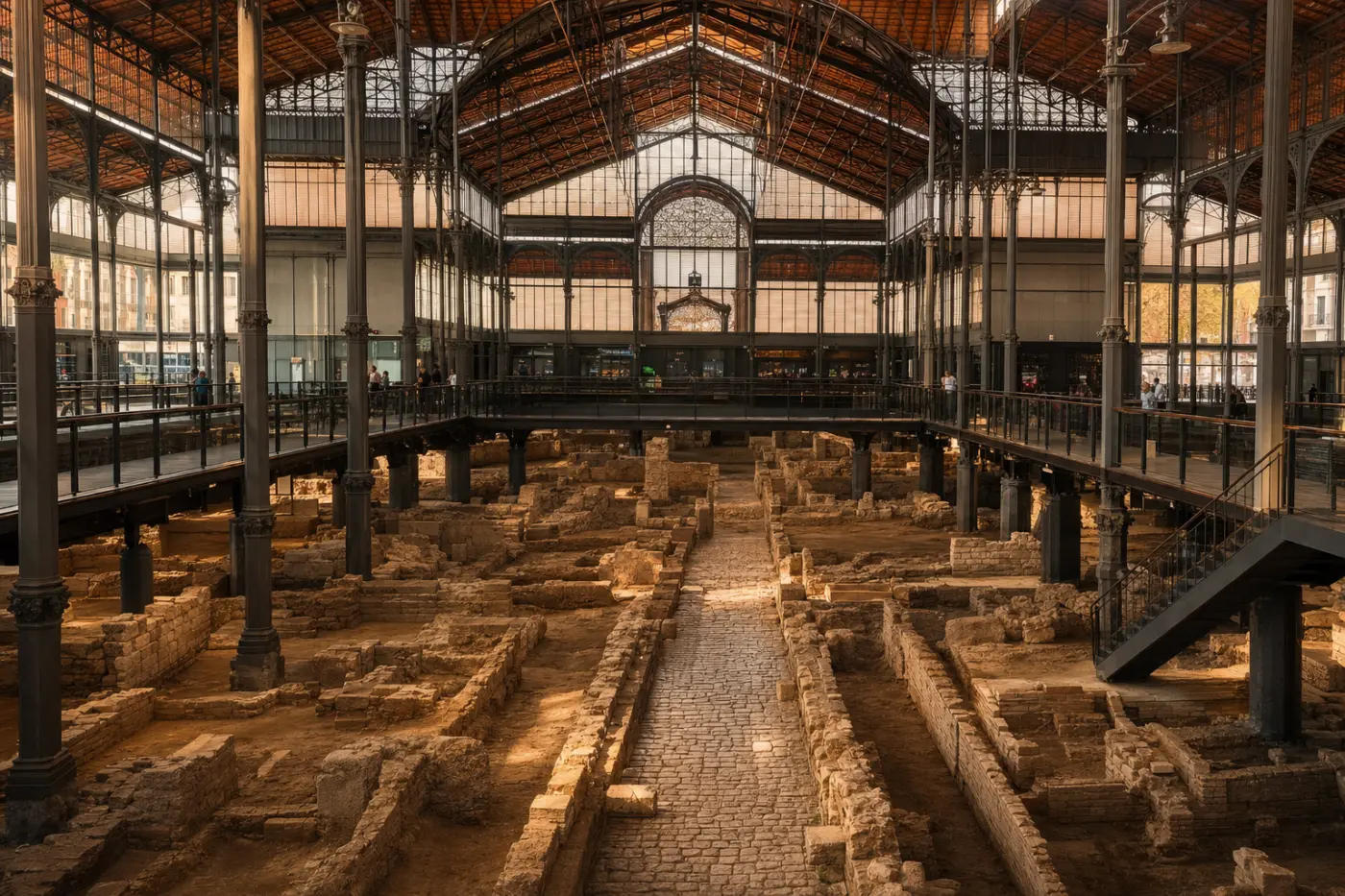
Tourist attraction
The El Born Centre de Cultura i Memòria (CCM) occupies a landmark cast-iron market building in Barcelona's El Born neighbourhood, constructed between 1874 and 1876 to a design by the city engineer Josep Fontserè — the same architect who master-planned the adjacent Ciutadella Park. The structure is one of the finest examples of 19th-century iron architecture in Spain, its soaring nave and arched transepts spanning some 8,000 square metres and rivalling the great covered markets of Paris and Brussels in ambition. For nearly a century it functioned as the Mercat del Born, the city's main wholesale market for fresh produce, before closing in 1971. Its intended conversion into a public library in the early 2000s was spectacularly interrupted when excavations in 2002 uncovered one of the largest and best-preserved urban archaeological sites in Europe.
What the excavators found beneath the market floor was an entire neighbourhood frozen in time: the streets, foundations, wells, hearths, and everyday objects of the Ribera quarter, demolished by order of the Bourbon king Philip V following his military victory on 11 September 1714 — a date that Catalans still commemorate annually as their National Day. Philip used the cleared land to build the Ciutadella fortress as an instrument of military occupation and political repression after the War of the Spanish Succession. The archaeology exposed over 4 hectares of levelled dwellings belonging to some 1,000 families expelled without compensation, making the site an extraordinarily tangible record of conquest and urban erasure. Ceramics, coins, surgical instruments, and personal effects recovered here are now displayed in integrated showcases across the site.
The centre opened to the public in September 2013, deliberately on the tercentenary of the 1714 siege, and since then has served as both a museum and a living cultural venue. Visitors walk on elevated glass and metal walkways that thread above the excavated ruins, reading the urban grid of a lost Barcelona at their feet — a disorienting and deeply affecting experience. Interpretive panels in Catalan, Spanish, and English trace the neighbourhood's social history, the mechanics of the siege, and the long political memory of the defeat, which was suppressed under Franco's dictatorship and has remained central to Catalan identity ever since. Temporary exhibitions on memory, democracy, and Catalan culture rotate throughout the year in the upper gallery spaces framed by Fontserè's original ironwork.
The centre is located at Plaça Comercial 12, a few steps from the Basilica de Santa Maria del Mar and a short walk from the Barceloneta beach. Entry to the permanent archaeological site is free, though temporary exhibitions may carry a small fee; check the official website for current programming before visiting. The nearest metro station is Jaume I (L4) or Barceloneta (L4), both under ten minutes on foot. Weekday mornings are the quietest time to visit and allow the most unobstructed views of the ruins. Guided tours in English are offered on weekends and should be booked in advance through the centre's website.
Private tours with a local guide, at your own pace.
Barcelona
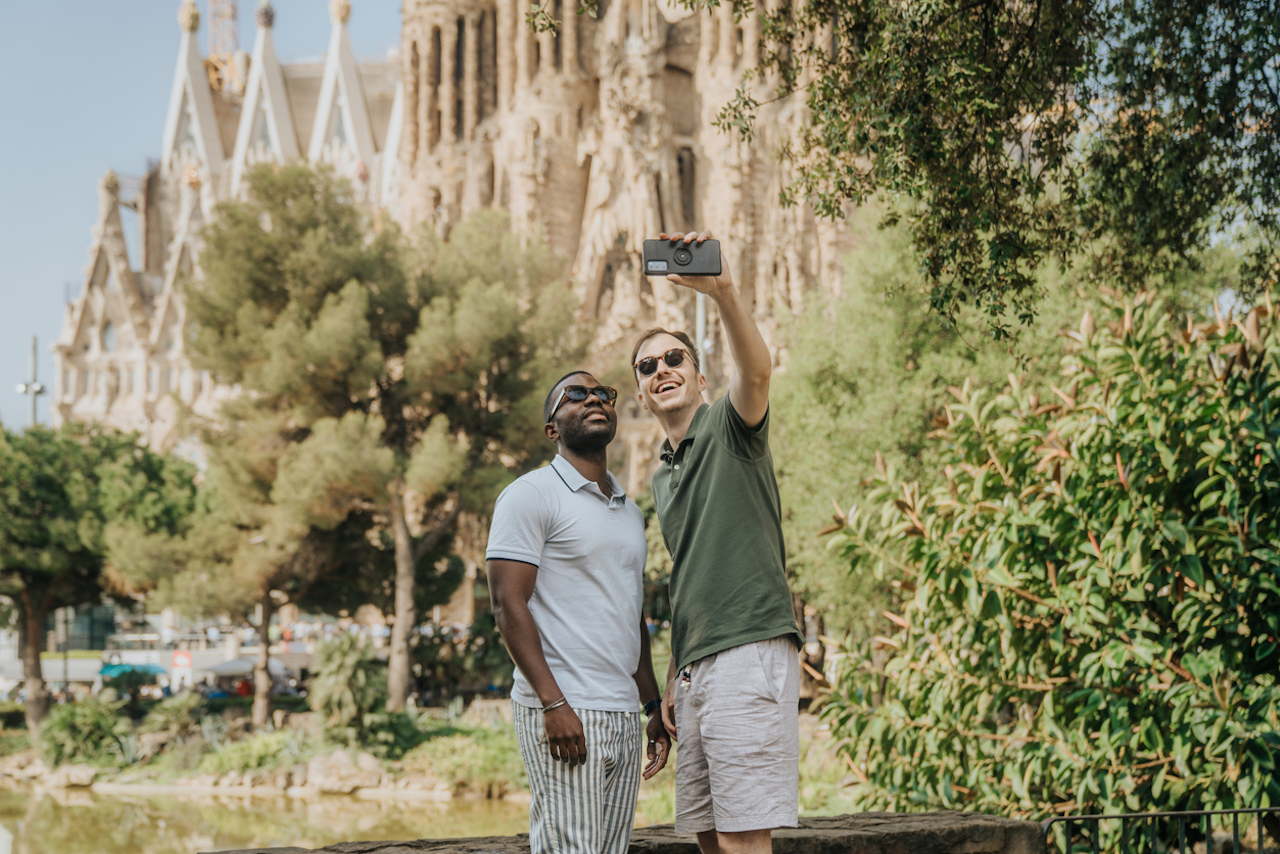
Barcelona
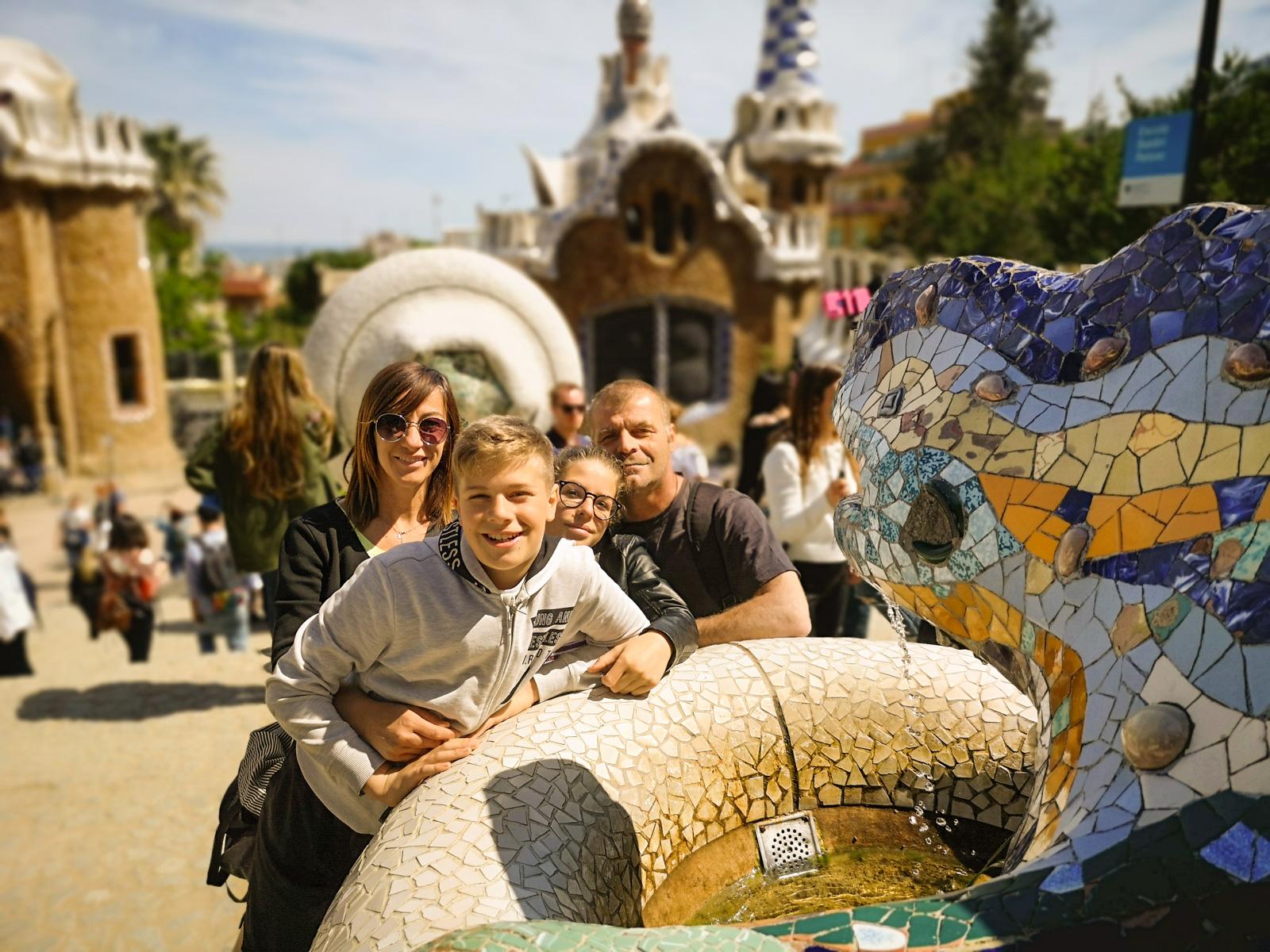
Barcelona
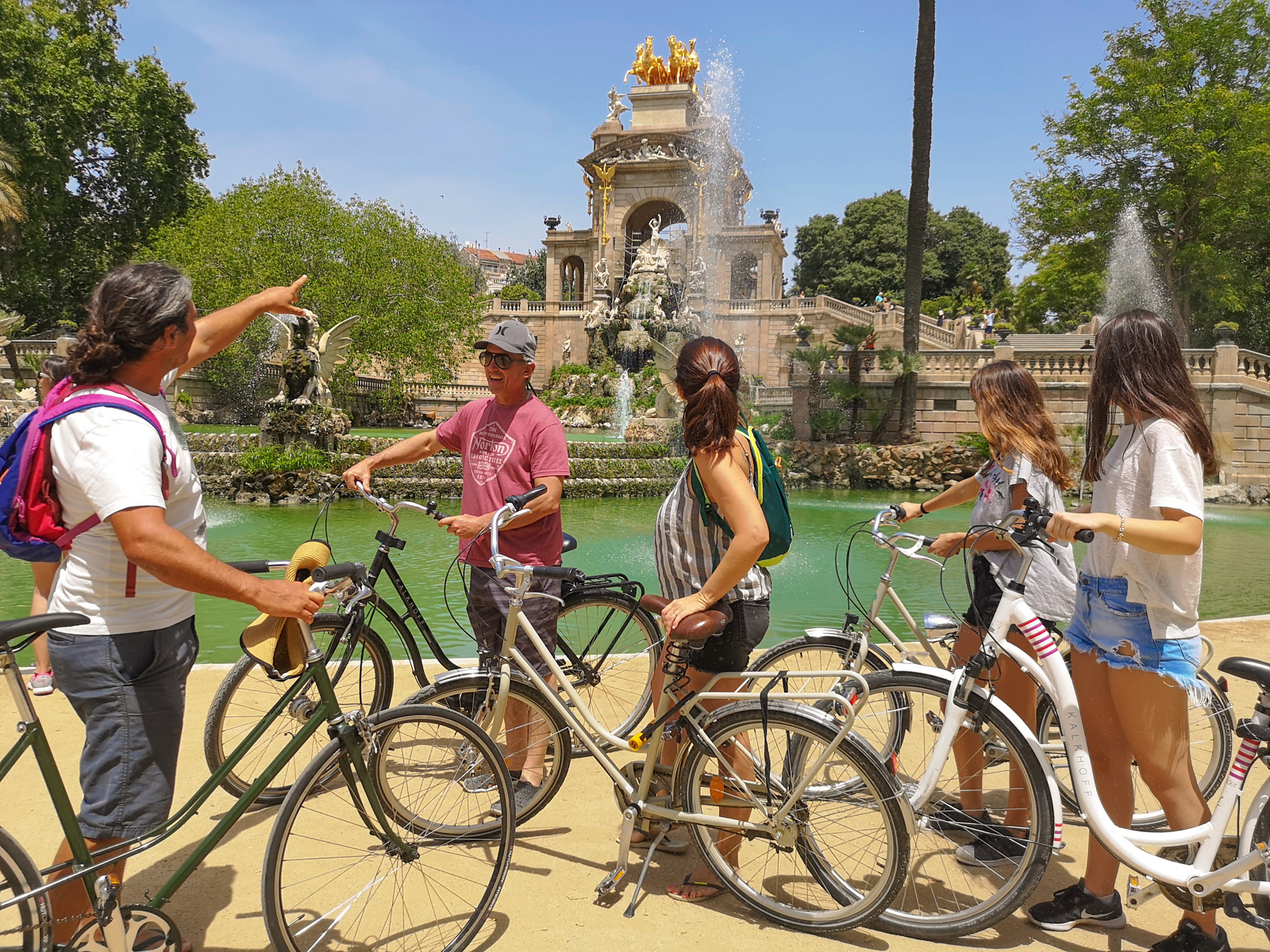
Barcelona
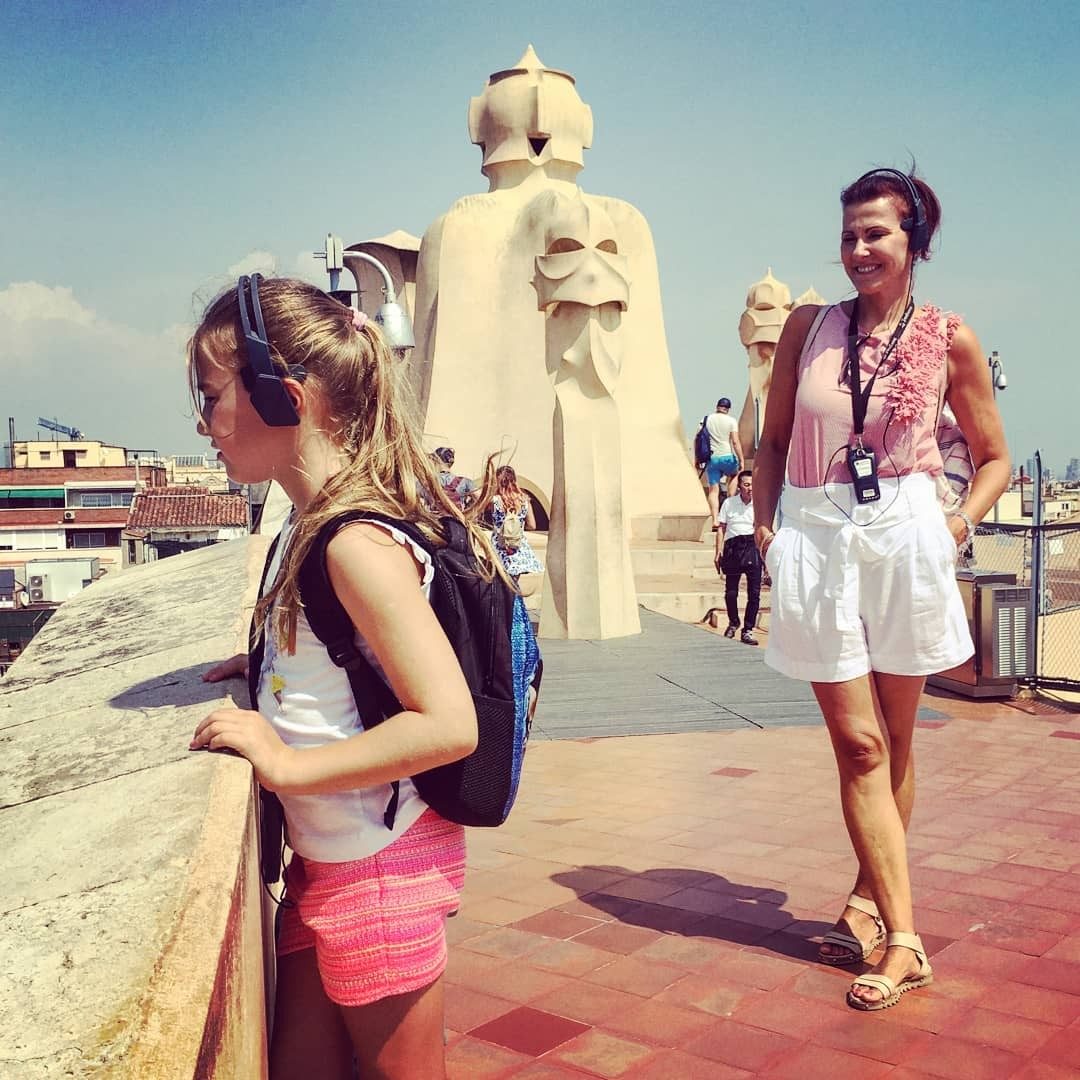
Barcelona
Barcelona

Barcelona
Barcelona
Barcelona
Barcelona
Barcelona
Barcelona
Barcelona
Barcelona
We use a single cookie, to remember this choice. We do not use analytics or advertising cookies. Read our cookie policy.