7 to 7,5 hrs
Barcelona
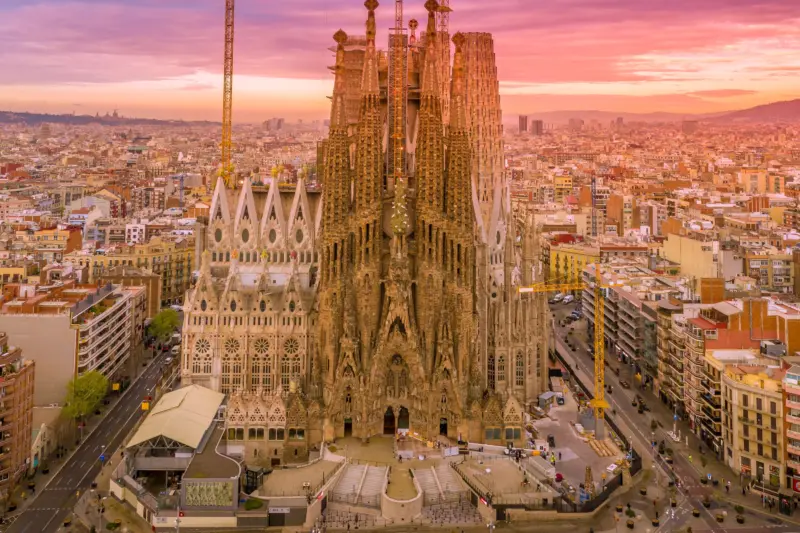
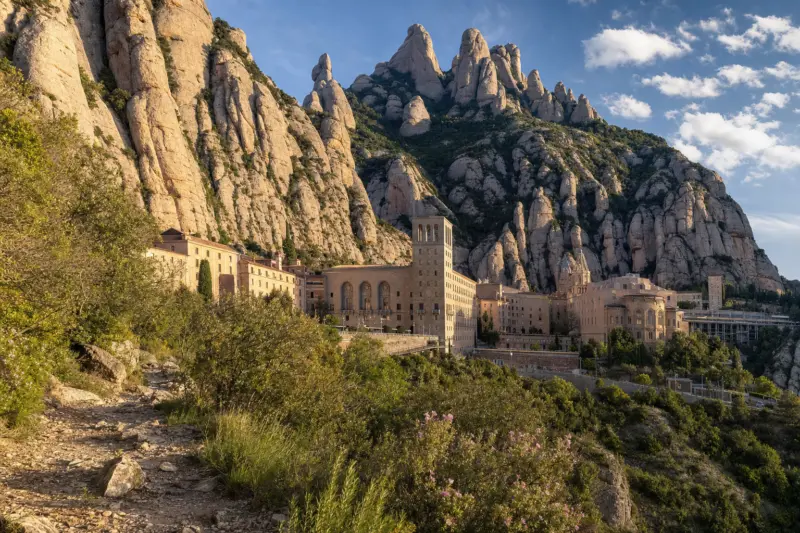
Barcelona & Montserrat Day Trip with Sagrada Familia Guided Tour
✓ Free cancellation Kids friendly
4.5(17 reviews)
From €134/ person
Book Now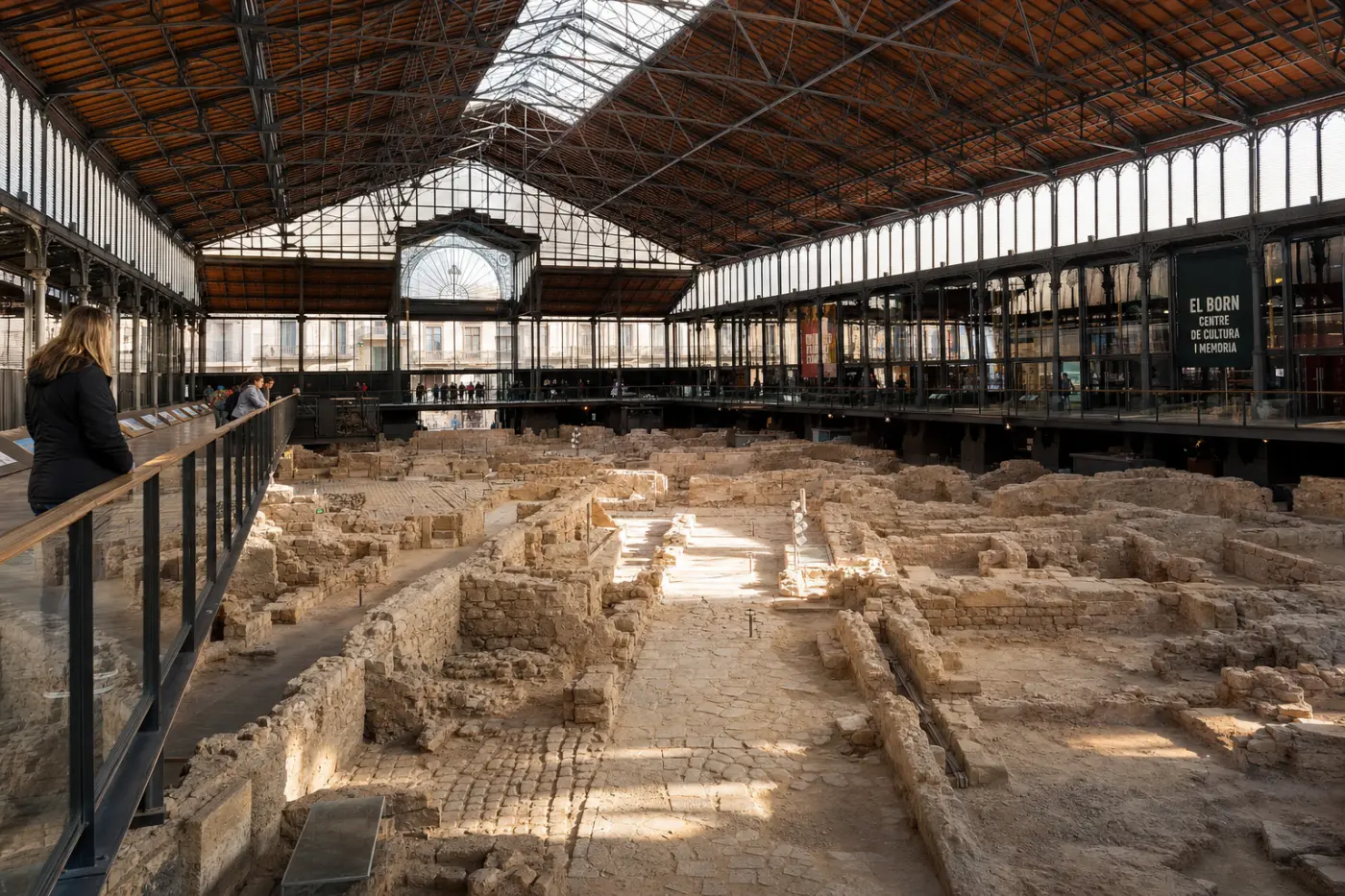
Tourist attraction
The El Born Cultural and Memory Centre (El Born CCM) occupies one of Barcelona's finest examples of 19th-century iron architecture: a soaring market hall completed in 1876 to a design by engineer Josep Fontserè, with later collaboration from a young Antoni Gaudí, who worked on the hydraulics of the adjacent Ciutadella Park. The building's vaulted cast-iron canopy, spanning roughly 10,000 square metres, made it the largest covered market in Spain at the time of its inauguration. It served as the city's central wholesale food market until 1971, when it was decommissioned and slated for demolition. Public outcry saved the structure, and the city of Barcelona began planning its conversion into a public library — a project that would lead to one of the most dramatic archaeological discoveries in modern Catalan history.
When excavation works began in 2001 to lay the library's foundations, workers uncovered the remarkably preserved remains of an entire neighbourhood as it stood on 11 September 1714 — the date Barcelona fell to the Bourbon forces of Philip V after a 14-month siege during the War of the Spanish Succession. Rather than burying the ruins under a new floor, the city halted construction and redesigned the project entirely around the discovery. What archaeologists revealed was no ordinary ruin: intact street grids, ground floors of merchant and artisan houses, wells, ceramics, coins, and personal objects frozen at the moment of the city's conquest and subsequent demolition. Philip V razed the Ribera quarter to build the Ciutadella fortress as a tool of political subjugation, erasing a densely populated district of some 4,500 residents. The centre finally opened on 11 September 2013, exactly 299 years after the siege, as a deliberate act of historical and political memory.
Visitors enter the cavernous market hall to find the archaeological ruins spread across the entire floor, visible from a network of elevated walkways and ground-level paths that thread between exposed foundations. Interpretive panels in Catalan, Spanish, and English identify individual buildings — a chocolate maker's workshop, a tavern, a tanner's yard — reconstructing the social texture of an obliterated community. The permanent display is complemented by rotating temporary exhibitions on Catalan history and contemporary culture, held in gallery spaces installed within the iron structure without compromising the archaeology beneath.
The centre is located on Plaça Comercial in the El Born neighbourhood, a short walk from the Barceloneta metro station (Line 4) or a ten-minute stroll from the Gothic Quarter. Entry to the archaeological site carries a modest fee, though access to the market building itself and many temporary exhibitions is free. Tuesday through Sunday opening hours run from 10:00 to 20:00; the centre is closed on Mondays. Allow at least 90 minutes to follow the walkways properly and read the site's detailed bilingual panels. Visiting on 11 September — Catalonia's National Day, La Diada — gives the site a particularly charged atmosphere, as it remains a focal point of public commemoration.
Private tours with a local guide, at your own pace.
Barcelona
Barcelona
Barcelona
Barcelona
Barcelona
Barcelona

Barcelona
Barcelona
Barcelona
Barcelona
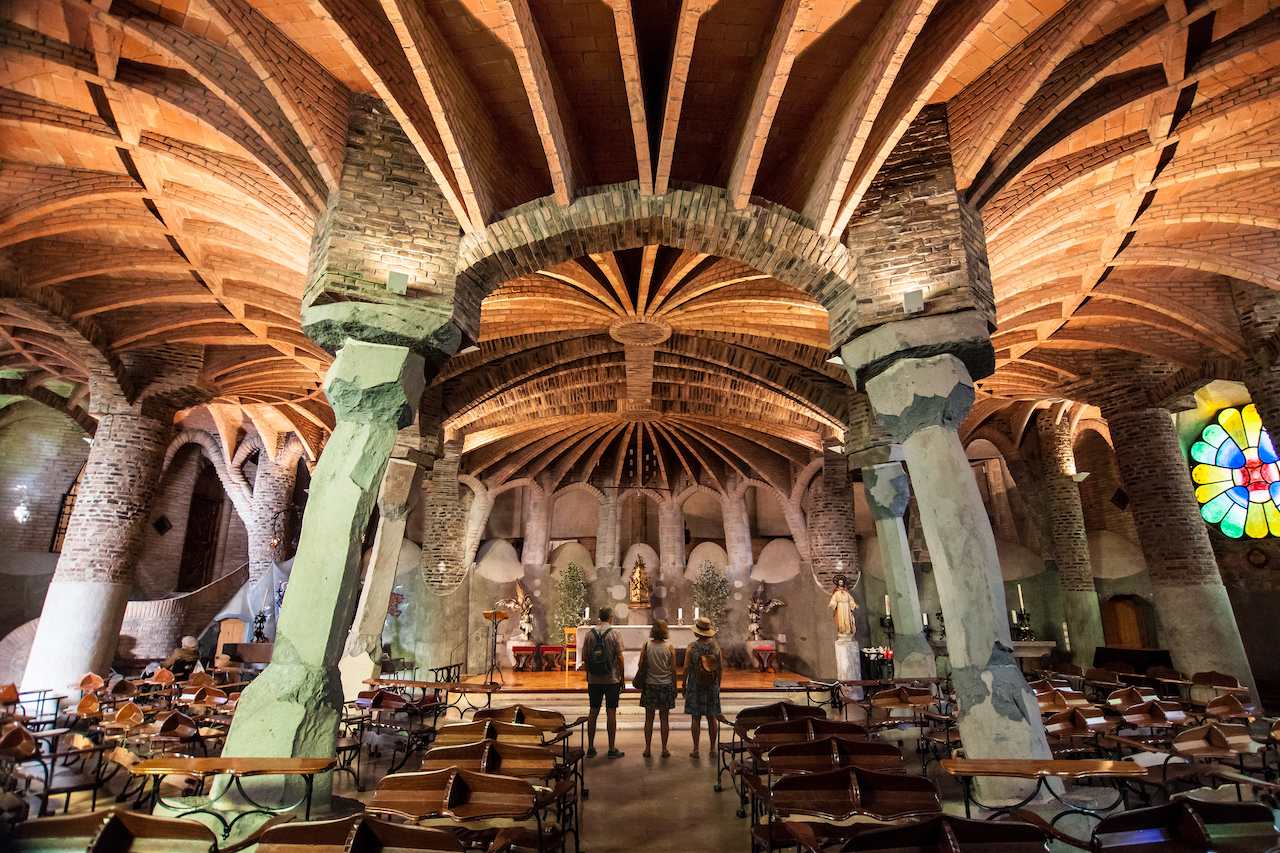
Barcelona
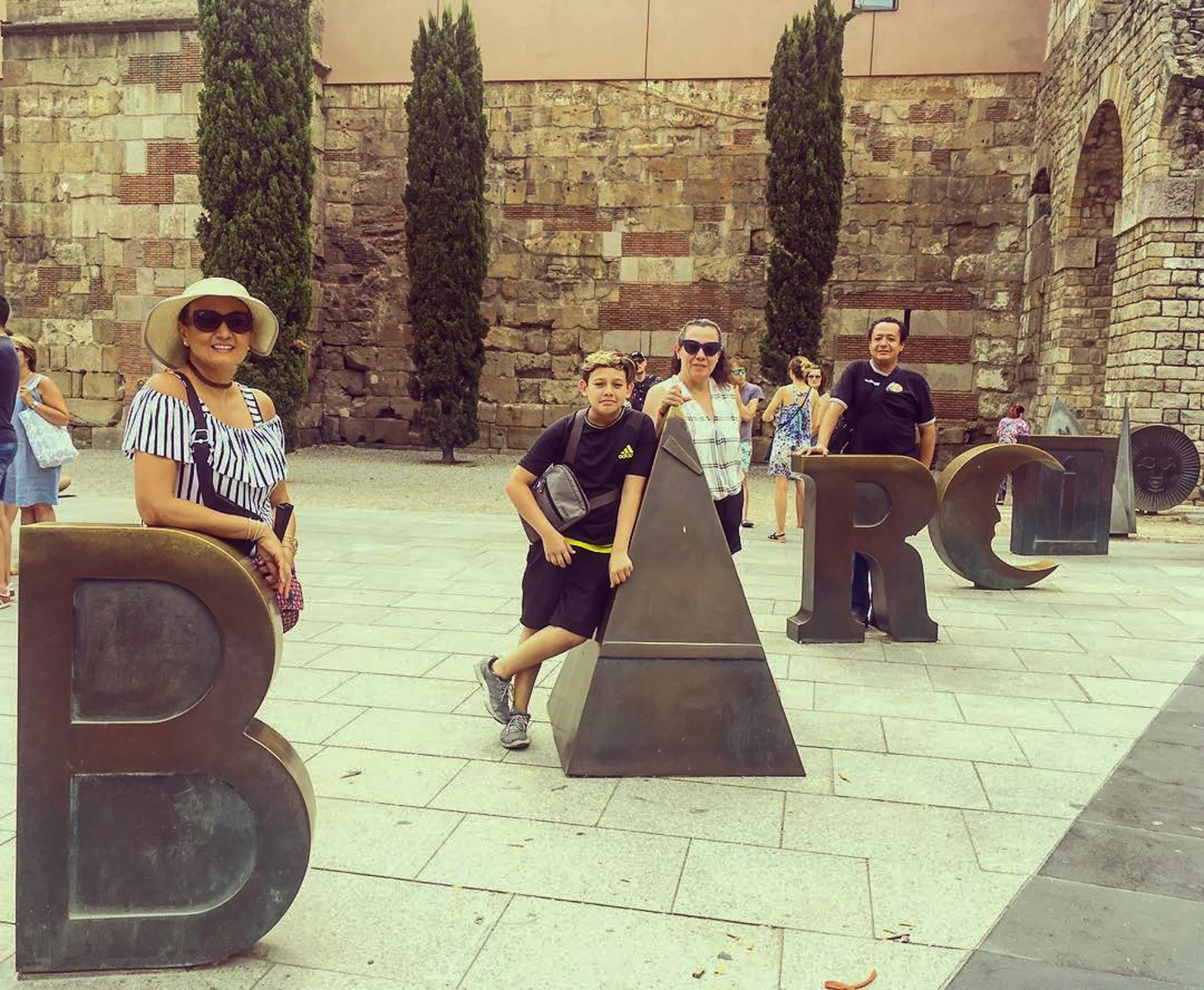
Barcelona
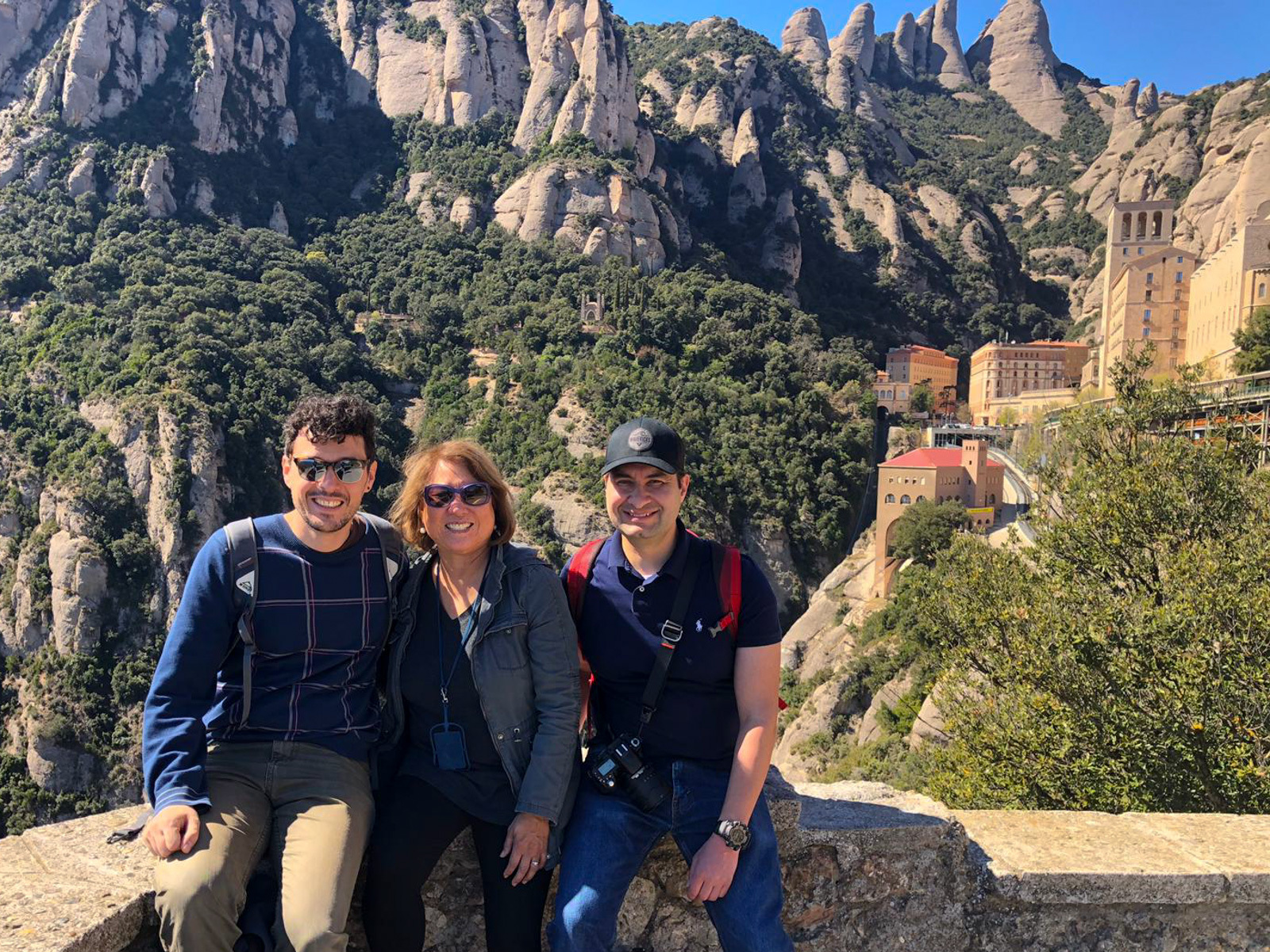
Barcelona
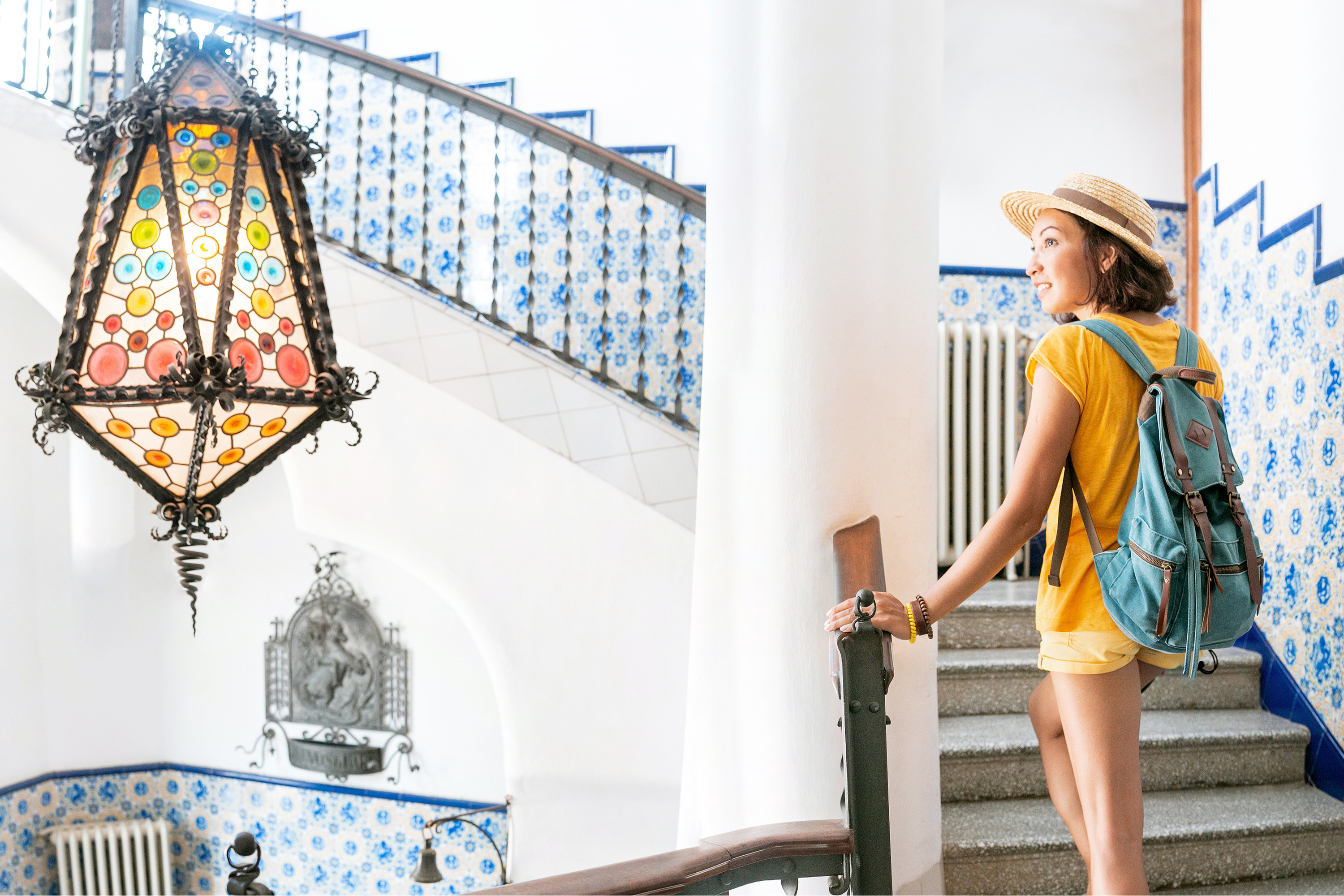
Barcelona