3 hrs
Barcelona
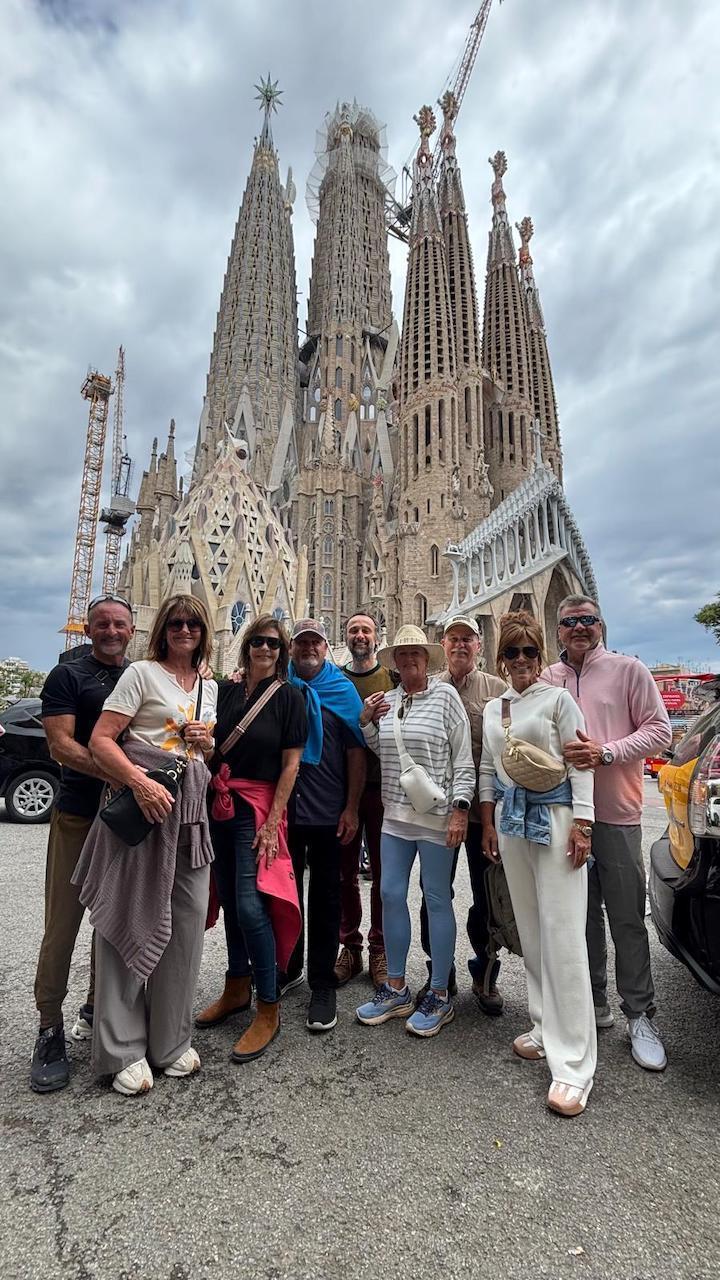
Sagrada Familia & Gaudi Tour Private or Small Group with Tickets
✓ Free cancellation Kids friendly
4.8(1403 reviews)
From €197/ person
Book Now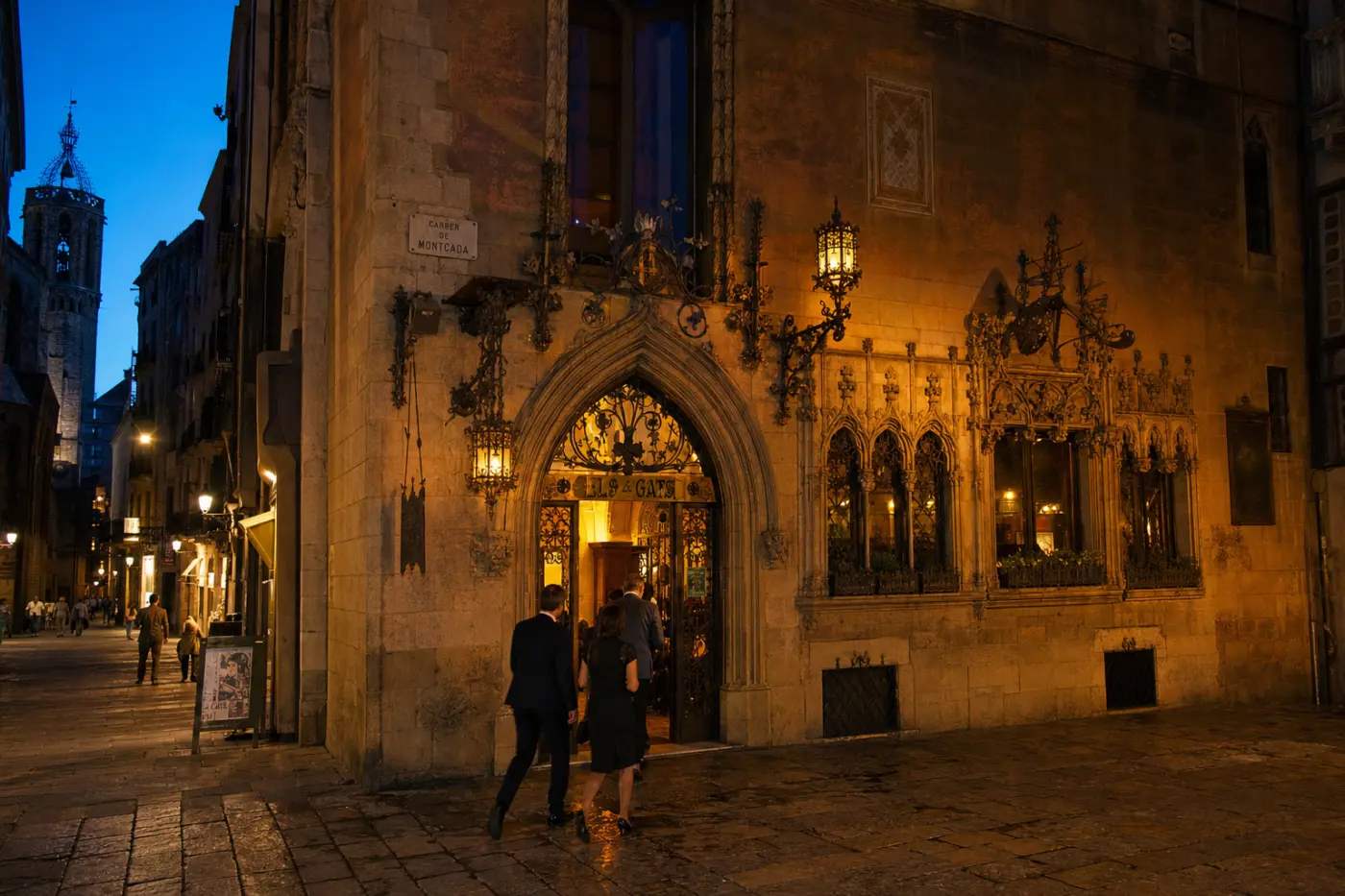
Tourist attraction
Els Quatre Gats — Catalan for "Four Cats," a colloquial expression meaning "just a handful of oddballs" — opened on June 12, 1897, inside Casa Martí on Carrer de Montsió, 3, in Barcelona's Gothic Quarter. The building itself was designed in 1896 by Josep Puig i Cadafalch, one of the three great architects of Catalan Modernisme alongside Antoni Gaudí and Lluís Domènech i Montaner. Puig i Cadafalch gave Casa Martí a striking neo-Gothic façade with medieval Flemish influences: pointed arches, elaborate stone tracery, and wrought-iron lanterns that still frame the entrance today. The café was co-founded by painter and bohemian Pere Romeu — who had lived in Paris and worked at the legendary Le Chat Noir cabaret on Montmartre — together with painters Ramon Casas and Santiago Rusiñol, and art critic Miquel Utrillo. Their explicit ambition was to transplant the spirit of Parisian cabaret culture into Barcelona at the height of the Modernisme movement.
From its opening, Els Quatre Gats functioned simultaneously as a café-restaurant, a puppet theatre, a literary gathering hall, and an exhibition space — an all-in-one hub for Barcelona's cultural avant-garde. It published its own short-lived but influential weekly magazine, also called Quatre Gats (1899), which acted as a manifesto platform for Catalan modernist ideas. Regular patrons included architect Antoni Gaudí, composers Isaac Albéniz and Enric Granados, and sculptors Manolo Hugué and Julio González. The owner Pere Romeu personally cooked for and sat with guests, embodying Santiago Rusiñol's philosophy that the "food of the spirit" was as essential as the food on the table. A celebrated Ramon Casas painting — depicting Casas and Romeu riding a tandem bicycle — hung prominently inside the café and became one of the defining images of Barcelona's Belle Époque.
The café's most historically resonant moment came in February 1899 (some sources place it in 1900), when a 17-year-old Pablo Picasso — newly arrived from Málaga and still signing his work "P. Ruiz Picasso" — held his very first solo exhibition on the café's walls, showing pencil-portrait sketches of the bohemian regulars. He had already designed the café's menu cover, a charcoal drawing echoing the tandem bicycle motif of the Casas painting. Despite its cultural electricity, Els Quatre Gats was never commercially robust; it closed in 1903, just six years after opening. It was partially restored and reopened in 1978, then underwent a full architectural and decorative restoration in 1991, returning the interior to its original Modernista character — tiled floors, dark wood panelling, high vaulted ceilings, and reproductions of the historic artworks.
Visitors today enter a working restaurant and bar that genuinely feels like a time capsule of 1890s Barcelona. The ground floor retains the arched entryway of Puig i Cadafalch's original design, and large reproduction prints of Casas and Rusiñol's paintings line the walls. The menu leans toward traditional Catalan cuisine — pa amb tomàquet, Iberian cold cuts, and seasonal market dishes — making it a rare site where history and a proper meal coexist. It is located just two minutes' walk from the Cathedral of Barcelona and five minutes from the Plaça de Catalunya. Book a table in advance, especially for weekend evenings, as the dining rooms fill quickly with both tourists and locals who treat it as an institution rather than a novelty.
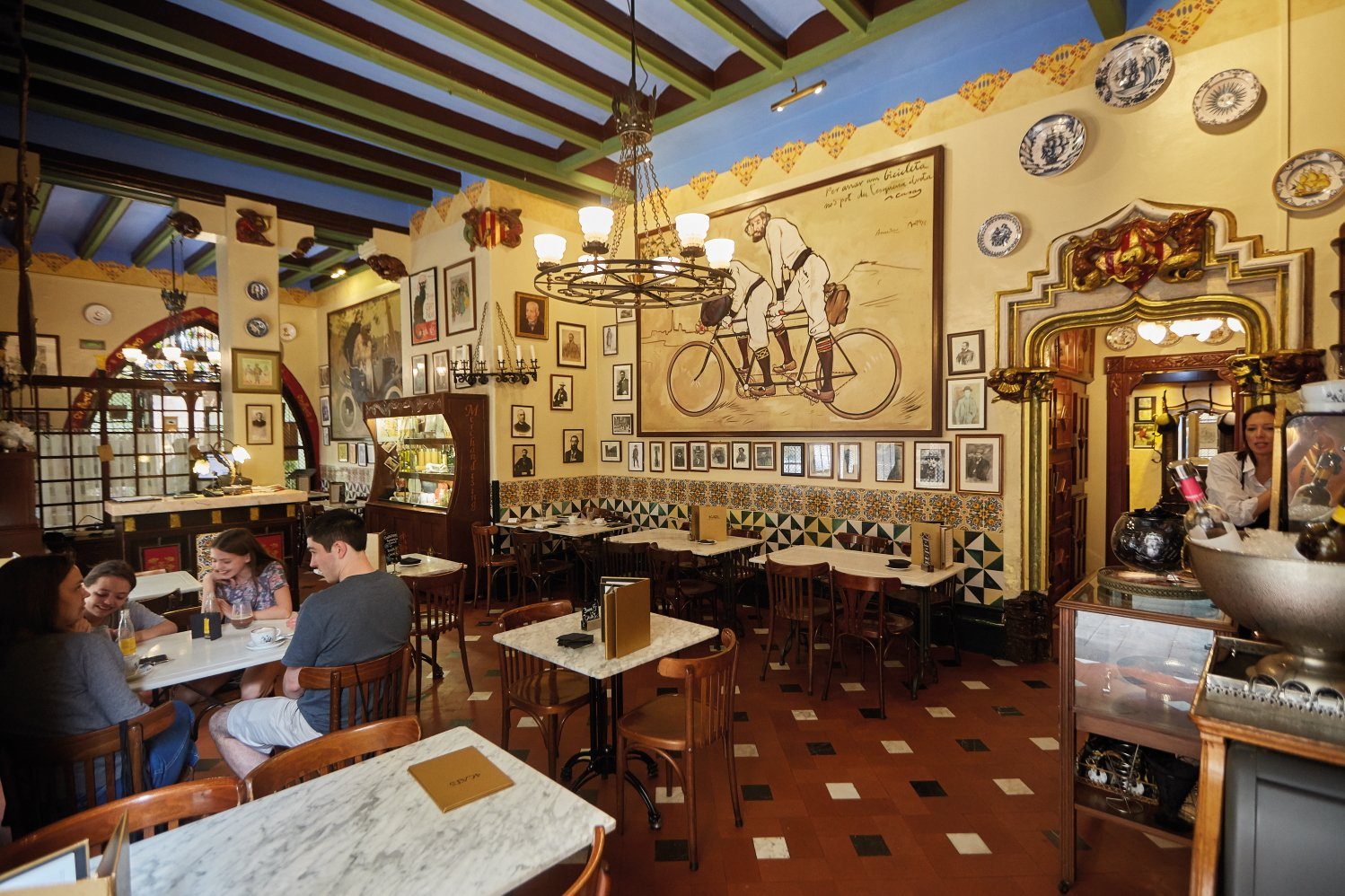
The café's interior was designed by another artist and friend of Romeu's, Ramon Casas. Casas created a space that was a reflection of the artistic and intellectual culture of Barcelona in the late 19th and early 20th centuries. The décor features a mix of Gothic and modernist elements, with ornate details and stained glass windows that lend the space a sense of grandeur and opulence.
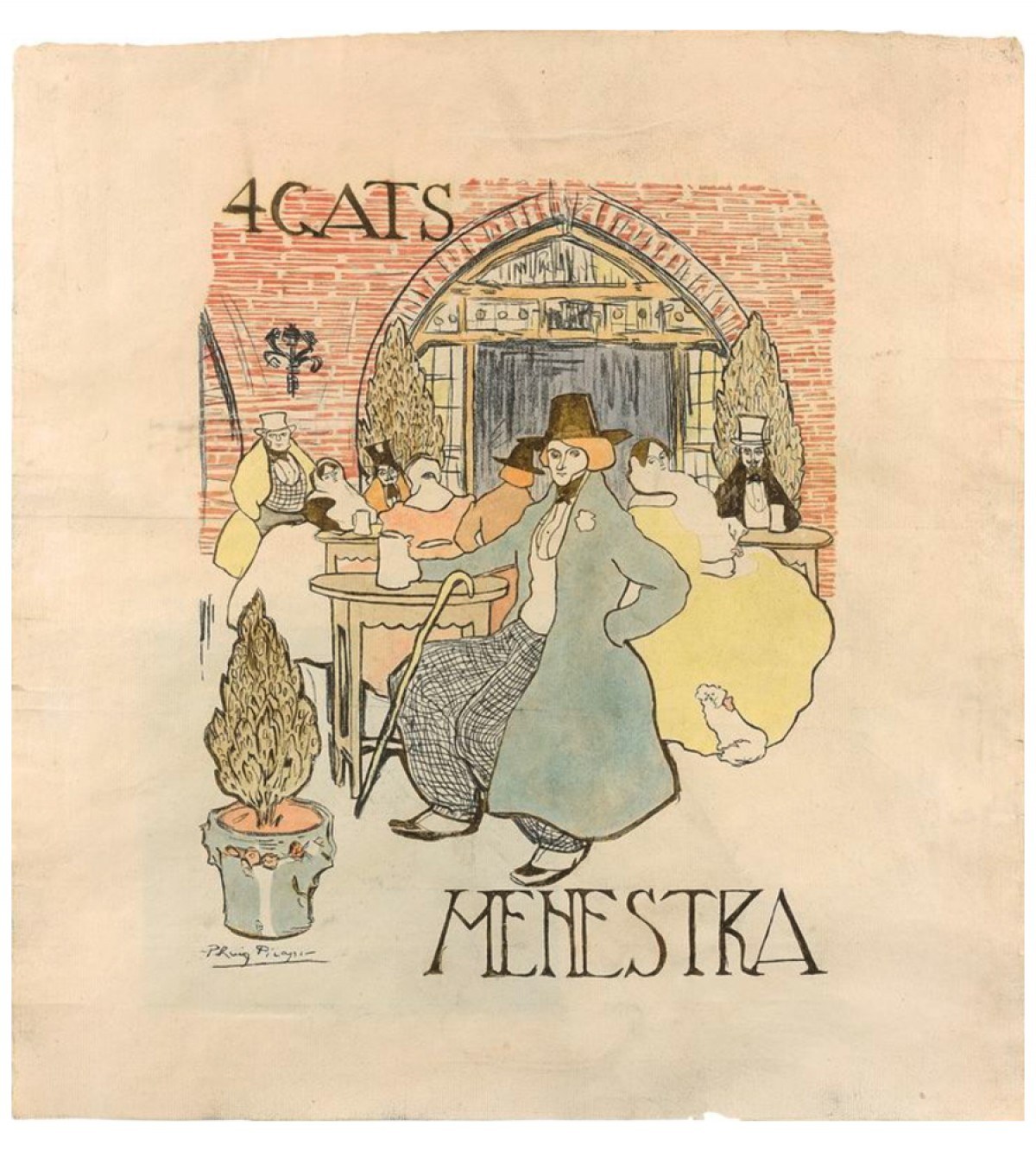
Els 4 Gats was a hub of creativity and cultural activity in its heyday, hosting events and exhibitions that helped define the modernist movement in Barcelona. One of the café's most famous patrons was the young artist Pablo Picasso, who held his first solo exhibition in the café's upstairs room in 1900. The exhibition was a success and helped establish Picasso's reputation as a rising star of the art world.
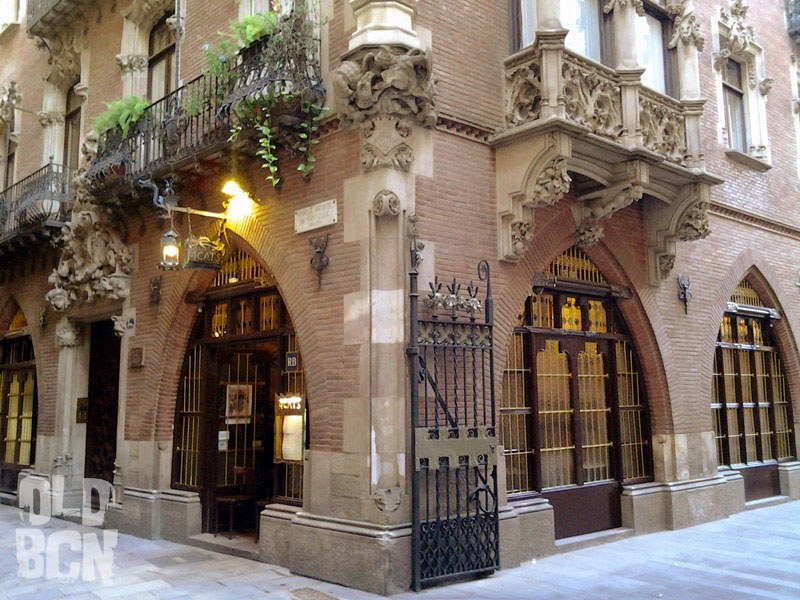
Today, Els 4 Gats is a popular restaurant and cultural venue, with a menu that pays homage to its historic roots. The café's continued popularity and cultural significance are a testament to the enduring appeal of modernist art and architecture, and its status as a cultural landmark is recognized by visitors from around the world.
Private tours with a local guide, at your own pace.
Barcelona
Barcelona
Barcelona
Barcelona
Barcelona
Barcelona
Barcelona
Barcelona
Barcelona
Barcelona
Barcelona
Barcelona
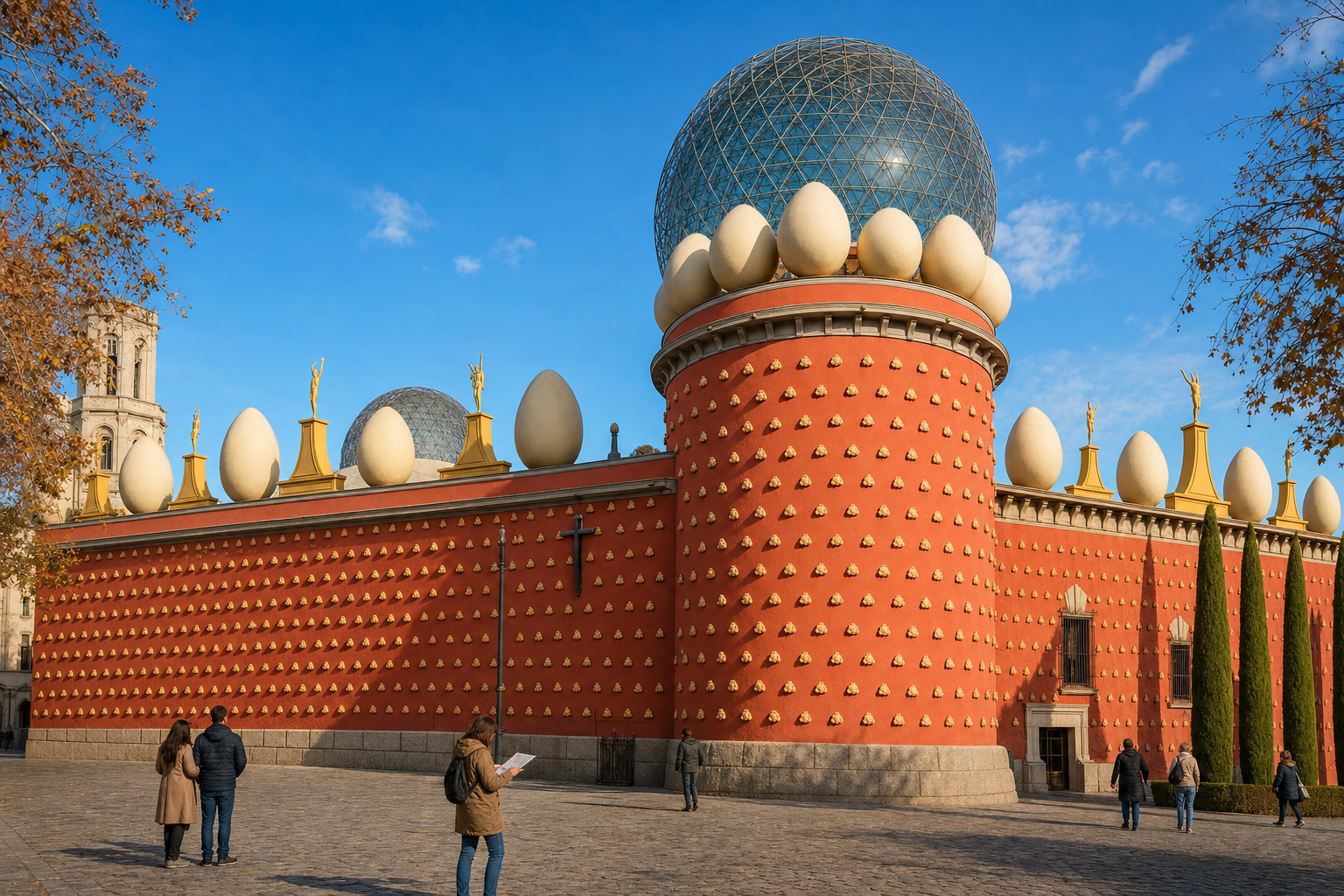
Most people know that Salvador Dalí was born in Figueres on 11 May 1904 — fewer realise that he spent the last decade of his life living inside his own museum, in a castle tower he had converted into a private apartment, refusing almost all visitors. That detail alone reframes everything you're about to see on a Costa Brava day trip from Barcelona. This isn't a sightseeing loop past pretty landmarks; it's a journey into one of the most deliberately constructed artistic universes ever assembled, set against a coastline so geologically dramatic that it physically shaped the imagery of a surrealist movement. From the geodesic dome above Figueres to the labyrinthine rooms of Portlligat, from the tramuntana-battered vines of the Empordà to the whitewashed lanes of Cadaqués, every stop carries a specific weight of history that rewards knowing before you arrive. This guide gives you that context — and shows you why adding a winery to the route isn't a detour, it's the most logical ending the day could have.
Read more →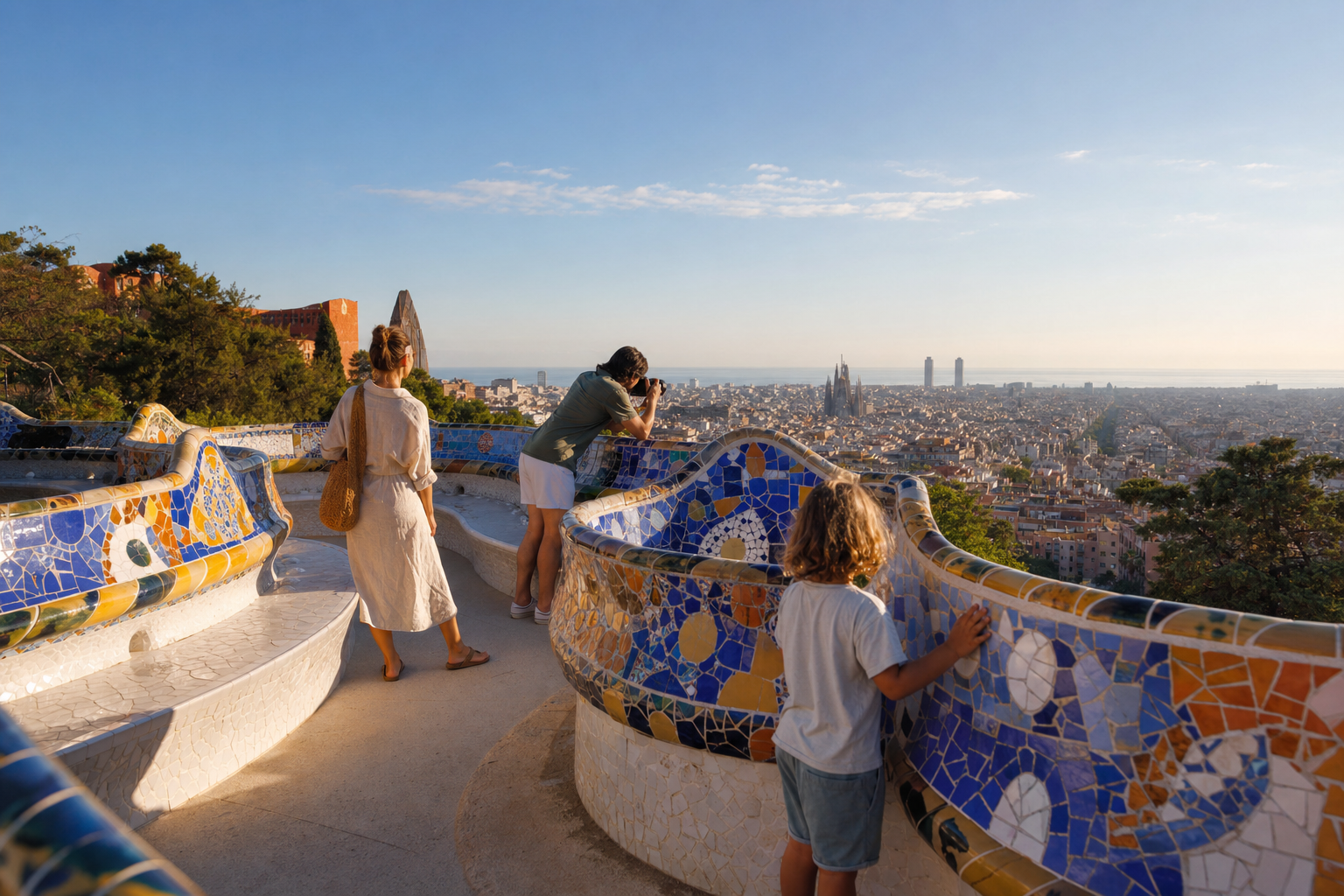
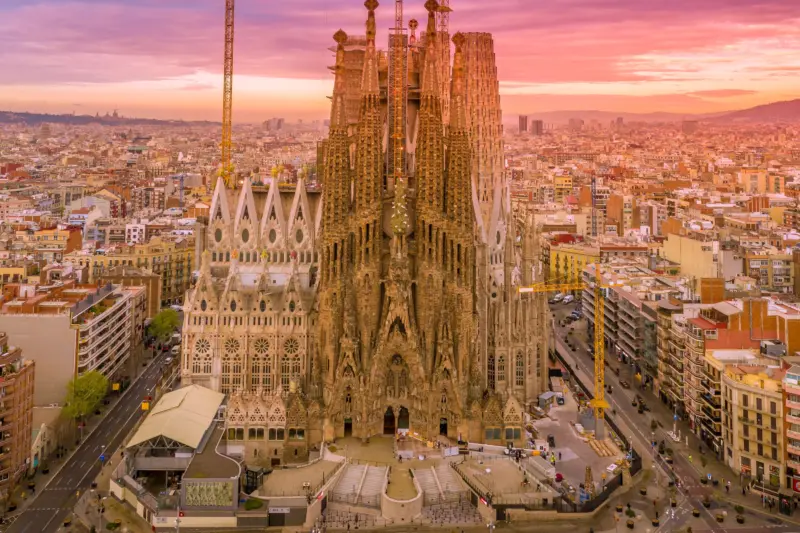
In 1883, a 31-year-old architect named Antoni Gaudí inherited a half-built church from a resigning predecessor and spent the next 43 years — until his death in 1926 — turning it into one of the most structurally radical buildings in human history. That church, the Sagrada Família, is still under construction today, and it is just one reason why Barcelona rewards curiosity more than almost any other city in Europe. But Gaudí's Barcelona is only one layer. Beneath the Gothic Quarter's cobblestones lie the preserved streets of a Roman settlement called Barcino, founded around 10 BC. In the city's markets, a food culture rooted in Catalan identity — not the generalised 'Spanish' clichés exported for tourists — plays out every single morning. Barcelona is a city that consistently offers more the deeper you look. This guide cuts past the surface to give you the historical facts, cultural context, and local knowledge that turn a good trip into an unforgettable one.
Read more →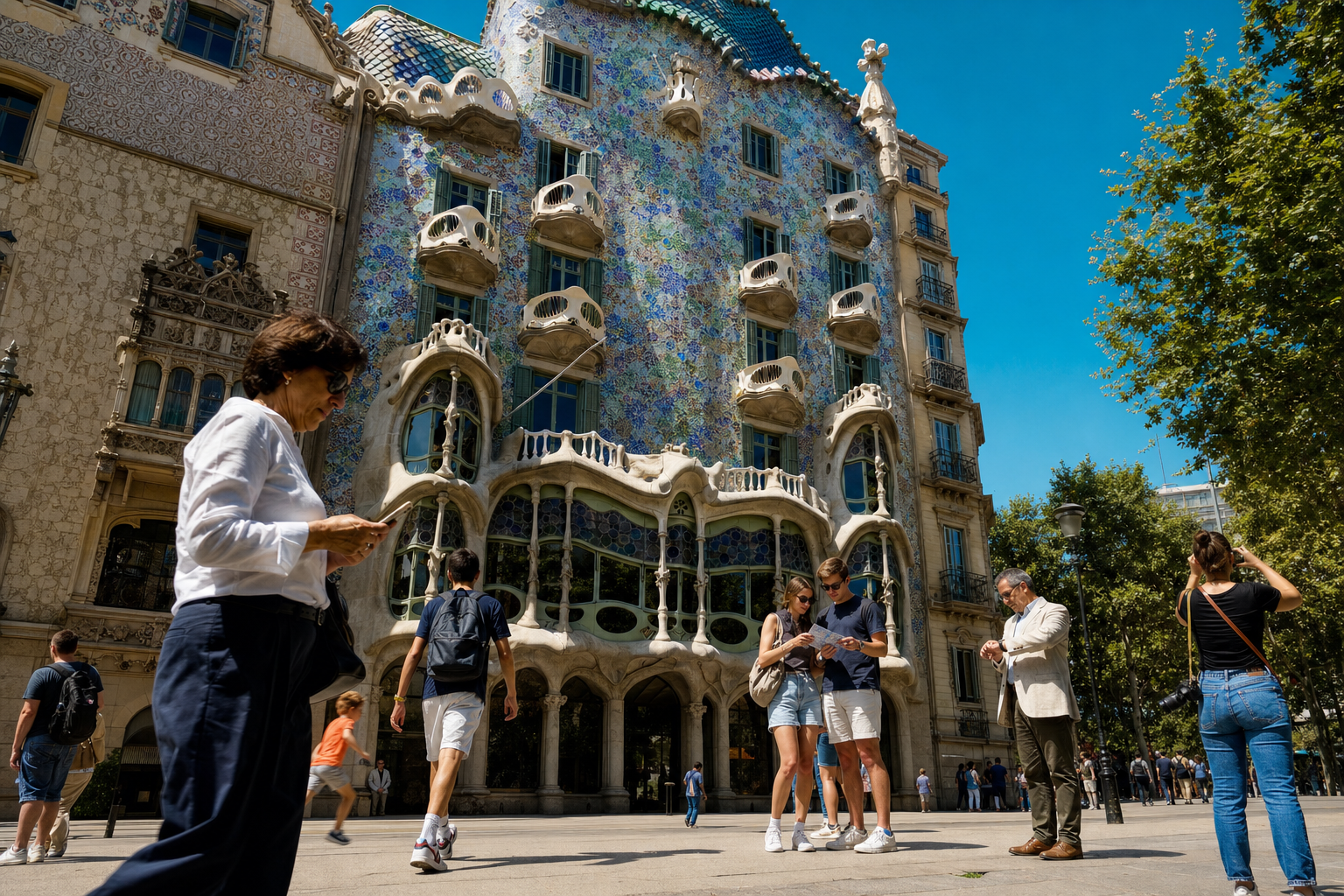
On the grandest stretch of Barcelona's Passeig de Gràcia — a boulevard so thick with Modernista jewels that locals call it the Block of Discord — one building stops every passerby cold. Casa Batlló shimmers like a living creature: scales of iridescent ceramic, a roofline that breathes, skulls carved into stone balconies. It was commissioned by a wealthy textile magnate, transformed by a visionary architect, and completed in 1906 as a statement that would redefine what a city building could be. This is its story.
Read more →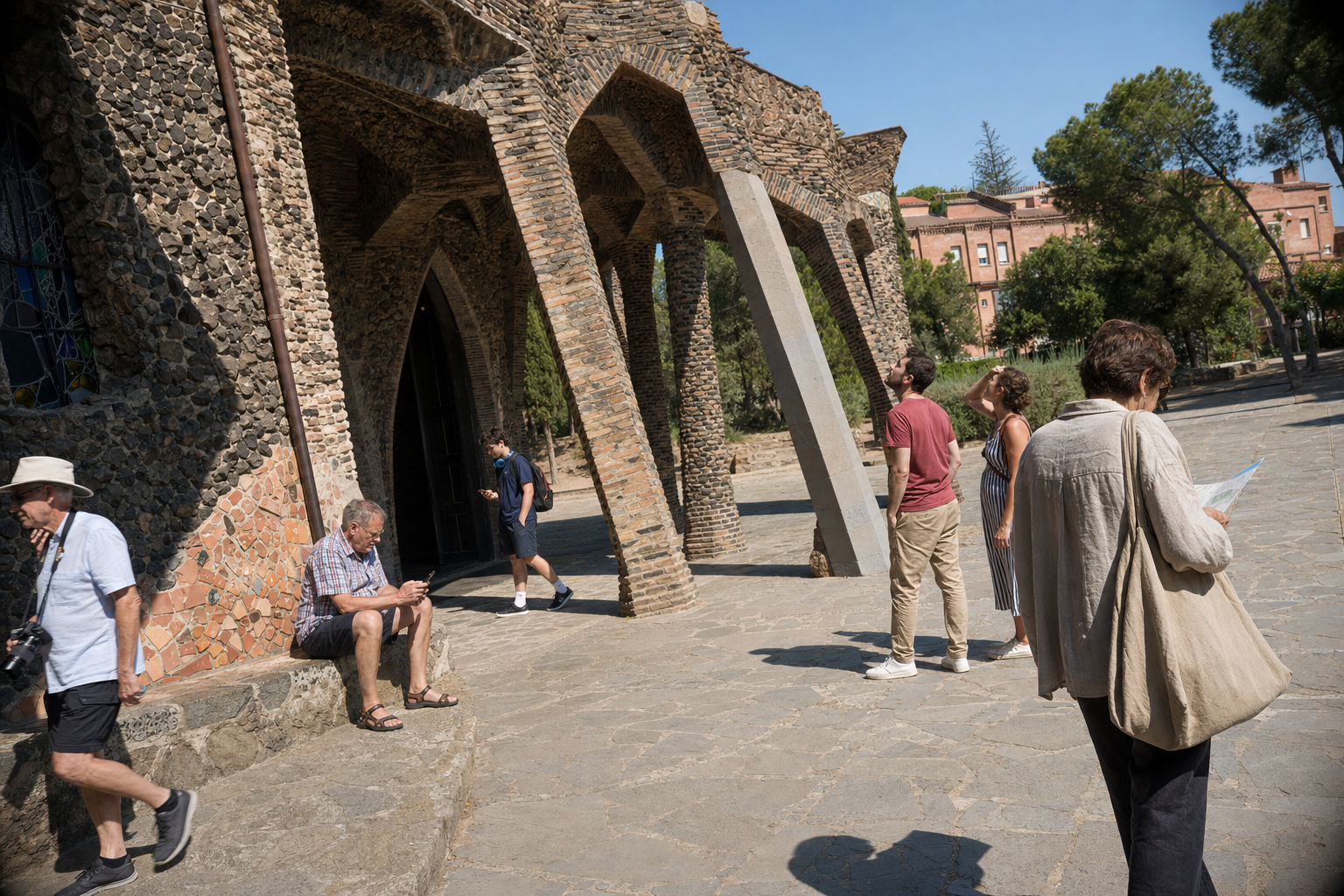
In 1890, the Catalan industrialist Eusebi Güell made a decision that was radical even by the standards of a city already electrified by modernisme: he abandoned Barcelona's choking factory districts and moved his textile mill — and his entire workforce — to a pine-forested hillside in Santa Coloma de Cervelló, just 20 kilometres southwest of the city. What he built there was not merely a factory complex but a full social experiment: a self-contained workers' village with housing, schools, a theatre, a cooperative shop, and a church that would become one of the most structurally daring buildings of the 20th century. That church was entrusted to Antoni Gaudí — and what Gaudí designed in its crypt between 1908 and 1914 was nothing less than the structural laboratory for the Sagrada Família. Colonia Güell is where the dream was tested. It draws a fraction of the crowds that queue outside Park Güell or the Sagrada Família, yet it is arguably the most intellectually fascinating Gaudí site in all of Catalonia.
Read more →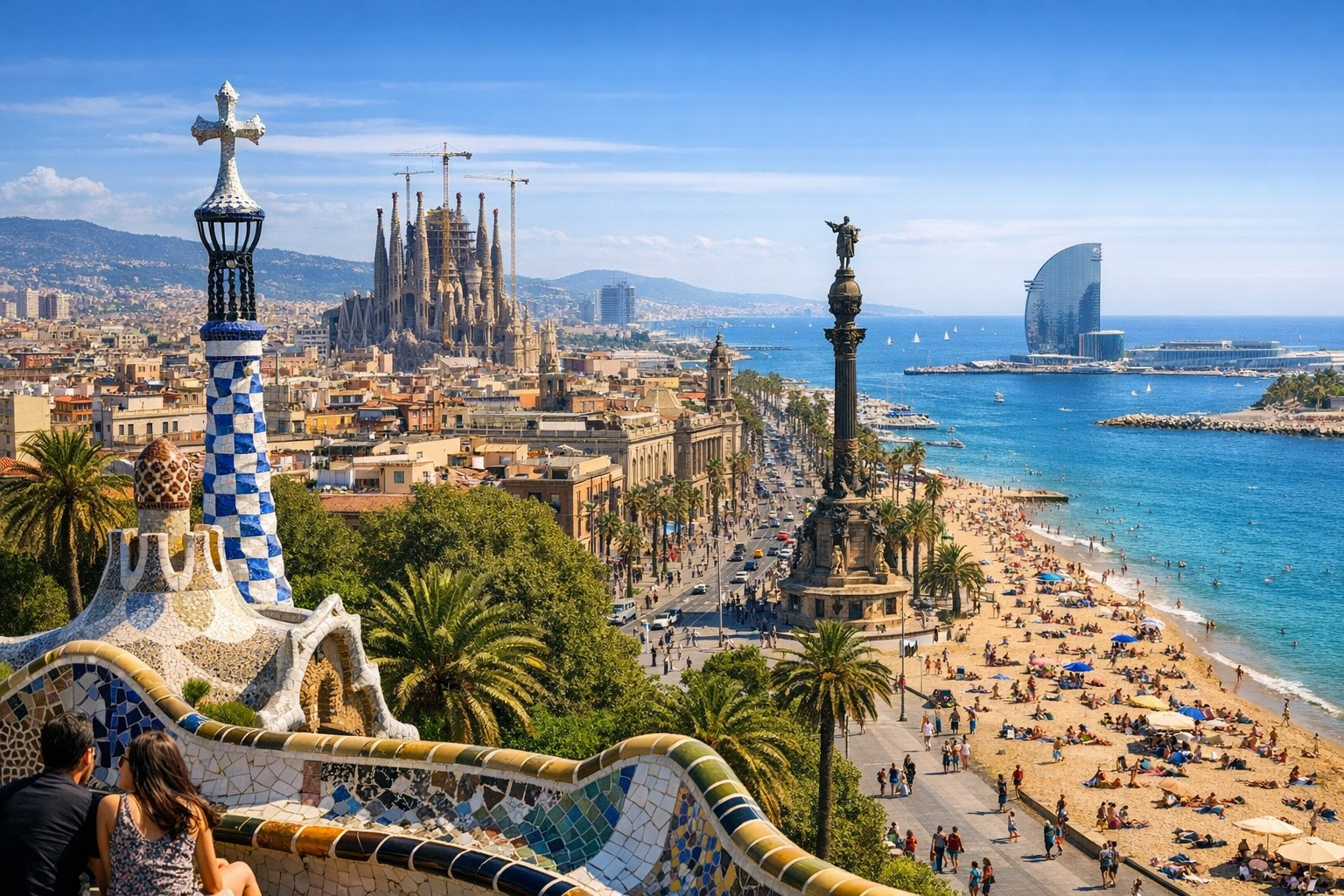
Discover the vibrant culture, stunning architecture, and culinary delights of Barcelona. From iconic landmarks to hidden gems, this guide offers the best activities to experience in the city, ensuring an unforgettable visit.
Read more →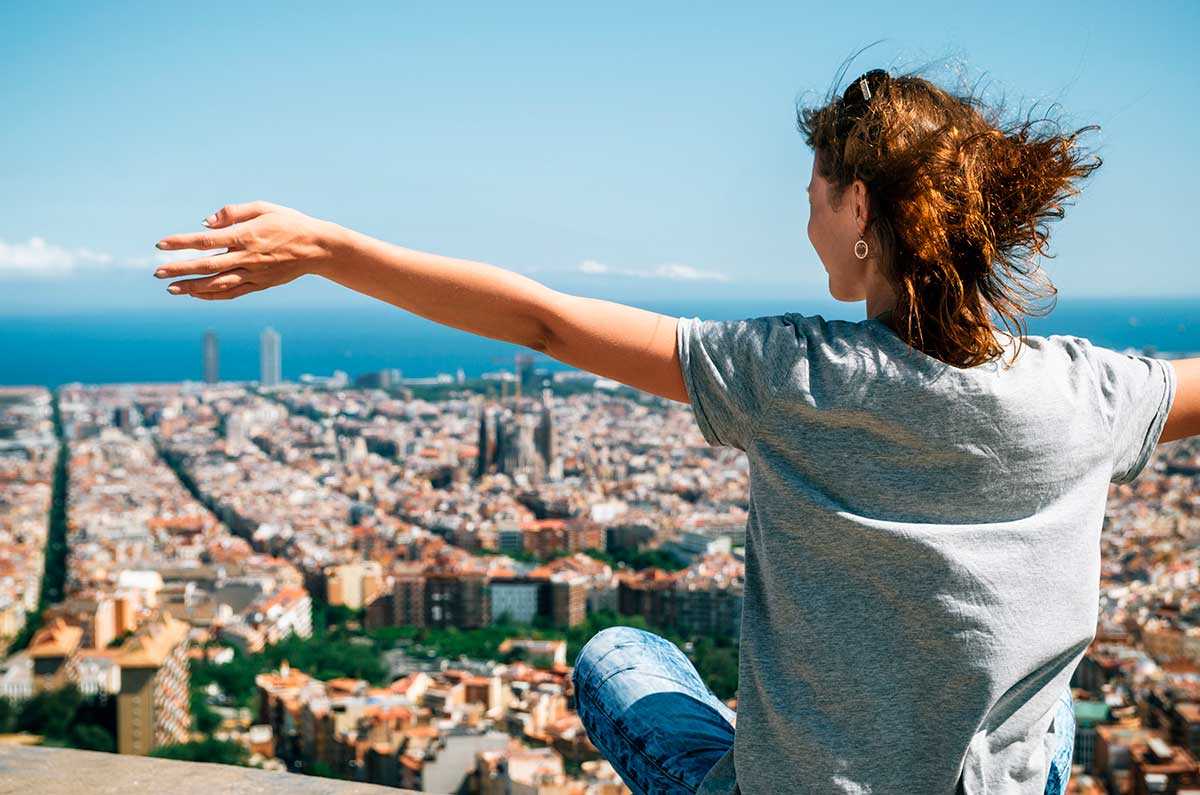
Barcelona, the enchanting coastal city in Spain, is a treasure trove of captivating attractions, historic landmarks, and awe-inspiring architecture. With so much to explore, having a well-designed attractions map can significantly enhance your sightseeing experience and ensure you make the most of your time in this vibrant destination. Whether you are an adventurous solo traveler or a family seeking a cultural getaway, a detailed map will be your faithful companion throughout your journey.
Read more →We use a single cookie, to remember this choice. We do not use analytics or advertising cookies. Read our cookie policy.