Lisboa
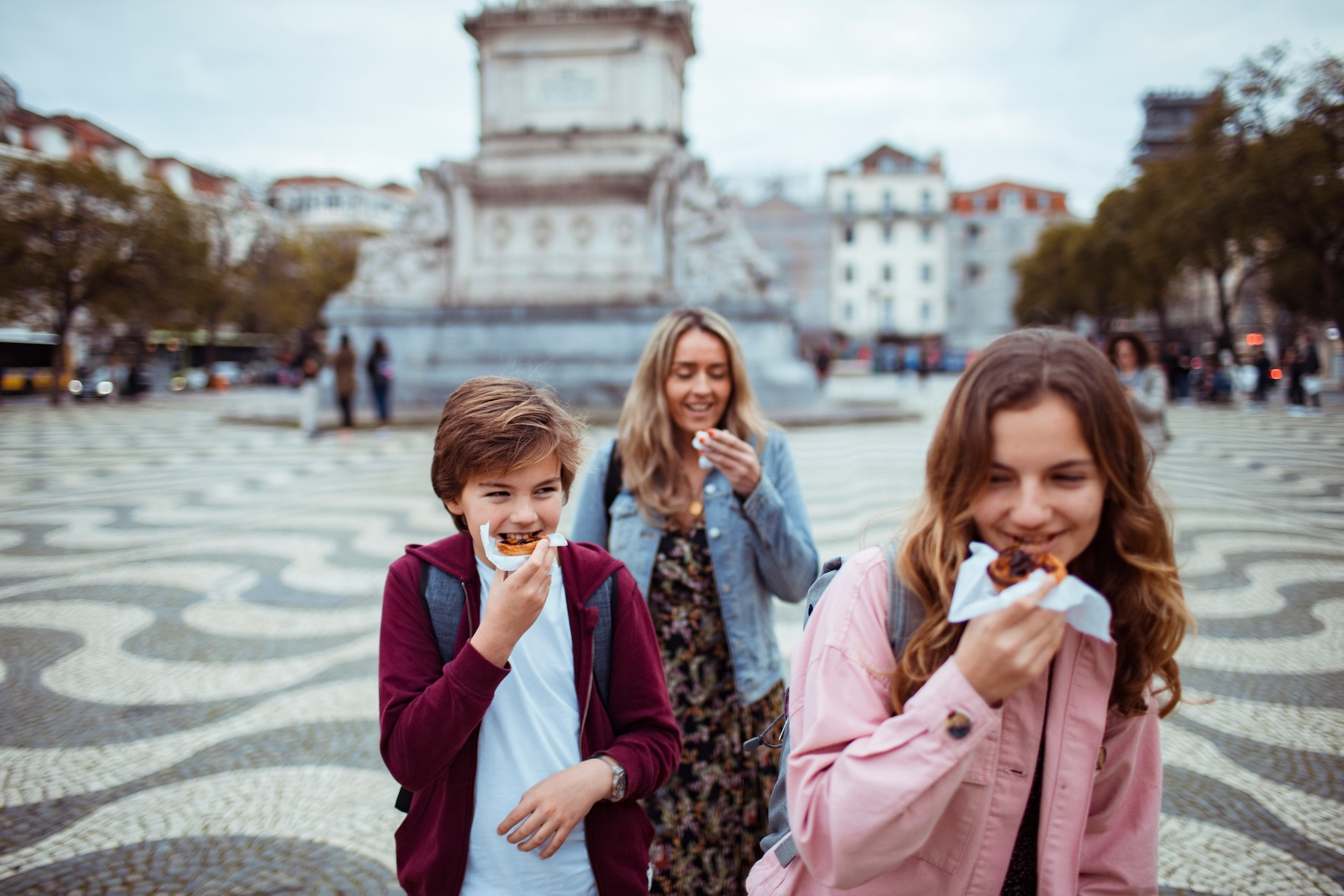
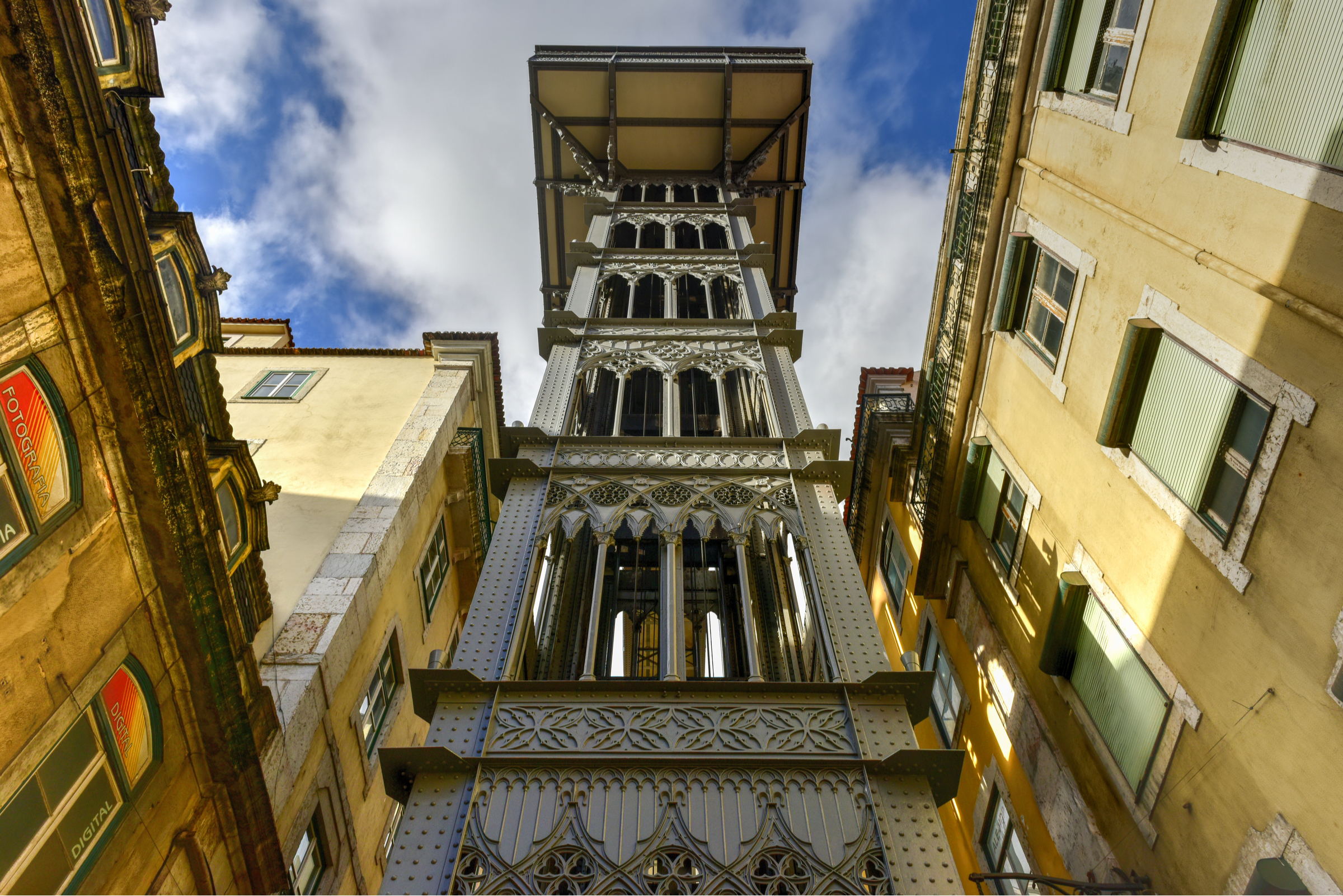
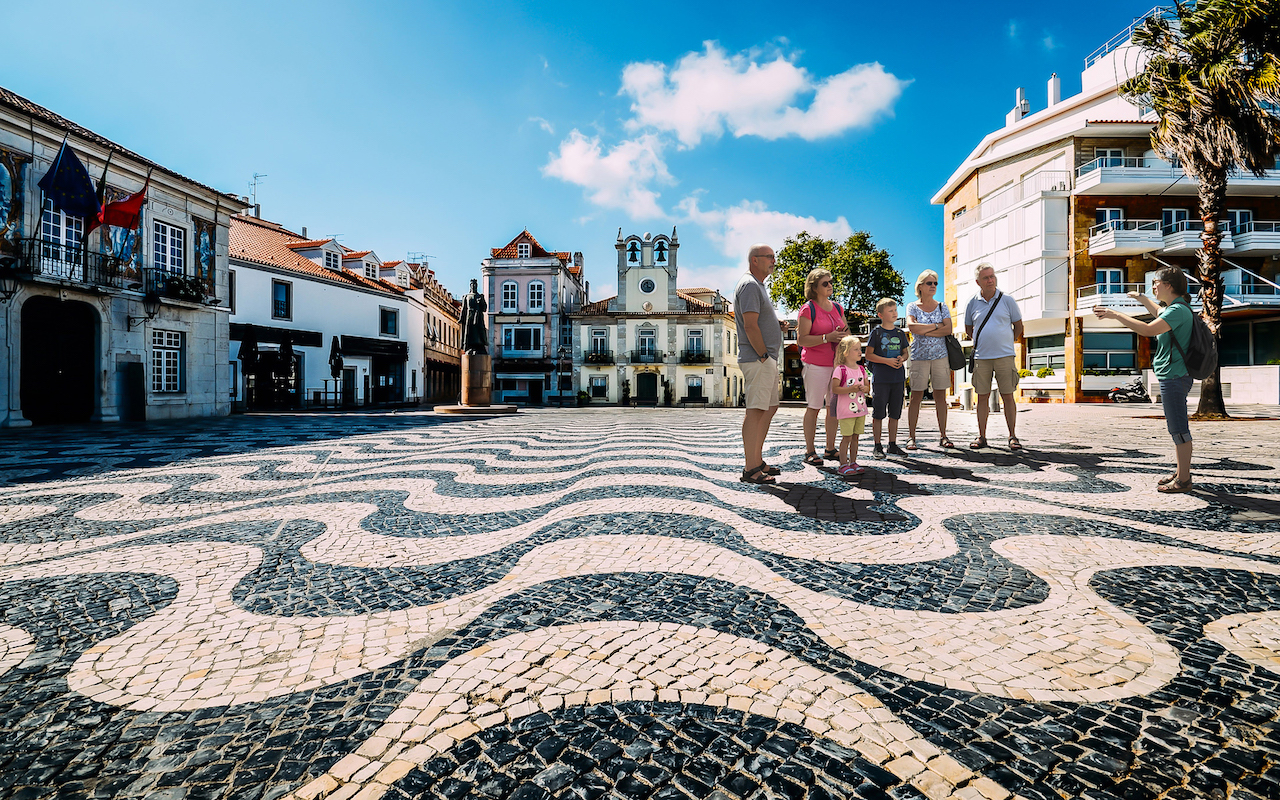
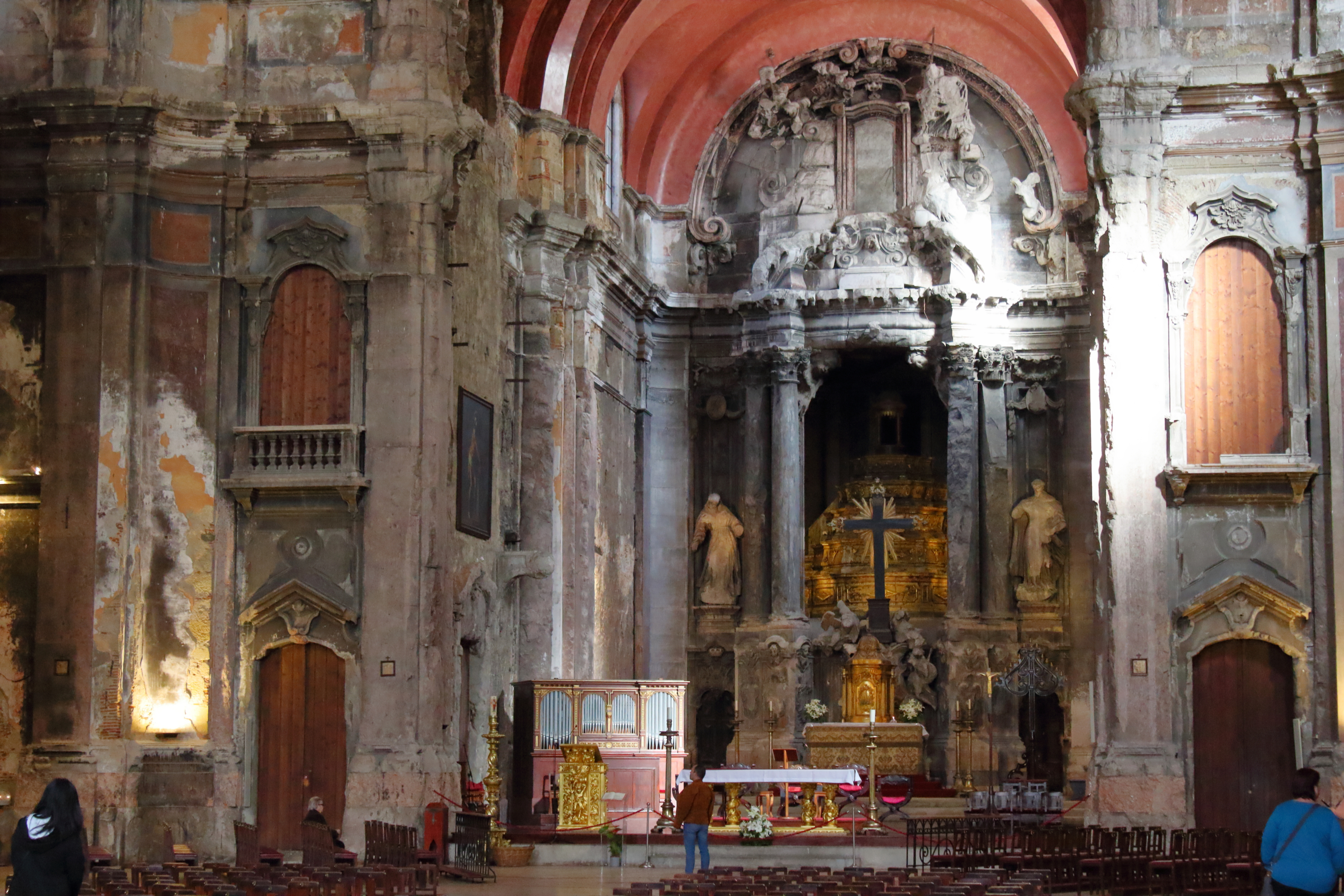
Highlights & Secrets of Lisbon Private Walking Tour
✓ Free cancellation Kids friendly
4.8(22 reviews)
From €124/ person
Book Now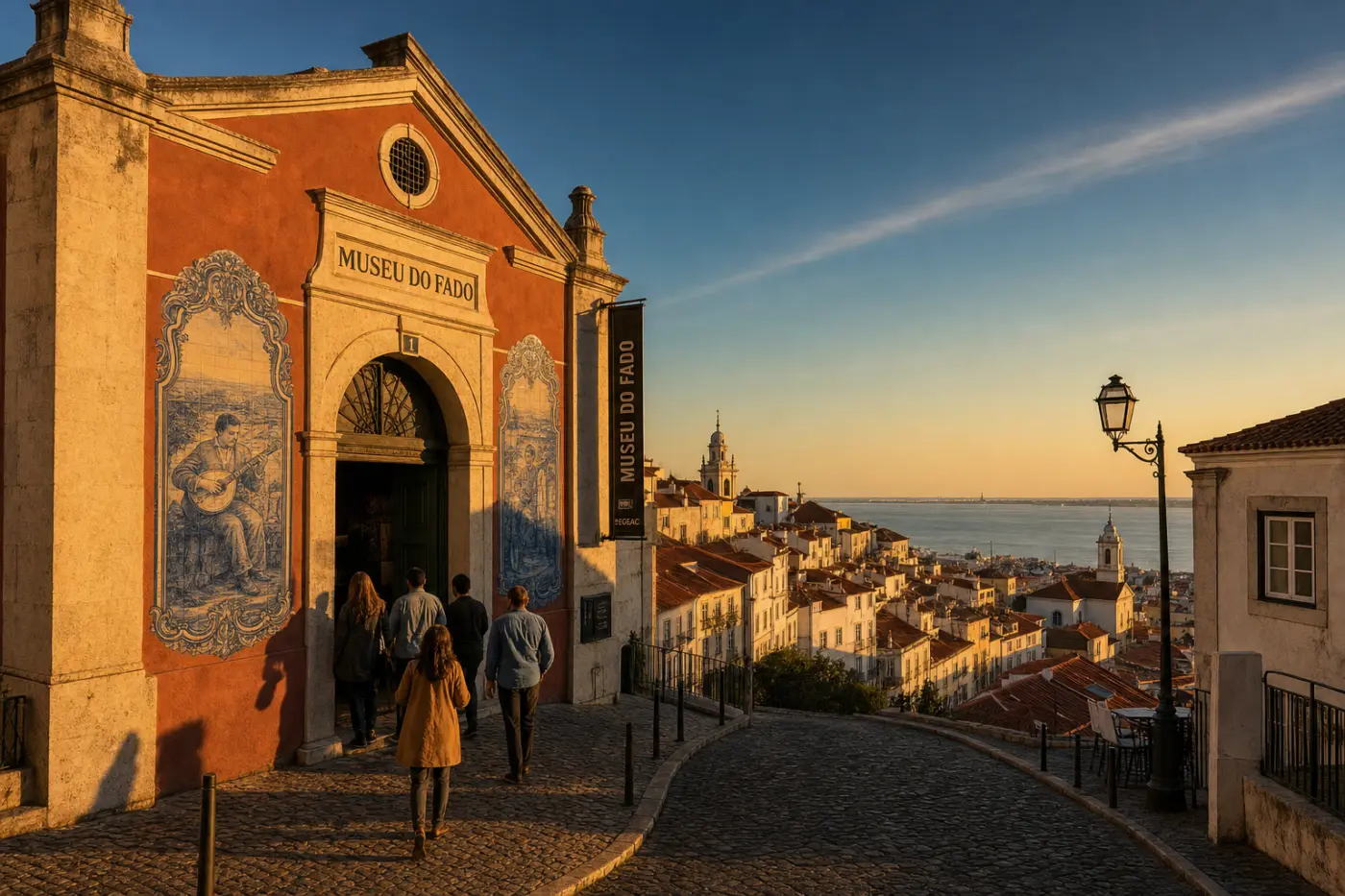
Tourist attraction
The Museu do Fado — officially known as the Museum of Fado — is Lisbon's foremost institution dedicated to preserving and interpreting fado, the melancholic urban song tradition that UNESCO inscribed on its Intangible Cultural Heritage list in 2011. Located in the Largo do Chafariz de Dentro in the Alfama district, the museum opened in 1998 inside a repurposed 19th-century water pumping station — a fitting choice, as Alfama has been fado's spiritual home since the genre crystallised there in the 1820s. The building's industrial bones, including its vaulted brick ceilings and iron structural elements, have been sensitively adapted to create an atmospheric sequence of galleries arranged around a sunken central courtyard. That courtyard itself functions as a performance space, hosting regular live fado sessions that transform a museum visit into an immersive cultural event.
The permanent collection spans more than two centuries of fado history and is organised chronologically and thematically across multiple rooms. Visitors move through the genre's murky origins — debated between African, Moorish, and Brazilian lundum influences — into its 19th-century crystallisation as a working-class Lisbon street song, and on through its golden age in the first half of the 20th century. That era is represented with extraordinary depth: original stage costumes, handwritten song sheets, and personal objects belonging to Amália Rodrigues (1920–1999), fado's most celebrated icon, occupy a dedicated section. Rodrigues's black shawl — the traditional *luto* garment she helped transform into fado's visual symbol — is among the most emotionally charged objects on display. The collection also honours male fado masters such as Alfredo Marceneiro and Carlos do Carmo, with instruments, recordings, and archival photographs that trace each artist's contribution to the genre's evolution.
A highlight of the museum is its audio-visual infrastructure. Listening stations distributed throughout the galleries allow visitors to select from an extensive archive of historical recordings, contrasting the raw, rough-edged fado vadio of the Alfama taverns with the polished studio productions of the Estado Novo era (1933–1974), when the Salazar regime co-opted fado as a symbol of national identity — a politically complex chapter the museum addresses with admirable candour. Interactive panels explain the role of the Portuguese guitar (*guitarra portuguesa*), a twelve-string instrument with a pear-shaped body descended from the English cittern, whose shimmering, metallic tone is inseparable from fado's sound. The museum also runs a dedicated fado school on its premises, the Escola de Fado, offering classes in singing and the guitarra portuguesa to both locals and visitors.
The Museu do Fado is open Tuesday through Sunday from 10:00 to 18:00, and is closed on Mondays and public holidays. Admission is €5 for adults, with reduced rates for seniors, students, and Lisbon Card holders (free with the card). The museum sits at the lower edge of Alfama, a five-minute walk from the Santa Apolónia train station and a short tram ride on the iconic Tram 28 route. Visiting on a weekend afternoon increases the chance of catching a spontaneous fado vadio performance in the courtyard. Given its compact footprint, the museum rewards a slow, listening-focused visit of about ninety minutes — plan to pair it with a walk uphill through Alfama's narrow lanes to the Miradouro da Graça for a full immersion in the neighbourhood that gave fado its soul.
Private tours with a local guide, at your own pace.
Lisboa
Lisboa
Lisboa

Lisboa
Lisboa
Lisboa

Lisboa
Lisboa
Lisboa
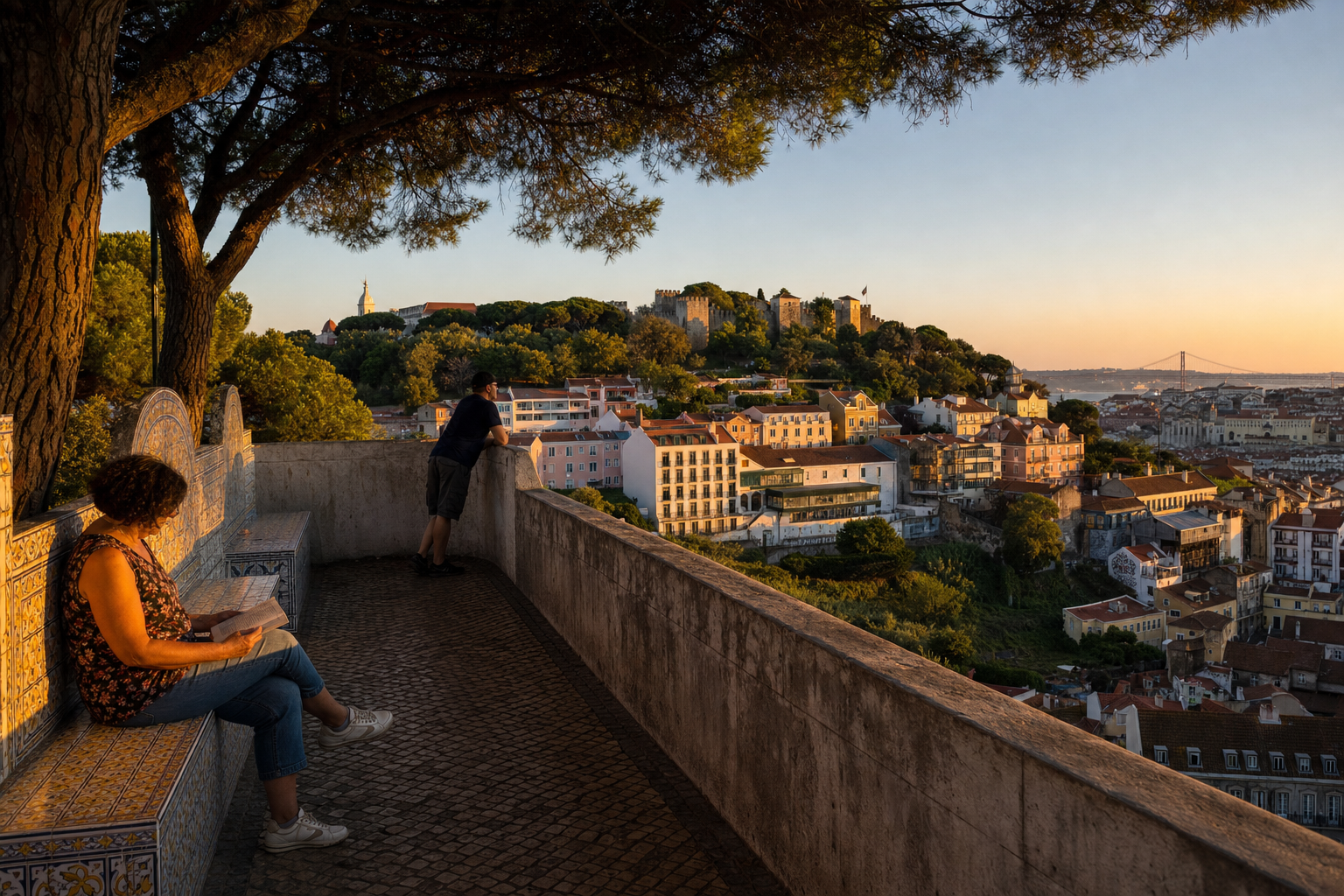
On the morning of 1 November 1755 — All Saints' Day — a catastrophic earthquake followed by a tsunami and fire destroyed roughly 85% of Lisbon. What you walk through today is, in large part, a city deliberately rebuilt from scratch. But not all of it. Alfama, clinging to its bedrock ridge above the Tagus, survived almost untouched. Mouraria, pressed against the castle hill, kept its labyrinthine medieval lanes. Belém, several kilometres west, was far enough from the epicentre to preserve its extraordinary Manueline monuments. These geological and historical accidents shaped the city's character as profoundly as any monarch or architect — and they explain why Lisbon's neighborhoods feel so radically different from one another, even when separated by a ten-minute walk. This guide goes beyond the postcard version. It digs into the specific histories, architectural DNA, and cultural layers that make each district genuinely distinct — and tells you what you'd actually miss if you only followed the crowds.
Read more →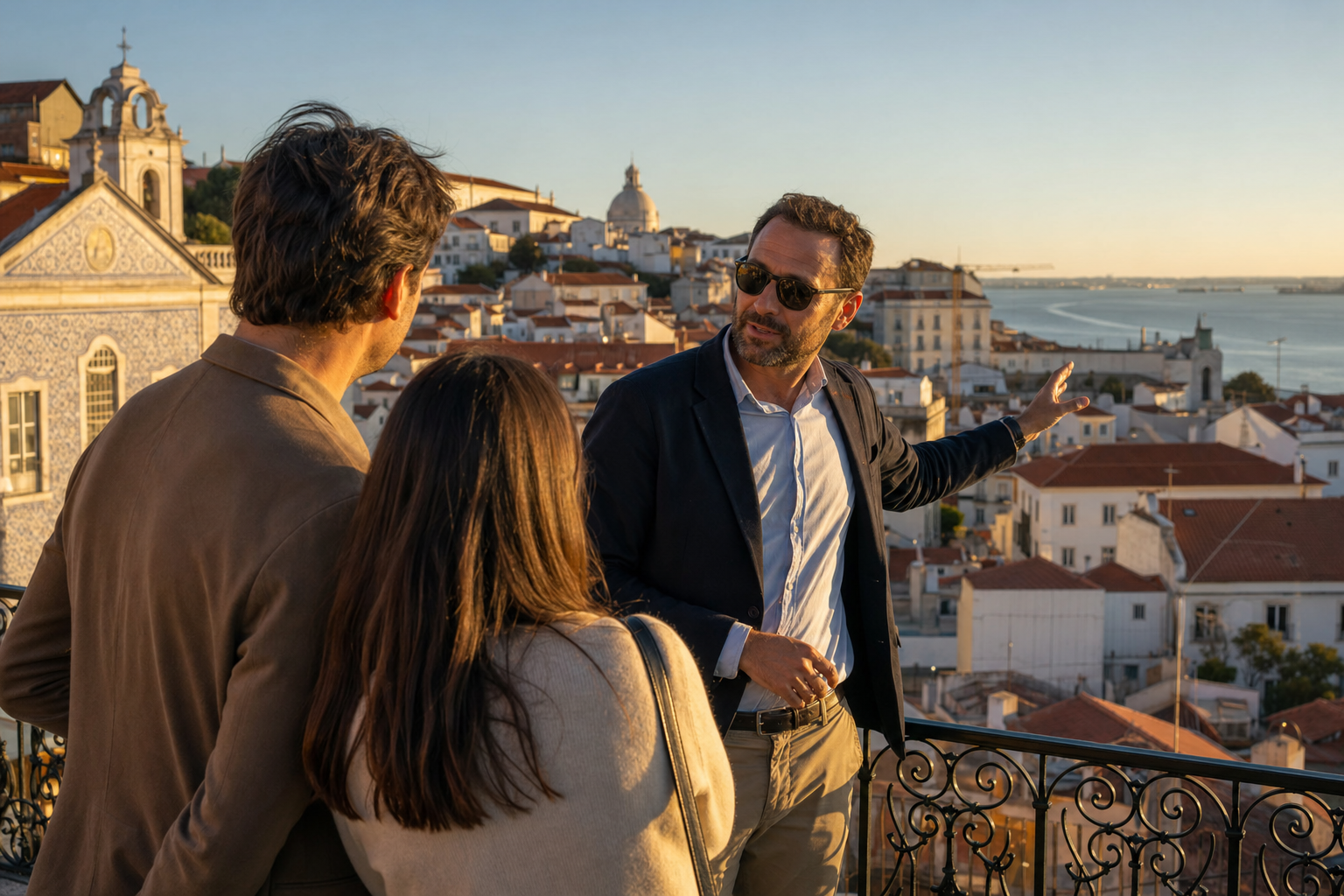
On the morning of 1 November 1755 — All Saints' Day — a catastrophic earthquake, followed by a tsunami and firestorm, killed between 30,000 and 40,000 people and erased the medieval centre of Lisbon in under six minutes. The city that rose from the rubble was rebuilt on an entirely different logic: the rational Pombaline grid of Baixa, named after the Marquis of Pombal who oversaw the reconstruction. That rupture still defines every street, tile panel, and viewpoint you encounter today — but almost no group tour has the time or flexibility to explain why. Lisbon is not one city; it is at least four, stacked across seven hills, shaped by a global maritime empire, a catastrophic earthquake, and centuries of cultural layering that even most visitors who have been here before have only scratched the surface of. That is precisely why private tours in Lisbon work so differently from anywhere else in Europe — and why getting them right matters.
Read more →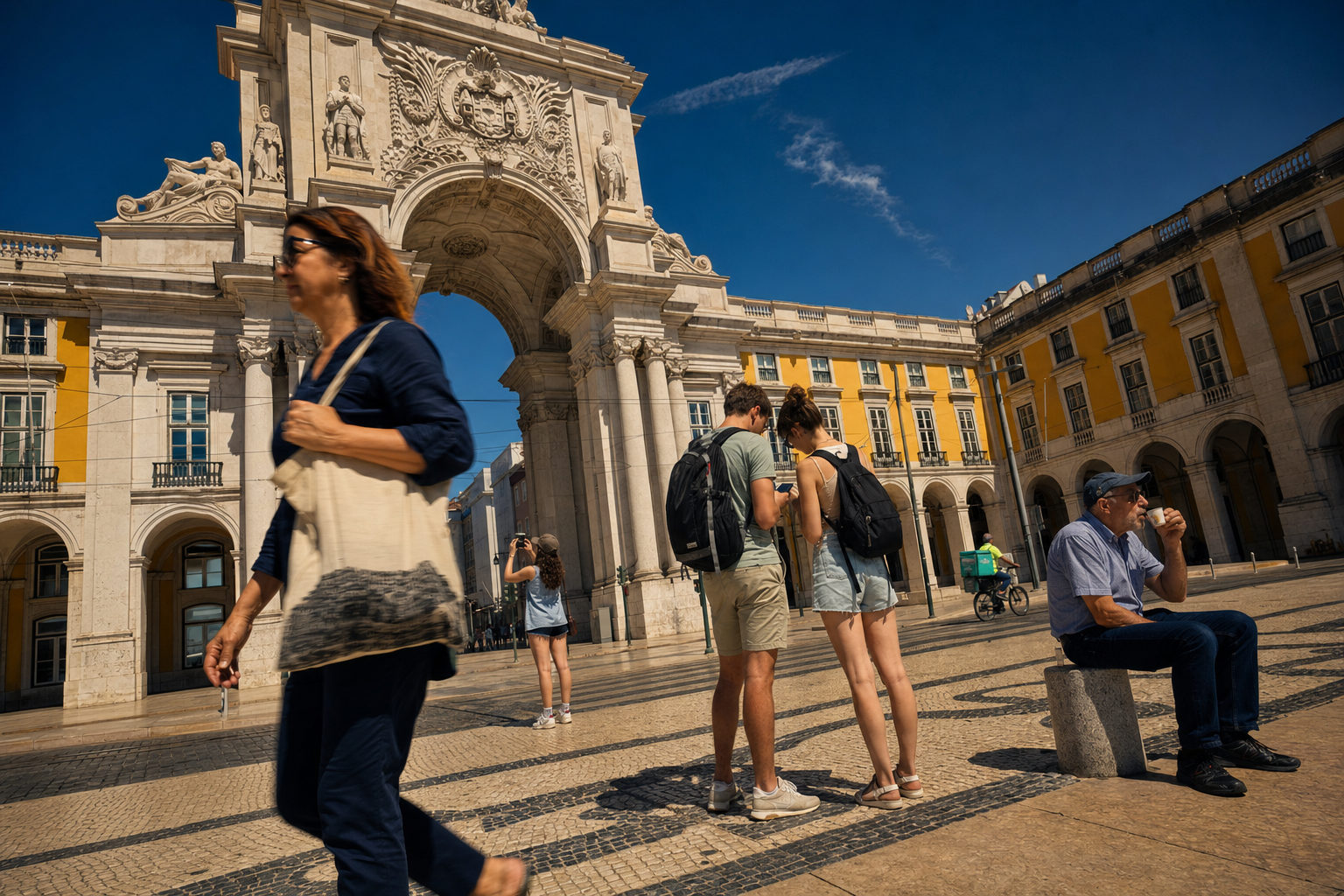
At 9:40 on the morning of 1 November 1755 — All Saints' Day, when most of Lisbon's population was inside a church — an earthquake estimated between 8.5 and 9 on the Richter scale struck the city. Three separate tremors, a tsunami, and fires that burned for five days killed between 30,000 and 40,000 people and levelled roughly 85% of the built environment. The Marquis of Pombal rebuilt the lower city from scratch on a rational Enlightenment grid — one of the first planned urban rebuilds in European history. But one neighbourhood didn't fall. Alfama, the ancient Moorish quarter, sat on solid schist bedrock and held. The street pattern you walk today is the one laid down before the 12th century. That single geological accident is the reason Lisbon feels unlike any other Western European capital: its oldest layers weren't buried under 19th-century renovation. They stayed visible, walkable, and inhabited. A long weekend in Lisbon — three full days, properly structured — is enough time to feel that depth across millennia of empire, faith, and fado. But only if you spend those days the right way.
Read more →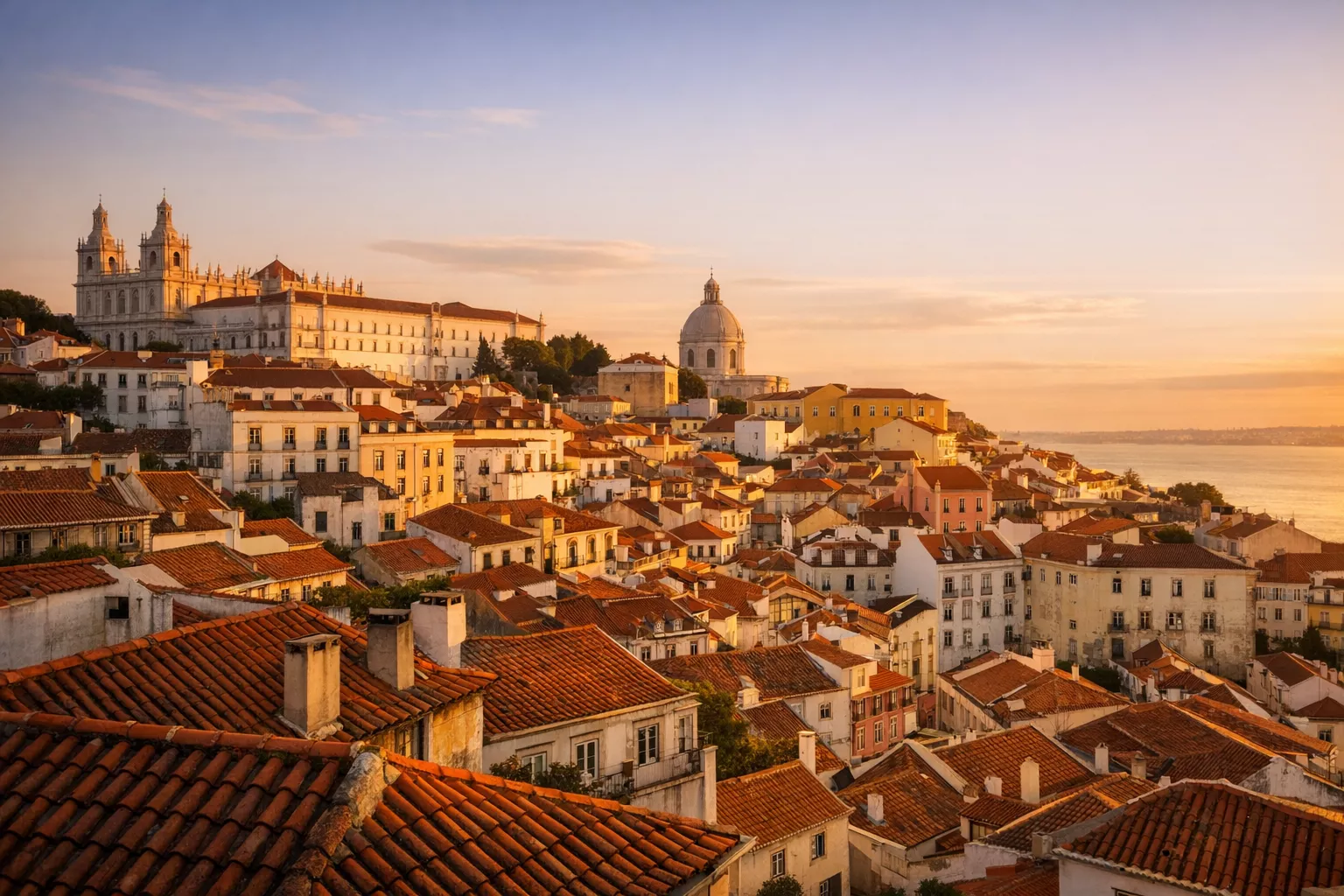
Discover the vibrant city of Lisbon, where history, culture, and gastronomy blend together perfectly. Whether you're a history buff, a foodie, or an adventurer, this guide will reveal the top things to do in Lisbon, along with links to exclusive local tours.
Read more →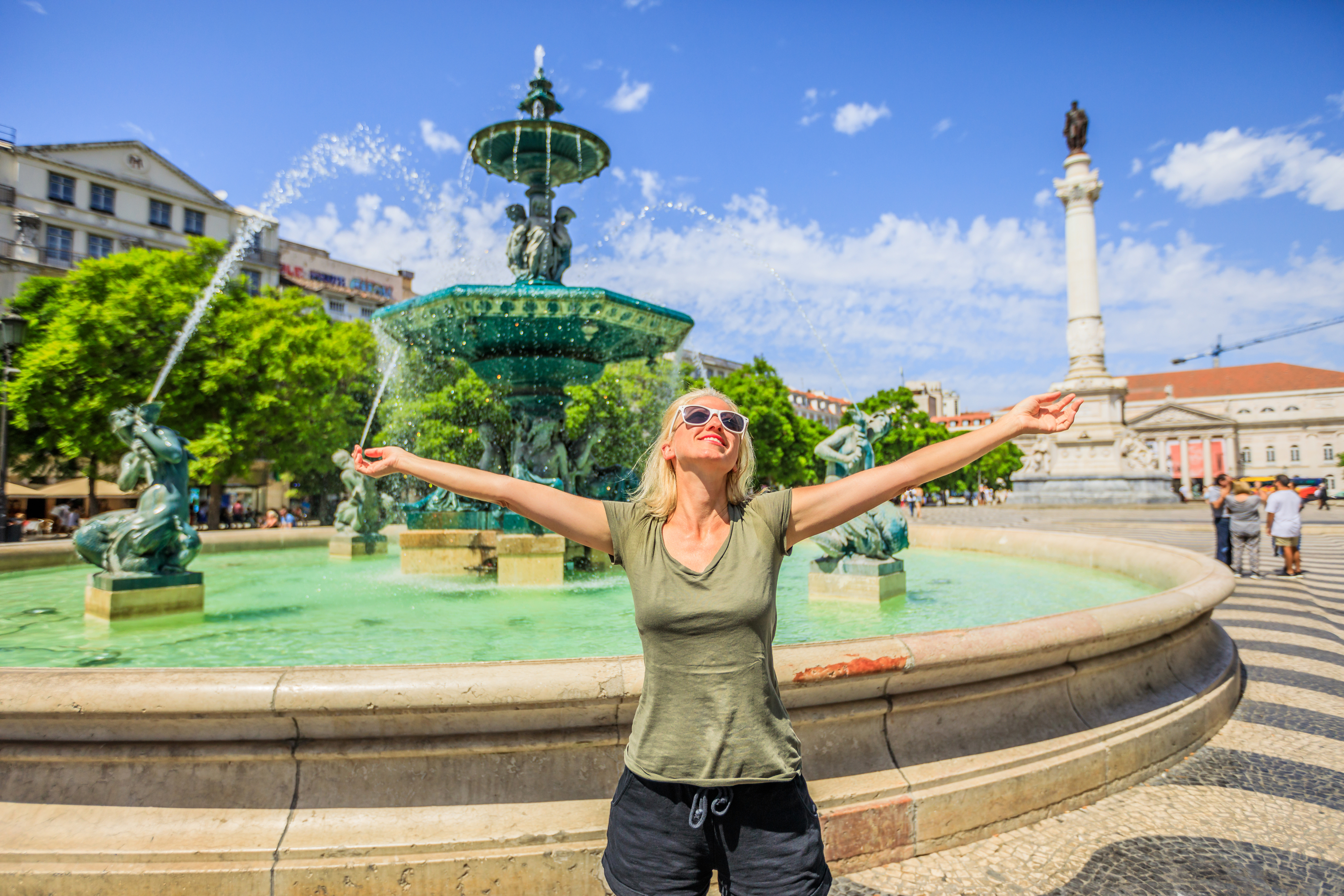
Lisbon, the capital city of Portugal, is a vibrant and enchanting destination that offers a perfect blend of history, culture, and natural beauty. From its picturesque neighborhoods to its stunning architectural landmarks, Lisbon has something to offer every traveler. Whether you have just a few days or a whole week, this city will captivate you with its charm and allure.
Read more →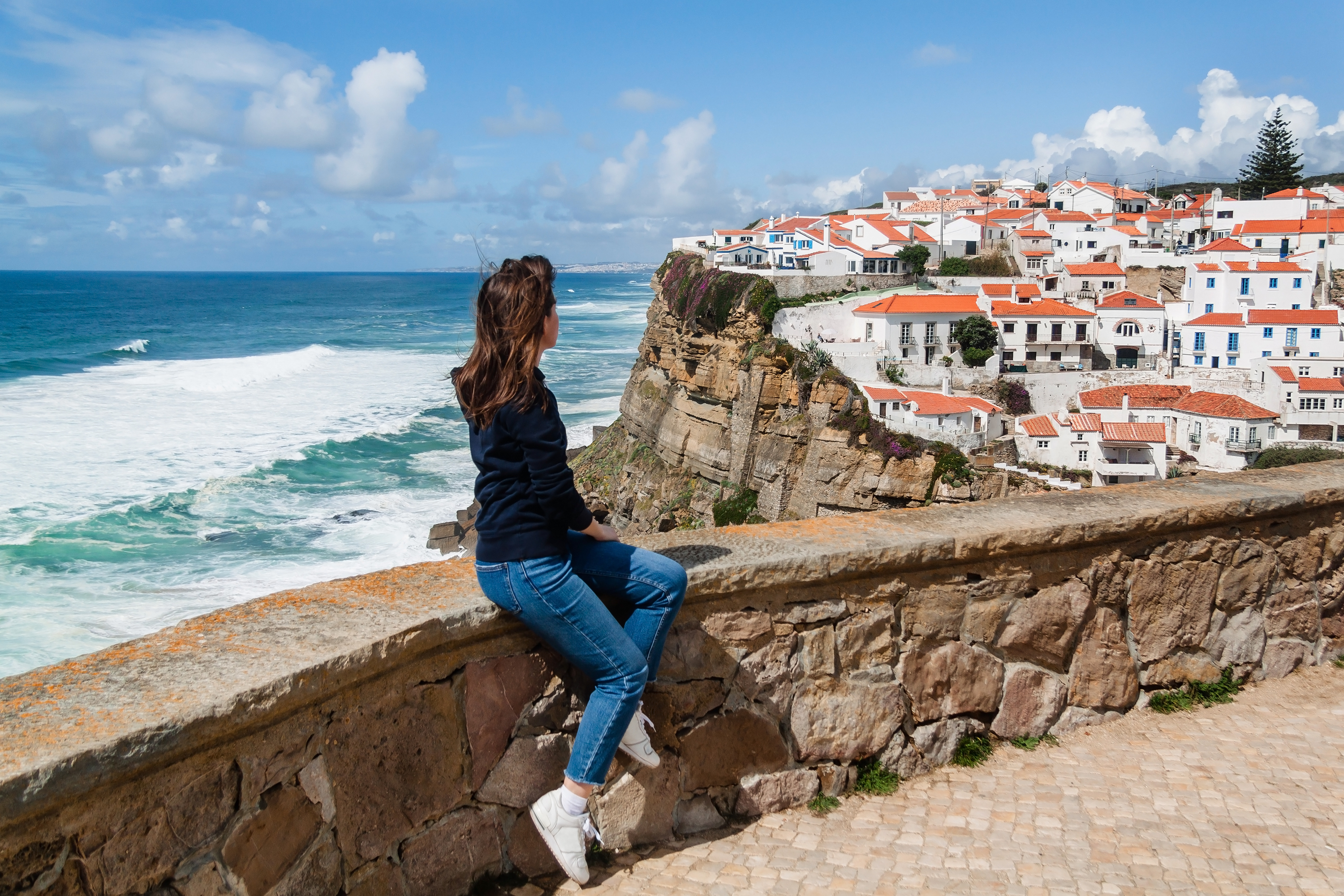
In the vicinity of Lisbon there are many beautiful villages and places to visit on day trips. At any time of the year, you can discover small towns, palaces, castles, beaches and beautiful landscapes. Signing up for a private tour with a local guide can be a very good option, so that you don't miss any detail, learn about history, while optimising time and money. Otherwise, it is also possible to do it on your own, thanks to public transport or rental cars. Which places do we recommend?
Read more →We use a single cookie, to remember this choice. We do not use analytics or advertising cookies. Read our cookie policy.