5 hrs
Vienna
Vienna Private Full Day Tour – Tickets to Schönbrunn Palace & Lunch
✓ Free cancellation Kids friendly
4.8(44 reviews)
From €405/ person
Book Now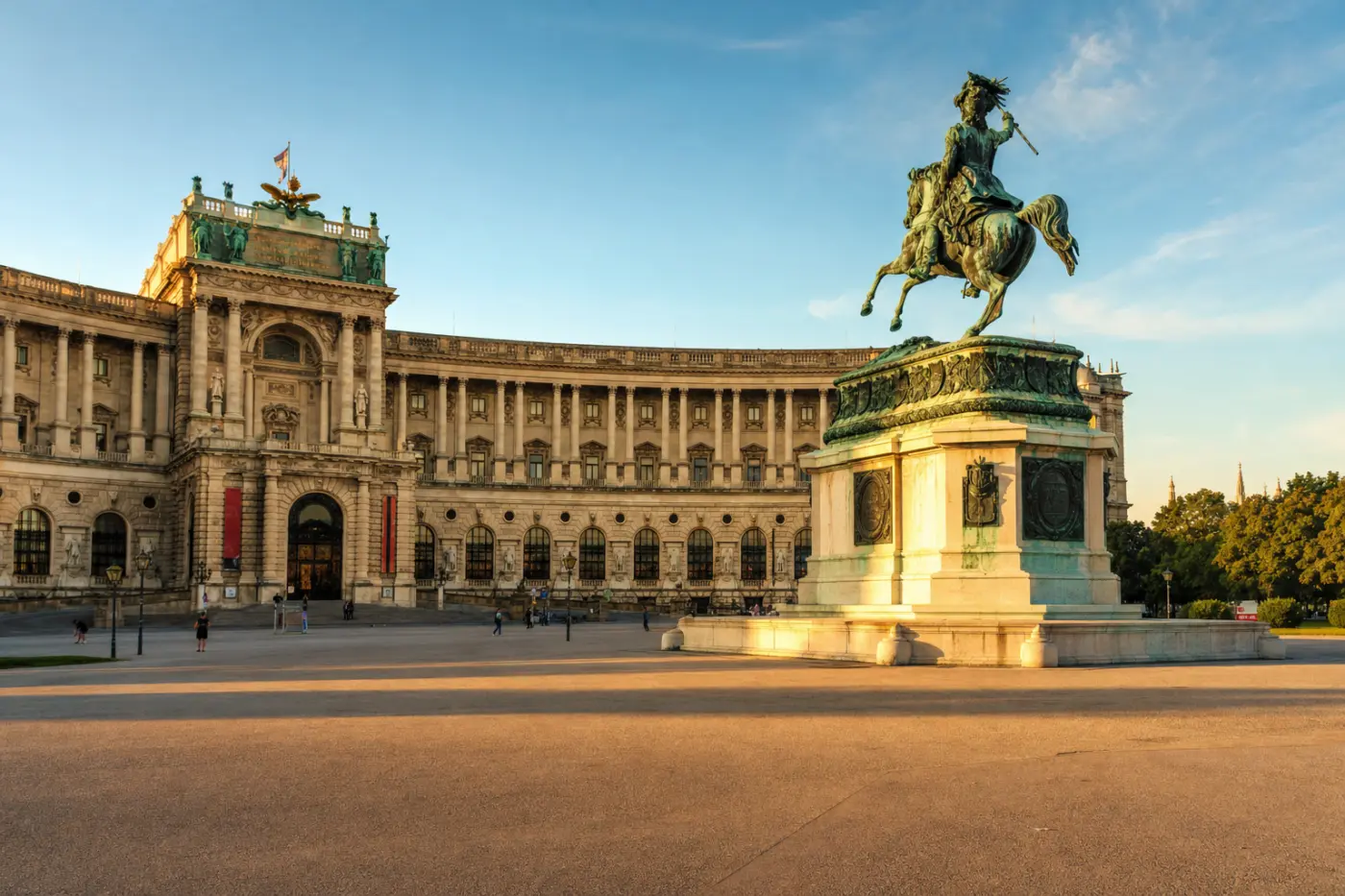
Tourist attraction
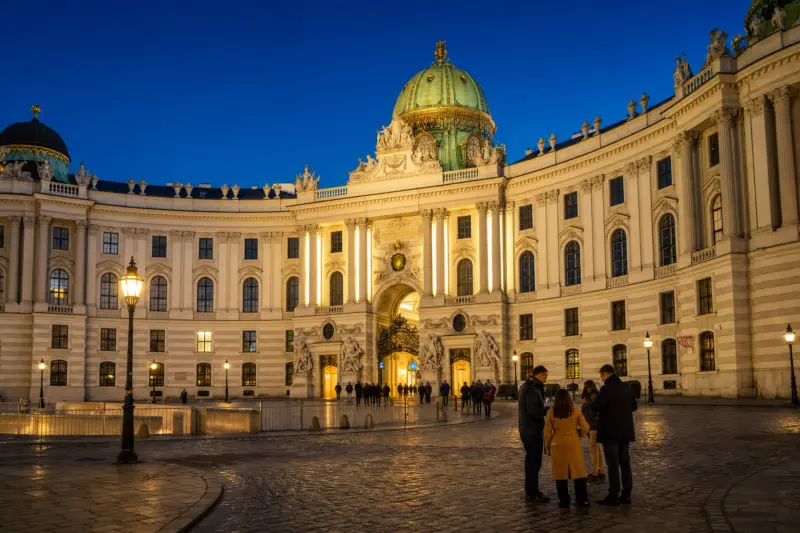
Heldenplatz — German for Heroes' Square — sits at the ceremonial heart of Vienna's 1st district, framed by some of the most monumental architecture in Central Europe. Its origins trace to the early 19th century, when Napoleonic troops demolished a section of the city's medieval fortifications. Rather than rebuilding, the Habsburg authorities left the cleared ground open, eventually integrating it into an enormously ambitious urban project: a grand Kaiserforum, or Imperial Forum, conceived under Emperor Franz Joseph I as a physical expression of Habsburg supremacy. The forum was never completed as planned, but what remains — the sweeping open plaza, the curving Neue Burg wing, and the flanking gardens of the Volksgarten and Burggarten — still conveys the staggering scale of that vision. The Ringstrasse boulevard, itself inaugurated in 1865 as a showcase of imperial Vienna, defines the square's southwestern edge.
Two bronze equestrian statues anchor the centre of the square and give it its heroic name. The first, unveiled in 1860, honours Archduke Charles of Austria, the Habsburg commander who defeated Napoleon at the Battle of Aspern in 1809 — the French emperor's first major battlefield defeat. The second, completed in 1865, depicts Prince Eugene of Savoy, the brilliant military strategist who broke Ottoman power at the Battle of Zenta in 1697 and helped secure Belgrade in 1717. Between them stands the Burgtor, a neoclassical gate built between 1821 and 1824 to commemorate the 1813 Battle of Leipzig, which today serves as Austria's primary military memorial. The Neue Burg, the square's great curved backdrop completed in 1913, now houses the Weltmuseum Wien, the Ephesus Museum, and significant collections of the Austrian National Library.
No honest account of Heldenplatz can omit March 15, 1938. On that afternoon, Adolf Hitler stepped onto the balcony of the Neue Burg and proclaimed Austria's annexation into the German Reich — the Anschluss — to a vast crowd gathered on the square below. The event remains one of the 20th century's most chilling moments of political theatre, and the balcony is still visible today, an unremarkable architectural feature carrying extraordinary historical weight. The square has since been reclaimed for more hopeful purposes: it hosts Vienna's annual Festival of Joy each May 8th, commemorating the unconditional surrender of Nazi Germany in 1945, and has welcomed large public gatherings including climate demonstrations attended by figures such as Greta Thunberg and Arnold Schwarzenegger.
Admission to Heldenplatz is free at all hours — it is an open public square — making it one of Vienna's most accessible grand spaces. Arrive early in the morning or at golden hour to photograph the Neue Burg's curved sandstone facade without crowds and in the best light. The square connects seamlessly with the Hofburg Palace complex, the Volksgarten (home to a celebrated Empress Elisabeth monument), and the Burggarten, where a famous bronze of Mozart stands. For those wanting historical depth, guided tours of the Hofburg area regularly include Heldenplatz and provide context that the square itself, in its openness, can only hint at.
Private tours with a local guide, at your own pace.
Vienna
Vienna
Vienna
Vienna
Vienna
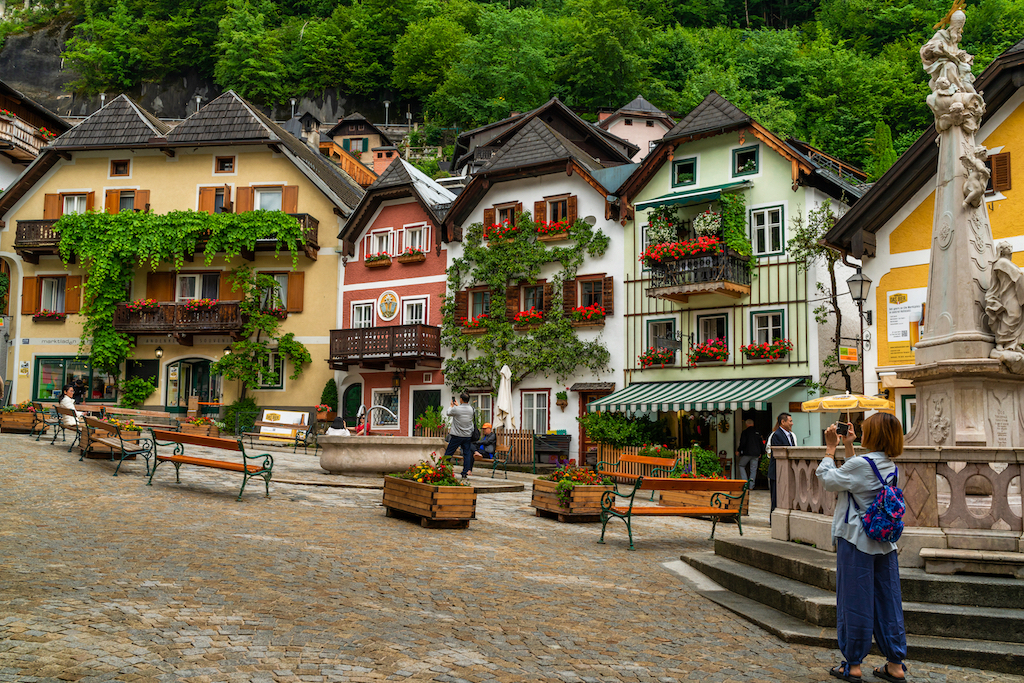
Vienna
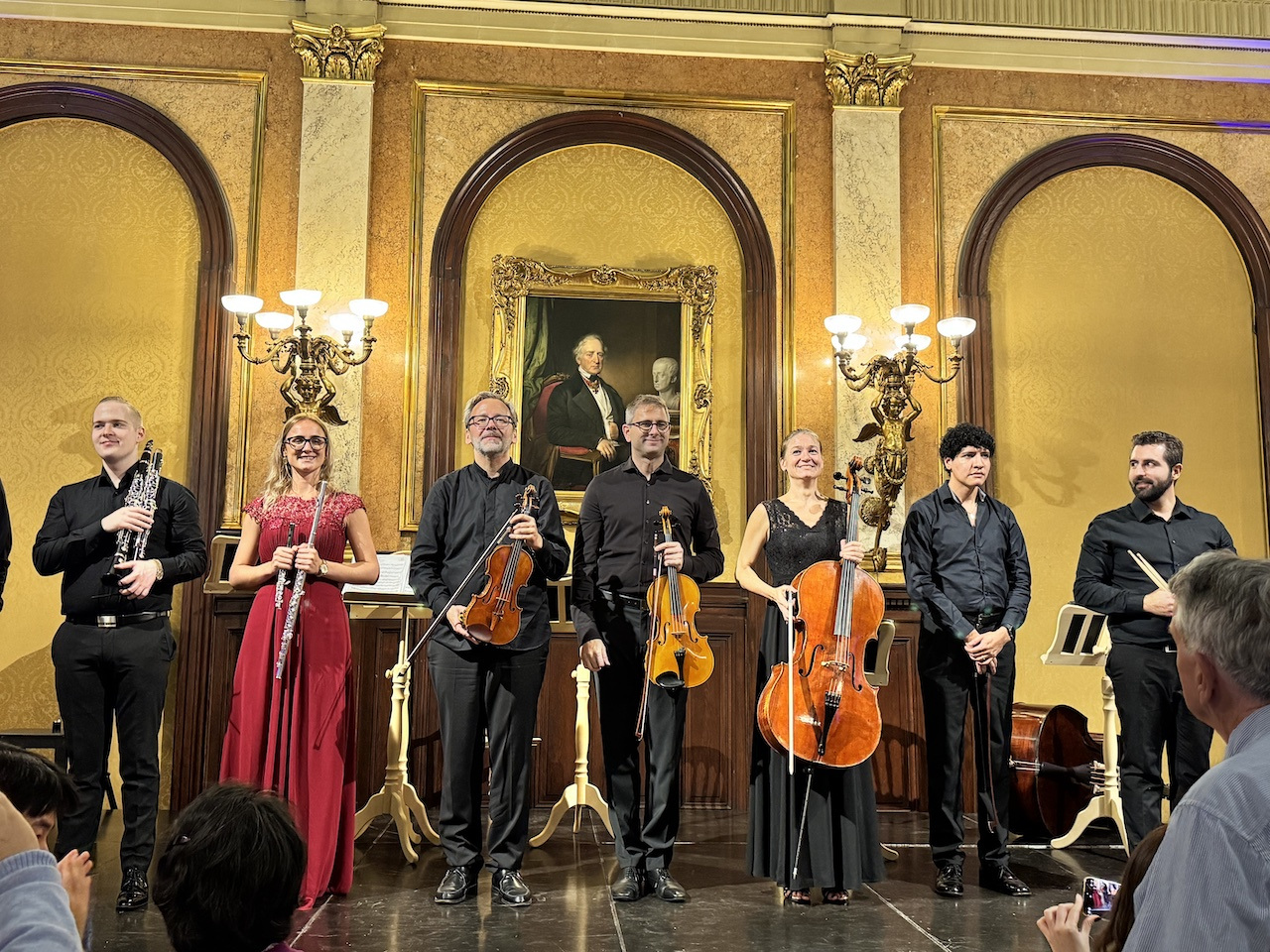
Vienna
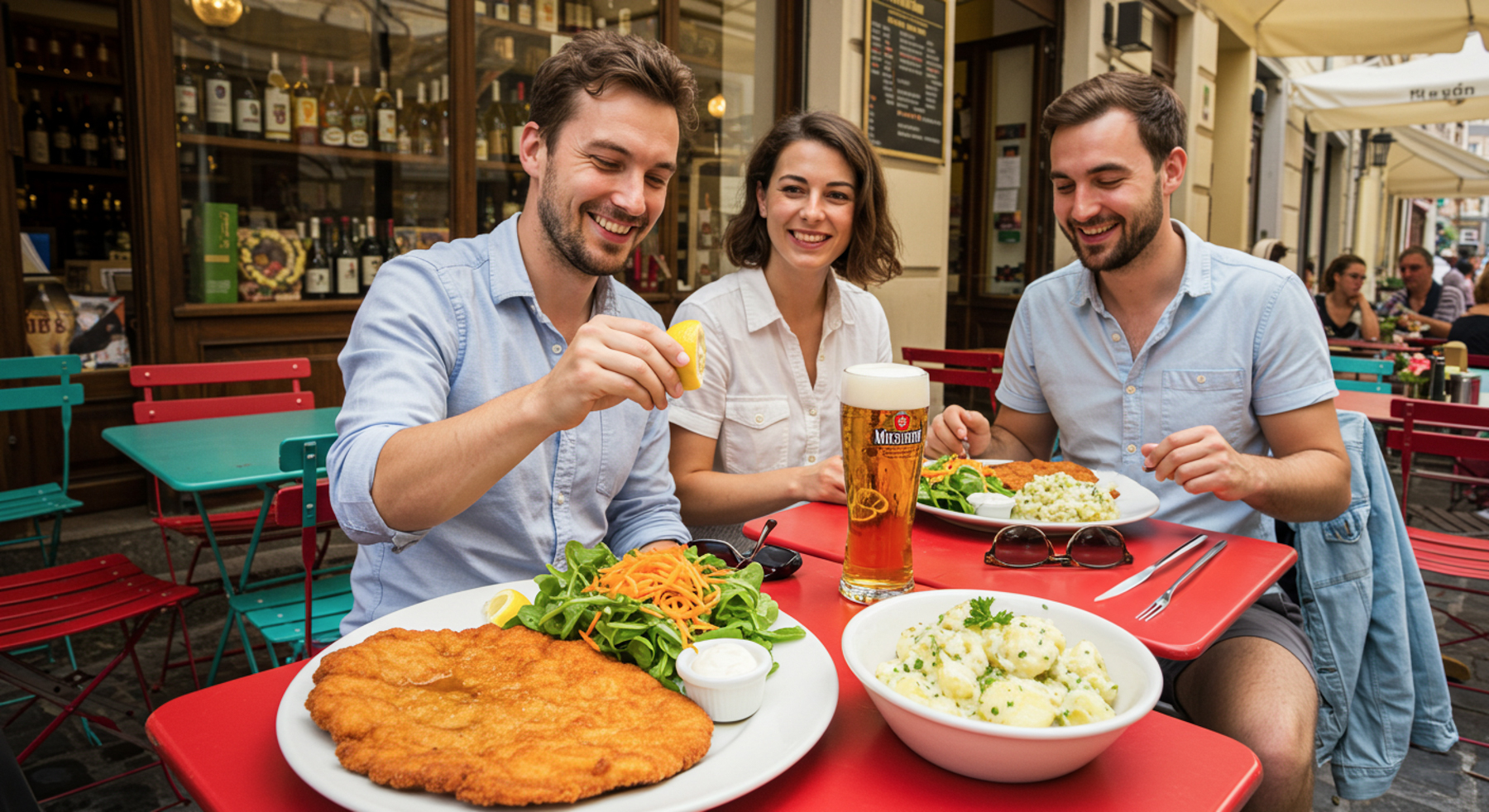
Vienna
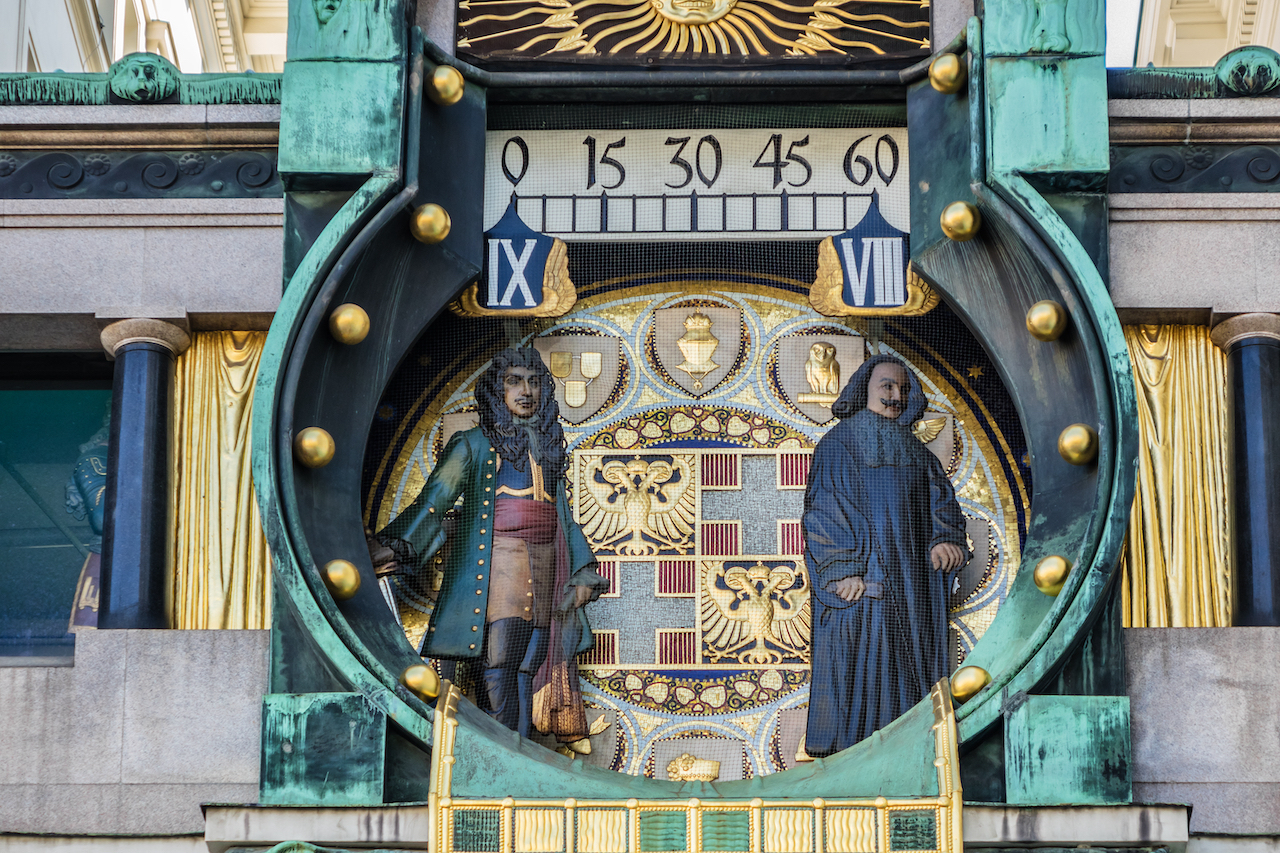
Vienna
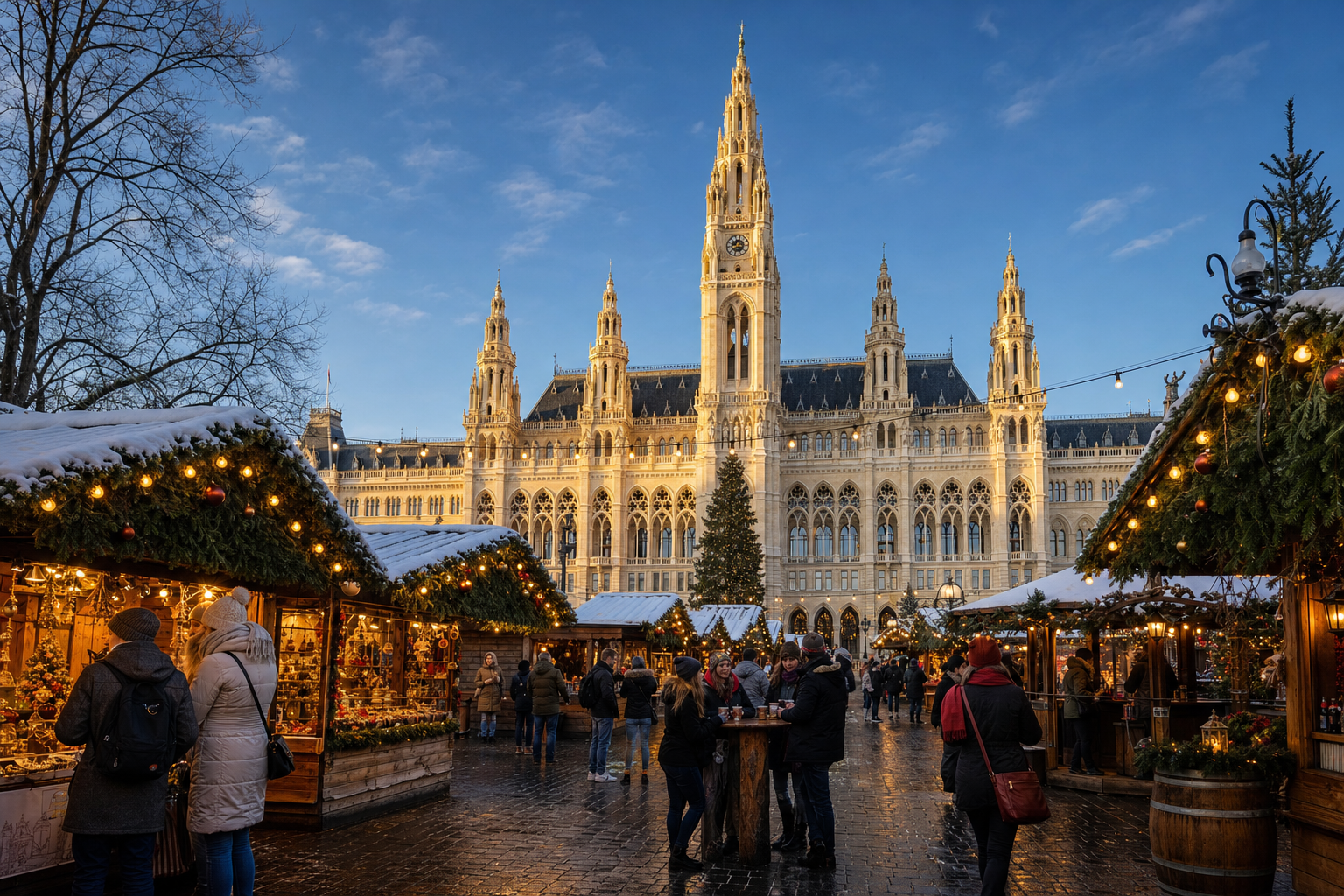
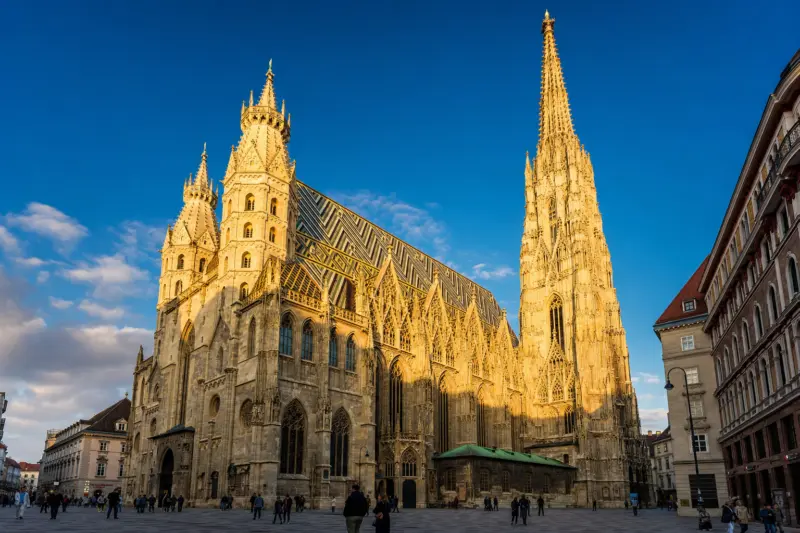
On the 20th of November 2026, the lights go on at the Rathausplatz Christmas market — and Vienna becomes, for five weeks, the most convincing argument anyone has made for winter travel. The Austrian capital hosts not one but a constellation of Advent markets, each anchored to a landmark of world historical significance: a Gothic cathedral begun in 1137, a Baroque imperial palace with 1,441 rooms, a Neo-Gothic city hall whose tower clears 98 metres. This is not the Christmas market circuit of fairy-lit sheds and mass-produced ornaments. Vienna's markets sit inside one of the densest concentrations of monumental architecture in Europe, and the 2026 season adds a brand-new market at Schwarzenbergplatz to an already remarkable lineup. Whether you are planning your first December in Vienna or your fifth, the 2026 calendar has enough new details — and enough enduring magic — to justify reading every word of what follows.
Read more →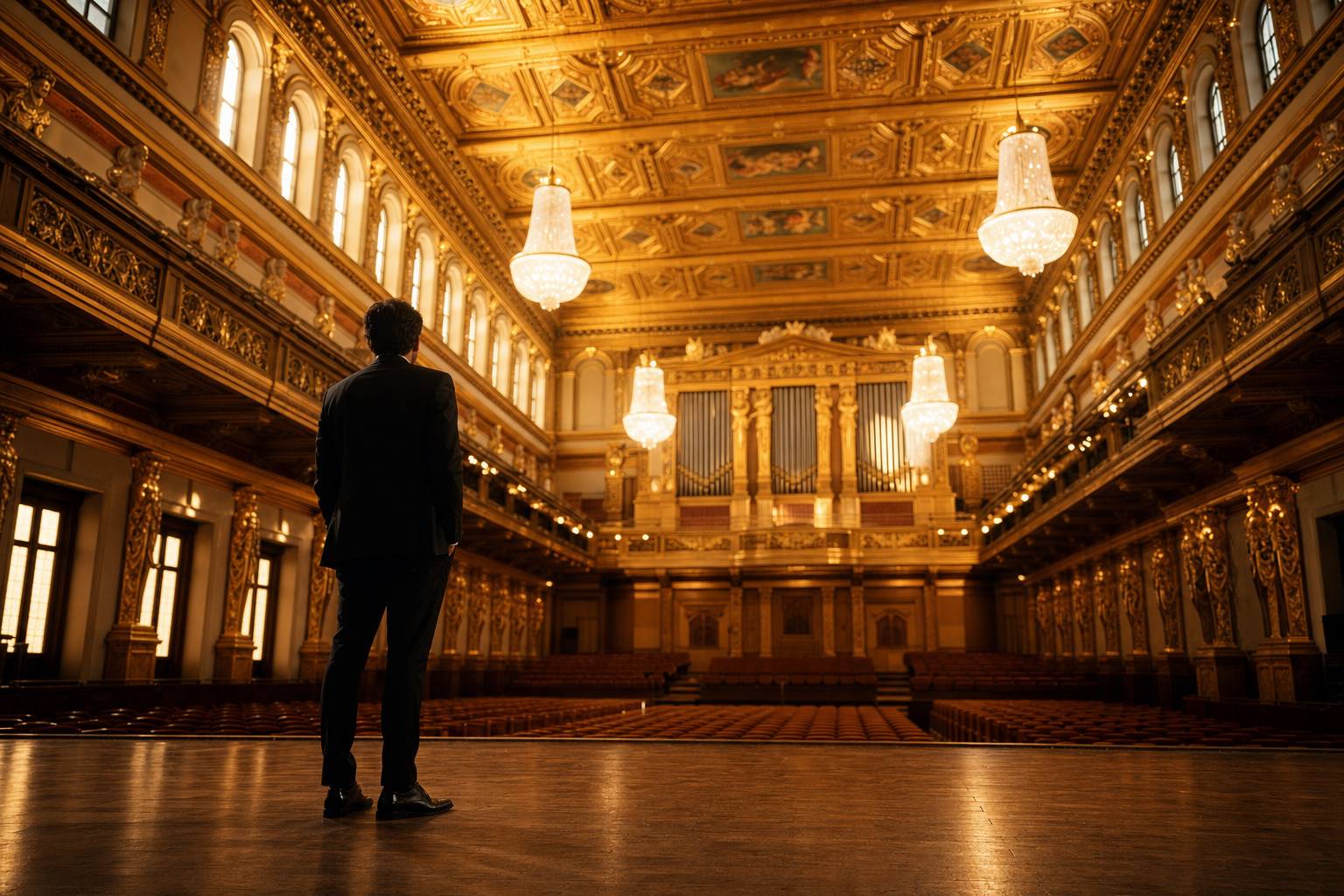
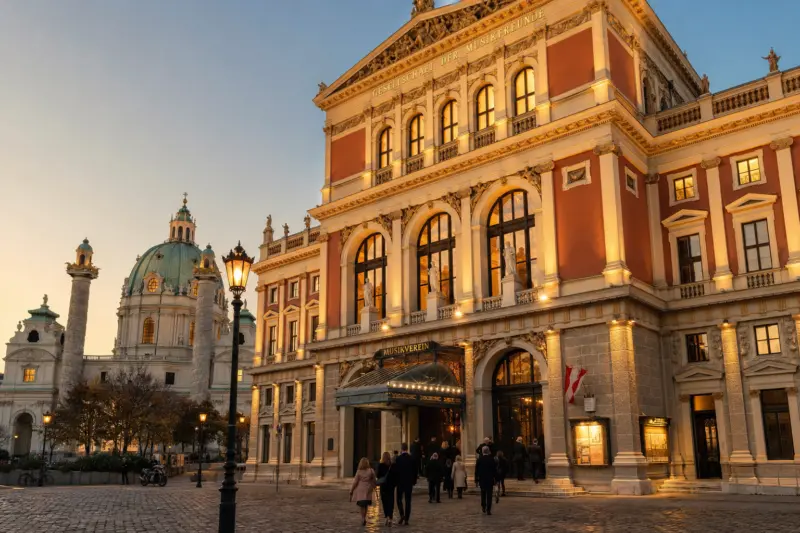
On the night of 30 September 1791, The Magic Flute premiered at the Theater auf der Wieden in Vienna — just ten weeks before Mozart died at 35. That a composer on the edge of poverty could still produce one of opera's most enduring works in this city is not a coincidence. Vienna didn't simply attract great composers; it manufactured the conditions for greatness. The Habsburg imperial court poured money into music for two centuries, aristocratic families competed for prestige through the composers they sponsored, and by the mid-19th century, the bourgeoisie had taken over that role — filling salons and concert halls with an appetite for live performance that has never really stopped. Today Vienna remains the only city on earth where the classical tradition isn't a museum piece but a living, breathing part of daily life: the Vienna Philharmonic still rehearses in the same Musikverein built in 1870, and you can hear Mozart performed within walking distance of the apartment where he wrote it. This guide explains why — and how to experience it fully.
Read more →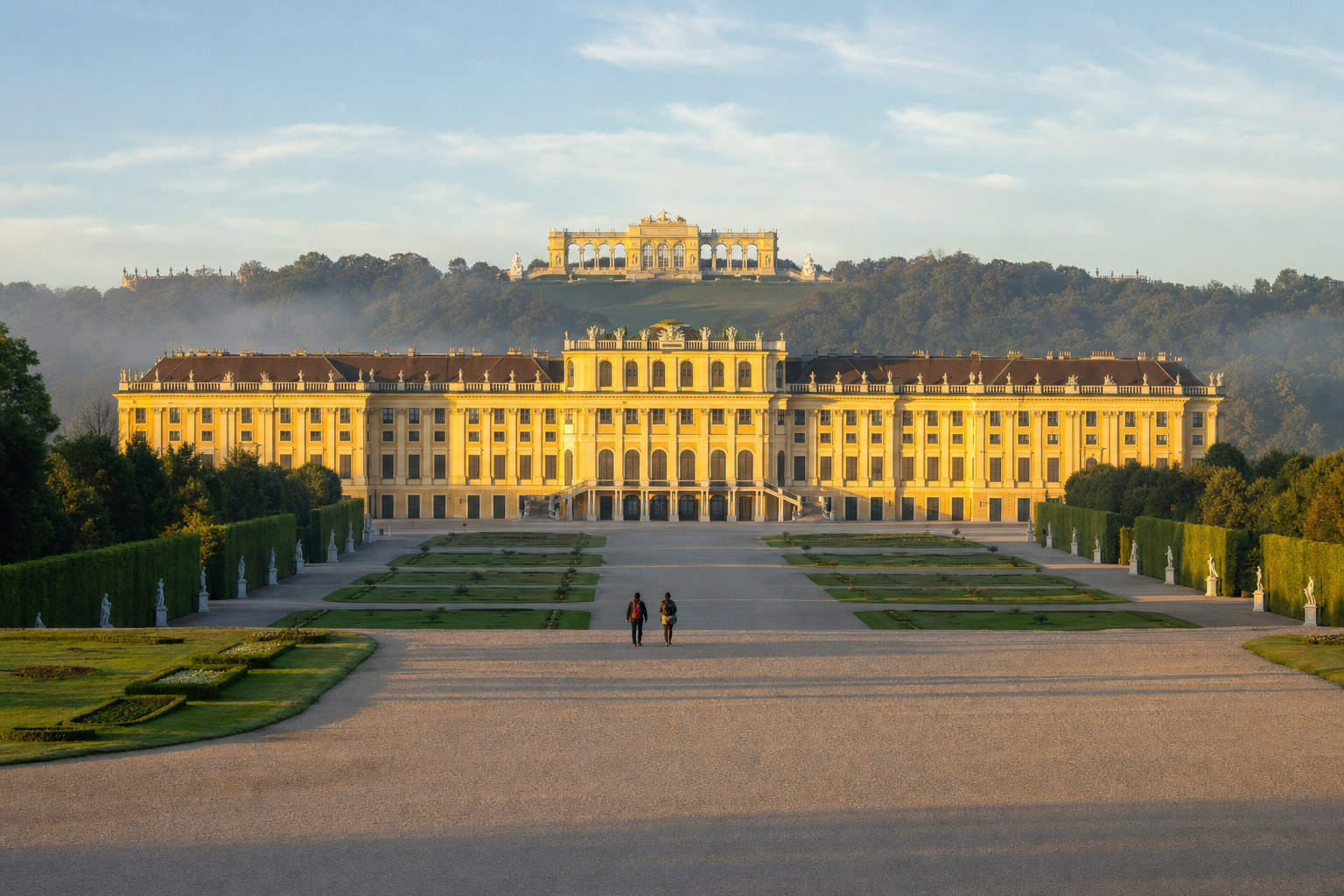
When the Habsburg court needed to escape the summer heat of the Hofburg, they didn't travel far — they didn't need to. Vienna sits at one of Europe's great geographical crossroads: the eastern edge of the Alps, where the Danube cuts through limestone gorges before fanning out across the Pannonian Plain. That position, refined over seven centuries of imperial ambition, means that monasteries, wine valleys, spa towns, and forested hilltops all cluster within 100 kilometres of the city centre. Vienna is, by any measure, the most populous city on the entire length of the Danube — and that river is the artery along which the most memorable day trips flow. The Wachau Valley, a UNESCO World Heritage Site since 2000, begins barely 80 km upstream. Baroque abbeys, Roman thermal springs, and a castle where an English king once languished in captivity are all reachable before lunch. If you've given Vienna a day or two and feel the pull to go further, you're in exactly the right city for it.
Read more →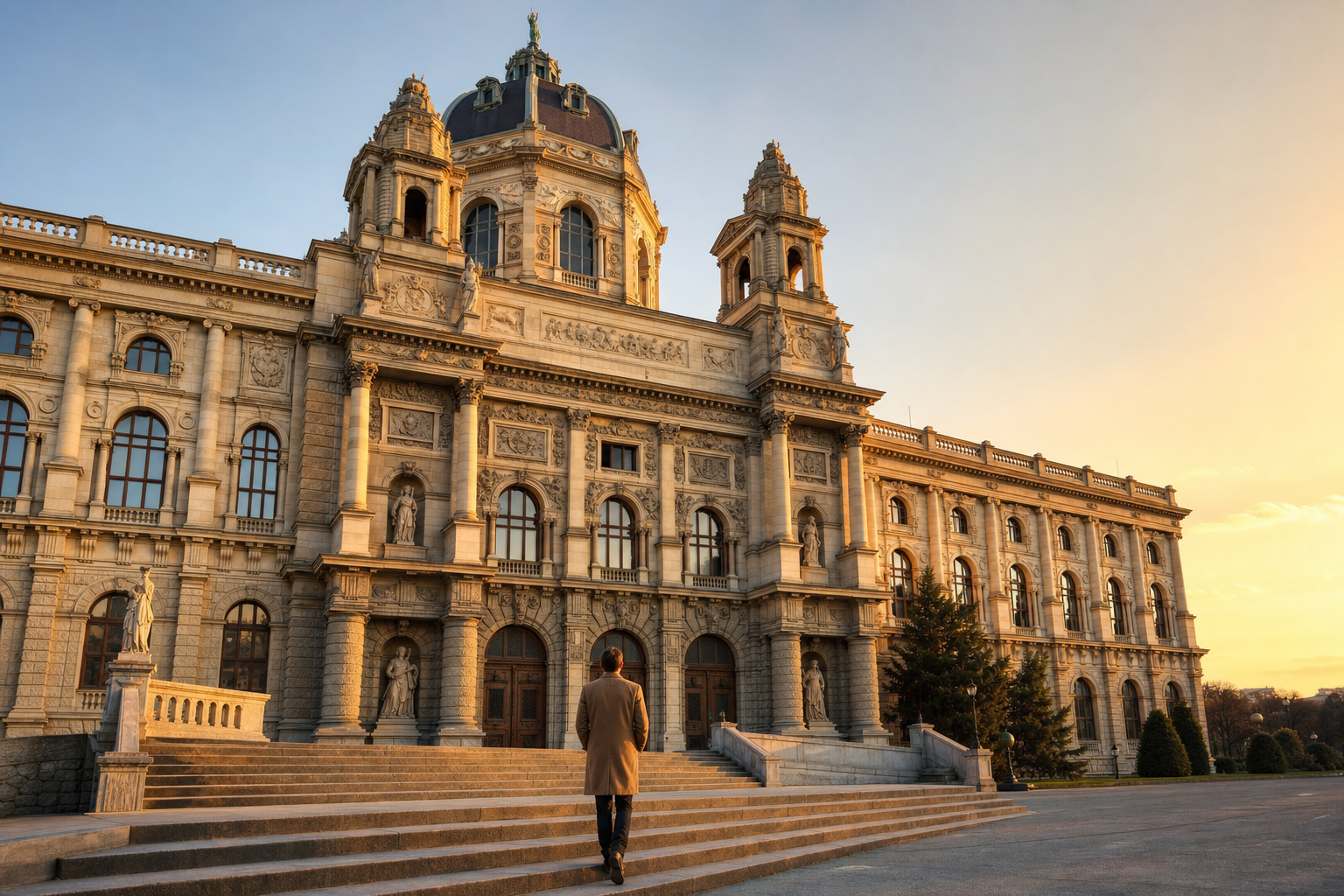
In 1857, Emperor Franz Joseph I signed a single decree that erased Vienna's medieval city walls and replaced them with one of the most choreographed urban boulevards in European history. What rose in their place — the Ringstrasse — was not just a road but a statement of imperial ambition encoded in stone, marble, and political symbolism. Today, Vienna remains the 5th-largest city in the EU by population, yet at its Habsburg peak it governed over 50 million people across a dozen languages and cultures. That weight of history doesn't announce itself. It hides in the geometry of a palace courtyard, in the separate resting places of a dead emperor's heart, entrails, and body, in the deliberate Gothic silhouette of a city hall designed to honour civic — not royal — power. A two-hour bus tour skims the surface of all this. A Vienna private tour, led by a local who has spent years decoding the city's layers, is something categorically different. This guide explains exactly why — and helps you find the right experience for your visit.
Read more →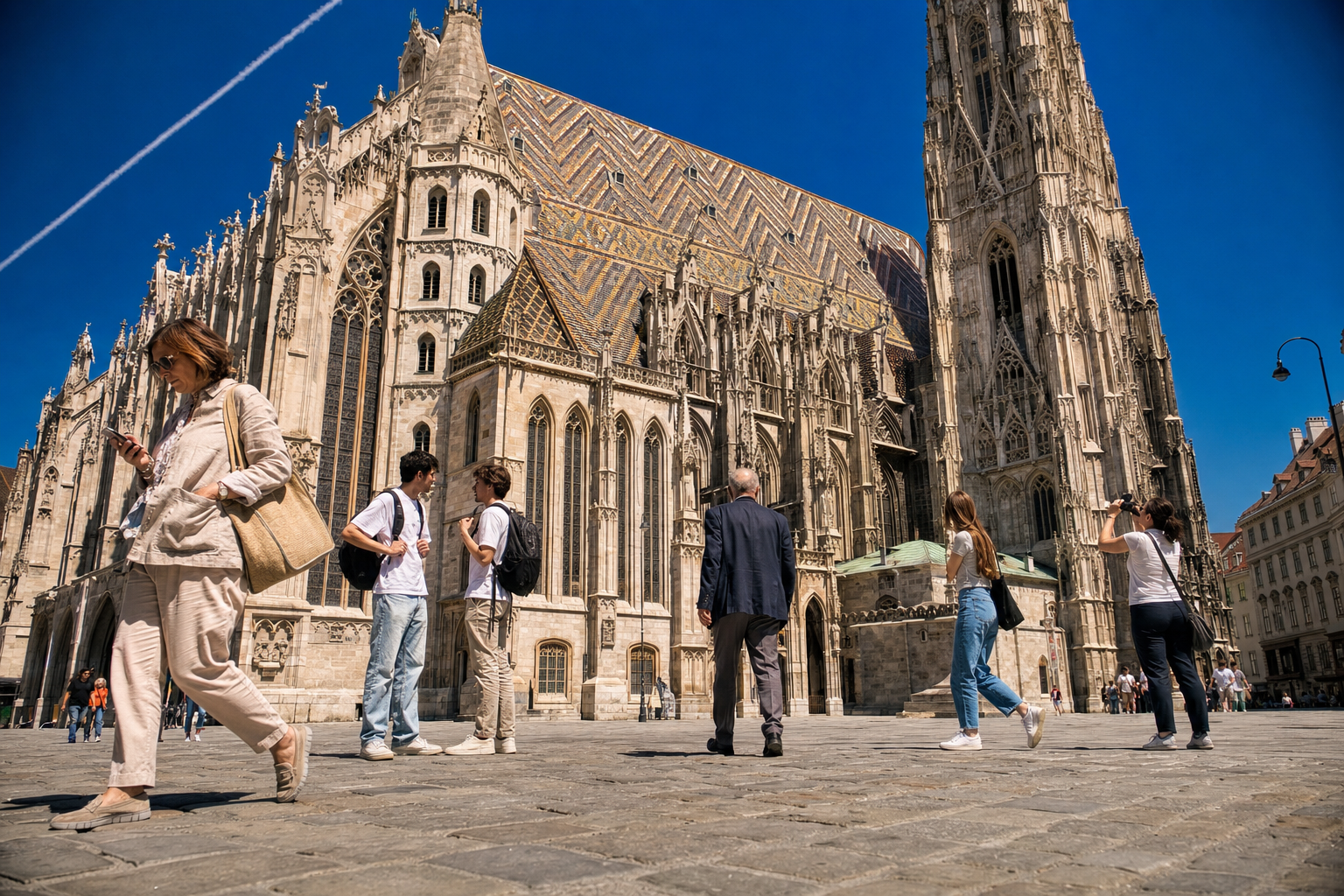
In 1857, Emperor Franz Joseph I issued a single decree that would physically reshape Vienna forever — ordering the demolition of the medieval city walls to make way for the Ringstrasse, a grand ceremonial boulevard that would announce the Habsburg Empire's ambitions to the world. That act of urban willpower set the tone for a city that has always used culture, architecture, and intellect as instruments of power and identity. Vienna is where Mozart premiered operas and Freud mapped the unconscious; where coffeehouse regulars rewrote political theory over a single cup of Melange; where social housing was built on a scale that still astonishes urban planners today. For travellers, this density of history, music, design, and everyday Viennese life means there is almost no such thing as a wasted hour. The question is never whether there's something extraordinary to do — it's knowing where to look, and why it matters. This guide cuts through the clichés to show you the city that locals know: layered, contradictory, and endlessly rewarding.
Read more →We use a single cookie, to remember this choice. We do not use analytics or advertising cookies. Read our cookie policy.