5 hrs
copenhagen
Copenhagen Private Full Day Tour with Lunch Option
✓ Free cancellation Kids friendly
4.8(138 reviews)
From €334/ person
Book Now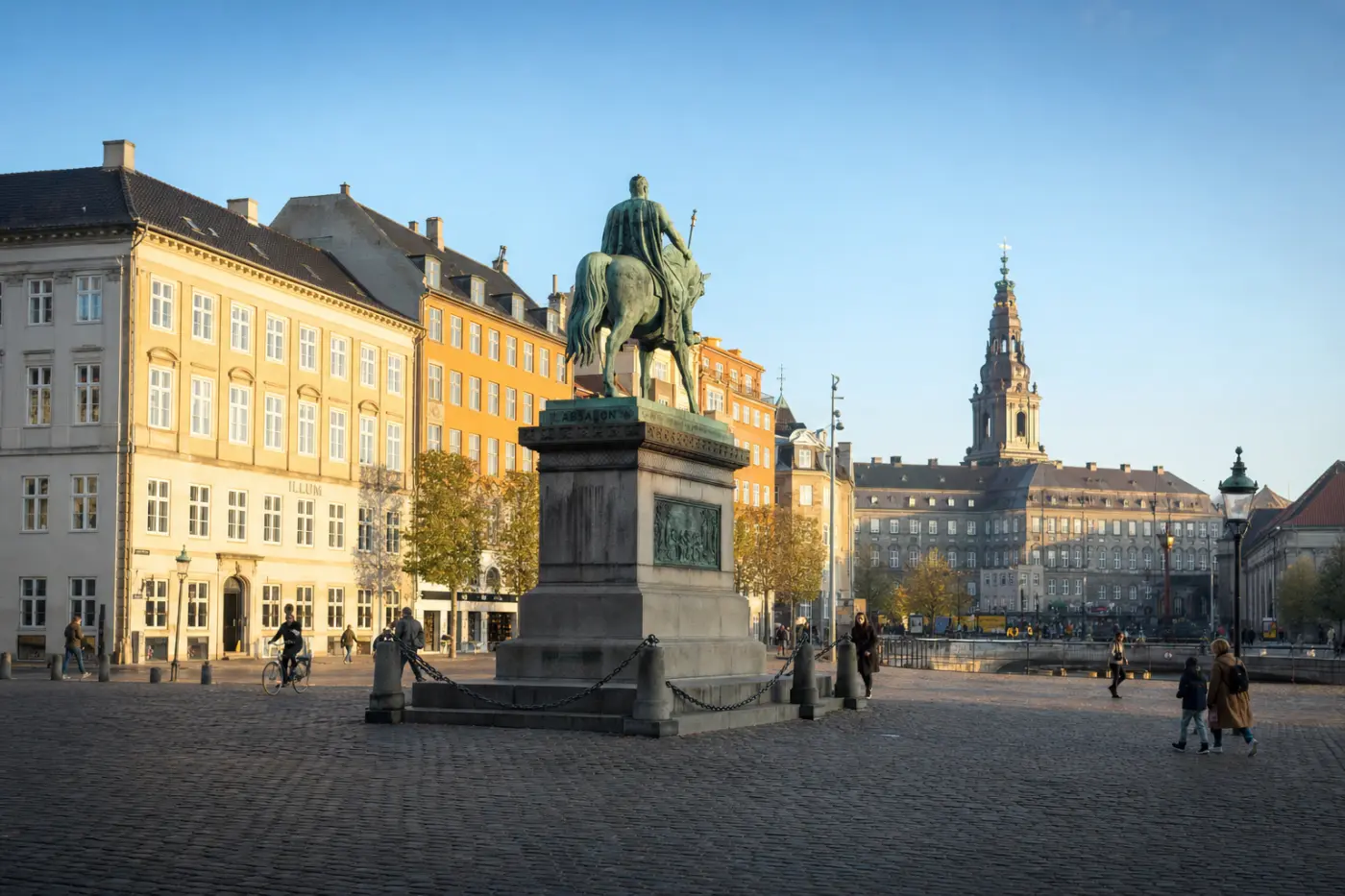
Tourist attraction
Højbro Plads is one of central Copenhagen's most commanding open squares, occupying a strategic position between the bustling shopping street of Amagertorv and the island of Slotsholmen, where Christiansborg Palace stands. The square owes its existence to catastrophe: it was laid out in the aftermath of the devastating fire of 1795, one of the worst in Copenhagen's history, which destroyed more than 900 buildings across the city centre. Urban planners deliberately created the wide esplanade to serve as a firebreak — a broad, open gap that would prevent flames from leaping across the dense medieval street network should fire strike again. At the same time, the square was conceived as a breathing space to contrast with the narrow lanes inherited from centuries of compact urban growth.
Dominating the centre of the square is an equestrian bronze statue of Absalon, the warrior-bishop and statesman widely credited as the founder of Copenhagen. Absalon established a fortress on the small island of Slotsholmen in 1167, transforming what had been a fishing village called Havn into a fortified settlement that would eventually grow into the Danish capital. The statue, cast by sculptor Vilhelm Bissen and unveiled in 1902, depicts Absalon in full armour astride his horse, his commanding presence a constant reminder that the city's origins are both martial and ecclesiastical. The square's surrounding buildings reflect the neoclassical architectural style that swept through Copenhagen during the rebuilding campaigns of the late 18th and early 19th centuries, their uniform corniced facades and restrained ornamentation framing the space with quiet elegance.
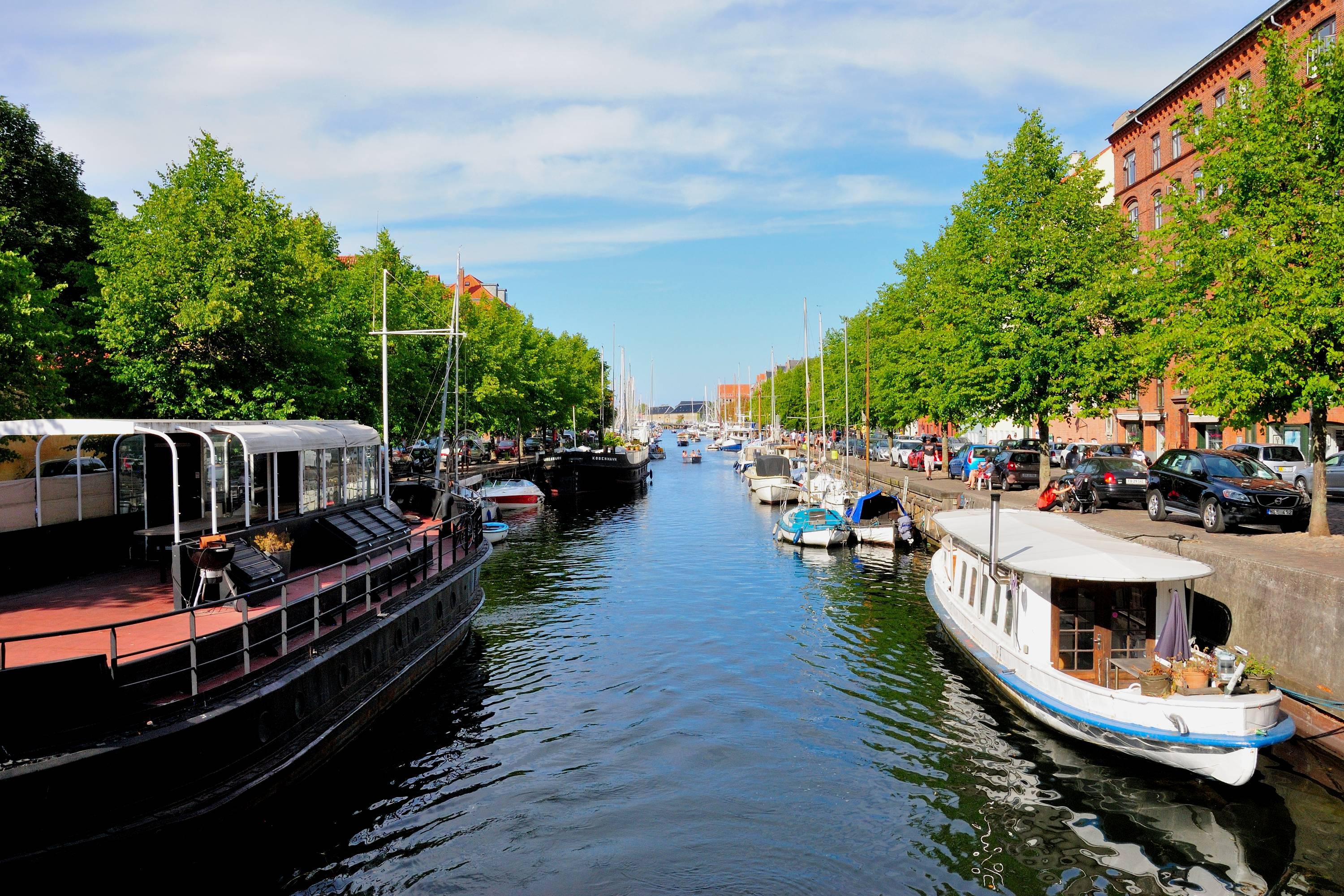
Visitors arriving at Højbro Plads today find a lively yet unhurried gathering point. The square bridges two distinct worlds: to the north, the pedestrianised Strøget shopping corridor draws dense foot traffic past Amagertorv's Renaissance-era fountain; to the south, the Højbro bridge crosses the Slotsholmen canal toward Christiansborg and the National Museum. Standing at the square's edge, you can look directly down the canal toward the old harbour, a view that reveals Copenhagen's intimate relationship with its waterways. Street vendors, cyclists, and locals taking lunch on the stone steps around Absalon's statue give the place an authentically lived-in character.
Højbro Plads is freely accessible at all hours and is best explored on foot as part of a walk through the historic city centre. The square sits roughly midway along the classic walking route connecting Rådhuspladsen (City Hall Square) to Nyhavn, making it a natural pause point. Early morning visits reward those who come before the shopping crowds arrive — the neoclassical facades catch the low northern light, and the canal reflections below the bridge are at their clearest. No entry fee applies, and the square is a short walk from the Kongens Nytorv metro station.
Private tours with a local guide, at your own pace.
copenhagen

copenhagen
copenhagen
copenhagen
copenhagen
We use a single cookie, to remember this choice. We do not use analytics or advertising cookies. Read our cookie policy.