5 hrs
Copenhagen
Copenhagen Private Full Day Tour with Lunch Option
✓ Free cancellation Kids friendly
4.8(138 reviews)
From €334/ person
Book Now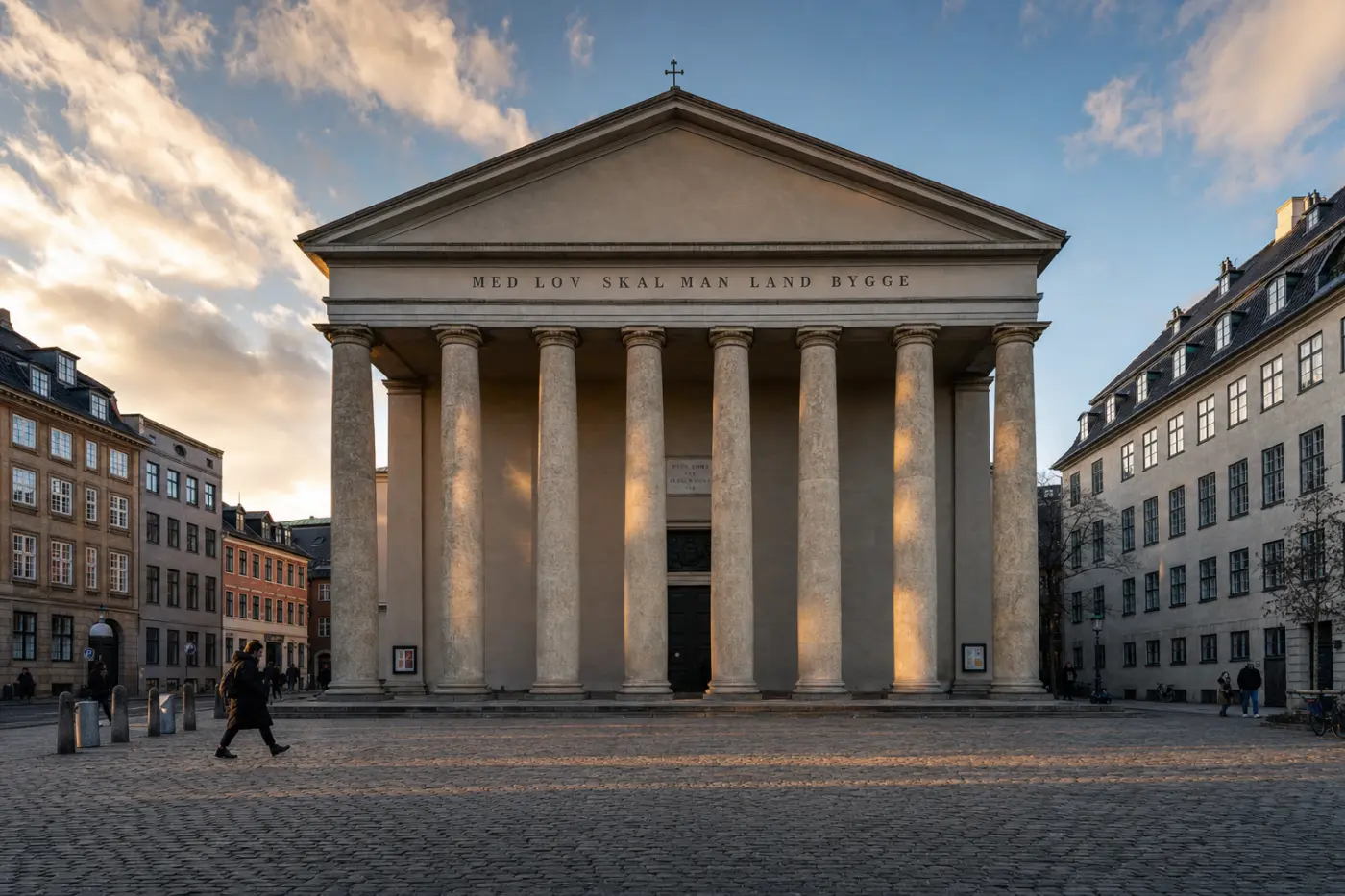
Tourist attraction
Vor Frue Kirke — the Church of Our Lady — stands at the heart of Copenhagen's old Latin Quarter as the city's cathedral and the seat of the Bishop of Copenhagen. A Christian place of worship has occupied this site since the 12th century, when Bishop Absalon founded a church here around 1187. The current building, however, is the fifth successive church on the site, completed in 1829 to a design by the royal architect C.F. Hansen in the severe Greek Revival style that defined Danish public architecture during the early 19th century. Its austere Doric portico and plain rendered façade are a deliberate statement of neoclassical restraint — a sharp contrast to the ornate Lutheran interiors visitors might expect.
The cathedral's most celebrated feature is its interior sculpture programme, conceived entirely by the Danish sculptor Bertel Thorvaldsen, who was at that time the most famous artist in Europe. Thorvaldsen designed twelve life-size marble statues of the apostles lining the nave, as well as the monumental figure of the Risen Christ above the altar — a work that became so internationally iconic that plaster casts were reproduced in churches and chapels across the world, including in the United States where the Church of Jesus Christ of Latter-day Saints adopted the image as a defining motif. The original Christ statue, with arms outstretched in a gesture of welcome, was installed in 1839. Thorvaldsen himself is buried just 200 metres away at the Thorvaldsens Museum, which was constructed around his personal collection. The baptismal font in the cathedral is also his work, and it was here that the philosopher Søren Kierkegaard was baptised in 1813.
The building visitors enter today replaced a cathedral destroyed in 1807 during the British Royal Navy's bombardment of Copenhagen — one of the most destructive events in the city's modern history, in which over 300 civilians were killed and large sections of the historic centre were razed by fire. C.F. Hansen's rebuilding project, commissioned immediately after the bombardment, took more than two decades to complete and coincided with Denmark's national bankruptcy of 1813, making the cathedral's eventual completion a symbol of national resilience. The interior is deliberately simple — whitewashed barrel-vaulted ceilings, plain stone floors, and no stained glass — so that Thorvaldsen's sculpture holds absolute visual authority in the space.
The cathedral remains a working Lutheran parish church and an active site for state occasions; royal weddings, state funerals, and major national ceremonies have been held here for centuries. Visitors can enter free of charge outside of services and are invited to walk the full length of the nave to study the apostle statues at close range — an experience that rewards slow attention, as the subtle individuality of each figure becomes apparent. The cathedral is located steps from the University of Copenhagen's main building on Frue Plads, making the surrounding square one of the most historically layered public spaces in Scandinavia. Visit on a weekday morning to have the nave largely to yourself.
Private tours with a local guide, at your own pace.
Copenhagen

Copenhagen
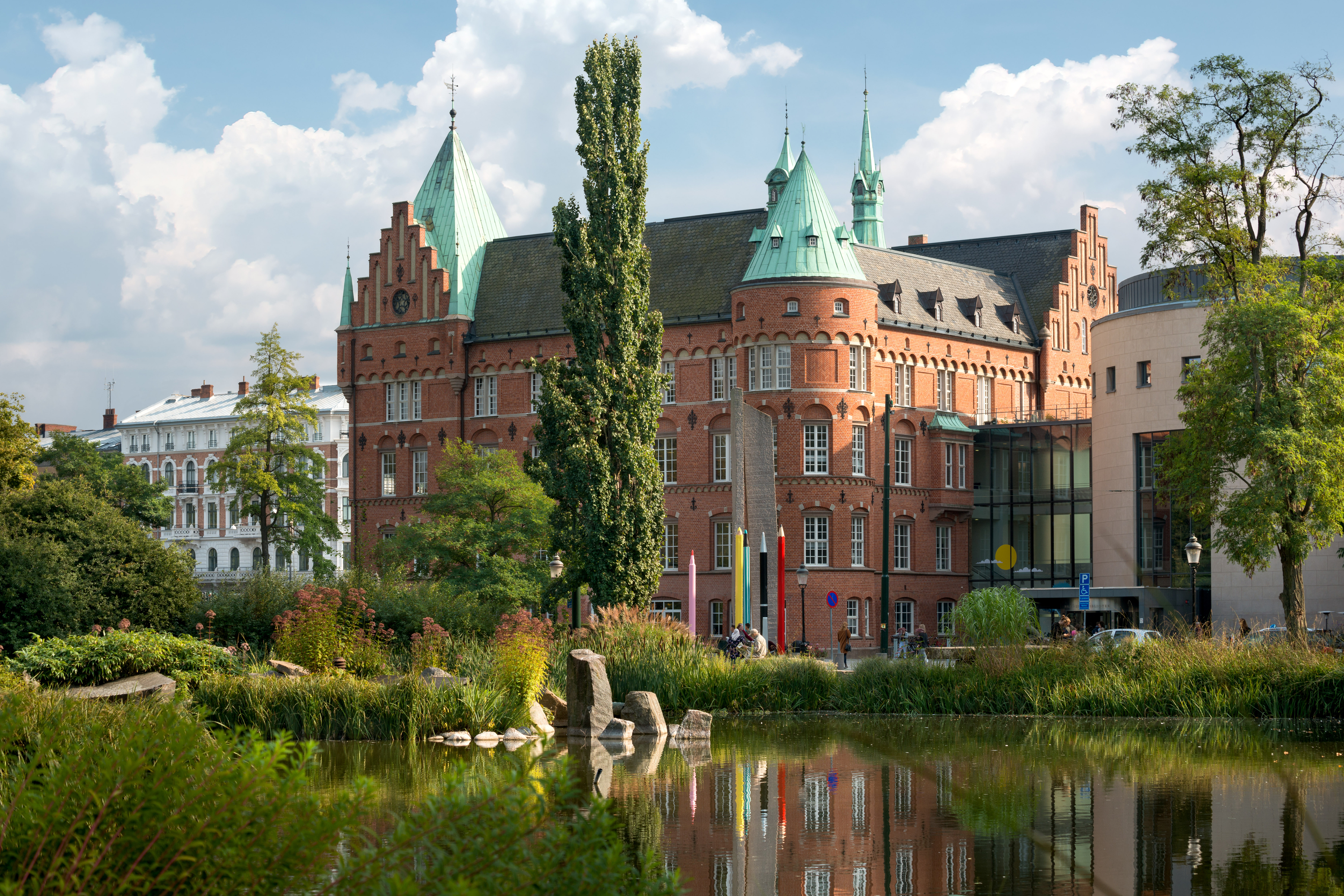
Copenhagen
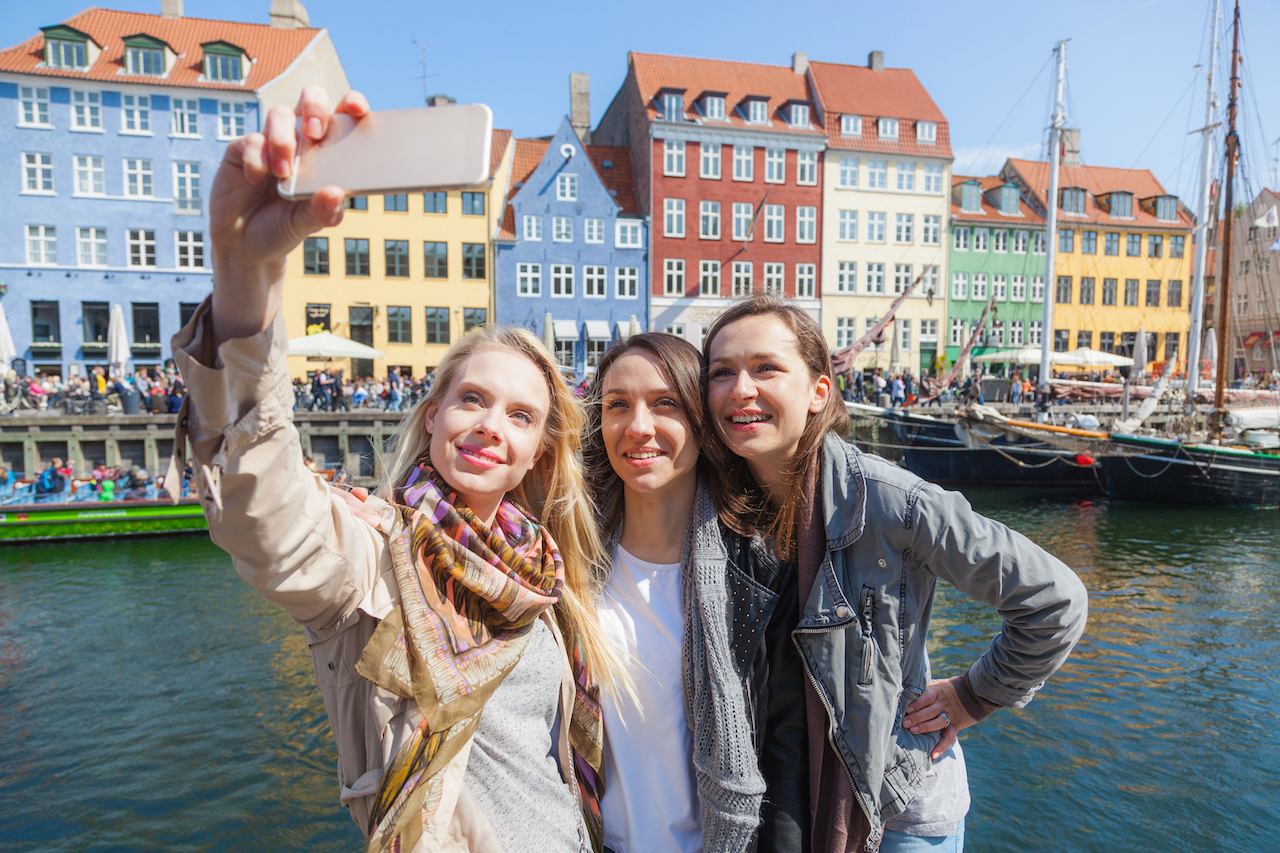
Copenhagen
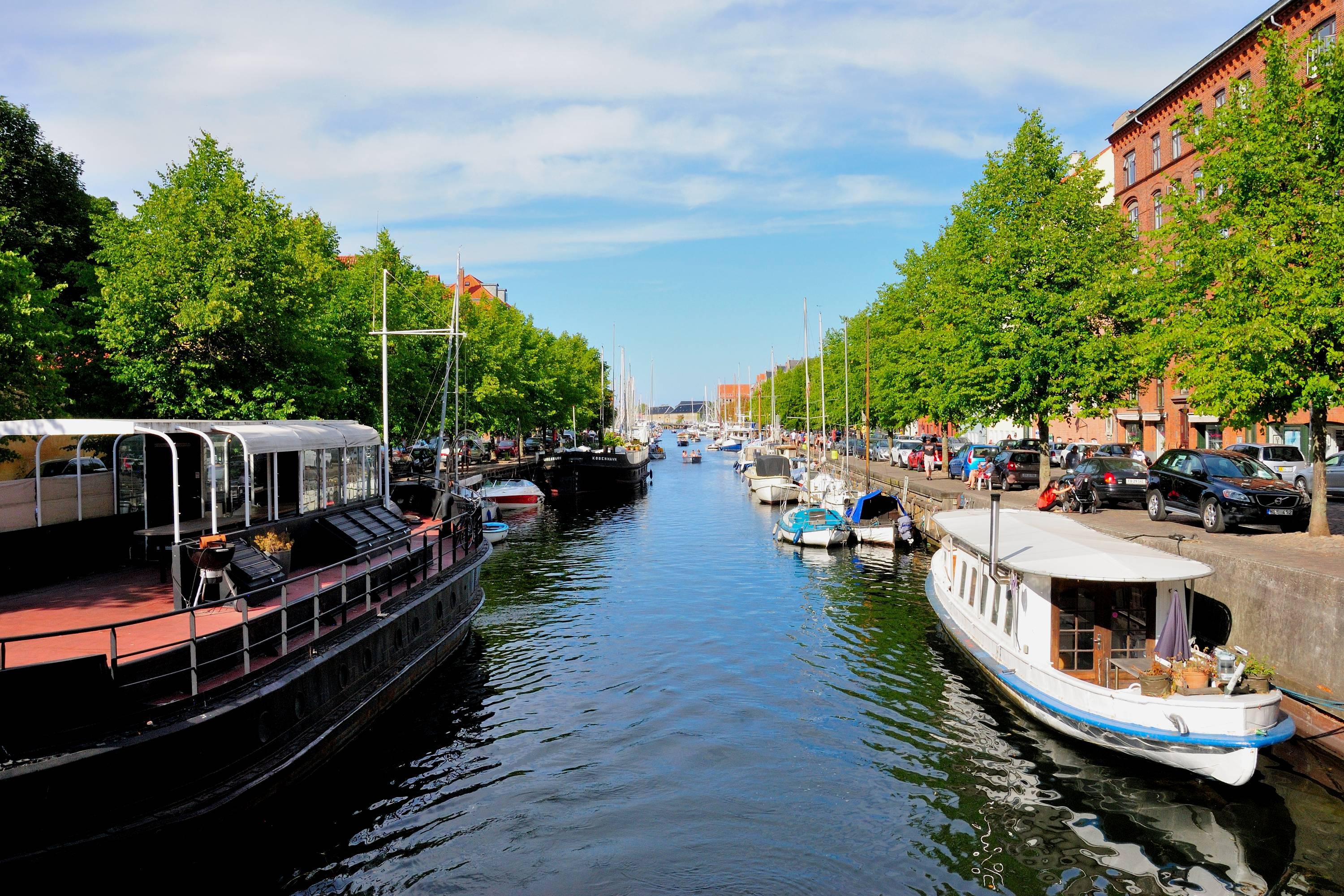
Copenhagen
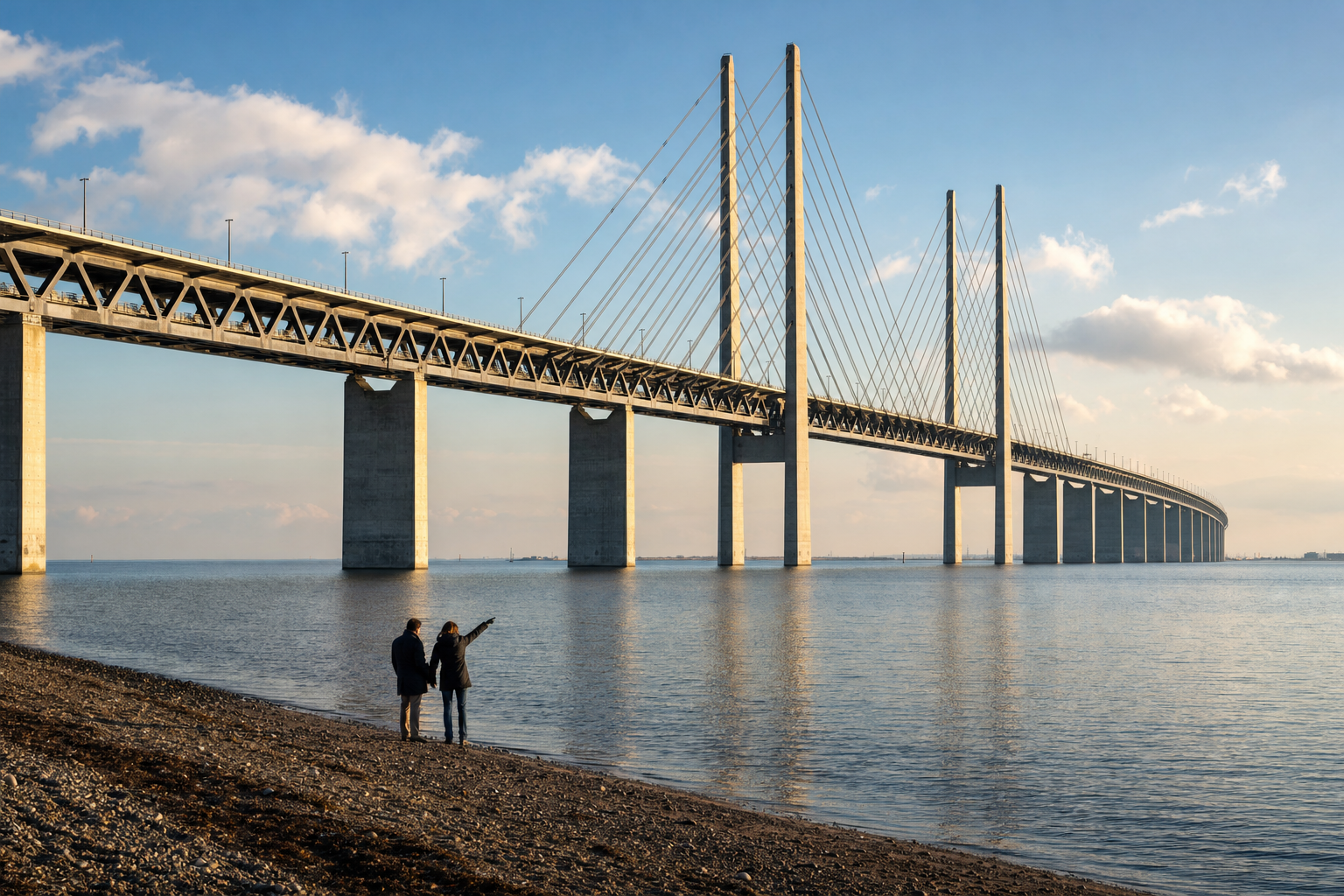
Copenhagen sits just 35 minutes from one of Scandinavia's most quietly compelling cities — yet most visitors never make the crossing. Malmö, Sweden's third-largest city, is separated from the Danish capital by the Øresund Strait and connected by one of Europe's most audacious feats of engineering: a 16-kilometre fixed link that tunnels under the seabed, surfaces on an artificial island, and then soars across the water on a cable-stayed bridge. Since the Øresund Bridge opened in July 2000, the two cities have functioned almost as a single metropolitan region, with commuters, students, and food lovers crossing daily. What you find on the Swedish side is genuinely different from Copenhagen — less polished for tourism, more multicultural, architecturally daring, and with a food scene shaped by 175 nationalities. Whether you have a single free afternoon or a full day to spare, a Malmö day trip from Copenhagen is one of the best decisions you can make.
Read more →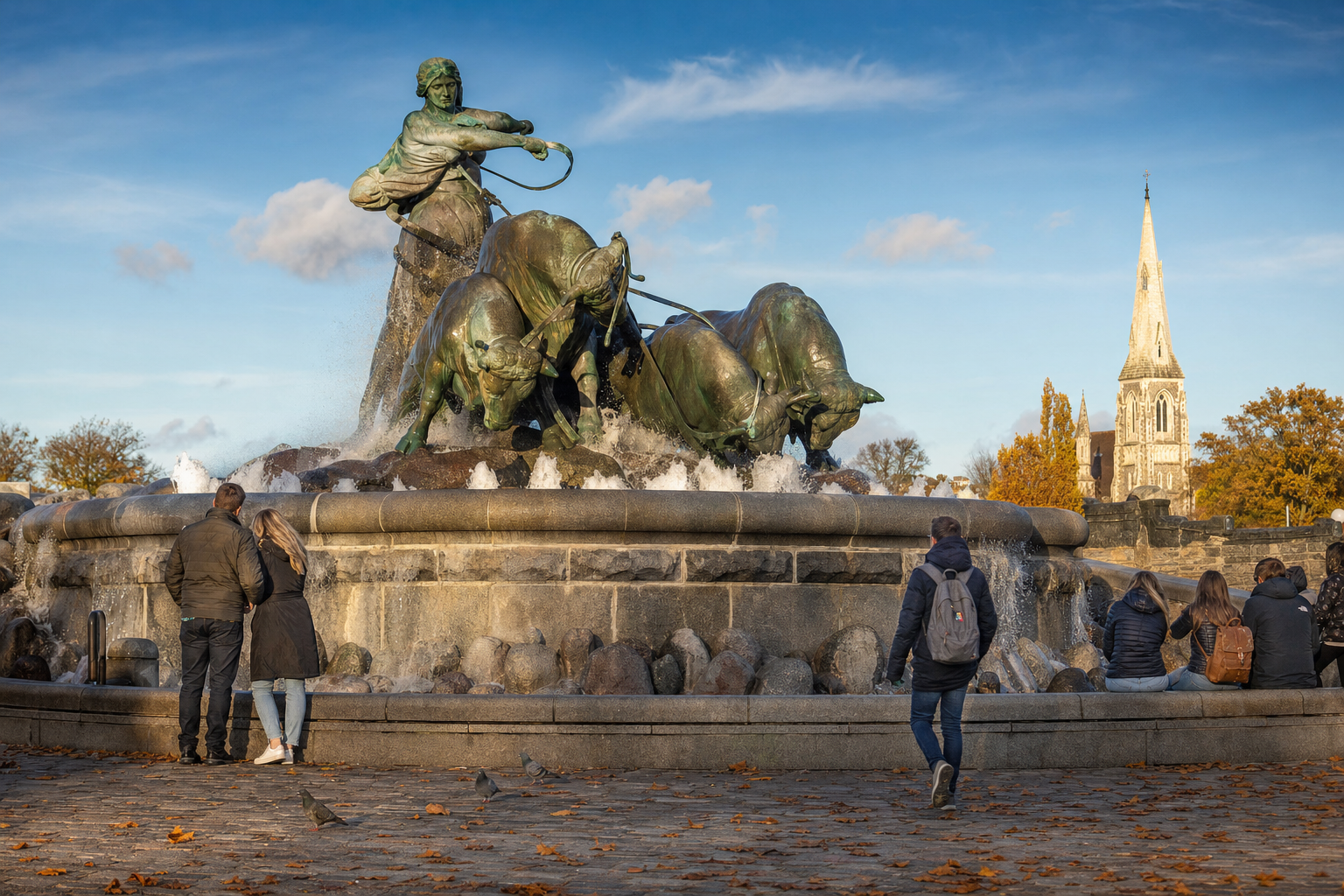
In 1908, Copenhagen unveiled one of the most dramatically charged public sculptures in all of Scandinavia — a towering bronze goddess urging four straining oxen through a violent, world-creating plough. The Gefion Fountain (Gefionspringvandet) stands at the edge of Langelinie Park, water cascading around a scene that is, quite literally, the origin story of the ground beneath the city. The myth it depicts — a Norse goddess who tricked a Swedish king into giving away an entire landmass in a single night — is not decorative folklore. According to the 13th-century Prose Edda by Snorri Sturluson, Gefion's overnight heist carved Zealand (the island on which Copenhagen sits) directly out of what is now Sweden. That makes this fountain something rare: a public monument that tells you exactly why the city exists where it does. Most visitors photograph it on the way to the Little Mermaid and move on. Those who pause long enough to read the myth, study the bronze, and understand the 14-year commission behind it leave with something far more interesting than a snapshot.
Read more →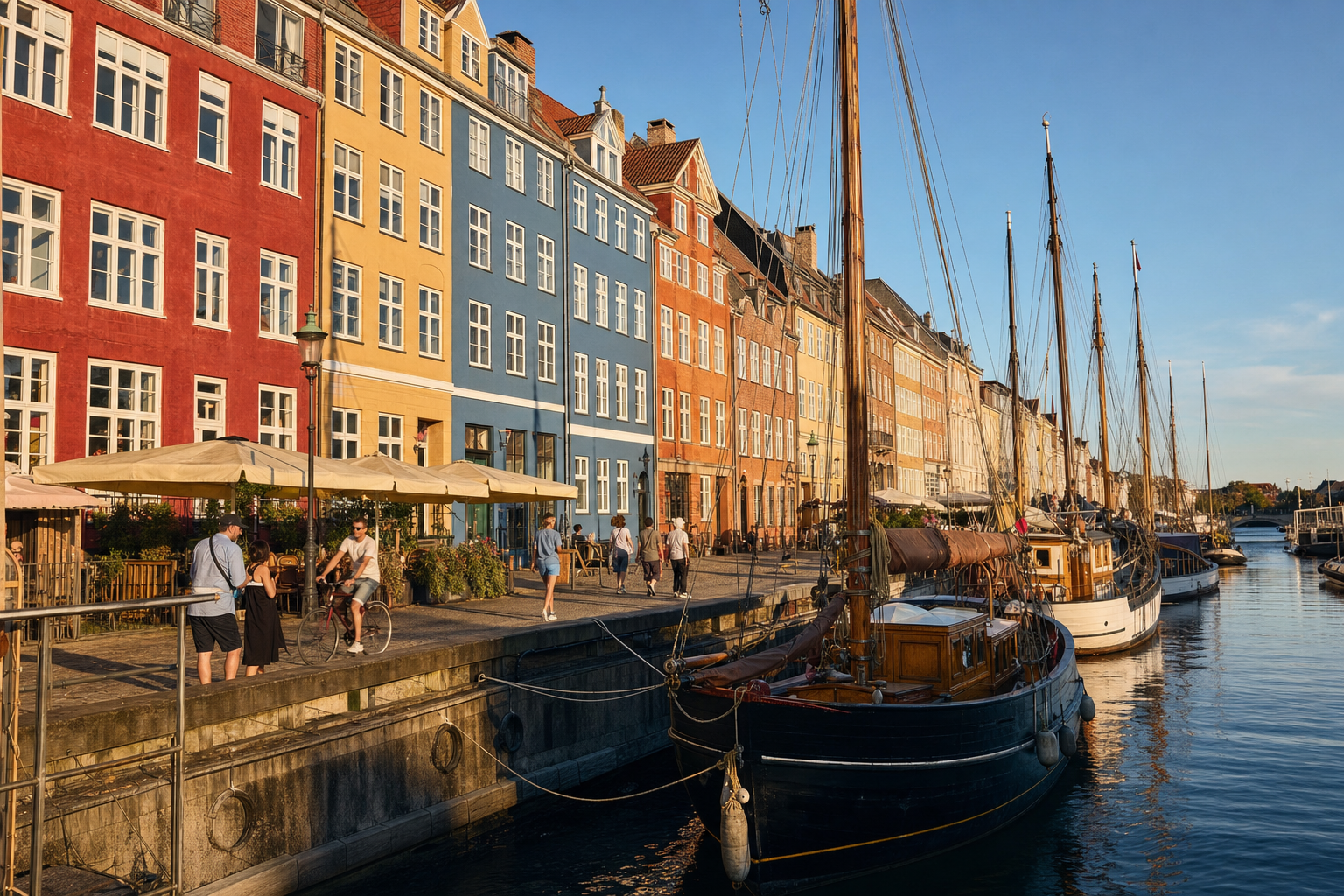
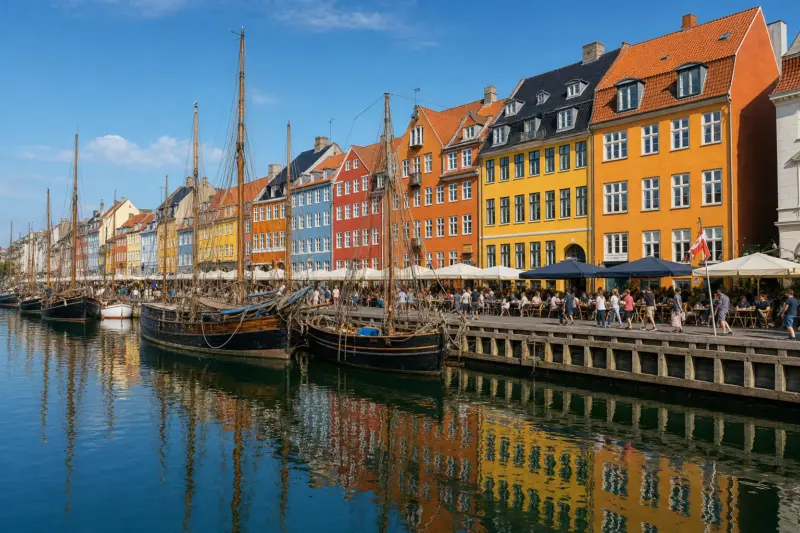
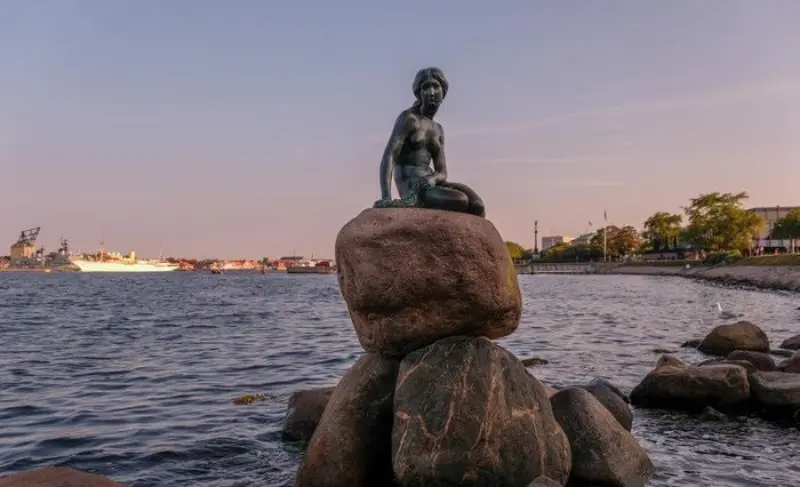
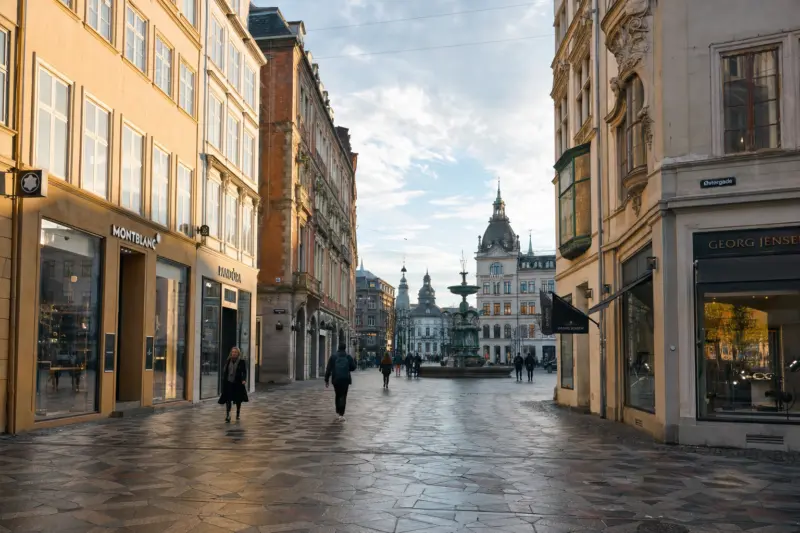
In 1671, Swedish prisoners of war were forced to dig the canal that would become Nyhavn — today one of the most photographed waterfronts in Europe. That paradox, beauty built on a history most visitors never hear, is Copenhagen in a nutshell. The Danish capital sits on the island of Sjælland, packs more Michelin-starred restaurants per capita than almost any city on earth, and somehow manages to feel like a large village where cyclists outnumber cars and neighbours still leave their prams outside cafés. But the version most tourists experience — colourful Nyhavn facades, a quick photo of The Little Mermaid, a lap of Strøget — barely scratches the surface. This guide goes further, pairing the city's landmark sights with the stories behind them, mapping the neighbourhoods that locals actually love, and cutting through the noise on where and how to eat like a Copenhagener. Whether you have two days or a full week, this is where your planning starts.
Read more →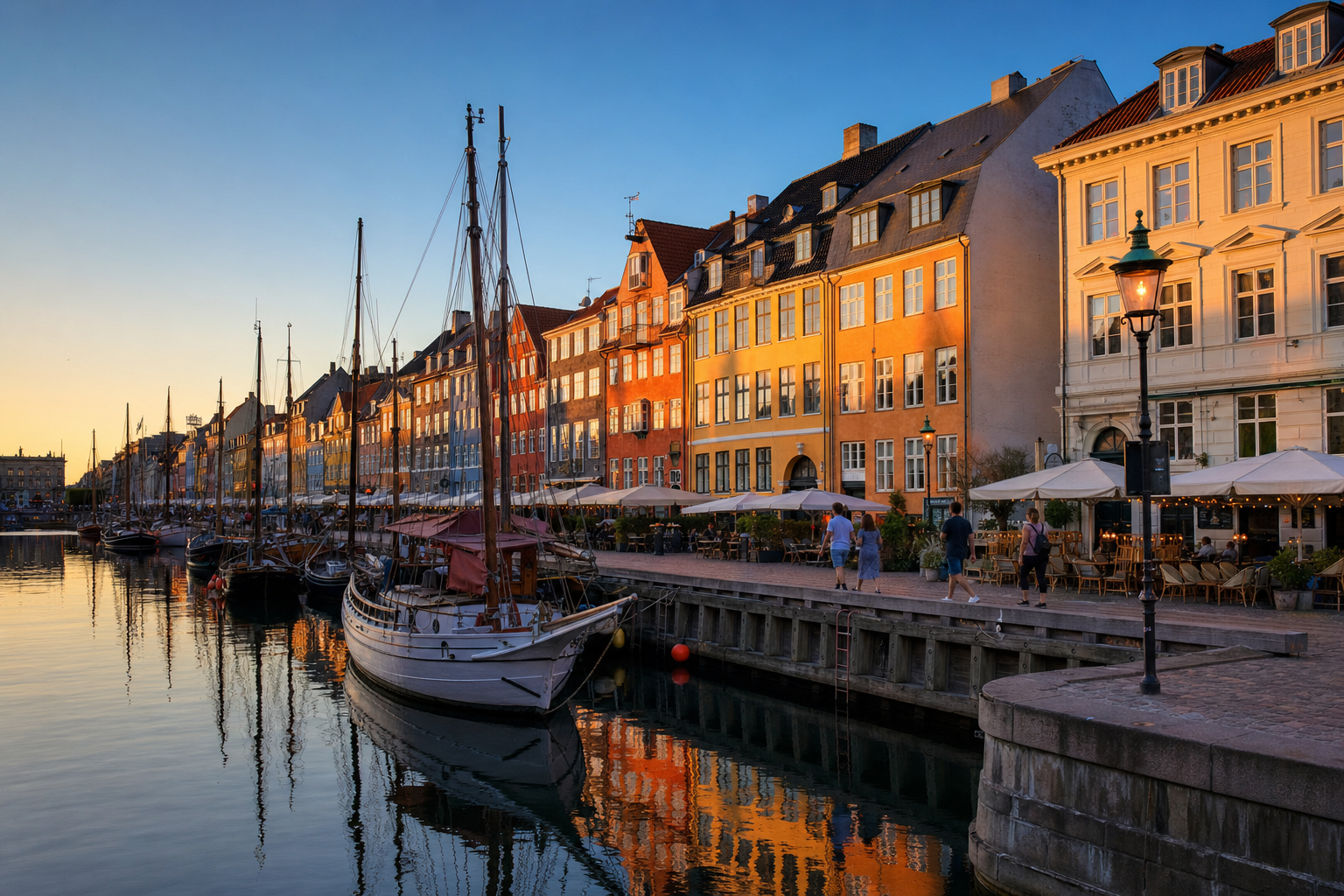
On the 23rd of June each year, Copenhagen does something most cities can't: it barely gets dark. Sitting at roughly 55°N latitude — the same as Moscow and Edinburgh — the Danish capital stretches summer daylight to nearly 17 hours, turning evening canal walks along Nyhavn into something that feels almost surreal. Yet the same geography that gifts Copenhagen long, luminous summers also compresses its December days to just 7 hours of usable light. Choosing when to visit this city of 671,714 people isn't simply a matter of avoiding rain — it's about understanding how radically different Copenhagen becomes from one month to the next. The canal colours change. The crowd density shifts. The cultural calendar rewrites itself entirely. Whether you're drawn by Tivoli Gardens in full summer bloom, the quiet warmth of a hygge-soaked February afternoon, or the sweet spot of a May morning on an uncrowded bicycle lane, this guide cuts through the generic advice and gives you the specific facts you need to pick your perfect Copenhagen window.
Read more →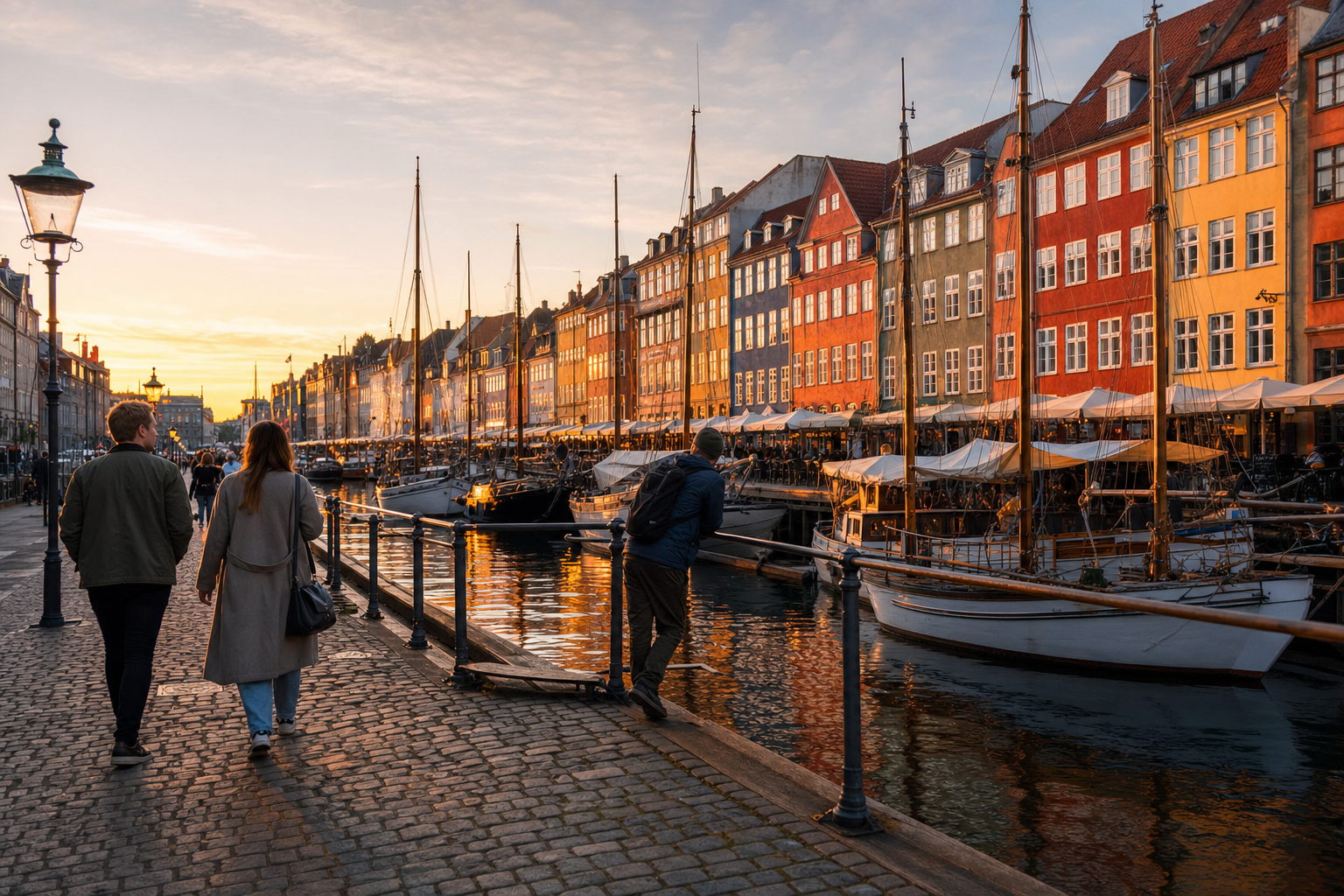
Copenhagen rewards the curious traveller who looks beyond the pastel facades. In 1167, a bishop named Absalon built a fortress on a small island in the Øresund strait — that single act of medieval pragmatism gave birth to what is today one of Europe's most liveable, forward-thinking capital cities. Nearly nine centuries later, Copenhagen still wears its entire history on its sleeve: a royal canal dug by prisoners of war, a self-governed freetown operating under its own social rules, and a harbour so thoroughly cleaned up that locals swim laps in it on summer lunch breaks. Three days is genuinely enough time to move from the medieval core to the contemporary waterfront, to cross into Sweden for a morning, and to eat some of the most thoughtful food in the world. This itinerary is built around walking distances, local rhythms, and the specific stories that make each place meaningful — not just photogenic. Here is how to spend 72 hours in Copenhagen the way a local actually would.
Read more →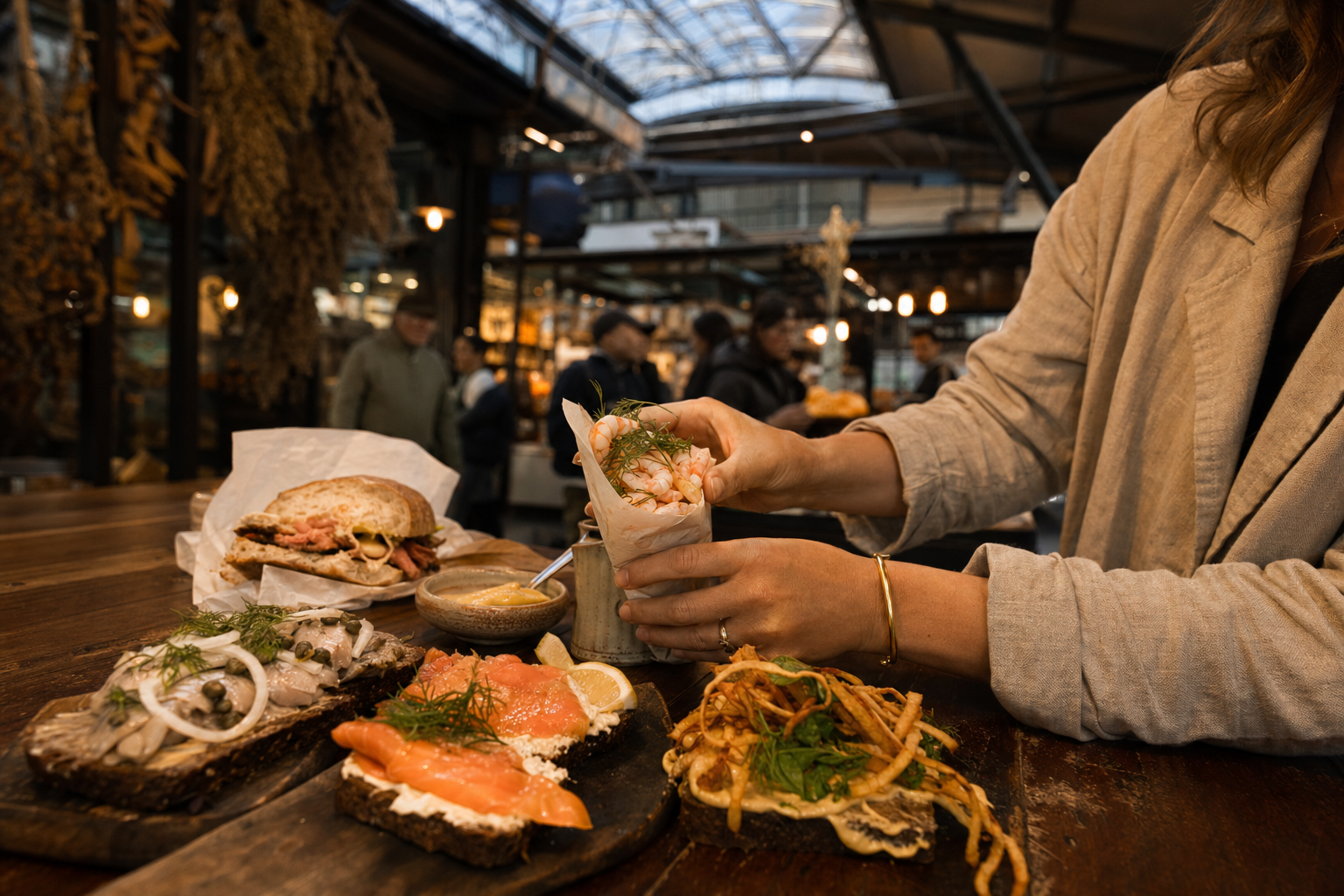
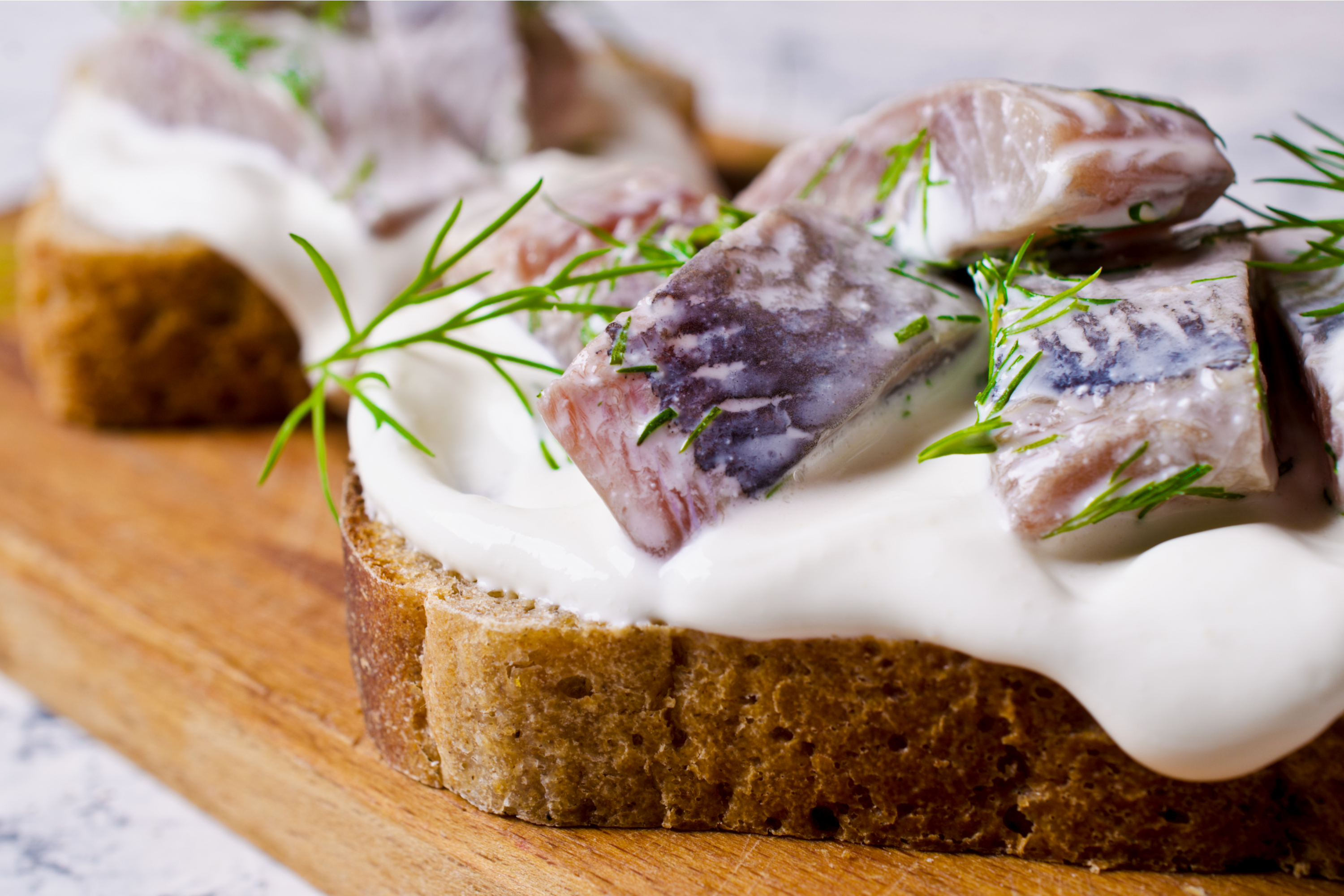
In 2003, a small restaurant opened in a converted warehouse on Copenhagen's Christianshavn waterfront. Its name was Noma, and within a decade it had been ranked the world's best restaurant four times, triggering a culinary revolution that turned a Scandinavian capital known for pickled herring and rye bread into one of the most talked-about food cities on the planet. But Copenhagen's relationship with exceptional food runs far deeper than one iconic chef's tasting menu. It stretches back to Viking-era preservation techniques, 19th-century open-faced sandwiches eaten by dockworkers, and Austrian bakers who accidentally invented what the world now calls a "Danish pastry." Today, the city holds more Michelin stars per capita than almost any other Nordic capital, yet its most honest flavours are still found at a market stall, a neighbourhood bakery, or a harbour-side lunch that stretches unhurried into the afternoon. This guide traces that full story — from the historical roots of New Nordic Cuisine to the specific streets, markets, and dishes that make a Copenhagen food tour one of the great eating experiences in Europe.
Read more →We use a single cookie, to remember this choice. We do not use analytics or advertising cookies. Read our cookie policy.