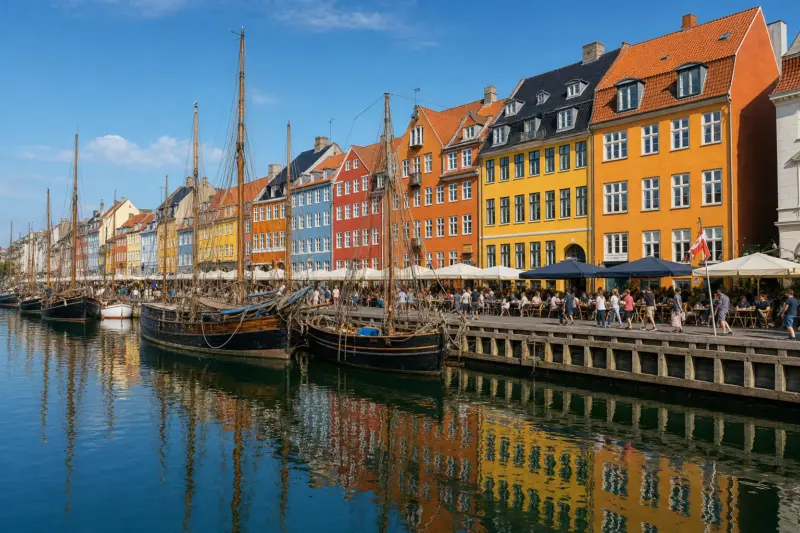
3 hrs
copenhagen
Copenhagen Food & Drink Private Tour - Scandinavian Delights Tasting
✓ Free cancellation
4.8(245 reviews)
From €261/ person
Book Now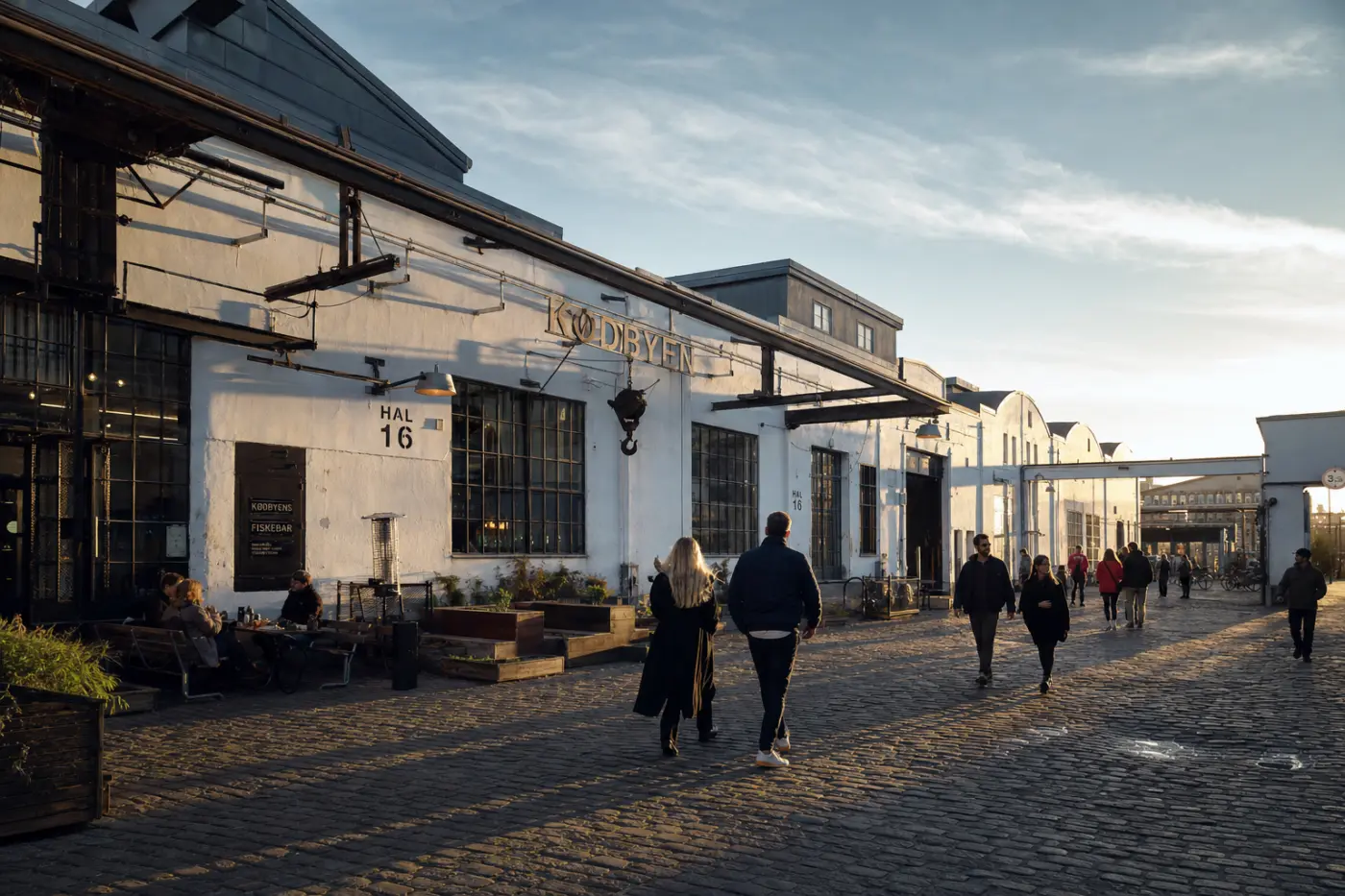
Tourist attraction
Kødbyen — literally "the Meat City" — is a sprawling complex of municipal slaughterhouse buildings tucked behind Copenhagen Central Station in the Vesterbro district. The area developed over roughly five decades, beginning with the completion of Øksnehallen (the Ox Hall) in the Brown Meatpacking District in 1901 and culminating with the opening of the White Meatpacking District in April 1934. That final phase was considered a landmark of Danish functionalist architecture: its long, low-slung white-rendered buildings with steel-framed windows were designed to meet the highest hygiene standards of the era, making it a genuinely progressive food-production facility at the time of its inauguration. The entire complex was conceived and owned by the Municipality of Copenhagen, which continues to administer it today.
Kødbyen is divided into three distinct sections — the Brown, Grey, and White Meatpacking Districts — each representing a different generation of construction and character. The Brown and White districts have been listed as protected heritage under the Danish Conservation Act and designated among the 25 national industrial memorials in Denmark, a status overseen by the Danish Agency for Culture and Palaces. The White Meatpacking District alone covers approximately 871,000 square feet, making it one of the largest protected industrial complexes in Scandinavia. Active meat companies still operate alongside creative businesses within the same buildings, a deliberate policy by the city to preserve the district's working identity rather than sanitize it into a purely commercial zone.
The transformation into a cultural destination began in earnest in the 1990s, when the Brown Meatpacking District was repurposed as a cultural center. Today, the White Meatpacking District is where most visitors gravitate: the former cutting halls and cold storage units now house art galleries, design studios, restaurants, and some of Copenhagen's most prominent nightclubs. The poured-concrete floors, exposed steel hooks, and tiled walls remain largely intact, giving every bar and kitchen a raw industrial texture that no renovation could convincingly replicate. The food scene here is particularly serious — several restaurants source directly from the meat producers who still work in the same complex, keeping the culinary chain unusually short.
Kødbyen is busiest from Thursday through Saturday, when the nightlife draws large crowds to venues clustered around the central courtyard of the White district. During the day, the atmosphere is quieter and better suited to exploring the architecture, browsing galleries, and having an unhurried lunch. The complex is a short walk from Dybbølsbro S-tog station and directly accessible from Vesterbro's main street, Istedgade. Entry to the district itself is free and open at all times; individual venues set their own hours and admission policies. Wear comfortable shoes — the original cobblestone yards are uneven but very much part of the experience.
Private tours with a local guide, at your own pace.
copenhagen
copenhagen
copenhagen
copenhagen
copenhagen
We use a single cookie, to remember this choice. We do not use analytics or advertising cookies. Read our cookie policy.