7 to 7,5 hrs
Barcelona
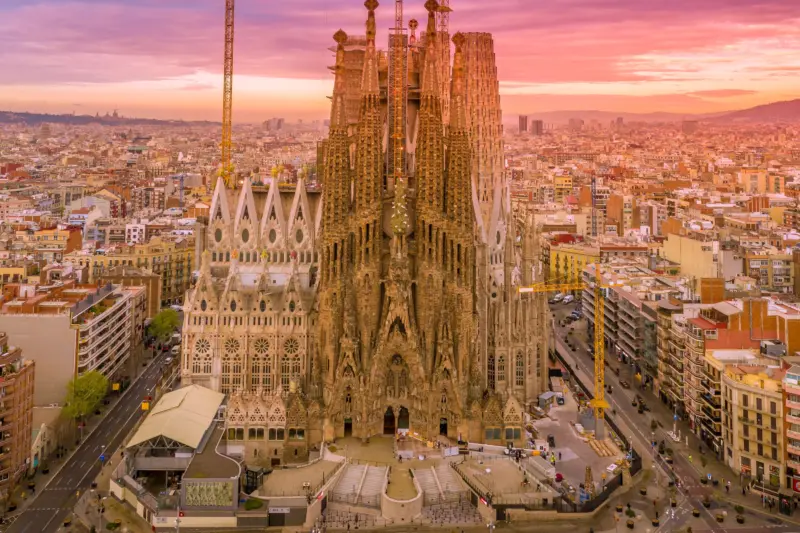
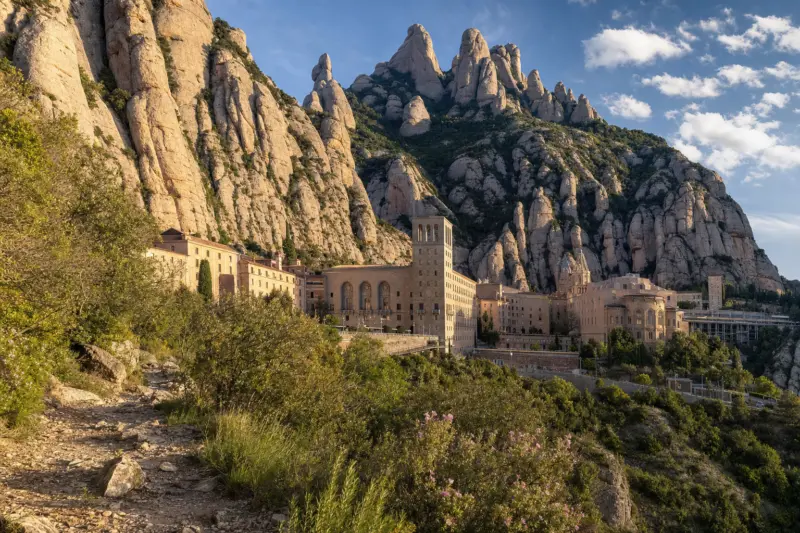
Barcelona & Montserrat Day Trip with Sagrada Familia Guided Tour
✓ Free cancellation Kids friendly
4.5(17 reviews)
From €134/ person
Book Now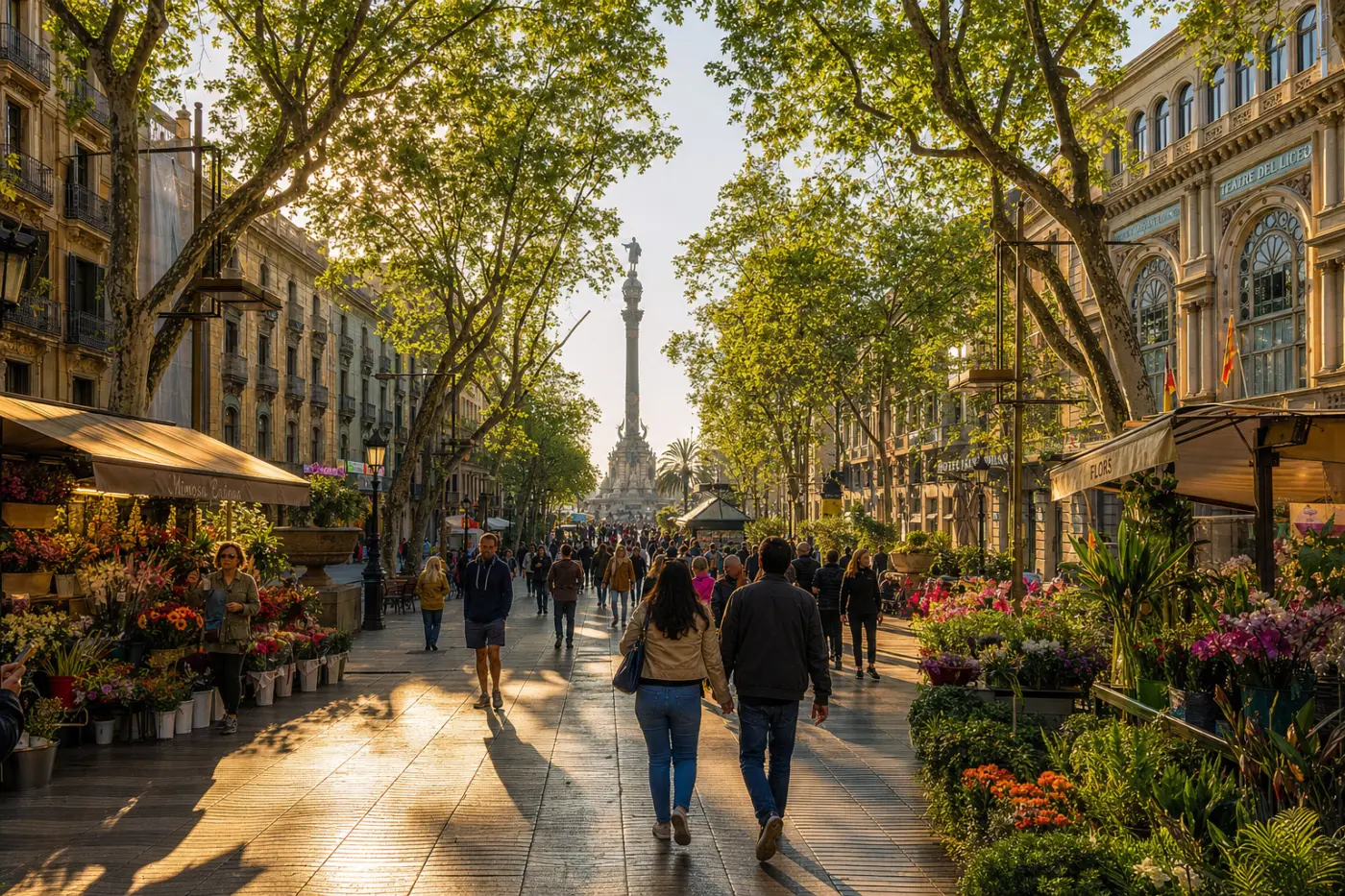
Tourist attraction
Las Ramblas is not a single street but five consecutive tree-lined promenades — Rambla de Canaletes, dels Estudis, de Sant Josep, dels Caputxins, and de Santa Mònica — that flow seamlessly for 1.2 kilometres from Plaça de Catalunya down to the 1888 Columbus Monument at the old harbour. The name derives from the Arabic ramla, meaning seasonal riverbed: the boulevard was laid over a seasonal stream that once marked the outer edge of Barcelona's medieval walls, which were demolished in 1775 to allow the city to expand westward. By the early 19th century, the reclaimed channel had become the social spine of bourgeois Barcelona, lined with the palaces and convents that still anchor its side streets today.
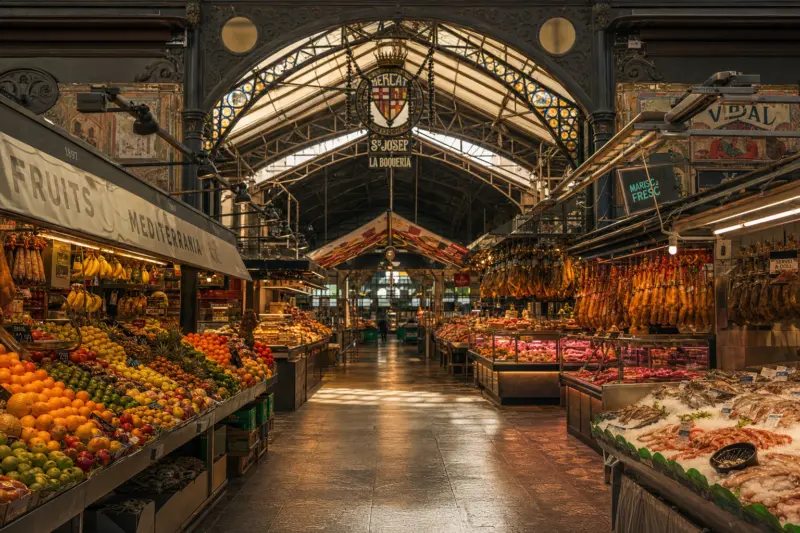
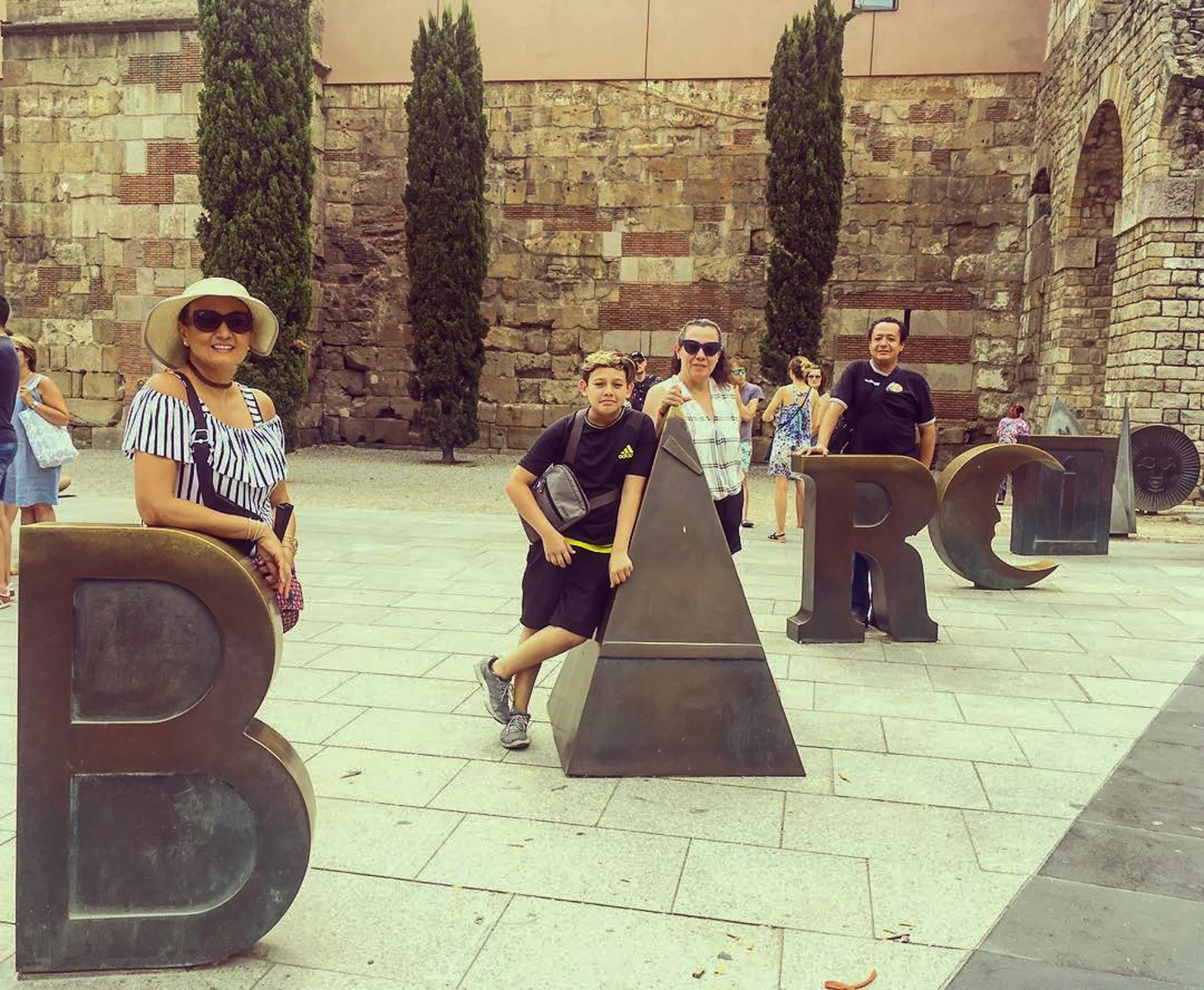
Several landmarks along the route carry specific historical weight. The iron-and-glass Mercat de la Boqueria, formally the Mercat de Sant Josep, has occupied its site since 1840, built partly over the ruins of a Carmelite convent dissolved during the liberal reforms of 1835. Joan Miró's colourful mosaic pavement at the midpoint of the boulevard, installed in 1976 as a gift to the city one year after the end of Francoism, is regularly walked over without recognition by thousands of daily visitors. The Gran Teatre del Liceu opera house, which first opened in 1847, burned down in a catastrophic fire in 1994 and was rebuilt to its original neo-baroque interior by 1999 — a reconstruction project that cost over 7 billion pesetas and became a symbol of Catalan cultural resilience. On the western flank, the 18th-century Palau de la Virreina houses a public arts centre and photography exhibitions that are free to enter.
Walking Las Ramblas today means navigating a dense, layered spectacle. Flower stalls have operated continuously in the central walkway since the late 19th century, their buckets of roses and seasonal blooms a tradition protected by long-standing municipal licences. Human statues and street performers have occupied designated pitches since the 1970s, when the avenue was first pedestrianised. The Café de l'Òpera, open since 1929 directly opposite the Liceu, remains one of the few establishments on the boulevard with an interior that has genuinely survived the commercial transformation of the street. Early morning — before 9 a.m. — is when locals heading to the Boqueria and the Liceu quarter reclaim the pavement, and the atmosphere is closest to what García Lorca described in the 1930s.
Visitors should be aware that Las Ramblas attracts the highest concentration of pickpockets of any street in Spain; keep bags in front, avoid the overpriced terrace restaurants directly on the boulevard, and instead duck into the lanes of the Barri Gòtic to the east or El Raval to the west for authentic dining. The nearest metro stops are Catalunya (Lines 1 and 3) at the top and Drassanes (Line 3) at the harbour end. The boulevard is equally compelling at night, when the Liceu crowd spills out and the illuminated Columbus Monument marks the threshold between city and sea.
Private tours with a local guide, at your own pace.
Barcelona
Barcelona
Barcelona
Barcelona
Barcelona
Barcelona

Barcelona
Barcelona
Barcelona
Barcelona
Barcelona
Barcelona
Barcelona
Barcelona