4.5 hrs
Lisboa
Belem Private Day Trip: History, Heritage & Local Tasting
✓ Free cancellation Kids friendly
5.0(31 reviews)
From €177/ person
Book Now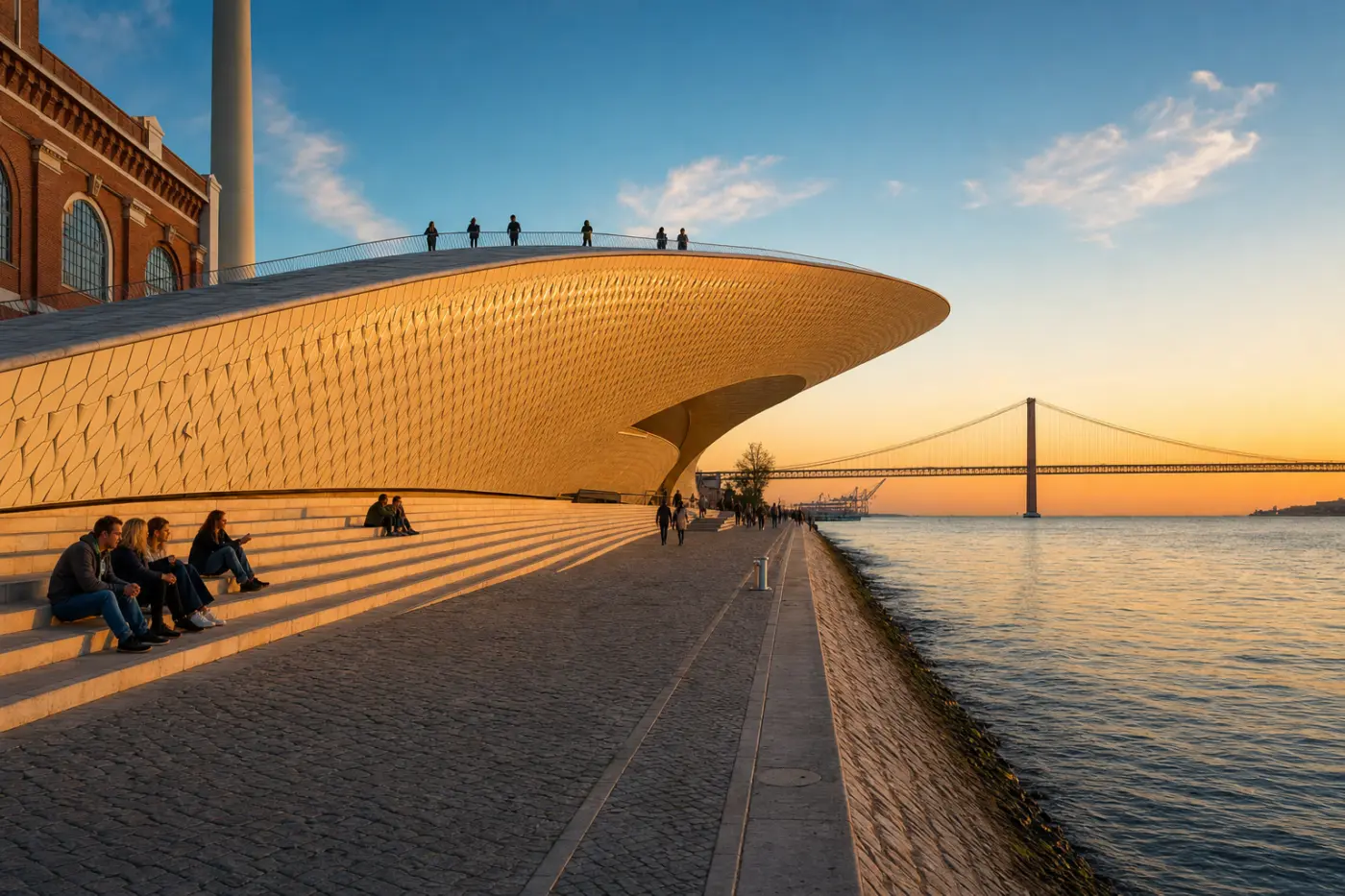
Tourist attraction
MAAT – Museum of Art, Architecture and Technology is a two-building cultural campus positioned on Lisbon's Tagus riverfront in the historic Belém district, inaugurated in October 2016 under the patronage of the EDP Foundation. The complex brings together two radically different structures: MAAT Central, the monumental brick-clad iron power station known as Central Tejo, constructed between the 1910s and 1940s and operated continuously from 1909 to 1954 before remaining in limited service through the 1970s; and MAAT Gallery, a purpose-built contemporary pavilion designed by the London-based architecture firm AL_A, led by Amanda Levete. The two buildings are linked by MAAT Garden, a terraced riverside park that runs along the Tagus and incorporates permanent outdoor sculptures. The gallery's undulating white ceramic-tile roof — walkable by visitors — has become one of Lisbon's most photographed vantage points, offering unobstructed views over the river to the Ponte 25 de Abril and the Cristo Rei statue.
Central Tejo's industrial history is inseparable from Lisbon's modernisation. Built by the Companhias Reunidas de Gás e Eletricidade (CRGE), the station's successive phases of expansion — from its original turbine hall in the 1910s to the towering boiler room added in the 1940s — reflect the city's rapidly growing electrical demand through the Estado Novo period. The building's layered brick architecture, with its cathedral-like nave of iron columns, overhead gantry cranes, and original boilers and turbines still in situ, is preserved as the permanent exhibition The Electricity Factory, which contextualises both the industrial machinery and the social history of the workers who operated it. MAAT Gallery, by contrast, is a precisely engineered elliptical form clad in approximately 15,000 white glazed tiles, partially embedded in the riverbank so that its roof meets the promenade at ground level — a design choice that dissolves the boundary between building and public space.
The museum's programme positions it firmly as an institution of contemporary art and critical discourse rather than a conventional collecting museum. Temporary exhibitions across both buildings have featured major international artists working at the intersections of art, science, and technology — including immersive digital installations, large-scale architectural interventions, and commissions responding directly to Central Tejo's industrial heritage. The permanent collection, built through EDP Foundation's decades-long patronage, includes significant works of Portuguese and international art from the 20th and 21st centuries, with a particular focus on pieces that interrogate the relationship between creative practice and technological change.
MAAT is located at Avenida de Brasília, Belém, directly on the riverfront promenade, walkable from the Jerónimos Monastery (roughly 10 minutes) and the Torre de Belém (15 minutes). The closest train station is Belém, served by the Cascais line from Cais do Sodré. Combined tickets covering both MAAT Central and MAAT Gallery offer the best value; the museum's rooftop is accessible without a ticket and is worth visiting at dusk, when the ceramic tiles shift from bright white to warm amber in the fading Atlantic light. The MAAT Café & Kitchen, situated within the gallery building, is a well-regarded stop for lunch or a coffee with river views. Allow at least two hours to do justice to both buildings.
Private tours with a local guide, at your own pace.
Lisboa
Lisboa
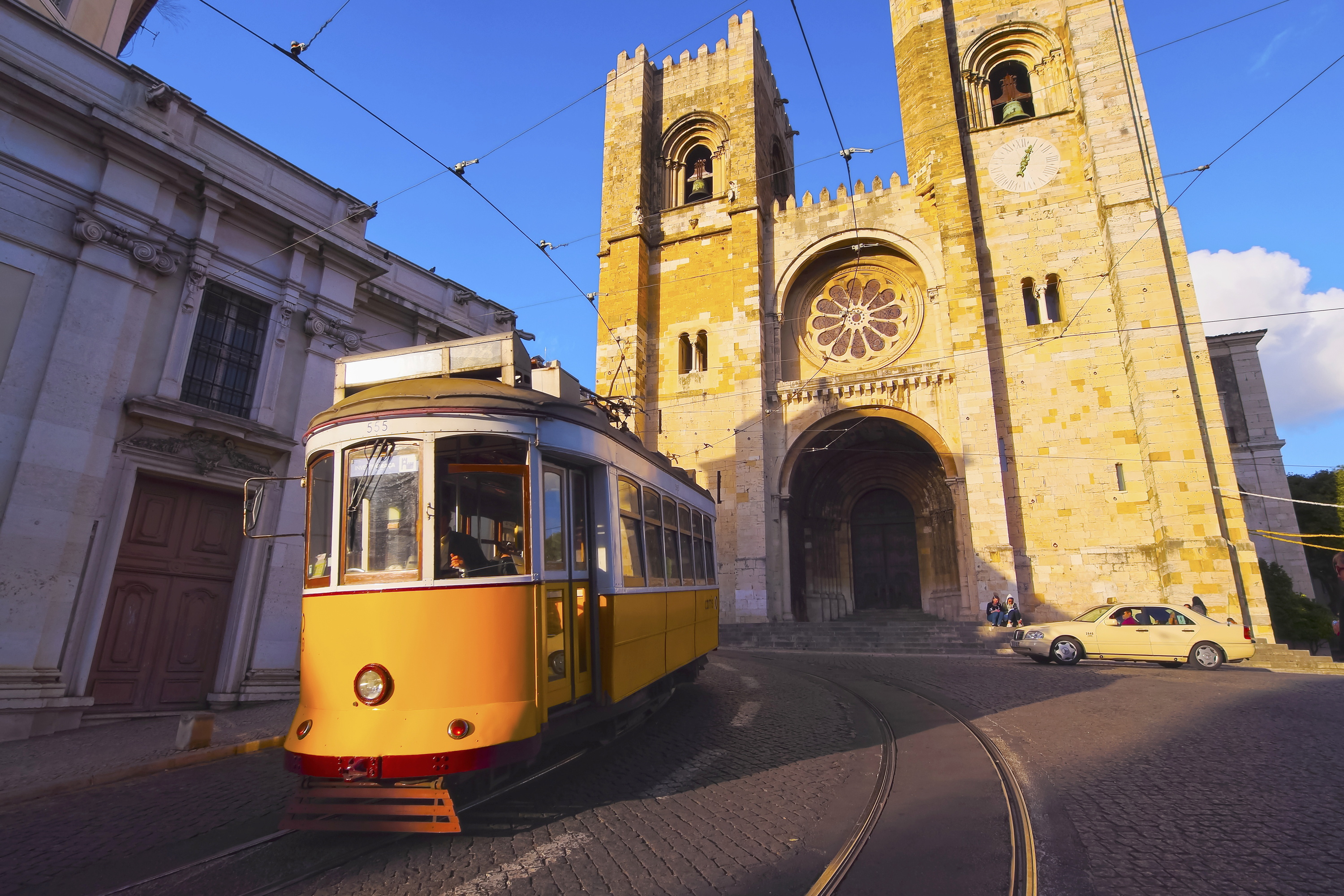
Lisboa

Lisboa
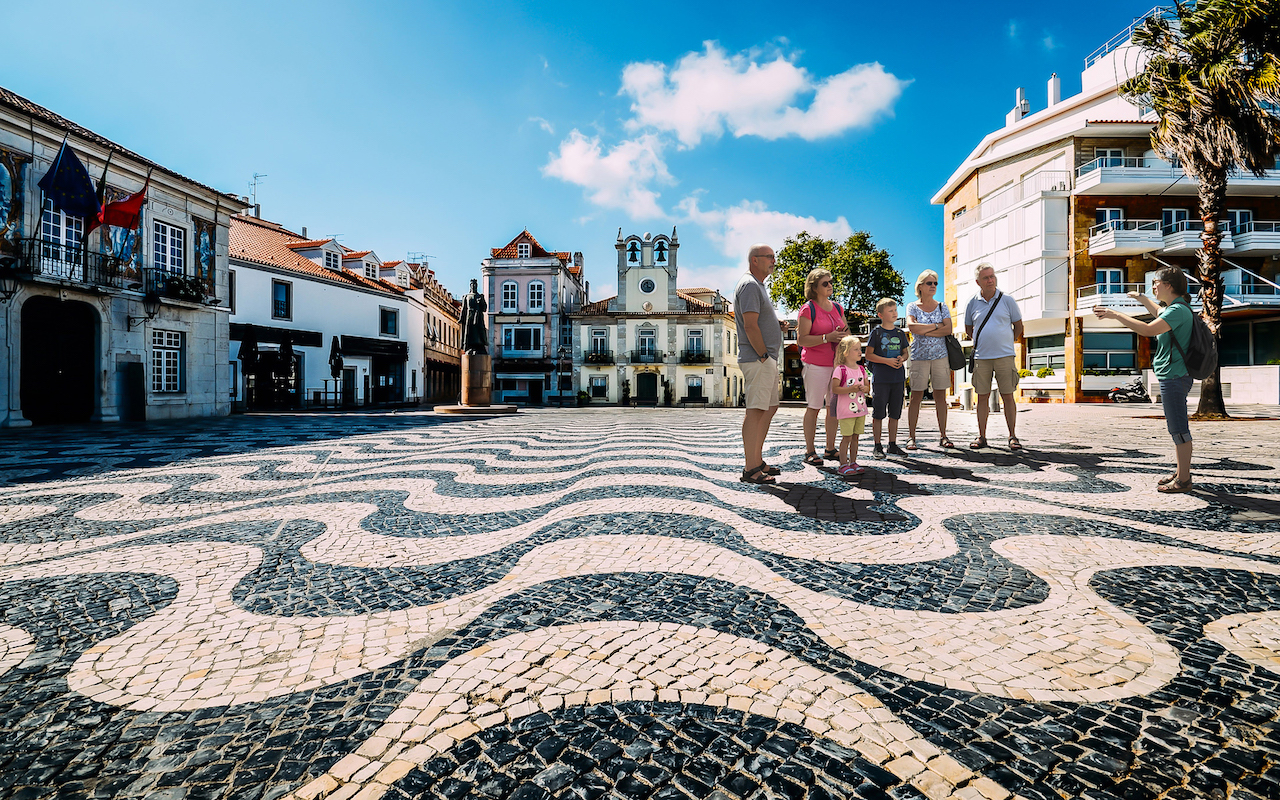
Lisboa
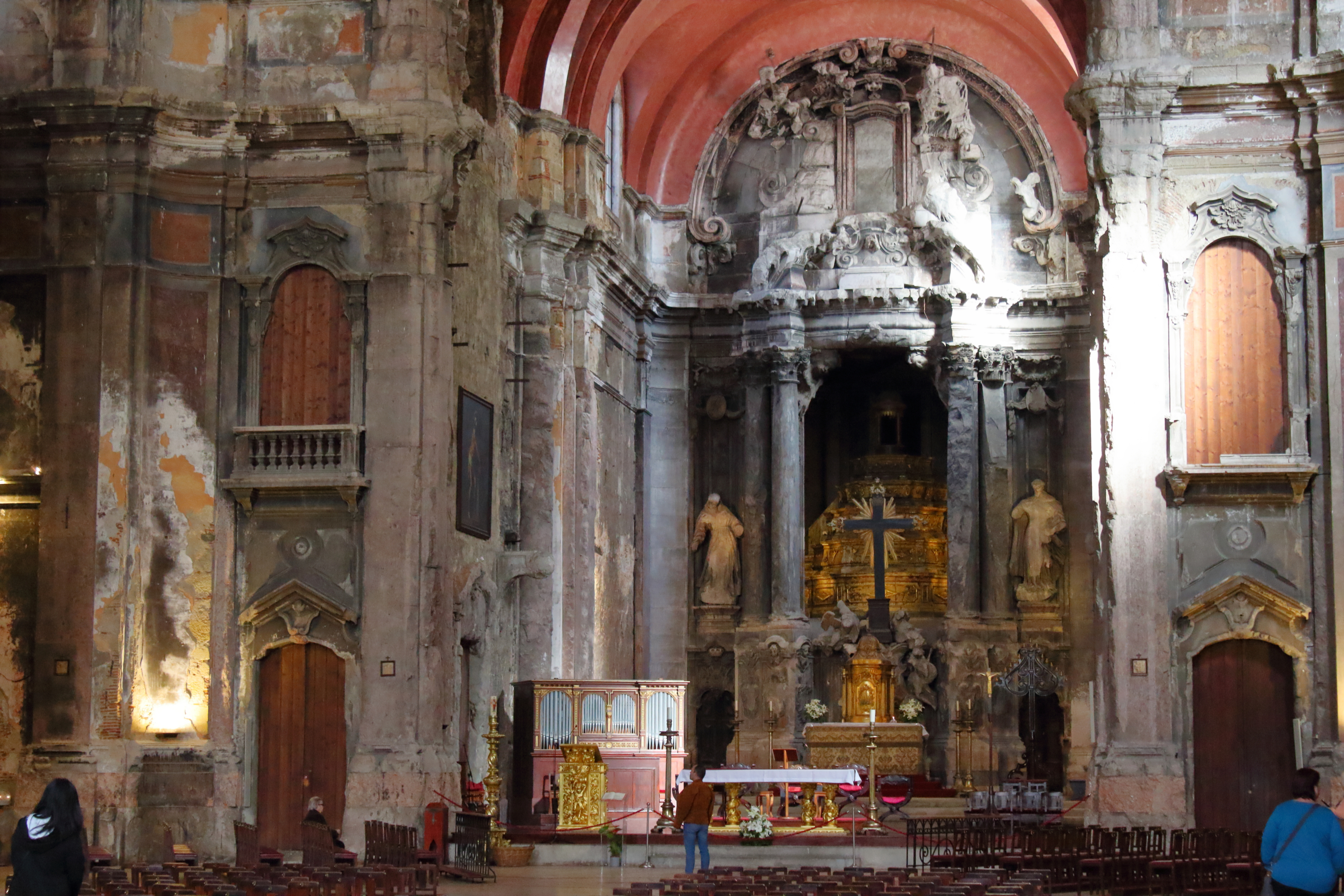
Lisboa

Lisboa
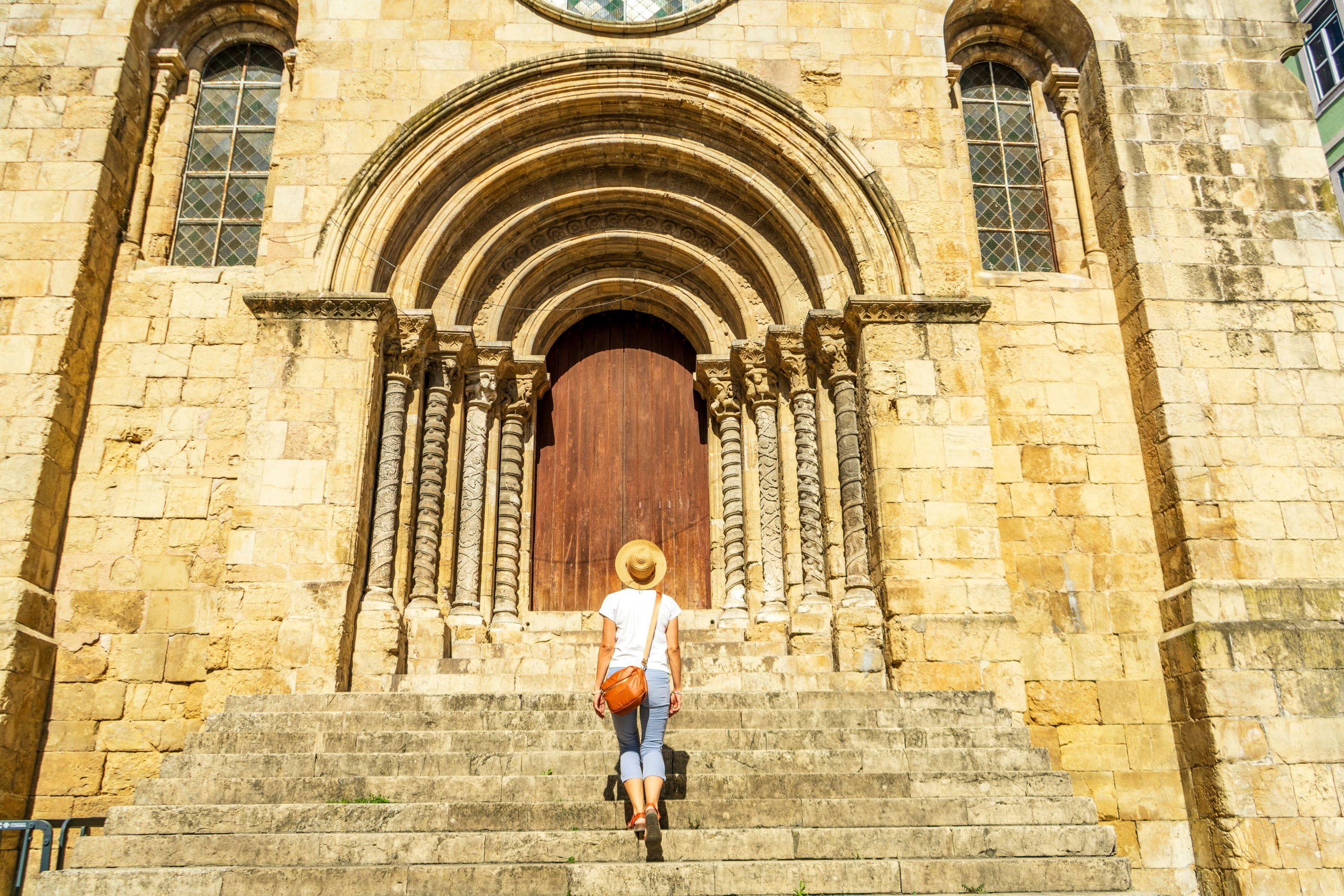
Lisboa
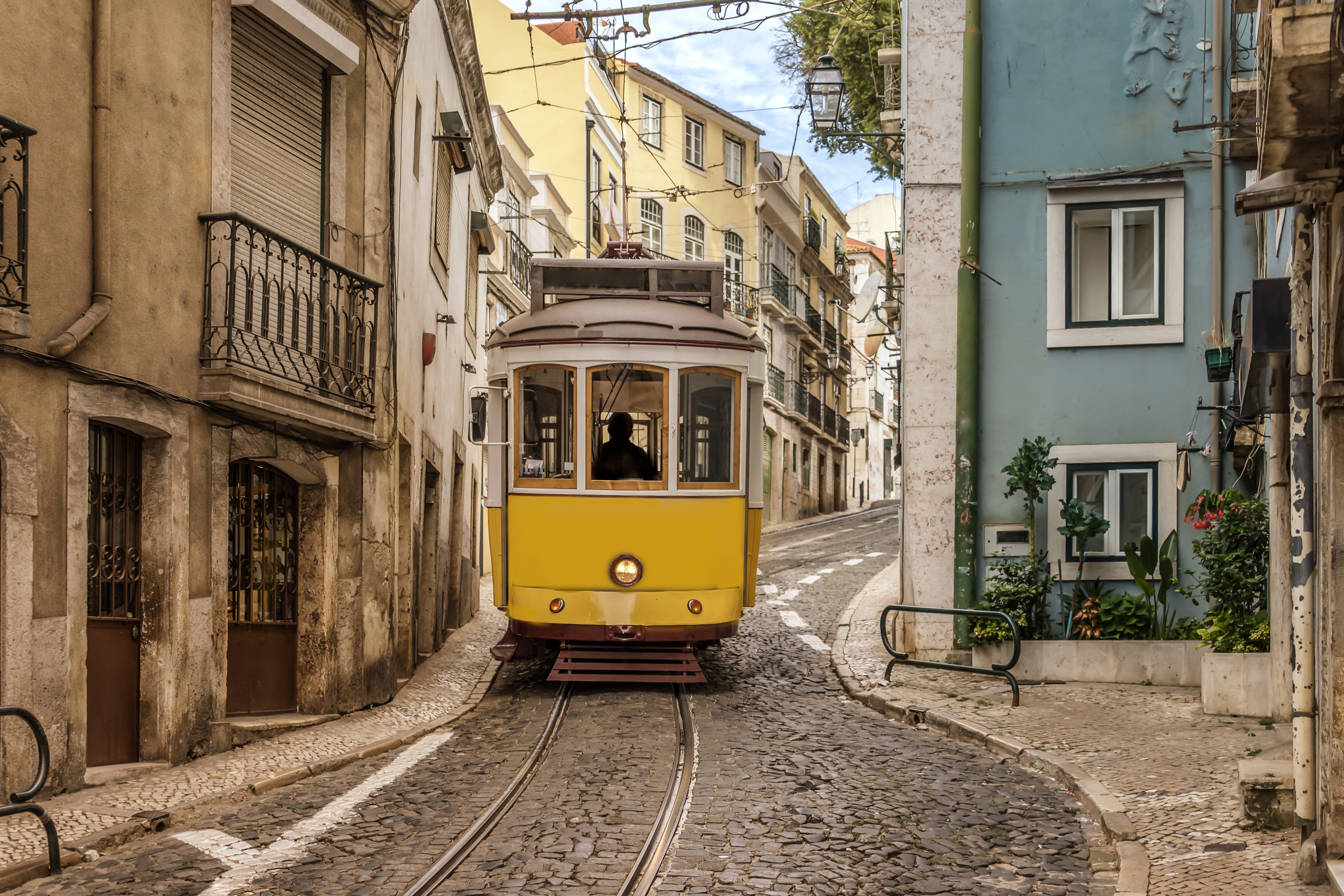
Lisboa
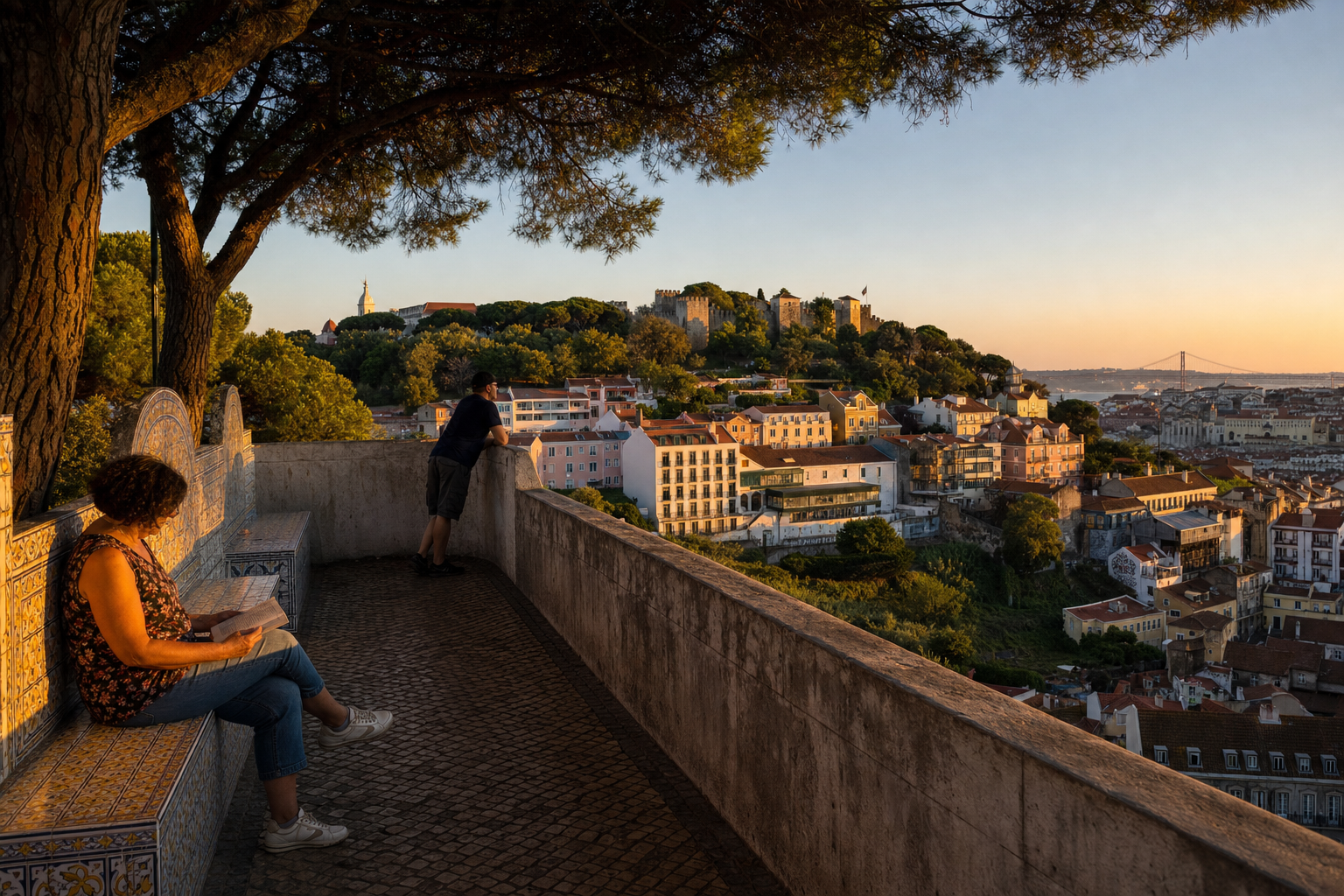
On the morning of 1 November 1755 — All Saints' Day — a catastrophic earthquake followed by a tsunami and fire destroyed roughly 85% of Lisbon. What you walk through today is, in large part, a city deliberately rebuilt from scratch. But not all of it. Alfama, clinging to its bedrock ridge above the Tagus, survived almost untouched. Mouraria, pressed against the castle hill, kept its labyrinthine medieval lanes. Belém, several kilometres west, was far enough from the epicentre to preserve its extraordinary Manueline monuments. These geological and historical accidents shaped the city's character as profoundly as any monarch or architect — and they explain why Lisbon's neighborhoods feel so radically different from one another, even when separated by a ten-minute walk. This guide goes beyond the postcard version. It digs into the specific histories, architectural DNA, and cultural layers that make each district genuinely distinct — and tells you what you'd actually miss if you only followed the crowds.
Read more →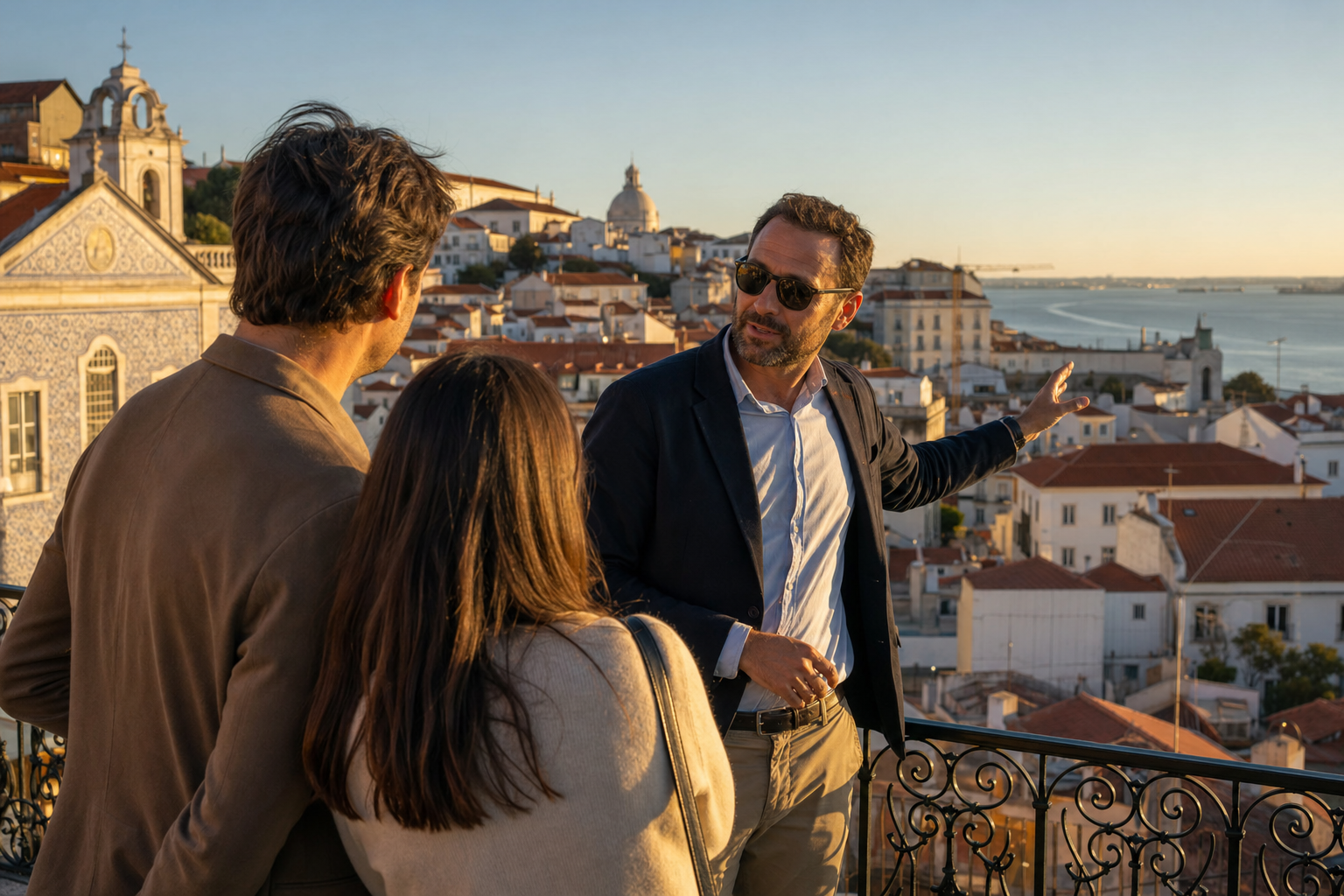
On the morning of 1 November 1755 — All Saints' Day — a catastrophic earthquake, followed by a tsunami and firestorm, killed between 30,000 and 40,000 people and erased the medieval centre of Lisbon in under six minutes. The city that rose from the rubble was rebuilt on an entirely different logic: the rational Pombaline grid of Baixa, named after the Marquis of Pombal who oversaw the reconstruction. That rupture still defines every street, tile panel, and viewpoint you encounter today — but almost no group tour has the time or flexibility to explain why. Lisbon is not one city; it is at least four, stacked across seven hills, shaped by a global maritime empire, a catastrophic earthquake, and centuries of cultural layering that even most visitors who have been here before have only scratched the surface of. That is precisely why private tours in Lisbon work so differently from anywhere else in Europe — and why getting them right matters.
Read more →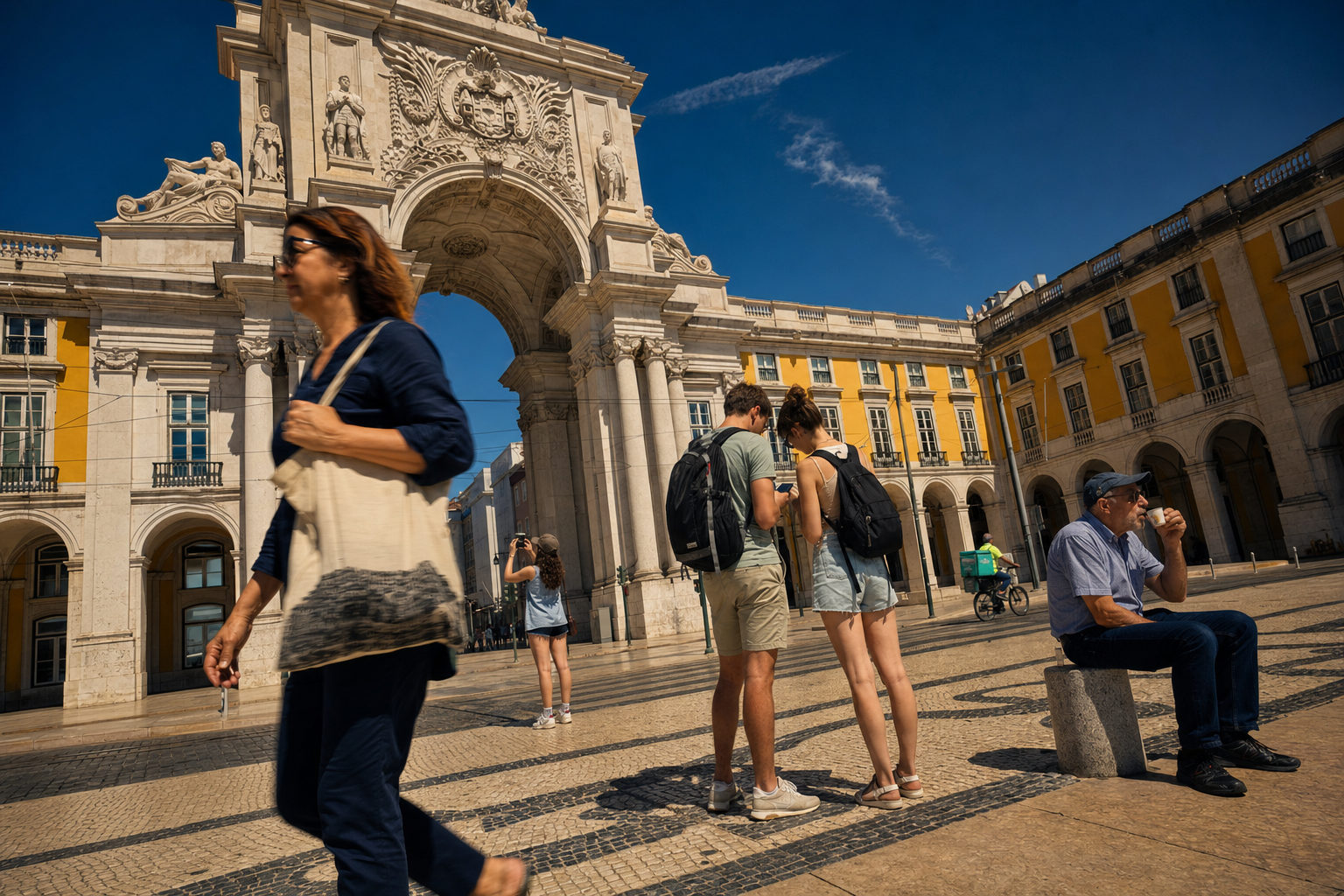
At 9:40 on the morning of 1 November 1755 — All Saints' Day, when most of Lisbon's population was inside a church — an earthquake estimated between 8.5 and 9 on the Richter scale struck the city. Three separate tremors, a tsunami, and fires that burned for five days killed between 30,000 and 40,000 people and levelled roughly 85% of the built environment. The Marquis of Pombal rebuilt the lower city from scratch on a rational Enlightenment grid — one of the first planned urban rebuilds in European history. But one neighbourhood didn't fall. Alfama, the ancient Moorish quarter, sat on solid schist bedrock and held. The street pattern you walk today is the one laid down before the 12th century. That single geological accident is the reason Lisbon feels unlike any other Western European capital: its oldest layers weren't buried under 19th-century renovation. They stayed visible, walkable, and inhabited. A long weekend in Lisbon — three full days, properly structured — is enough time to feel that depth across millennia of empire, faith, and fado. But only if you spend those days the right way.
Read more →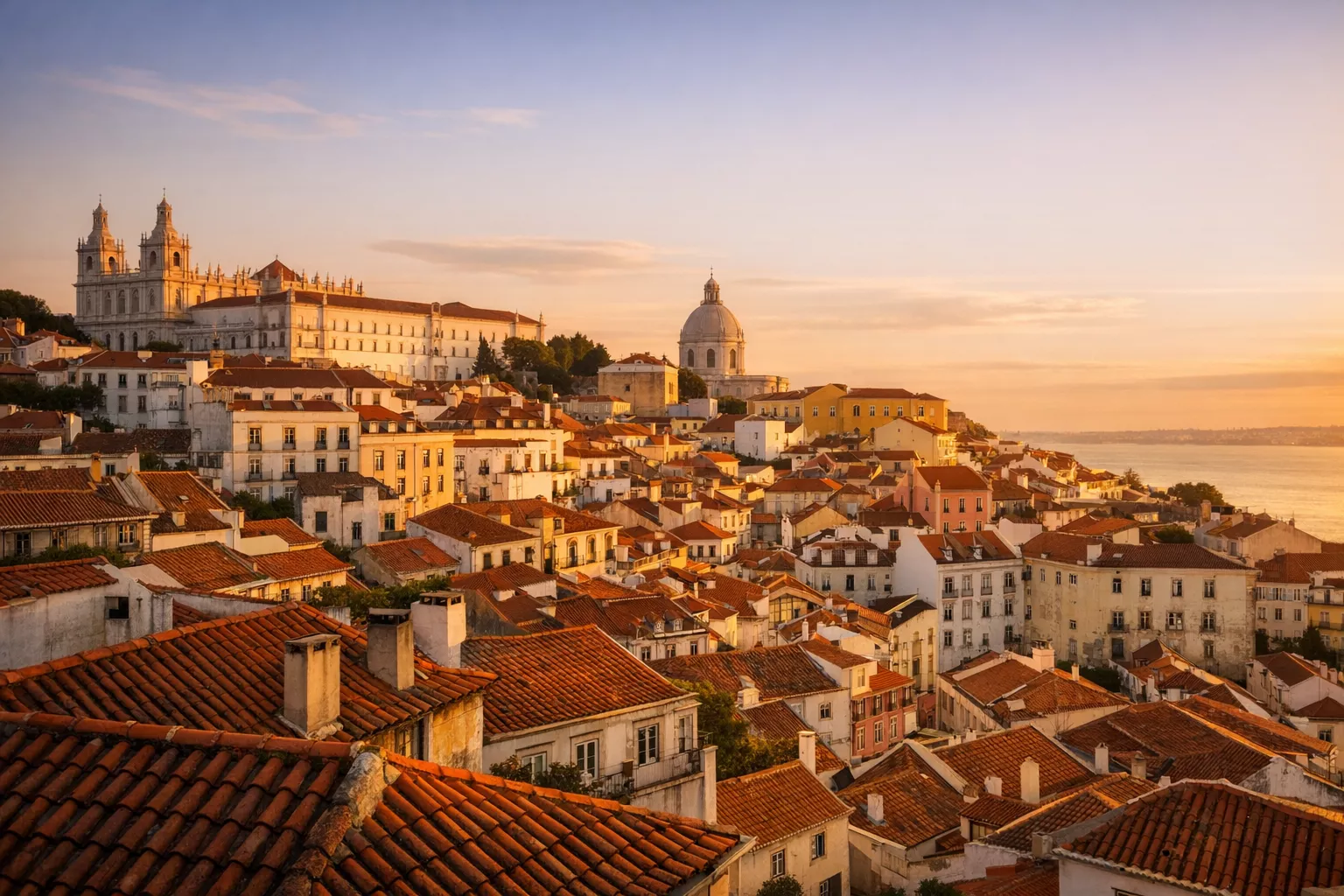
Discover the vibrant city of Lisbon, where history, culture, and gastronomy blend together perfectly. Whether you're a history buff, a foodie, or an adventurer, this guide will reveal the top things to do in Lisbon, along with links to exclusive local tours.
Read more →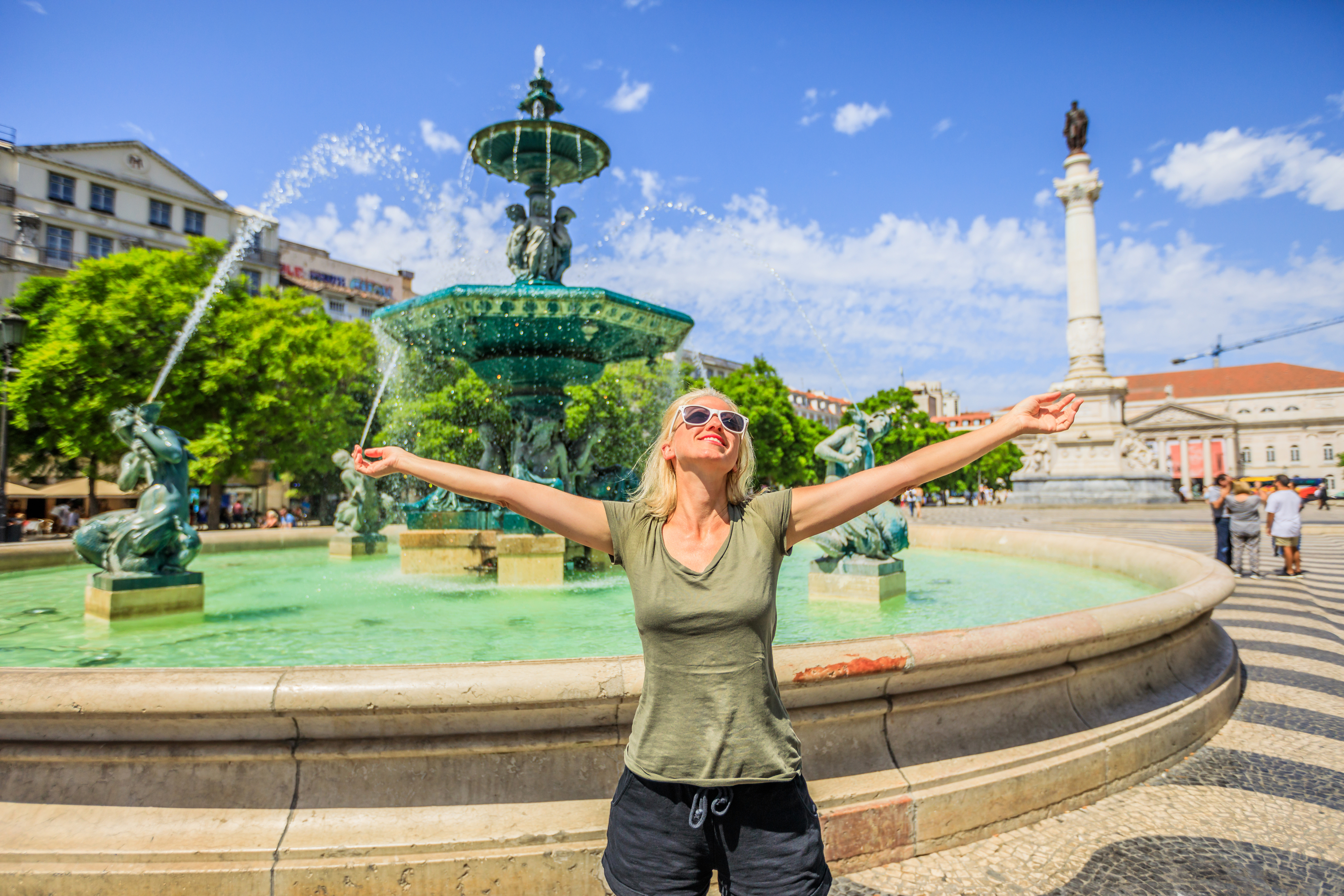
Lisbon, the capital city of Portugal, is a vibrant and enchanting destination that offers a perfect blend of history, culture, and natural beauty. From its picturesque neighborhoods to its stunning architectural landmarks, Lisbon has something to offer every traveler. Whether you have just a few days or a whole week, this city will captivate you with its charm and allure.
Read more →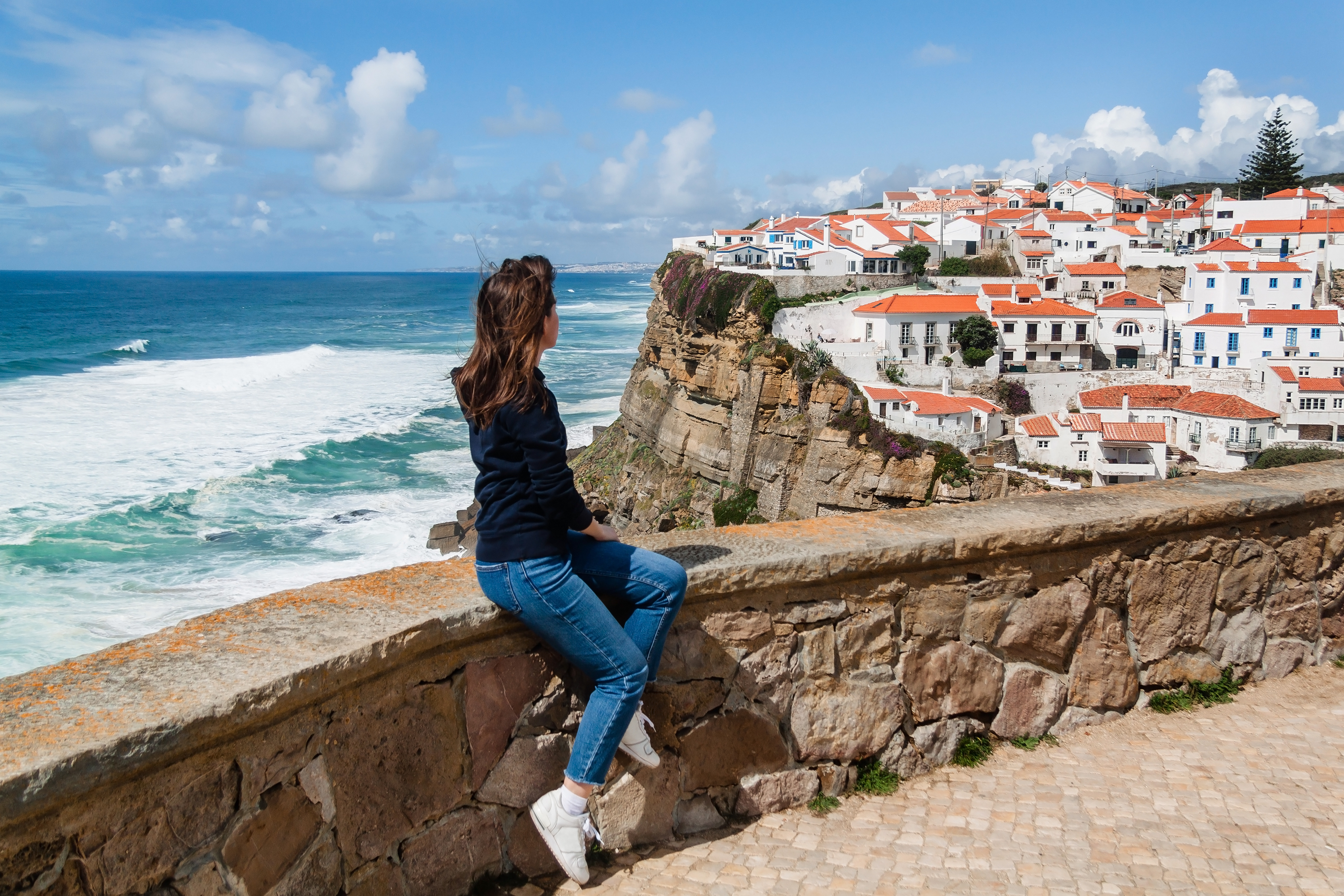
In the vicinity of Lisbon there are many beautiful villages and places to visit on day trips. At any time of the year, you can discover small towns, palaces, castles, beaches and beautiful landscapes. Signing up for a private tour with a local guide can be a very good option, so that you don't miss any detail, learn about history, while optimising time and money. Otherwise, it is also possible to do it on your own, thanks to public transport or rental cars. Which places do we recommend?
Read more →We use a single cookie, to remember this choice. We do not use analytics or advertising cookies. Read our cookie policy.