Lisboa
Highlights & Secrets of Lisbon Private Walking Tour
✓ Free cancellation Kids friendly
4.8(22 reviews)
From €124/ person
Book Now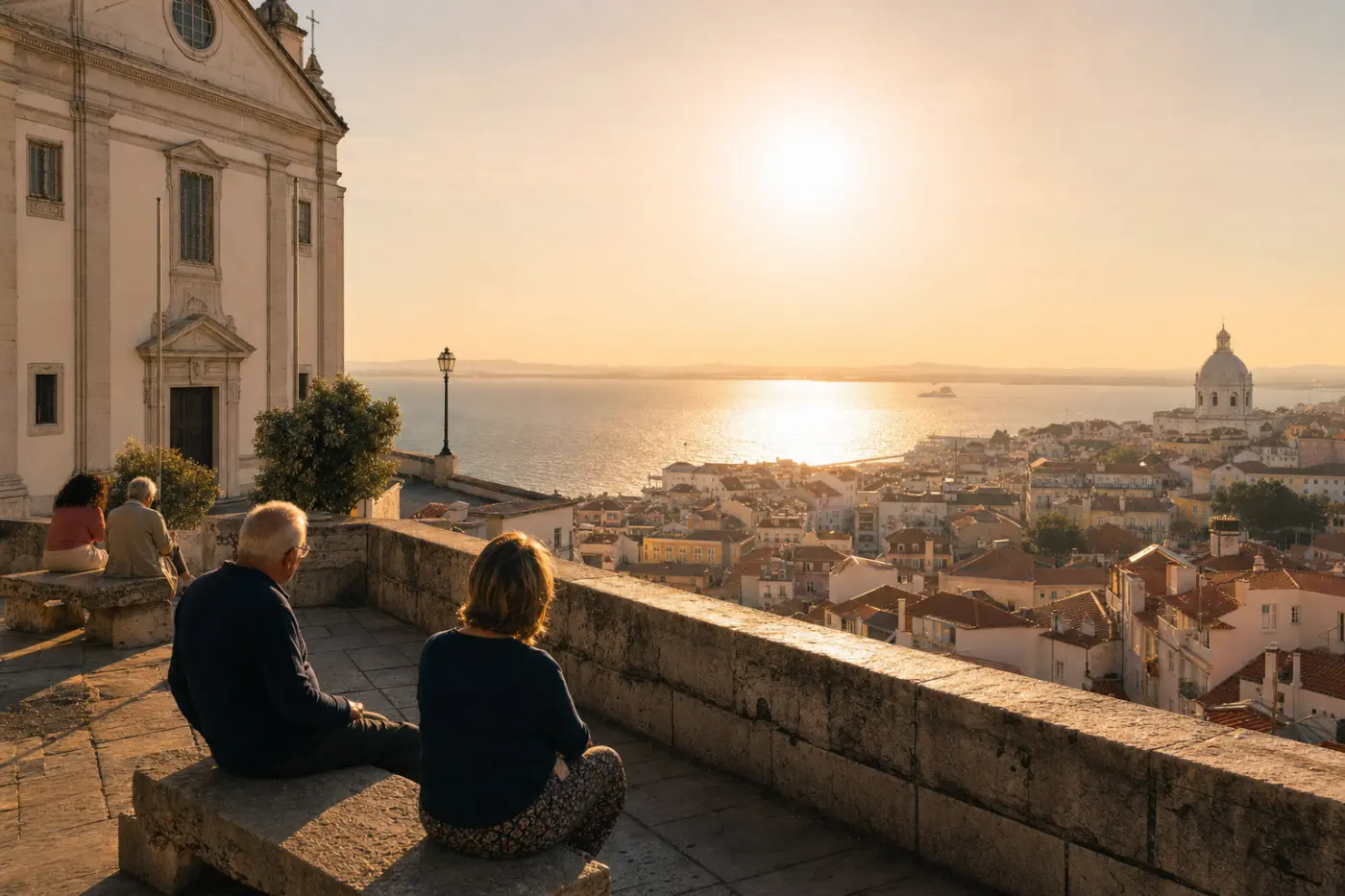
Tourist attraction
The Miradouro de Santo Estêvão is a small esplanade terrace in the heart of Alfama, Lisbon's oldest and most storied neighborhood, set directly in front of the Igreja de Santo Estêvão on the square of the same name. Unlike the heavily trafficked miradouros of Santa Luzia or Portas do Sol just a few hundred meters away, Santo Estêvão remains a genuinely local spot — its stone benches and low terrace wall occupied more by Alfama residents than by tour groups, making it one of the few remaining viewpoints in central Lisbon where daily neighborhood life plays out in front of an extraordinary panorama.
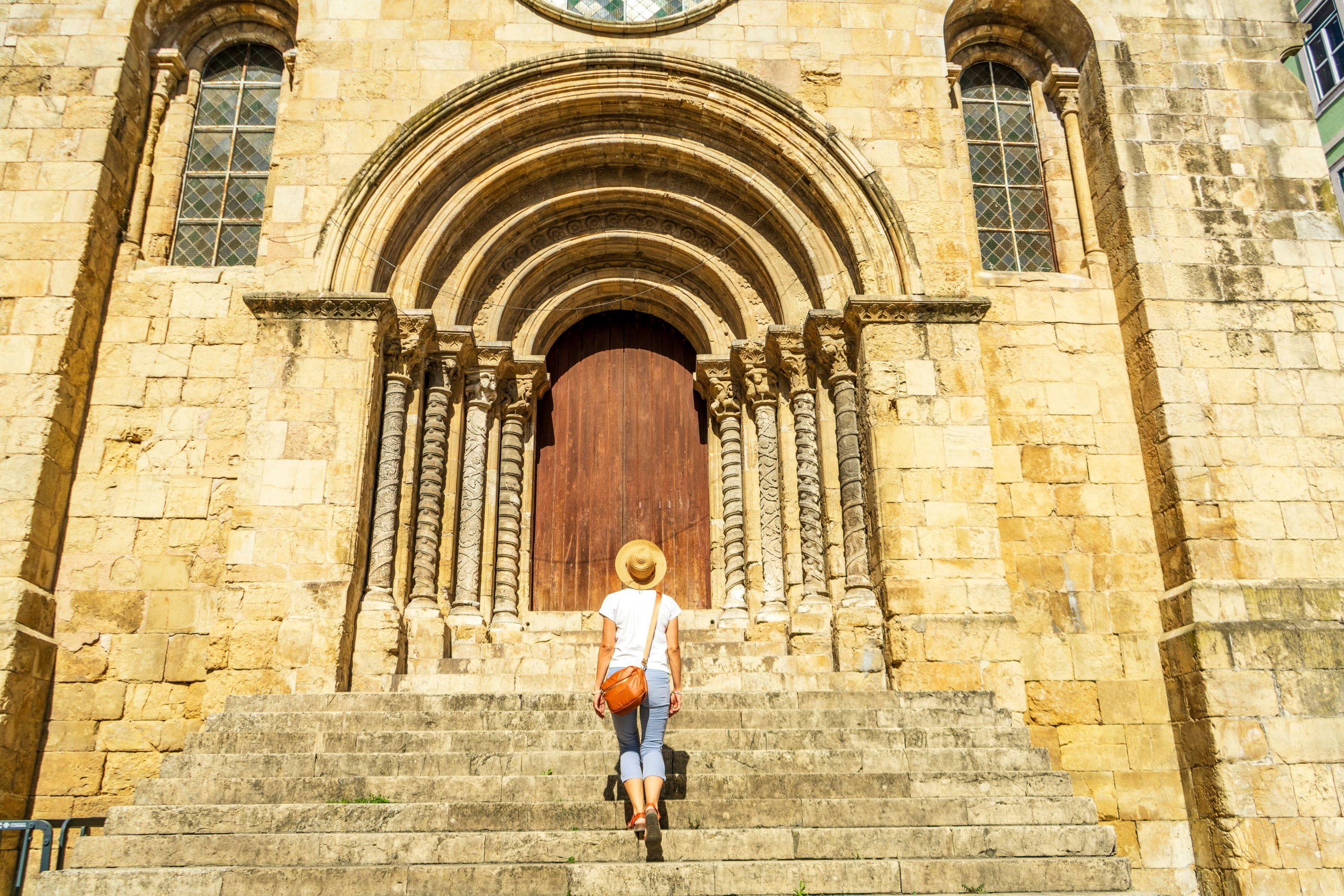
The church that anchors the square has medieval origins, with a parish recorded on this site as early as the 12th century, making Santo Estêvão one of Lisbon's oldest Christian communities. The current neoclassical building dates primarily from a reconstruction in the late 18th and early 19th centuries, following damage sustained in the catastrophic 1755 earthquake that destroyed or severely compromised much of Alfama's ecclesiastical architecture. Its broad, whitewashed façade and modest twin towers are characteristic of the restrained Pombaline-influenced rebuilding that reshaped Lisbon after the disaster. The square itself — Largo de Santo Estêvão — retains its irregular medieval outline, a reminder that this corner of the city escaped the rigid grid planning imposed on Baixa after 1755.
From the terrace, visitors look out over a sweeping arc of the Rio Tejo, the broad estuary stretching southeast toward Barreiro and the Serra da Arrábida beyond. In the foreground, the terracotta rooftops and crumbling walls of lower Alfama tumble toward the riverfront, with the domes of Santa Engrácia — the National Pantheon, whose construction famously dragged on from 1681 to 1966 — visible to the east. At golden hour, the light catches the river's surface and the faded azulejo façades of the houses below in a way that feels entirely unposed and unhurried. Because the terrace faces southeast rather than directly south, it also offers unusually warm afternoon light well into the evening in summer months.
Santo Estêvão is best reached on foot through the alleyways of Alfama from the Largo das Portas do Sol, a 5–10 minute walk downhill along Rua dos Remédios or through the tangle of lanes around Beco do Carneiro. There is no kiosk or café directly on the terrace, which keeps the atmosphere quiet — bring your own drink from one of the small tascas on Rua dos Remédios. The square also serves as a natural waypoint on a self-guided walk connecting the miradouros of Alfama, sitting between the busier Portas do Sol above and the river-level Jardim do Tabaco below.
Private tours with a local guide, at your own pace.
Lisboa
Lisboa

Lisboa
Lisboa

Lisboa
Lisboa
Lisboa

Lisboa
Lisboa
We use a single cookie, to remember this choice. We do not use analytics or advertising cookies. Read our cookie policy.