Lisboa
Highlights & Secrets of Lisbon Private Walking Tour
✓ Free cancellation Kids friendly
4.8(22 reviews)
From €124/ person
Book Now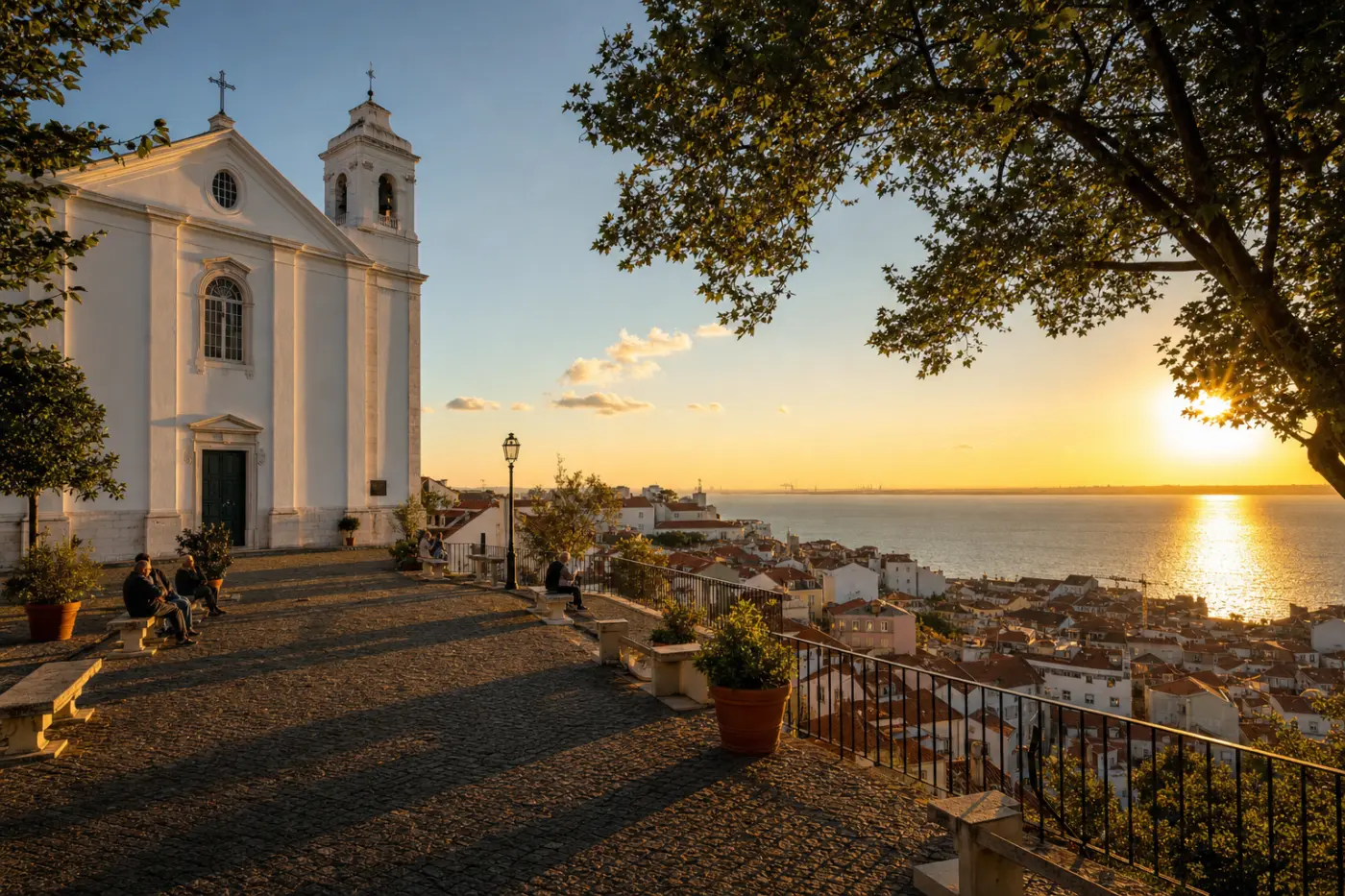
Tourist attraction
The Miradouro de Santo Estêvão is a small esplanade terrace in the heart of Alfama, Lisbon's oldest and most storied district, set directly in front of the Igreja de Santo Estêvão on the street of the same name. Unlike the heavily trafficked miradouros of Santa Luzia or Portas do Sol just a few hundred metres uphill, this viewpoint has remained largely off the main tourist circuit, making it a genuine neighbourhood gathering spot where local residents — not tour groups — occupy the stone benches in the late afternoon. The terrace opens to the south and east, offering an unobstructed panorama across the terracotta rooftops of Alfama, the broad silver sweep of the Rio Tejo, and, on clear days, the far bank of Setúbal.
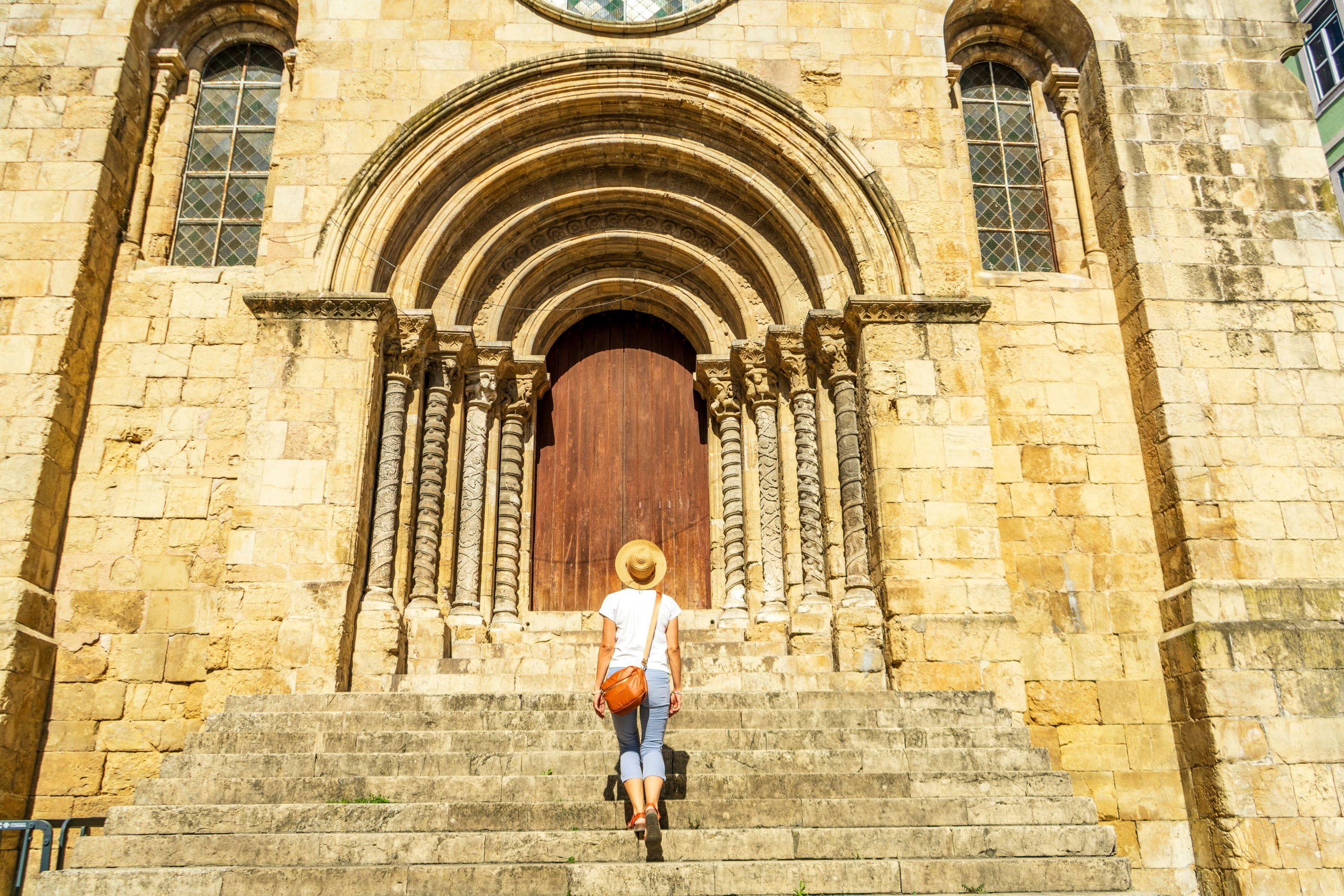
The Igreja de Santo Estêvão that anchors the viewpoint has medieval origins: a parish church dedicated to Saint Stephen was documented on this site as early as the 13th century, making it one of the oldest Christian foundations in Lisbon. The original structure was entirely destroyed in the catastrophic earthquake of 1 November 1755, which killed tens of thousands and levelled most of the city below the castle hill. The current neoclassical building was reconstructed in the late 18th century under the broader Pombaline rebuilding programme led by the Marquis of Pombal, though it retains a more austere character than the grand downtown Baixa churches of that era. The church's white-plastered façade and simple bell tower frame the left edge of the viewpoint's sightline, providing a quietly photogenic counterpoint to the river panorama.
Visitors arriving at the miradouro step into a wide cobblestone plaza shaded by mature trees, where a small kiosk typically operates in the warmer months selling wine, beer, and the ubiquitous imperial (draught lager). The atmosphere here is unhurried: children kick footballs against the church steps, elderly neighbours play cards, and cats — Alfama has always been famous for its street cats — thread between the terrace benches. The view frames the neighbourhood's characteristic stacked vernacular architecture: white and ochre plaster buildings with green shutters and satellite dishes coexisting with 18th-century stone window surrounds and panels of blue-and-white azulejo tiles.
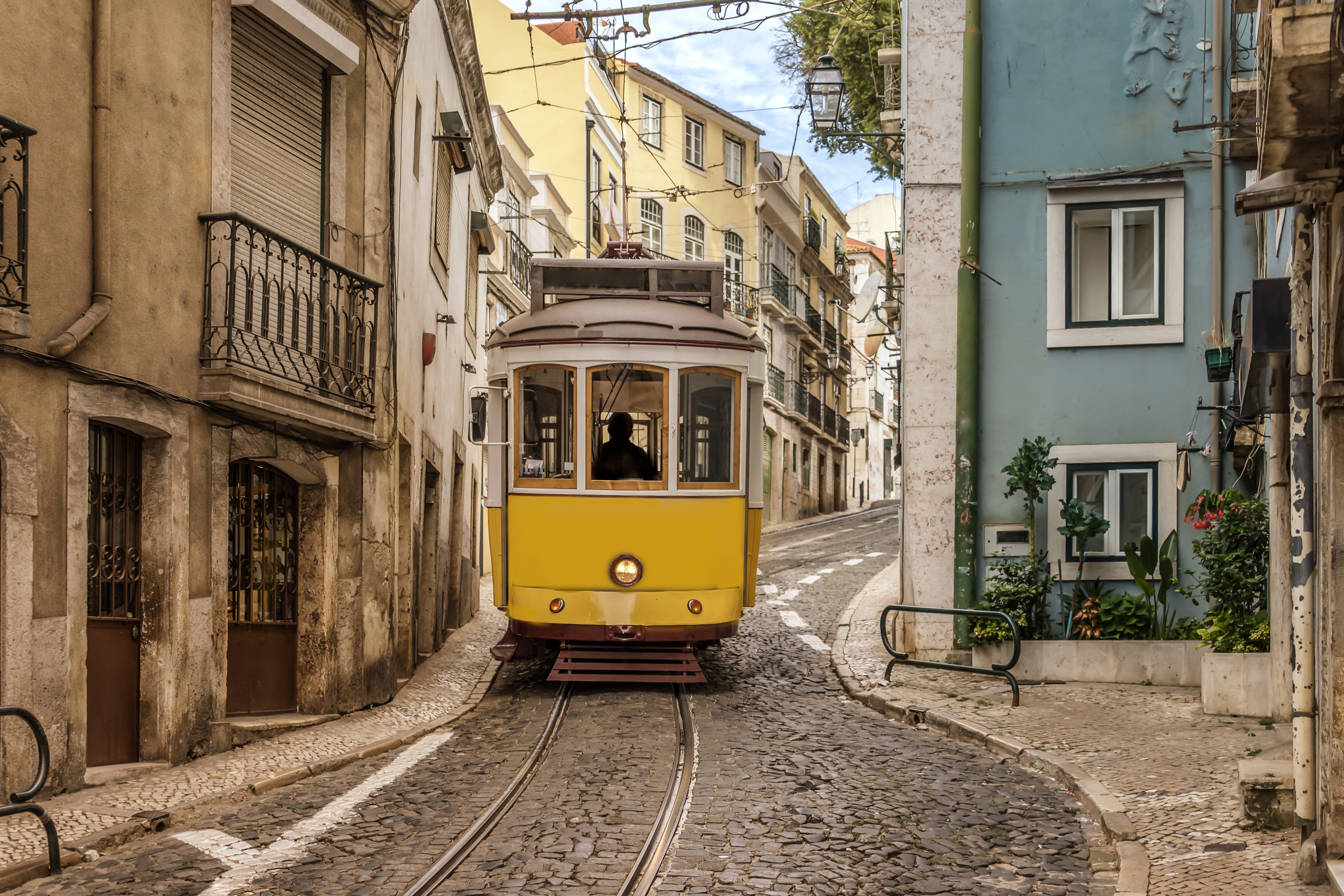
The miradouro is best visited in the late afternoon, when the low western sun turns the Tejo into hammered copper and the warren of Alfama alleys below begin to smell of charcoal and grilling sardines. It sits a short walk from Largo das Portas do Sol and is most easily reached on foot by descending from the São Jorge Castle area or by riding Tram 28, which stops a few minutes' walk away on Rua de São Tomé. There is no admission charge. Wear flat, rubber-soled shoes — the surrounding cobblestone lanes are steep and uneven.
Private tours with a local guide, at your own pace.
Lisboa
Lisboa
Lisboa

Lisboa
Lisboa
Lisboa

Lisboa
Lisboa
Lisboa
We use a single cookie, to remember this choice. We do not use analytics or advertising cookies. Read our cookie policy.