7 to 7,5 hrs
Barcelona
Barcelona & Montserrat Day Trip with Sagrada Familia Guided Tour
✓ Free cancellation Kids friendly
4.5(17 reviews)
From €134/ person
Book Now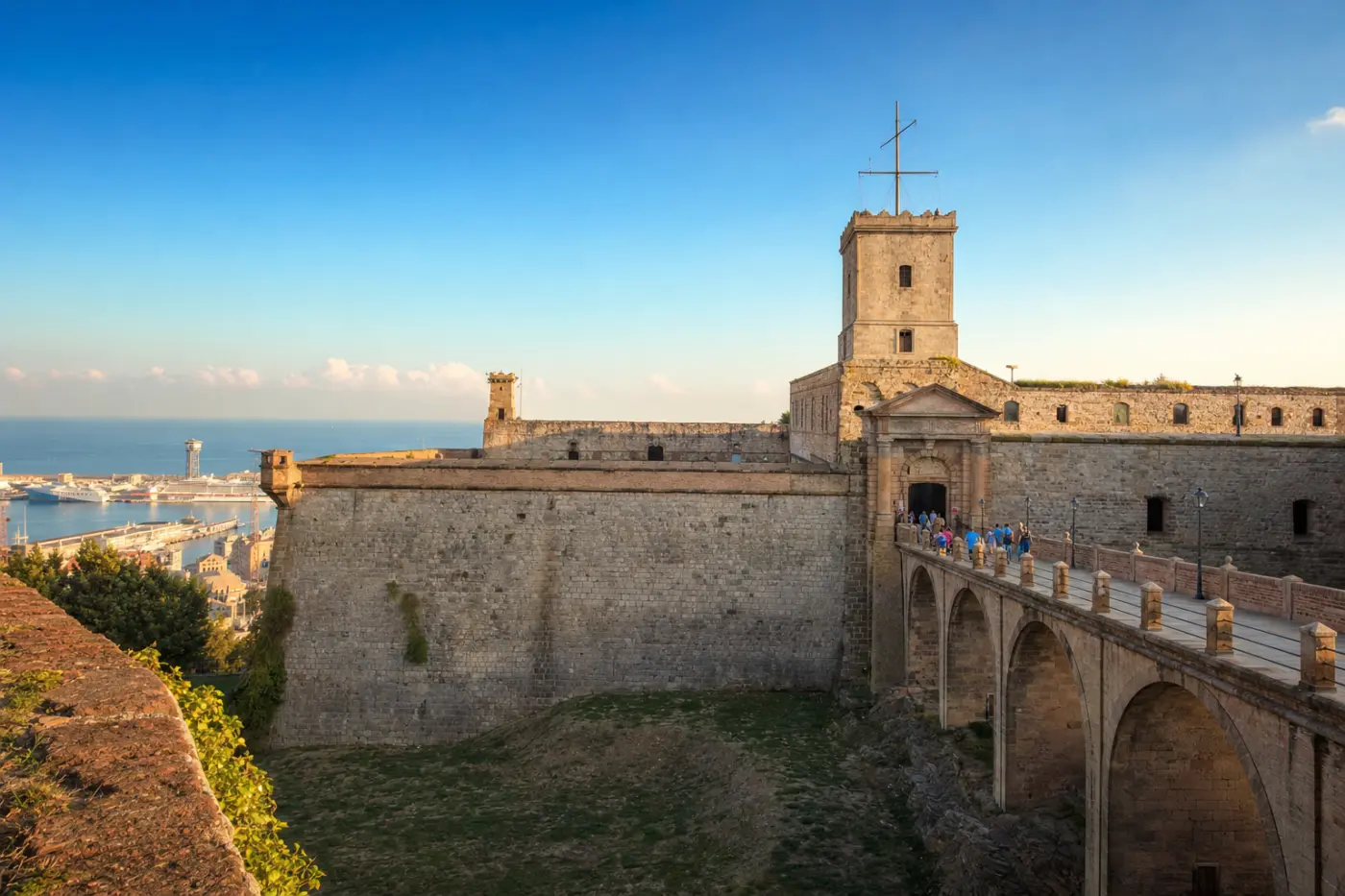
Tourist attraction
Montjuïc Castle is a star-shaped military fortress crowning the 173-metre summit of Montjuïc hill, overlooking Barcelona's port and the Mediterranean beyond. Its origins date to 1640, when a rudimentary fortification was erected during the Catalan Revolt — a period of violent conflict between Catalonia and the Spanish Crown. The structure was substantially redesigned and rebuilt between 1751 and 1779 under the direction of military engineers Juan Martín Cermeño and his son Pedro Martín Cermeño, who gave it its current polygonal bastioned layout, characteristic of 18th-century Vauban-influenced military architecture. The thick limestone ramparts, dry moat, and angular bastions were engineered to deflect cannon fire and command unobstructed sight lines across the city and sea.
The castle's history carries a dark political weight that Barcelonans have never forgotten. For much of its existence it functioned as a prison and site of state repression rather than external defence — its guns were turned on the city itself during the bombardments of 1842. It was the place of execution of numerous political prisoners, most notably Francesc Ferrer i Guàrdia, the anarchist educator shot within its walls in 1909 following a deeply controversial trial. Most painfully for Catalan memory, it was here that Lluís Companys i Jover, the democratically elected President of the Generalitat de Catalunya, was tortured and executed by Franco's regime on 15 October 1940 — the only democratically elected European government president executed by a fascist regime in the 20th century. The castle remained under Spanish military control until 1960, and was only formally transferred to the city of Barcelona in 2007, following years of civic campaigning.
Today the fortress operates as a municipal heritage site and public park managed by the Barcelona City Council. Visitors can walk the full perimeter of the ramparts, explore the restored moat and drawbridge, and enter the castle's interior courtyard, which houses a permanent exhibition on the site's layered military and political history. The views from the upper bastions are among the finest in the city — the port, the Barceloneta beach, the Eixample grid, and on clear days the island of Mallorca are all visible. A dedicated memorial space honours Lluís Companys and the thousands imprisoned here during the Civil War and Francoist dictatorship.
Reaching the castle is part of the experience: the Telefèric de Montjuïc cable car departs from the Parc de Montjuïc station and delivers visitors directly to the castle gate, while Bus Turístic and the PM Bus service connect from Paral·lel metro station. The site is open year-round, with extended hours in summer; entry to the grounds is free, while the interior exhibition carries a small fee. Early morning visits reward with cooler temperatures, softer light on the stone ramparts, and far fewer crowds than midday. Wear comfortable shoes — the cobbled paths and uneven battlements demand it.
Private tours with a local guide, at your own pace.
Barcelona
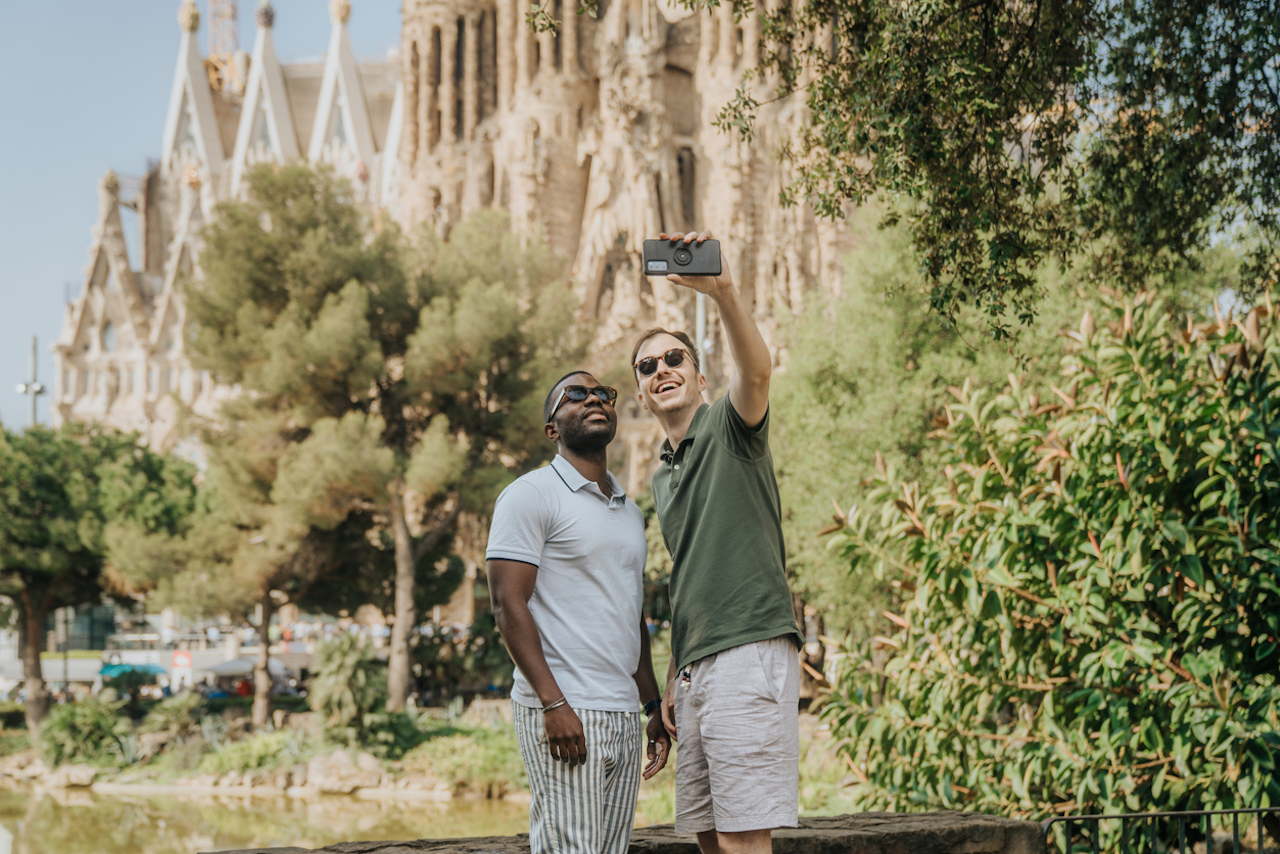
Barcelona
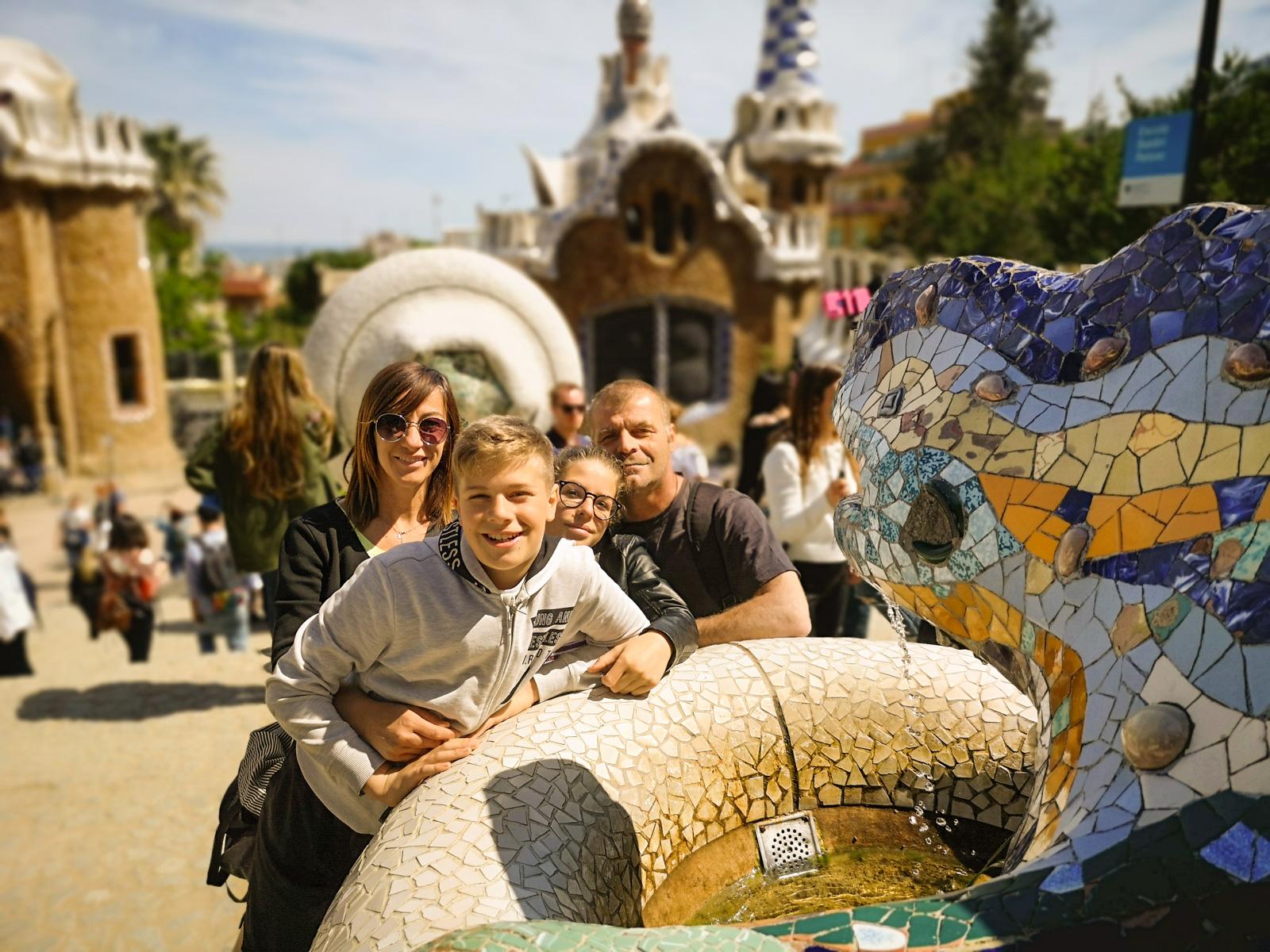
Barcelona
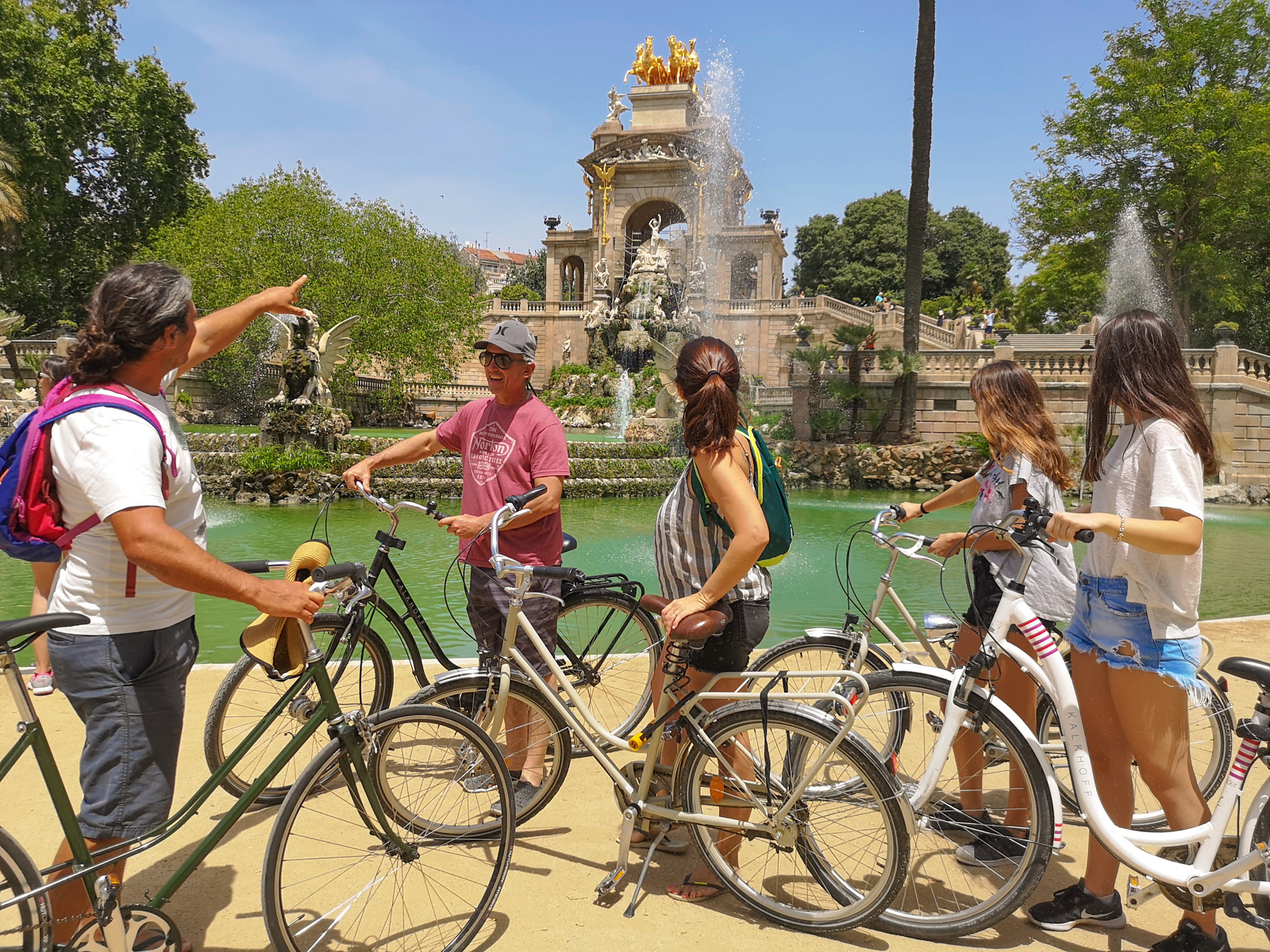
Barcelona
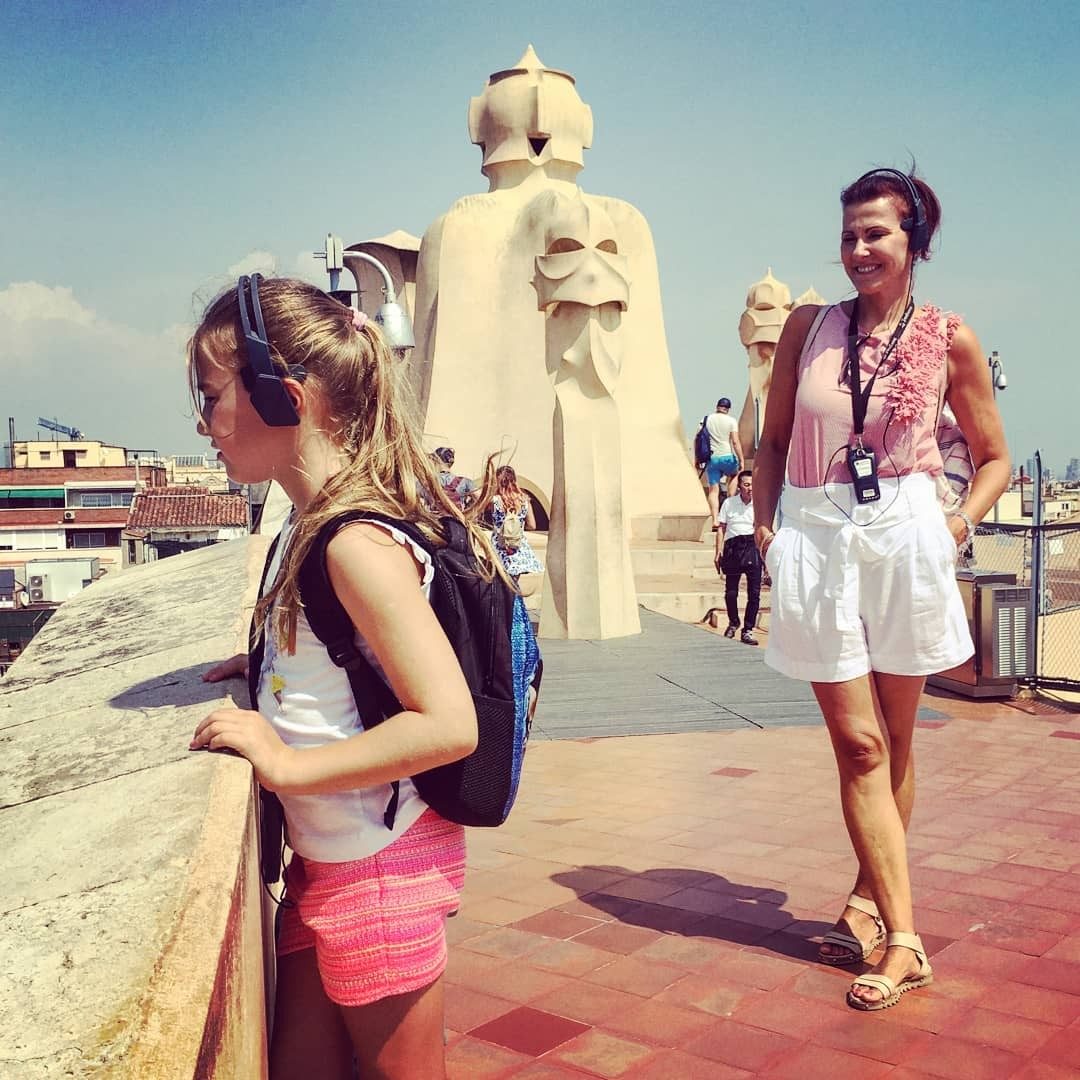
Barcelona

Barcelona

Barcelona
Barcelona

Barcelona

Barcelona
Barcelona
Barcelona
Barcelona
Barcelona