6 hrs
Lisboa
Lisbon Private Full-day Tour - History, Culture, Local Life & Gastro Experience
✓ Free cancellation Kids friendly
5.0(27 reviews)
From €219/ person
Book Now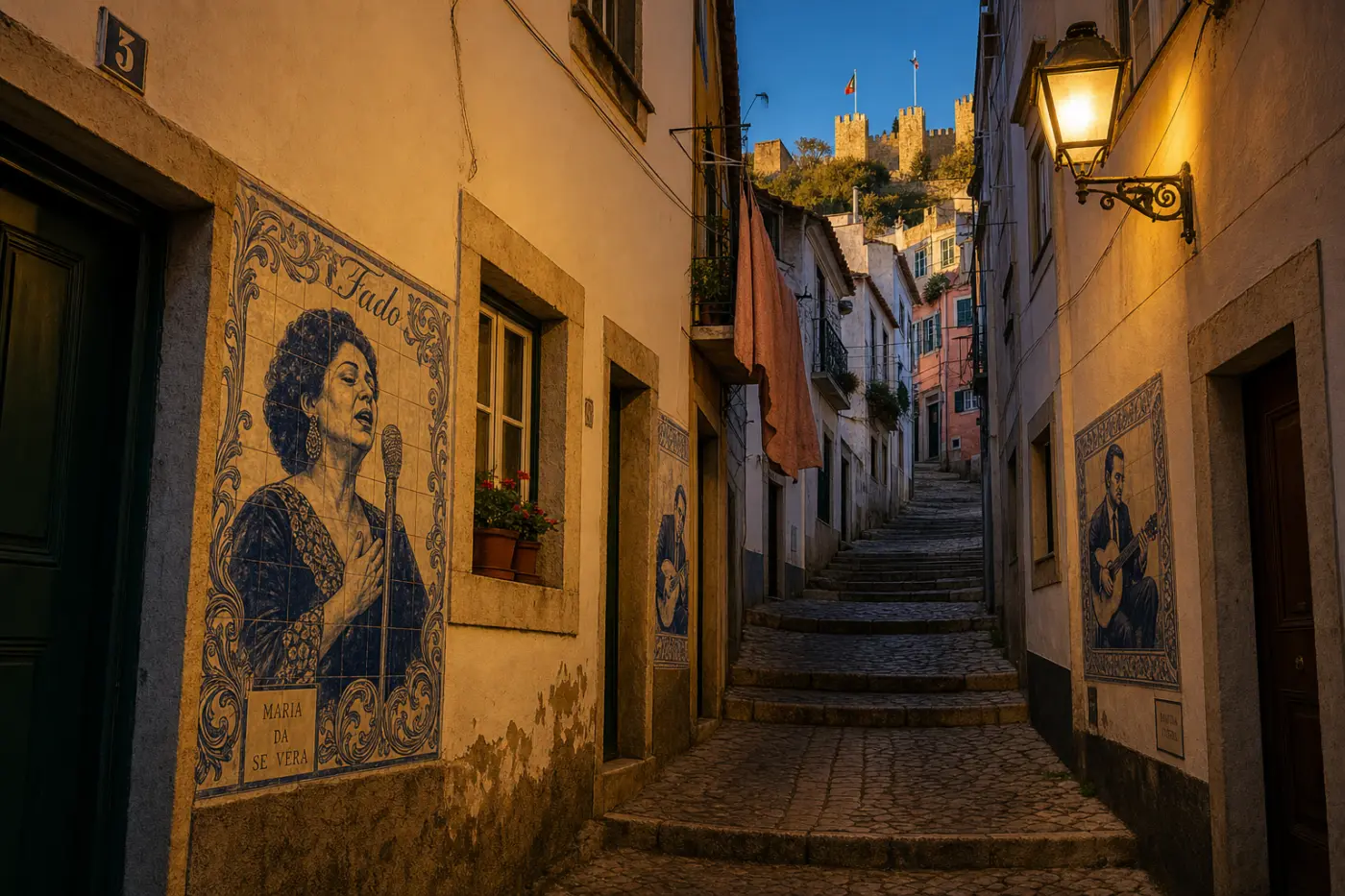
Tourist attraction
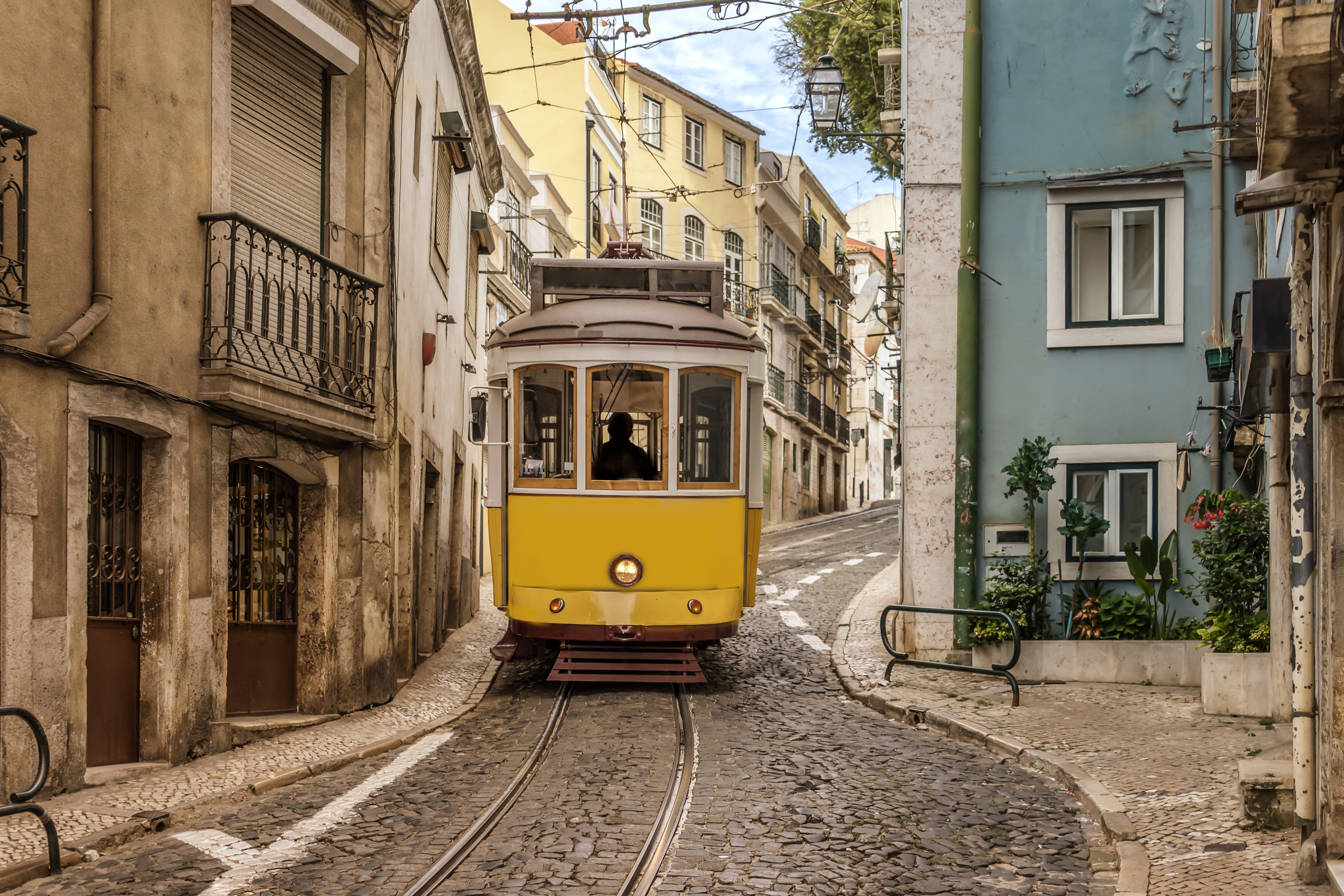
Mouraria is the oldest continuously inhabited quarter of Lisbon, occupying the slopes immediately below Castelo de São Jorge between the squares of Martim Moniz and Largo da Achada. Its name — literally "the Moorish place" — dates to 1147, when Afonso Henriques, the first king of Portugal, took Lisbon from its Islamic rulers with the help of Northern European Crusaders. The Muslim residents who remained after the conquest were confined to this hillside enclave outside the new Christian walls, creating a designated quarter that persisted for centuries. Before 1147, the district was part of the Islamic city of Lishbuna, itself established after the early 8th-century Umayyad expansion into the Iberian Peninsula, and its street plan — a dense web of narrow lanes, blind alleys, and sudden small squares — still follows the medieval logic of shade, slope, and neighborhood defense rather than the rational grids imposed on Baixa after the 1755 earthquake.
Mouraria is also recognized as the birthplace of Fado, Portugal's UNESCO-listed music of longing. The legendary fadista Maria Severa Onofriana, born here around 1820, is credited as the first great Fado singer, and her story — a tavern singer whose voice and short life became myth — cemented Mouraria's identity as the soul of the genre. Unlike the more tourist-oriented Fado houses of Alfama, the connection here feels structural: it is woven into the murals, the street names, and the amateur performances that still spill out of tascas on weekend evenings. Fragments of the original Moorish defensive walls can be spotted embedded in later buildings throughout the quarter, and the Núcleo Arqueológico da Mouraria at Largo da Achada preserves excavated Islamic-era artifacts in situ.
The 1755 earthquake that levelled most of Lisbon largely spared Mouraria precisely because its dense medieval construction on the upper slopes behaved differently from the low-lying Baixa. That geological accident of survival means visitors today are walking through layers that most of Lisbon lost in a single morning. In the 20th century, the quarter became home to successive waves of immigrants — from Cape Verde, Bangladesh, China, and Brazil — giving it an atmosphere unlike any other Lisbon neighbourhood. A city-led renewal programme launched in 2009 brought infrastructure improvements and commissioned large-scale street art, including tiled portrait panels of historic and contemporary Fado figures, without erasing the lived-in character of the streets.
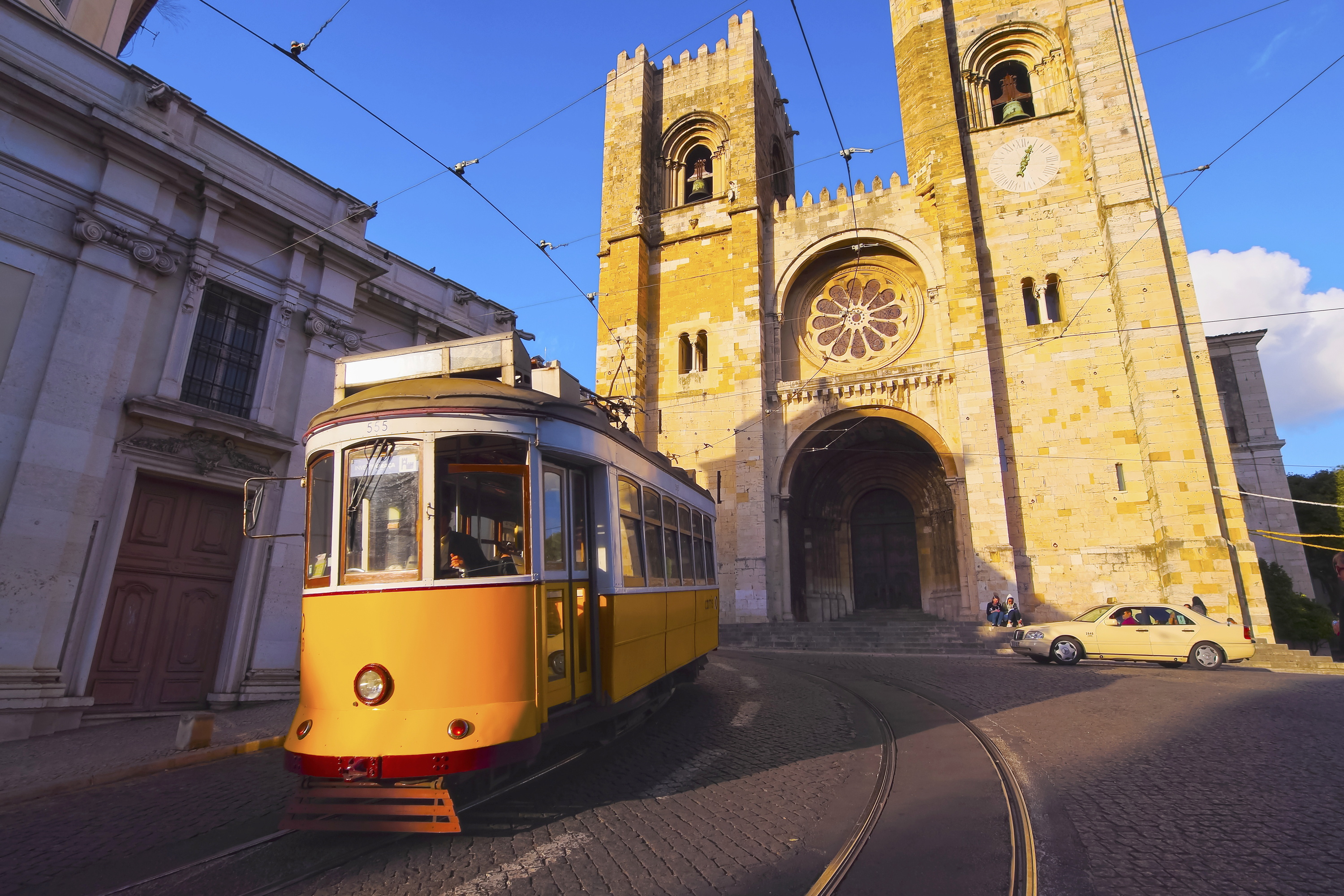
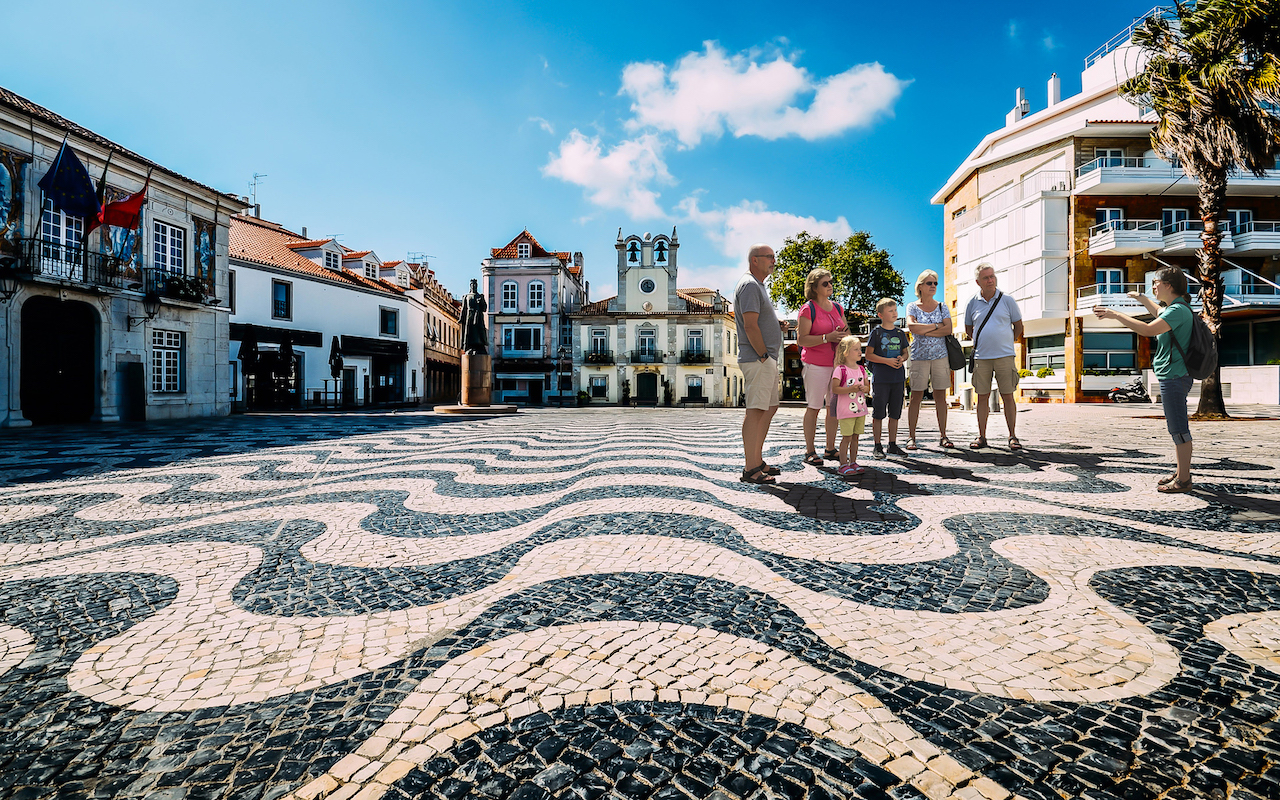
The best approach is on foot from Martim Moniz square, climbing through Rua do Capelão and Rua da Mouraria toward Largo da Achada. Go on a weekday morning to find the neighbourhood at its most local: grocery stalls, the smell of coriander from a Cape Verdean lunch counter, and elderly residents on doorsteps that have been occupied for generations. Wear flat, grippy shoes — the calçada portuguesa cobblestones are steep and can be slippery after rain. The quarter is free to explore at any time, and it connects naturally to Castelo de São Jorge at the top and to the tram 28 route through Alfama below.
Private tours with a local guide, at your own pace.
Lisboa
Lisboa

Lisboa
Lisboa

Lisboa
Lisboa
Lisboa

Lisboa
Lisboa
We use a single cookie, to remember this choice. We do not use analytics or advertising cookies. Read our cookie policy.