2,5 to 3 hrs
Vienna
Vienna Sightseeing Private Tour: City Highlights & Sacher Cake
✓ Free cancellation Kids friendly
4.6(75 reviews)
From €158/ person
Book Now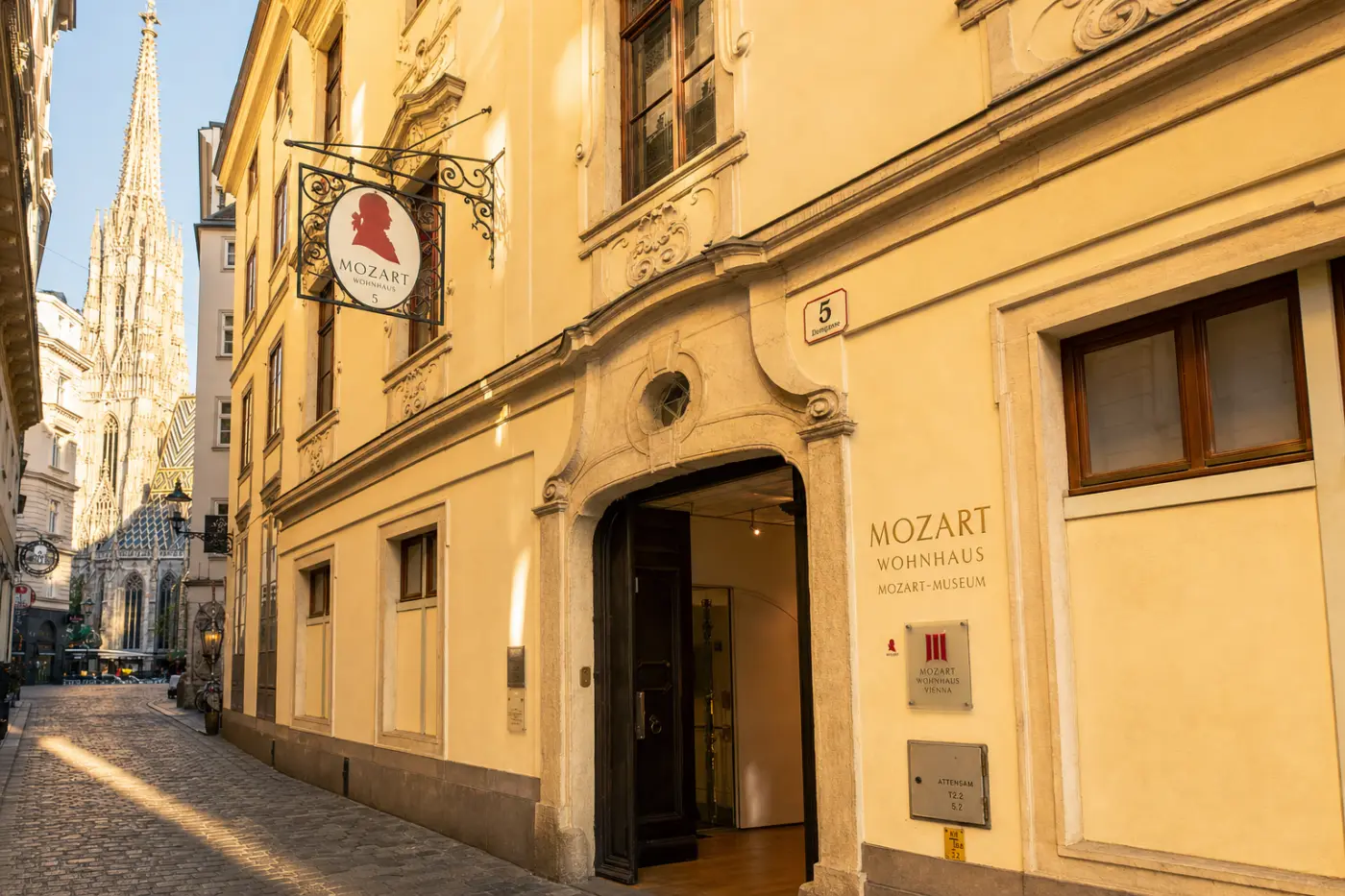
Tourist attraction
Mozarthaus Vienna, located at Domgasse 5 in Vienna's first district, is the only preserved apartment in which Wolfgang Amadeus Mozart lived within the city. Mozart and his family — wife Constanze and their children — rented the second-floor apartment from October 1784 to April 1787, paying the considerable sum of 460 gulden per year, a reflection of the composer's prosperous status at the time. The building itself dates to the early 18th century and stands just steps from the Stephansdom cathedral, placing it at the very heart of imperial Vienna. Of all the residences Mozart occupied during his decade in the city, this was both the largest and the one in which he was most creatively productive.
It was within these rooms that Mozart composed Le nozze di Figaro (The Marriage of Figaro), completing it in 1786 for its triumphant premiere at the Burgtheater on May 1 of that year. He also wrote a significant number of his celebrated piano concertos here, including the Piano Concerto No. 20 in D minor (K. 466) and No. 21 in C major (K. 467), and the six string quartets he dedicated to Joseph Haydn — a set Haydn himself declared the finest quartets he had ever heard. The apartment represents the apex of Mozart's Viennese years, before financial difficulties and the death of children drew his final years into shadow.
Reopened as a museum in 2006 after extensive renovation, Mozarthaus Vienna spans four floors, including the original apartment and two additional floors of exhibition space. The museum traces Mozart's life in Vienna from his arrival in 1781 through his death in 1791, using period instruments, manuscripts, portraits, and multimedia installations. Visitors walk through reconstructed rooms that evoke the domestic and social world of a working composer in late 18th-century Vienna — a world of salons, billiard tables, and aristocratic patronage. The first floor houses the "Mozart and Vienna" exhibition, while the second floor focuses on his music and compositional methods.
The museum is open daily from 10:00 to 19:00 and is located a five-minute walk from the Stephansplatz U-Bahn station (lines U1 and U3). A combined ticket with the Beethoven Pasqualatihaus is available. Visitors should allow 90 minutes to two hours for a thorough visit. Printed audio guides are available in multiple languages, and the museum's compact concert hall hosts chamber music events throughout the year, making Mozarthaus one of the few museums in the world where you can hear live performances in a space its subject actually called home.
Private tours with a local guide, at your own pace.
Vienna
Vienna
Vienna
Vienna
Vienna
Vienna
Vienna
Vienna
Vienna
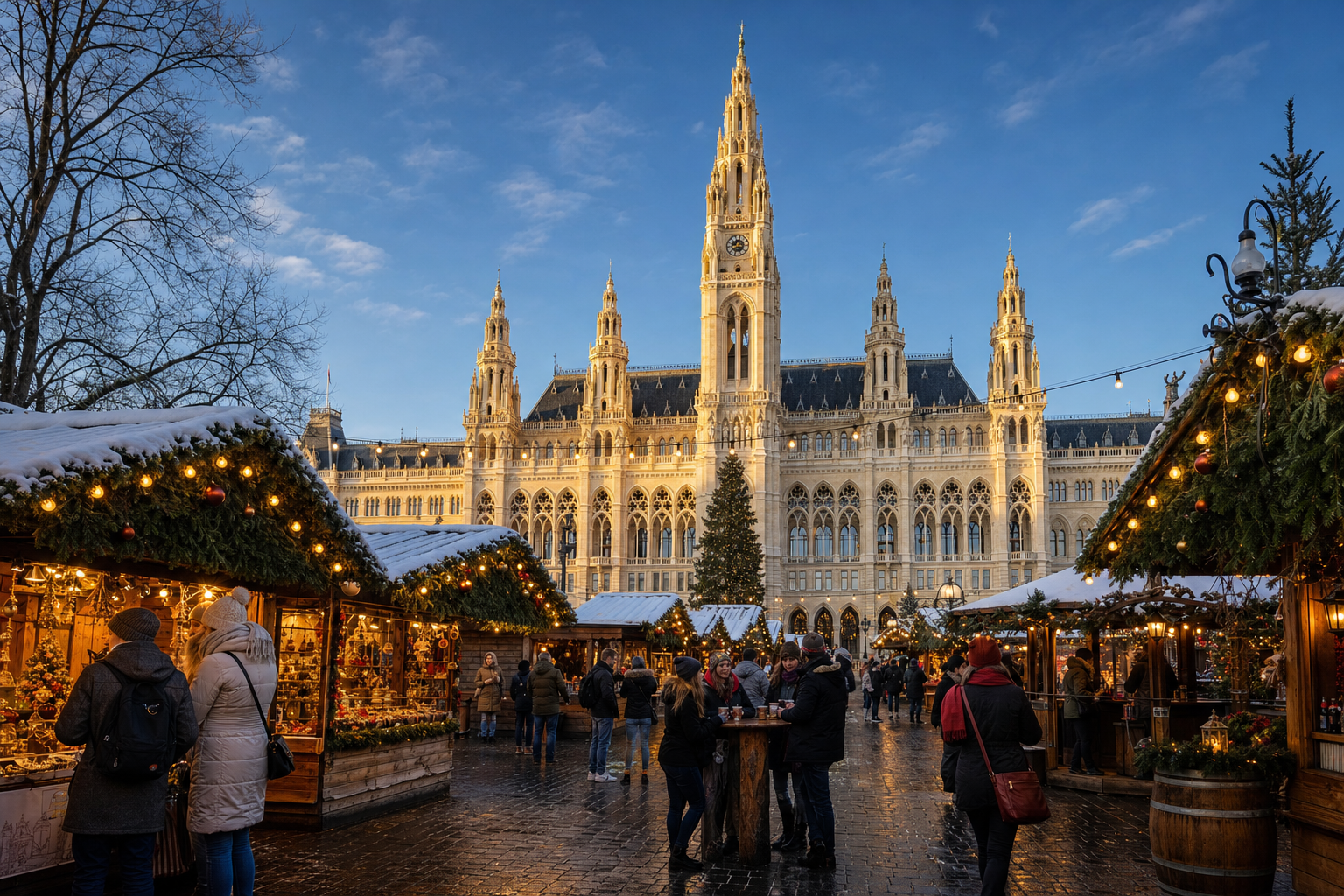
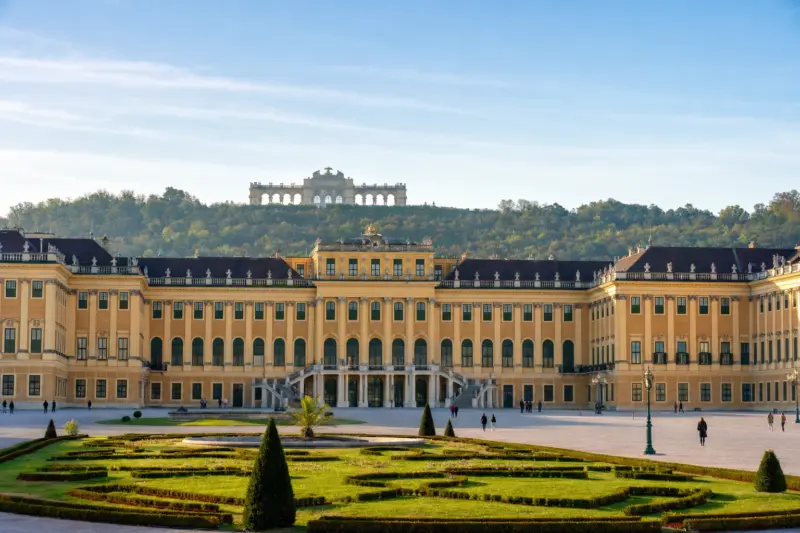
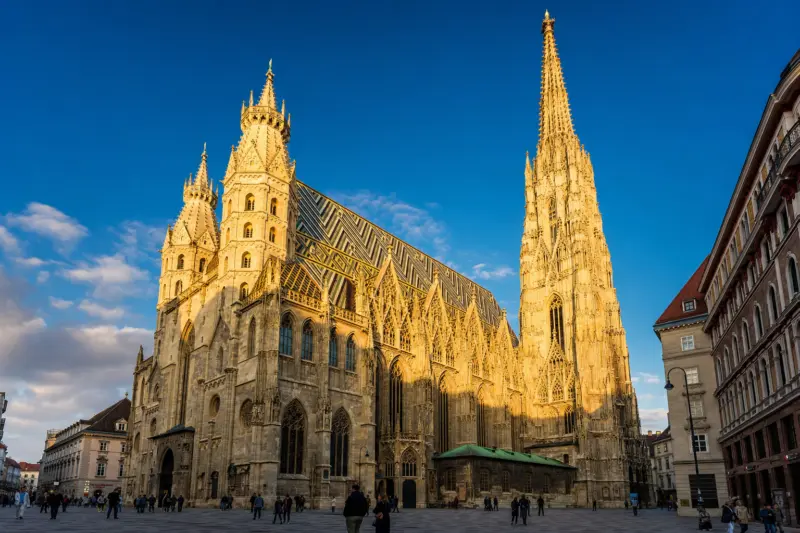
On the 20th of November 2026, the lights go on at the Rathausplatz Christmas market — and Vienna becomes, for five weeks, the most convincing argument anyone has made for winter travel. The Austrian capital hosts not one but a constellation of Advent markets, each anchored to a landmark of world historical significance: a Gothic cathedral begun in 1137, a Baroque imperial palace with 1,441 rooms, a Neo-Gothic city hall whose tower clears 98 metres. This is not the Christmas market circuit of fairy-lit sheds and mass-produced ornaments. Vienna's markets sit inside one of the densest concentrations of monumental architecture in Europe, and the 2026 season adds a brand-new market at Schwarzenbergplatz to an already remarkable lineup. Whether you are planning your first December in Vienna or your fifth, the 2026 calendar has enough new details — and enough enduring magic — to justify reading every word of what follows.
Read more →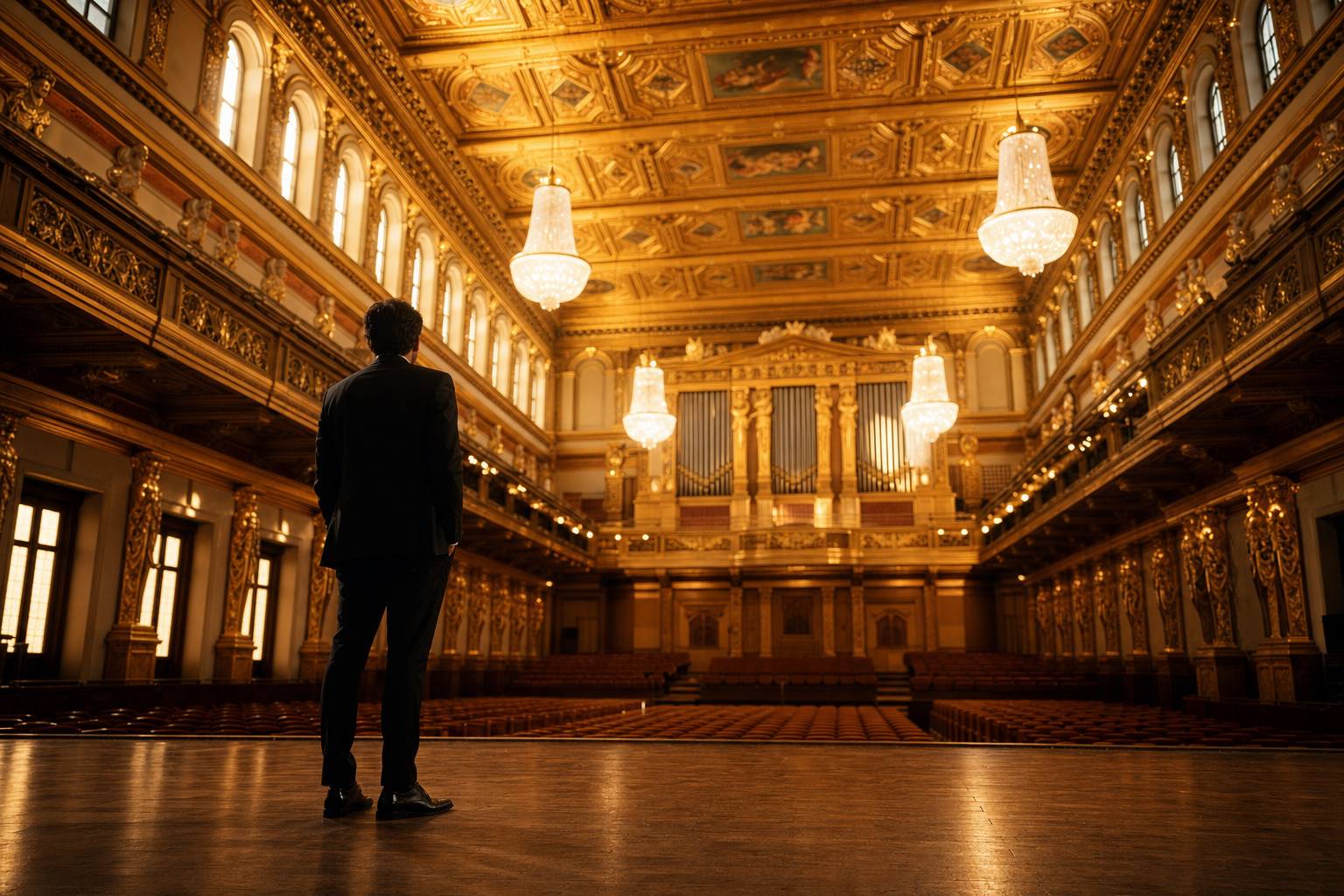
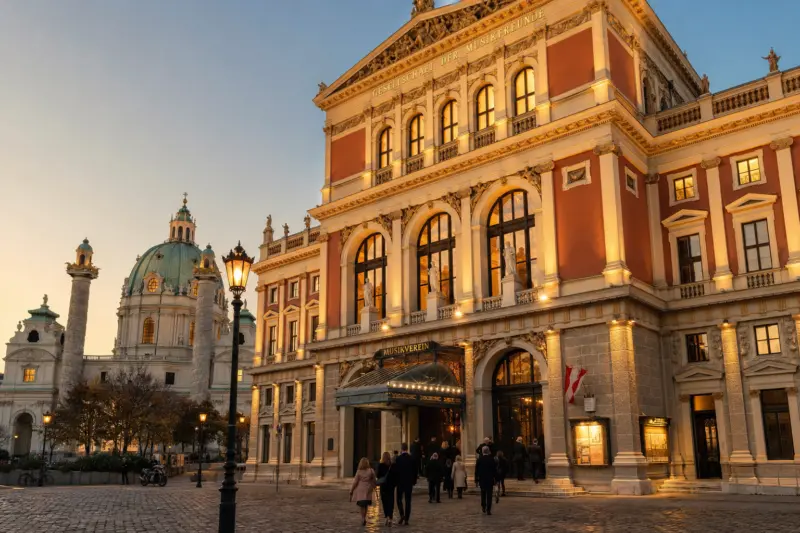
On the night of 30 September 1791, The Magic Flute premiered at the Theater auf der Wieden in Vienna — just ten weeks before Mozart died at 35. That a composer on the edge of poverty could still produce one of opera's most enduring works in this city is not a coincidence. Vienna didn't simply attract great composers; it manufactured the conditions for greatness. The Habsburg imperial court poured money into music for two centuries, aristocratic families competed for prestige through the composers they sponsored, and by the mid-19th century, the bourgeoisie had taken over that role — filling salons and concert halls with an appetite for live performance that has never really stopped. Today Vienna remains the only city on earth where the classical tradition isn't a museum piece but a living, breathing part of daily life: the Vienna Philharmonic still rehearses in the same Musikverein built in 1870, and you can hear Mozart performed within walking distance of the apartment where he wrote it. This guide explains why — and how to experience it fully.
Read more →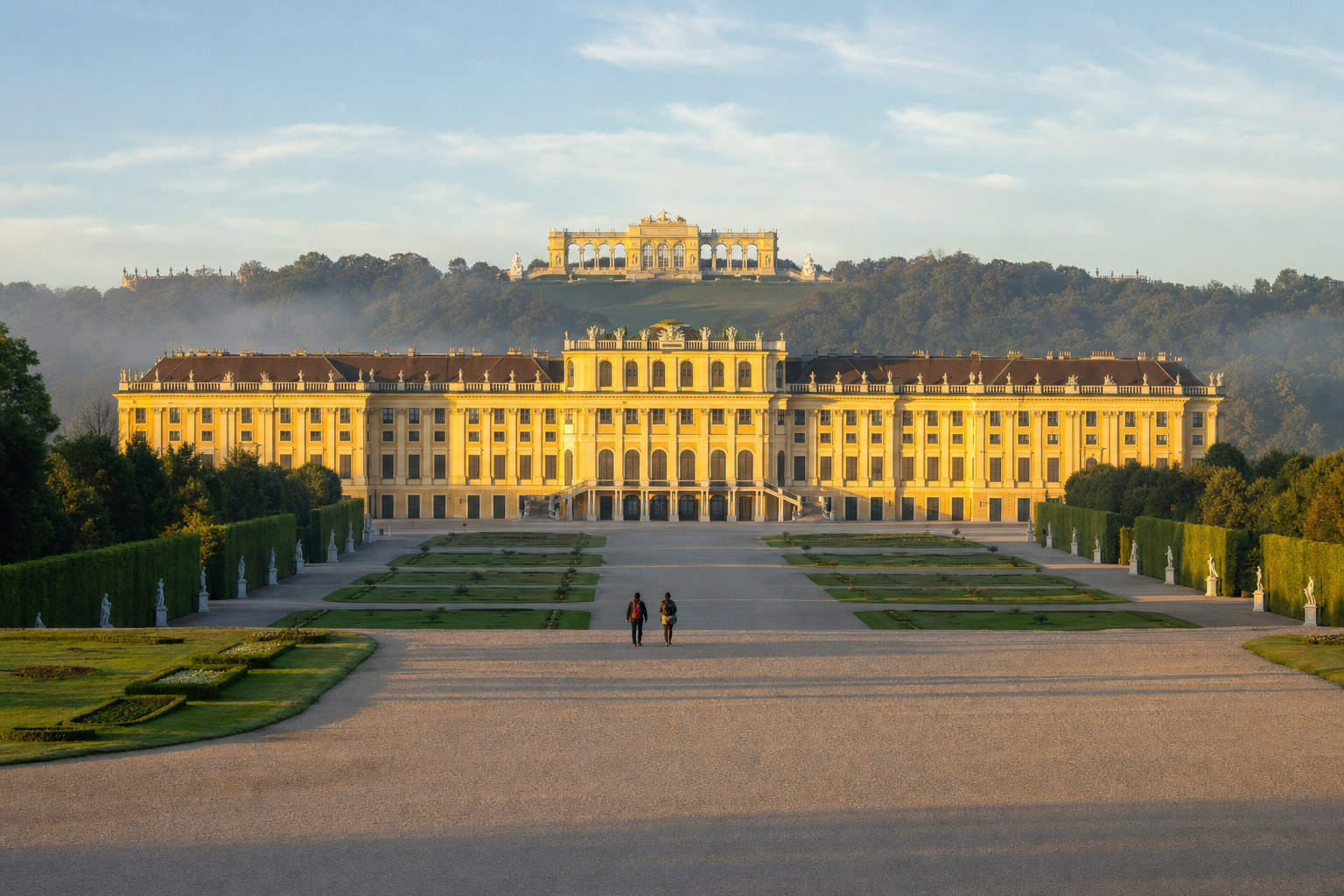
When the Habsburg court needed to escape the summer heat of the Hofburg, they didn't travel far — they didn't need to. Vienna sits at one of Europe's great geographical crossroads: the eastern edge of the Alps, where the Danube cuts through limestone gorges before fanning out across the Pannonian Plain. That position, refined over seven centuries of imperial ambition, means that monasteries, wine valleys, spa towns, and forested hilltops all cluster within 100 kilometres of the city centre. Vienna is, by any measure, the most populous city on the entire length of the Danube — and that river is the artery along which the most memorable day trips flow. The Wachau Valley, a UNESCO World Heritage Site since 2000, begins barely 80 km upstream. Baroque abbeys, Roman thermal springs, and a castle where an English king once languished in captivity are all reachable before lunch. If you've given Vienna a day or two and feel the pull to go further, you're in exactly the right city for it.
Read more →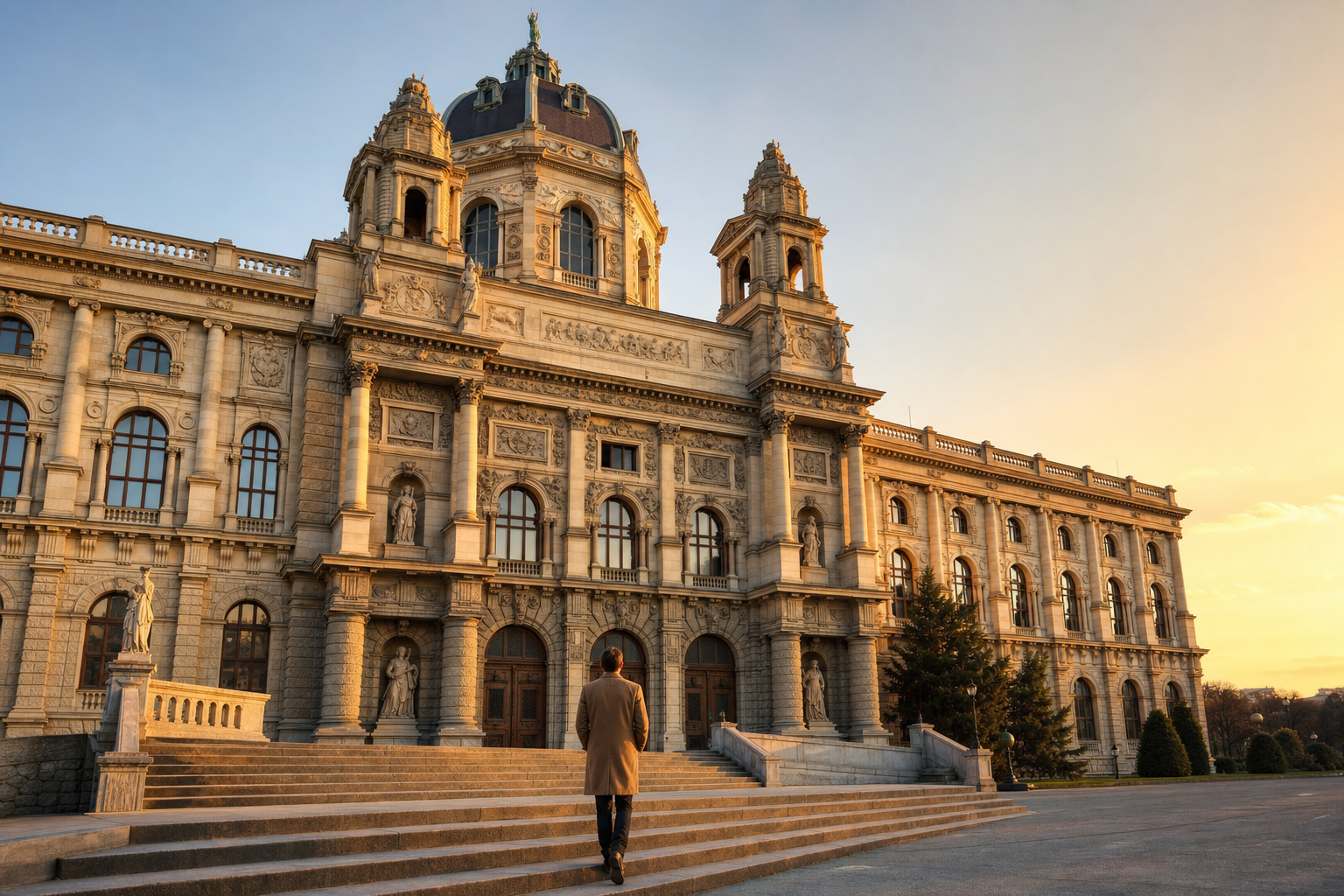
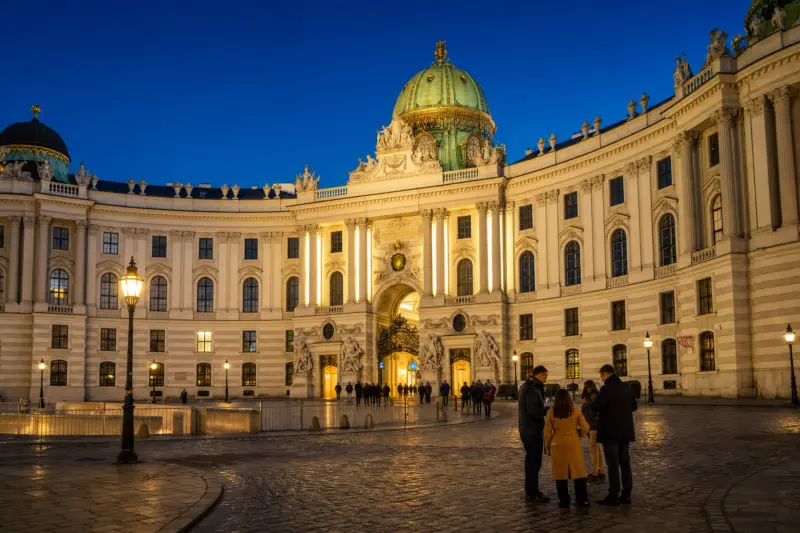
In 1857, Emperor Franz Joseph I signed a single decree that erased Vienna's medieval city walls and replaced them with one of the most choreographed urban boulevards in European history. What rose in their place — the Ringstrasse — was not just a road but a statement of imperial ambition encoded in stone, marble, and political symbolism. Today, Vienna remains the 5th-largest city in the EU by population, yet at its Habsburg peak it governed over 50 million people across a dozen languages and cultures. That weight of history doesn't announce itself. It hides in the geometry of a palace courtyard, in the separate resting places of a dead emperor's heart, entrails, and body, in the deliberate Gothic silhouette of a city hall designed to honour civic — not royal — power. A two-hour bus tour skims the surface of all this. A Vienna private tour, led by a local who has spent years decoding the city's layers, is something categorically different. This guide explains exactly why — and helps you find the right experience for your visit.
Read more →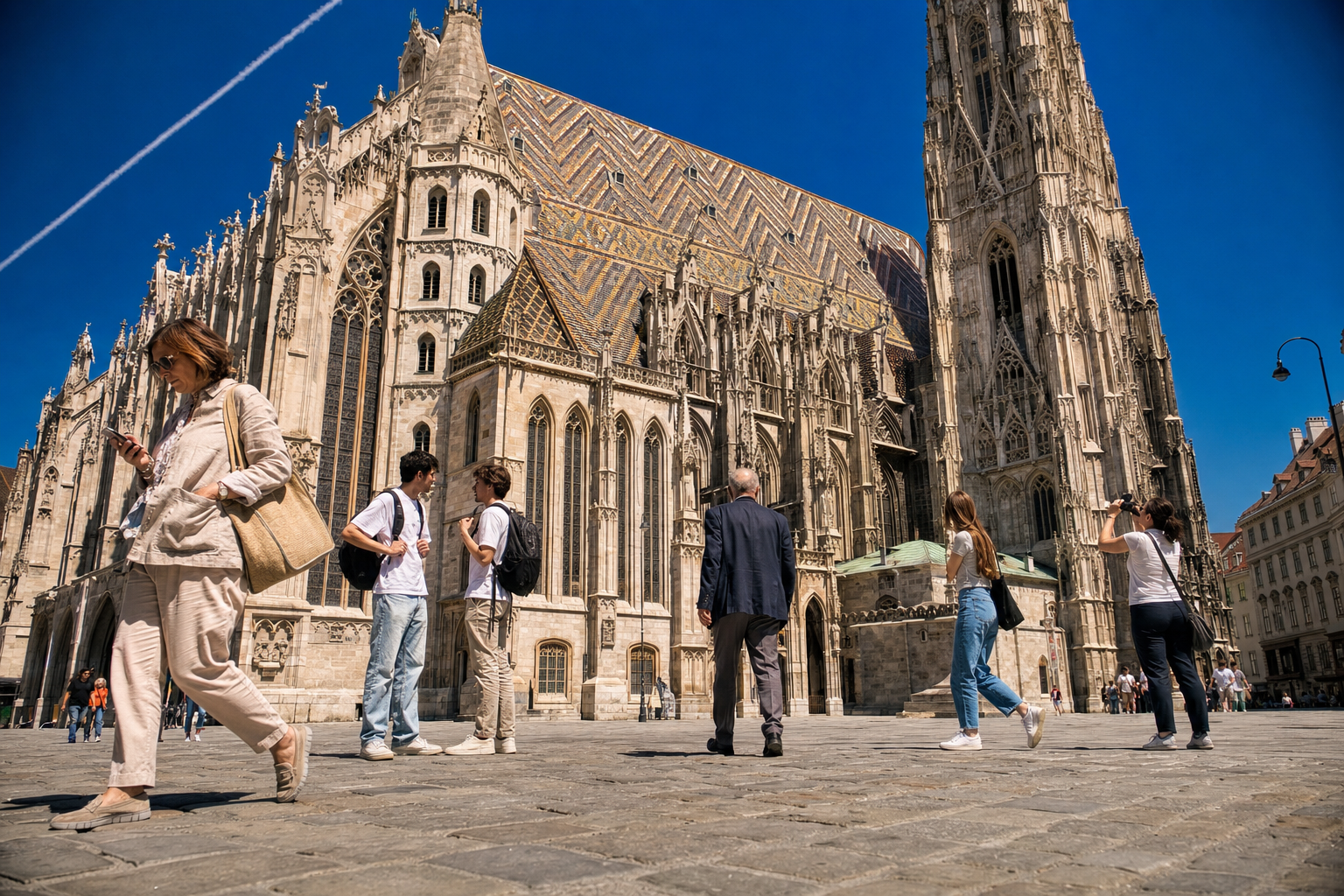
In 1857, Emperor Franz Joseph I issued a single decree that would physically reshape Vienna forever — ordering the demolition of the medieval city walls to make way for the Ringstrasse, a grand ceremonial boulevard that would announce the Habsburg Empire's ambitions to the world. That act of urban willpower set the tone for a city that has always used culture, architecture, and intellect as instruments of power and identity. Vienna is where Mozart premiered operas and Freud mapped the unconscious; where coffeehouse regulars rewrote political theory over a single cup of Melange; where social housing was built on a scale that still astonishes urban planners today. For travellers, this density of history, music, design, and everyday Viennese life means there is almost no such thing as a wasted hour. The question is never whether there's something extraordinary to do — it's knowing where to look, and why it matters. This guide cuts through the clichés to show you the city that locals know: layered, contradictory, and endlessly rewarding.
Read more →We use a single cookie, to remember this choice. We do not use analytics or advertising cookies. Read our cookie policy.