7 to 7,5 hrs
Barcelona
Barcelona & Montserrat Day Trip with Sagrada Familia Guided Tour
✓ Free cancellation Kids friendly
4.5(17 reviews)
From €134/ person
Book Now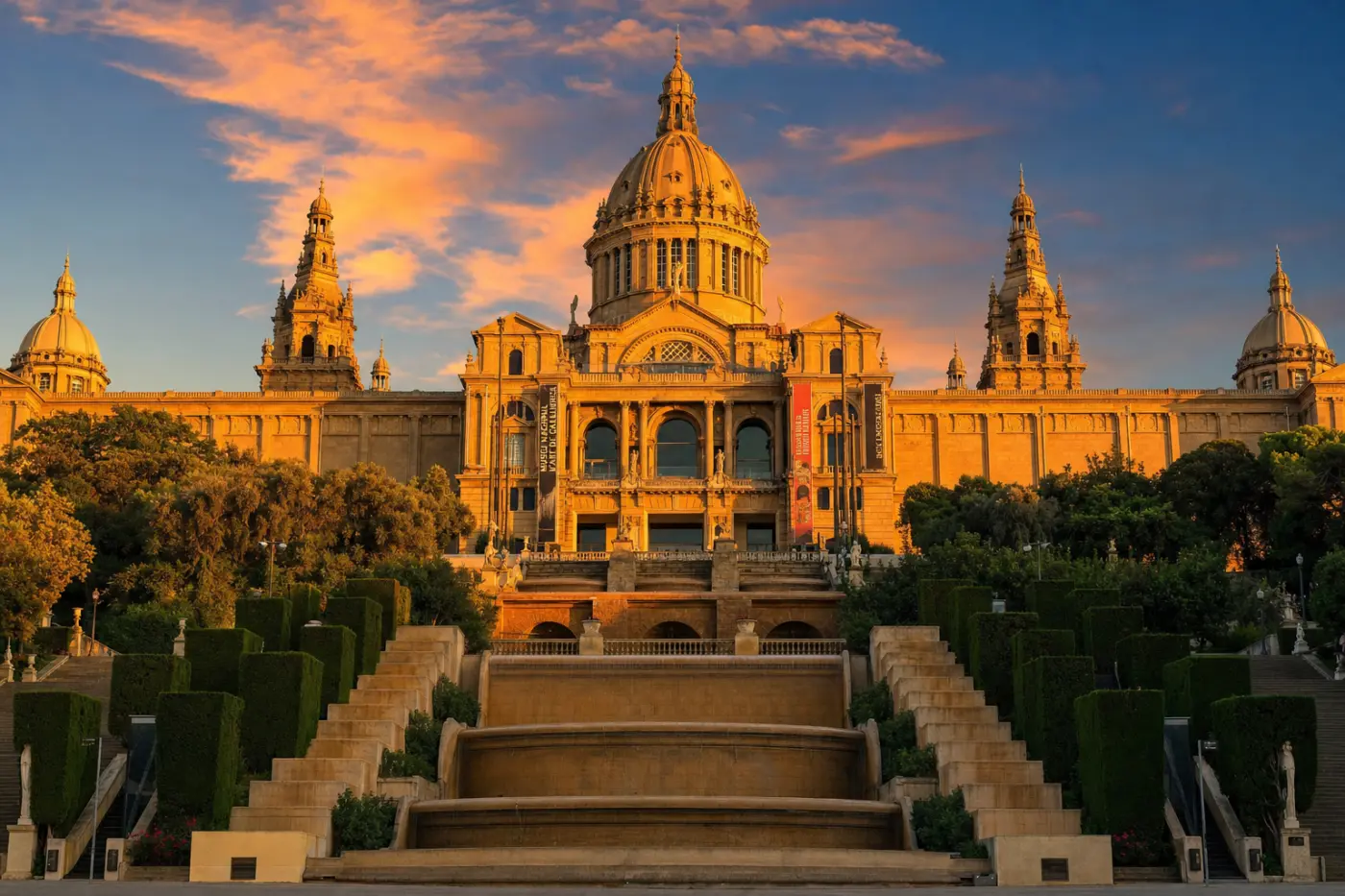
Tourist attraction
The Museu Nacional d'Art de Catalunya (MNAC) is Catalonia's premier art institution, permanently installed in the Palau Nacional — a colossal neoclassical palace crowning Montjuïc hill. The building was erected for the 1929 International Exposition, designed by architects Eugenio Cendoya and Enric Catà, and later renovated between 1992 and 2004 by Italian architect Gae Aulenti, the same designer who transformed Paris's Gare d'Orsay into a museum. Its twin 52-metre towers and central dome — visually anchoring the entire Avinguda de la Reina Maria Cristina — make the Palau Nacional one of Barcelona's most immediately recognisable silhouettes, best appreciated from the Font Màgica below at dusk.
The museum's unrivalled centrepiece is its Romanesque art collection, widely considered the finest in the world. Between 1919 and 1923, the Board of Museums of Barcelona commissioned a team of specialists to detach large-scale fresco cycles from endangered Pyrenean churches — many dating to the 11th and 12th centuries — and transfer them onto canvas for preservation. The result is an extraordinary sequence of reassembled church apses, including the iconic Pantocràtor from the church of Sant Climent de Taüll (c. 1123), whose intense Byzantine-influenced Christ figure has become a symbol of Catalan cultural identity. The Gothic collection that follows charts the transition from hieratic religious imagery to naturalistic portraiture across the 14th and 15th centuries, with major works by Bernat Martorell and Jaume Huguet.
Private tours with a local guide, at your own pace.
Barcelona
Barcelona
Barcelona
Barcelona
Barcelona

Barcelona

Barcelona
Barcelona

Barcelona

Barcelona
Barcelona
Barcelona
Barcelona
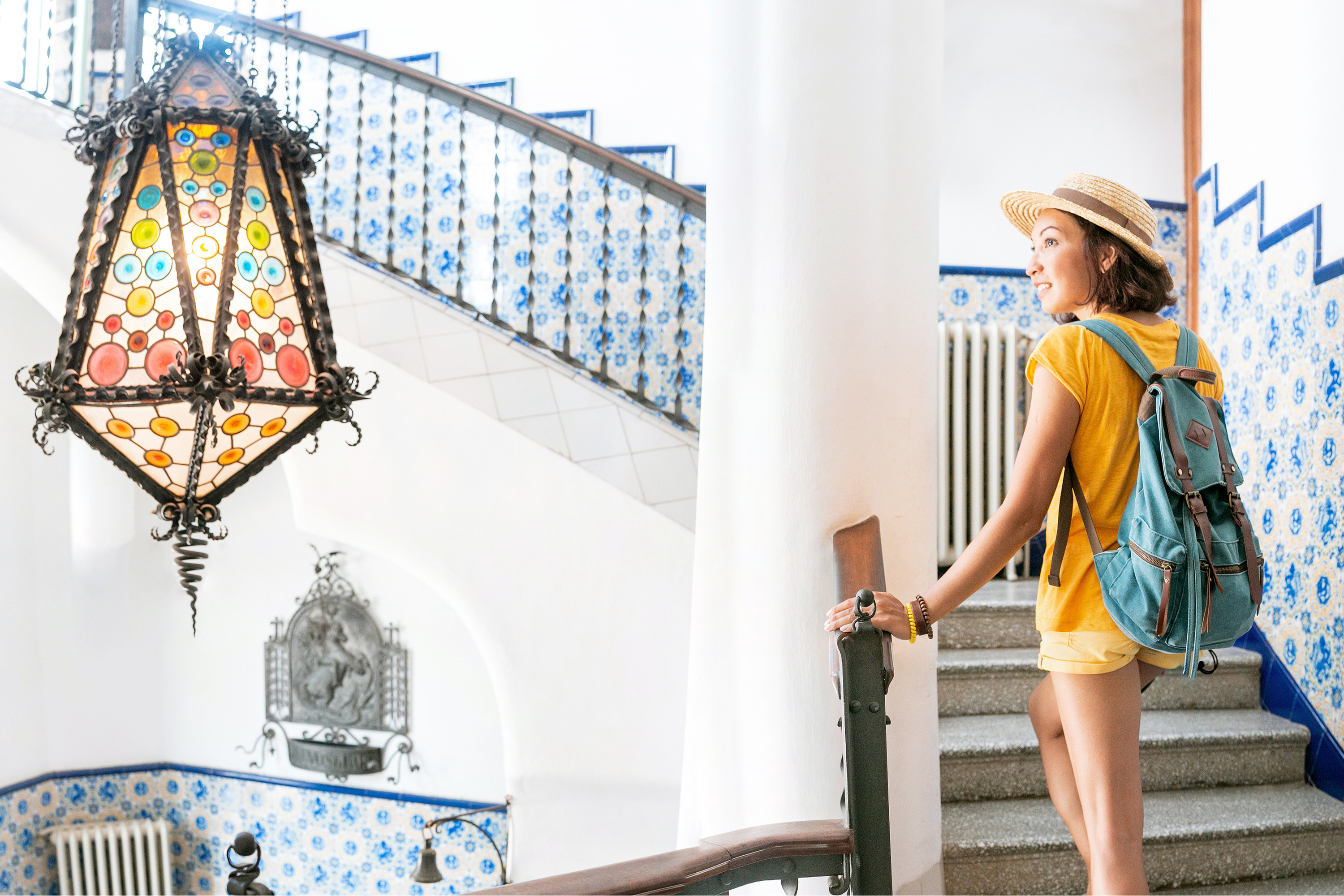
Barcelona