Lisboa
Highlights & Secrets of Lisbon Private Walking Tour
✓ Free cancellation Kids friendly
4.8(22 reviews)
From €124/ person
Book Now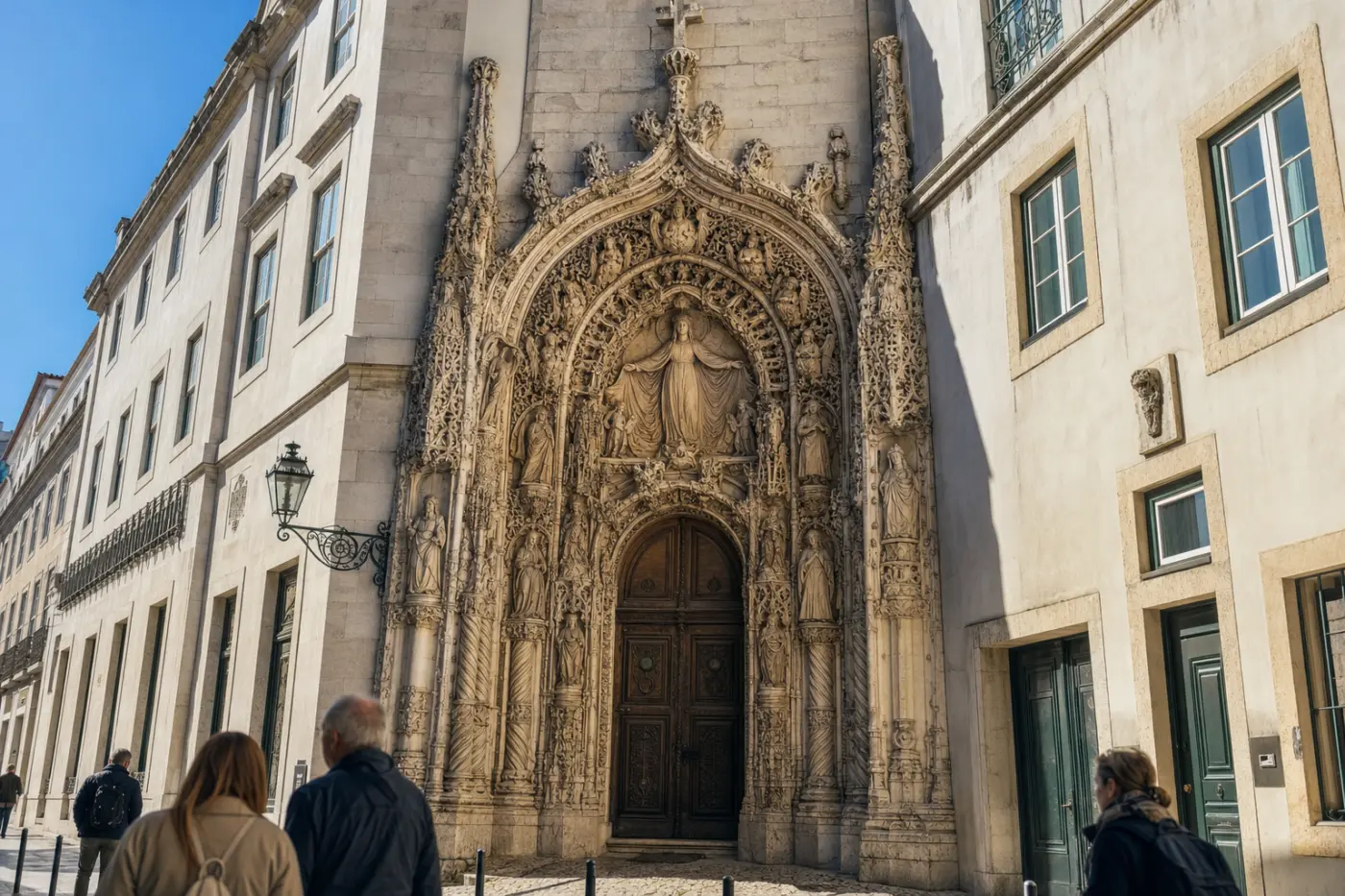
Tourist attraction
Built around 1500 on the site of a medieval synagogue in what was then Lisbon's Jewish quarter, the Igreja de Nossa Senhora da Conceição Velha — formally the Igreja da Santa Casa da Misericórdia — was once the second-largest Manueline church in the Portuguese capital, rivalling the grandeur of the Jerónimos Monastery in Belém. The original building was commissioned under the patronage of Queen Leonor of Viseu (1458–1525), widow of King João II and founder of the Misericórdia charitable brotherhood in 1498. That institution — the Santa Casa da Misericórdia — went on to become one of the most influential Catholic welfare organisations in the Portuguese-speaking world, and this church served as its spiritual heart for over two centuries.
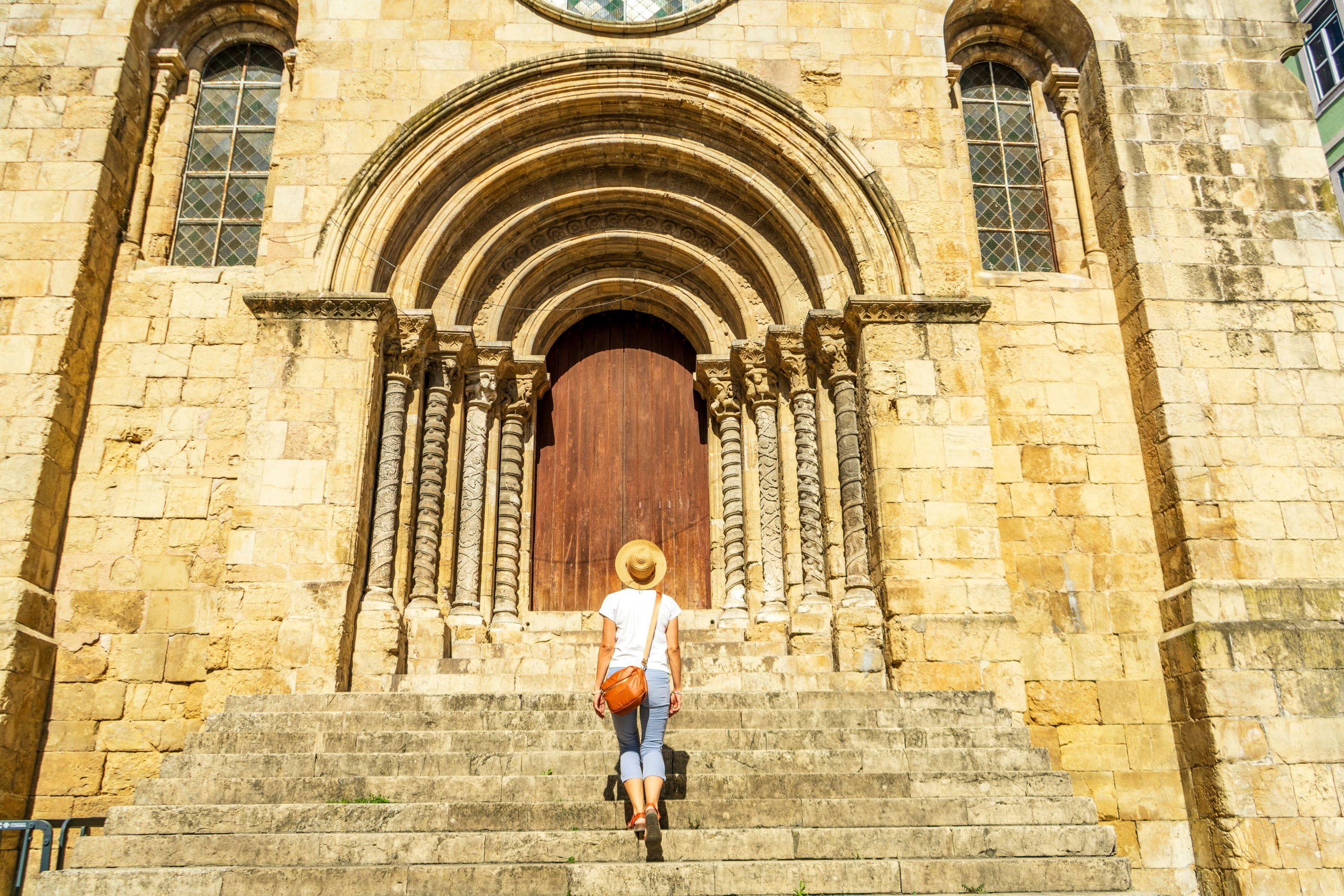
The catastrophic earthquake of 1 November 1755, which struck Lisbon on All Saints' Day and triggered a devastating tsunami and fire, reduced the vast majority of the original structure to rubble. What survived almost entirely intact was the south portal — a breathtaking carved limestone doorway executed in the Manueline style, Portugal's own late-Gothic idiom that fused maritime symbolism with the wealth of the Age of Discovery. The portal is a masterwork of controlled excess: its archivolts are encrusted with armillary spheres (the personal emblem of King Manuel I), twisted rope mouldings, coral branches, and a teeming relief of saints, angels, and royal figures. At the tympanum, the Virgin Mary spreads her protective mantle over a congregation that includes Pope Leo X and Queen Leonor herself — a rare instance of a living secular patron depicted in sacred stone at the time of construction. During the Pombaline reconstruction of the Baixa district after 1755, King José I transferred the church to the Order of Nossa Senhora da Conceição, giving the building its current name. The architects of the rebuild salvaged the original portal but, in a quirk born of necessity, rotated the church's axis from the conventional east–west orientation to an unusual north–south alignment, effectively making what had been a side entrance the main façade.
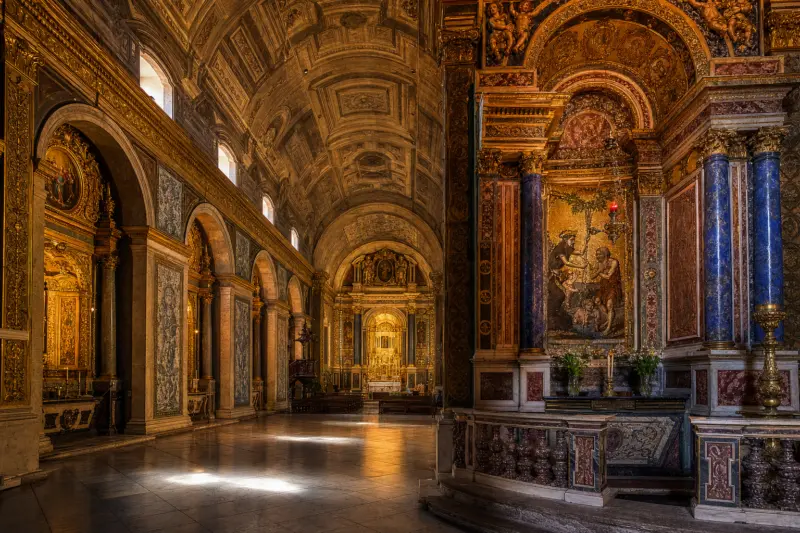
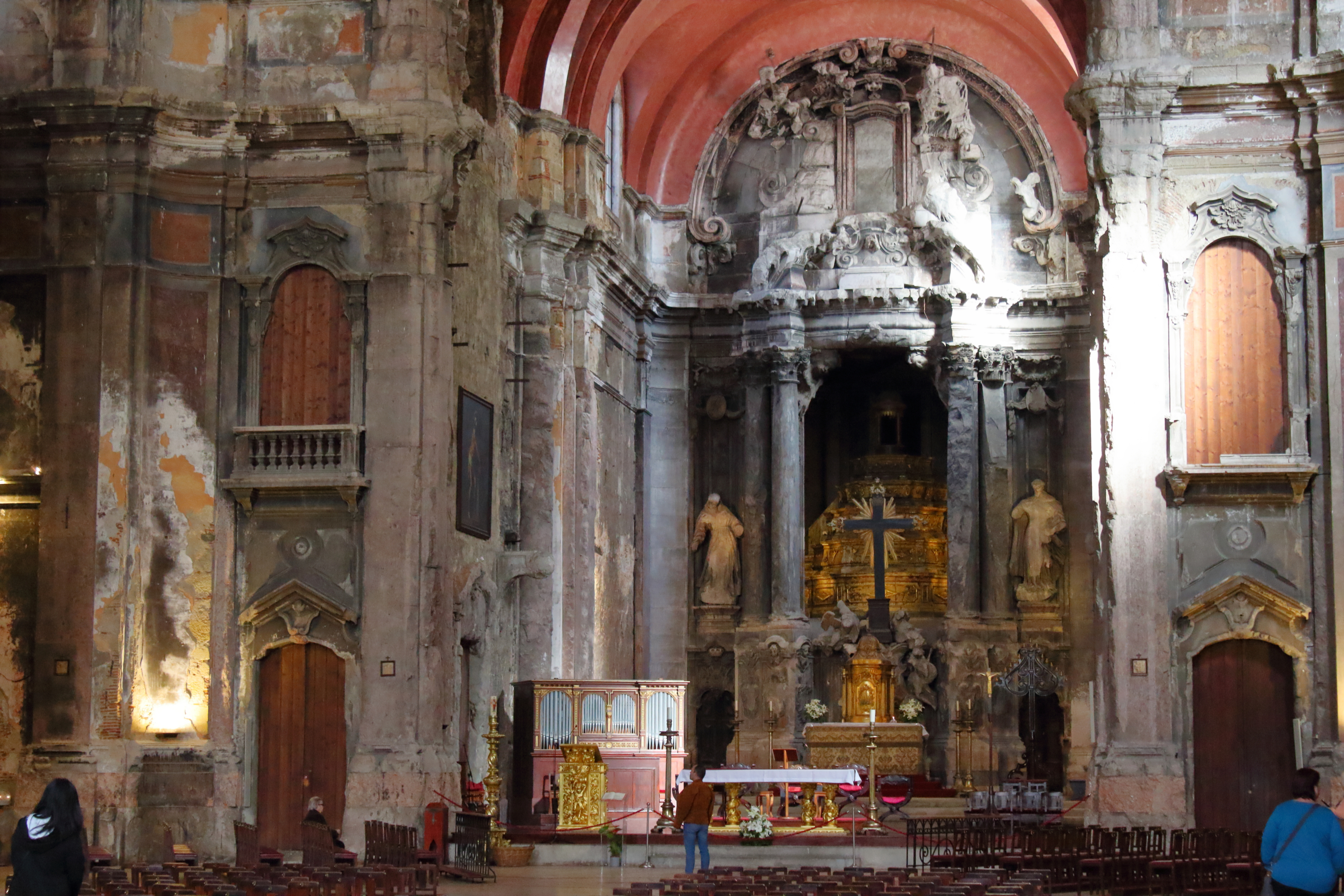
Visitors approaching along Rua da Alfândega encounter the portal almost as a surprise — the carved limestone façade is wedged between two plain 18th-century Pombaline buildings, a juxtaposition that makes the sculptural richness all the more striking. The interior, rebuilt in an austere post-earthquake Baroque style, contains several panels of 18th-century blue-and-white azulejo tilework and a gilded altar. While the nave cannot compete aesthetically with the portal that precedes it, the contrast itself is historically instructive: it is a physical record of what Lisbon lost in 1755 and what it chose to preserve. The church remains an active parish and hosts regular masses, meaning access to the interior can depend on the liturgical schedule.
The church sits on Rua da Alfândega in the Baixa district, a short walk from the Praça do Comércio and the banks of the Tagus. The best time to photograph the portal is mid-morning, when direct sunlight catches the depth of the limestone carvings. Entry to the church itself is free, though opening hours are limited and irregular — arriving between 10:00 and 12:00 on weekdays offers the best chance of an open door. Given its proximity to the more visited churches of the Sé Cathedral and São Domingos, Conceição Velha rewards visitors who take the time to deviate from the main tourist circuit.
Private tours with a local guide, at your own pace.
Lisboa
Lisboa
Lisboa
Lisboa

Lisboa
Lisboa
Lisboa

Lisboa
Lisboa
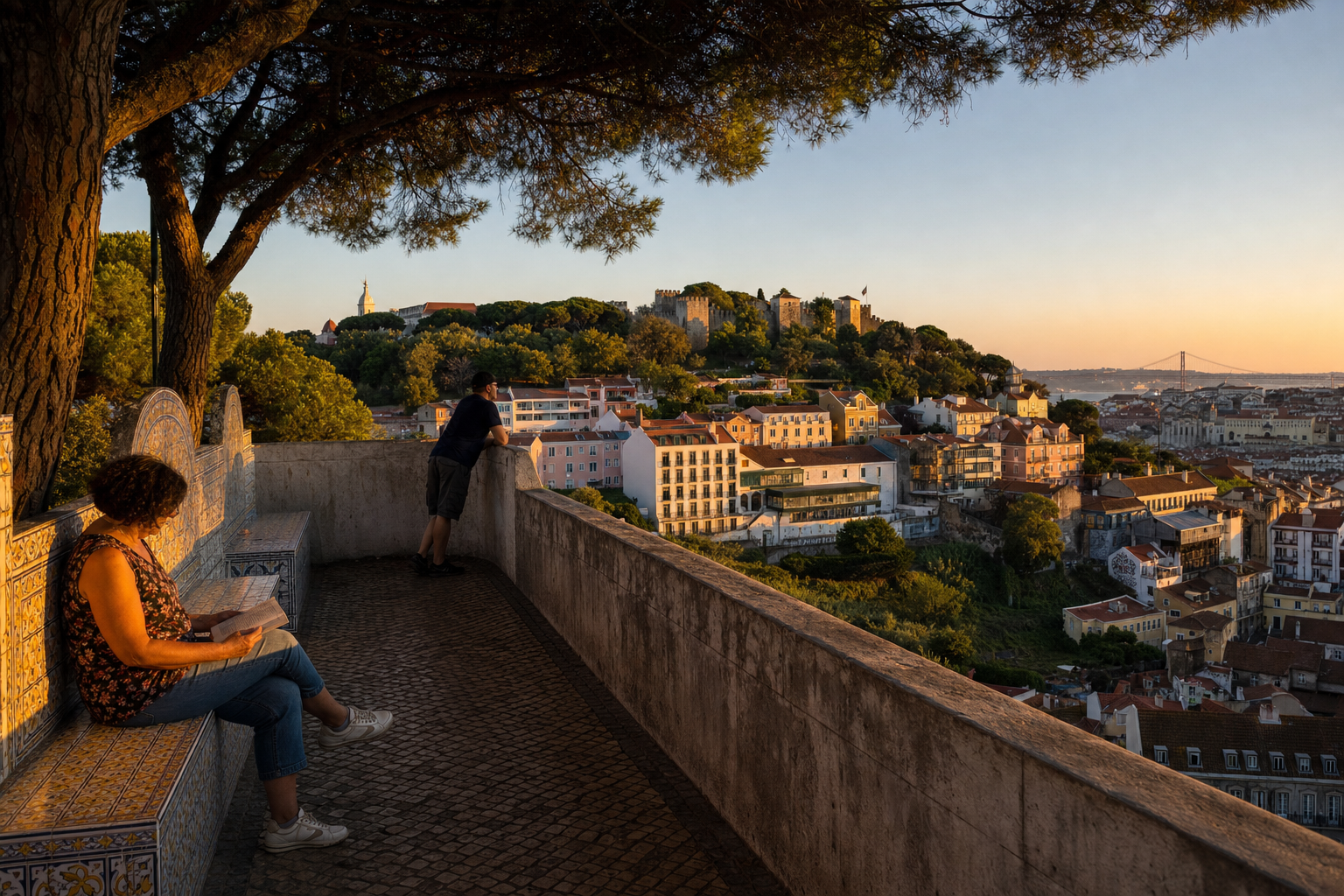
On the morning of 1 November 1755 — All Saints' Day — a catastrophic earthquake followed by a tsunami and fire destroyed roughly 85% of Lisbon. What you walk through today is, in large part, a city deliberately rebuilt from scratch. But not all of it. Alfama, clinging to its bedrock ridge above the Tagus, survived almost untouched. Mouraria, pressed against the castle hill, kept its labyrinthine medieval lanes. Belém, several kilometres west, was far enough from the epicentre to preserve its extraordinary Manueline monuments. These geological and historical accidents shaped the city's character as profoundly as any monarch or architect — and they explain why Lisbon's neighborhoods feel so radically different from one another, even when separated by a ten-minute walk. This guide goes beyond the postcard version. It digs into the specific histories, architectural DNA, and cultural layers that make each district genuinely distinct — and tells you what you'd actually miss if you only followed the crowds.
Read more →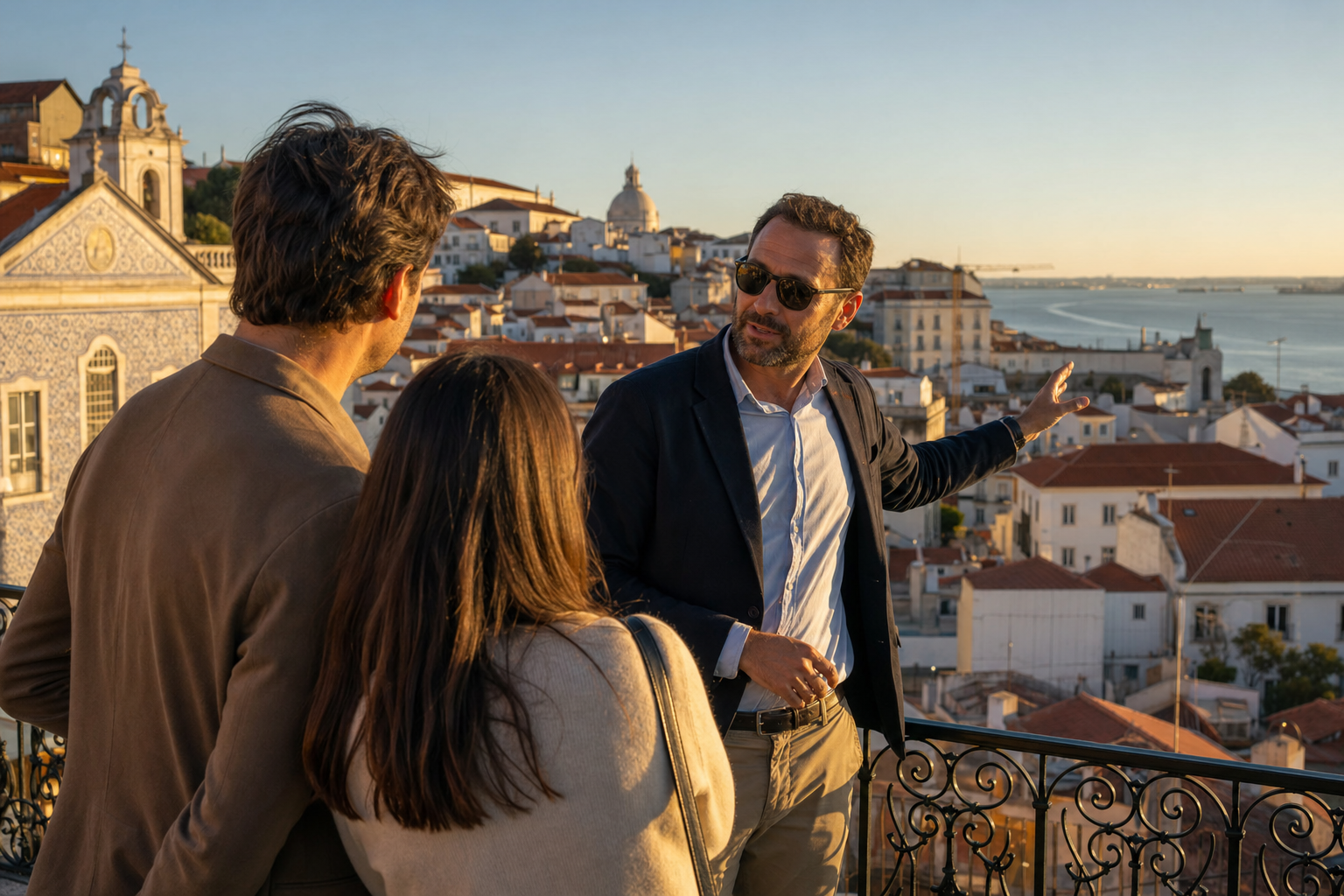
On the morning of 1 November 1755 — All Saints' Day — a catastrophic earthquake, followed by a tsunami and firestorm, killed between 30,000 and 40,000 people and erased the medieval centre of Lisbon in under six minutes. The city that rose from the rubble was rebuilt on an entirely different logic: the rational Pombaline grid of Baixa, named after the Marquis of Pombal who oversaw the reconstruction. That rupture still defines every street, tile panel, and viewpoint you encounter today — but almost no group tour has the time or flexibility to explain why. Lisbon is not one city; it is at least four, stacked across seven hills, shaped by a global maritime empire, a catastrophic earthquake, and centuries of cultural layering that even most visitors who have been here before have only scratched the surface of. That is precisely why private tours in Lisbon work so differently from anywhere else in Europe — and why getting them right matters.
Read more →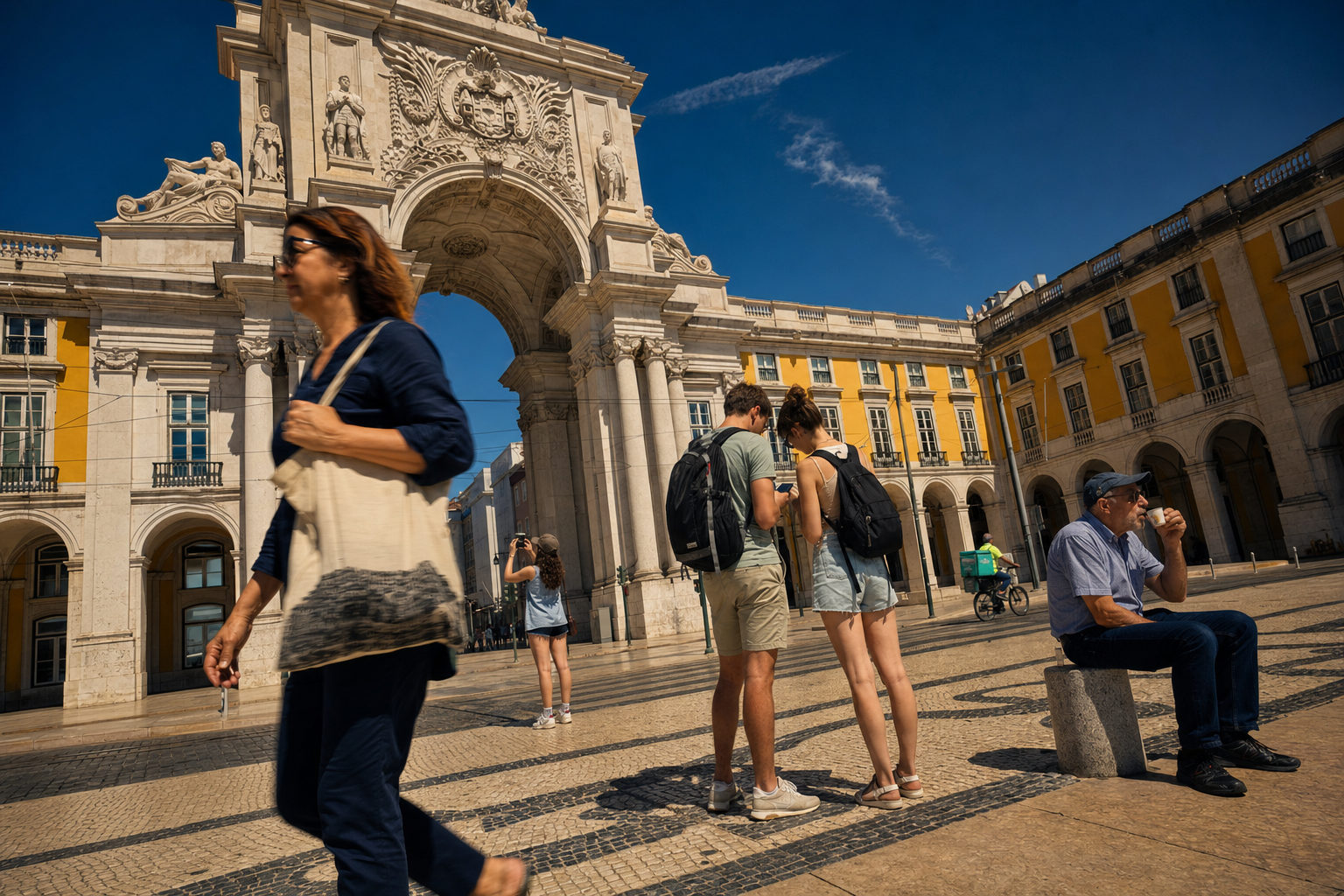
At 9:40 on the morning of 1 November 1755 — All Saints' Day, when most of Lisbon's population was inside a church — an earthquake estimated between 8.5 and 9 on the Richter scale struck the city. Three separate tremors, a tsunami, and fires that burned for five days killed between 30,000 and 40,000 people and levelled roughly 85% of the built environment. The Marquis of Pombal rebuilt the lower city from scratch on a rational Enlightenment grid — one of the first planned urban rebuilds in European history. But one neighbourhood didn't fall. Alfama, the ancient Moorish quarter, sat on solid schist bedrock and held. The street pattern you walk today is the one laid down before the 12th century. That single geological accident is the reason Lisbon feels unlike any other Western European capital: its oldest layers weren't buried under 19th-century renovation. They stayed visible, walkable, and inhabited. A long weekend in Lisbon — three full days, properly structured — is enough time to feel that depth across millennia of empire, faith, and fado. But only if you spend those days the right way.
Read more →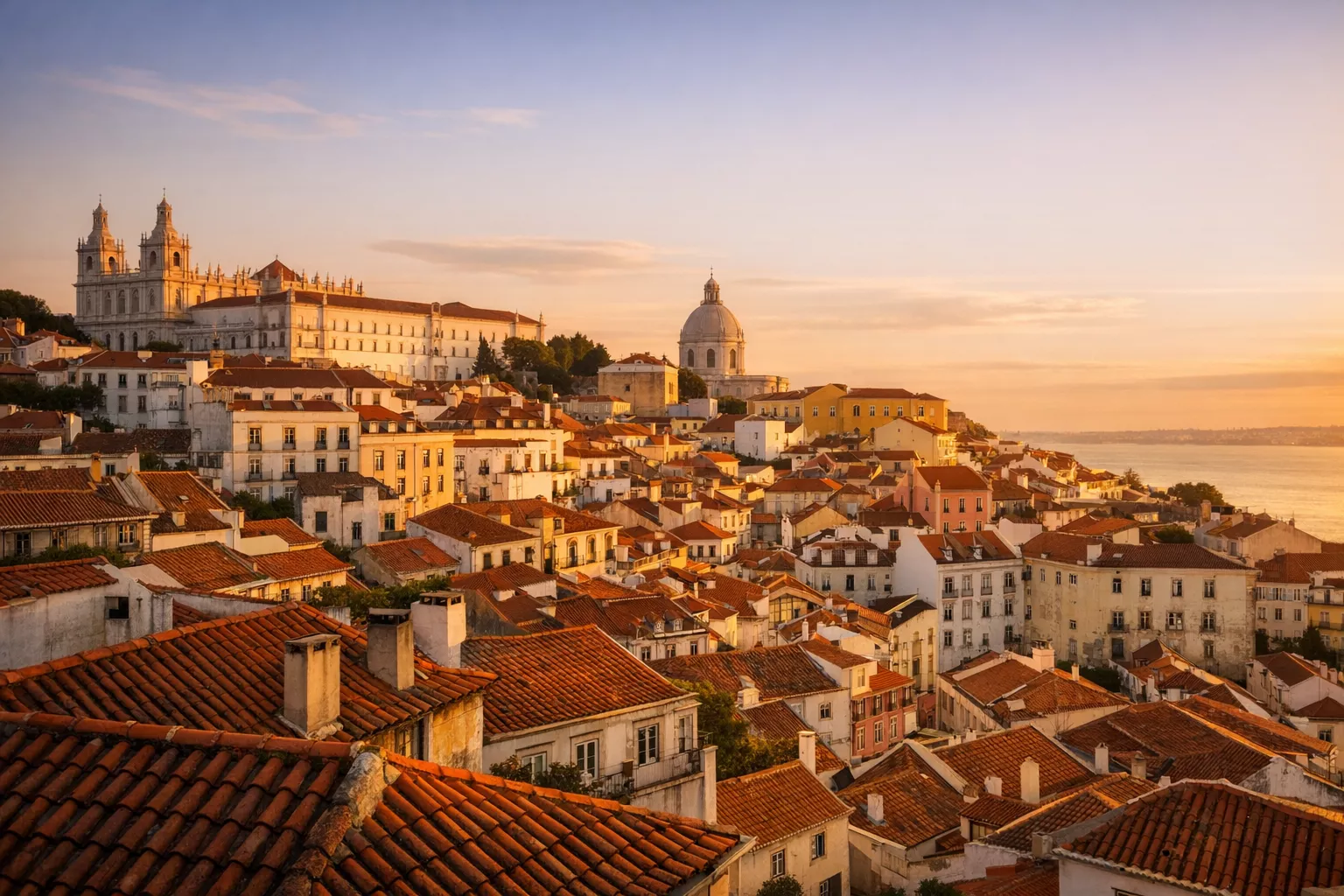
Discover the vibrant city of Lisbon, where history, culture, and gastronomy blend together perfectly. Whether you're a history buff, a foodie, or an adventurer, this guide will reveal the top things to do in Lisbon, along with links to exclusive local tours.
Read more →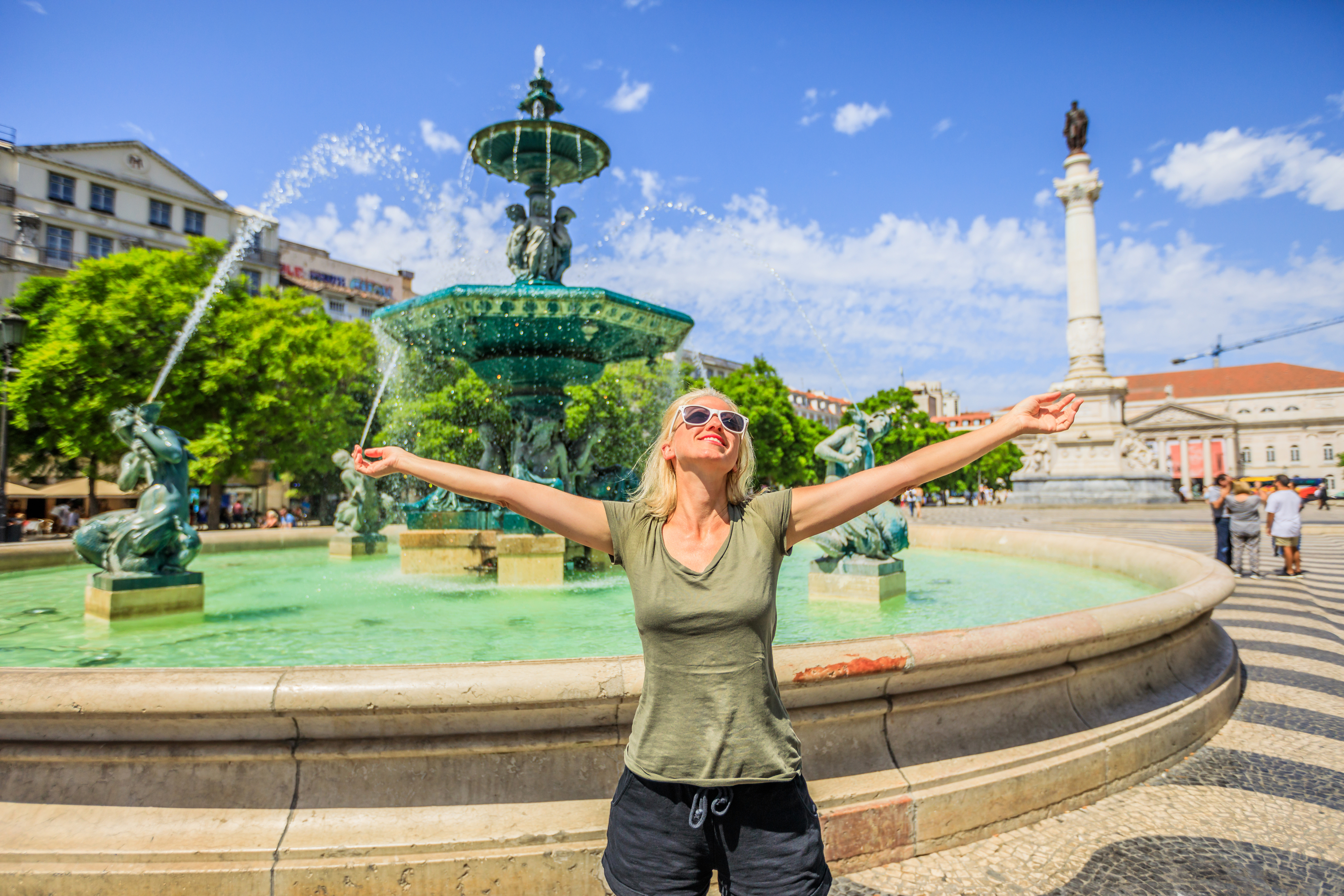
Lisbon, the capital city of Portugal, is a vibrant and enchanting destination that offers a perfect blend of history, culture, and natural beauty. From its picturesque neighborhoods to its stunning architectural landmarks, Lisbon has something to offer every traveler. Whether you have just a few days or a whole week, this city will captivate you with its charm and allure.
Read more →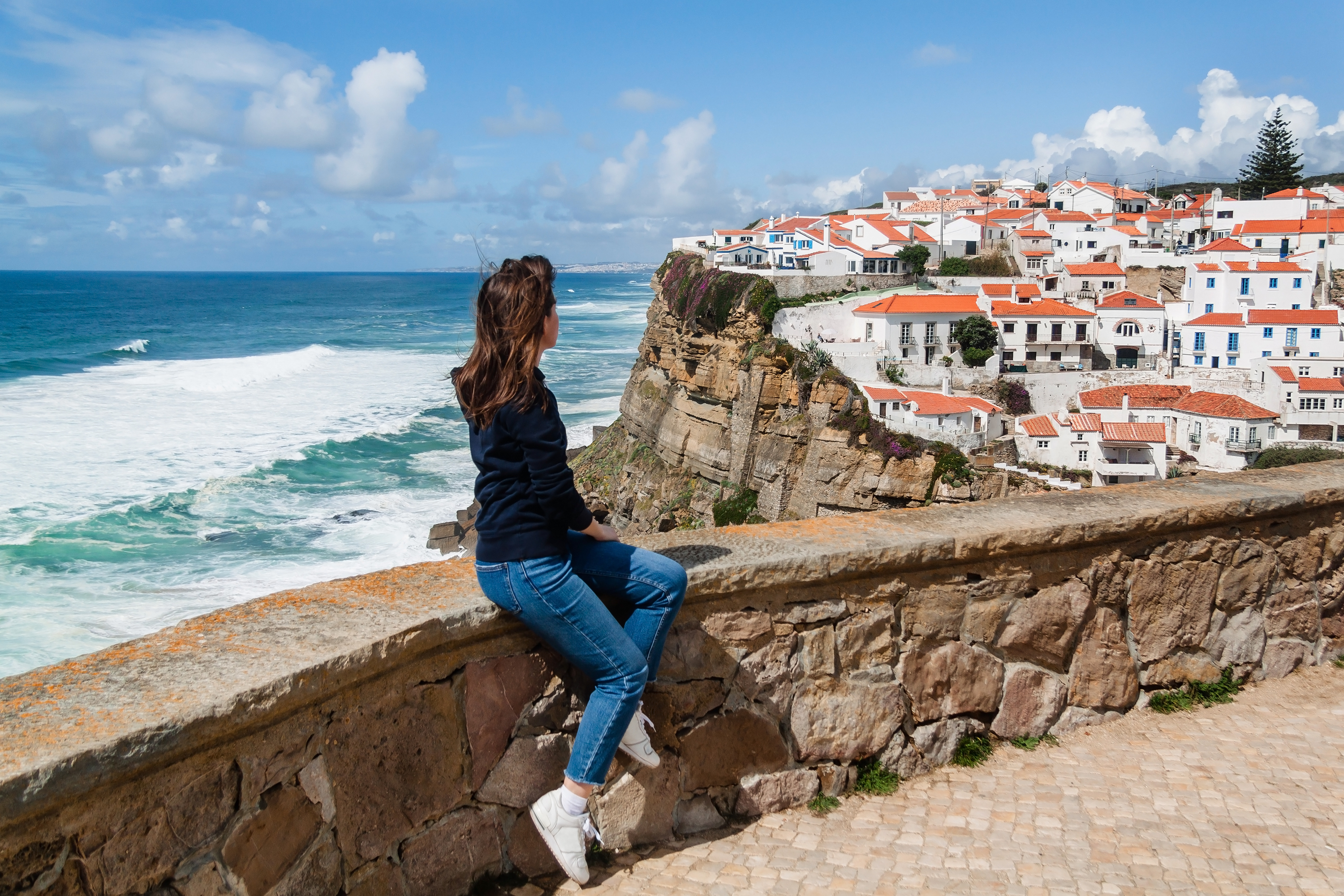
In the vicinity of Lisbon there are many beautiful villages and places to visit on day trips. At any time of the year, you can discover small towns, palaces, castles, beaches and beautiful landscapes. Signing up for a private tour with a local guide can be a very good option, so that you don't miss any detail, learn about history, while optimising time and money. Otherwise, it is also possible to do it on your own, thanks to public transport or rental cars. Which places do we recommend?
Read more →We use a single cookie, to remember this choice. We do not use analytics or advertising cookies. Read our cookie policy.