8 hrs
Lisboa
Sintra, Cascais & Estoril Private Tour - Palace Regaleira Tickets
✓ Free cancellation Kids friendly
4.7(14 reviews)
From €375/ person
Book Now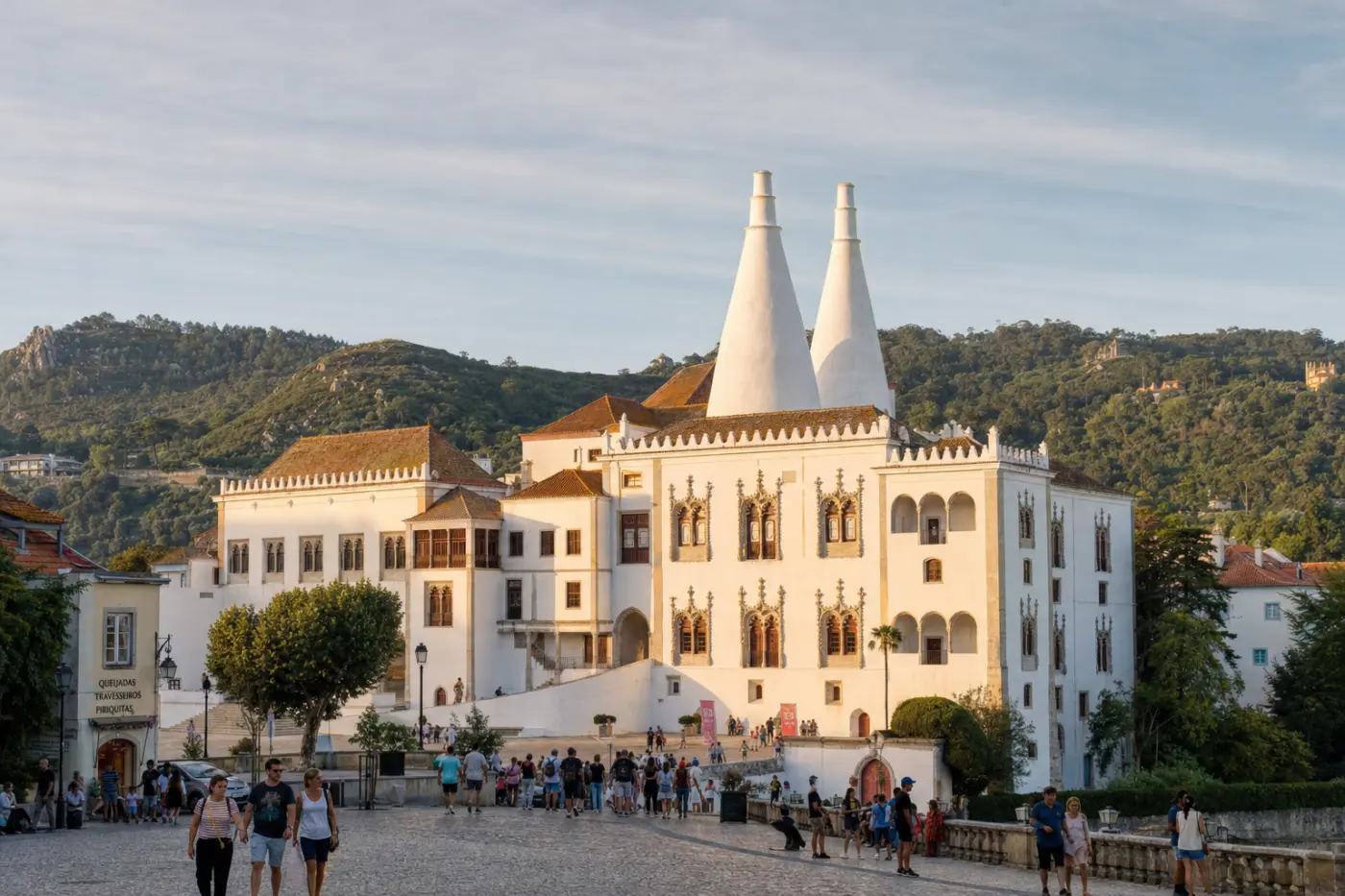
Tourist attraction
Rising from the central square of Sintra Vila with a deceptively plain whitewashed façade, the Palácio Nacional de Sintra is Portugal's oldest surviving royal residence and the only palace in the country to have witnessed the full arc of its monarchy — from the Moorish governors who raised the first walls in the 10th century to the morning of October 5, 1910, when the royal family fled into exile and the republic was declared. What makes it extraordinary is not any single architectural flourish but the visible accumulation of six centuries of royal ambition: each dynasty that held the palace left a distinct imprint, so that walking through its rooms is less like touring a monument than reading a palimpsest. The two enormous conical chimneys — 33 metres tall and visible from virtually every point in Sintra — were built over the medieval kitchens designed to roast whole boar for a court numbering in the hundreds, and they remain the palace's most recognizable silhouette.
The interior is a sequence of throne rooms, ceremonial halls, and private apartments whose decoration spans Gothic, Mudéjar, and Manueline styles. The Sala dos Brasões is the palace's most magnificent space: a domed octagonal ceiling gilded and painted under Manuel I in the early 16th century, bearing the coats of arms of the king and the 72 most powerful noble families in the realm, with one coat deliberately scraped blank as a permanent public warning after the Távora family was convicted of treason. The Sala das Pegas — the Magpie Room — was commissioned by King João I (r. 1385–1433) after he was caught kissing a lady-in-waiting; to silence the court gossip, he ordered 136 magpies painted across the ceiling, each clutching a scroll reading "por bem" (for good), mocking the very ladies who had talked. The Swan Room (Sala dos Cisnes), with 30 swans painted across its Gothic vault, dates from the same reign and was used for the most formal state receptions of the 15th century. Beneath the Palatine Chapel, whose Mudéjar latticework and gilded Manueline portal date to the 12th and 16th centuries respectively, a small locked chamber marks one of the palace's darkest episodes: King Afonso VI, deposed by his own brother Pedro II in 1668 and declared insane, spent the final nine years of his life confined here, pacing so relentlessly that his footsteps are said to have worn grooves into the tiled floor.
The Arab Room preserves the palace's oldest layer most vividly — its Moorish fountain and azulejo tilework directly echo the Alhambra in Granada, and the room's proportions and ventilation design derive from the original 10th-century Moorish governor's residence. These tiles, installed in the late 15th century and among the earliest surviving azulejos in Portugal, predate the decorative tradition that would define Portuguese interiors for the next four centuries. The Arab Room is also where King Sebastião, the young king whose disastrous crusade to Morocco in 1578 would trigger the end of the Aviz dynasty, spent much of his childhood at court. Together, these spaces make the Palácio Nacional the single site in Portugal where Moorish, medieval Christian, and early modern royal history converge most legibly under one roof.
The palace stands in the Largo Rainha Dona Amélia in Sintra's historic centre, a 15-minute walk from Sintra train station — close enough that taxis and tuk-tuks from the station are unnecessary. It is open daily from 9:30 am to 6:30 pm, with last admission at 6:00 pm. Adult tickets cost €13, with reduced rates of €10 for visitors aged 6–17 and those over 65. Arrive before 10:00 am to move through the Sala dos Brasões and the Arab Room without crowds, as tour groups fill both by mid-morning. The palace is part of the Sintra UNESCO World Cultural Landscape designation, awarded in 1995, and tickets can also be purchased as part of combination passes covering the other Parques de Sintra monuments.
Private tours with a local guide, at your own pace.
Lisboa

Lisboa
Lisboa
Lisboa

Lisboa
Lisboa

Lisboa
Lisboa
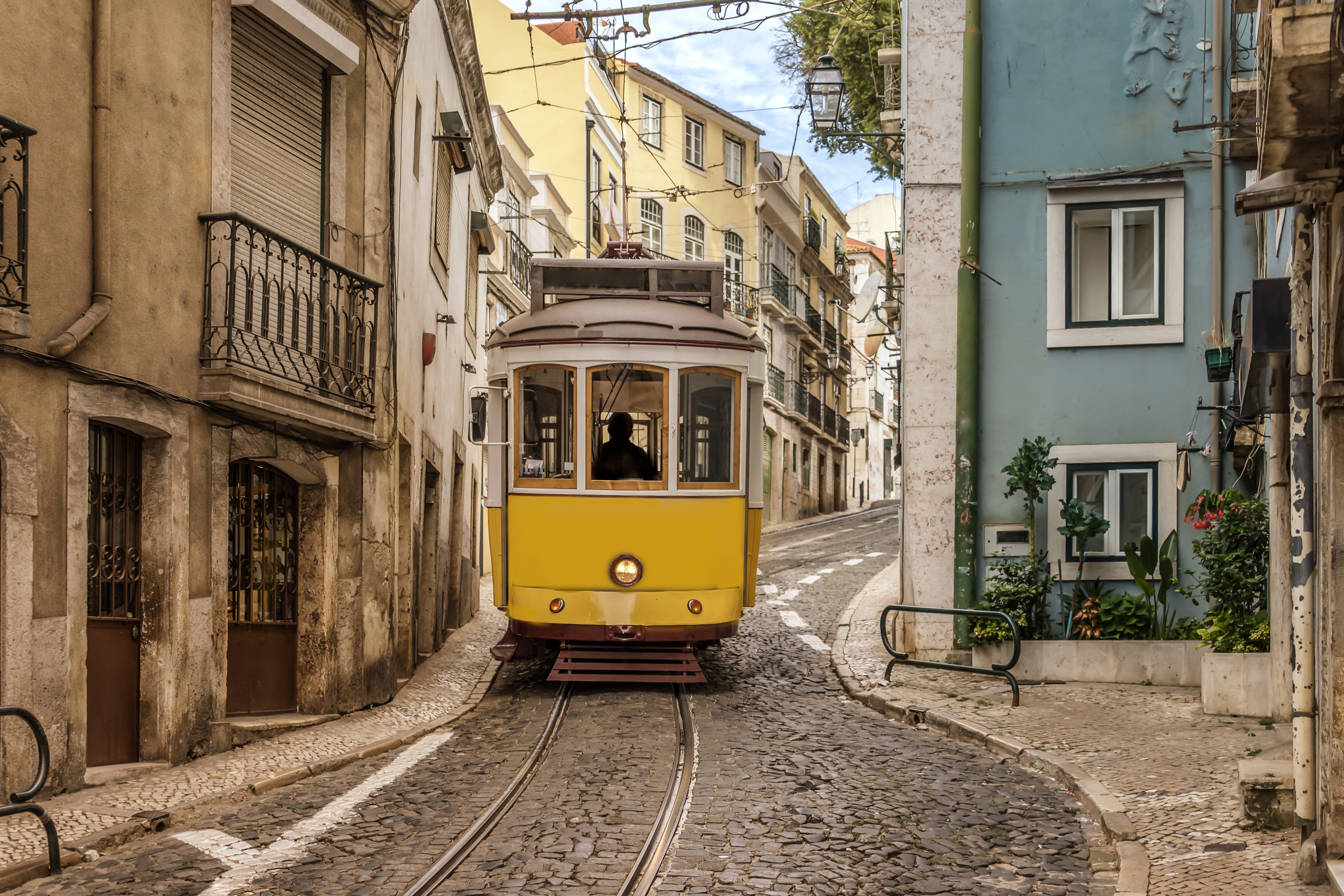
Lisboa
On the morning of 1 November 1755 — All Saints' Day — a catastrophic earthquake followed by a tsunami and fire destroyed roughly 85% of Lisbon. What you walk through today is, in large part, a city deliberately rebuilt from scratch. But not all of it. Alfama, clinging to its bedrock ridge above the Tagus, survived almost untouched. Mouraria, pressed against the castle hill, kept its labyrinthine medieval lanes. Belém, several kilometres west, was far enough from the epicentre to preserve its extraordinary Manueline monuments. These geological and historical accidents shaped the city's character as profoundly as any monarch or architect — and they explain why Lisbon's neighborhoods feel so radically different from one another, even when separated by a ten-minute walk. This guide goes beyond the postcard version. It digs into the specific histories, architectural DNA, and cultural layers that make each district genuinely distinct — and tells you what you'd actually miss if you only followed the crowds.
Read more →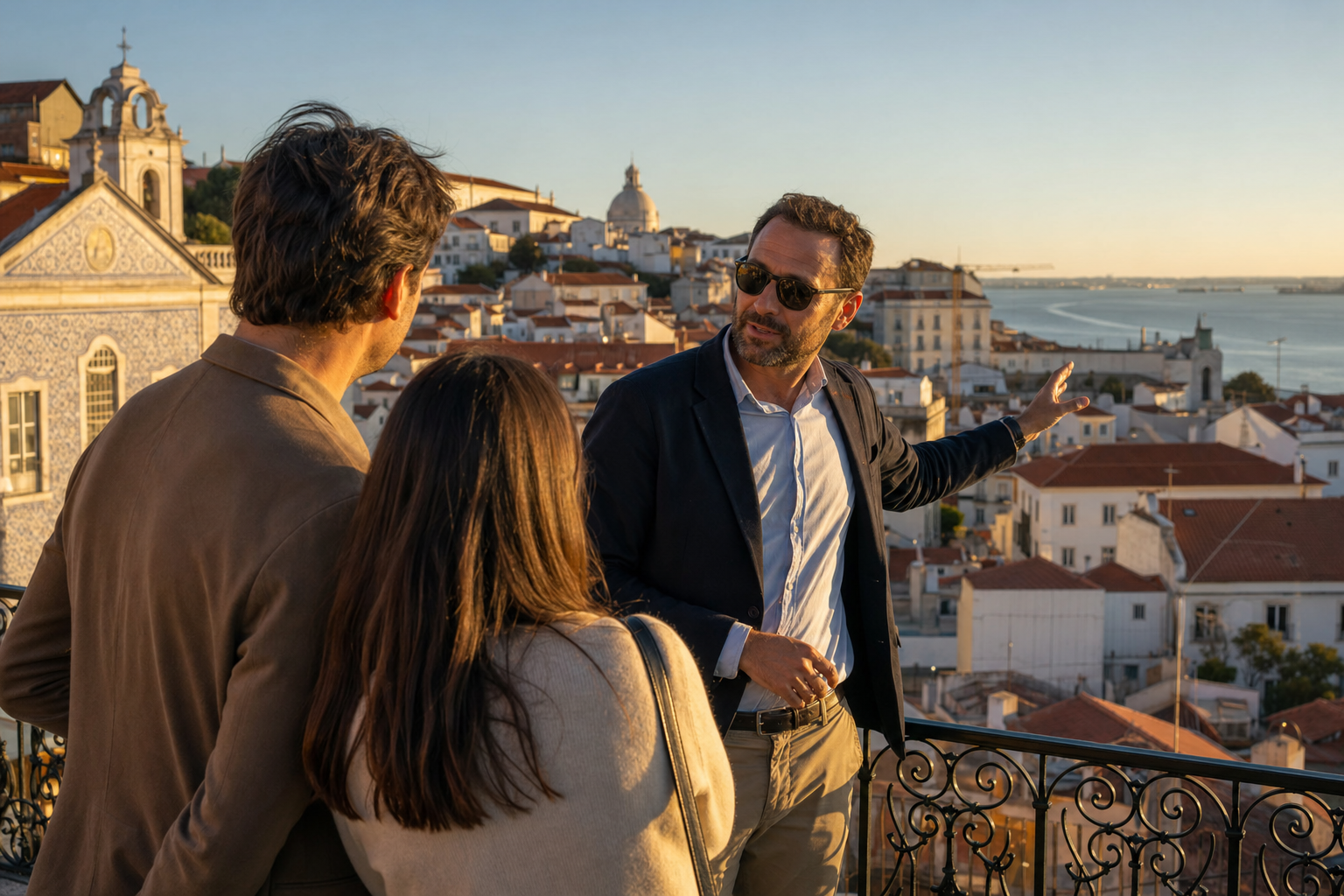
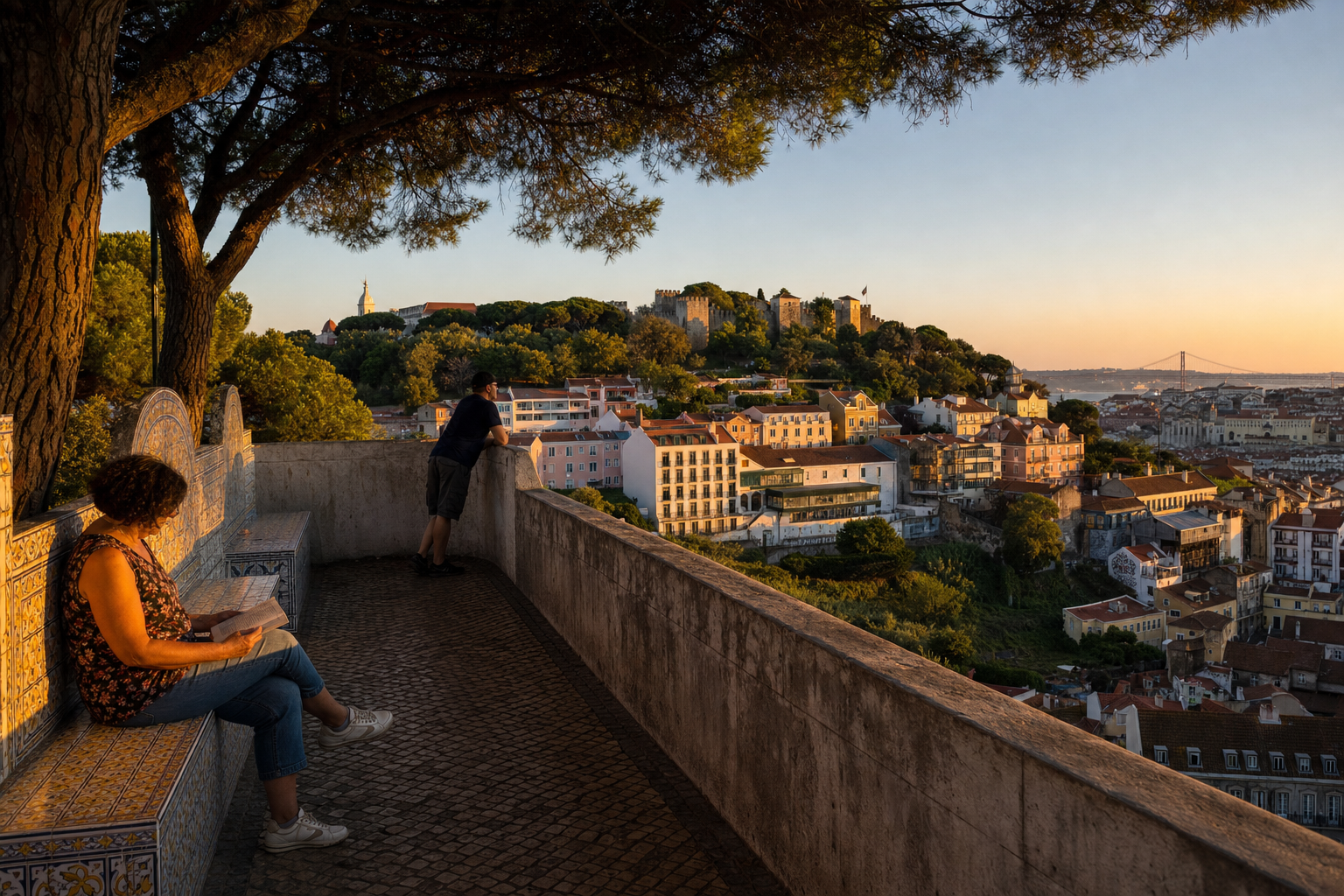
On the morning of 1 November 1755 — All Saints' Day — a catastrophic earthquake, followed by a tsunami and firestorm, killed between 30,000 and 40,000 people and erased the medieval centre of Lisbon in under six minutes. The city that rose from the rubble was rebuilt on an entirely different logic: the rational Pombaline grid of Baixa, named after the Marquis of Pombal who oversaw the reconstruction. That rupture still defines every street, tile panel, and viewpoint you encounter today — but almost no group tour has the time or flexibility to explain why. Lisbon is not one city; it is at least four, stacked across seven hills, shaped by a global maritime empire, a catastrophic earthquake, and centuries of cultural layering that even most visitors who have been here before have only scratched the surface of. That is precisely why private tours in Lisbon work so differently from anywhere else in Europe — and why getting them right matters.
Read more →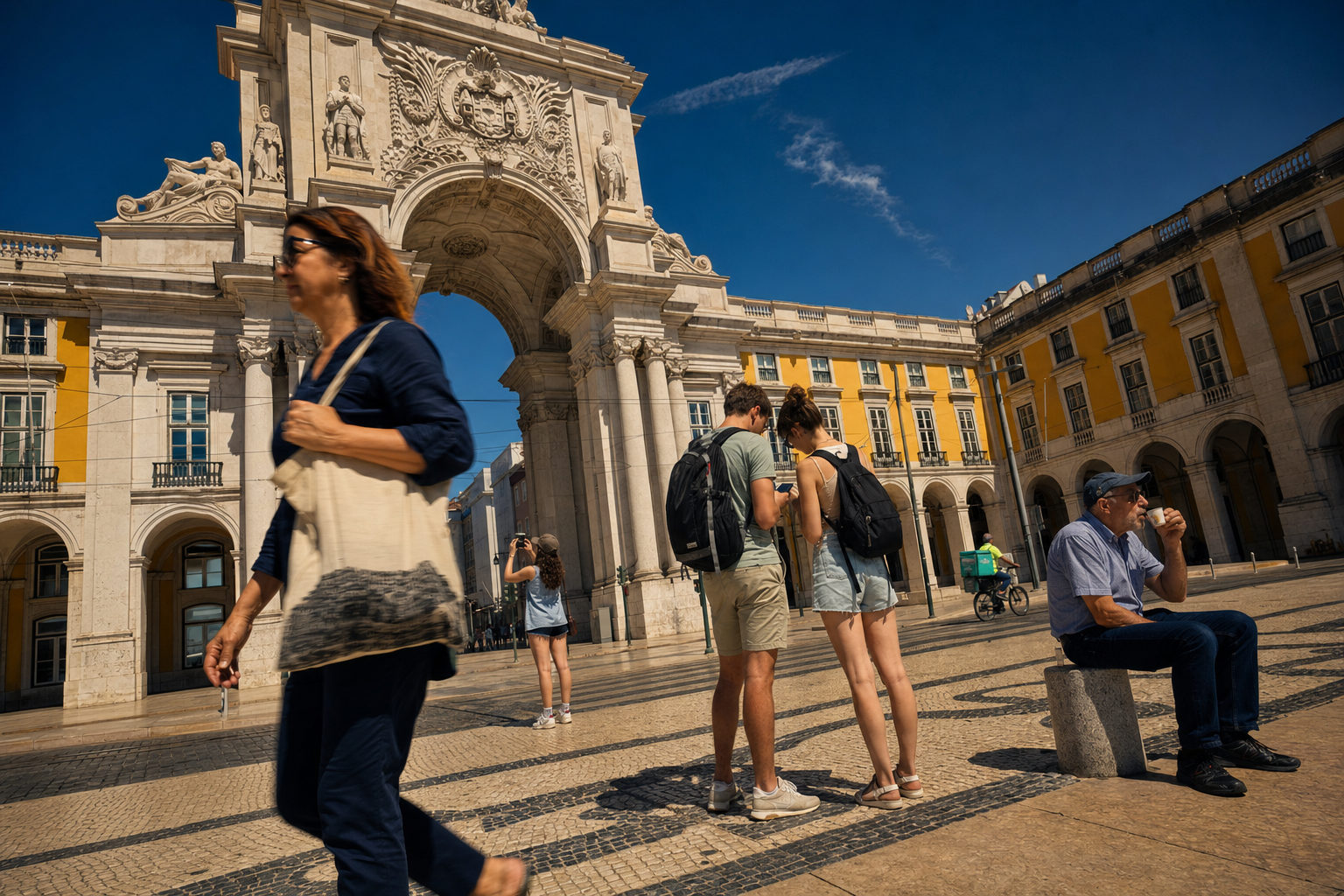
At 9:40 on the morning of 1 November 1755 — All Saints' Day, when most of Lisbon's population was inside a church — an earthquake estimated between 8.5 and 9 on the Richter scale struck the city. Three separate tremors, a tsunami, and fires that burned for five days killed between 30,000 and 40,000 people and levelled roughly 85% of the built environment. The Marquis of Pombal rebuilt the lower city from scratch on a rational Enlightenment grid — one of the first planned urban rebuilds in European history. But one neighbourhood didn't fall. Alfama, the ancient Moorish quarter, sat on solid schist bedrock and held. The street pattern you walk today is the one laid down before the 12th century. That single geological accident is the reason Lisbon feels unlike any other Western European capital: its oldest layers weren't buried under 19th-century renovation. They stayed visible, walkable, and inhabited. A long weekend in Lisbon — three full days, properly structured — is enough time to feel that depth across millennia of empire, faith, and fado. But only if you spend those days the right way.
Read more →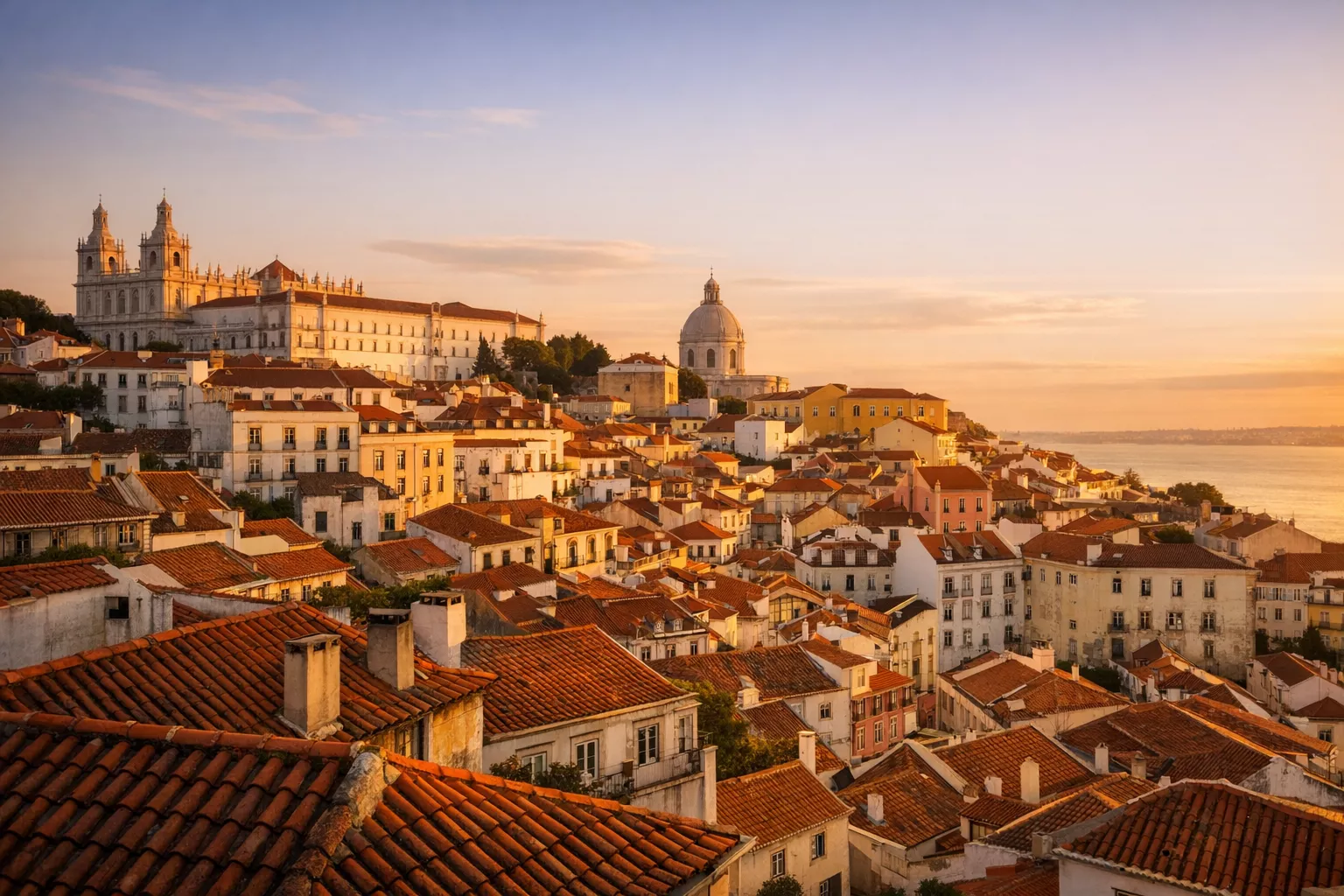
Discover the vibrant city of Lisbon, where history, culture, and gastronomy blend together perfectly. Whether you're a history buff, a foodie, or an adventurer, this guide will reveal the top things to do in Lisbon, along with links to exclusive local tours.
Read more →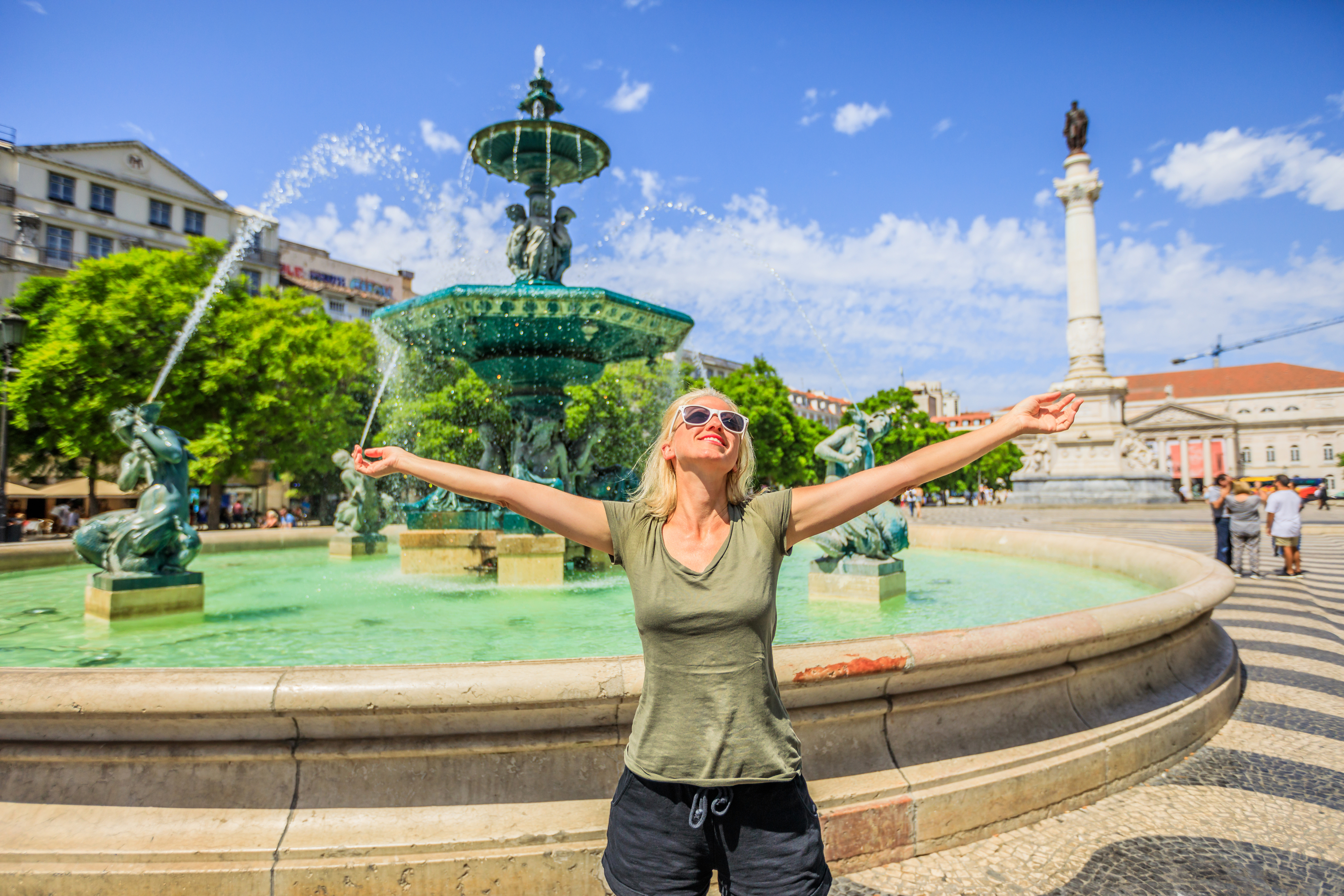
Lisbon, the capital city of Portugal, is a vibrant and enchanting destination that offers a perfect blend of history, culture, and natural beauty. From its picturesque neighborhoods to its stunning architectural landmarks, Lisbon has something to offer every traveler. Whether you have just a few days or a whole week, this city will captivate you with its charm and allure.
Read more →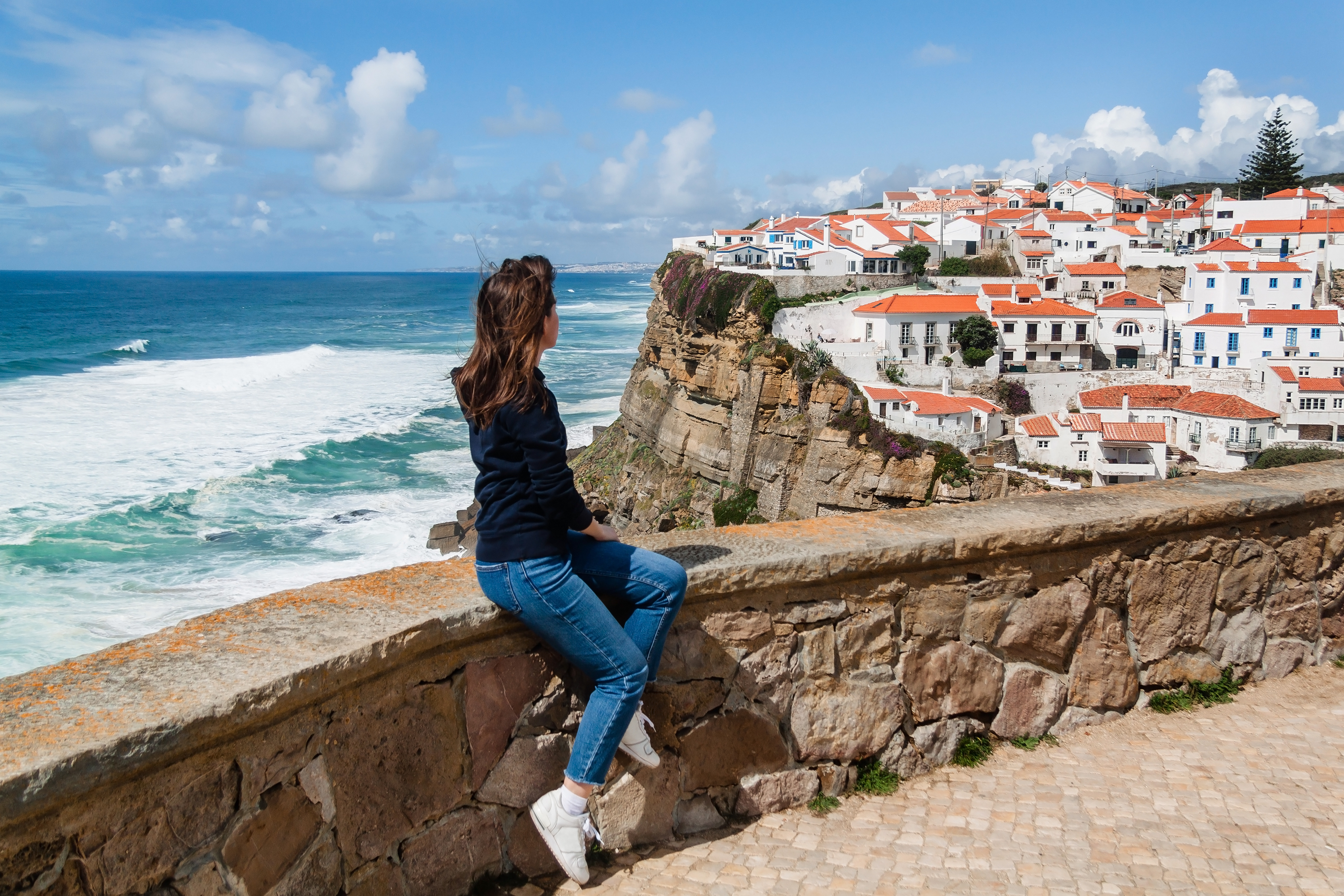
In the vicinity of Lisbon there are many beautiful villages and places to visit on day trips. At any time of the year, you can discover small towns, palaces, castles, beaches and beautiful landscapes. Signing up for a private tour with a local guide can be a very good option, so that you don't miss any detail, learn about history, while optimising time and money. Otherwise, it is also possible to do it on your own, thanks to public transport or rental cars. Which places do we recommend?
Read more →We use a single cookie, to remember this choice. We do not use analytics or advertising cookies. Read our cookie policy.