7 to 7,5 hrs
Barcelona
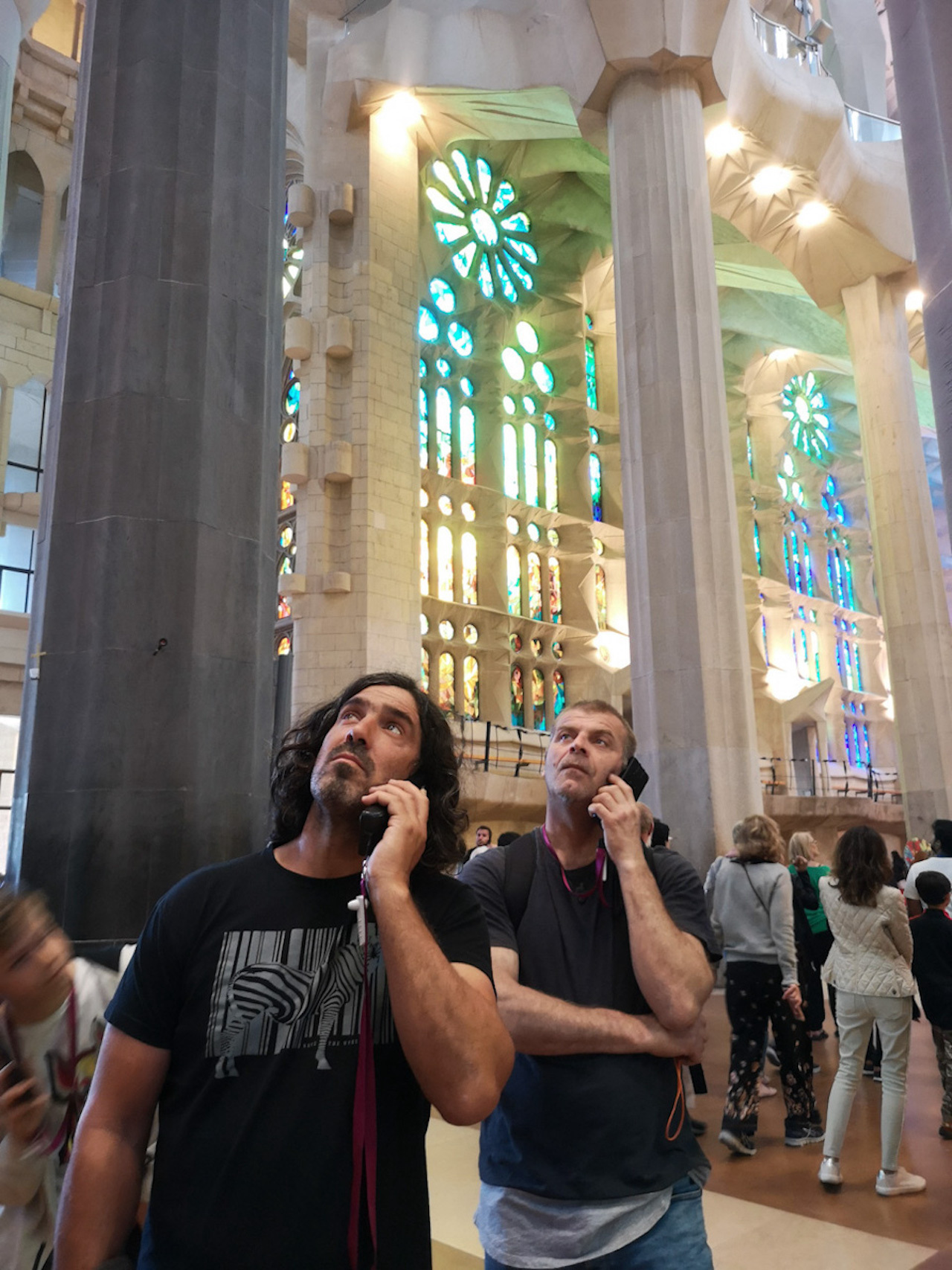
Barcelona & Montserrat Day Trip with Sagrada Familia Guided Tour
✓ Free cancellation Kids friendly
4.5(17 reviews)
From €134/ person
Book Now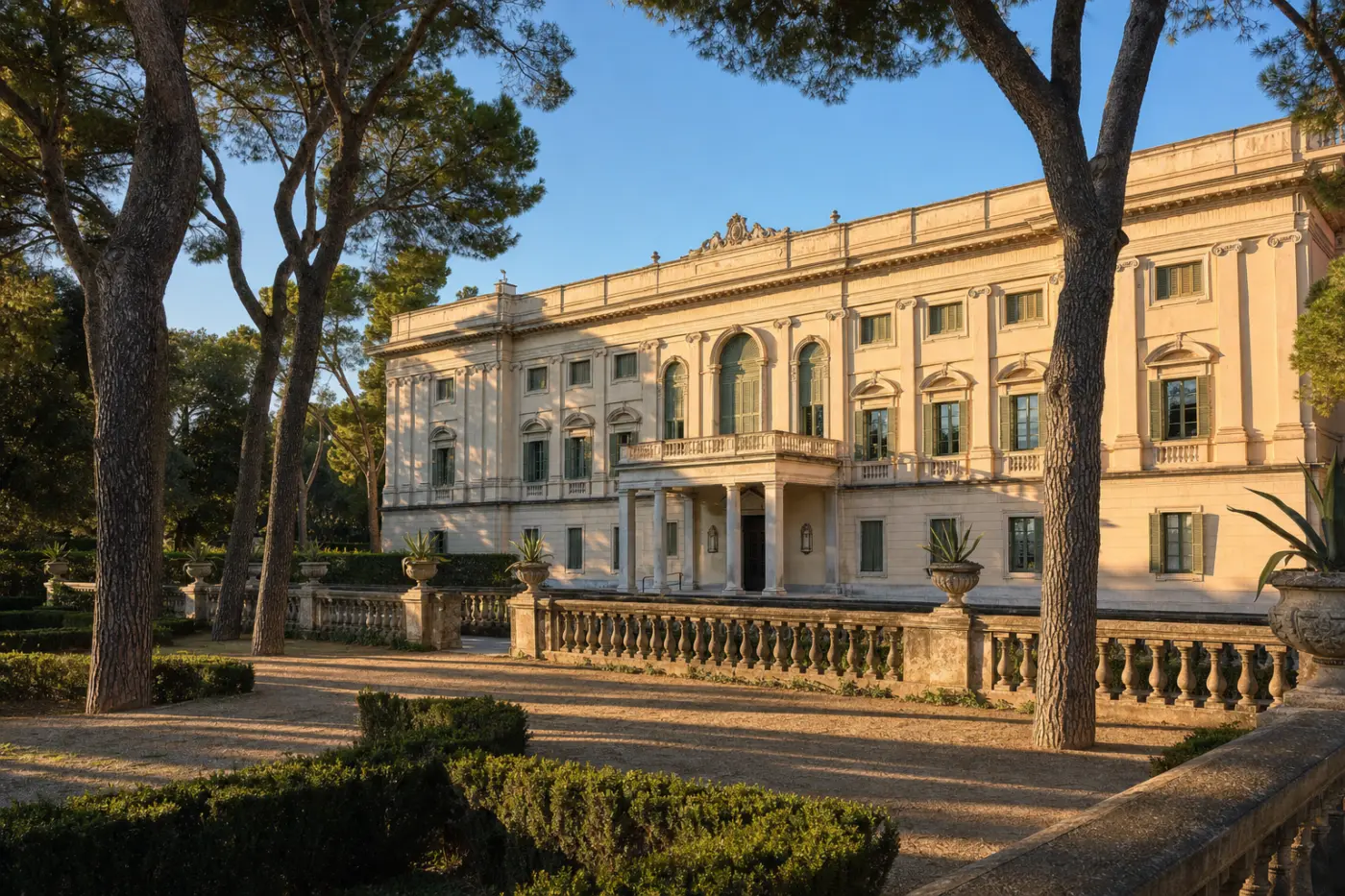
Tourist attraction
The Palau de Pedralbes stands at the top of Barcelona's Les Corts district along the Avinguda Diagonal, a neoclassical royal palace whose layered history stretches back to a 17th-century country house. In 1862, industrialist and arts patron Eusebi Güell purchased the estate and engaged architect Joan Martorell i Montells — mentor to the young Antoni Gaudí — to redesign it. Martorell added a Caribbean-style manor and a Neo-Gothic chapel that still survive on the grounds today. Güell gifted the entire finca to the Spanish royal family in 1918, partly as an expression of gratitude for the noble title bestowed upon him by King Alfonso XIII. Between 1919 and 1931, the main house was transformed into a full royal palace, giving the building its present neoclassical face and the grandeur expected of a Bourbon residence in Catalonia's capital city.
The palace's most quietly remarkable feature is easy to miss: tucked along the garden wall is a wrought-iron dragon gate and, nearby, a slender fountain column designed by Antoni Gaudí around 1884, when he was still working as an assistant on the Güell estate. The fountain, with its delicate ceramic-tiled basin, represents one of Gaudí's earliest surviving works in Barcelona and predates even the Sagrada Família crypt. The surrounding Jardins de Pedralbes, a formal Italianate garden of umbrella pines, rose beds, and sculpted hedgerows, were laid out in the early 20th century to complement the palace's ceremonial role and remain open to the public free of charge.
Throughout the 20th century the palace served as the official Barcelona residence of the Spanish crown and hosted state events during pivotal moments — including the years surrounding the 1929 International Exposition held on Montjuïc. After the restoration of Spanish democracy, the building's institutional role shifted; it now serves as the headquarters of the Secretariat General of the Union for the Mediterranean, an intergovernmental body founded in 2008 that links 43 European and Arab-League countries. The palace interior is not regularly open to visitors, but the Gothic Pavilion — Martorell's original Neo-Gothic chapel structure — and the gardens are accessible and well worth exploring.
Visitors approaching from the Palau Reial metro station (L3, green line) encounter the palace from its formal garden entrance on the Diagonal. The Jardins de Pedralbes are open daily and are one of the city's least-crowded green spaces given their proximity to the busy university zone. Plan your visit for a weekday morning to have the Gaudí fountain almost to yourself. The adjacent Finca Güell, with its famous dragon gate also designed by Gaudí, sits just a short walk west and makes for a natural pairing. There is no admission charge for the gardens.
Private tours with a local guide, at your own pace.
Barcelona
Barcelona
Barcelona
Barcelona
Barcelona

Barcelona

Barcelona
Barcelona

Barcelona

Barcelona
Barcelona
Barcelona
Barcelona
Barcelona