3 hrs
Barcelona
Sagrada Familia & Gaudi Tour Private or Small Group with Tickets
✓ Free cancellation Kids friendly
4.8(1403 reviews)
From €197/ person
Book Now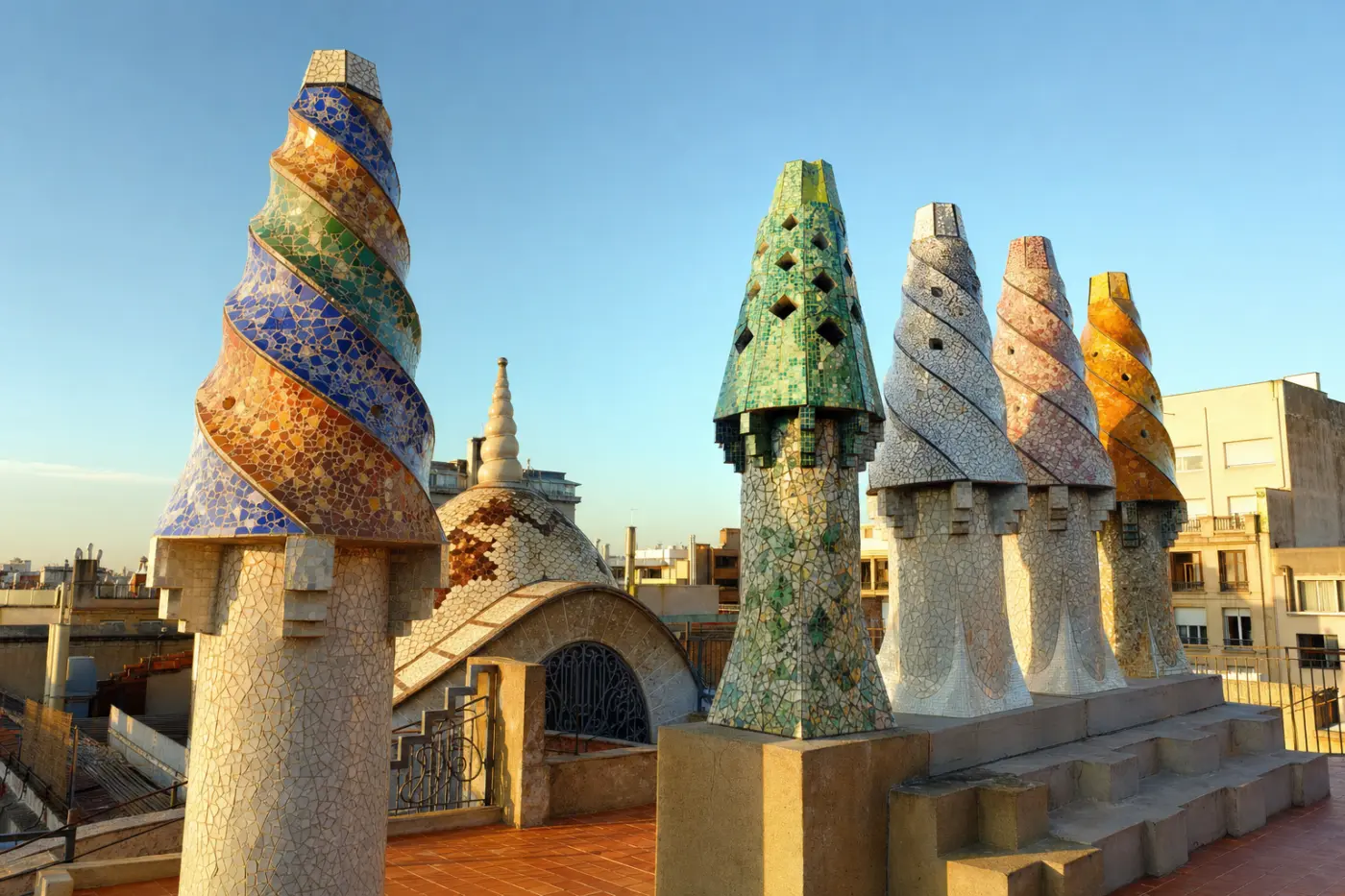
Tourist attraction
Palau Güell is a late 19th-century urban palace built by Antoni Gaudí between 1886 and 1890 on Carrer Nou de la Rambla, just off La Rambla in Barcelona's Raval neighbourhood. It was commissioned by Eusebi Güell i Bacigalupi — textile industrialist, politician, and one of Catalonia's most powerful cultural patrons — who wanted a private residence grand enough to host the city's intellectual and political elite. The commission gave Gaudí, then in his early thirties, his first major opportunity to work at full architectural scale, and he responded with a building that broke almost every convention of bourgeois Catalan residential design. The facade's two parabolic wrought-iron entrance gates, designed to admit horse-drawn carriages directly into a basement stable, announced from the street that this was architecture operating on its own terms. The building was completed at a cost that, by contemporary accounts, shocked even Güell's wealthy peers.
Inside, the spatial climax is the central hall — a six-storey parabolic dome rising through the heart of the building, pierced by small circular skylights that scatter points of light across the interior like a man-made constellation. Gaudí used Catalan vault techniques in radically new ways throughout the structure, combining Moorish muqarnas-inspired cupolas with Gothic-derived arches and his own developing geometric intuitions. The palace hosted gatherings of the Catalan Renaixença movement; figures including composer Isaac Albéniz and poet Jacint Verdaguer were received here. Güell also used the ground-floor chapel — fitted with a neo-Gothic organ whose pipes thread through the building's walls — for private family worship. In 1945, Eusebi Güell's youngest daughter, Mercè Güell i López, donated the palace to the Barcelona Provincial Council (Diputació de Barcelona) on the strict condition that it be preserved and used for cultural purposes. UNESCO inscribed it as a World Heritage Site in 1984 as part of the collective designation "Works of Antoni Gaudí," recognising it as the essential early work that contains the DNA of everything Gaudí later achieved at Park Güell, Casa Batlló, and the Sagrada Família.
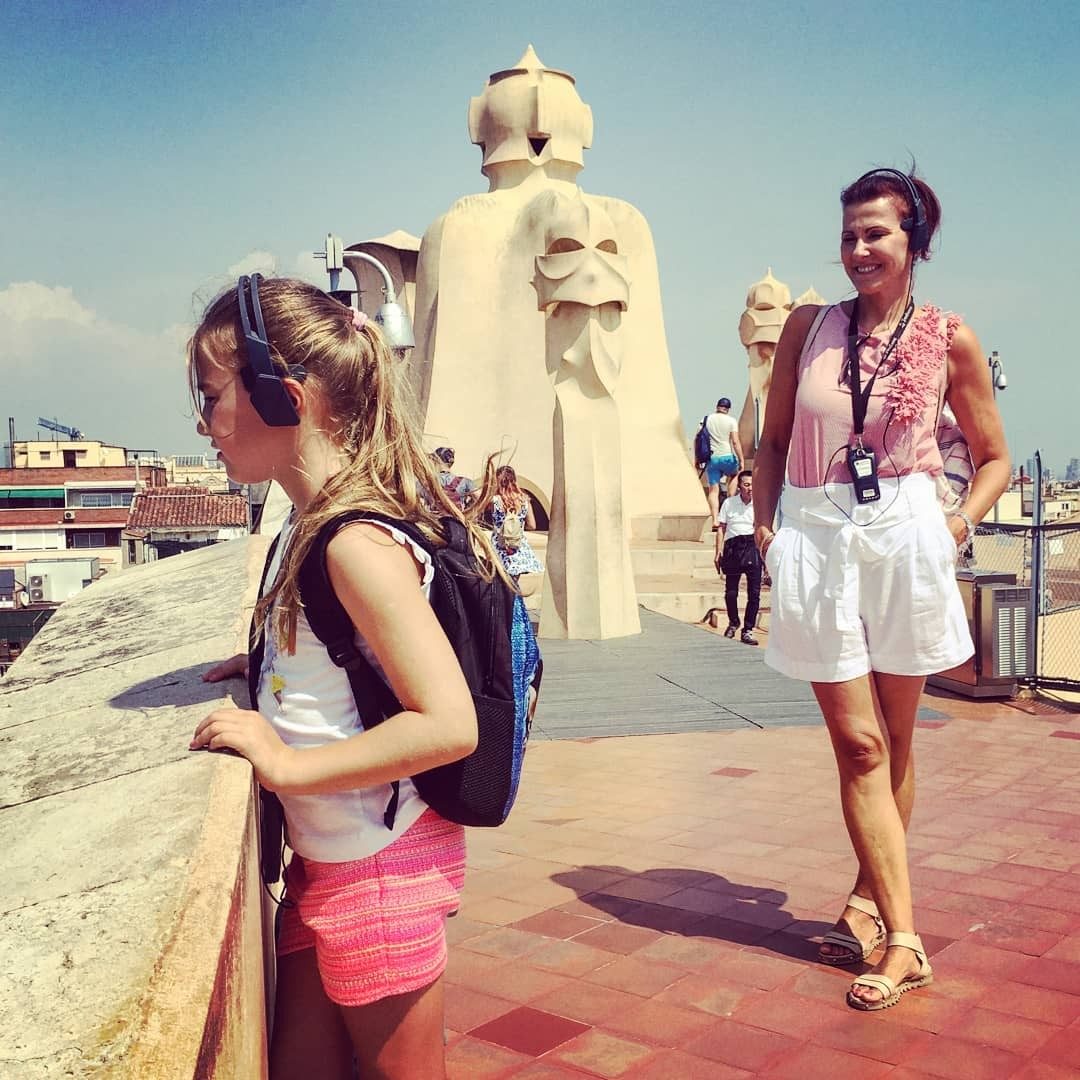
The rooftop is the building's most visually arresting space. Twenty chimneys and ventilation towers, each covered in fragments of smashed ceramic tile — a technique Gaudí would later develop into the trencadís method — rise from the terrace in spiralling, anthropomorphic forms. No two are identical: some are twisted helices, others capped with conical ceramic scales, their surfaces shimmering in blues, greens, and ochres. This rooftop is widely considered the prototype for the famous warrior-chimney landscape atop Casa Milà (La Pedrera). A permanent exhibition, "Palau Güell: A Look at Furniture," displays original pieces designed by Gaudí himself for the interior — bentwood chairs, carved wooden screens, and iron fittings — offering a rare window into his total-design philosophy decades before the term "interior design" existed.
Palau Güell sits at Carrer Nou de la Rambla 3–5, a short walk from the Liceu metro station (L3). Opening hours vary seasonally: April through October, the palace opens daily (except non-holiday Mondays) from 10:00 to 20:00; November through March, hours shorten to 10:00–17:30. Admission is free on the first Sunday of each month and on certain civic dates. Advance ticket purchase is strongly recommended, as timed-entry slots sell out quickly, especially in summer. Weekend guided visits and a specialist "Secret Palau Güell" tour — which grants access to areas typically closed to the public — are available with prior reservation. School groups pay a reduced rate of €3 per student. The building closes the last week of January each year for maintenance.
Private tours with a local guide, at your own pace.
Barcelona
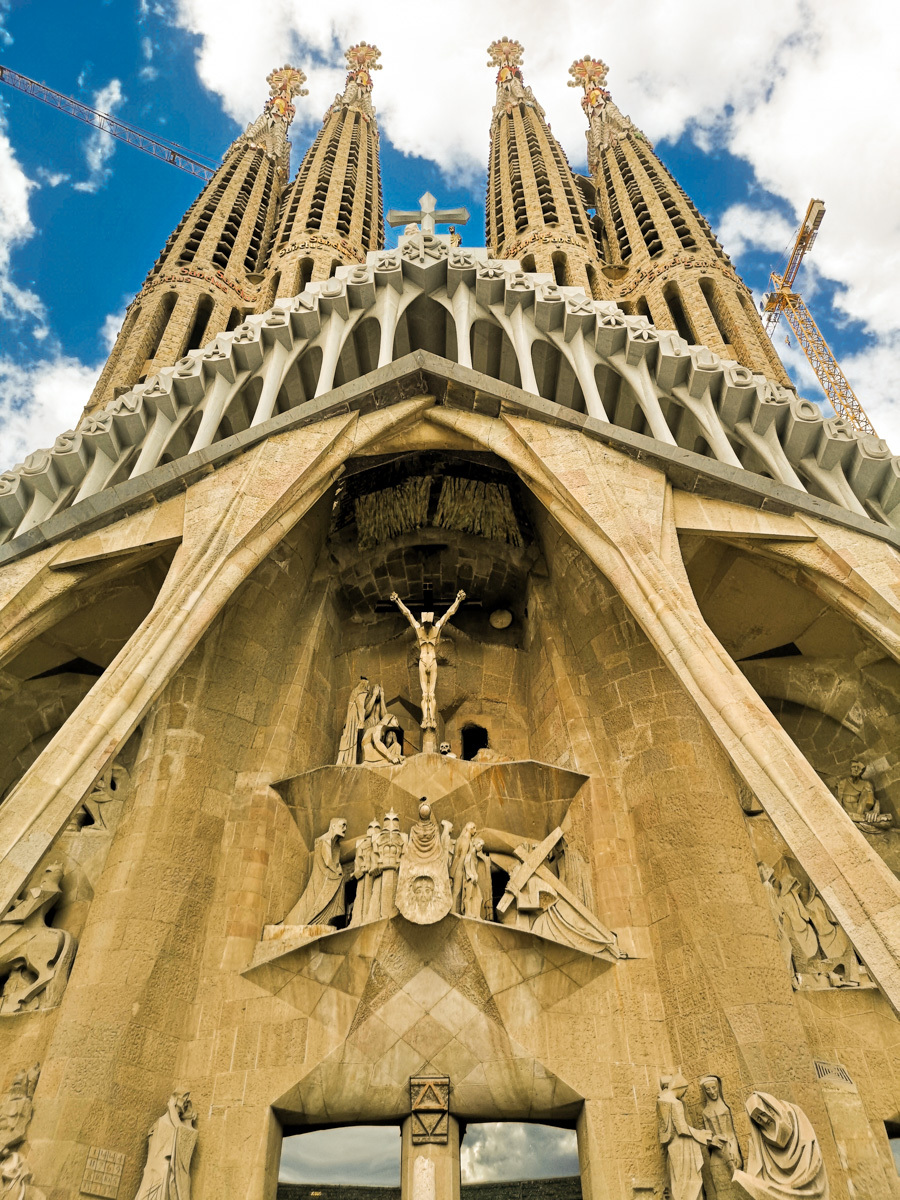
Barcelona
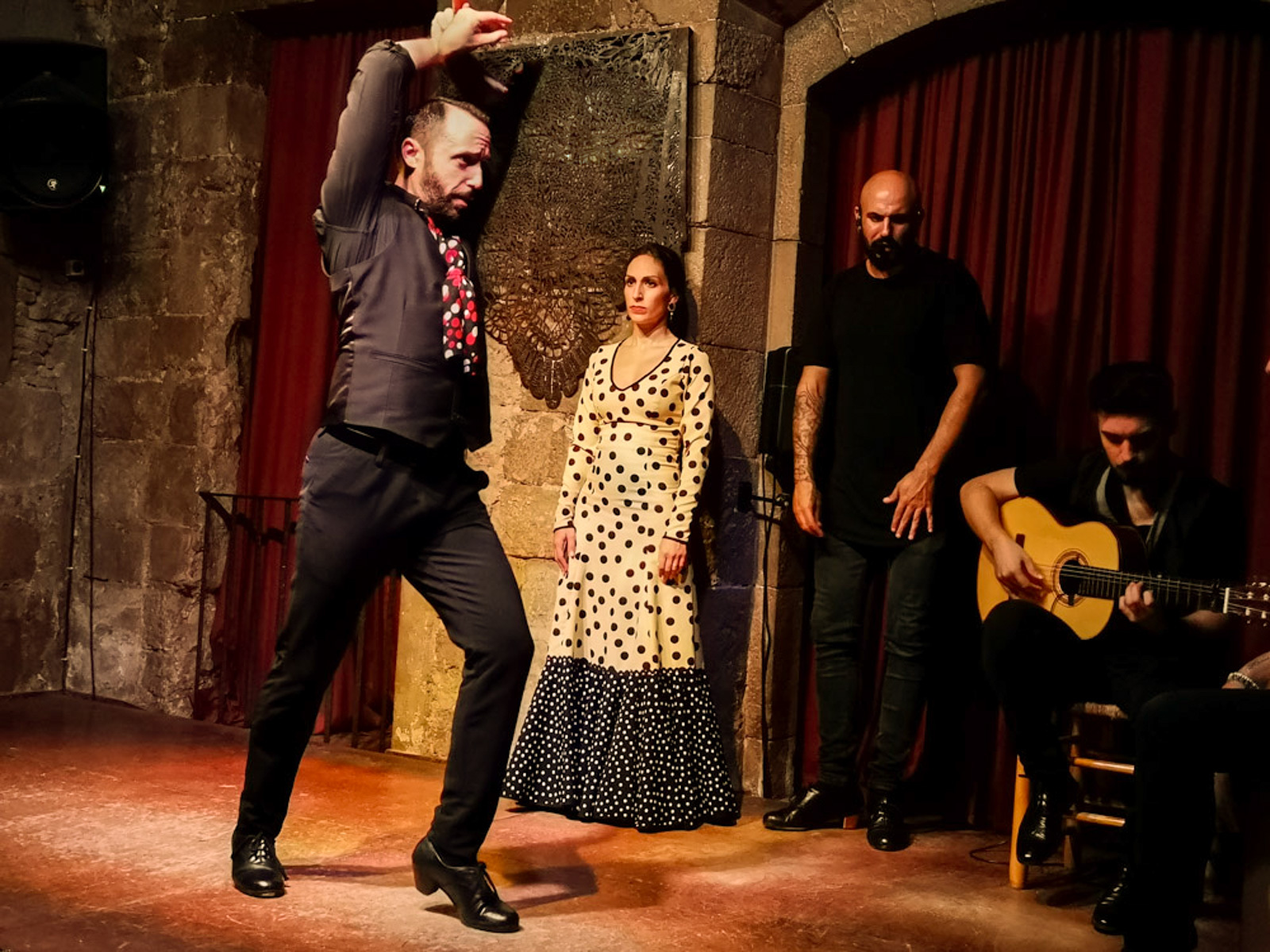
Barcelona
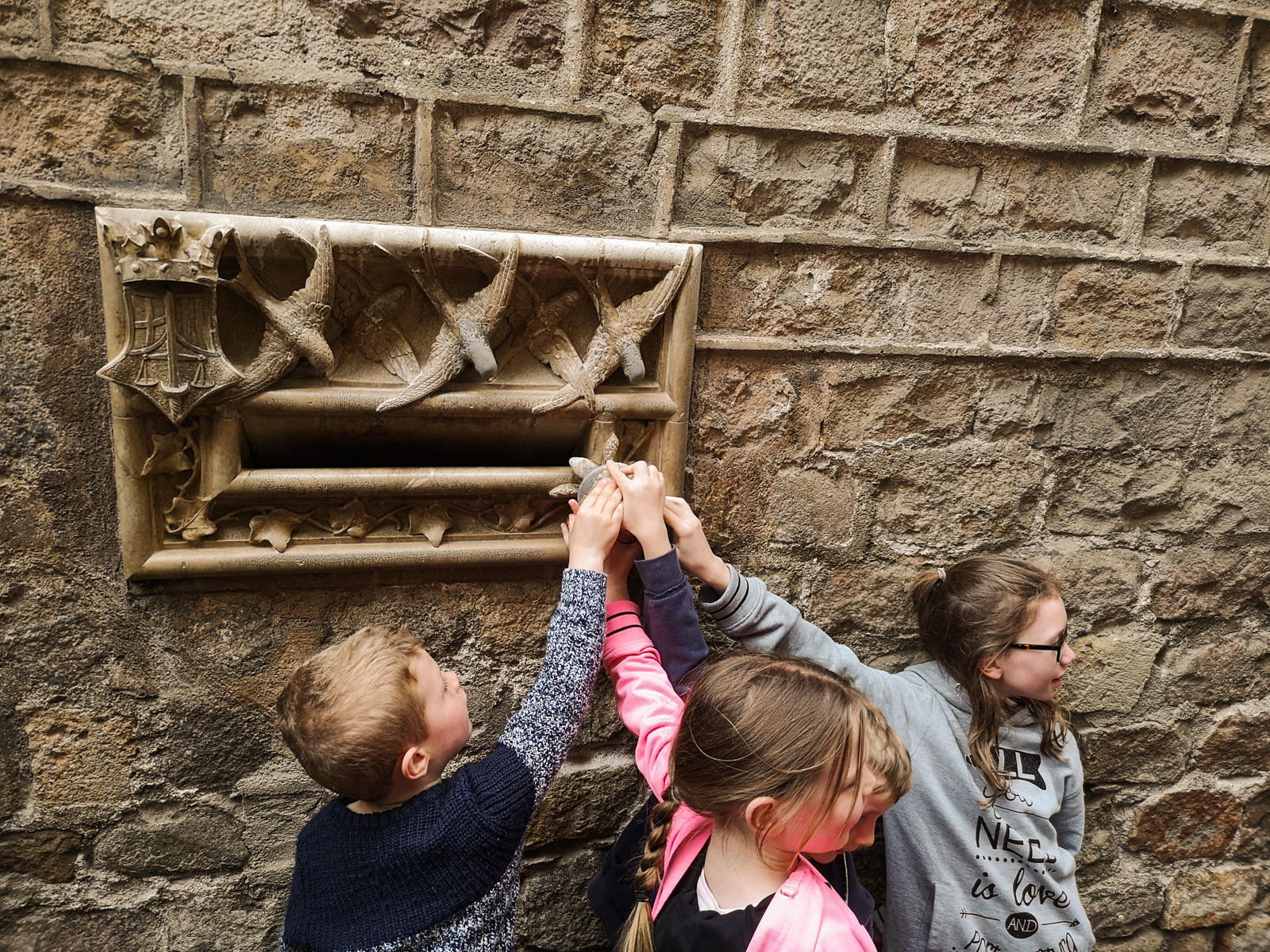
Barcelona
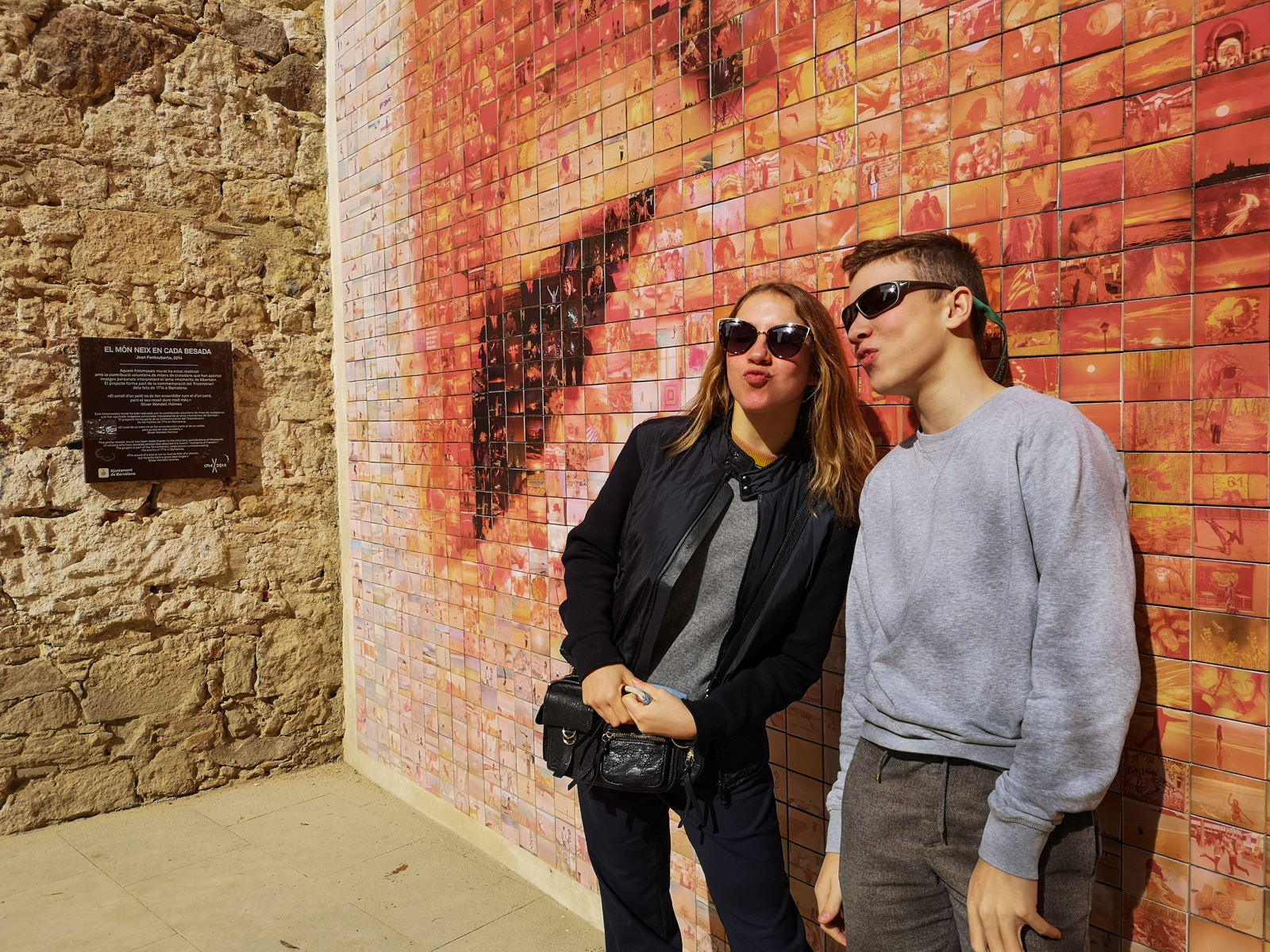
Barcelona
Barcelona
Barcelona
Barcelona
Barcelona
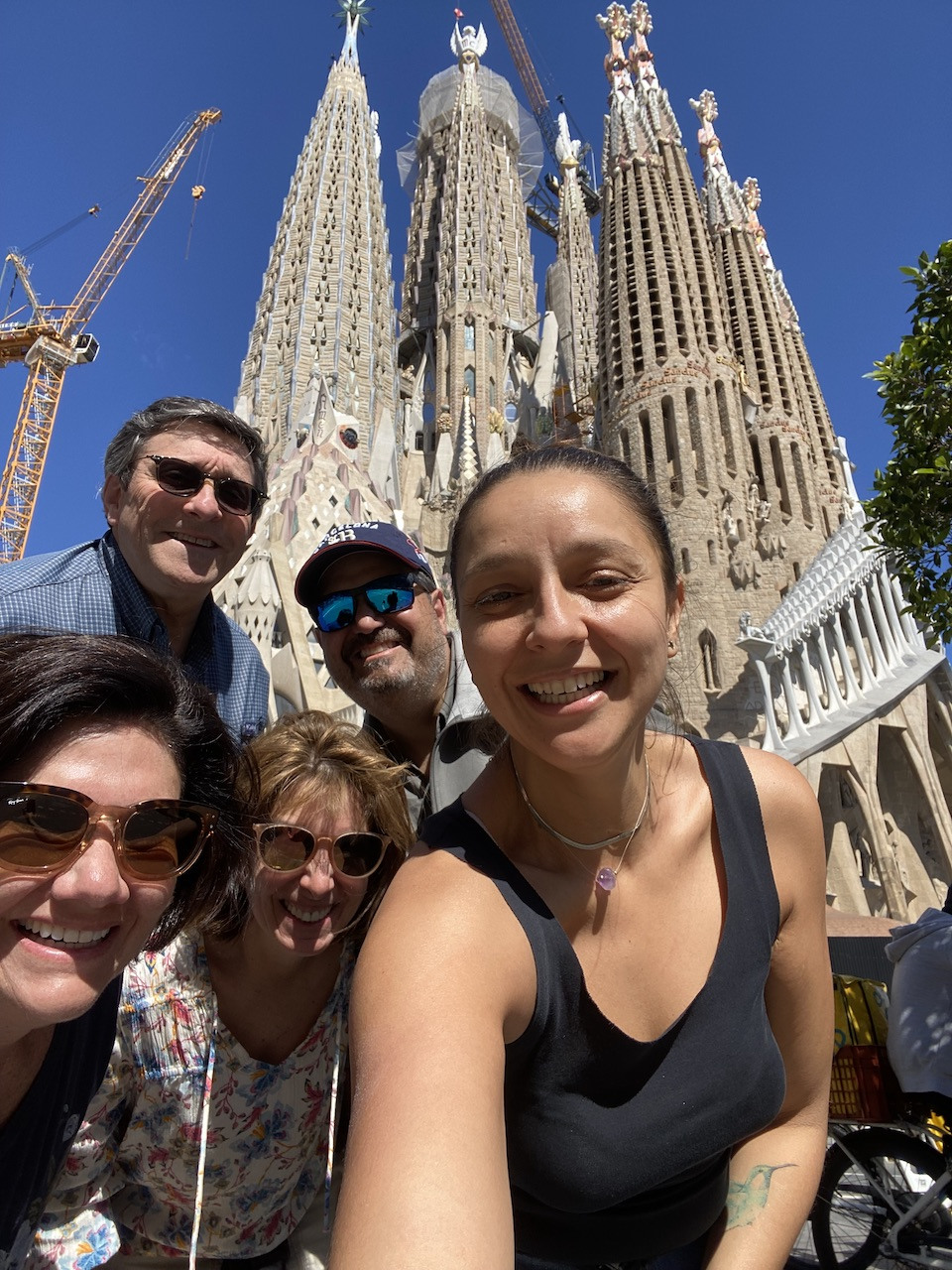
Barcelona
Barcelona
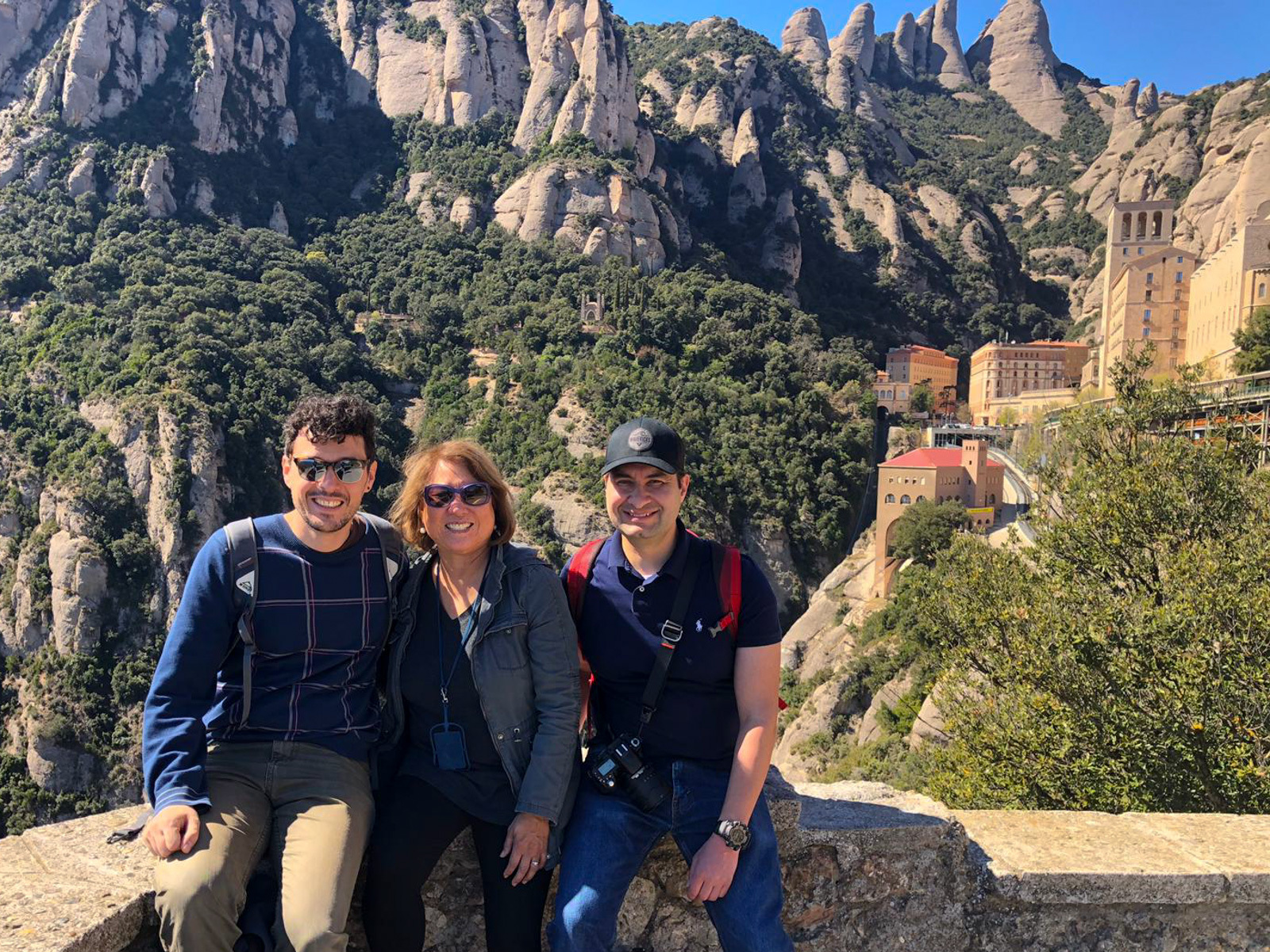
Barcelona
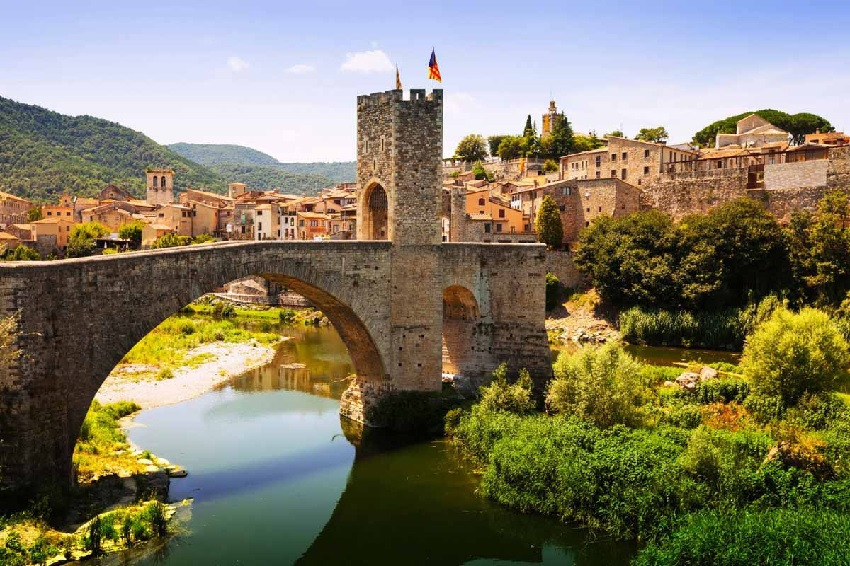
Barcelona
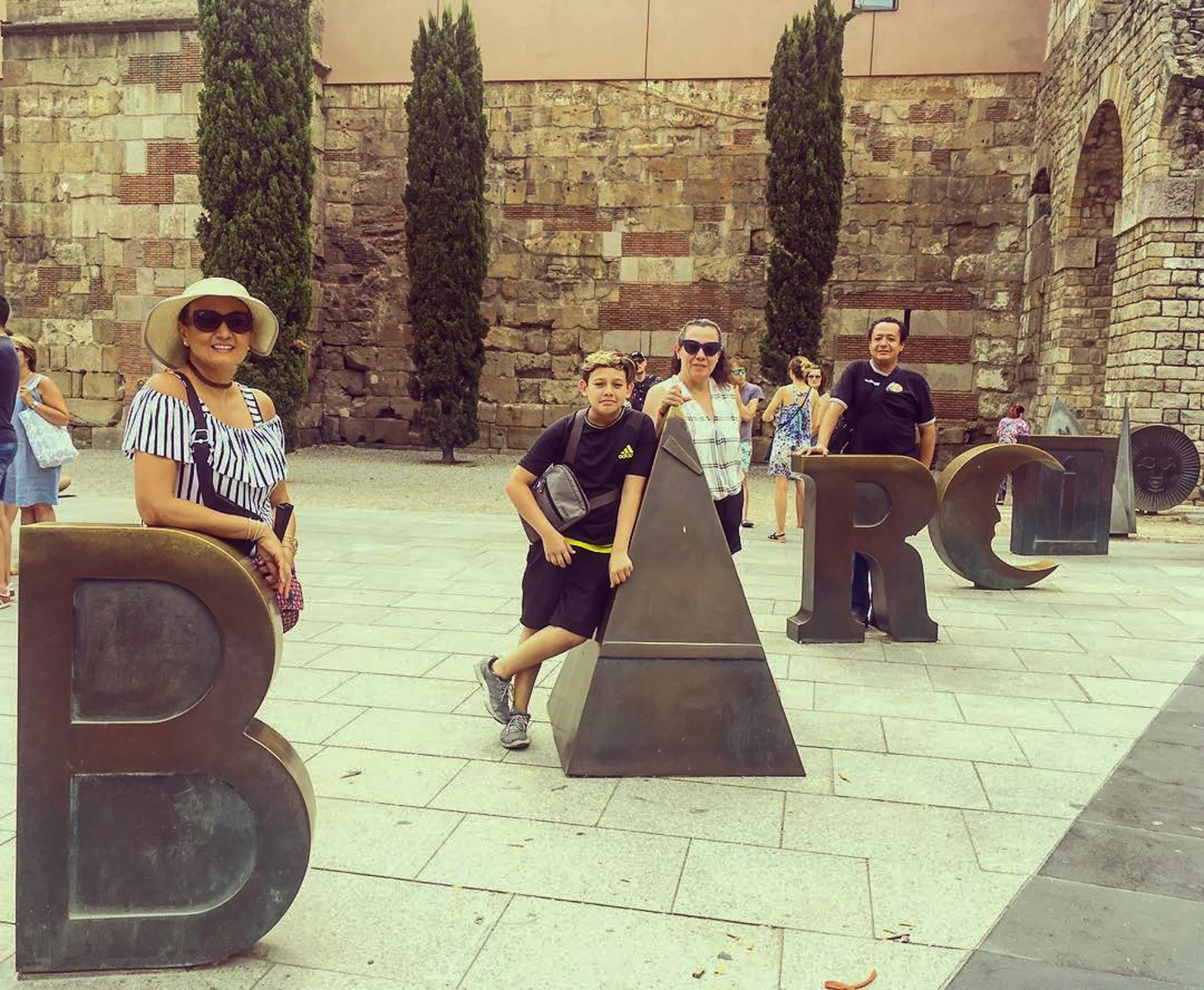
Barcelona
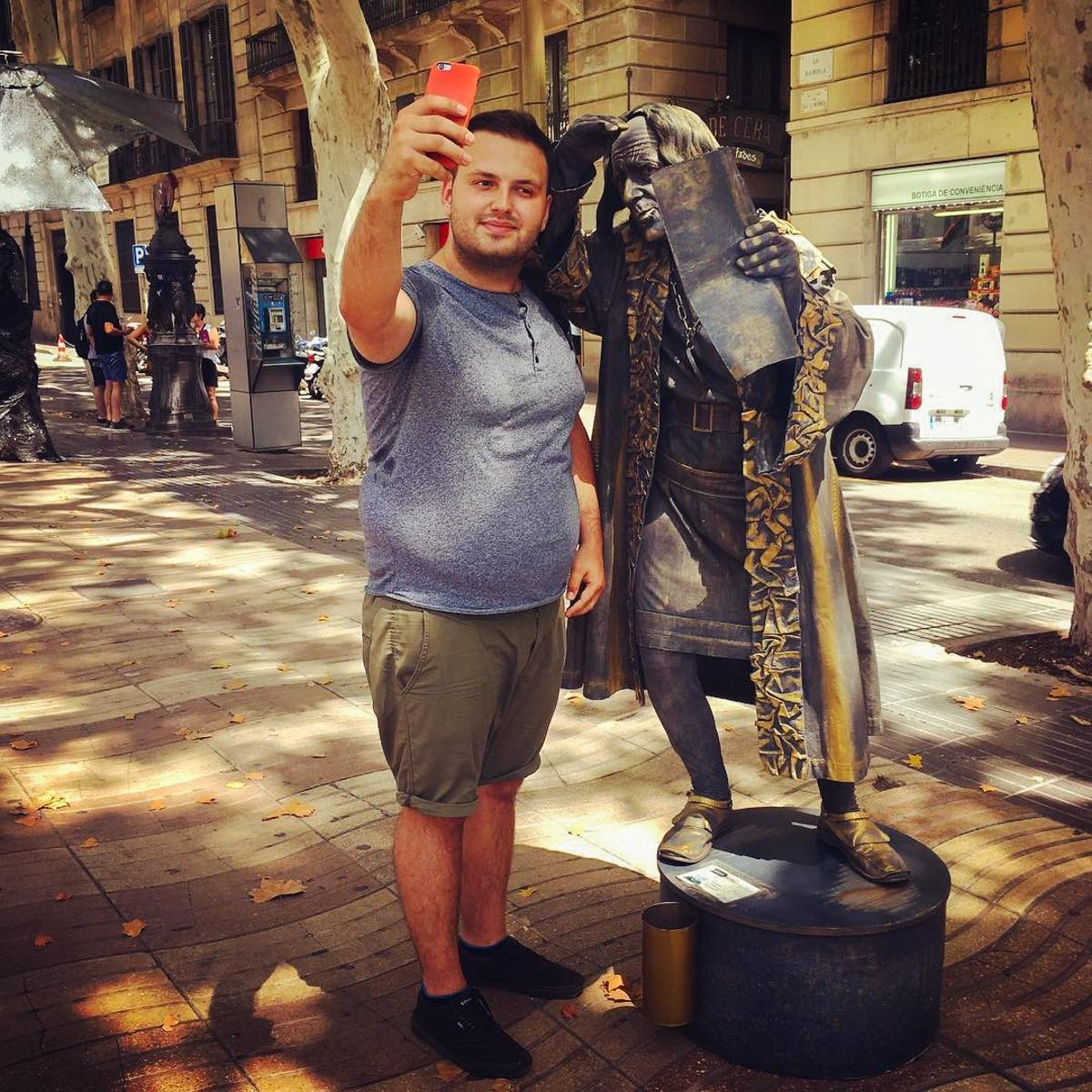
Barcelona
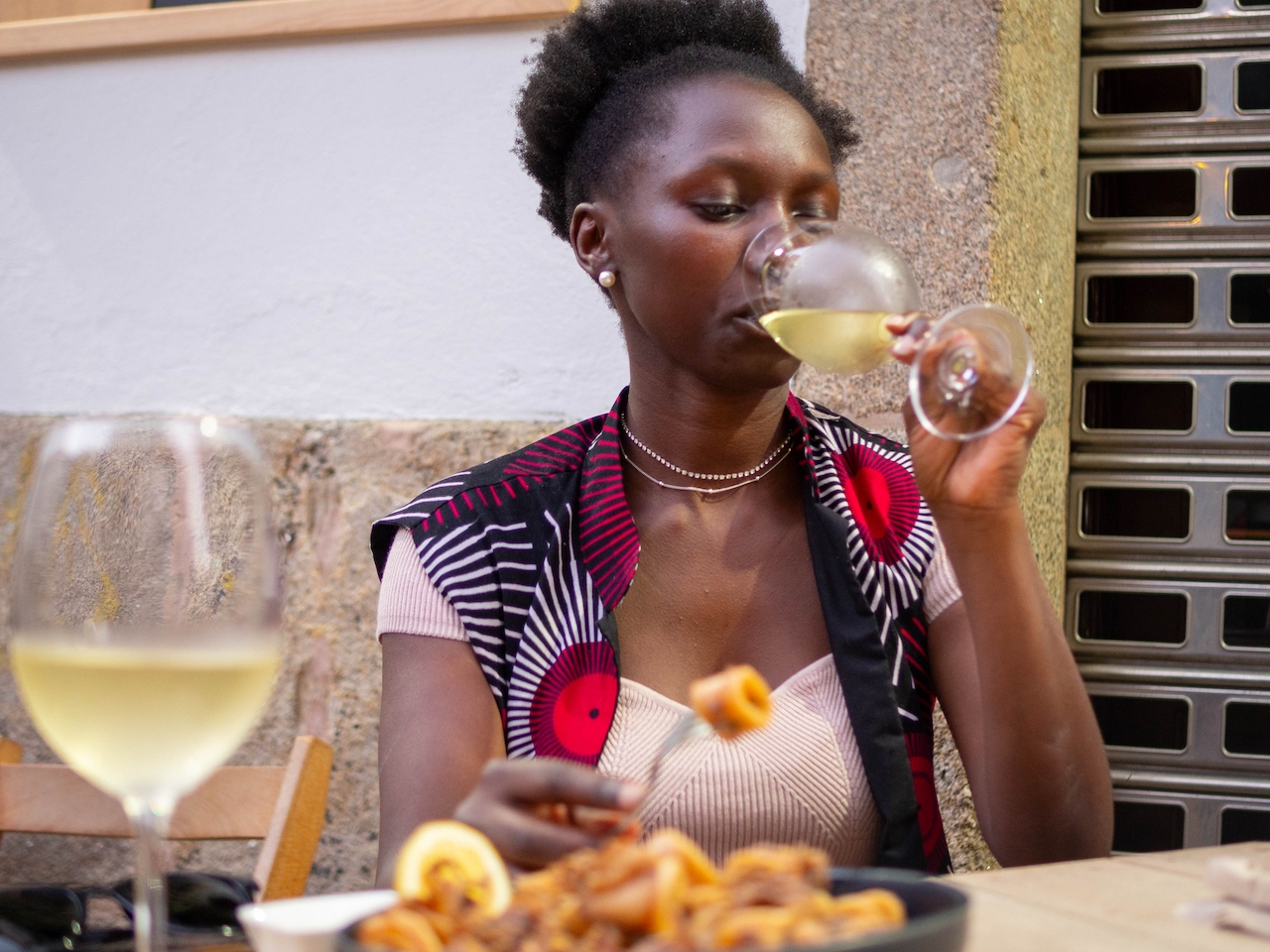
Barcelona
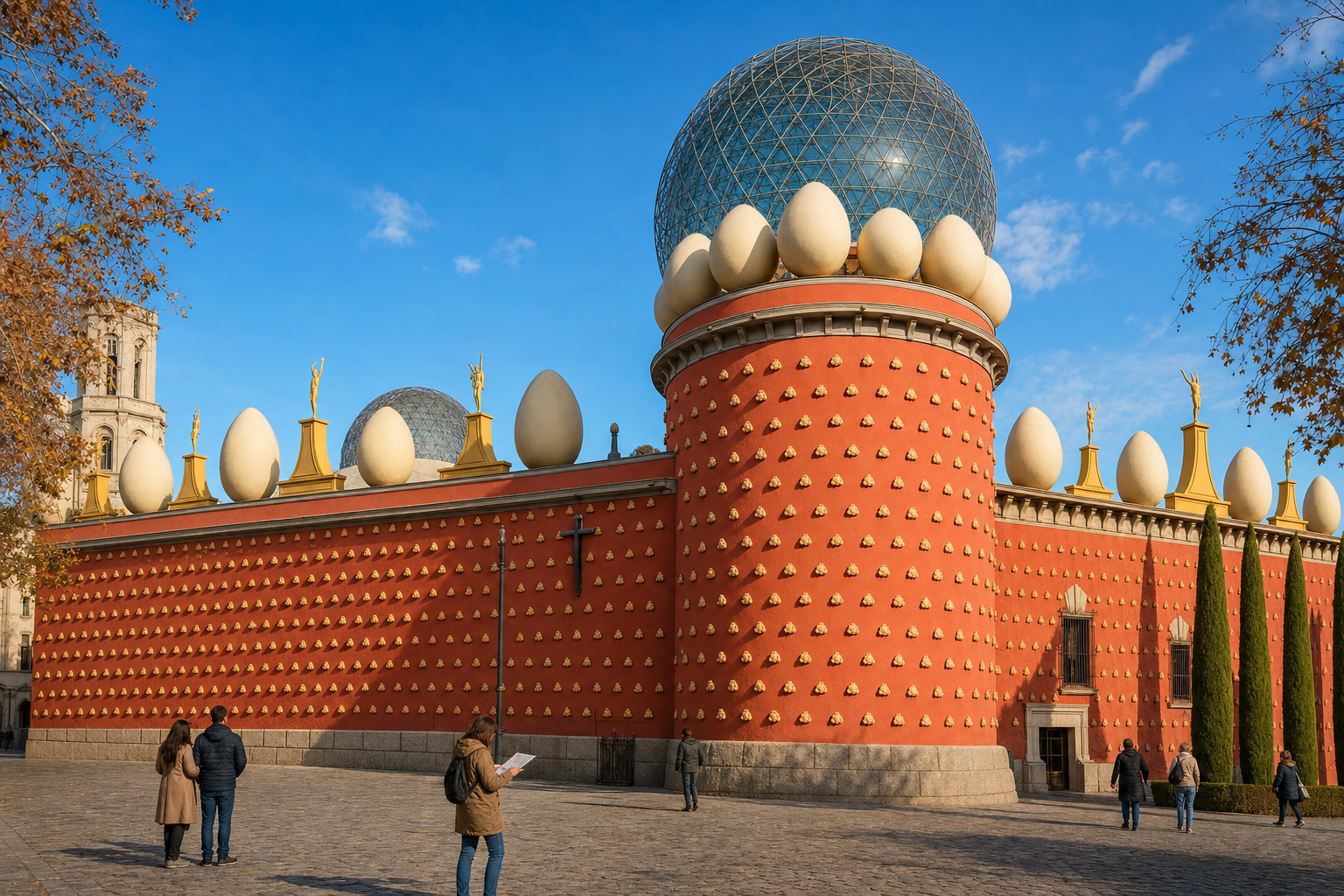
Most people know that Salvador Dalí was born in Figueres on 11 May 1904 — fewer realise that he spent the last decade of his life living inside his own museum, in a castle tower he had converted into a private apartment, refusing almost all visitors. That detail alone reframes everything you're about to see on a Costa Brava day trip from Barcelona. This isn't a sightseeing loop past pretty landmarks; it's a journey into one of the most deliberately constructed artistic universes ever assembled, set against a coastline so geologically dramatic that it physically shaped the imagery of a surrealist movement. From the geodesic dome above Figueres to the labyrinthine rooms of Portlligat, from the tramuntana-battered vines of the Empordà to the whitewashed lanes of Cadaqués, every stop carries a specific weight of history that rewards knowing before you arrive. This guide gives you that context — and shows you why adding a winery to the route isn't a detour, it's the most logical ending the day could have.
Read more →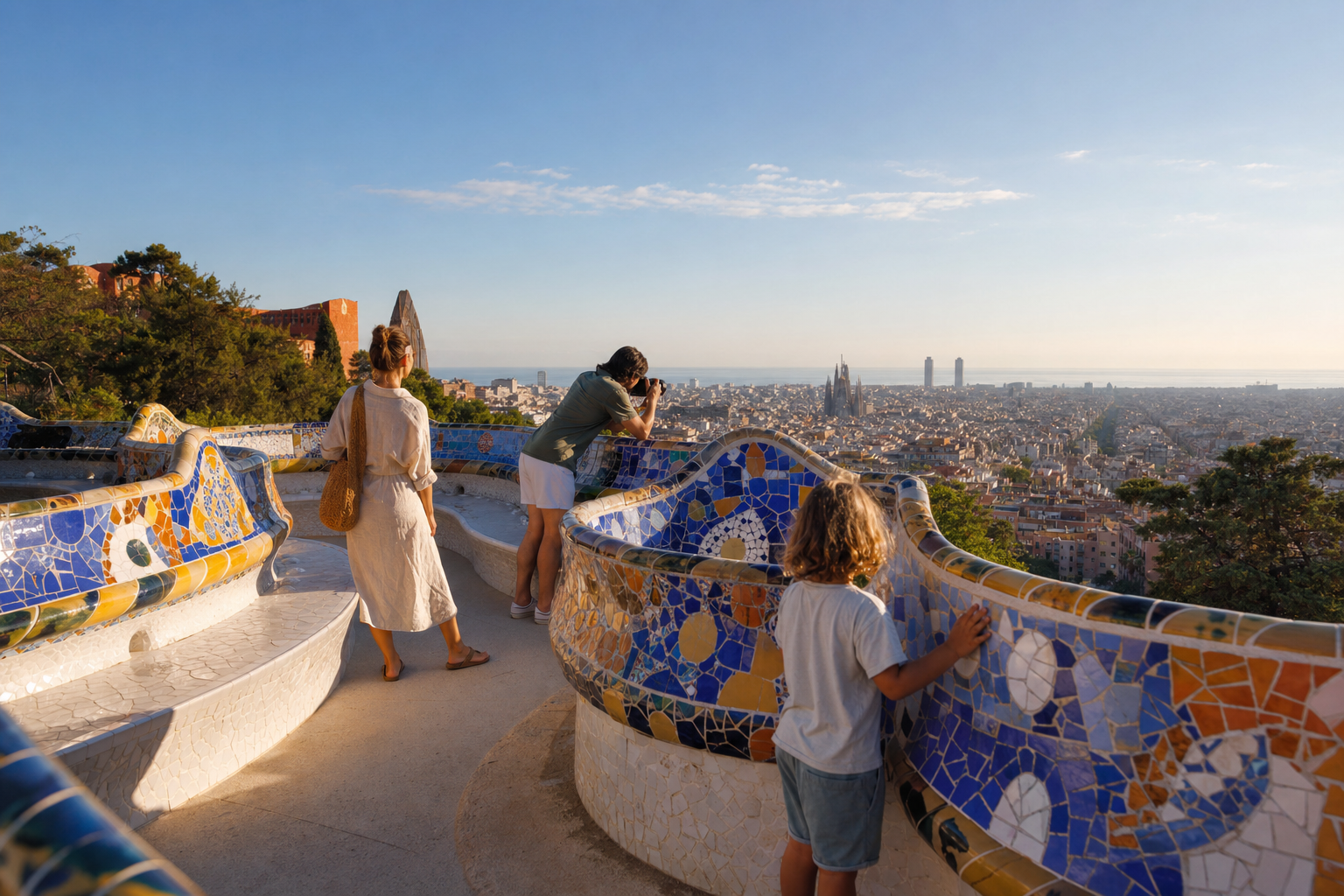
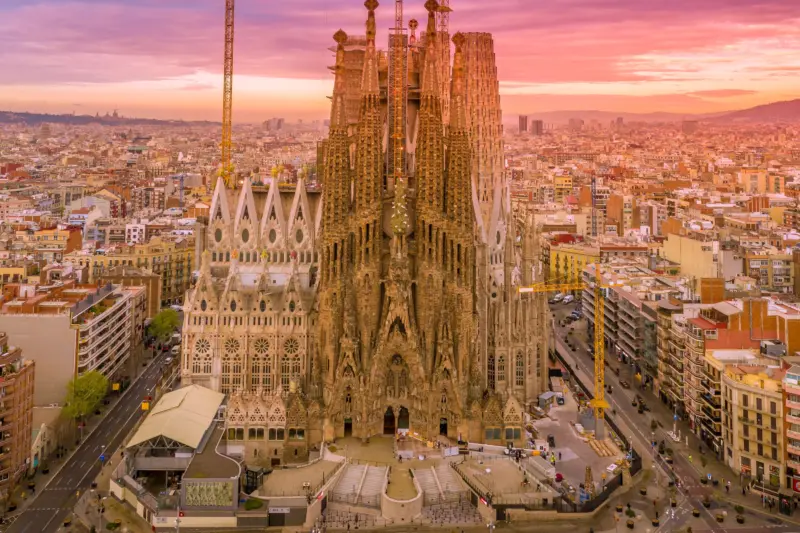
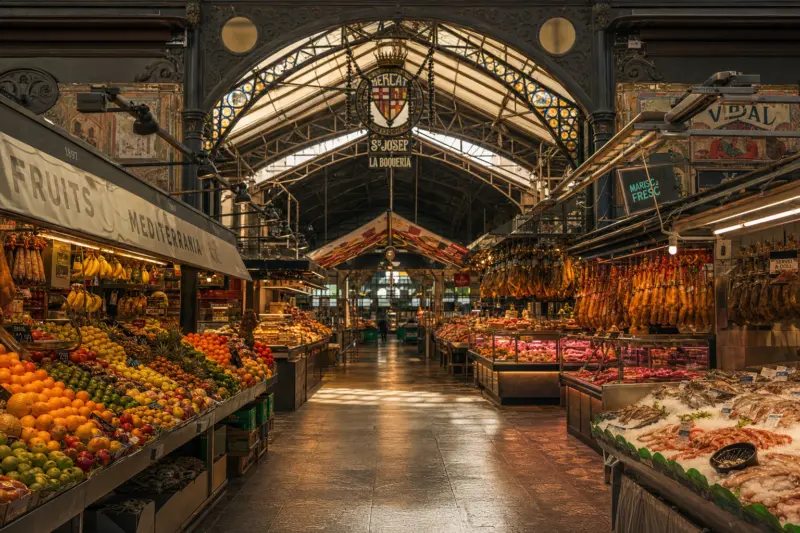
In 1883, a 31-year-old architect named Antoni Gaudí inherited a half-built church from a resigning predecessor and spent the next 43 years — until his death in 1926 — turning it into one of the most structurally radical buildings in human history. That church, the Sagrada Família, is still under construction today, and it is just one reason why Barcelona rewards curiosity more than almost any other city in Europe. But Gaudí's Barcelona is only one layer. Beneath the Gothic Quarter's cobblestones lie the preserved streets of a Roman settlement called Barcino, founded around 10 BC. In the city's markets, a food culture rooted in Catalan identity — not the generalised 'Spanish' clichés exported for tourists — plays out every single morning. Barcelona is a city that consistently offers more the deeper you look. This guide cuts past the surface to give you the historical facts, cultural context, and local knowledge that turn a good trip into an unforgettable one.
Read more →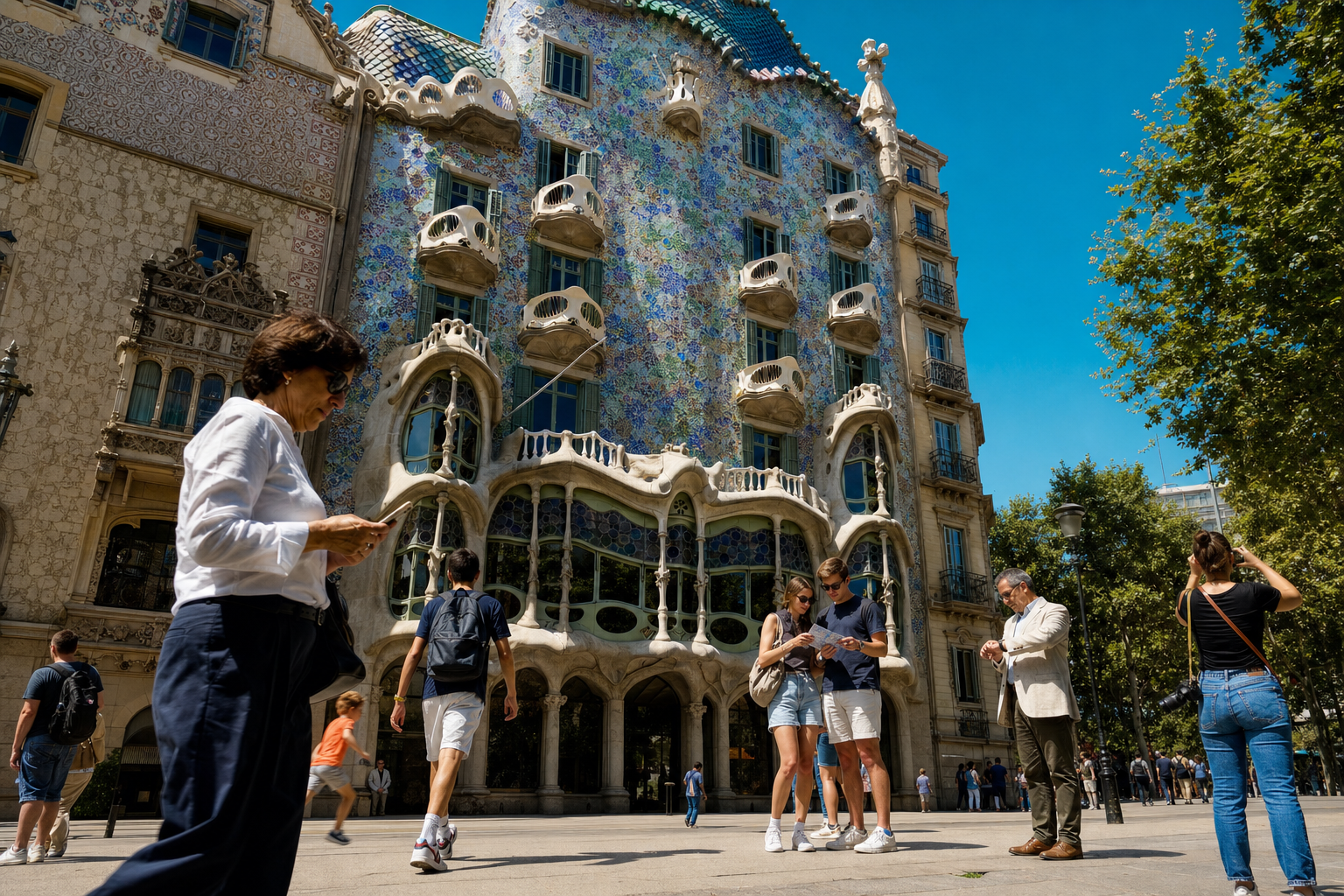
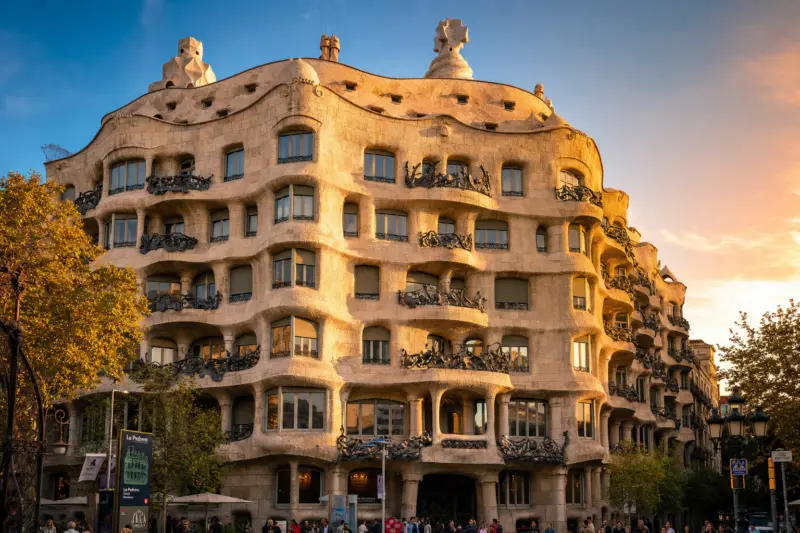
On the grandest stretch of Barcelona's Passeig de Gràcia — a boulevard so thick with Modernista jewels that locals call it the Block of Discord — one building stops every passerby cold. Casa Batlló shimmers like a living creature: scales of iridescent ceramic, a roofline that breathes, skulls carved into stone balconies. It was commissioned by a wealthy textile magnate, transformed by a visionary architect, and completed in 1906 as a statement that would redefine what a city building could be. This is its story.
Read more →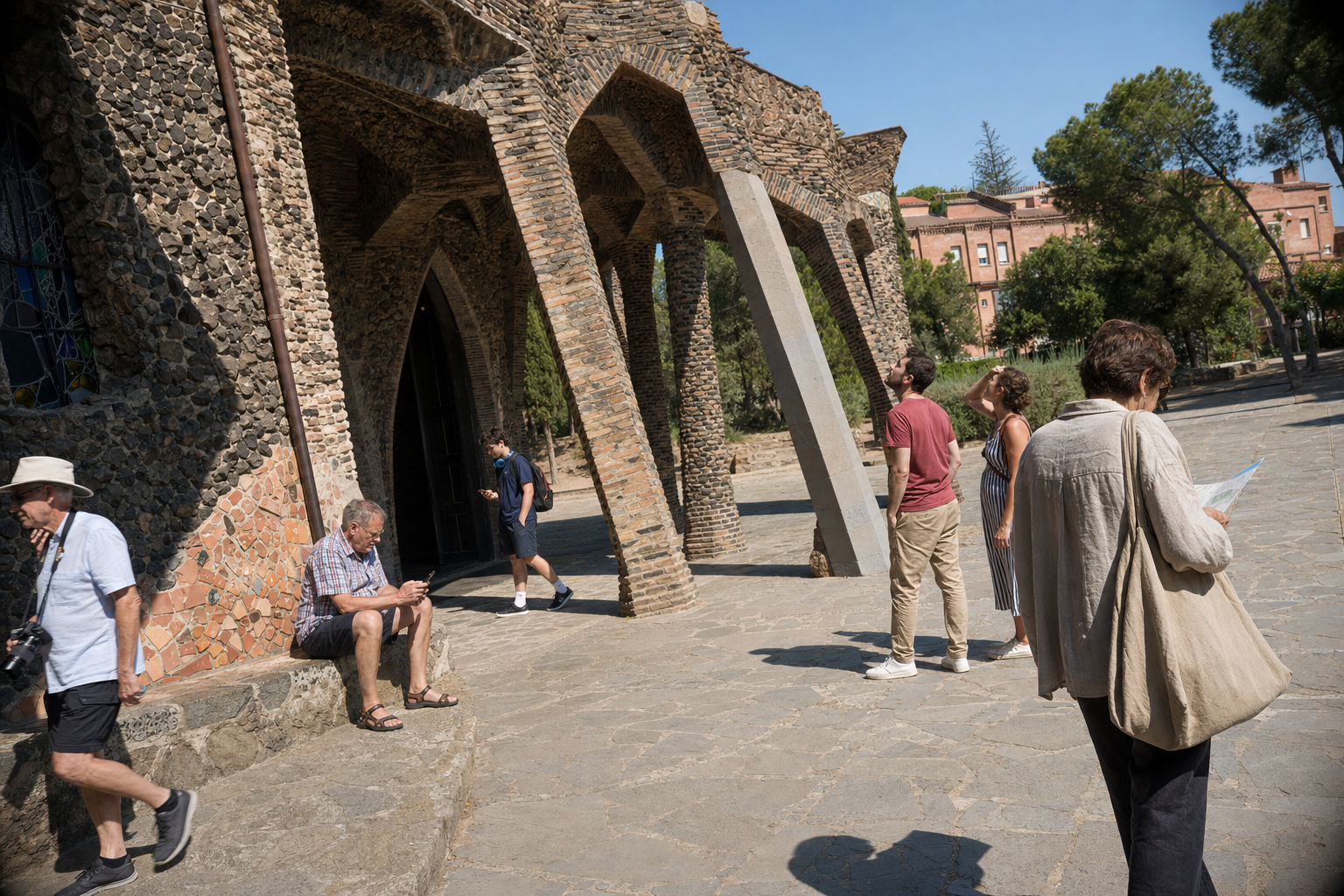
In 1890, the Catalan industrialist Eusebi Güell made a decision that was radical even by the standards of a city already electrified by modernisme: he abandoned Barcelona's choking factory districts and moved his textile mill — and his entire workforce — to a pine-forested hillside in Santa Coloma de Cervelló, just 20 kilometres southwest of the city. What he built there was not merely a factory complex but a full social experiment: a self-contained workers' village with housing, schools, a theatre, a cooperative shop, and a church that would become one of the most structurally daring buildings of the 20th century. That church was entrusted to Antoni Gaudí — and what Gaudí designed in its crypt between 1908 and 1914 was nothing less than the structural laboratory for the Sagrada Família. Colonia Güell is where the dream was tested. It draws a fraction of the crowds that queue outside Park Güell or the Sagrada Família, yet it is arguably the most intellectually fascinating Gaudí site in all of Catalonia.
Read more →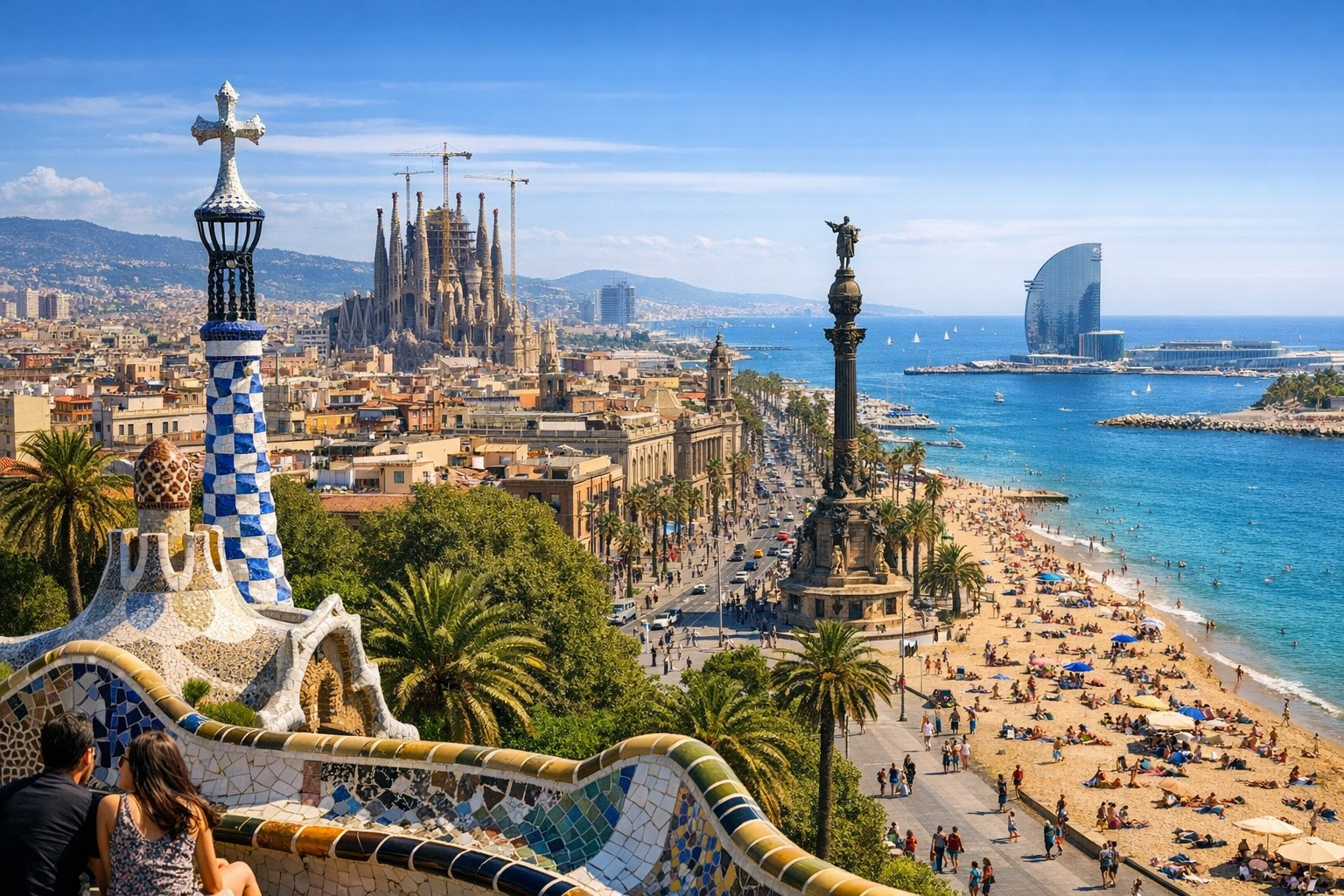
Discover the vibrant culture, stunning architecture, and culinary delights of Barcelona. From iconic landmarks to hidden gems, this guide offers the best activities to experience in the city, ensuring an unforgettable visit.
Read more →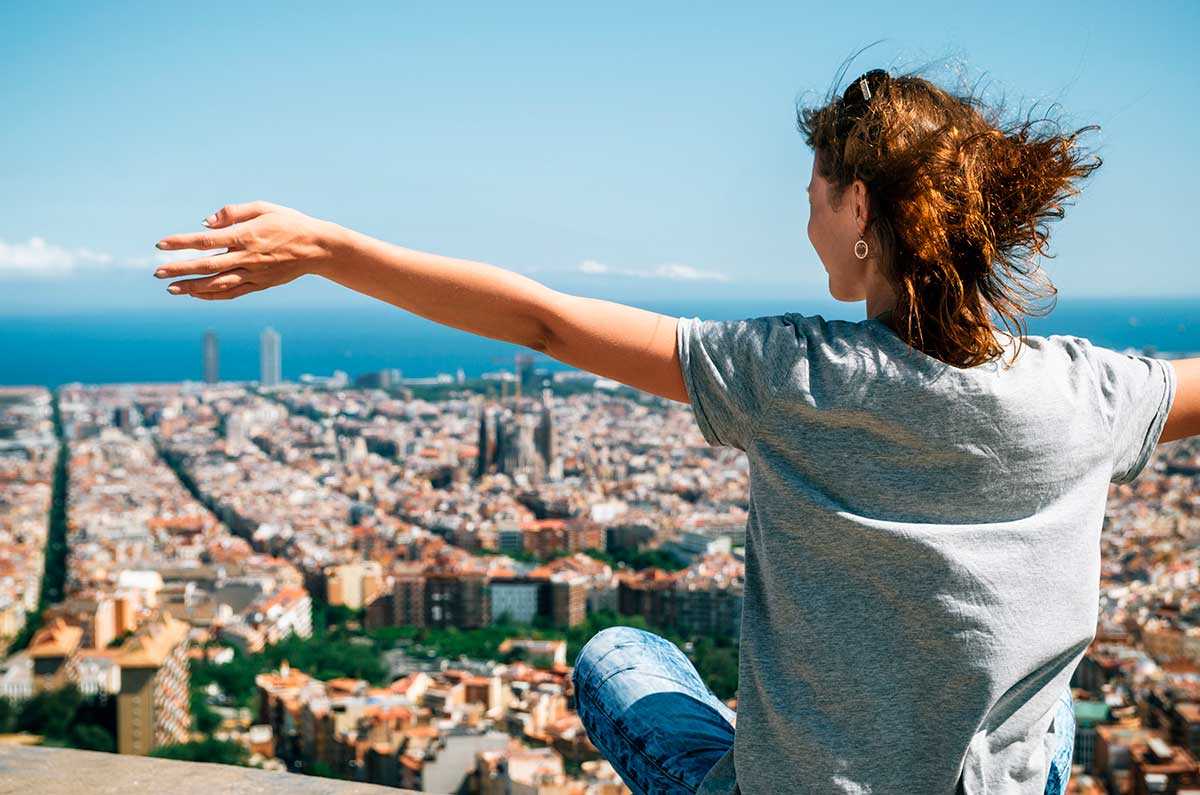
Barcelona, the enchanting coastal city in Spain, is a treasure trove of captivating attractions, historic landmarks, and awe-inspiring architecture. With so much to explore, having a well-designed attractions map can significantly enhance your sightseeing experience and ensure you make the most of your time in this vibrant destination. Whether you are an adventurous solo traveler or a family seeking a cultural getaway, a detailed map will be your faithful companion throughout your journey.
Read more →We use a single cookie, to remember this choice. We do not use analytics or advertising cookies. Read our cookie policy.