7 to 7,5 hrs
Barcelona
Barcelona & Montserrat Day Trip with Sagrada Familia Guided Tour
✓ Free cancellation Kids friendly
4.5(17 reviews)
From €134/ person
Book Now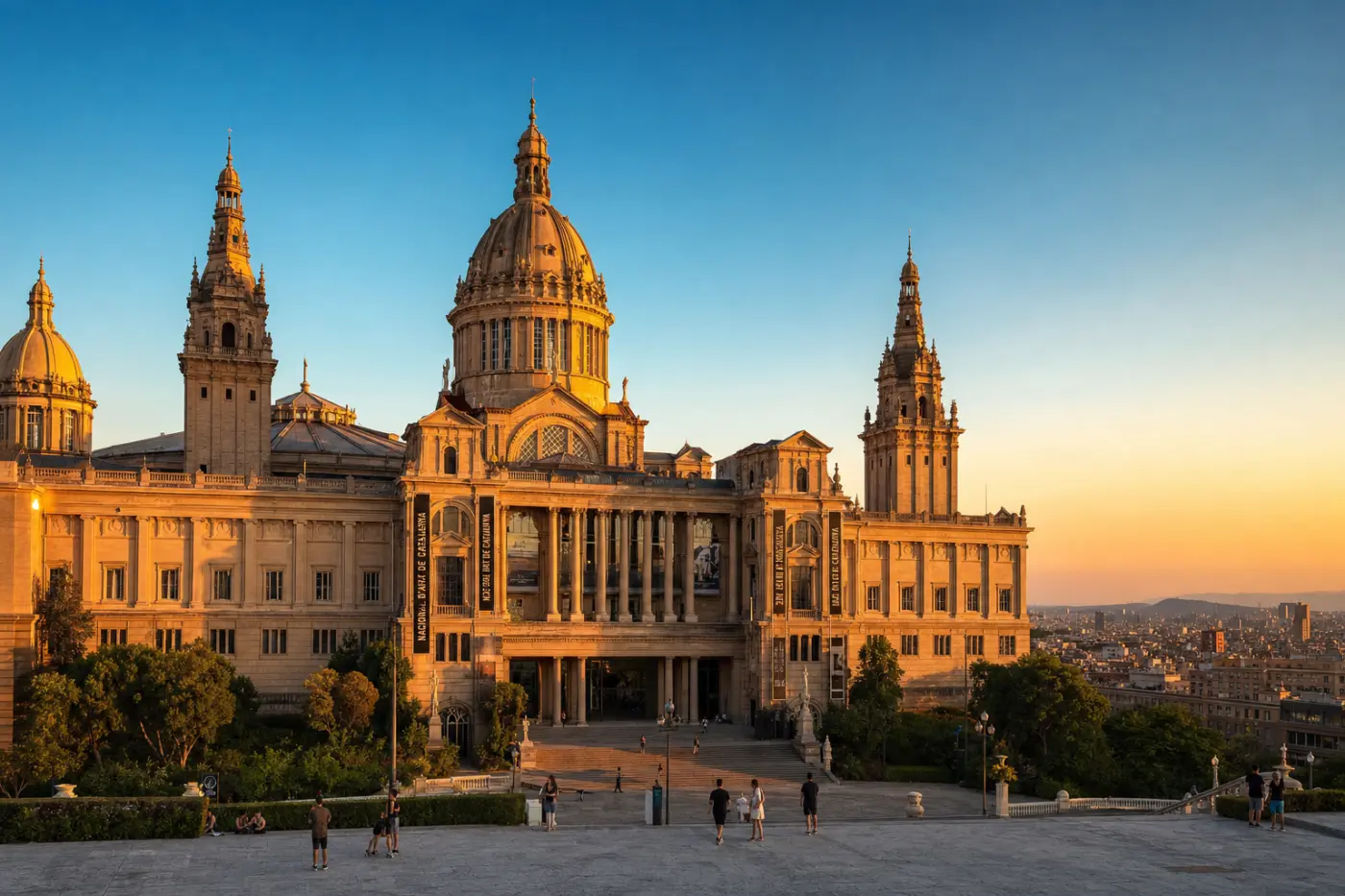
Tourist attraction
Perched atop Montjuïc hill at the head of the grand Avinguda de la Reina Maria Cristina, the Palau Nacional is one of Barcelona's most commanding architectural statements. Designed by architects Eugenio P. Cendoya, Enric Catà, and Pere Domènech i Roura — winners of a 1924 competition that drew nine competing teams — the palace was built to serve as the ceremonial and cultural centrepiece of the International Exposition of 1929. Its cornerstone was laid on 30 June 1926, and the entire 32,000-square-metre structure was completed in under three years, a remarkable engineering feat achieved through streamlined iron-frame construction. The original design brief, associated with Modernist architect Josep Puig i Cadafalch, was rejected by Spain's military government in favour of a Renaissance revival style; the soaring central dome was directly inspired by St Peter's Basilica in the Vatican, a deliberate assertion of nationalist grandeur under the Primo de Rivera dictatorship.
Today the palace houses the Museu Nacional d'Art de Catalunya (MNAC), which holds one of the world's most important collections of Romanesque art, assembled from churches across the Pyrenean foothills. The museum's medieval frescoes, transferred wholesale from remote Catalan chapels in the early 20th century, are displayed inside the cavernous Sala Oval — a 3,300-square-metre space whose curved iron roof structure was an engineering innovation at the time of construction. The collection spans from the 11th century through to the 20th, encompassing Gothic altarpieces, Baroque paintings, and a significant archive of Modernista decorative art, including pieces by Gaudí and Ramon Casas.
Visitors who purchase a museum ticket gain access to the palace's rooftop terraces, which offer a panoramic sweep over the city from the port to the distant Collserola ridge. Even without a ticket, the free experience is exceptional: the esplanade in front of the palace delivers one of Barcelona's defining views, framing the city skyline between the palace's twin lateral towers. Below, the Avinguda de la Reina Maria Cristina descends through a sequence of elegant plazas past the Torres Venecianes — two monumental Venetian-style towers also built for the 1929 Exposition — toward Plaça d'Espanya.
The most practical approach is by metro to Plaça d'Espanya (Lines 1 and 3), then a ten-minute walk up the avenue. On Friday and Saturday evenings, the Magic Fountain of Montjuïc stages its famous sound-and-light show on the steps directly below the palace — timing your visit to coincide with a fountain display dramatically amplifies the spectacle. MNAC tickets are valid for two consecutive days, making it easy to split the Romanesque galleries from a separate afternoon in the Modernista or Gothic collections. From the palace, the Montjuïc gardens and cable car to Montjuïc Castle are within easy walking distance.
Private tours with a local guide, at your own pace.
Barcelona
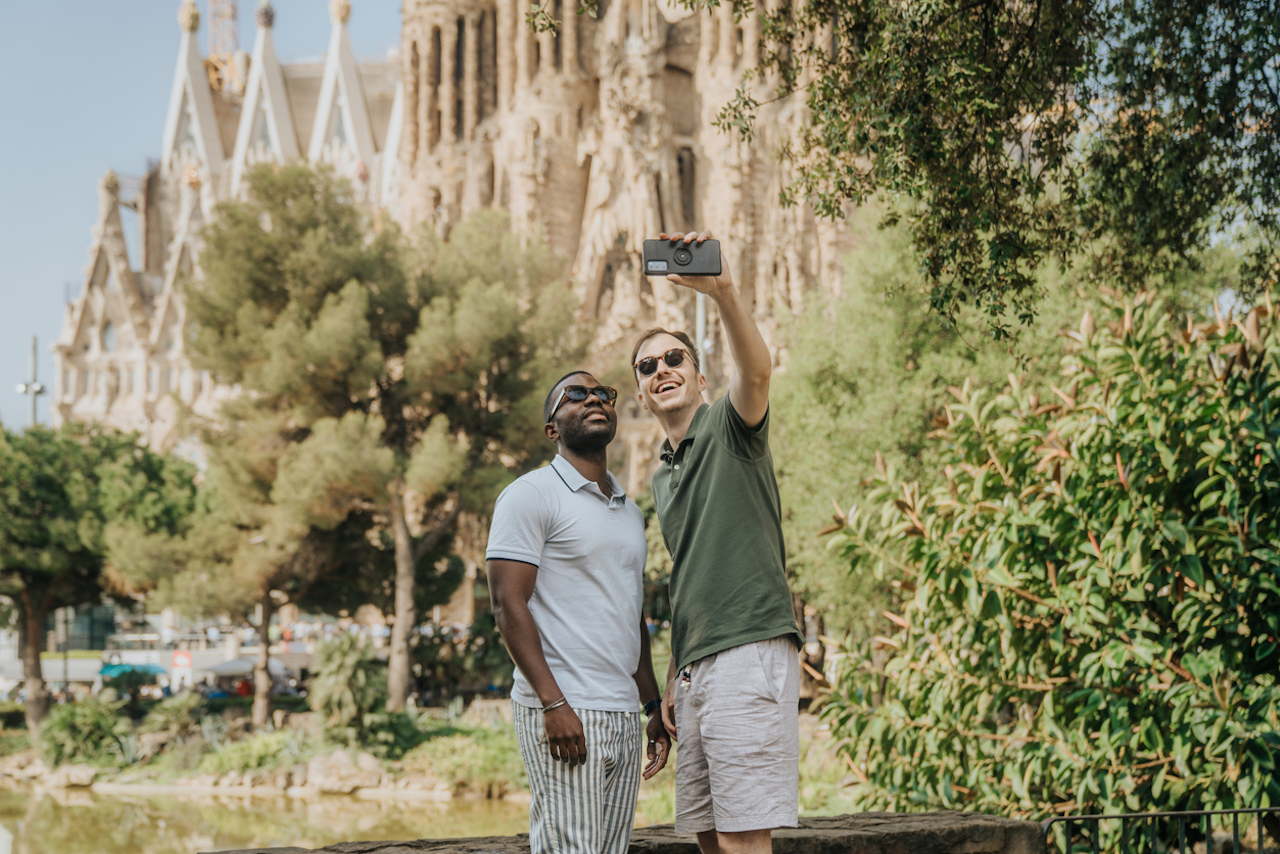
Barcelona
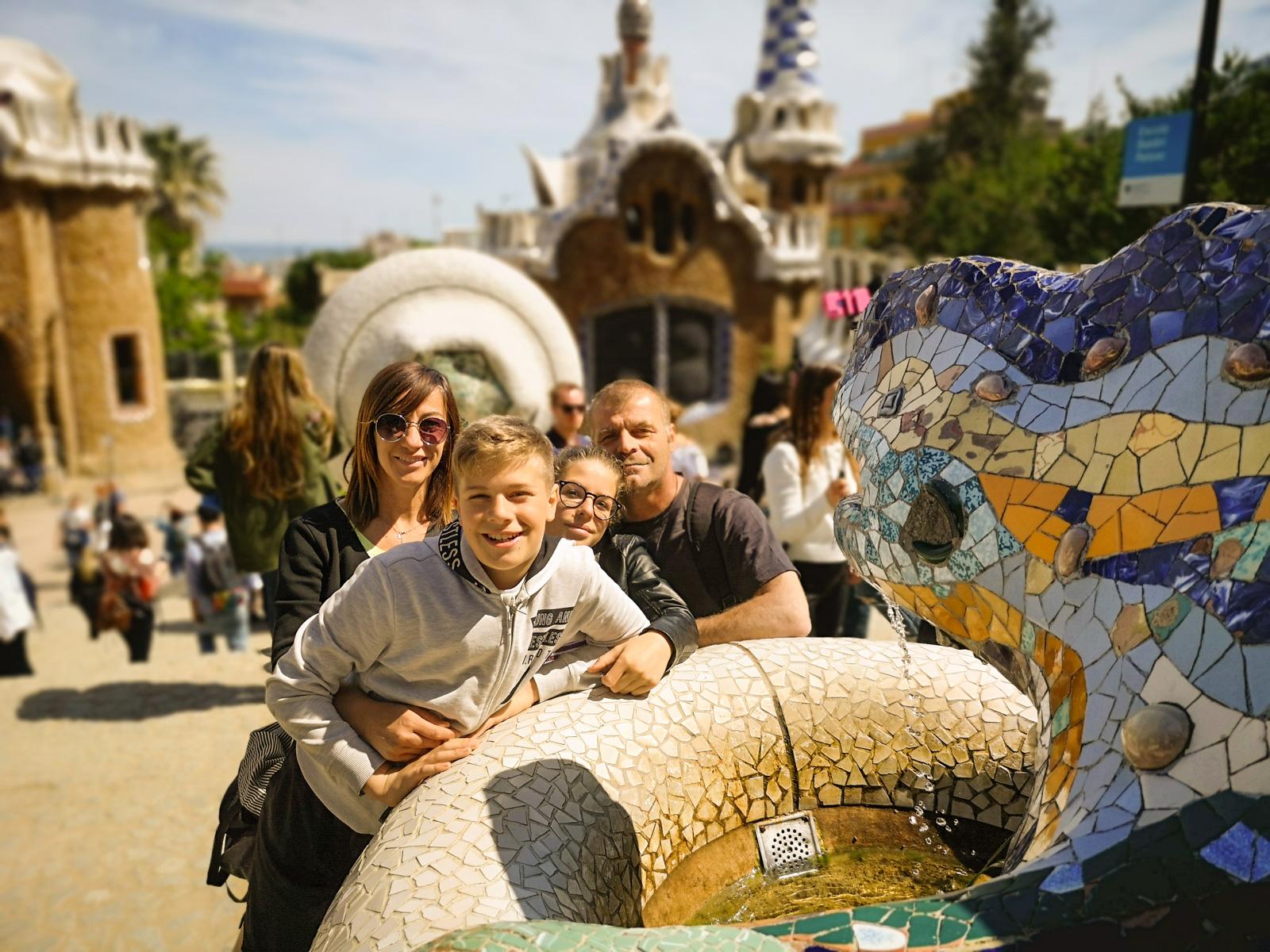
Barcelona
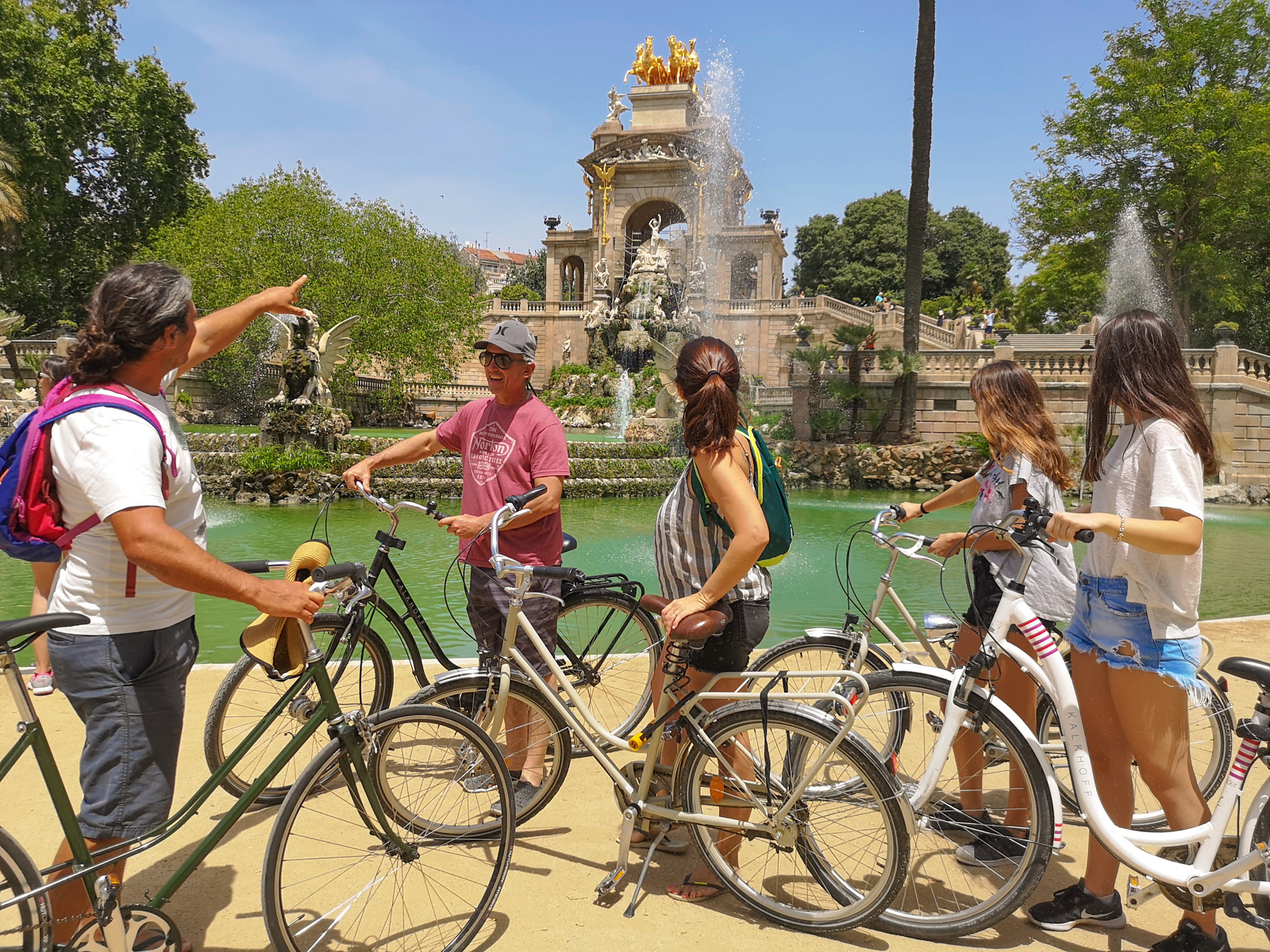
Barcelona
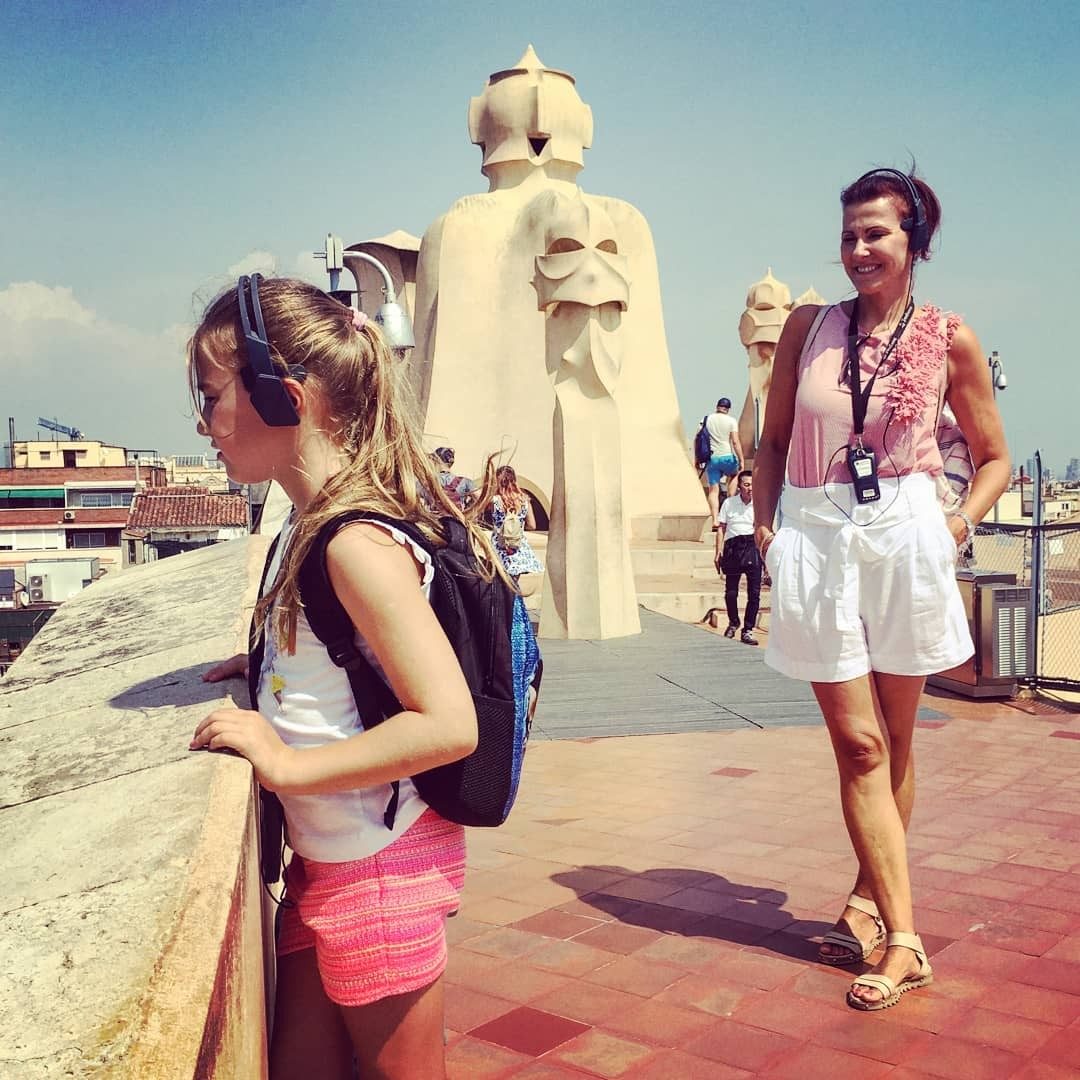
Barcelona

Barcelona

Barcelona
Barcelona

Barcelona

Barcelona
Barcelona
Barcelona
Barcelona
Barcelona