3 hrs
Barcelona
PRIVATE Family tour in Barcelona! Explore Barcelona in a Kids friendly way, with Churros & games
✓ Free cancellation Kids friendly
4.8(91 reviews)
From €152/ person
Book Now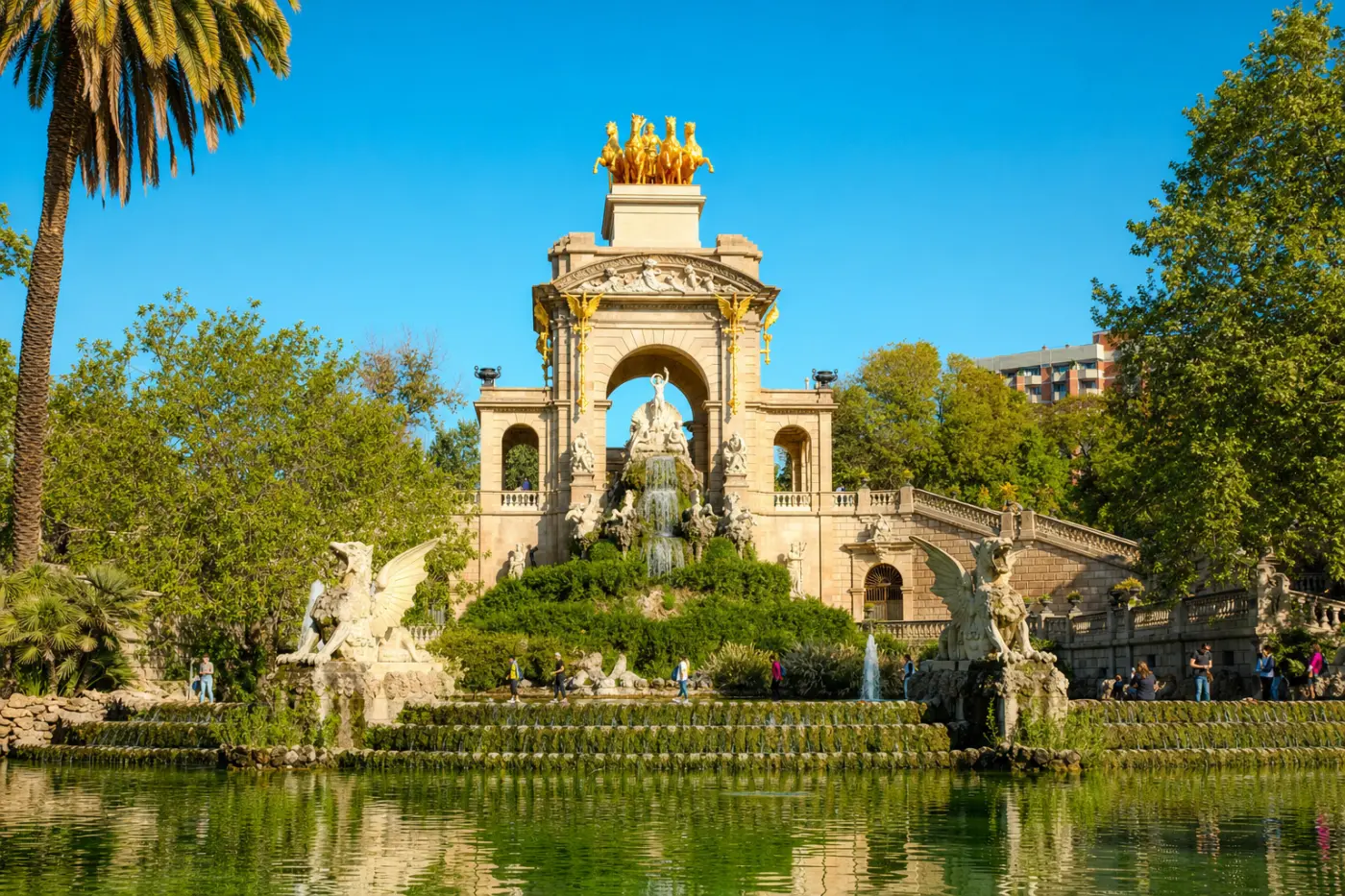
Tourist attraction
Parc de la Ciutadella occupies a 70-acre site on the northeastern edge of Barcelona's Old City, but its origins are anything but peaceful. Following Barcelona's surrender on September 11, 1714, after a 13-month siege during the War of the Spanish Succession, King Philip V ordered the construction of a massive military citadel to keep the city subdued. It was the largest fortress in Europe at the time, housing up to 8,000 people — and its construction required the demolition of over 1,200 homes in the La Ribera neighborhood. For more than 150 years, the citadel stood as a symbol of oppression. In 1869, General Juan Prim — commemorated today by a statue near the park entrance — ceded the land to the city, and by 1872 demolition of the fortress was underway. The park that rose in its place became one of the most charged acts of urban reclamation in Spanish history.
Architect Josep Fontserè was commissioned to redesign the grounds for Spain's first International World's Fair, the 1888 Universal Exposition of Barcelona. Several structures from that exhibition still stand today. The Castell dels Tres Dragons, designed by Lluís Domènech i Montaner in a neo-Mudéjar style with Moorish battlements and blue-and-white heraldic shields, served as the fair's café and restaurant — though it was not completed in time for opening day. It later housed the Zoological Museum from 1920 to 2010. The Hivernacle, a cast-iron and glass winter garden with Hellenistic palmette detailing, and the Umbracle, a wooden-roofed shade house sheltering tropical plants from 20 countries, were both constructed between 1883 and 1887 by Josep Amargós. The park's grounds contain over 100 plant species and dozens of trees exceeding 100 years of age.
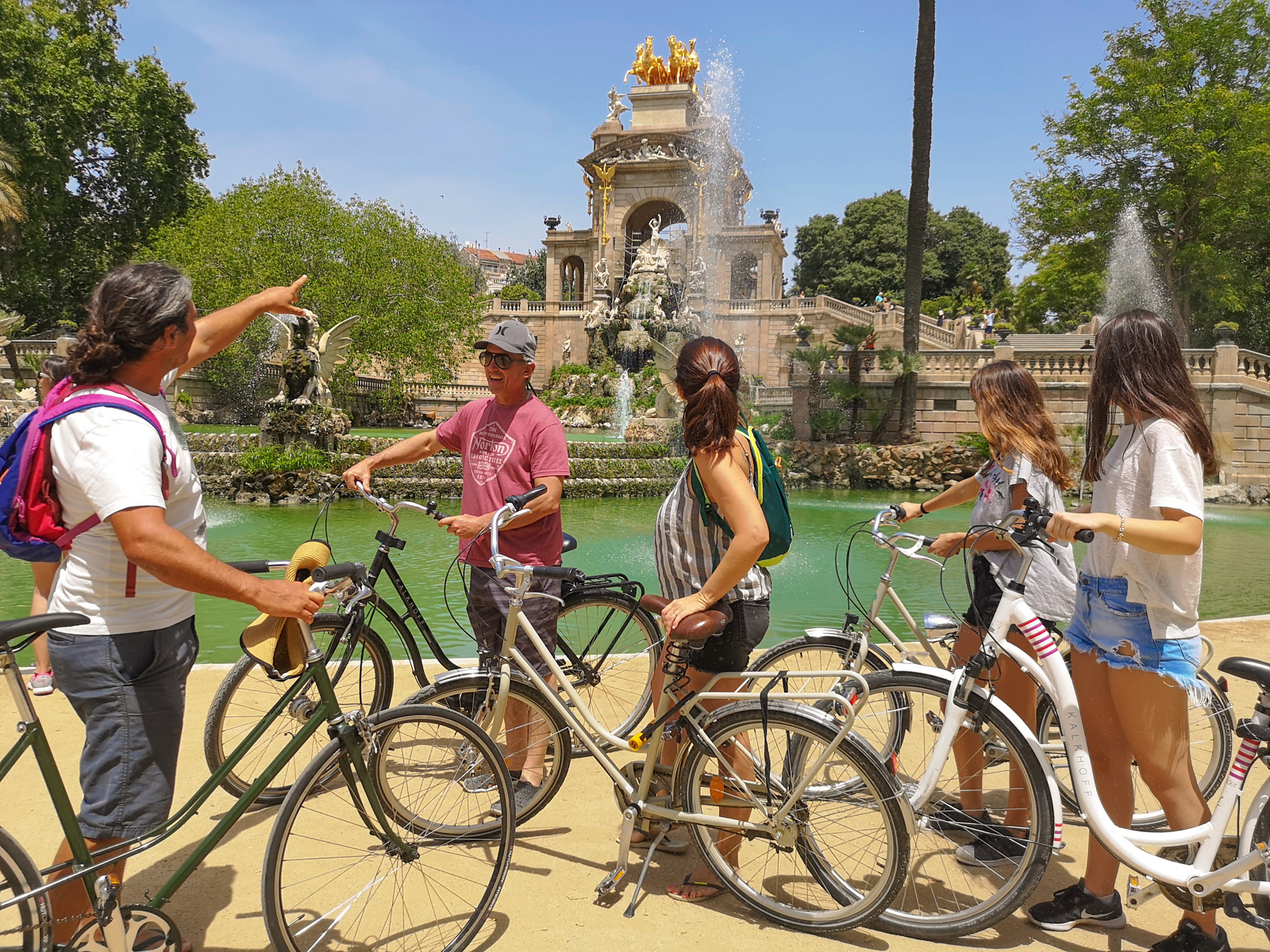
The park's most photographed feature is the monumental Cascada fountain, a theatrical baroque-influenced waterfall designed by Josep Fontserè with documented contributions from a young Antoni Gaudí, who was a student at the time and assisted with the hydraulic engineering. The fountain's grotto, triumphal arch, and cascading tiers of sculpture remain one of the most striking examples of 19th-century public art in Catalonia. Elsewhere in the park, the Palau del Parlament de Catalunya — the former Arsenal of the citadel and one of the few original fortress buildings to survive — now serves as the seat of the Catalan regional parliament. A boating lake at the park's center offers pedal boats for hire, and the Barcelona Zoo occupies the park's southeastern corner.
Parc de la Ciutadella is free to enter and open daily, making it the natural gathering place of Barcelona residents year-round. Weekends bring drummers, picnickers, yoga groups, and impromptu concerts to the lawns. The park is easily reached on foot from the Gothic Quarter or El Born, and the Ciutadella–Vila Olímpica metro station (Line 4) deposits visitors directly at the main entrance on Passeig de Pujades. Visit on a weekday morning to explore the Cascada fountain and the Exposition-era buildings with the least crowds. The zoo requires a separate paid ticket, while all other areas of the park are freely accessible.
Private tours with a local guide, at your own pace.
Barcelona
Barcelona
Barcelona
Barcelona
Barcelona
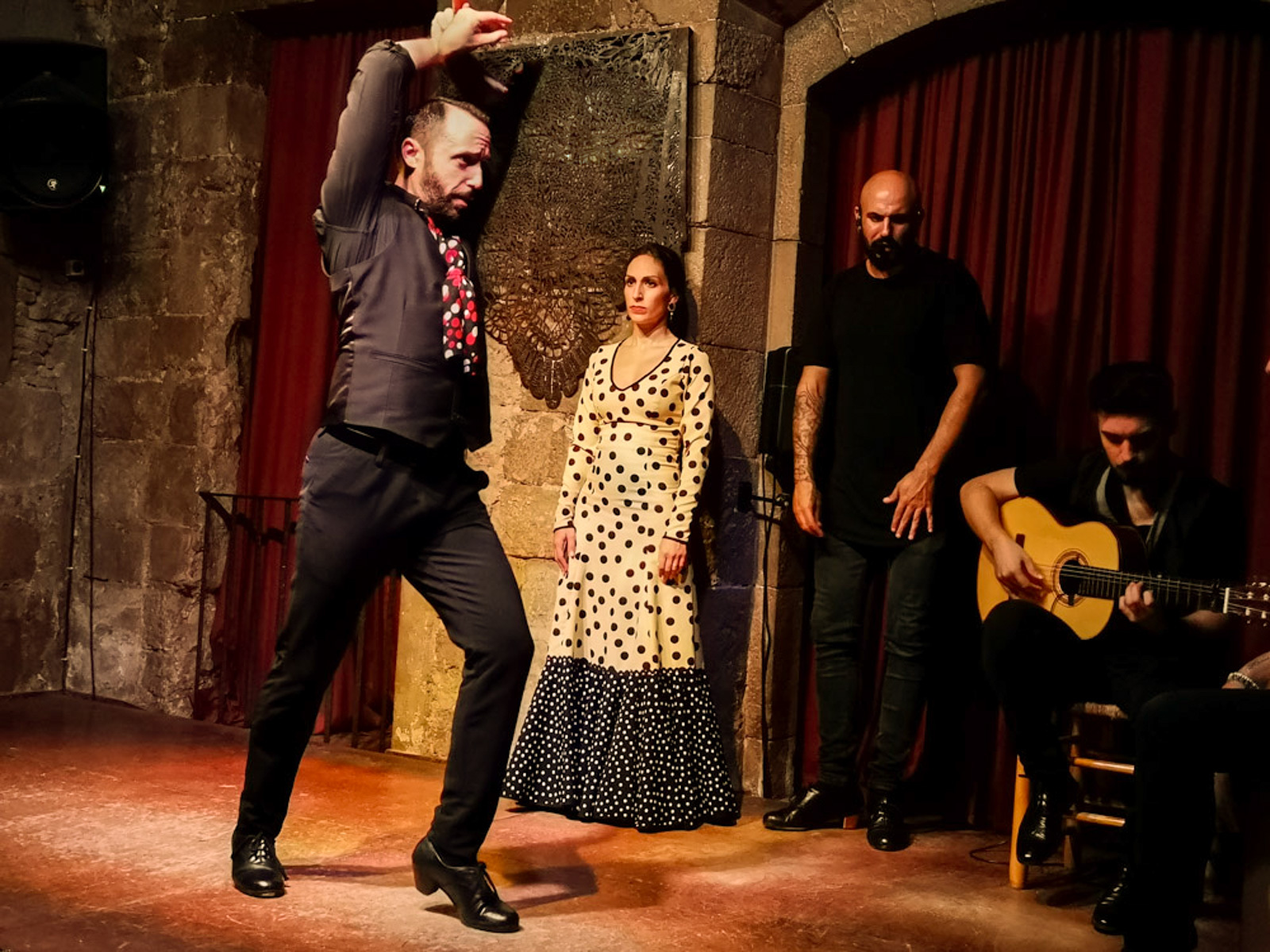
Barcelona
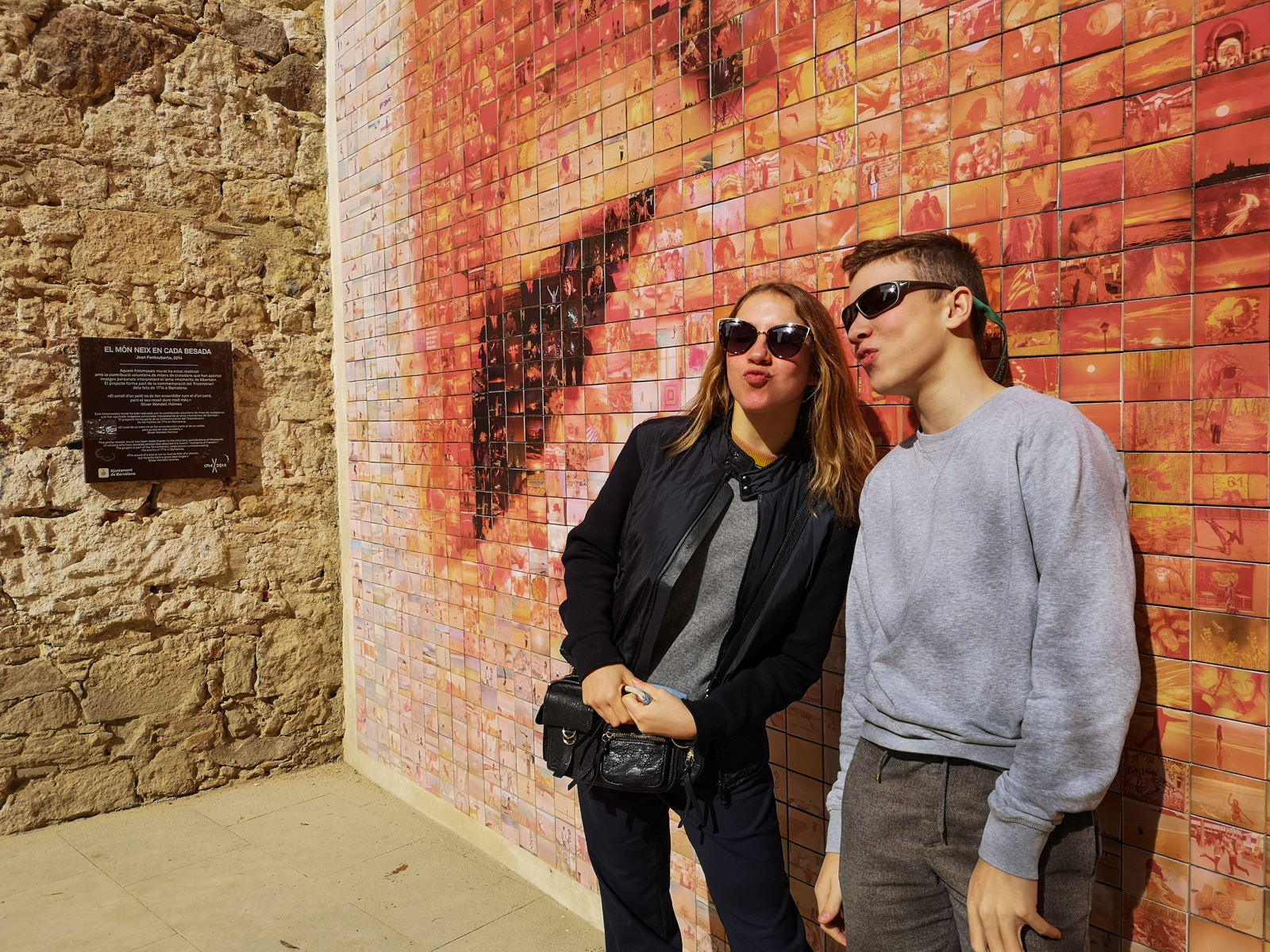
Barcelona
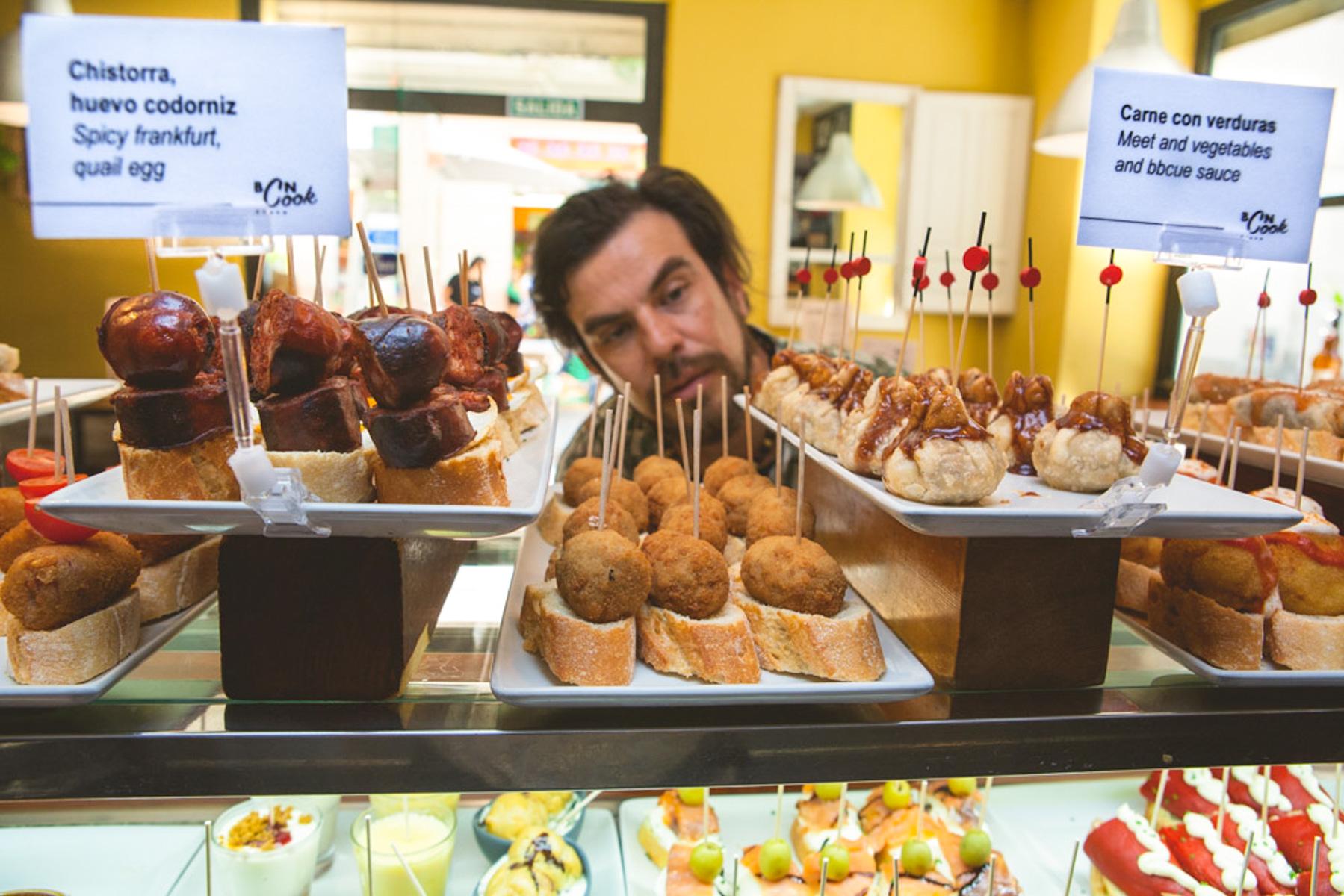
Barcelona
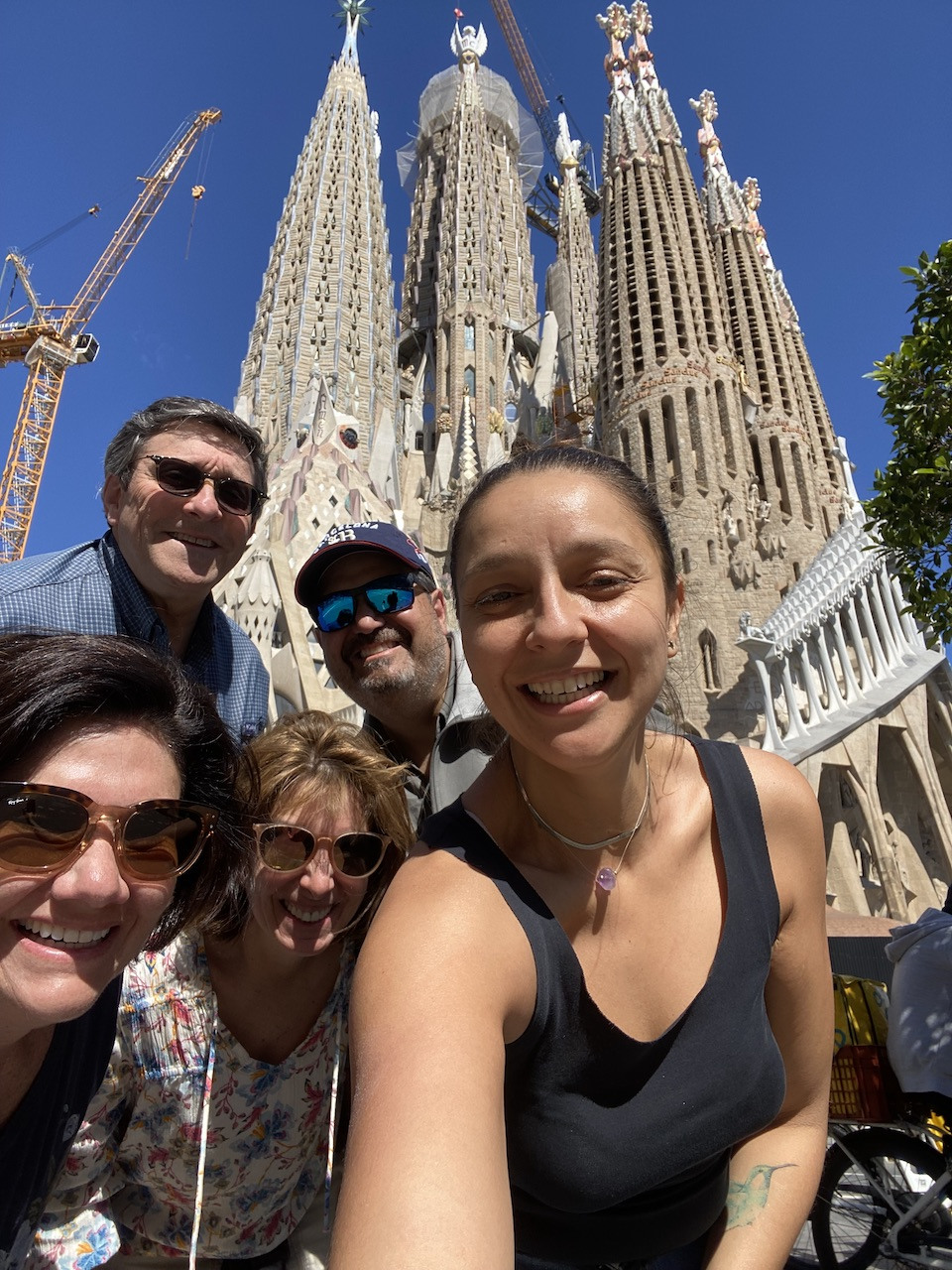
Barcelona
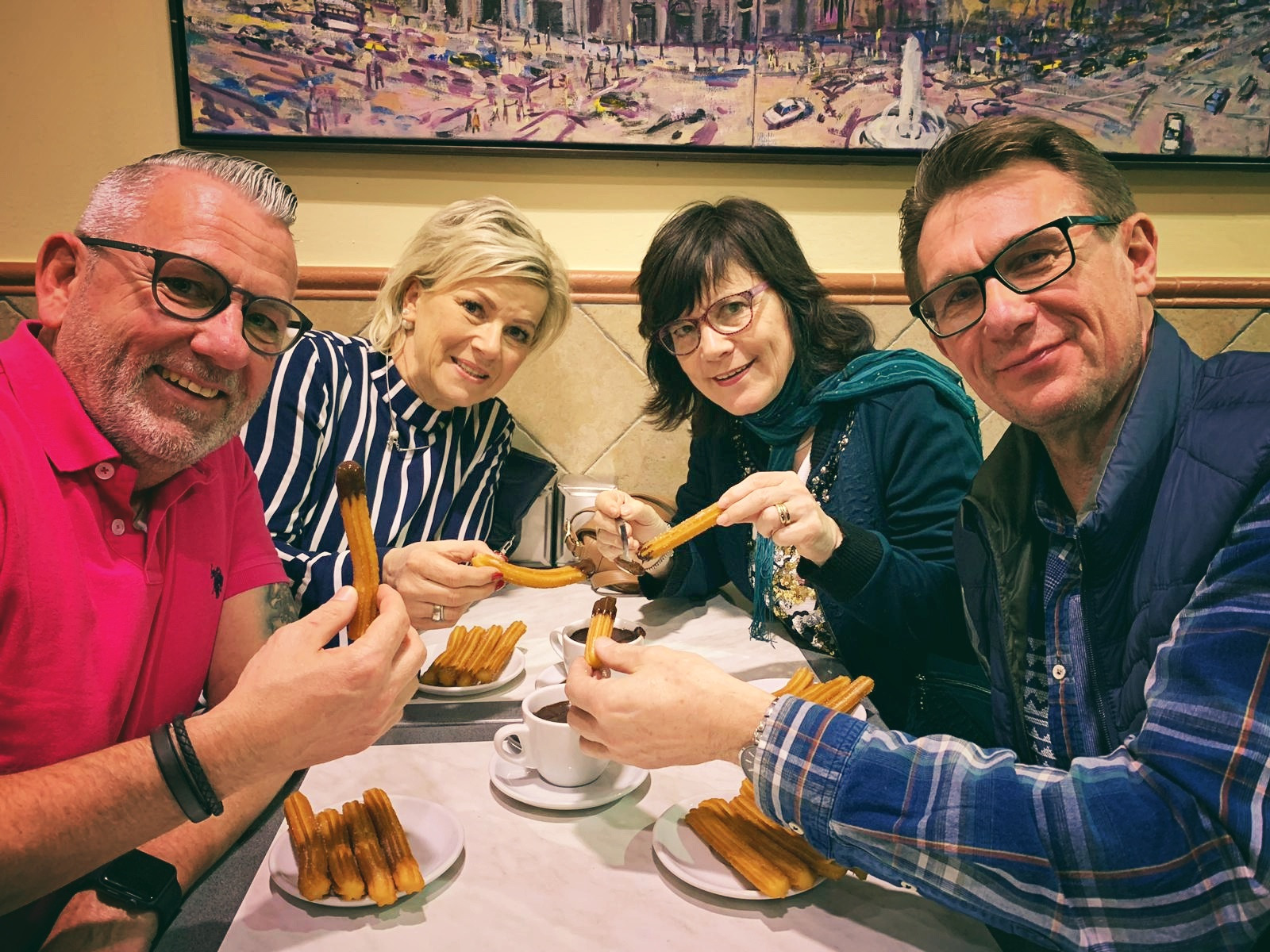
Barcelona
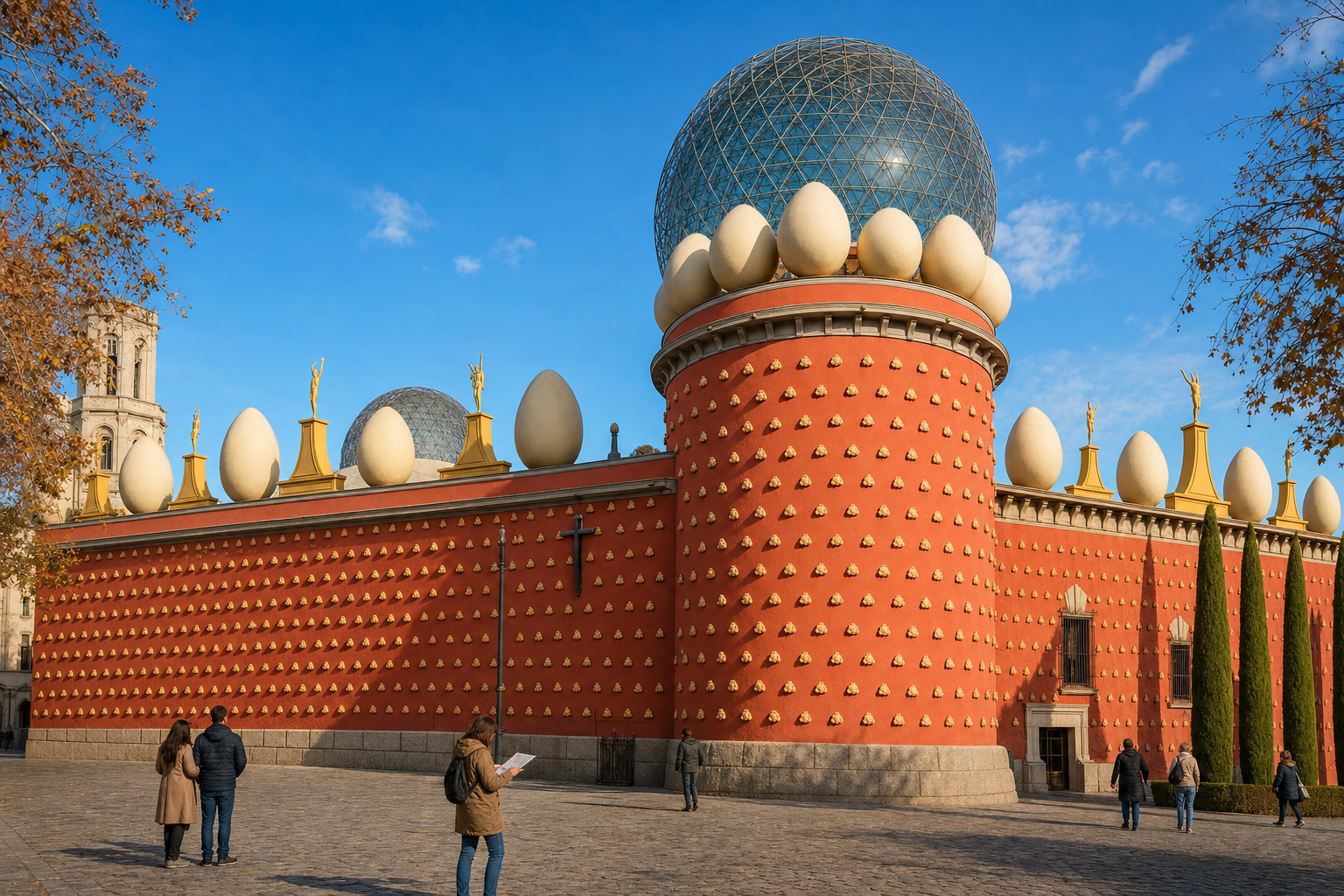
Most people know that Salvador Dalí was born in Figueres on 11 May 1904 — fewer realise that he spent the last decade of his life living inside his own museum, in a castle tower he had converted into a private apartment, refusing almost all visitors. That detail alone reframes everything you're about to see on a Costa Brava day trip from Barcelona. This isn't a sightseeing loop past pretty landmarks; it's a journey into one of the most deliberately constructed artistic universes ever assembled, set against a coastline so geologically dramatic that it physically shaped the imagery of a surrealist movement. From the geodesic dome above Figueres to the labyrinthine rooms of Portlligat, from the tramuntana-battered vines of the Empordà to the whitewashed lanes of Cadaqués, every stop carries a specific weight of history that rewards knowing before you arrive. This guide gives you that context — and shows you why adding a winery to the route isn't a detour, it's the most logical ending the day could have.
Read more →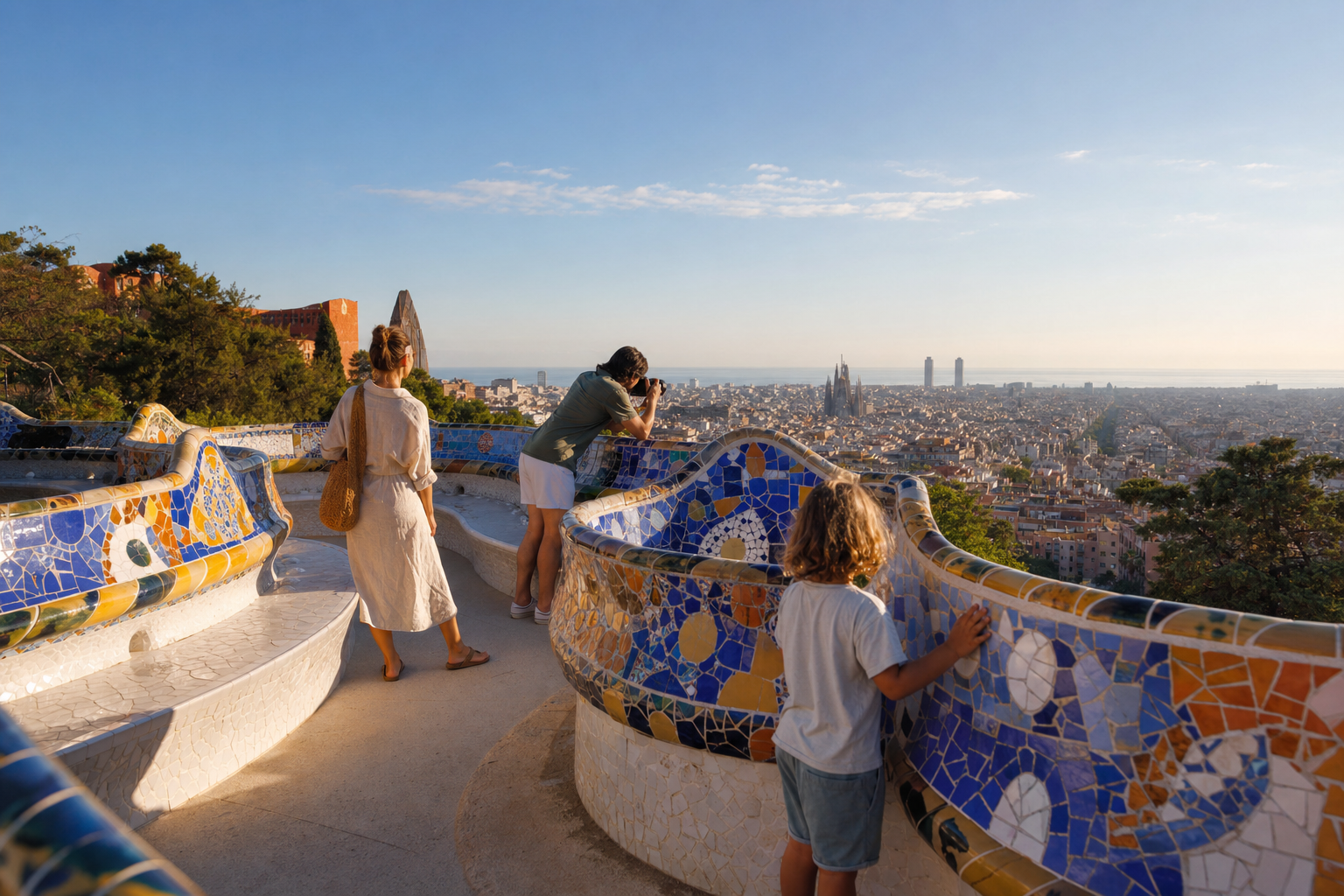
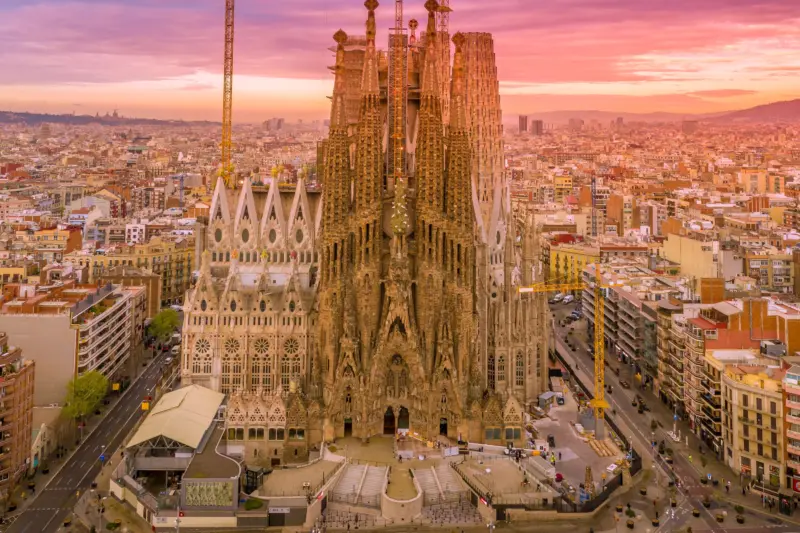
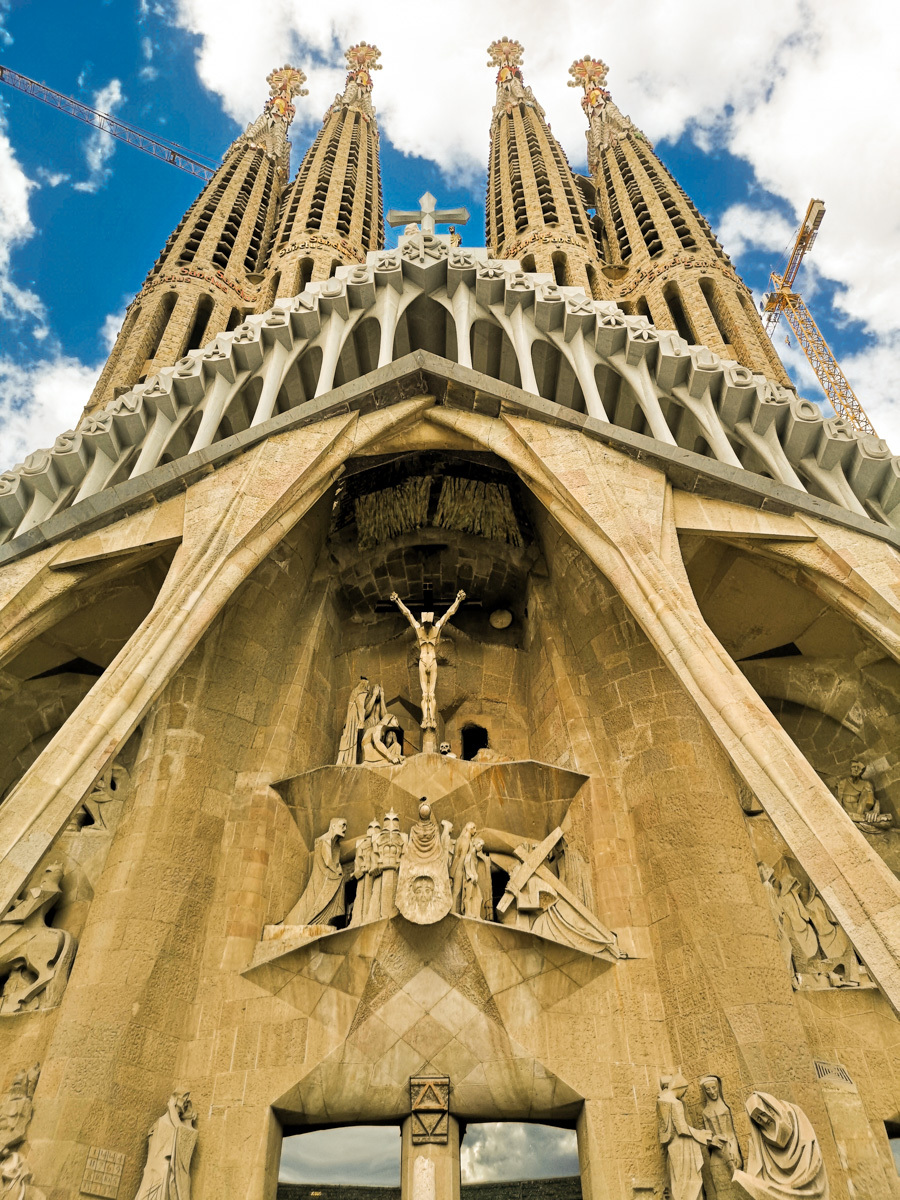
In 1883, a 31-year-old architect named Antoni Gaudí inherited a half-built church from a resigning predecessor and spent the next 43 years — until his death in 1926 — turning it into one of the most structurally radical buildings in human history. That church, the Sagrada Família, is still under construction today, and it is just one reason why Barcelona rewards curiosity more than almost any other city in Europe. But Gaudí's Barcelona is only one layer. Beneath the Gothic Quarter's cobblestones lie the preserved streets of a Roman settlement called Barcino, founded around 10 BC. In the city's markets, a food culture rooted in Catalan identity — not the generalised 'Spanish' clichés exported for tourists — plays out every single morning. Barcelona is a city that consistently offers more the deeper you look. This guide cuts past the surface to give you the historical facts, cultural context, and local knowledge that turn a good trip into an unforgettable one.
Read more →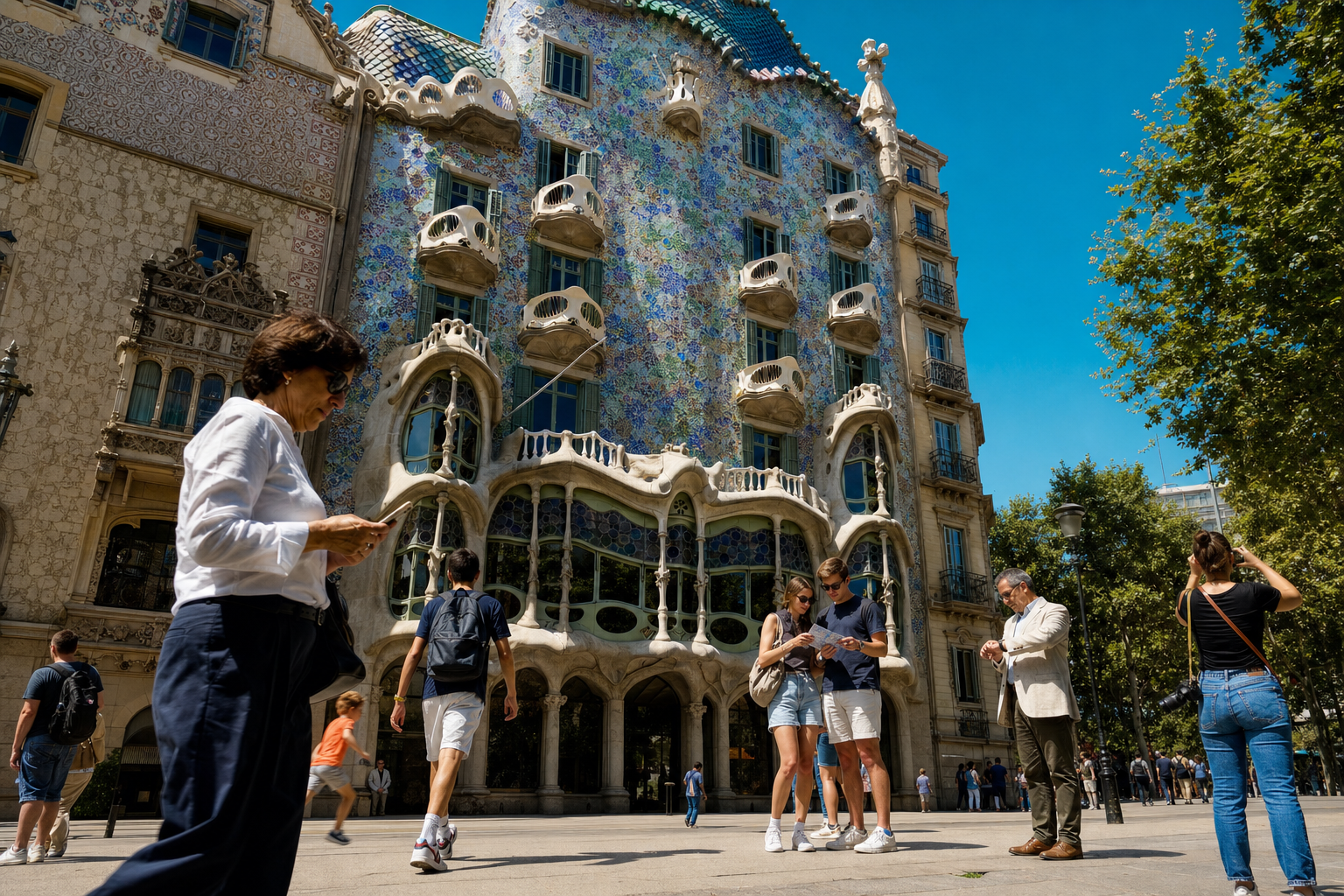
On the grandest stretch of Barcelona's Passeig de Gràcia — a boulevard so thick with Modernista jewels that locals call it the Block of Discord — one building stops every passerby cold. Casa Batlló shimmers like a living creature: scales of iridescent ceramic, a roofline that breathes, skulls carved into stone balconies. It was commissioned by a wealthy textile magnate, transformed by a visionary architect, and completed in 1906 as a statement that would redefine what a city building could be. This is its story.
Read more →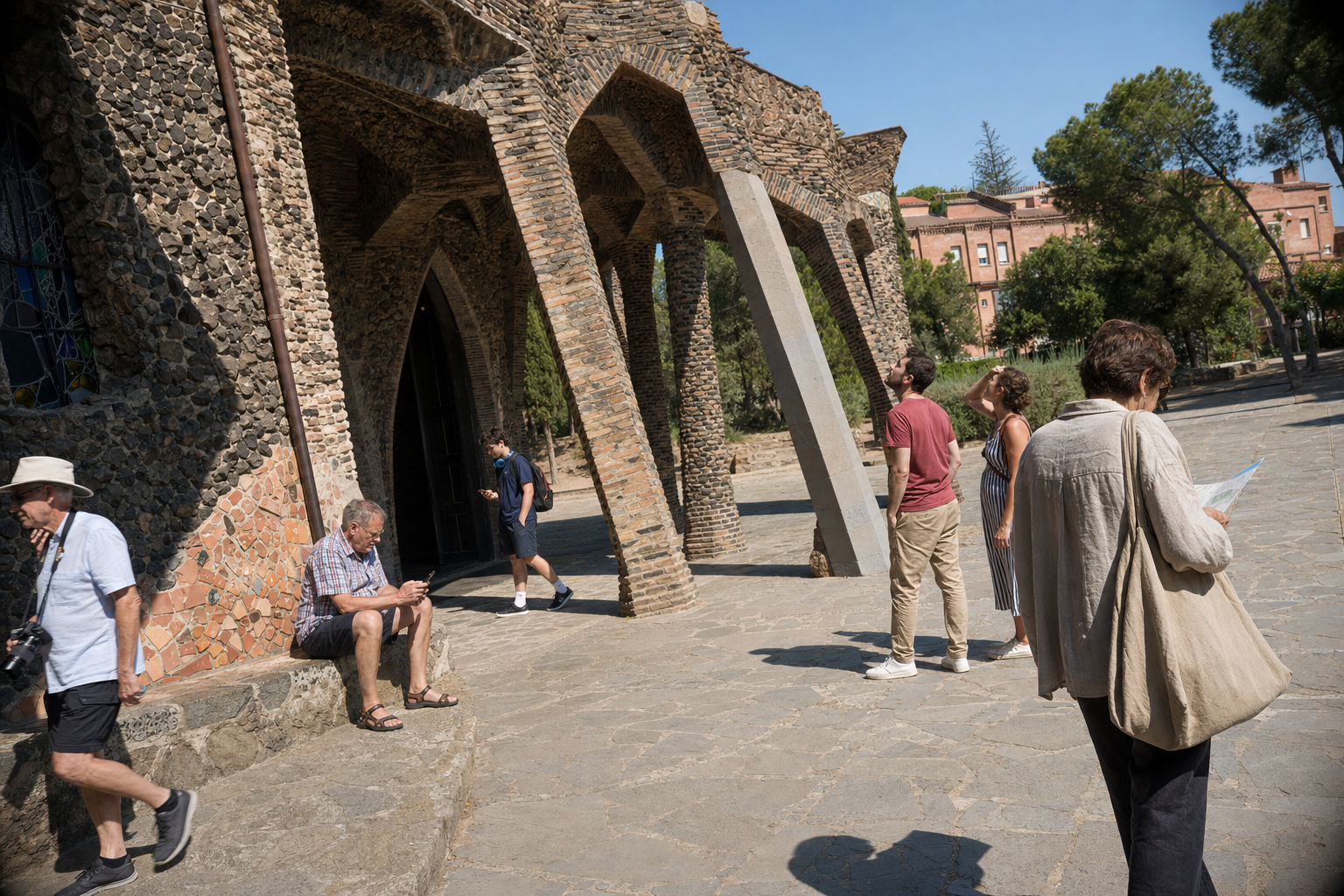
In 1890, the Catalan industrialist Eusebi Güell made a decision that was radical even by the standards of a city already electrified by modernisme: he abandoned Barcelona's choking factory districts and moved his textile mill — and his entire workforce — to a pine-forested hillside in Santa Coloma de Cervelló, just 20 kilometres southwest of the city. What he built there was not merely a factory complex but a full social experiment: a self-contained workers' village with housing, schools, a theatre, a cooperative shop, and a church that would become one of the most structurally daring buildings of the 20th century. That church was entrusted to Antoni Gaudí — and what Gaudí designed in its crypt between 1908 and 1914 was nothing less than the structural laboratory for the Sagrada Família. Colonia Güell is where the dream was tested. It draws a fraction of the crowds that queue outside Park Güell or the Sagrada Família, yet it is arguably the most intellectually fascinating Gaudí site in all of Catalonia.
Read more →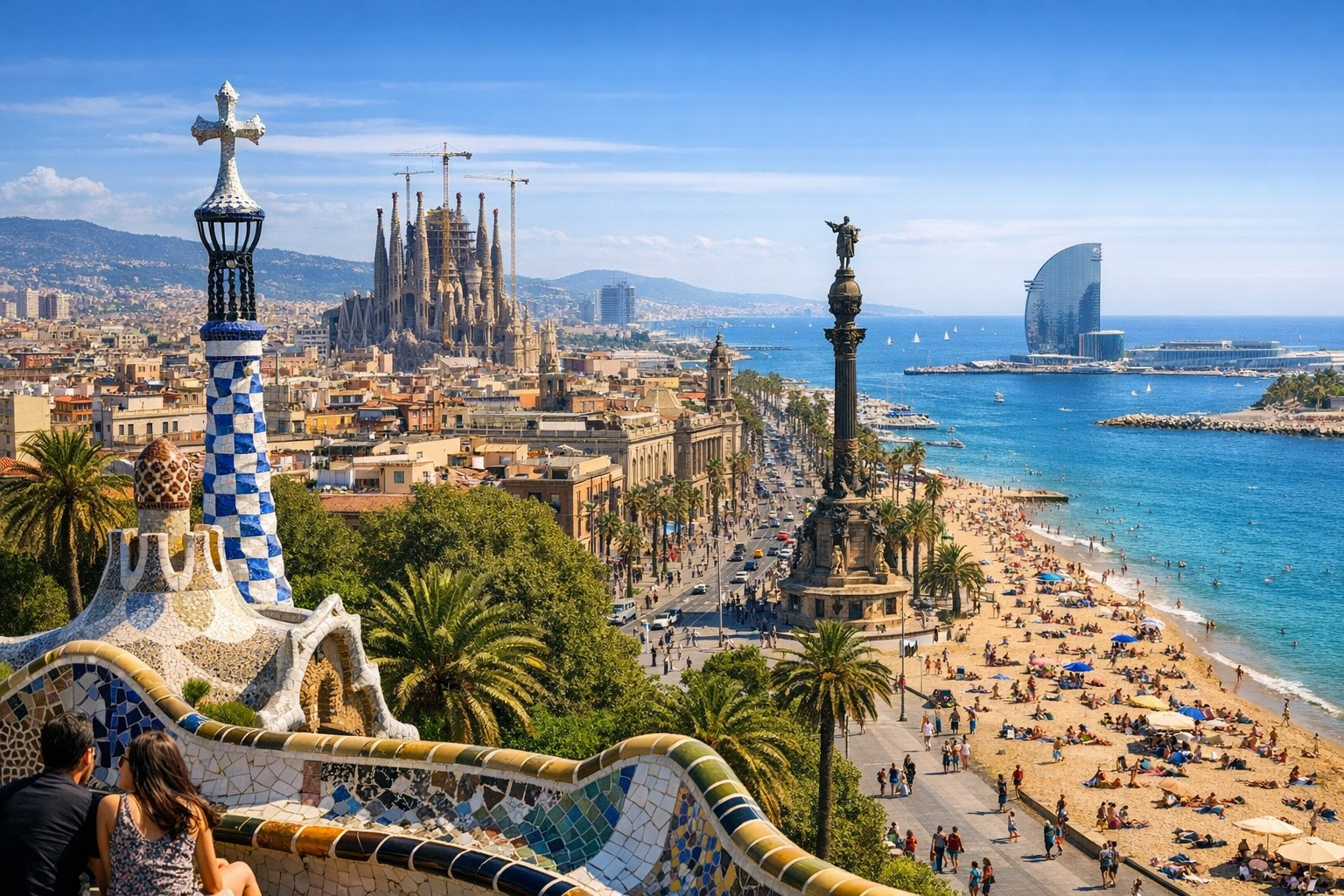
Discover the vibrant culture, stunning architecture, and culinary delights of Barcelona. From iconic landmarks to hidden gems, this guide offers the best activities to experience in the city, ensuring an unforgettable visit.
Read more →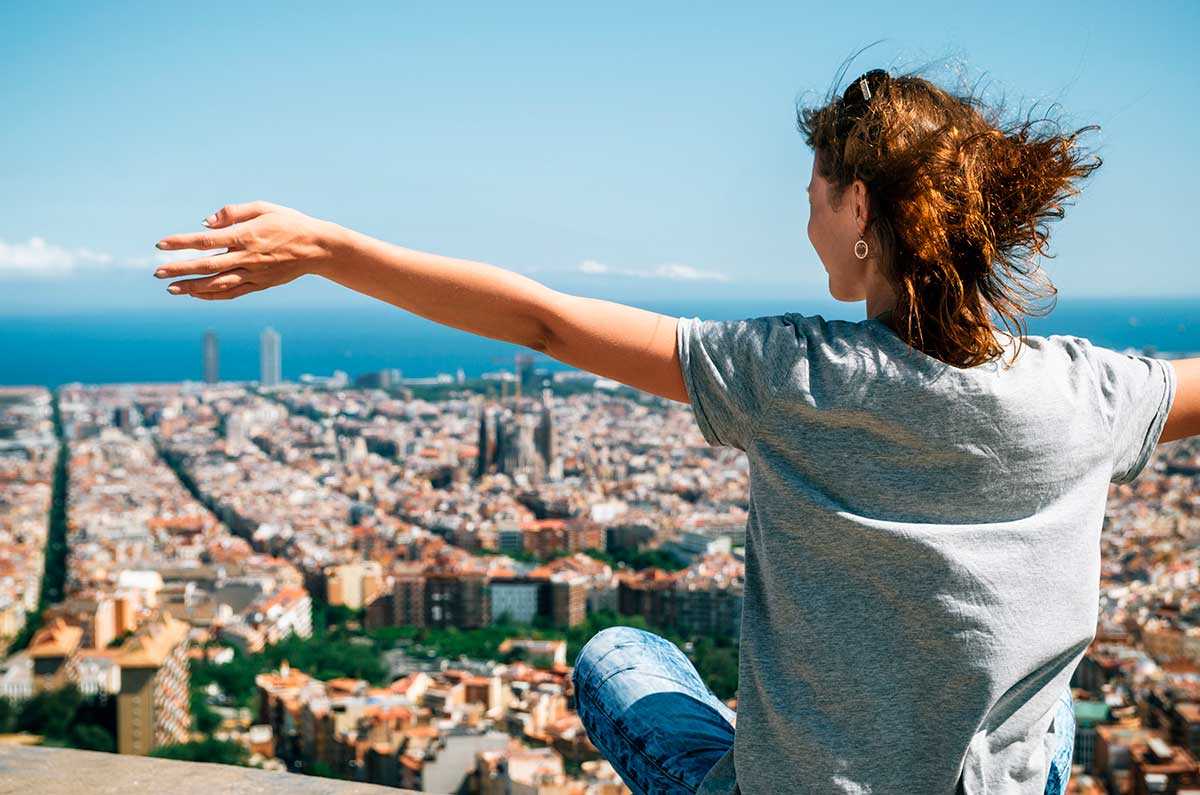
Barcelona, the enchanting coastal city in Spain, is a treasure trove of captivating attractions, historic landmarks, and awe-inspiring architecture. With so much to explore, having a well-designed attractions map can significantly enhance your sightseeing experience and ensure you make the most of your time in this vibrant destination. Whether you are an adventurous solo traveler or a family seeking a cultural getaway, a detailed map will be your faithful companion throughout your journey.
Read more →We use a single cookie, to remember this choice. We do not use analytics or advertising cookies. Read our cookie policy.