7 to 7,5 hrs
Barcelona
Barcelona & Montserrat Day Trip with Sagrada Familia Guided Tour
✓ Free cancellation Kids friendly
4.5(17 reviews)
From €134/ person
Book NowTourist attraction
Parc de Montjuïc sprawls across an entire hill on the southwestern edge of Barcelona, rising to 173 metres above sea level and overlooking both the city grid and the Mediterranean. Its name traces back to medieval Catalan — Montjuïc most likely means "Jewish Mountain," a reference to a Jewish cemetery that once occupied its slopes, evidence of the Sephardic community that lived in Barcelona before the 1391 pogroms. The hill's modern character, however, was largely shaped by the 1929 International Exposition, for which Catalan architect Josep Puig i Cadafalch designed the grand Avinguda de la Reina Maria Cristina axis, and the German Pavilion — Ludwig Mies van der Rohe's landmark exercise in glass and travertine — was erected as Germany's national contribution. That pavilion was demolished after the Exposition closed but meticulously reconstructed on the same site in 1986, and it remains one of the most visited works of modern architecture in Spain.
Between 1929 and 1992, the hill bore darker associations: the Castell de Montjuïc, a 17th-century military fortress originally built in 1640 during the Reapers' War, served as a Francoist prison and execution site during and after the Spanish Civil War. Catalan president Lluís Companys was shot on its grounds in October 1940. The Barcelona City Council took permanent custody of the castle in 2007 and transformed it into a peace museum and public space, stripping it of its military function entirely. Today visitors walk its star-shaped bastions for panoramic views stretching to the Balearic Islands on clear days. The 1992 Summer Olympics completed Montjuïc's rehabilitation into a place of celebration: the hill hosted athletics, gymnastics, swimming, and the opening and closing ceremonies at the rebuilt Estadi Olímpic Lluís Companys — originally constructed for a 1936 anti-fascist People's Olympics that never took place, then renovated by Vittorio Gregotti and Federico Correa to seat 65,000 for 1992.
Beyond the Olympic infrastructure, the park is dense with cultural institutions and formal gardens. The Museu Nacional d'Art de Catalunya (MNAC), housed in the monumental Palau Nacional built for 1929, holds the world's finest collection of Romanesque art — frescoes removed from Pyrenean churches for preservation in the early 20th century. The Fundació Joan Miró, designed by Josep Lluís Sert and opened in 1975, displays over 14,000 works by the Catalan surrealist in a building flooded with Mediterranean light. The Jardí Botànic, on the hill's steeper southern slopes, cultivates over 1,500 species from five Mediterranean climate zones around the world. The Font Màgica de Montjuïc, installed for the 1929 Exposition by engineer Carles Buïgas, performs choreographed water-and-light shows on weekend evenings throughout the year.
Reaching Montjuïc is part of the experience: the Funicular de Montjuïc departs from Paral·lel metro station (Lines 2 and 3) and connects to the Telefèric de Montjuïc cable car, which continues to the castle summit. Visitors who prefer to walk can ascend via the Jardins de Laribal, a series of terraced gardens with fountains designed in 1920 by Jean-Claude Nicolas Forestier. Wear comfortable shoes — the park is large enough that even a focused half-day visit requires significant walking between sites. Admission to the park itself is free; individual attractions charge separately. The MNAC is closed on Mondays, and the Font Màgica schedule varies by season, so check the Barcelona City Council website before visiting.
Private tours with a local guide, at your own pace.
Barcelona
Barcelona
Barcelona
Barcelona
Barcelona

Barcelona

Barcelona
Barcelona

Barcelona

Barcelona
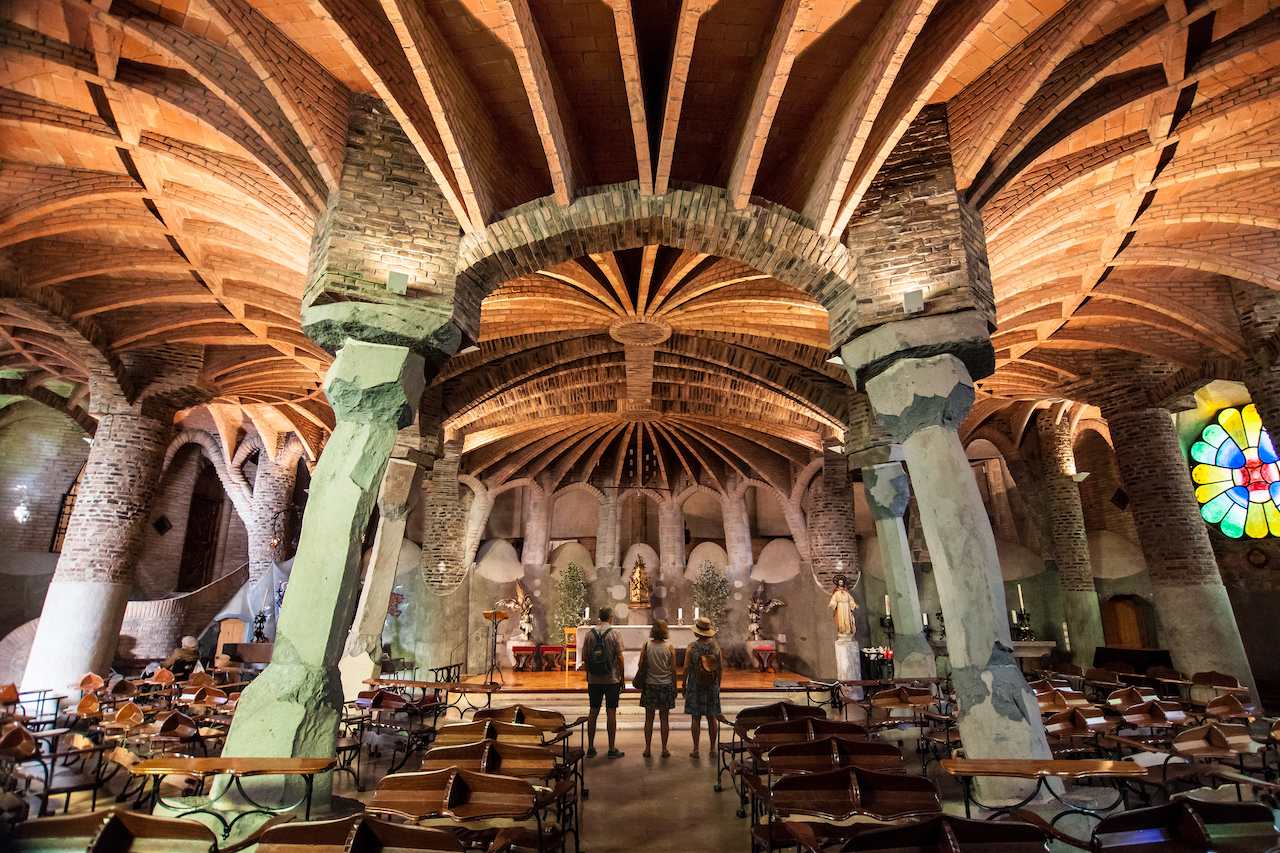
Barcelona
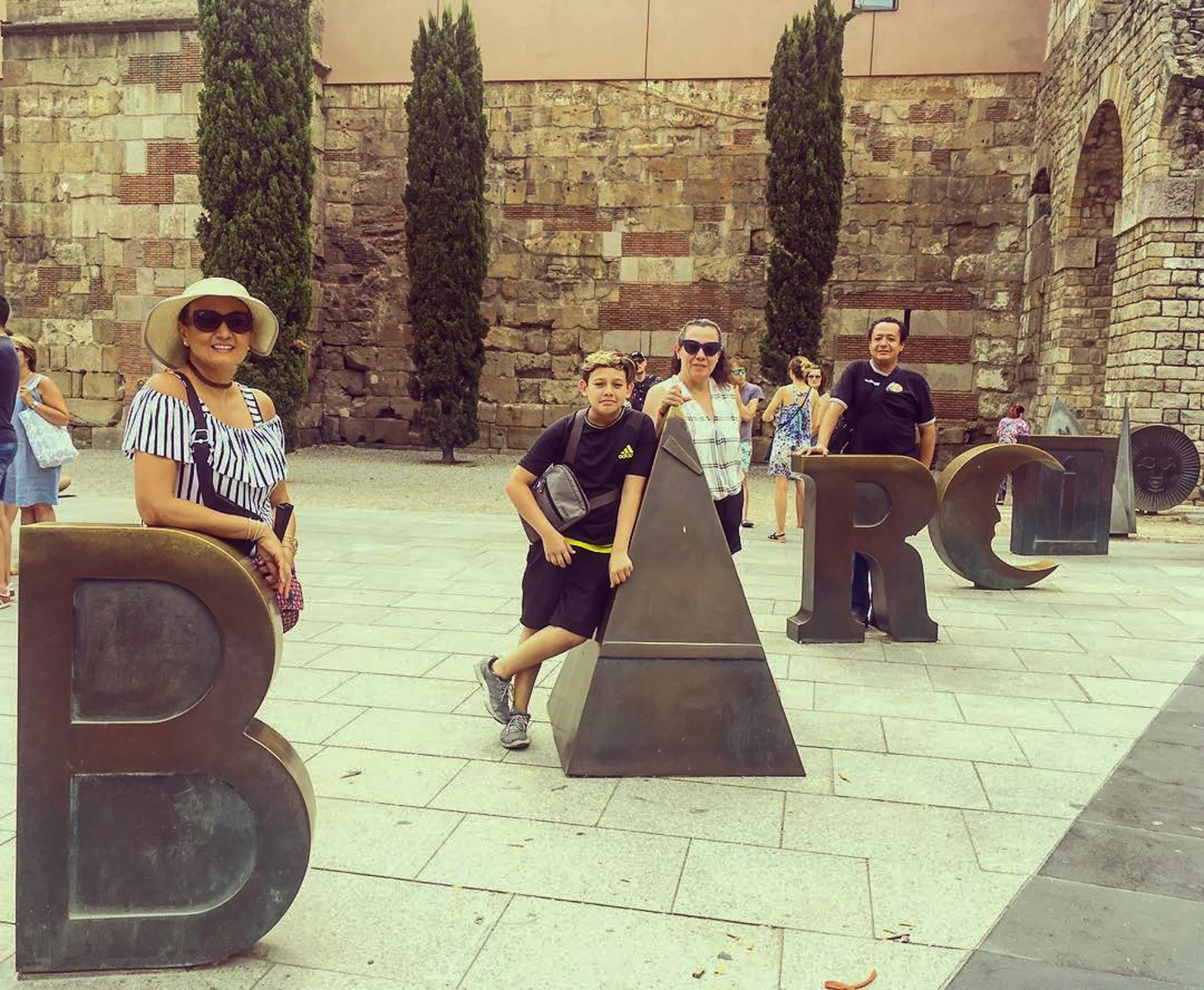
Barcelona
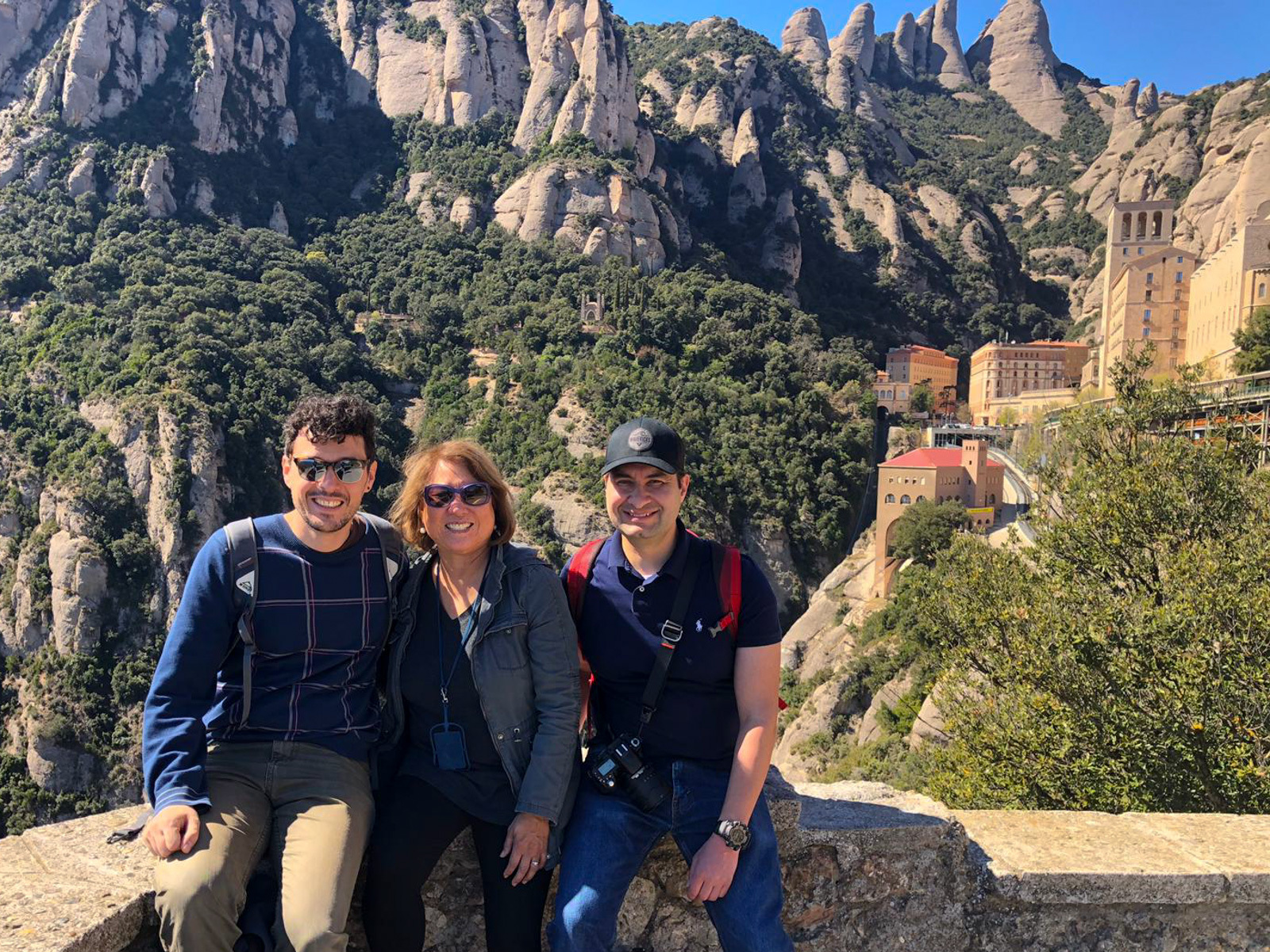
Barcelona
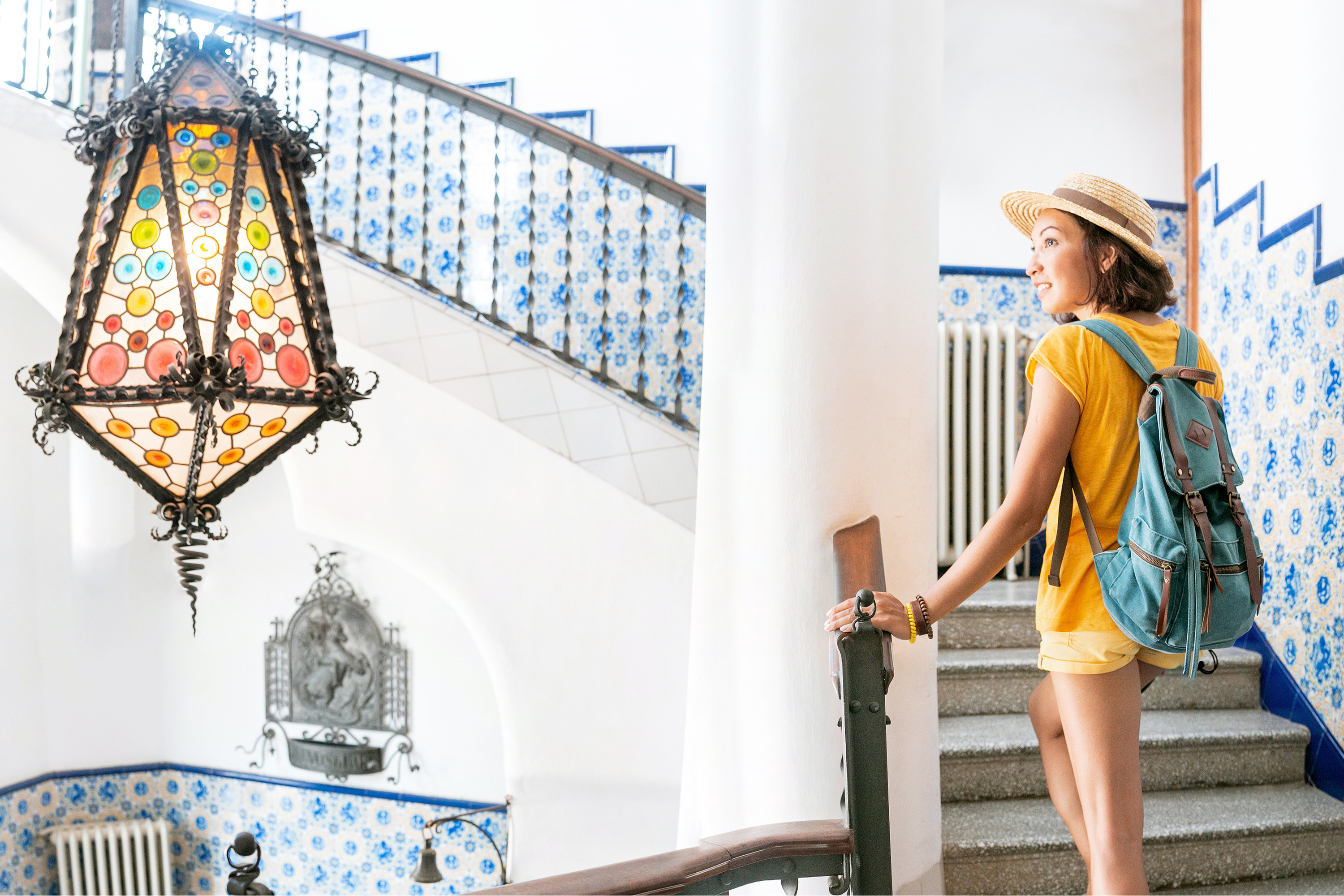
Barcelona