3 hrs
Barcelona
Sagrada Familia & Gaudi Tour Private or Small Group with Tickets
✓ Free cancellation Kids friendly
4.8(1403 reviews)
From €197/ person
Book Now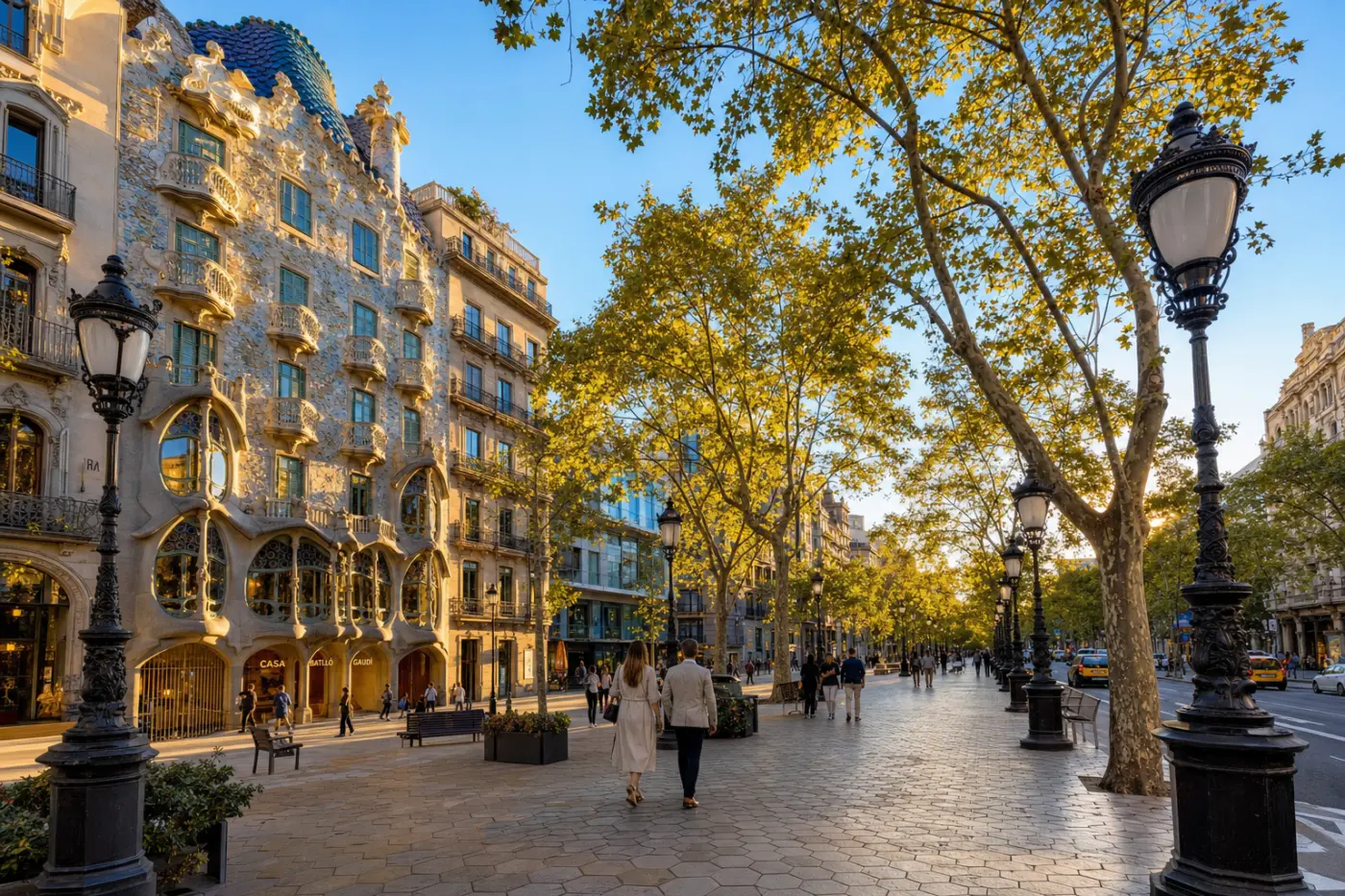
Tourist attraction
Passeig de Gràcia is a 1.3-kilometre avenue cutting through Barcelona's Eixample district from Plaça de Catalunya to Avinguda Diagonal — and it is arguably the most architecturally dense street in Europe. Originally a dirt road connecting Barcelona to the then-separate village of Gràcia, it was formalized as a promenade in 1827 and radically reshaped after 1860 when engineer Ildefons Cerdà laid out his famous grid plan for the Eixample expansion. The city's industrialist bourgeoisie rushed to build their townhouses here, commissioning the most ambitious architects of the day and inadvertently creating an outdoor gallery of Catalan Modernisme that no single museum could replicate.
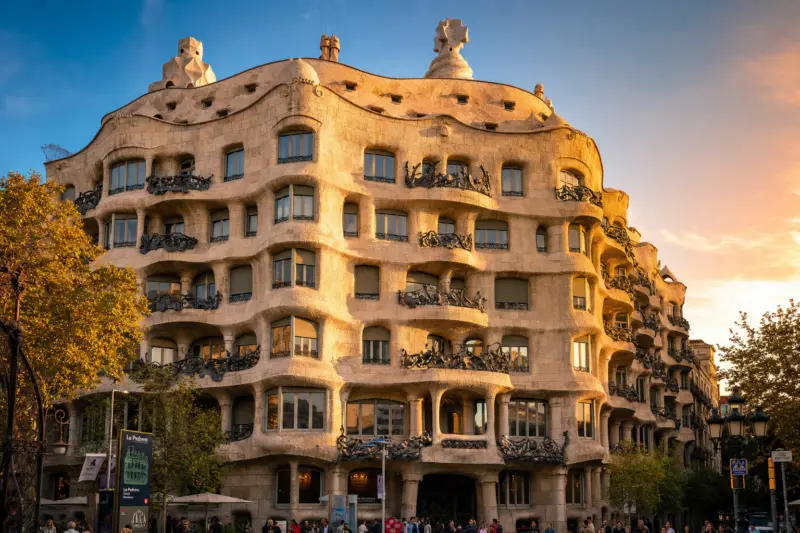
The avenue's most celebrated stretch, between Carrer del Consell de Cent and Carrer d'Aragó, is known as the Manzana de la Discordia — the Block of Discord — a wry reference to three rival masterpieces standing within metres of one another. Antoni Gaudí completed Casa Batlló's hallucinatory dragon-scaled façade in 1906; Lluís Domènech i Montaner finished the neo-Gothic and Flemish-influenced Casa Lleó Morera in 1906; and Josep Puig i Cadafalch delivered the Flemish Gothic Casa Amatller in 1900. Further up the boulevard, Gaudí's Casa Milà — universally known as La Pedrera — was completed in 1912, its undulating limestone façade and wrought-iron balconies earning a UNESCO World Heritage designation in 1984. Underfoot, the hexagonal pavement tiles — featuring motifs of octopus and starfish — were originally designed by Gaudí for La Pedrera's interior courtyard and later adopted as the standard paving for the entire avenue.
Walking the full length of Passeig de Gràcia today means moving through layers of history simultaneously: Modernisme facades above, designer flagship stores at street level, and the ghost of a 19th-century promenade preserved in the ornate cast-iron street lamps designed by Pere Falqués in 1906, each one topped with a ceramic bench seat and globe lanterns. The boulevard gained international recognition beyond architecture when U.S. urban planner Allan B. Jacobs featured it in his influential 1993 book Great Streets, citing its mix of wide pavements, tree canopy, and architectural variety as a model for urban design worldwide. The 1992 Barcelona Olympics accelerated its transformation into a globally recognized luxury destination, and it now consistently ranks among the most expensive retail streets on earth.
Visitors should plan at least a half-day to walk the full boulevard and enter at least one building — the rooftop of La Pedrera and the light-flooded interior of Casa Batlló both require advance booking and sell out weeks ahead in high season. The best light for photography falls on the western façades in the late afternoon. Metro lines L2 and L3 both stop at Passeig de Gràcia station, directly beneath the Block of Discord. If the pavement tiles catch your eye, small ceramic reproductions are sold at the Casa Batlló gift shop — they are the only officially licensed version of Gaudí's original design.
Private tours with a local guide, at your own pace.
Barcelona
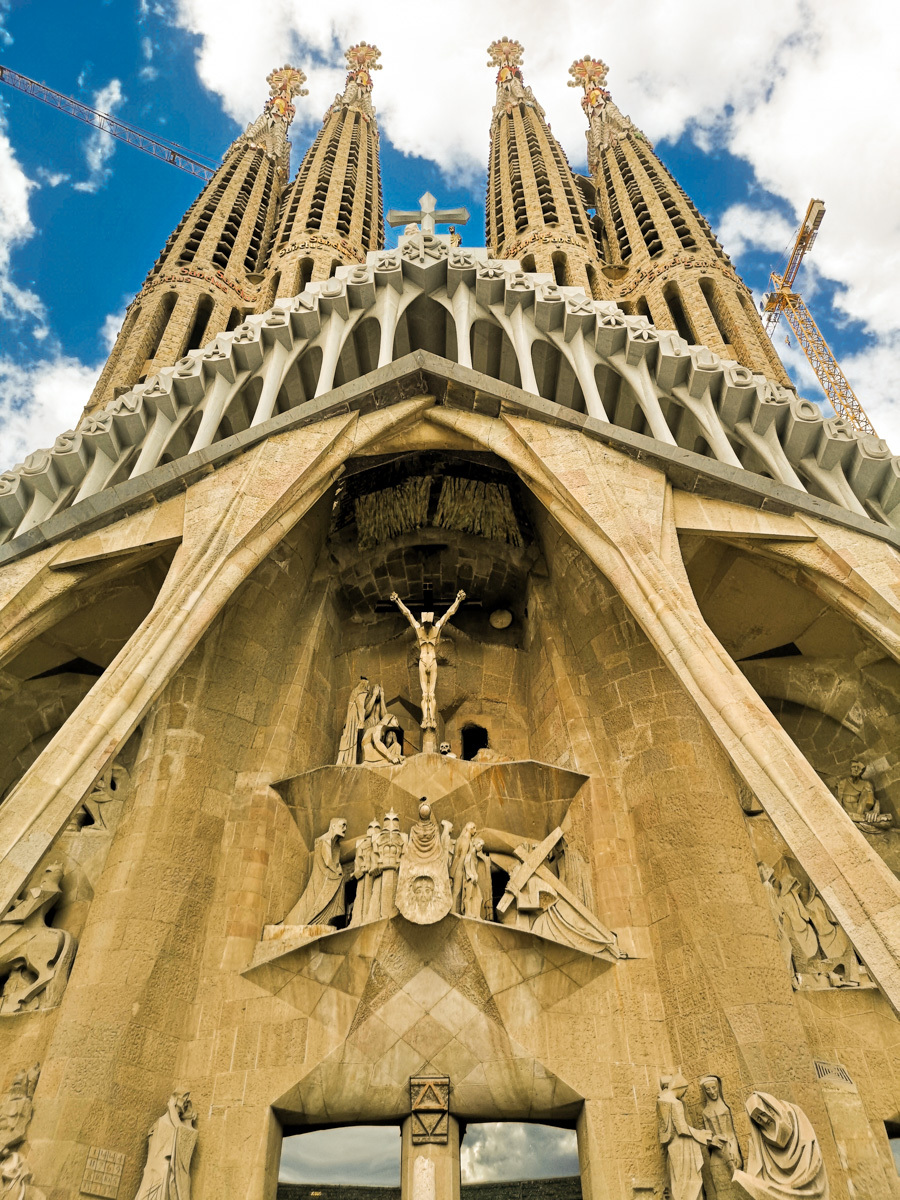
Barcelona
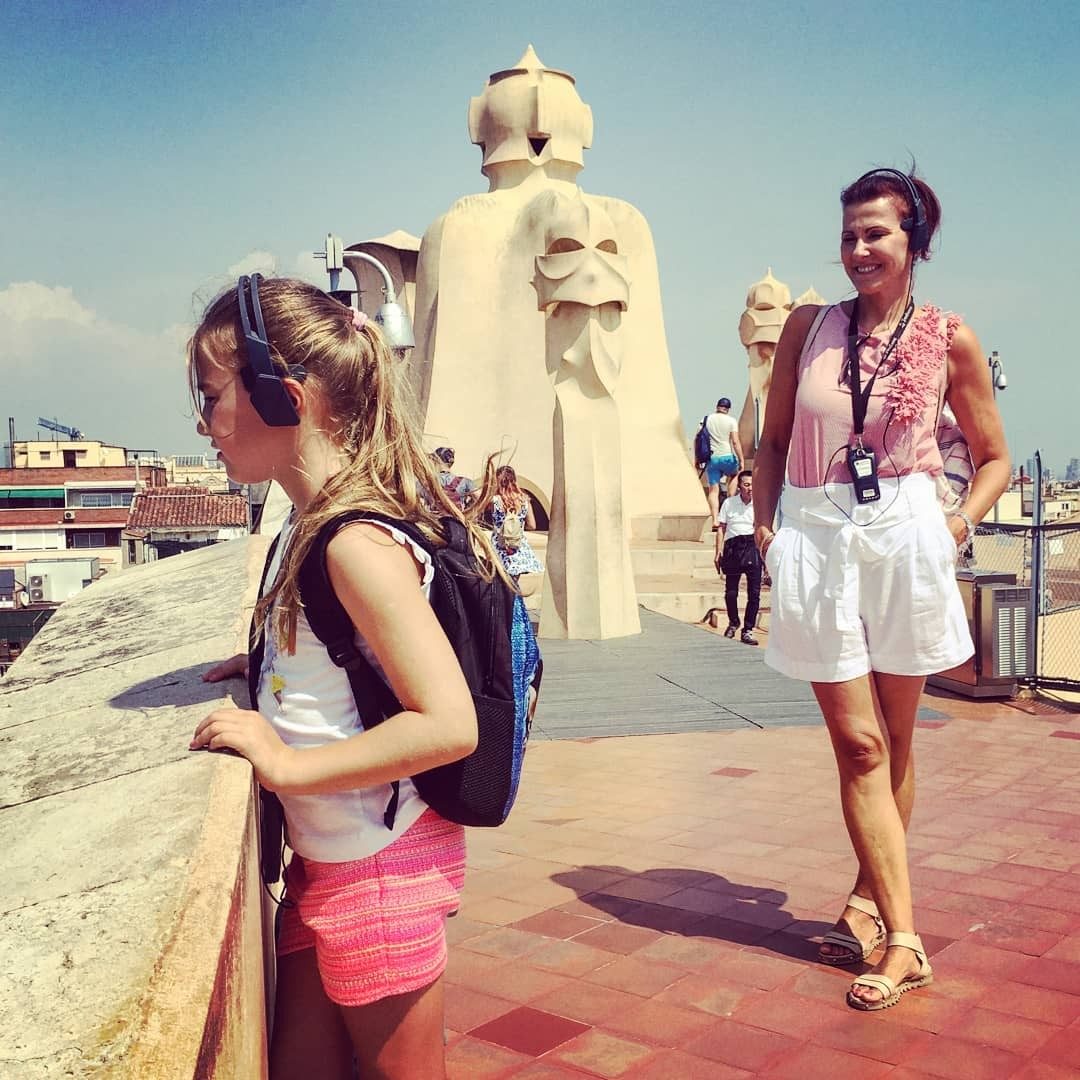
Barcelona
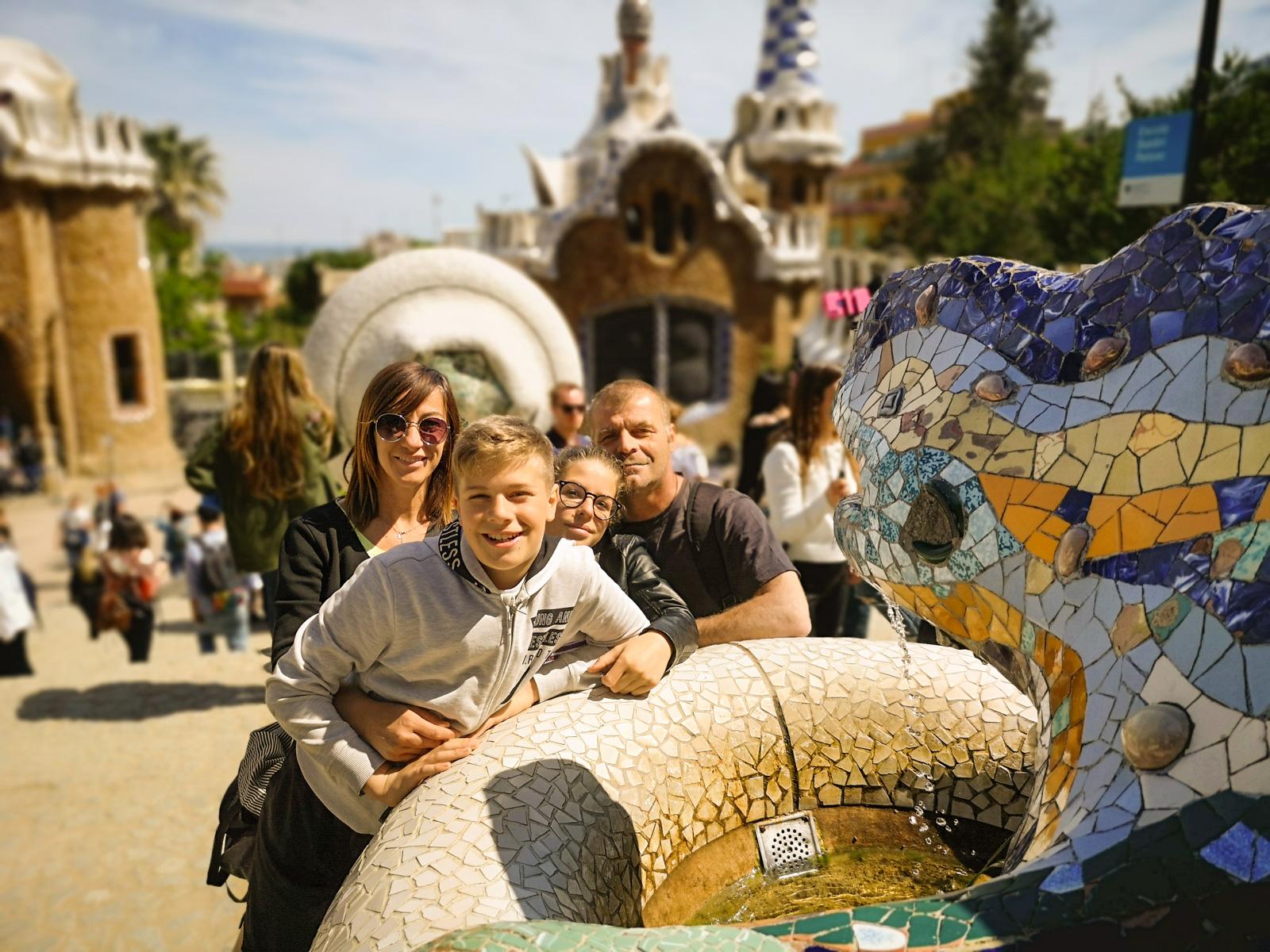
Barcelona
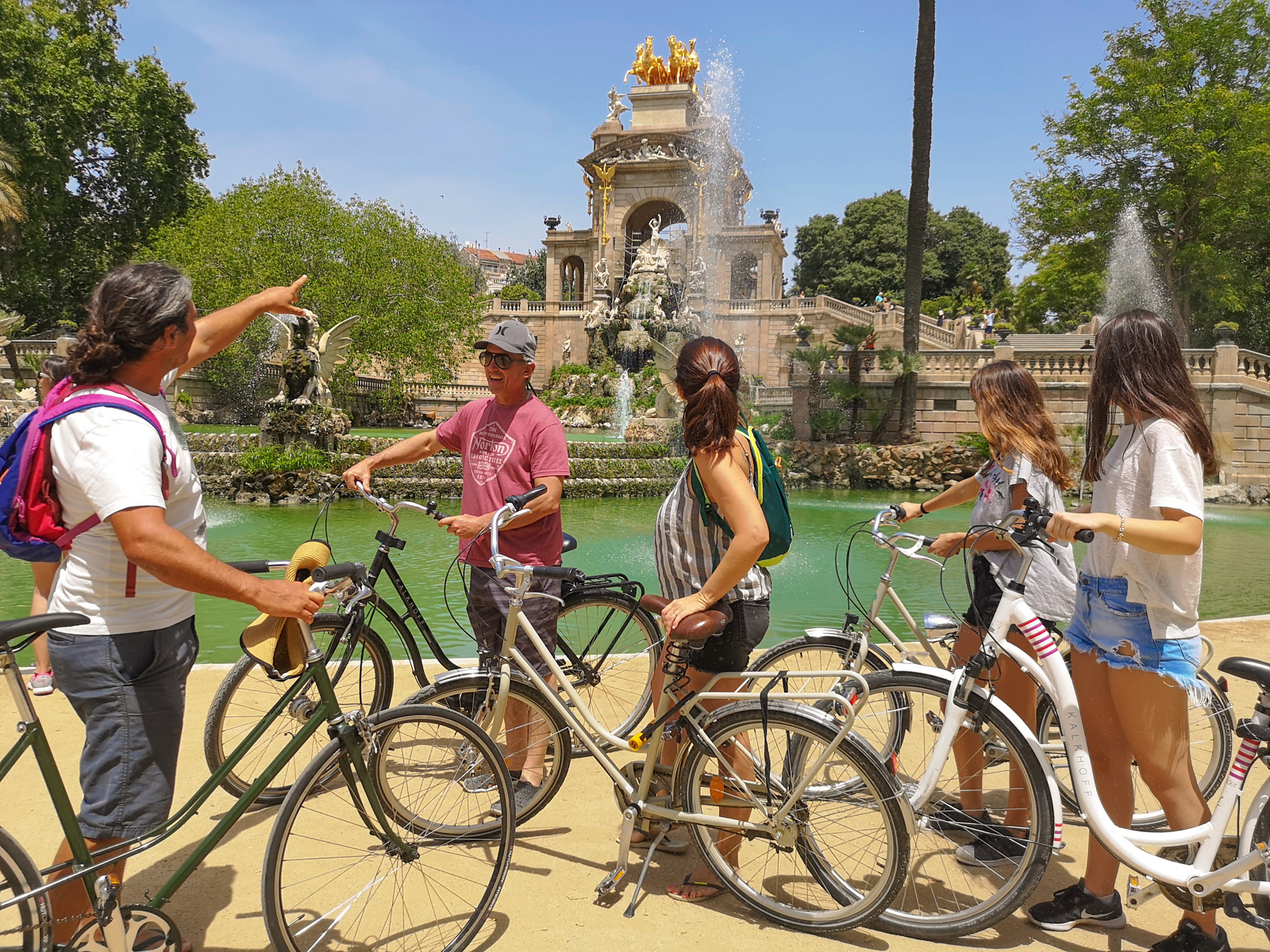
Barcelona
Barcelona
Barcelona
Barcelona
Barcelona
Barcelona
Barcelona
Barcelona
Barcelona
Barcelona
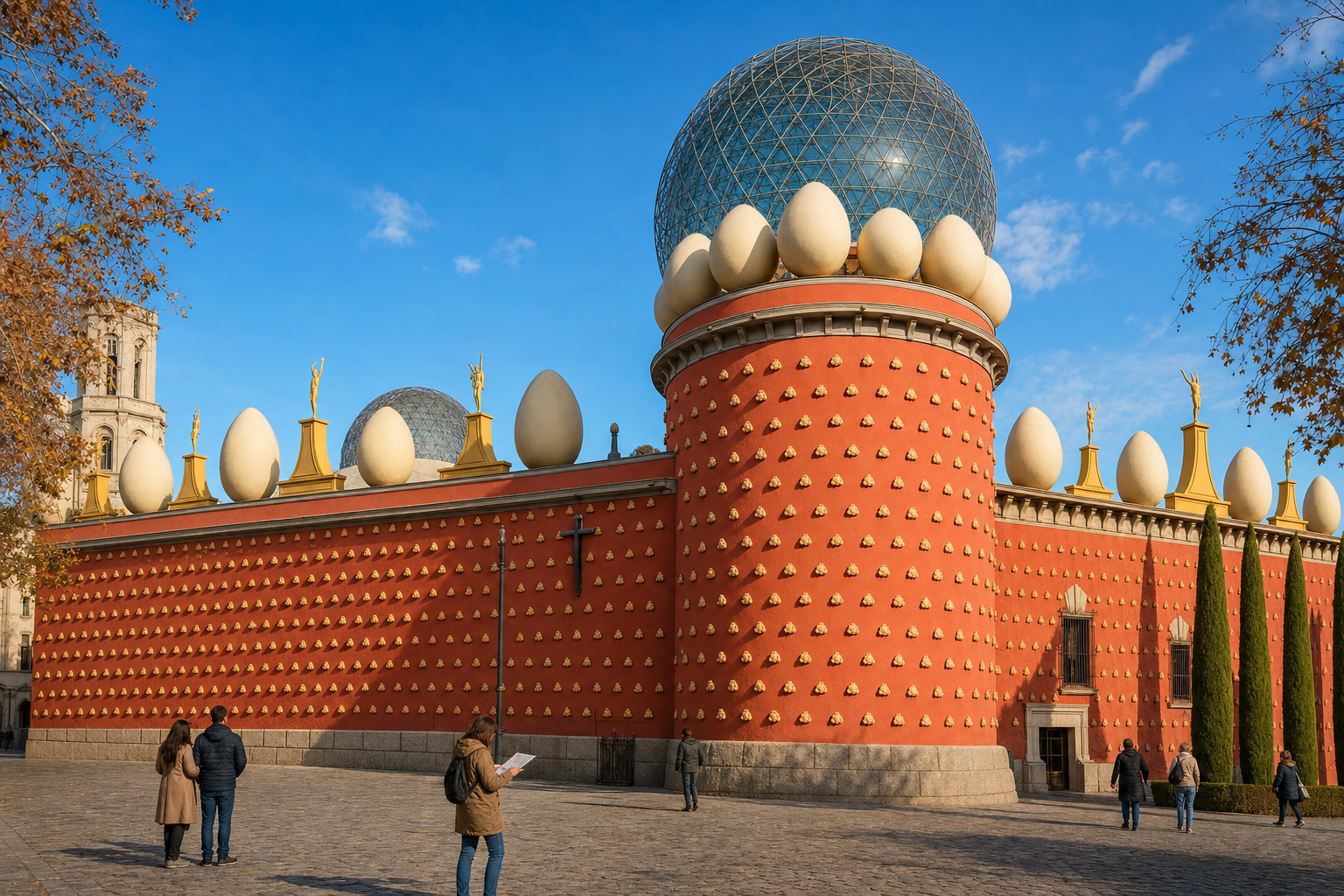
Most people know that Salvador Dalí was born in Figueres on 11 May 1904 — fewer realise that he spent the last decade of his life living inside his own museum, in a castle tower he had converted into a private apartment, refusing almost all visitors. That detail alone reframes everything you're about to see on a Costa Brava day trip from Barcelona. This isn't a sightseeing loop past pretty landmarks; it's a journey into one of the most deliberately constructed artistic universes ever assembled, set against a coastline so geologically dramatic that it physically shaped the imagery of a surrealist movement. From the geodesic dome above Figueres to the labyrinthine rooms of Portlligat, from the tramuntana-battered vines of the Empordà to the whitewashed lanes of Cadaqués, every stop carries a specific weight of history that rewards knowing before you arrive. This guide gives you that context — and shows you why adding a winery to the route isn't a detour, it's the most logical ending the day could have.
Read more →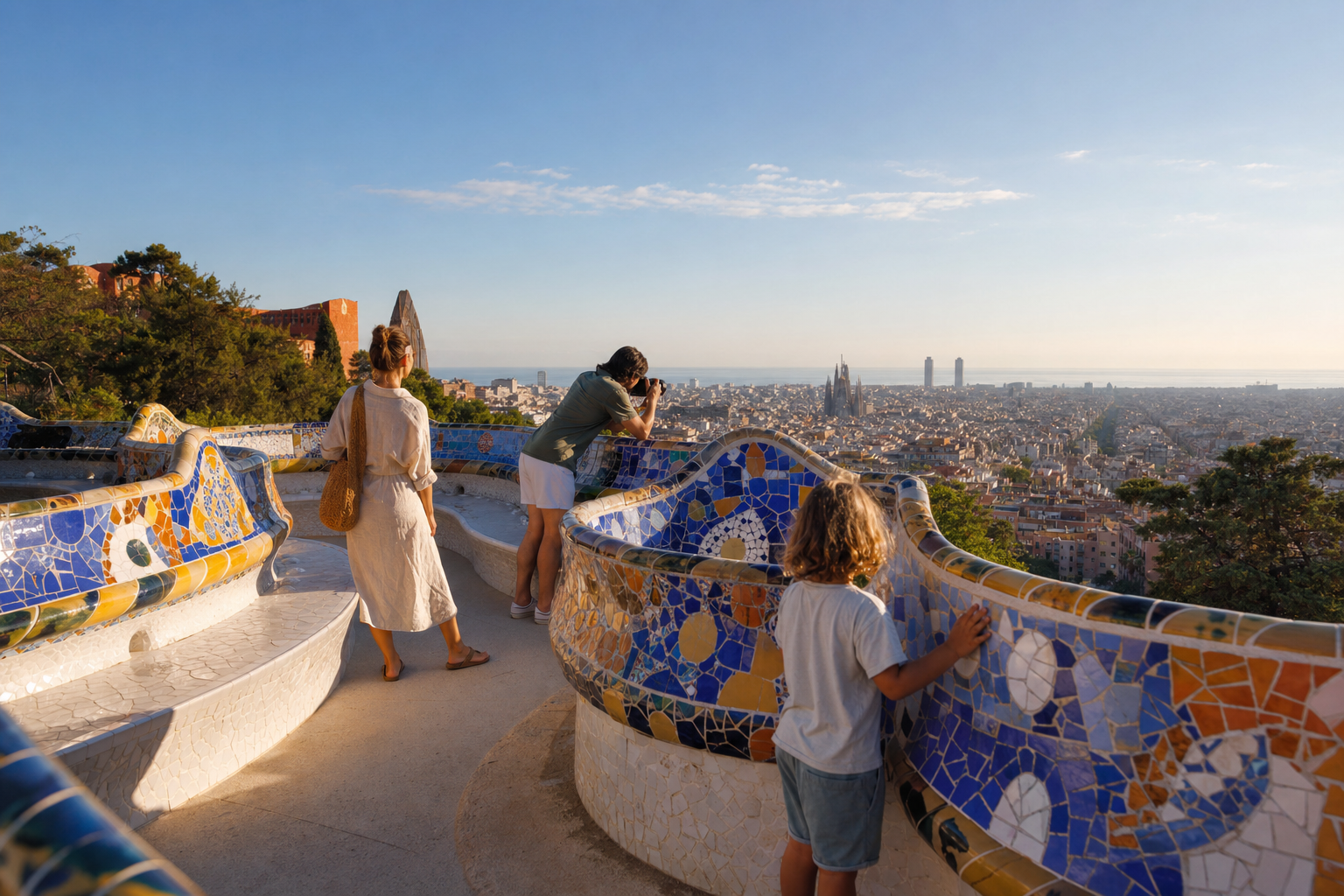
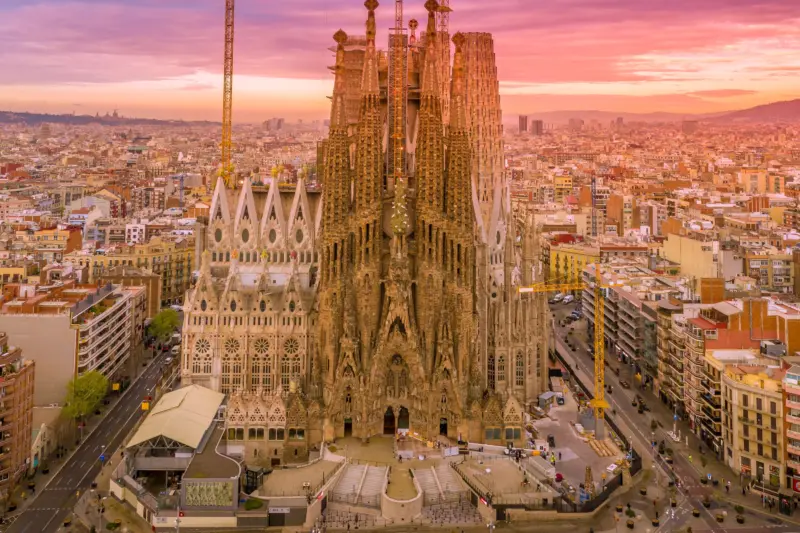
In 1883, a 31-year-old architect named Antoni Gaudí inherited a half-built church from a resigning predecessor and spent the next 43 years — until his death in 1926 — turning it into one of the most structurally radical buildings in human history. That church, the Sagrada Família, is still under construction today, and it is just one reason why Barcelona rewards curiosity more than almost any other city in Europe. But Gaudí's Barcelona is only one layer. Beneath the Gothic Quarter's cobblestones lie the preserved streets of a Roman settlement called Barcino, founded around 10 BC. In the city's markets, a food culture rooted in Catalan identity — not the generalised 'Spanish' clichés exported for tourists — plays out every single morning. Barcelona is a city that consistently offers more the deeper you look. This guide cuts past the surface to give you the historical facts, cultural context, and local knowledge that turn a good trip into an unforgettable one.
Read more →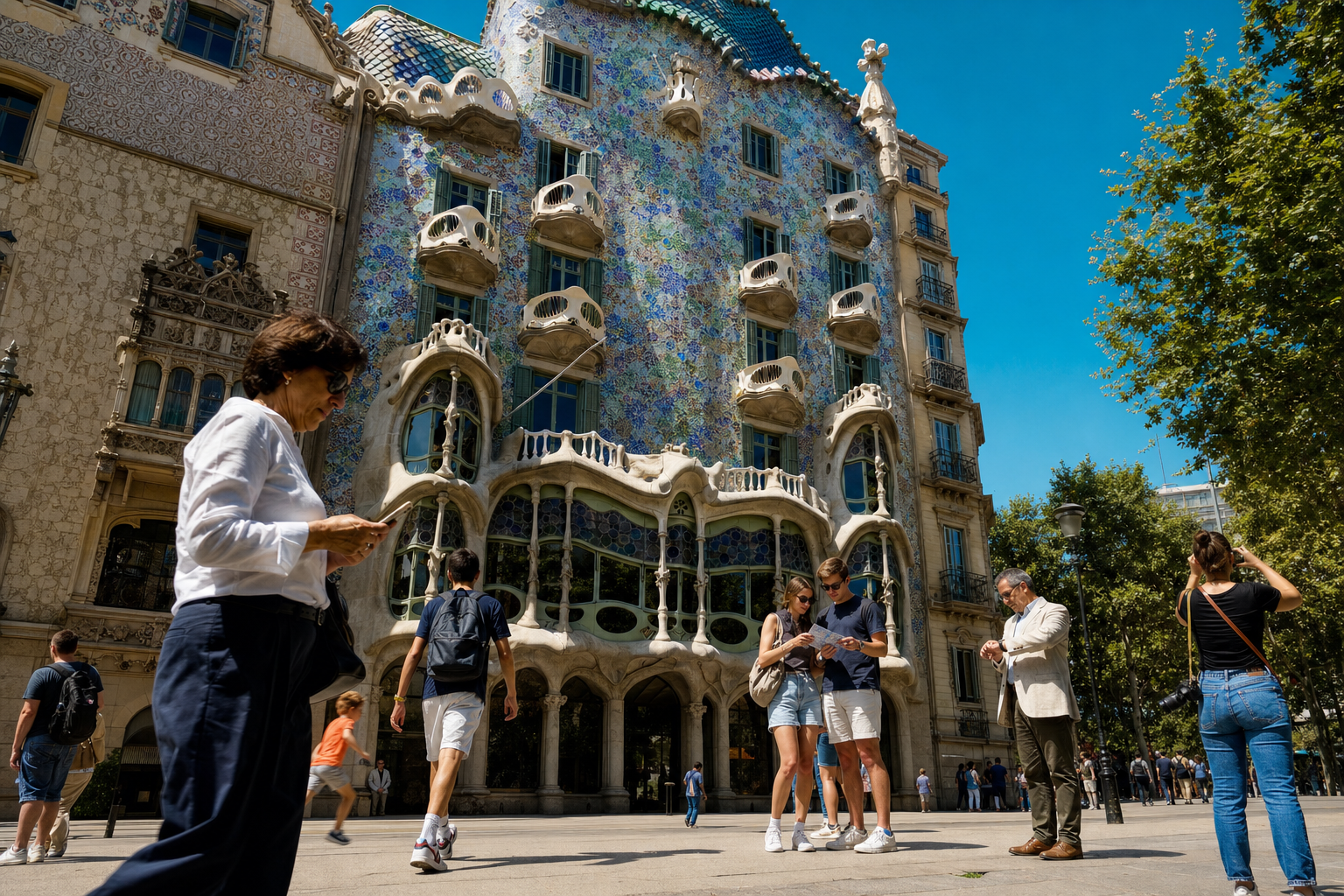
On the grandest stretch of Barcelona's Passeig de Gràcia — a boulevard so thick with Modernista jewels that locals call it the Block of Discord — one building stops every passerby cold. Casa Batlló shimmers like a living creature: scales of iridescent ceramic, a roofline that breathes, skulls carved into stone balconies. It was commissioned by a wealthy textile magnate, transformed by a visionary architect, and completed in 1906 as a statement that would redefine what a city building could be. This is its story.
Read more →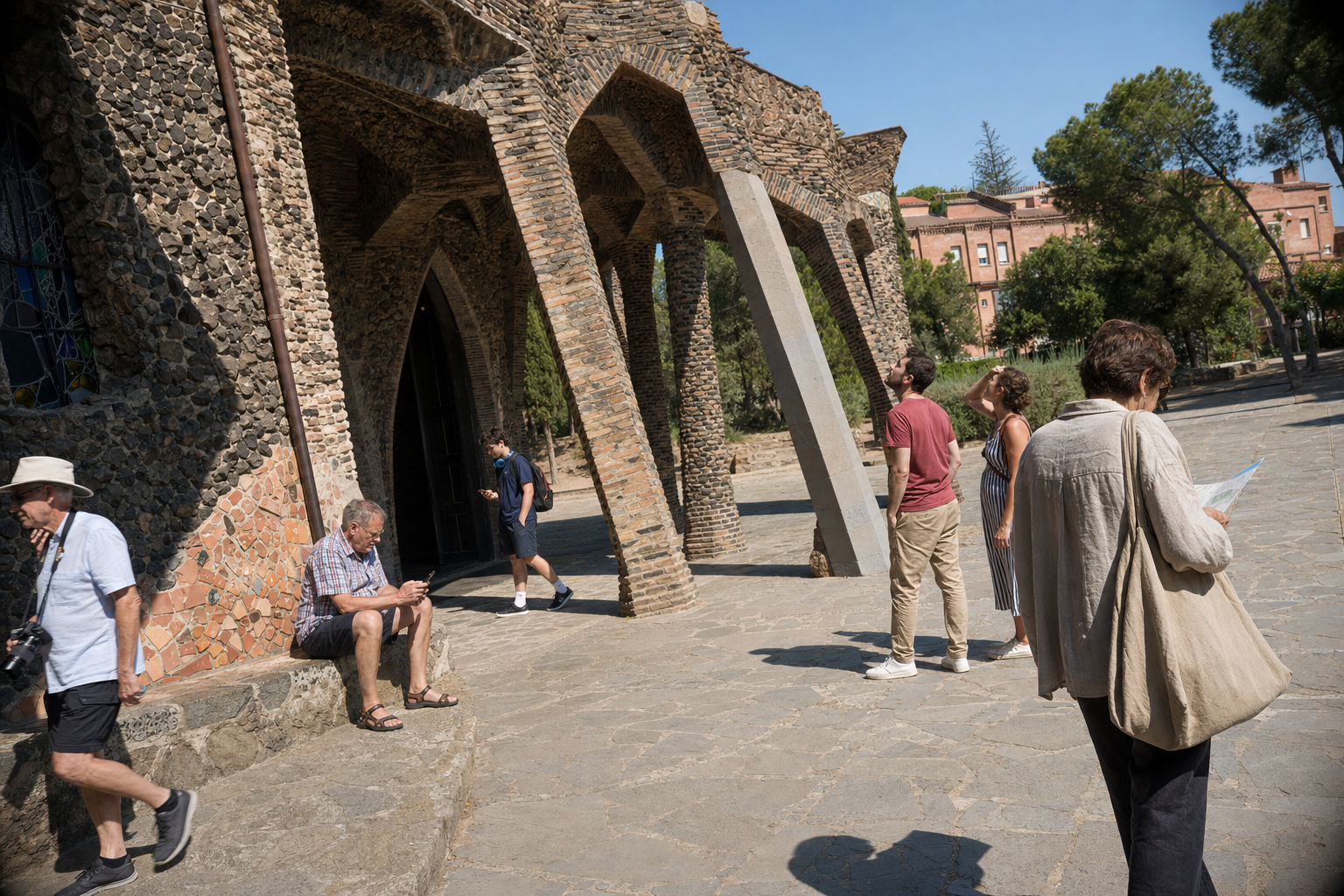
In 1890, the Catalan industrialist Eusebi Güell made a decision that was radical even by the standards of a city already electrified by modernisme: he abandoned Barcelona's choking factory districts and moved his textile mill — and his entire workforce — to a pine-forested hillside in Santa Coloma de Cervelló, just 20 kilometres southwest of the city. What he built there was not merely a factory complex but a full social experiment: a self-contained workers' village with housing, schools, a theatre, a cooperative shop, and a church that would become one of the most structurally daring buildings of the 20th century. That church was entrusted to Antoni Gaudí — and what Gaudí designed in its crypt between 1908 and 1914 was nothing less than the structural laboratory for the Sagrada Família. Colonia Güell is where the dream was tested. It draws a fraction of the crowds that queue outside Park Güell or the Sagrada Família, yet it is arguably the most intellectually fascinating Gaudí site in all of Catalonia.
Read more →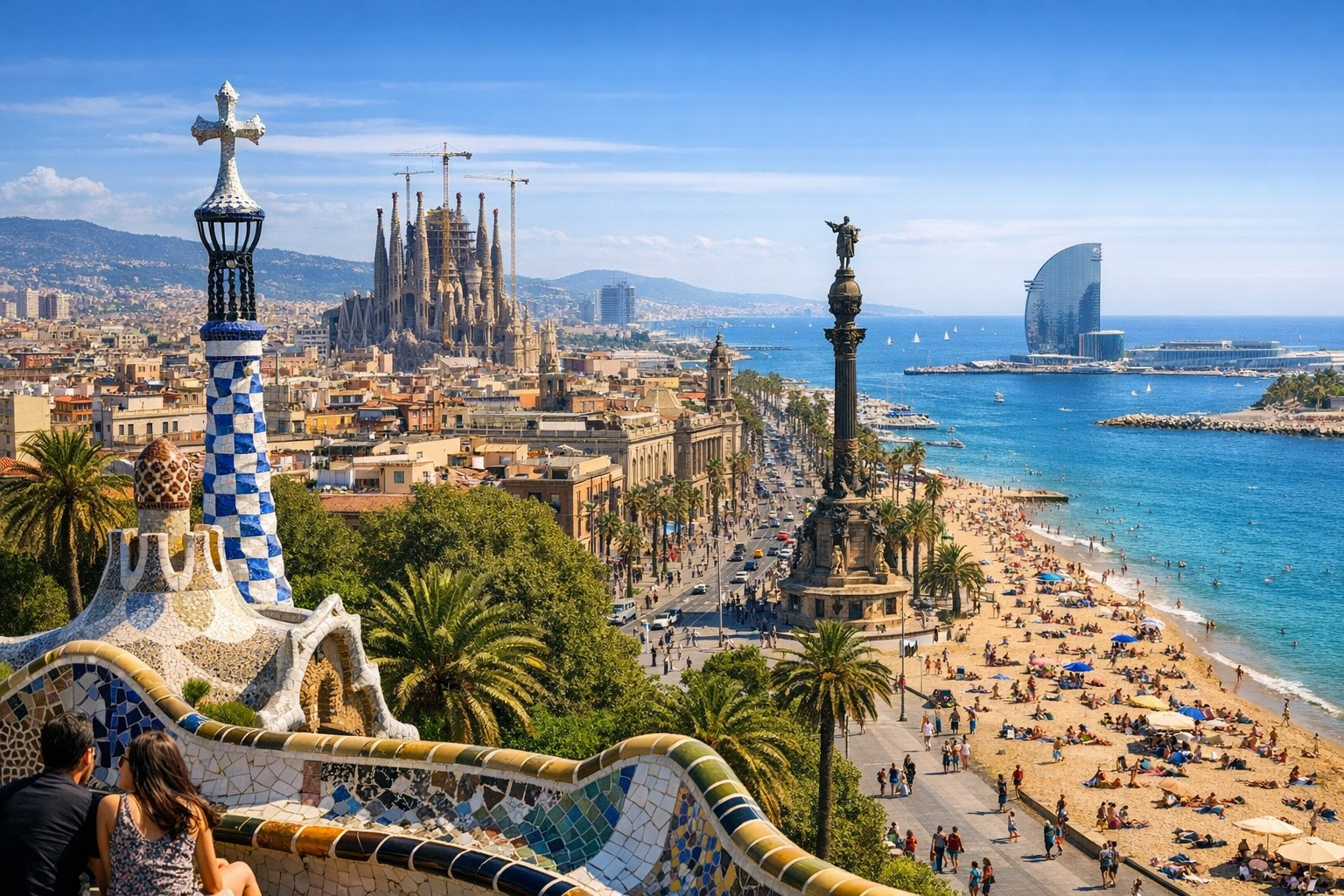
Discover the vibrant culture, stunning architecture, and culinary delights of Barcelona. From iconic landmarks to hidden gems, this guide offers the best activities to experience in the city, ensuring an unforgettable visit.
Read more →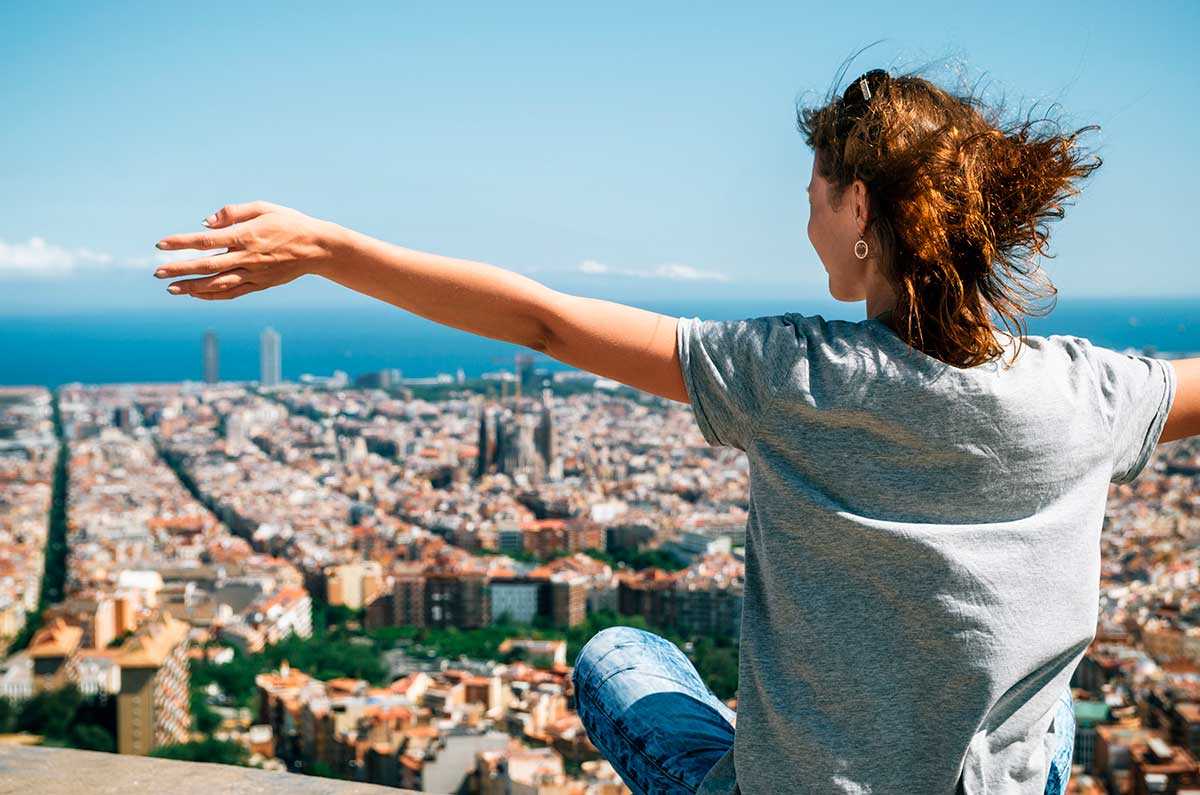
Barcelona, the enchanting coastal city in Spain, is a treasure trove of captivating attractions, historic landmarks, and awe-inspiring architecture. With so much to explore, having a well-designed attractions map can significantly enhance your sightseeing experience and ensure you make the most of your time in this vibrant destination. Whether you are an adventurous solo traveler or a family seeking a cultural getaway, a detailed map will be your faithful companion throughout your journey.
Read more →We use a single cookie, to remember this choice. We do not use analytics or advertising cookies. Read our cookie policy.