7 to 7,5 hrs
Barcelona
Barcelona & Montserrat Day Trip with Sagrada Familia Guided Tour
✓ Free cancellation Kids friendly
4.5(17 reviews)
From €134/ person
Book Now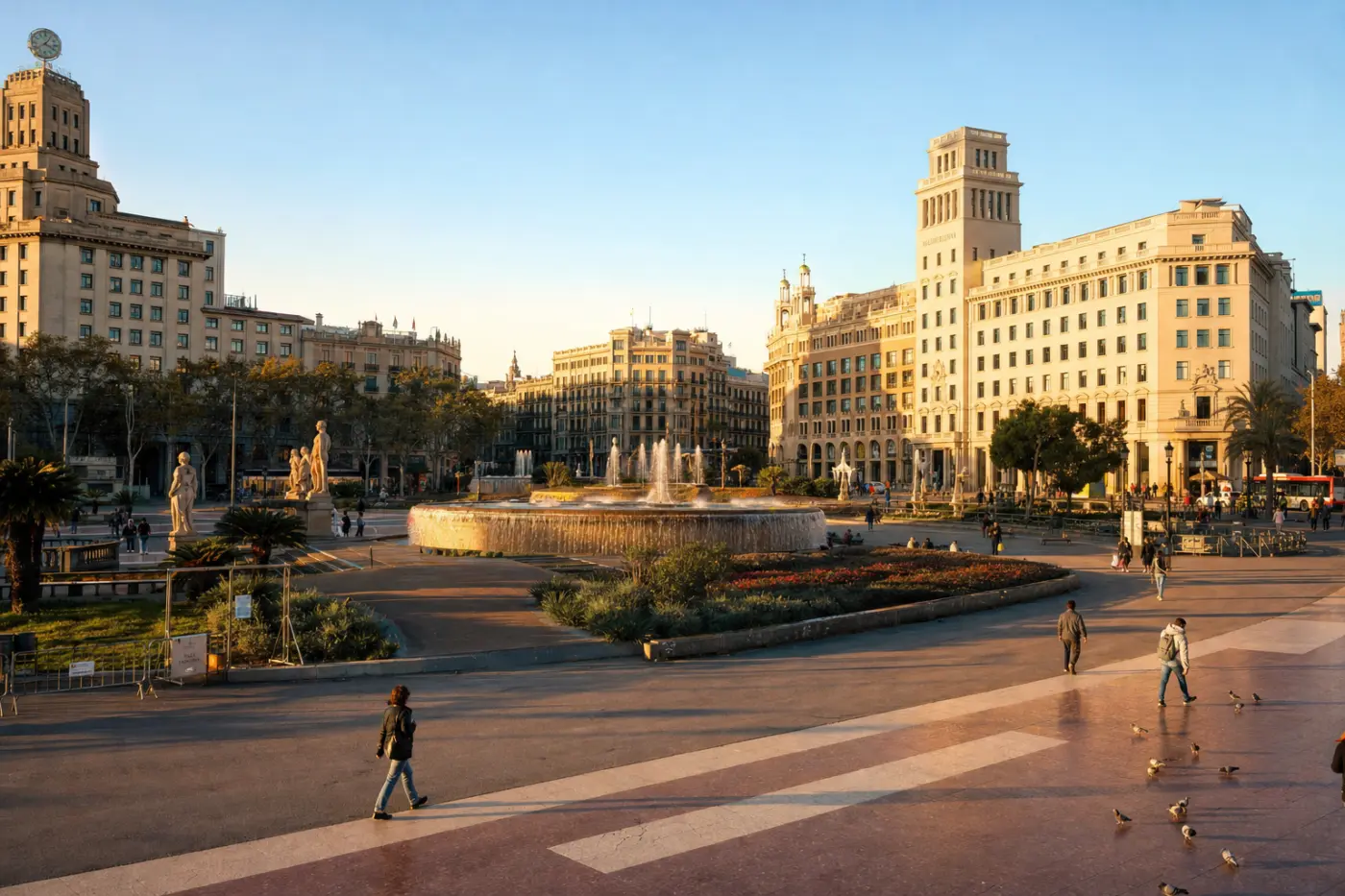
Tourist attraction
Plaça de Catalunya is Barcelona's undisputed civic centre — a 50,000-square-metre (5-hectare) open square that sits at the precise junction of the city's three great urban layers: the medieval Gothic Quarter, the 19th-century Eixample grid designed by Ildefons Cerdà, and the tree-lined promenade of Las Ramblas. The square was formally inaugurated in 1927 by King Alfonso XIII, though its conception dates to the 1850s when Barcelona demolished its suffocating medieval walls and began the radical urban expansion that would define the modern city. Decades of debate, competing designs, and political wrangling preceded the final layout, which was executed under the direction of architect Francesc Nebot and landscaper Jean-Claude Nicolas Forestier.
The square is populated with an exceptional programme of public sculpture commissioned from Catalonia's leading artists of the early 20th century. Six monumental sculptures by Josep Clarà and Josep Llimona anchor the central gardens, joined by allegorical figures representing the Catalan provinces and the rivers of Catalonia. Beyond its artistic merit, the square carries deep political memory: it was the site where Lluís Companys proclaimed the Catalan Republic in October 1934, and during the Spanish Civil War (1936–1939) it became a strategic flashpoint, suffering bombardment and serving as the symbolic front line of the Republican defence of Barcelona. Franco's regime later suppressed the square's Catalan identity, a suppression reversed only after the transition to democracy in the late 1970s.
Today visitors experience the square as a living urban stage. Flocks of resident pigeons, rotating political demonstrations, buskers, and impromptu human towers (castellers) compete for space with the square's celebrated fountains and manicured gardens. The large central pond and cascading water features remain focal gathering points, while the surrounding colonnaded buildings — including the landmark El Corte Inglés department store and the headquarters of Banco de España — frame the space with early 20th-century grandeur. The underground concourse directly beneath the square functions as one of Europe's most complex transport interchanges, connecting two metro lines, dozens of bus routes, and the Aerobus to El Prat airport.
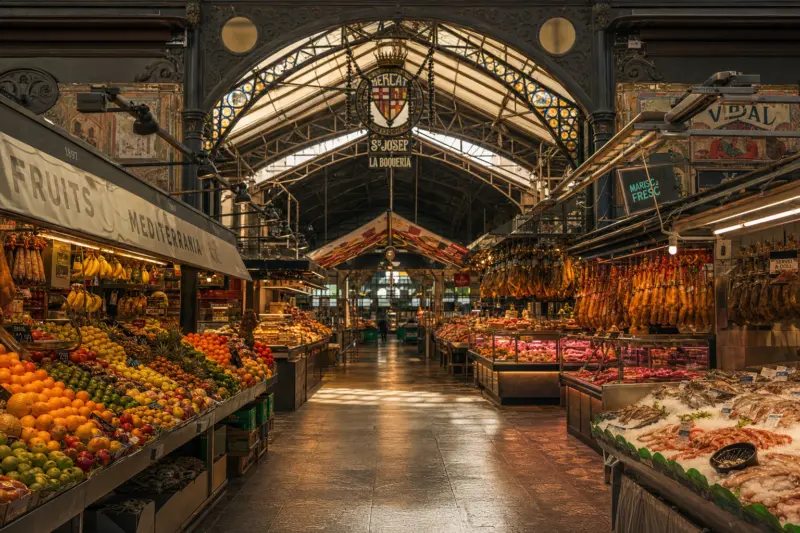
For visitors, Plaça de Catalunya is best experienced in the early morning before tour groups arrive, when the fountains catch the low Mediterranean light and the square belongs largely to commuters and dog-walkers. The square is entirely free to enter and open at all hours. All four cardinal exits lead immediately to major attractions: north along Passeig de Gràcia toward the Eixample's Modernista architecture, south down Las Ramblas to the Boqueria market and the waterfront, east into the El Born cultural district, and west into the Raval neighbourhood. Avoid the southern perimeter of Las Ramblas late at night and keep bags secured in the busy underground station — the area attracts pickpockets targeting distracted tourists.
Private tours with a local guide, at your own pace.
Barcelona
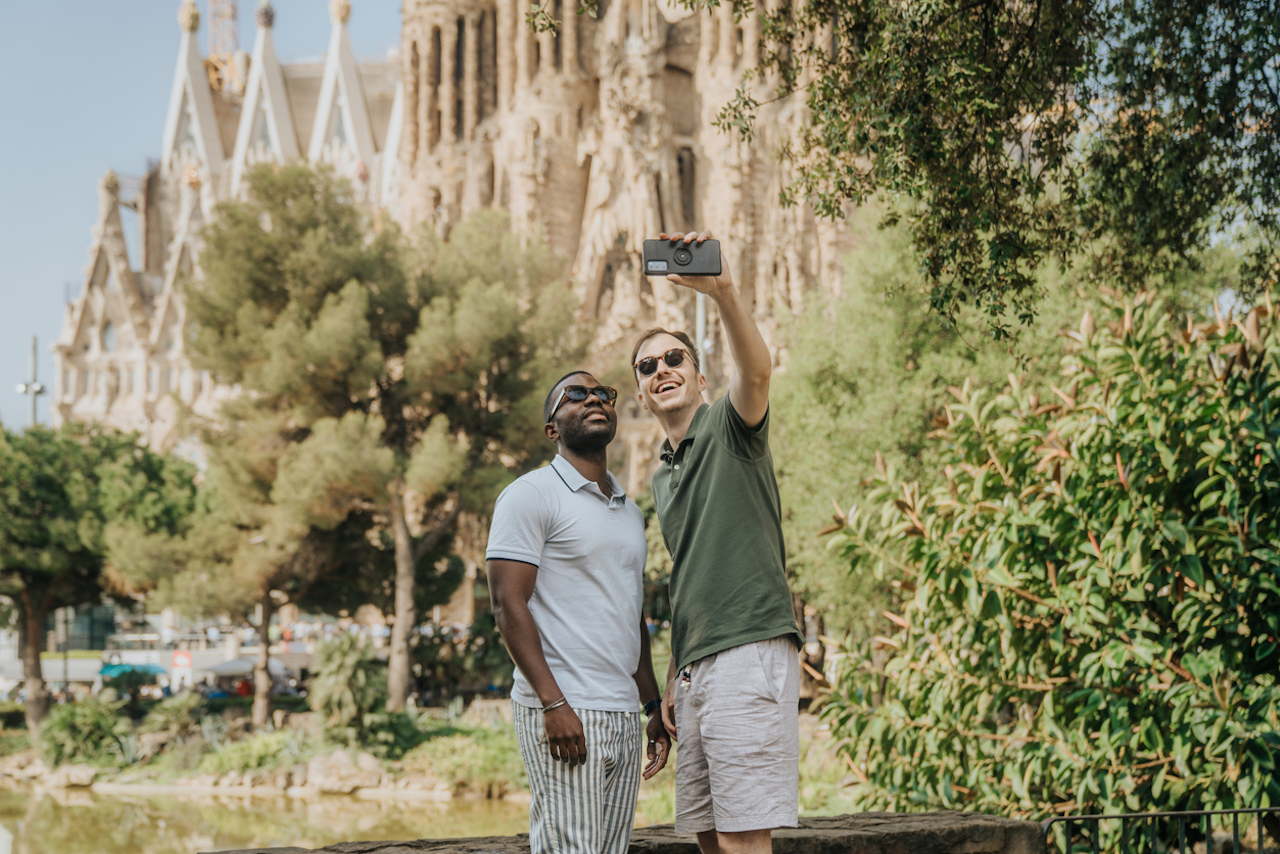
Barcelona
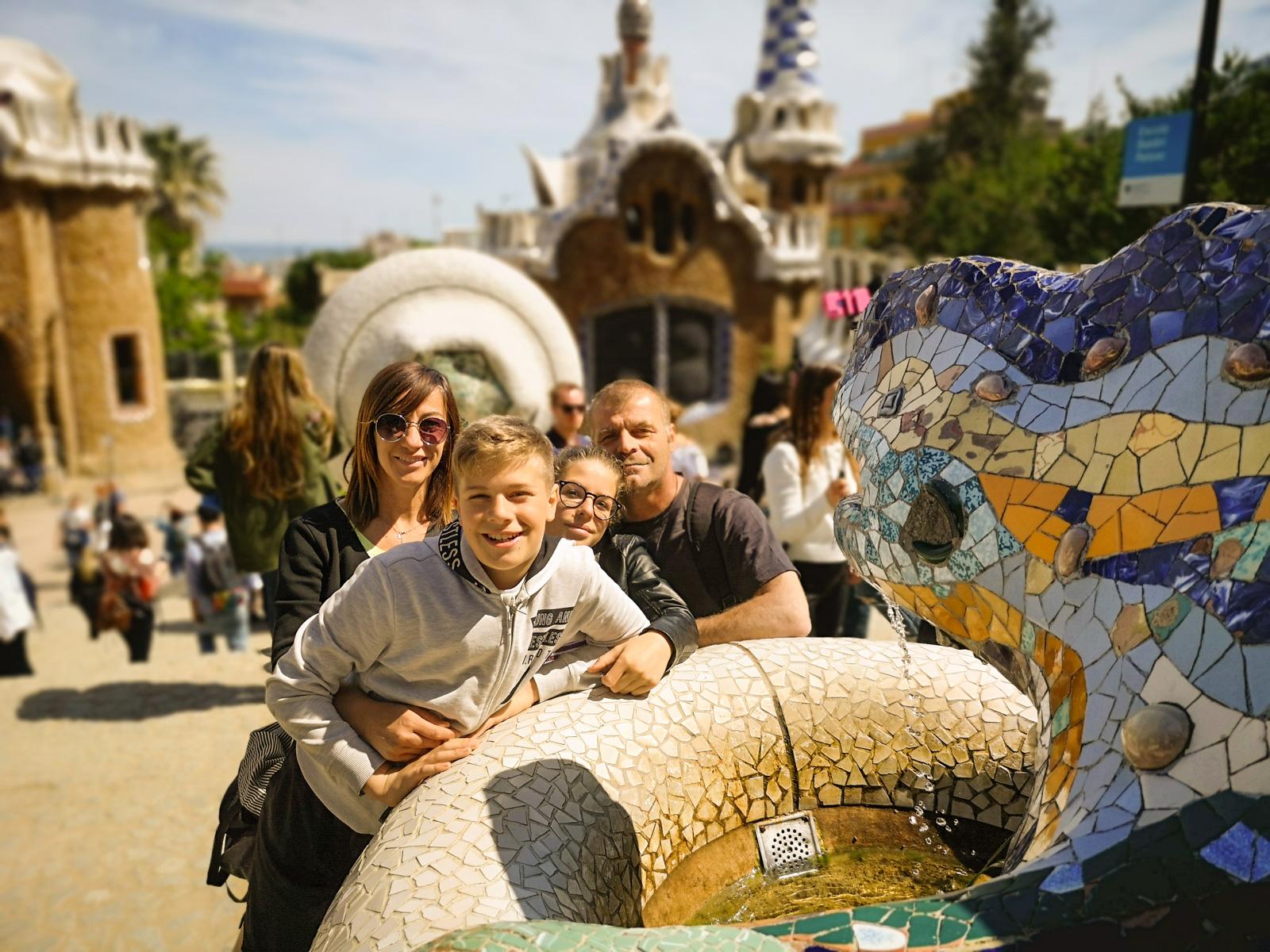
Barcelona
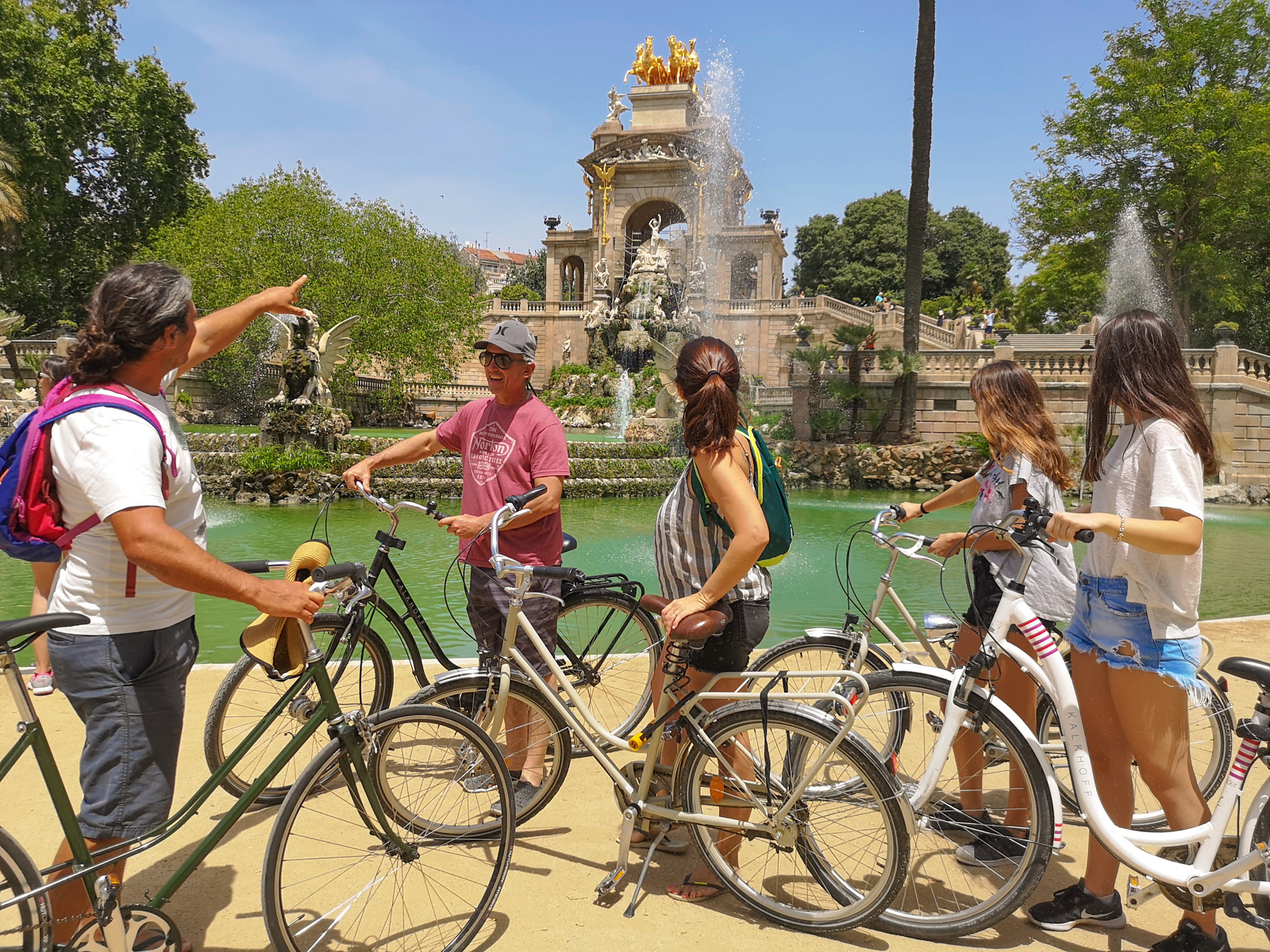
Barcelona
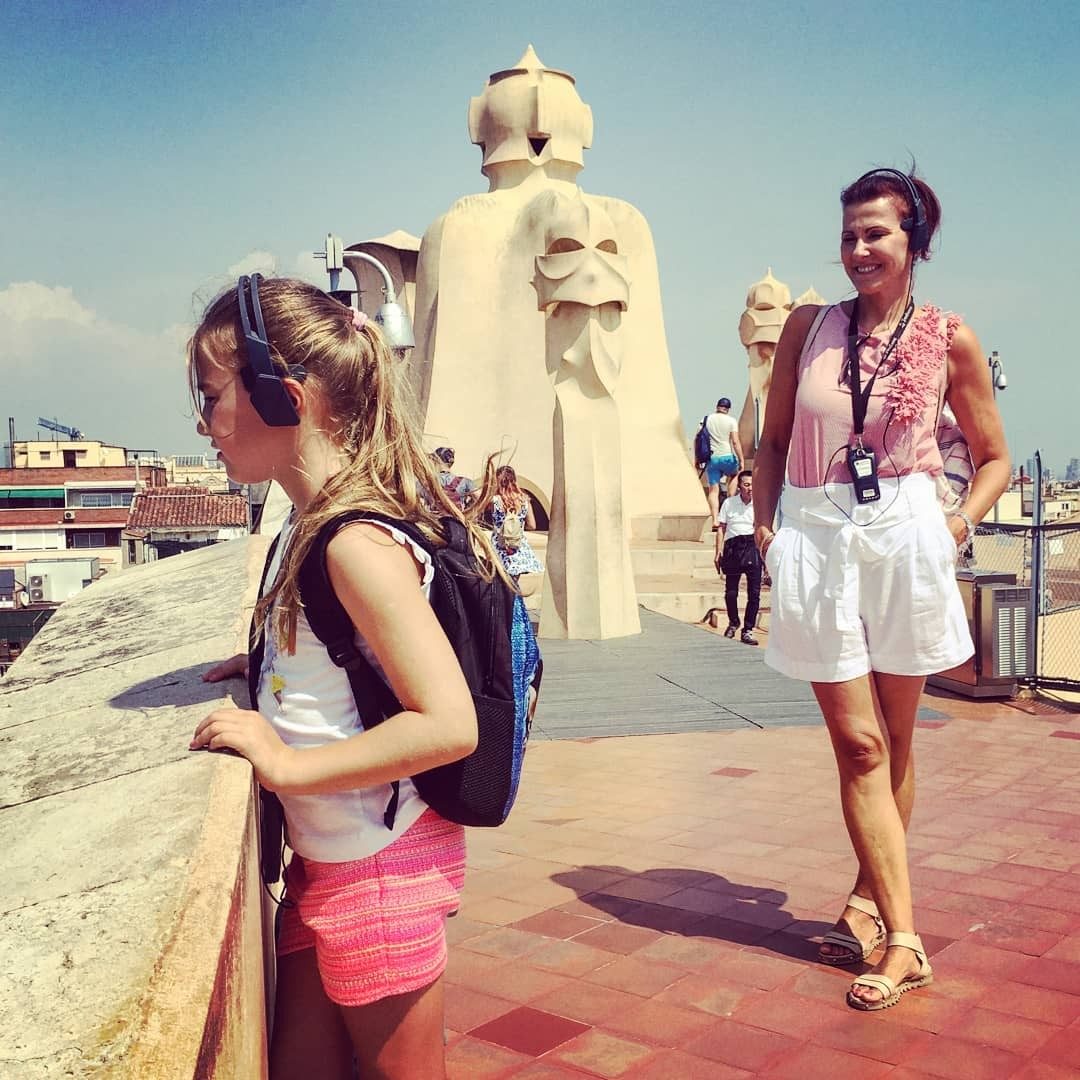
Barcelona
Barcelona

Barcelona
Barcelona

Barcelona
Barcelona
Barcelona
Barcelona
Barcelona
Barcelona