3 hrs
Barcelona
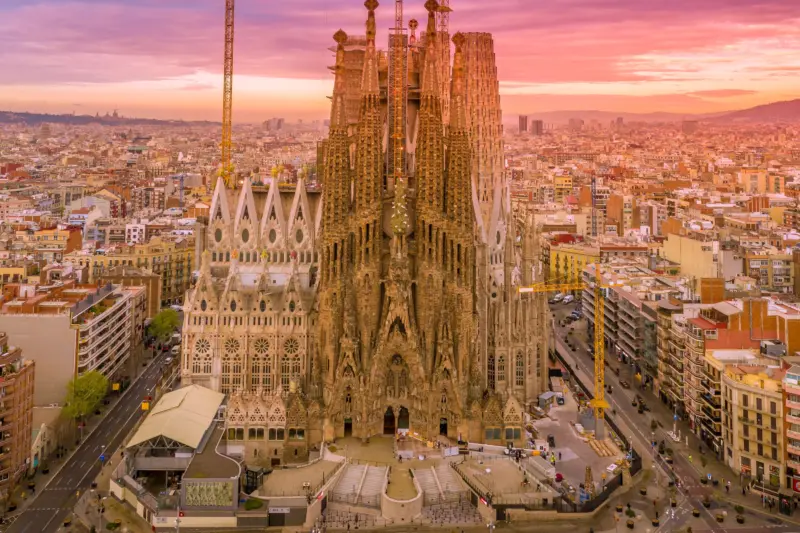
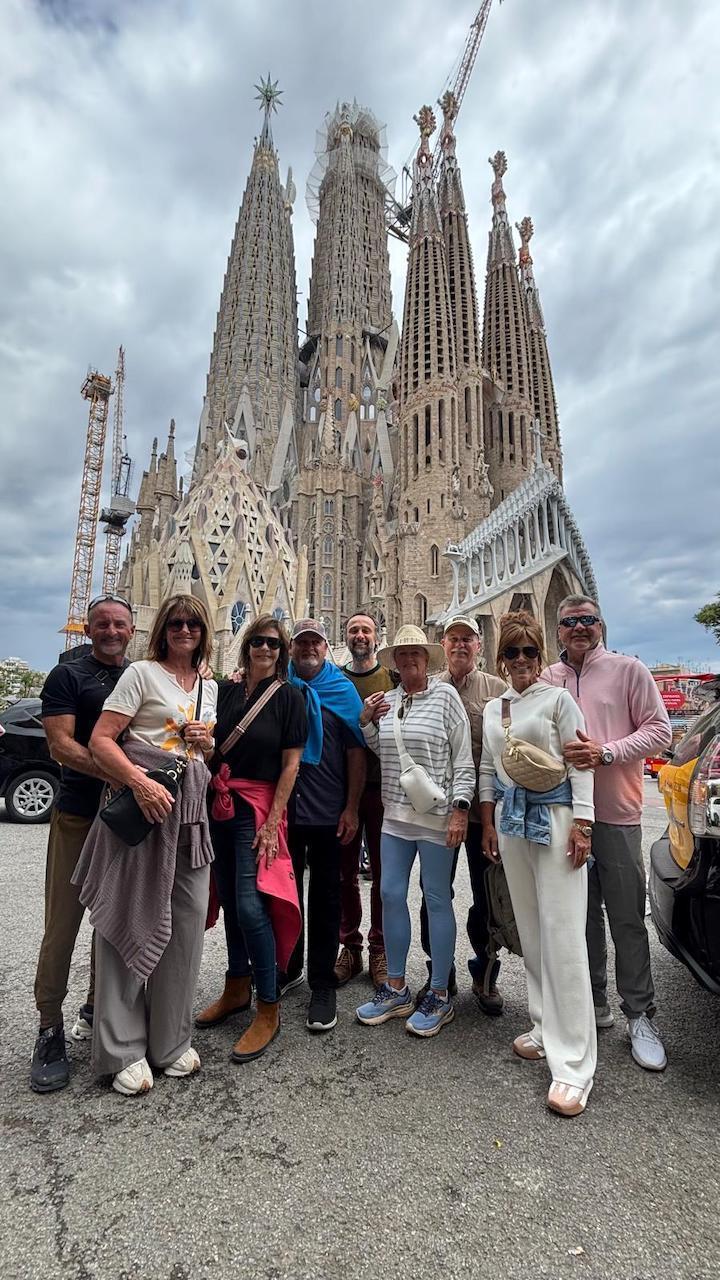
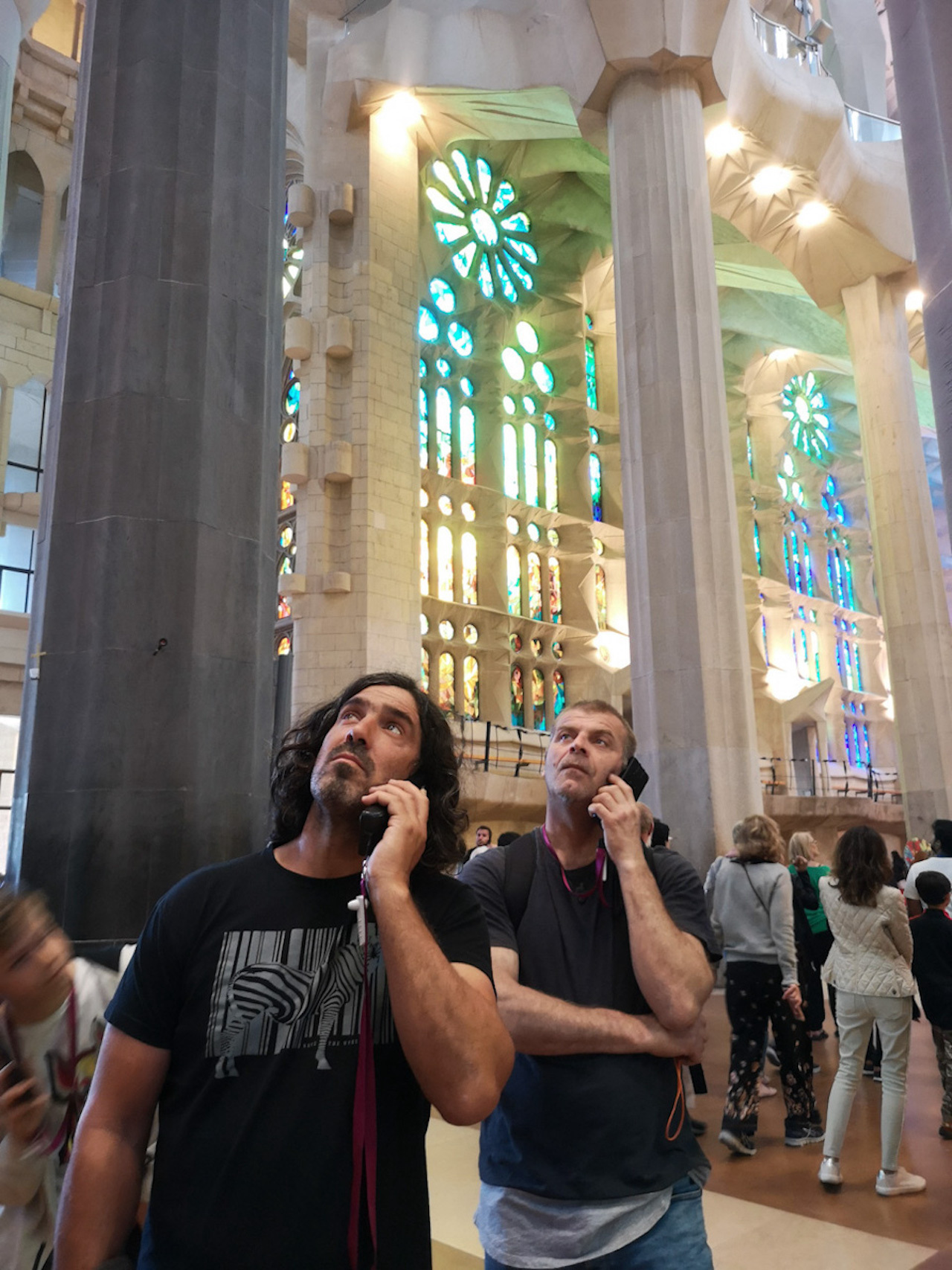
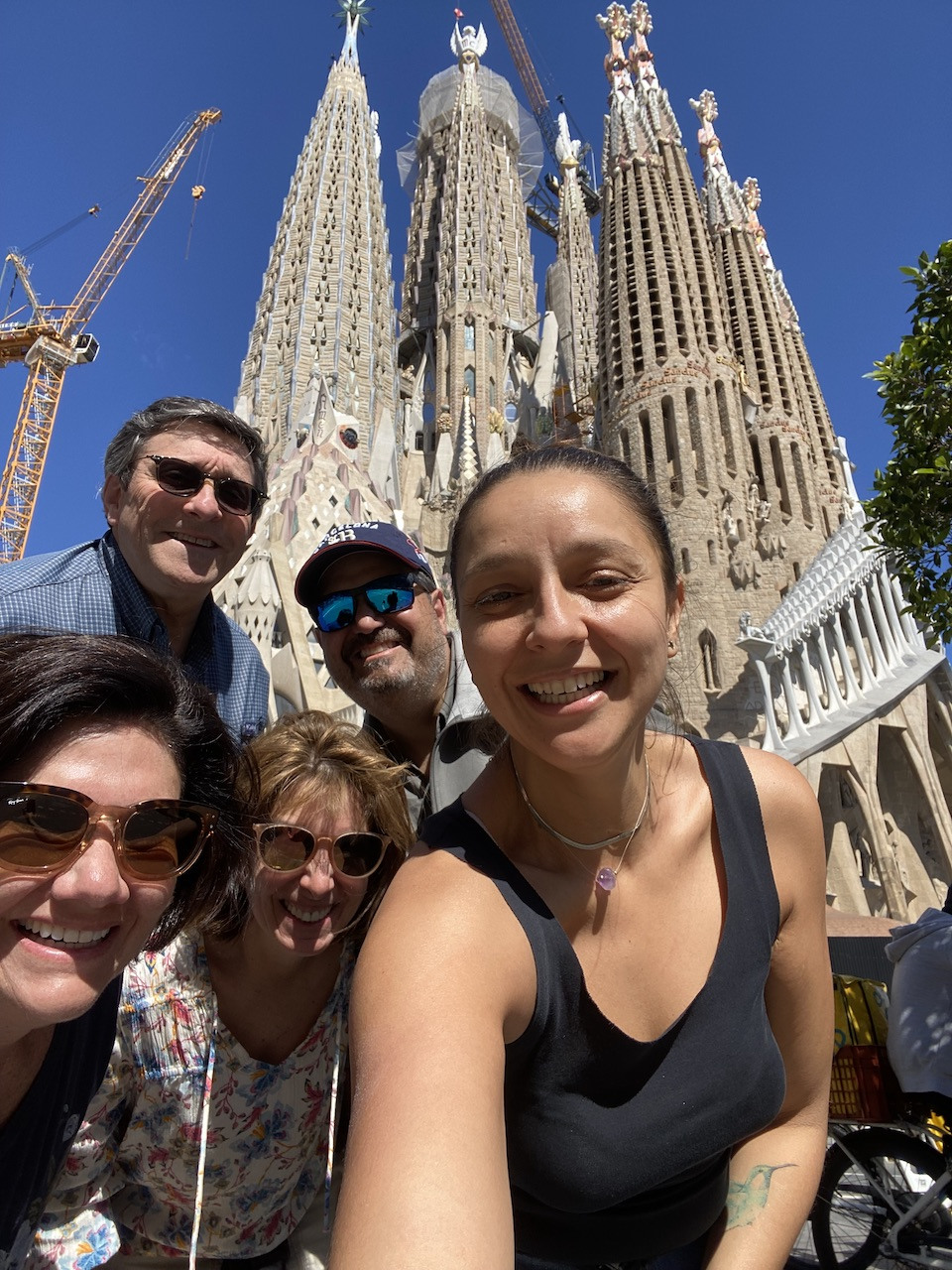
Religious Tour: Tickets to Sagrada Familia, Romans & Jewish Quarter
✓ Free cancellation Kids friendly
4.5(16 reviews)
From €199/ person
Book Now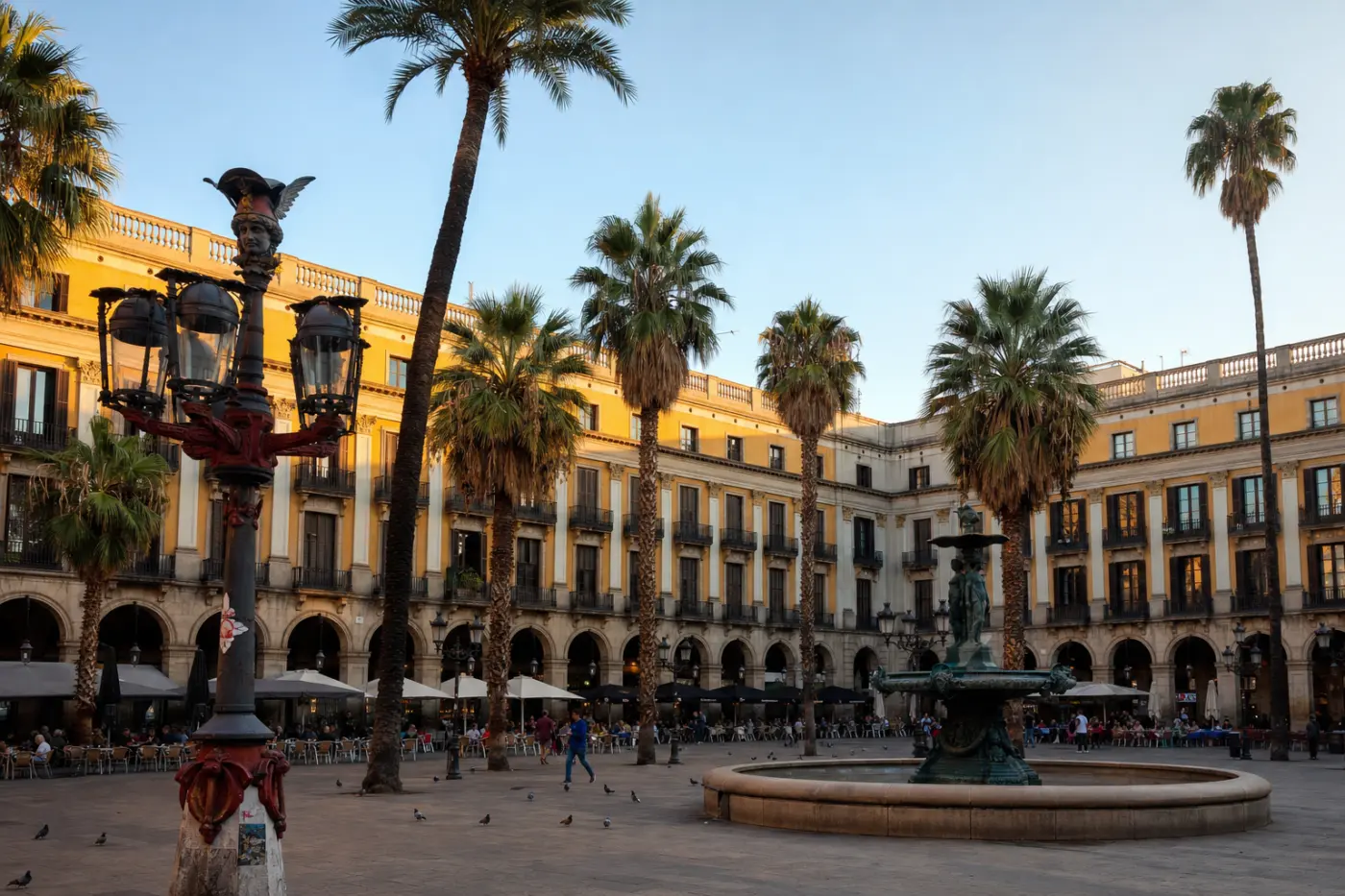
Tourist attraction
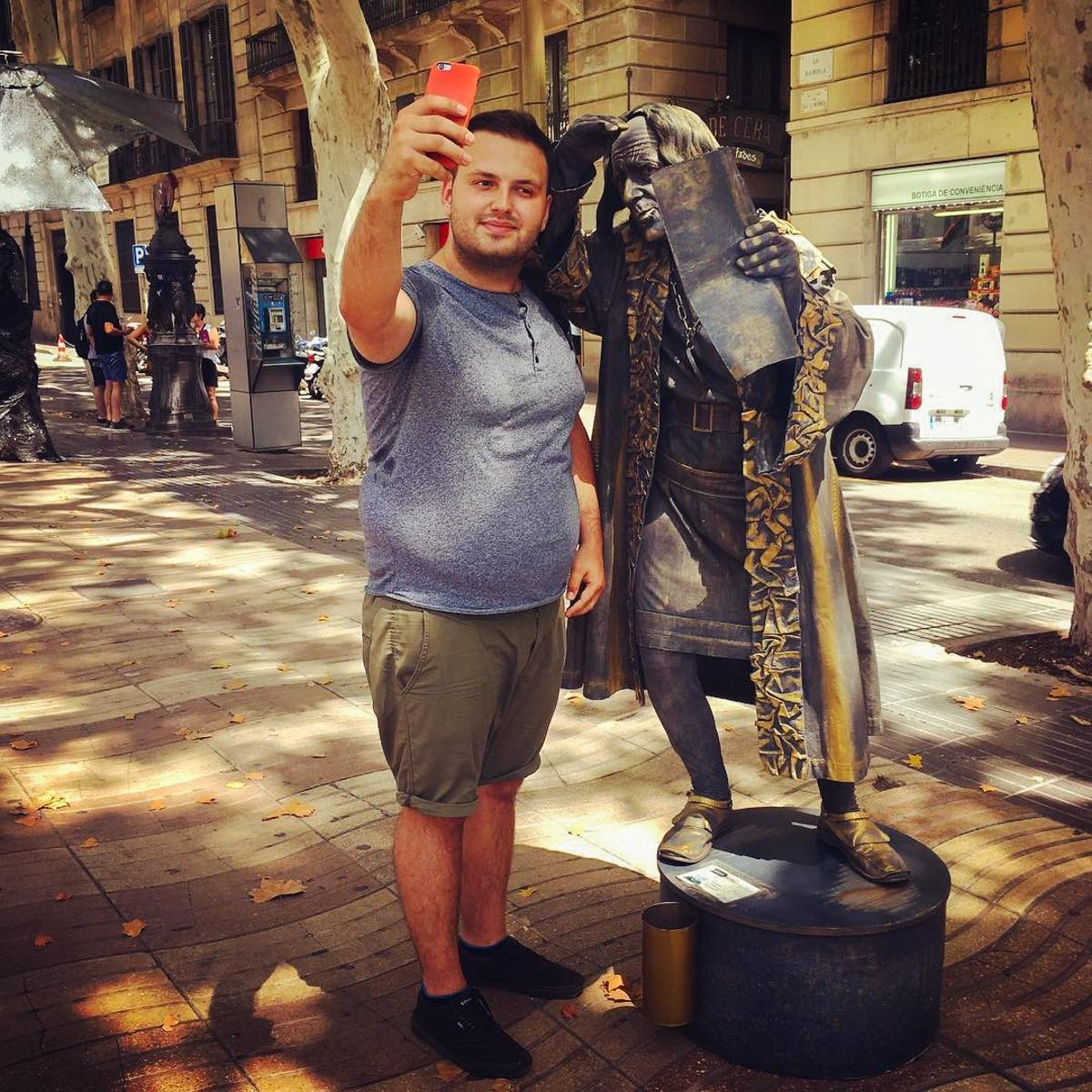
Plaça Reial — officially spelled in Catalan — is a vast neoclassical square nestled just off La Rambla in the heart of Barcelona's Gothic Quarter. Designed by Francesc Daniel Molina and inaugurated in 1848, the square was built on the grounds of a former Capuchin convent that had been demolished following the secularization laws of 1835. Its unified arcade of ochre-yellow buildings, three stories high with wrought-iron balconies and ground-floor porticos, encloses a rectangular space roughly 80 by 55 meters. At its center stands the large iron Fountain of the Three Graces, cast in 1878, depicting the goddesses Aglaea, Euphrosyne, and Thalia — an allegory of beauty, joy, and festivity that sets the tone for the square's enduring reputation as a place of pleasure and sociability.
The plaza gained an instantly recognizable landmark in 1879, when a young Antoni Gaudí — then only 27 and recently graduated from the Barcelona School of Architecture — received his very first public commission: to design the square's hexagonal lampposts. Each post is crowned with the winged helmet of Hermes and topped by six arms bearing globe lanterns, a motif drawn from classical mythology that also nodded to the commerce of the nearby port. These lampposts, still standing today, represent one of the earliest surviving examples of Gaudí's ornamental work in the city, predating the Sagrada Família commissions by several years. The square suffered a long period of neglect through much of the 20th century, becoming synonymous with petty crime and marginalization during the late Francoist era and the turbulent transition to democracy. Its revival came in 1982, when the city undertook a comprehensive restoration that cleaned the facades, repaired the arcades, and reactivated the ground-floor spaces with licensed restaurants and bars, reclaiming the square as a civic centerpiece ahead of the 1992 Olympic Games.
Today, Plaça Reial is one of the most animated public spaces in Barcelona. Sunday mornings bring a long-running coin and stamp collectors' market that has occupied the square for decades. The surrounding arcaded terraces host some of the city's most storied nightlife venues, including Sidecar, a basement music club that opened in 1982 and hosted pivotal acts of the Movida Barcelonina, and Jamboree, a jazz and blues club operating since 1960 in a vaulted space below the square's eastern arcade. Throughout the year the square serves as a stage for local festivals, including spectacular Sant Joan bonfires on June 23rd and impromptu flamenco and busking performances that fill the space most evenings.
Visiting Plaça Reial requires little planning — it is free to enter at all hours — but a few practical notes sharpen the experience. Arrive before 10 a.m. to see the square in relative quiet and photograph the lampposts without crowds. The Sunday collectors' market runs from approximately 9 a.m. to 2 p.m. The surrounding restaurants, while atmospheric, are priced for tourists; venture one block deeper into the Gothic Quarter for better-value dining. The square is accessible from La Rambla via the archway directly opposite Carrer dels Escudellers, and from the Gothic Quarter side via Carrer de Ferran. Pickpocketing remains a concern at peak hours, so keep bags zipped and in front of you.
Barcelona
Barcelona
Barcelona
Barcelona
Barcelona
Barcelona
Barcelona
Barcelona
Private tours with a local guide, at your own pace.
Barcelona
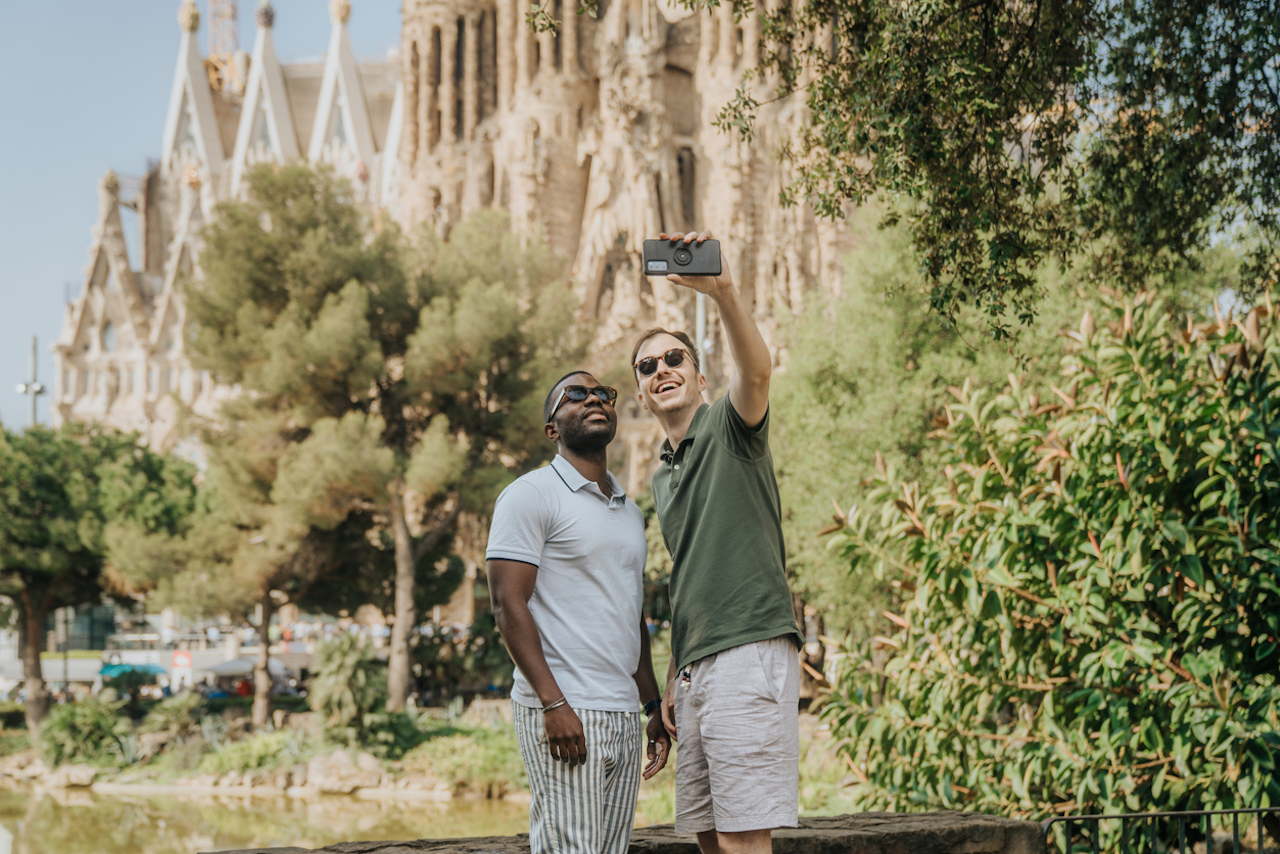
Barcelona
Barcelona
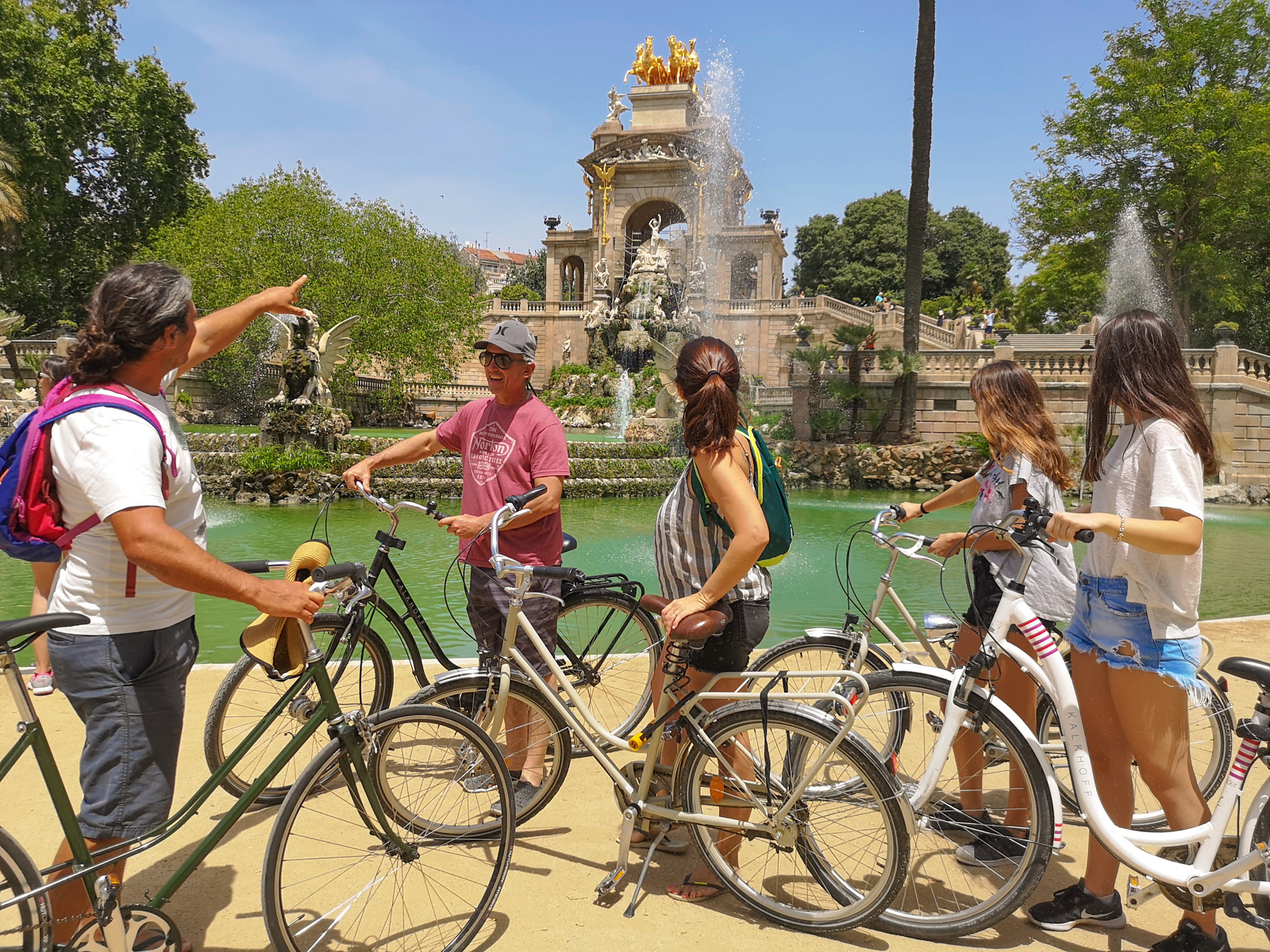
Barcelona
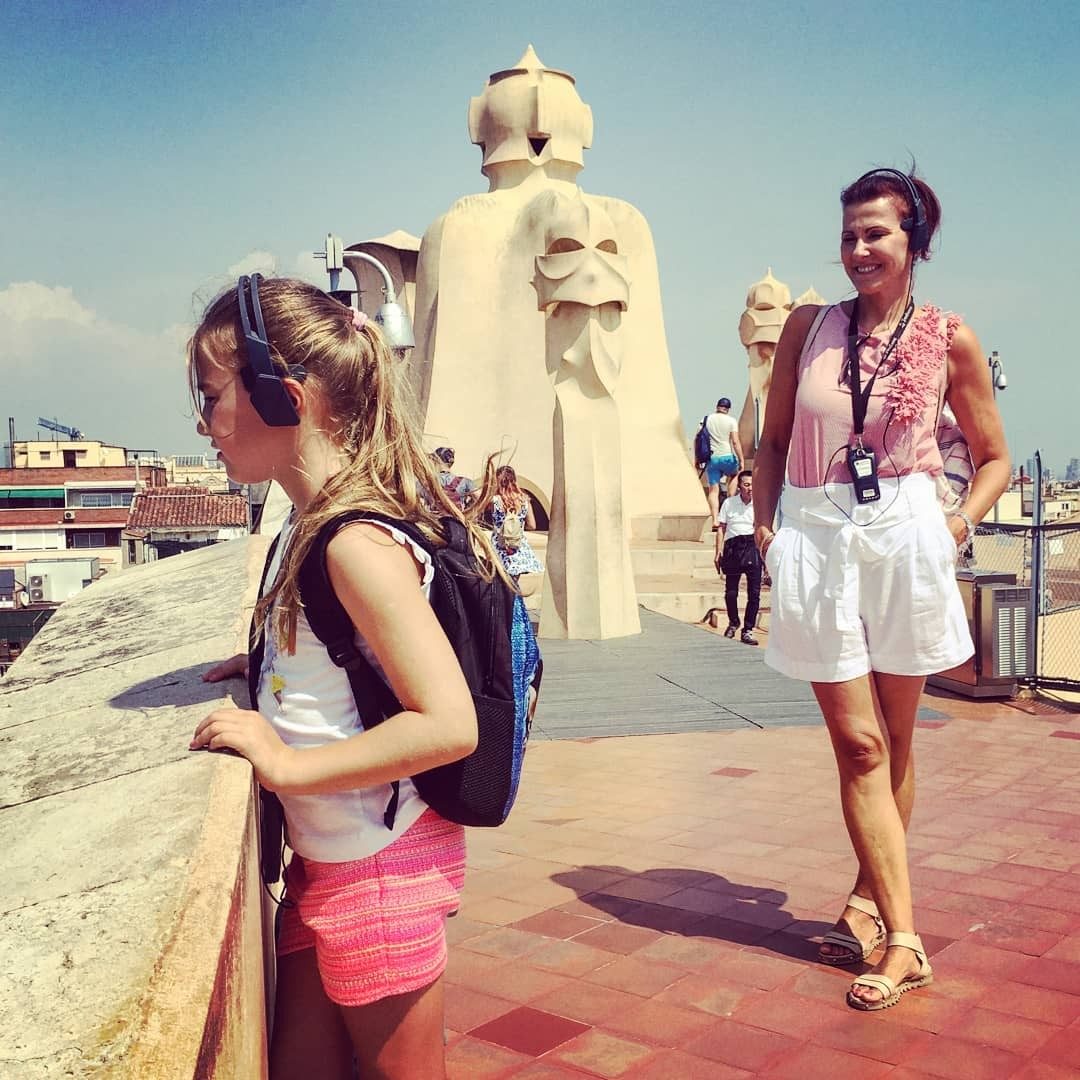
Barcelona
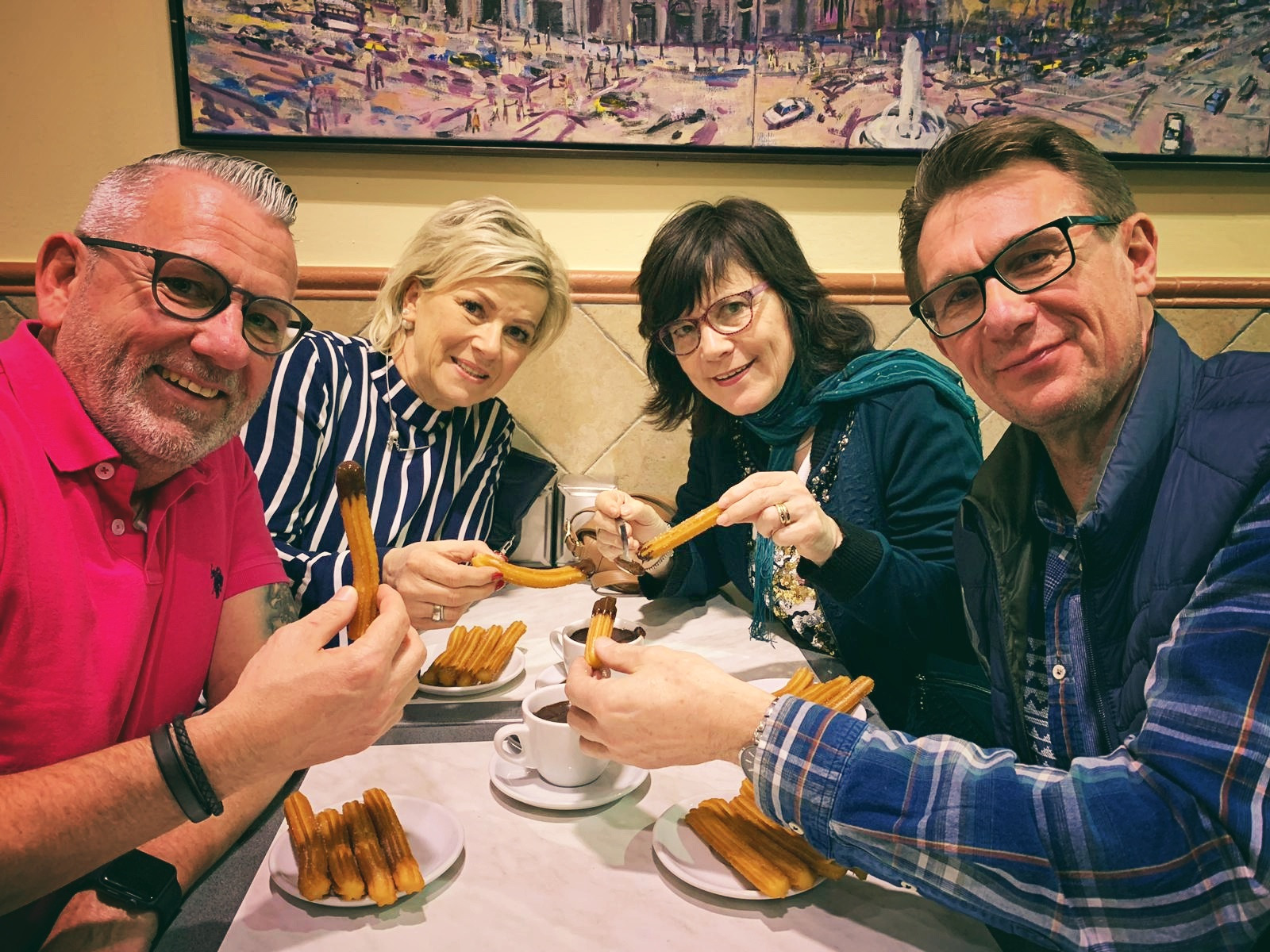
Barcelona

Barcelona
Barcelona
Barcelona
Barcelona
Barcelona
Barcelona
Barcelona
Barcelona
We use a single cookie, to remember this choice. We do not use analytics or advertising cookies. Read our cookie policy.