6 hrs
Lisboa
Lisbon Private Full-day Tour - History, Culture, Local Life & Gastro Experience
✓ Free cancellation Kids friendly
5.0(27 reviews)
From €219/ person
Book Now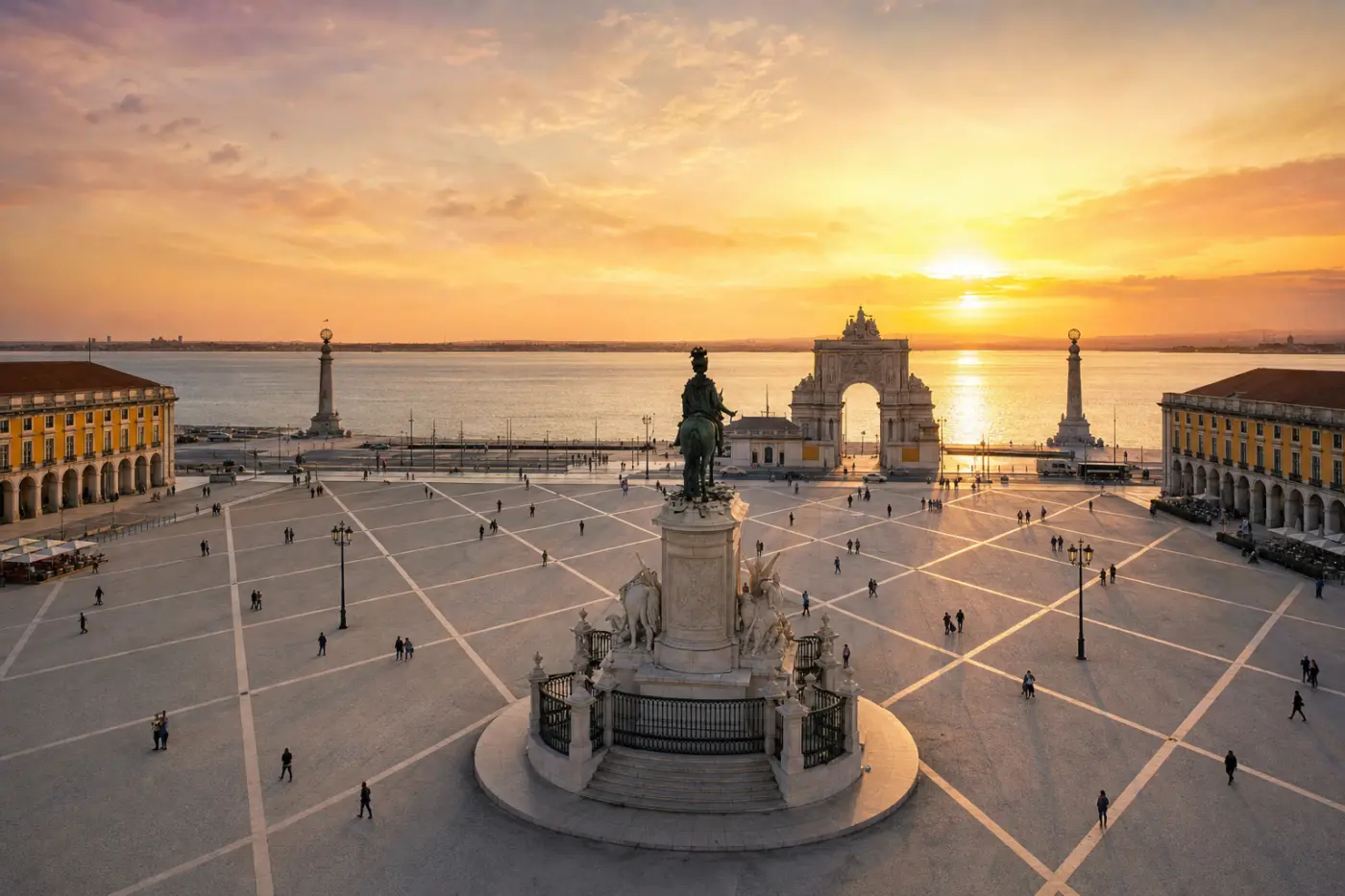
Tourist attraction
Praça do Comércio is Lisbon's largest and most historically charged public square, occupying roughly 36,000 square metres on the northern bank of the Tagus estuary in the Baixa district. Known to locals as Terreiro do Paço — Palace Square — its popular name recalls the Royal Palace that stood here from the 1500s until the catastrophic earthquake, tsunami, and fires of 1 November 1755 reduced it to rubble. The Marquis of Pombal, the autocratic minister who masterminded the city's reconstruction, repurposed the site as the commercial and administrative heart of the rebuilt Baixa grid. Construction of the current neoclassical ensemble was largely complete by 1776, with three sides enclosed by ochre-yellow arcaded government buildings and the fourth left entirely open to the river — a deliberate statement that Lisbon's identity was inseparable from the sea.
The square's central bronze equestrian statue of King José I, cast by Joaquim Machado de Castro and inaugurated in 1775, is one of the finest examples of 18th-century European sculpture. Its black patina comes not from age but from the traditional Portuguese practice of coating bronze with tar as a preservative. The northern side is pierced by the triumphal Arco da Rua Augusta, completed in 1875 after a construction process that stretched over a century — the arch frames an axial view straight up Rua Augusta toward Rossio, and the allegorical figures atop it represent Glory crowning Valor and Genius, flanked by the historical figures of Vasco da Gama and the Marquis of Pombal. Visitors can take an elevator inside the arch to a rooftop terrace with a panoramic view across the square, the Tagus, and the terracotta rooftops of Baixa. The square also carries a sombre political footnote: on 1 February 1908, King Carlos I and Crown Prince Luís Filipe were assassinated here in their open carriage, an event that accelerated the fall of the Portuguese monarchy just two years later in 1910.
Today the square functions as Lisbon's primary ceremonial and public gathering space. The riverside quay, Cais das Colunas — framed by two classical columns topped with the armillary sphere and the Portuguese coat of arms — is where ferries to Cacilhas across the Tagus depart, and where 19th-century steamships once disembarked passengers directly into the heart of the city. The wide, largely traffic-free expanse is used for open-air concerts, festivals, and political demonstrations. The arcaded ground-floor galleries house the Lisboa Story Centre (an interactive museum on the city's history), a Lisbon Welcome Centre, restaurants, and the celebrated Café Martinho da Arcada, founded in 1782 — making it one of the oldest operating cafés in Portugal and a former haunt of poet Fernando Pessoa.
The square is best experienced in the early morning before tour groups arrive, when the light off the Tagus turns the yellow façades a deep gold and the Arco da Rua Augusta frames an almost cinematic perspective toward the Baixa. Come at sunset for the opposite view: the arch and the palace arcades glow amber against the darkening river. The nearest Metro station is Terreiro do Paço (Blue Line), and trams 15E and 25E stop directly on the adjacent riverfront. Entry to the square is free; the Arco da Rua Augusta rooftop charges a small fee and should be booked in advance during peak season.
Private tours with a local guide, at your own pace.
Lisboa
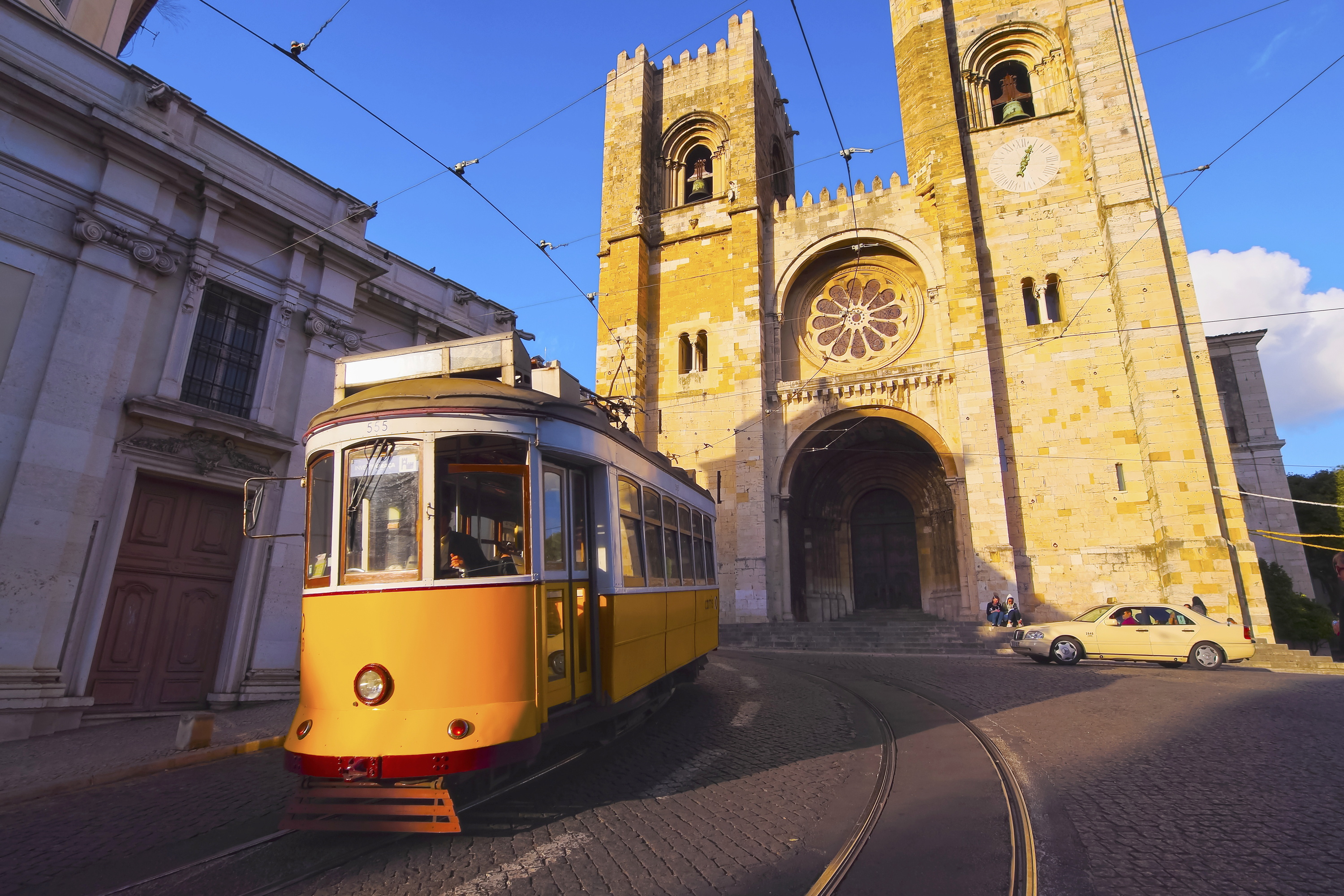
Lisboa
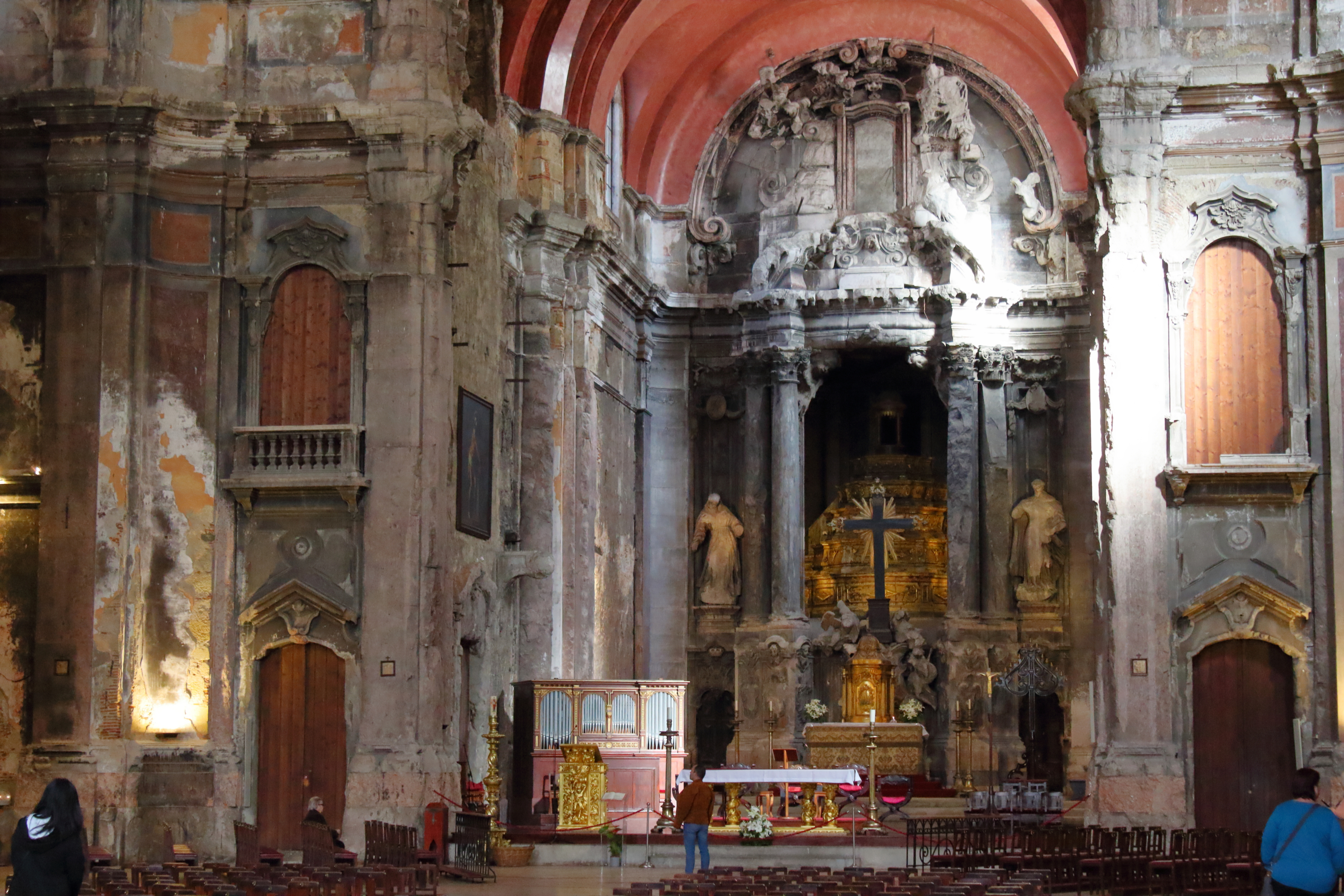
Lisboa

Lisboa
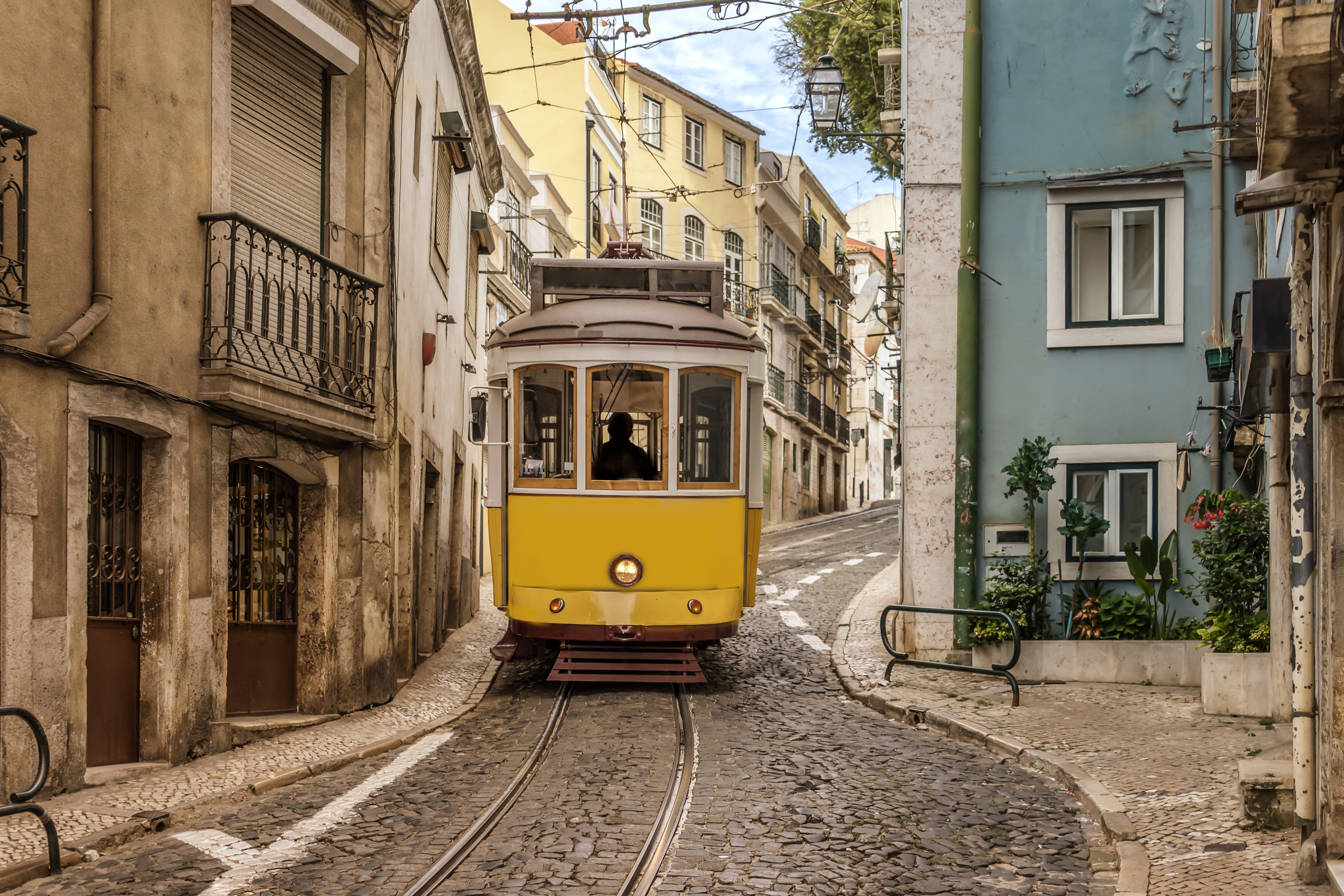
Lisboa

Lisboa

Lisboa
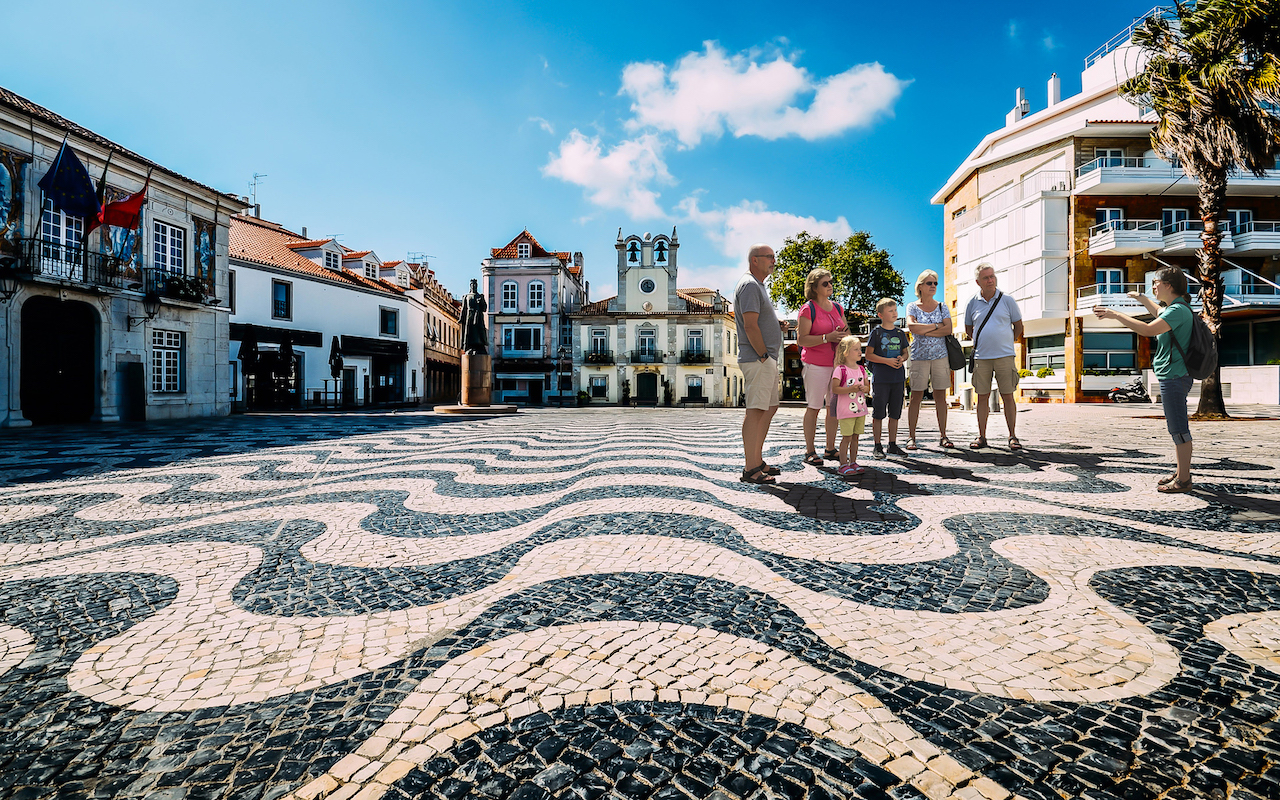
Lisboa
Lisboa
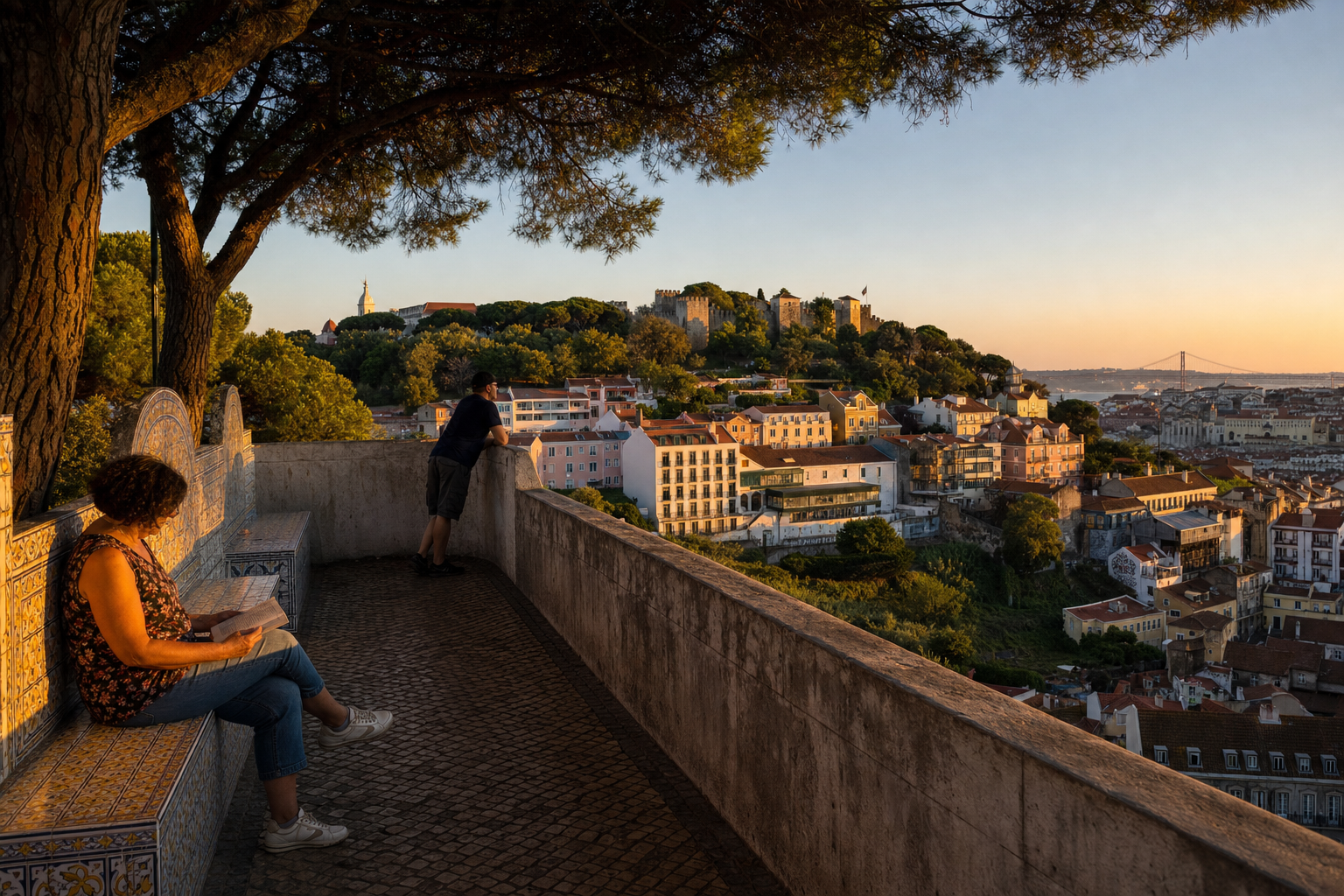
On the morning of 1 November 1755 — All Saints' Day — a catastrophic earthquake followed by a tsunami and fire destroyed roughly 85% of Lisbon. What you walk through today is, in large part, a city deliberately rebuilt from scratch. But not all of it. Alfama, clinging to its bedrock ridge above the Tagus, survived almost untouched. Mouraria, pressed against the castle hill, kept its labyrinthine medieval lanes. Belém, several kilometres west, was far enough from the epicentre to preserve its extraordinary Manueline monuments. These geological and historical accidents shaped the city's character as profoundly as any monarch or architect — and they explain why Lisbon's neighborhoods feel so radically different from one another, even when separated by a ten-minute walk. This guide goes beyond the postcard version. It digs into the specific histories, architectural DNA, and cultural layers that make each district genuinely distinct — and tells you what you'd actually miss if you only followed the crowds.
Read more →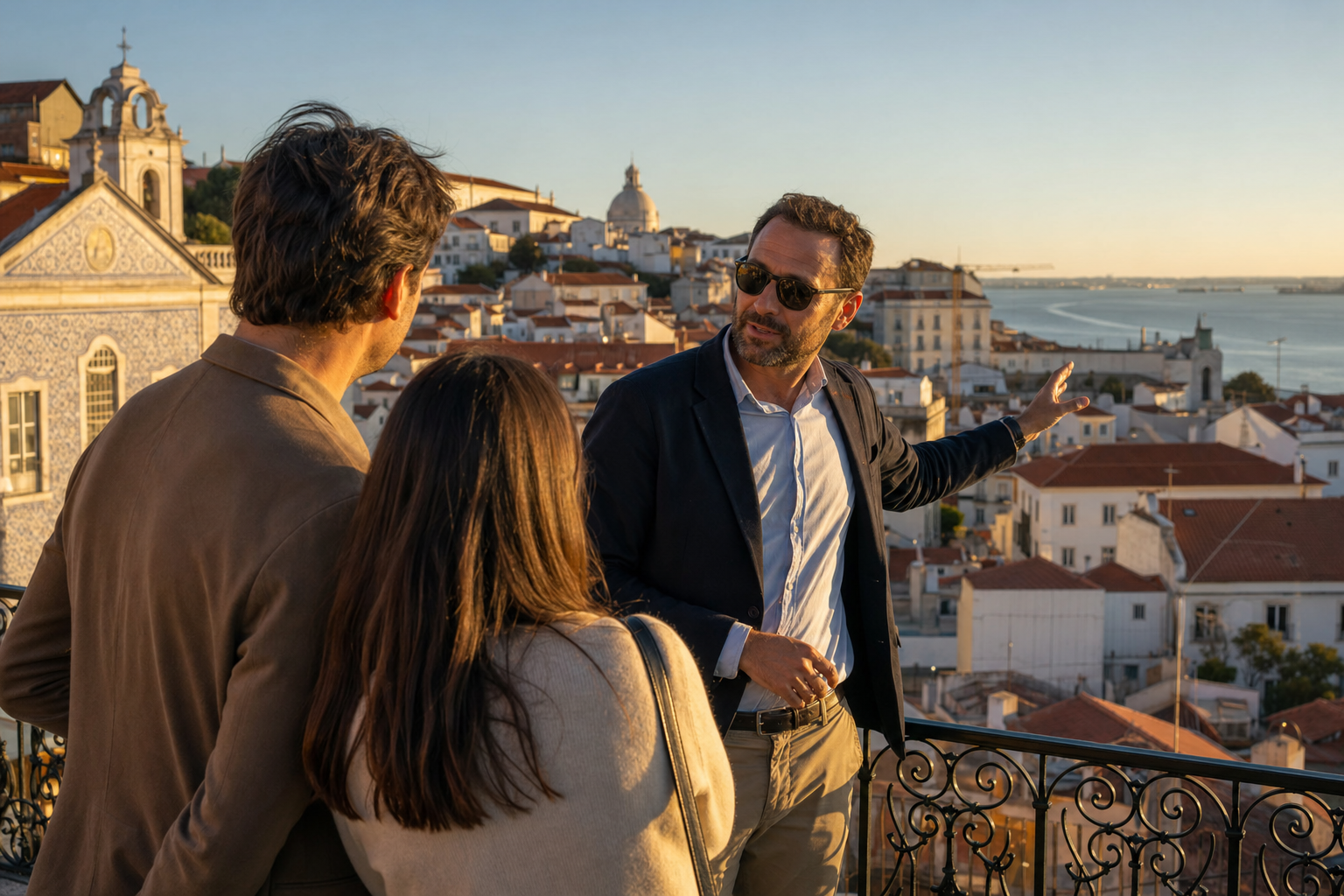
On the morning of 1 November 1755 — All Saints' Day — a catastrophic earthquake, followed by a tsunami and firestorm, killed between 30,000 and 40,000 people and erased the medieval centre of Lisbon in under six minutes. The city that rose from the rubble was rebuilt on an entirely different logic: the rational Pombaline grid of Baixa, named after the Marquis of Pombal who oversaw the reconstruction. That rupture still defines every street, tile panel, and viewpoint you encounter today — but almost no group tour has the time or flexibility to explain why. Lisbon is not one city; it is at least four, stacked across seven hills, shaped by a global maritime empire, a catastrophic earthquake, and centuries of cultural layering that even most visitors who have been here before have only scratched the surface of. That is precisely why private tours in Lisbon work so differently from anywhere else in Europe — and why getting them right matters.
Read more →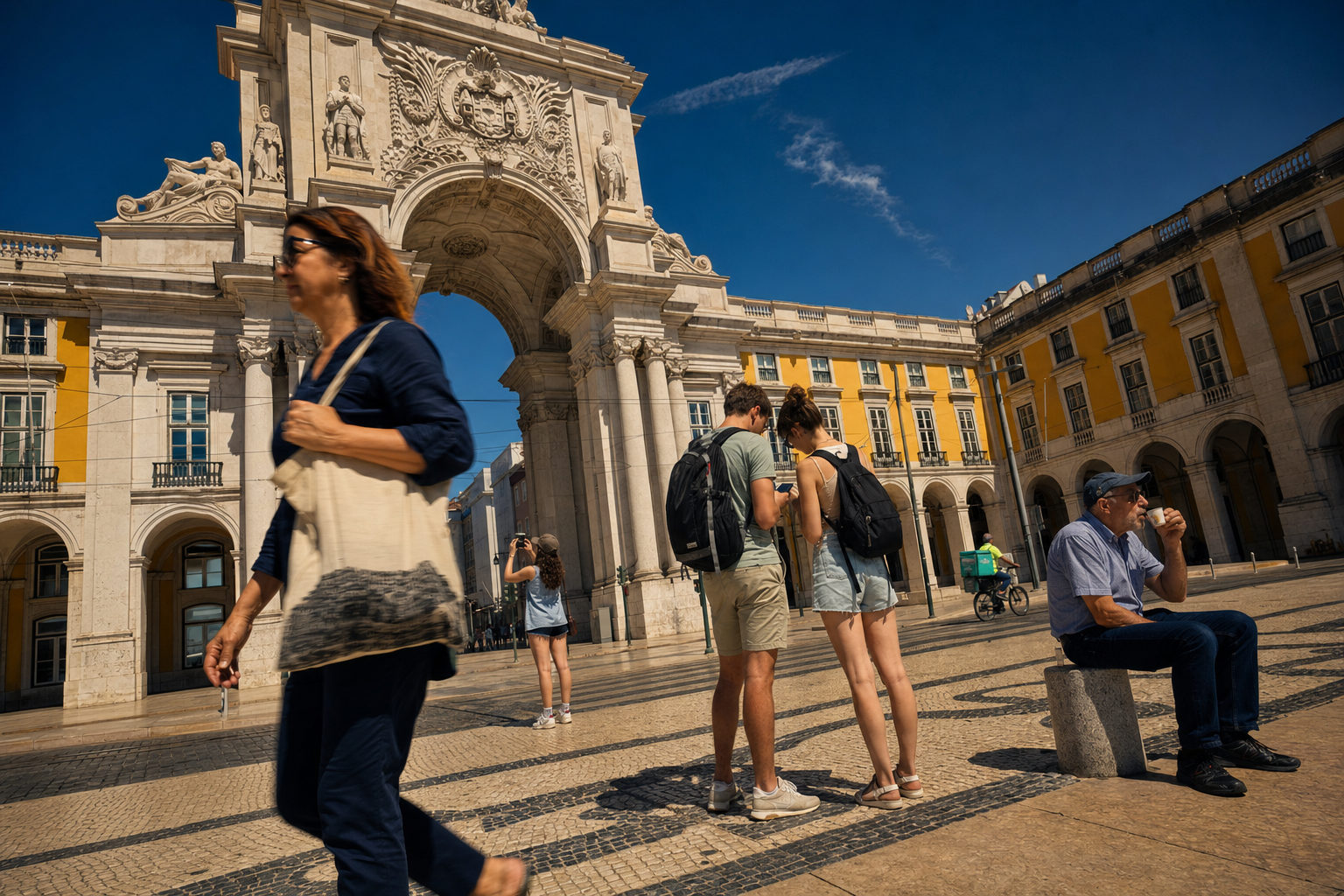
At 9:40 on the morning of 1 November 1755 — All Saints' Day, when most of Lisbon's population was inside a church — an earthquake estimated between 8.5 and 9 on the Richter scale struck the city. Three separate tremors, a tsunami, and fires that burned for five days killed between 30,000 and 40,000 people and levelled roughly 85% of the built environment. The Marquis of Pombal rebuilt the lower city from scratch on a rational Enlightenment grid — one of the first planned urban rebuilds in European history. But one neighbourhood didn't fall. Alfama, the ancient Moorish quarter, sat on solid schist bedrock and held. The street pattern you walk today is the one laid down before the 12th century. That single geological accident is the reason Lisbon feels unlike any other Western European capital: its oldest layers weren't buried under 19th-century renovation. They stayed visible, walkable, and inhabited. A long weekend in Lisbon — three full days, properly structured — is enough time to feel that depth across millennia of empire, faith, and fado. But only if you spend those days the right way.
Read more →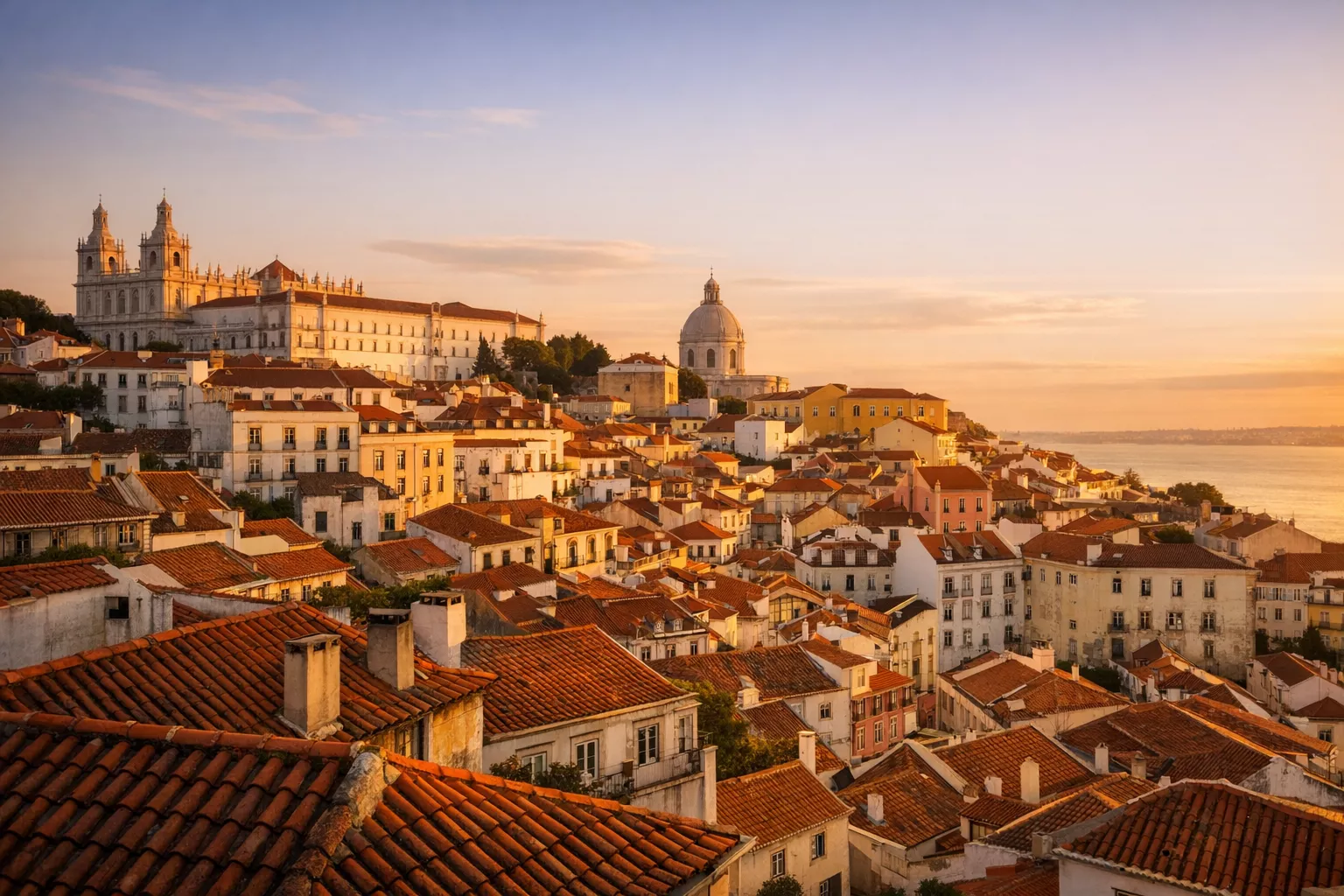
Discover the vibrant city of Lisbon, where history, culture, and gastronomy blend together perfectly. Whether you're a history buff, a foodie, or an adventurer, this guide will reveal the top things to do in Lisbon, along with links to exclusive local tours.
Read more →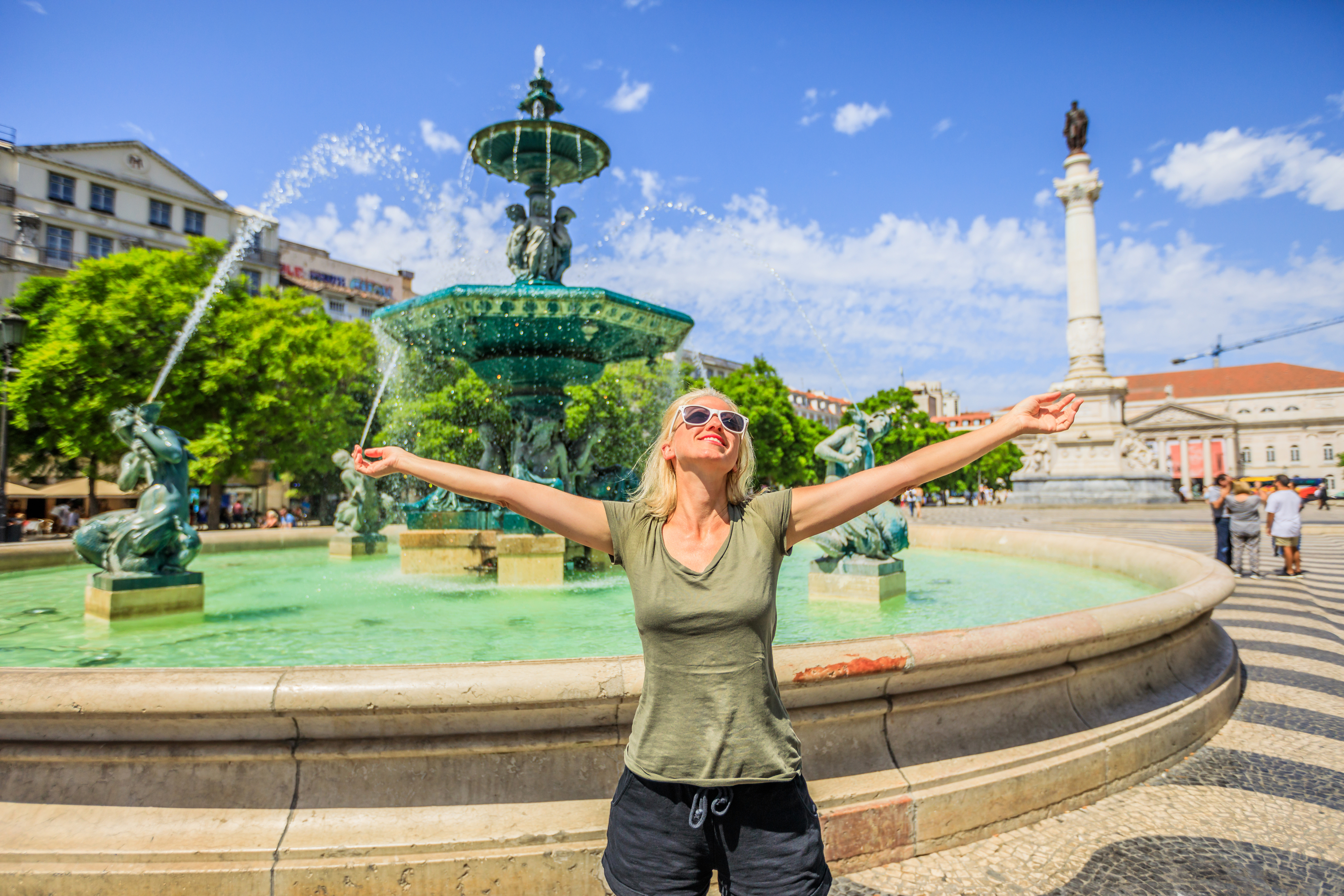
Lisbon, the capital city of Portugal, is a vibrant and enchanting destination that offers a perfect blend of history, culture, and natural beauty. From its picturesque neighborhoods to its stunning architectural landmarks, Lisbon has something to offer every traveler. Whether you have just a few days or a whole week, this city will captivate you with its charm and allure.
Read more →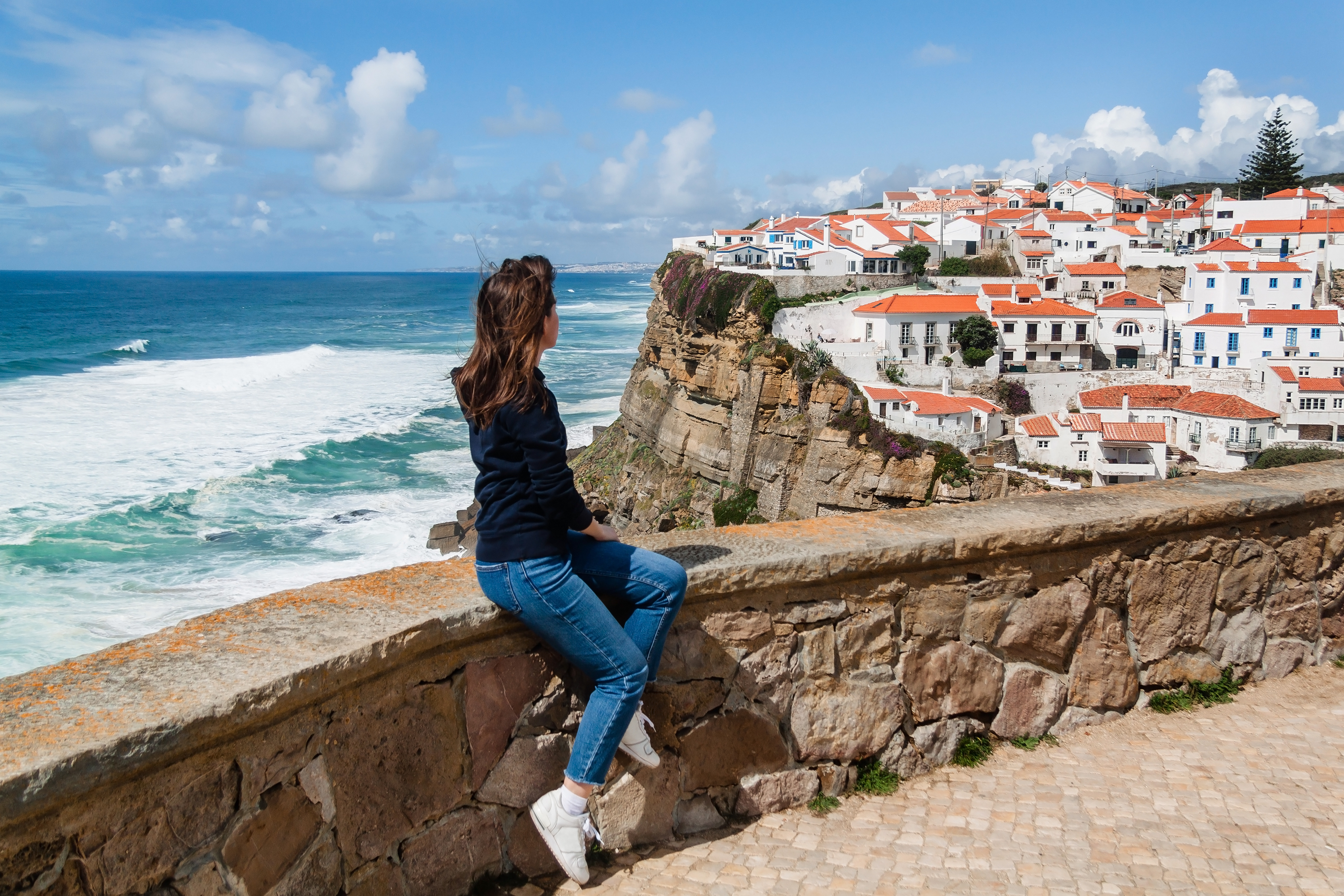
In the vicinity of Lisbon there are many beautiful villages and places to visit on day trips. At any time of the year, you can discover small towns, palaces, castles, beaches and beautiful landscapes. Signing up for a private tour with a local guide can be a very good option, so that you don't miss any detail, learn about history, while optimising time and money. Otherwise, it is also possible to do it on your own, thanks to public transport or rental cars. Which places do we recommend?
Read more →We use a single cookie, to remember this choice. We do not use analytics or advertising cookies. Read our cookie policy.