8 hrs
Lisboa
Sintra, Cascais & Estoril Private Tour - Palace Regaleira Tickets
✓ Free cancellation Kids friendly
4.7(14 reviews)
From €375/ person
Book Now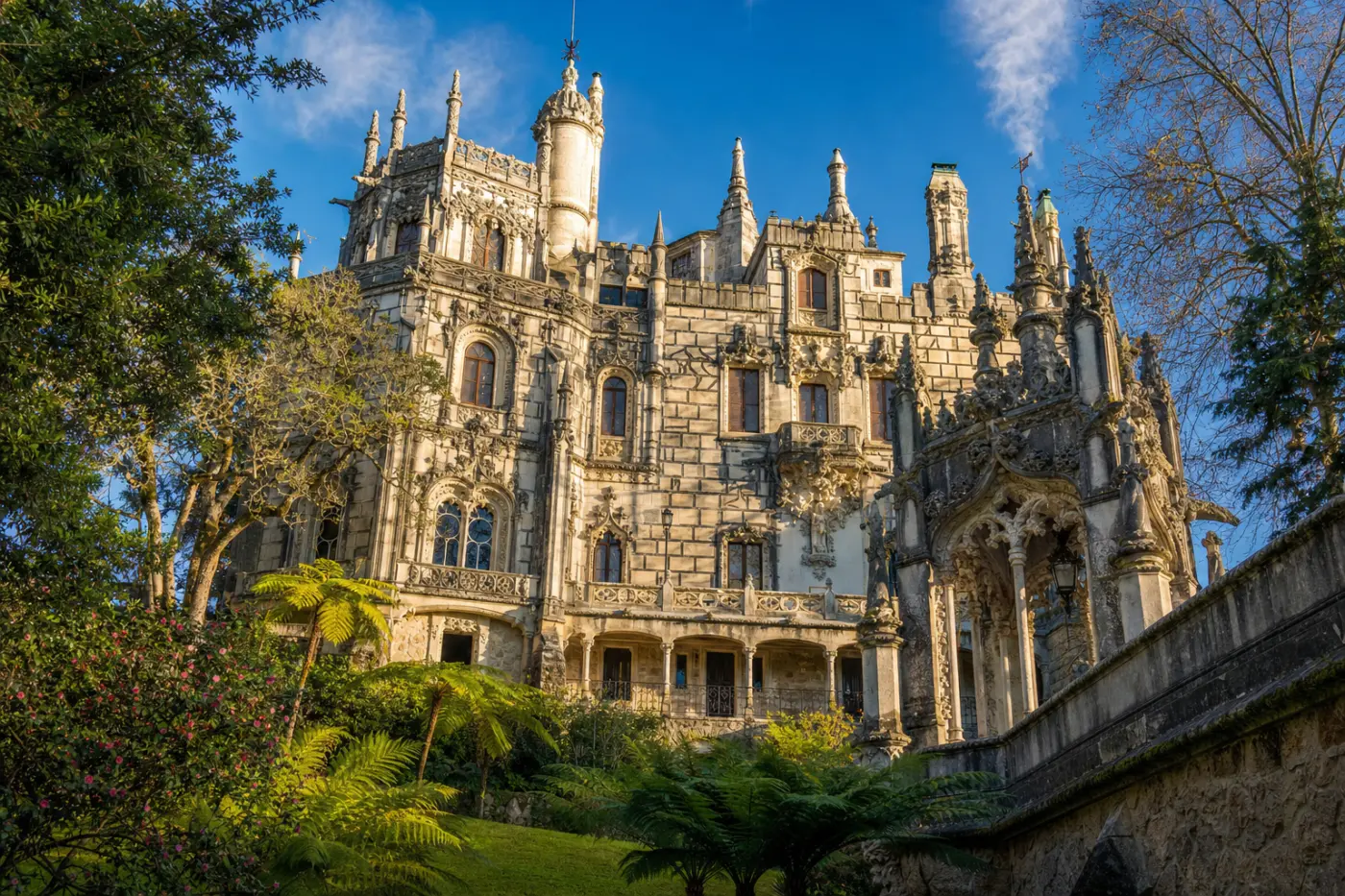
Tourist attraction
Quinta da Regaleira is a 4-hectare estate on the outskirts of Sintra, roughly 30 kilometres northwest of Lisbon, classified as a UNESCO World Heritage Site as part of the Cultural Landscape of Sintra since 1995. The property's defining structures — a neo-Manueline palace, a chapel, and an elaborate network of grottoes, lakes, and wells — were commissioned by Brazilian-born millionaire António Augusto Carvalho Monteiro, who purchased the estate in 1892 and hired Italian opera set designer and architect Luigi Manini to realise his vision between 1904 and 1910. Carvalho Monteiro, nicknamed "Monteiro dos Milhões" for his immense coffee-trade fortune, was a devout Catholic, Freemason, and Rosicrucian, and he encoded the estate with layered symbolism drawn from alchemy, Templar mythology, and Dante's Divine Comedy. The palace façade is encrusted with armillary spheres, crosses of the Order of Christ, and naturalistic stone carvings of coral, seashells, and foliage — hallmarks of the Manueline style that consciously echo the great monuments of Portugal's Age of Discovery.
The estate's most celebrated feature is the Initiation Well (Poço Iniciático), a 27-metre-deep inverted tower that spirals underground via nine moss-covered landings connected by a stone staircase of 15 steps per flight. The number nine references the nine levels of Dante's Inferno and the nine ranks of the Knights Templar, while the eight-pointed star at the well's base is a recurring Masonic motif. A second, unfinished structure known as the Unfinished Well (Poço Imperfeito) stands nearby, its rough-hewn walls deliberately left incomplete as a philosophical statement about human imperfection. Connecting the wells are roughly 500 metres of underground tunnels lit by dim electric lanterns, opening unexpectedly into grottos adorned with stalactites, moss-draped niches, and small fountains — a subterranean world designed to disorient and awe in equal measure.
Above ground, the gardens climb steeply through terraced levels dense with fern, cedar, and camellia, punctuated by a chapel whose interior walls are clad in azulejo tile panels depicting scenes of the Stations of the Cross. A cascade of water flows from a grotto beneath a moss-covered bridge into a lake stocked historically with exotic fish. The palace interior, partially open to visitors, contains rooms furnished in period style with Portuguese faience tiles, carved chestnut ceilings, and a library that once housed Carvalho Monteiro's remarkable collection of over 30,000 volumes on esoteric and natural history subjects. After his death in 1920, the estate passed through several owners before the Municipality of Sintra acquired it in 1997, undertaking a decade of restoration before opening it fully to the public.
Visitors should allocate at minimum two to three hours to do the property justice, and considerably more if they intend to trace every tunnel and terrace. The Initiation Well fills quickly after opening — arrive at the 9:30 a.m. opening time to descend without queuing. Wear flat, rubber-soled shoes: the moss-covered stone steps inside the well and throughout the tunnels are perpetually damp and uneven. The estate is a 10-minute uphill walk from Sintra train station or a short taxi ride; the train from Lisbon's Rossio station runs every 20–30 minutes and takes approximately 40 minutes. Tickets must be purchased in advance online, as walk-up availability is severely limited, particularly between April and October.
Private tours with a local guide, at your own pace.
Lisboa

Lisboa
Lisboa
Lisboa

Lisboa
Lisboa

Lisboa
Lisboa
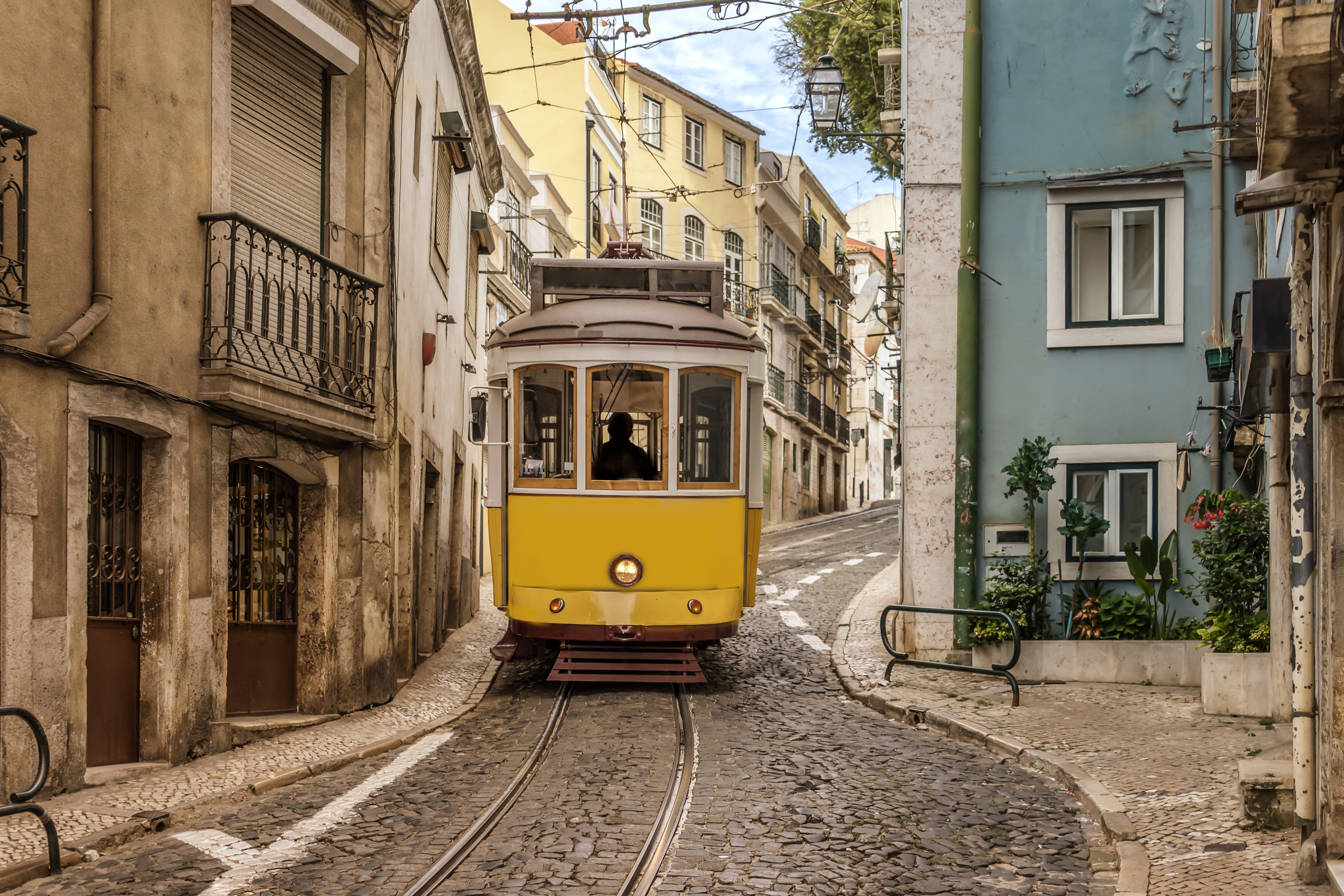
Lisboa
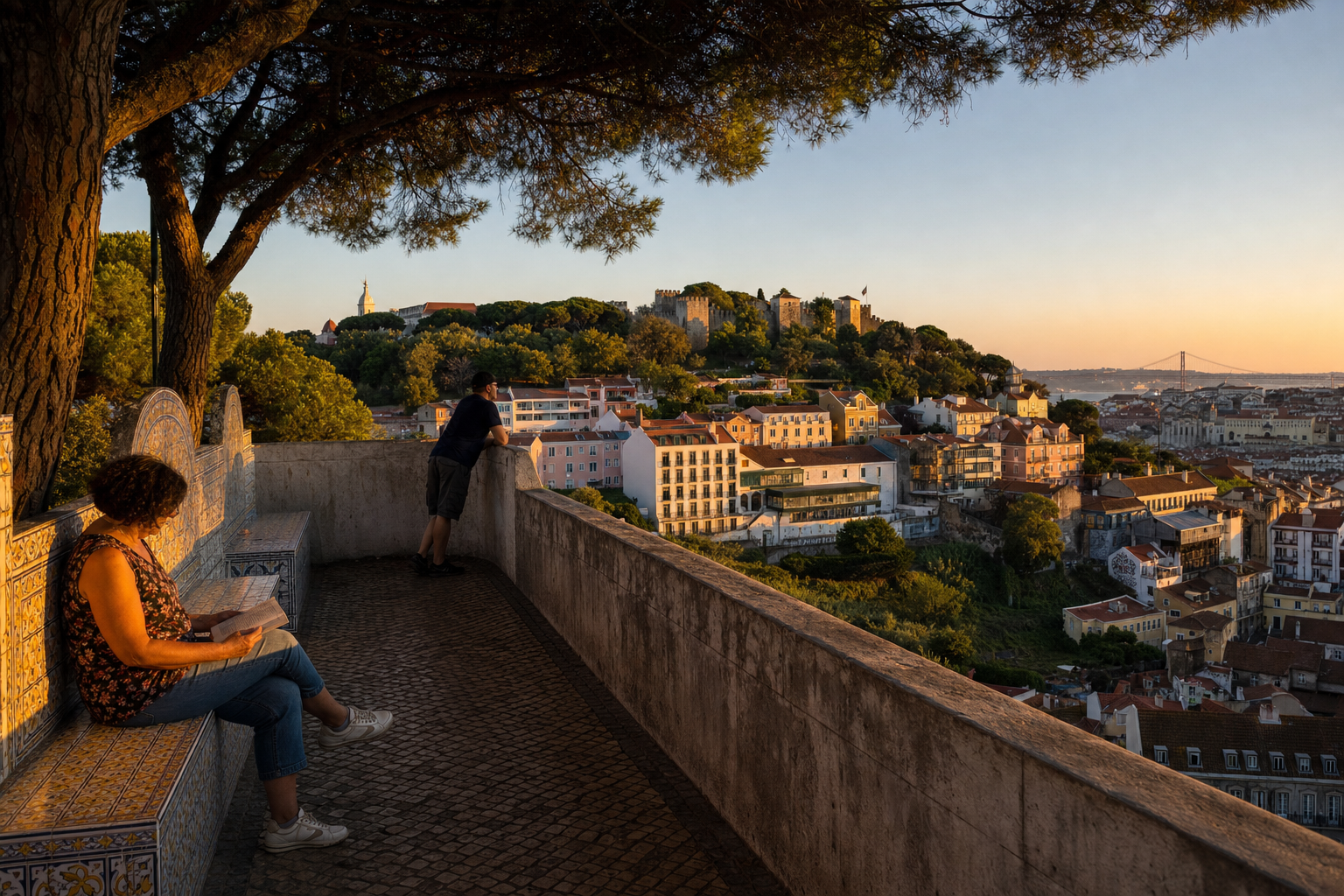
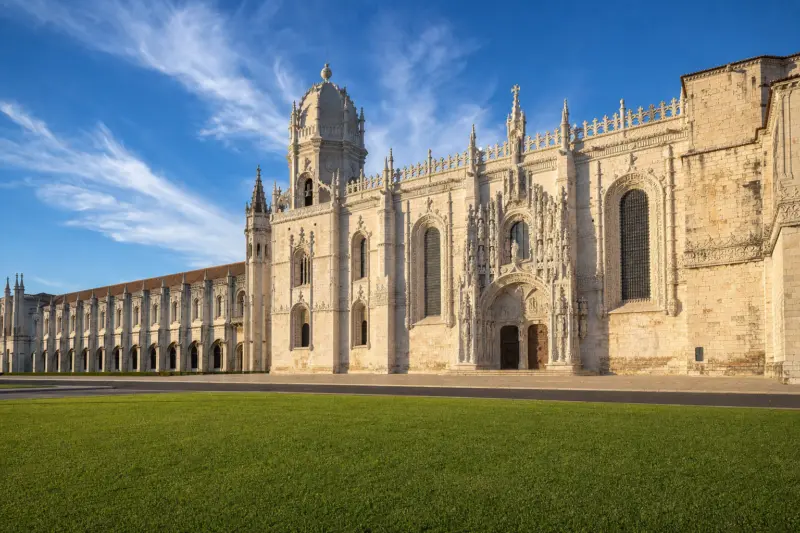
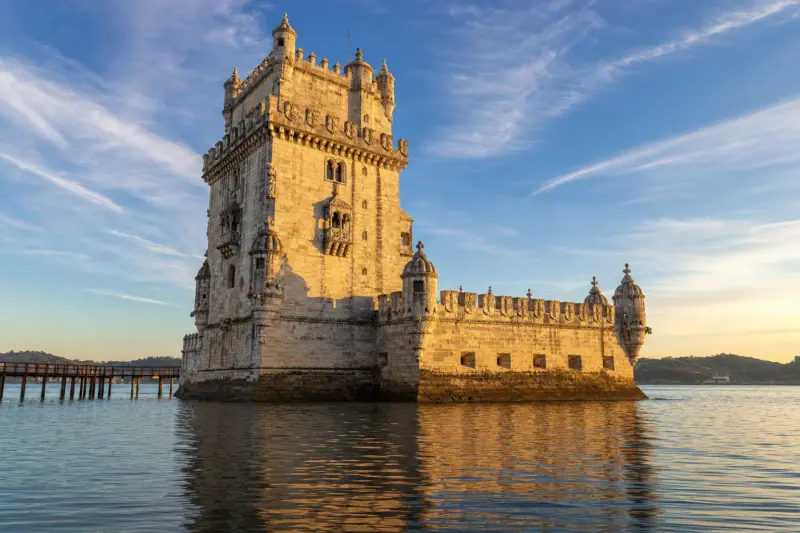
On the morning of 1 November 1755 — All Saints' Day — a catastrophic earthquake followed by a tsunami and fire destroyed roughly 85% of Lisbon. What you walk through today is, in large part, a city deliberately rebuilt from scratch. But not all of it. Alfama, clinging to its bedrock ridge above the Tagus, survived almost untouched. Mouraria, pressed against the castle hill, kept its labyrinthine medieval lanes. Belém, several kilometres west, was far enough from the epicentre to preserve its extraordinary Manueline monuments. These geological and historical accidents shaped the city's character as profoundly as any monarch or architect — and they explain why Lisbon's neighborhoods feel so radically different from one another, even when separated by a ten-minute walk. This guide goes beyond the postcard version. It digs into the specific histories, architectural DNA, and cultural layers that make each district genuinely distinct — and tells you what you'd actually miss if you only followed the crowds.
Read more →
On the morning of 1 November 1755 — All Saints' Day — a catastrophic earthquake, followed by a tsunami and firestorm, killed between 30,000 and 40,000 people and erased the medieval centre of Lisbon in under six minutes. The city that rose from the rubble was rebuilt on an entirely different logic: the rational Pombaline grid of Baixa, named after the Marquis of Pombal who oversaw the reconstruction. That rupture still defines every street, tile panel, and viewpoint you encounter today — but almost no group tour has the time or flexibility to explain why. Lisbon is not one city; it is at least four, stacked across seven hills, shaped by a global maritime empire, a catastrophic earthquake, and centuries of cultural layering that even most visitors who have been here before have only scratched the surface of. That is precisely why private tours in Lisbon work so differently from anywhere else in Europe — and why getting them right matters.
Read more →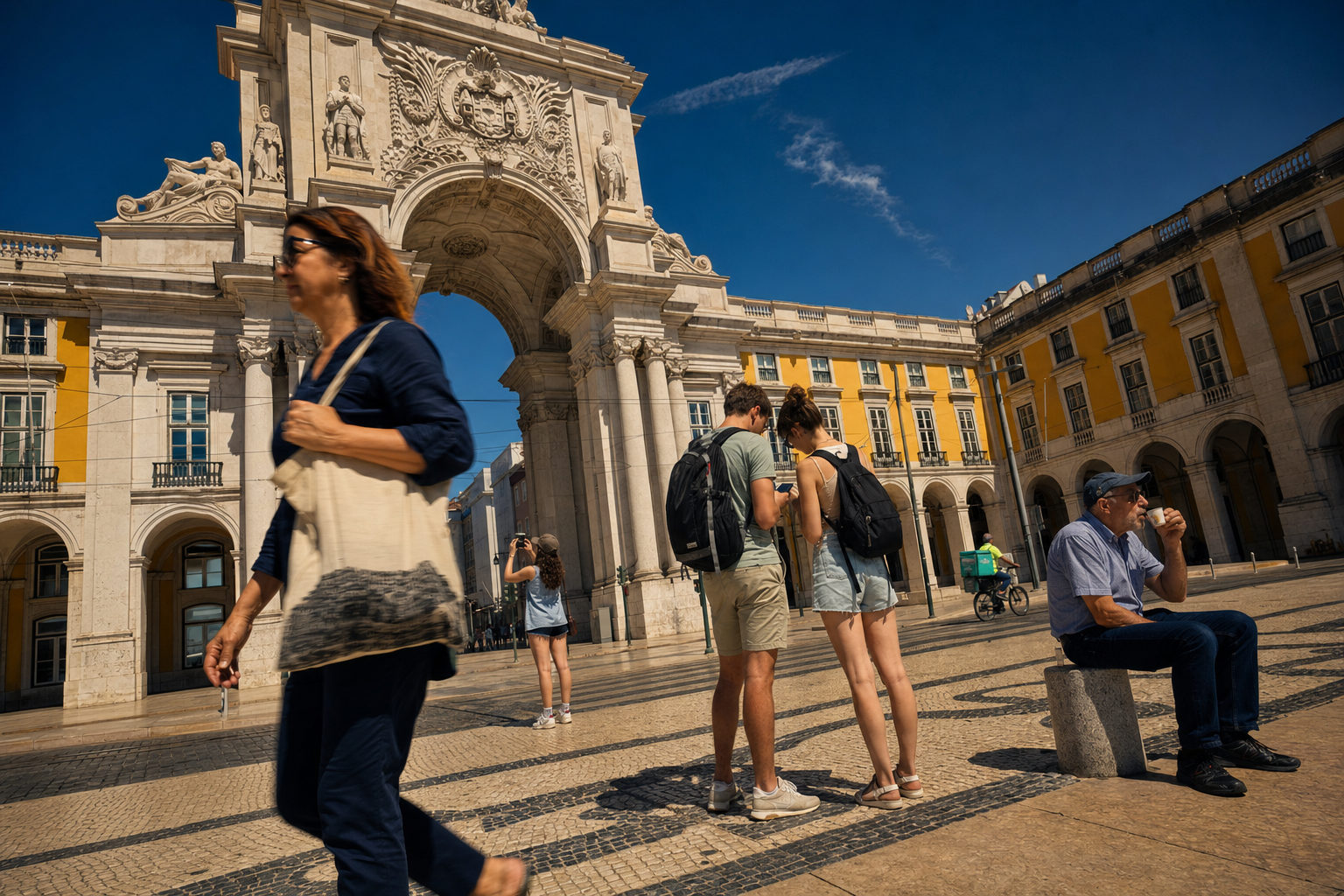
At 9:40 on the morning of 1 November 1755 — All Saints' Day, when most of Lisbon's population was inside a church — an earthquake estimated between 8.5 and 9 on the Richter scale struck the city. Three separate tremors, a tsunami, and fires that burned for five days killed between 30,000 and 40,000 people and levelled roughly 85% of the built environment. The Marquis of Pombal rebuilt the lower city from scratch on a rational Enlightenment grid — one of the first planned urban rebuilds in European history. But one neighbourhood didn't fall. Alfama, the ancient Moorish quarter, sat on solid schist bedrock and held. The street pattern you walk today is the one laid down before the 12th century. That single geological accident is the reason Lisbon feels unlike any other Western European capital: its oldest layers weren't buried under 19th-century renovation. They stayed visible, walkable, and inhabited. A long weekend in Lisbon — three full days, properly structured — is enough time to feel that depth across millennia of empire, faith, and fado. But only if you spend those days the right way.
Read more →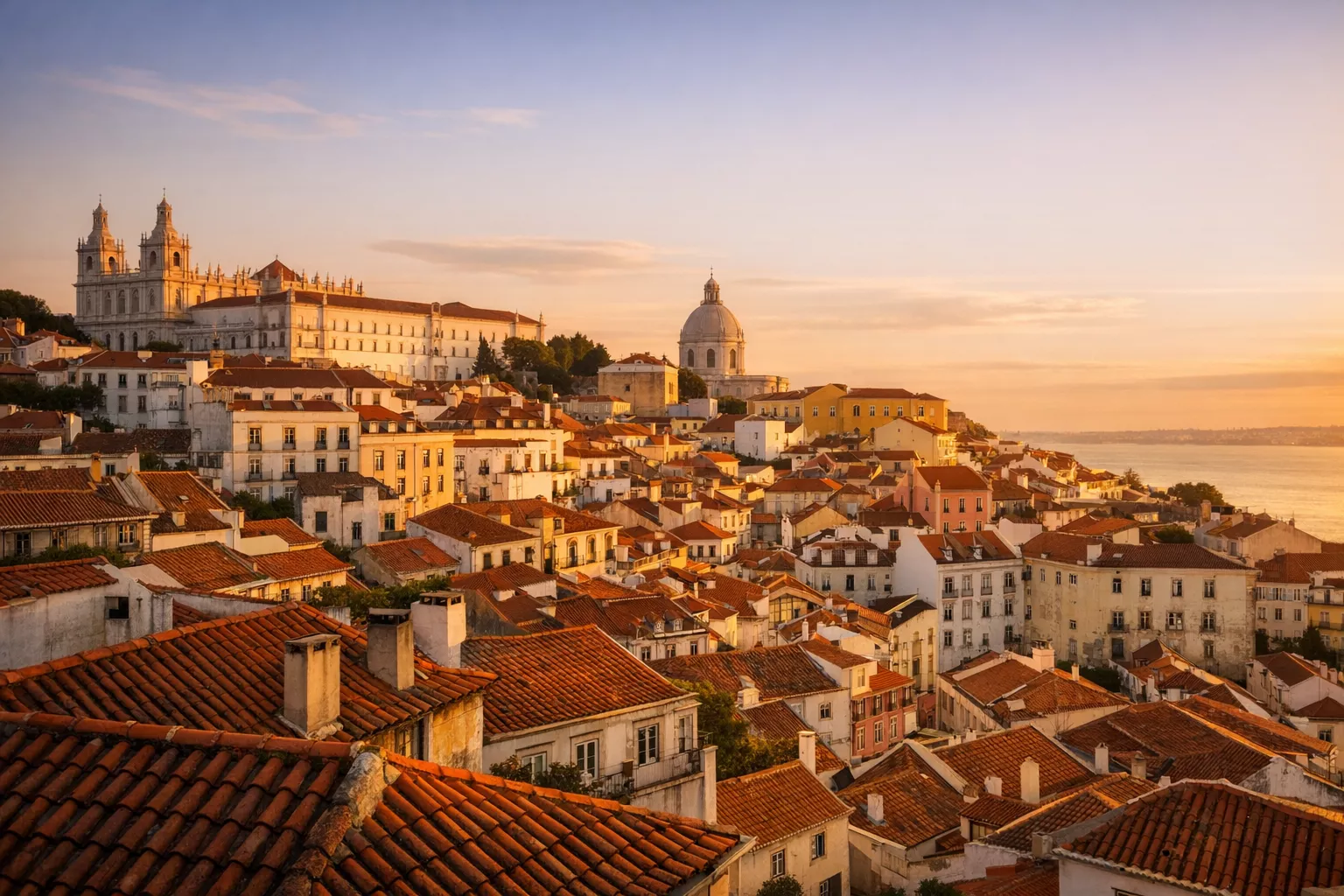
Discover the vibrant city of Lisbon, where history, culture, and gastronomy blend together perfectly. Whether you're a history buff, a foodie, or an adventurer, this guide will reveal the top things to do in Lisbon, along with links to exclusive local tours.
Read more →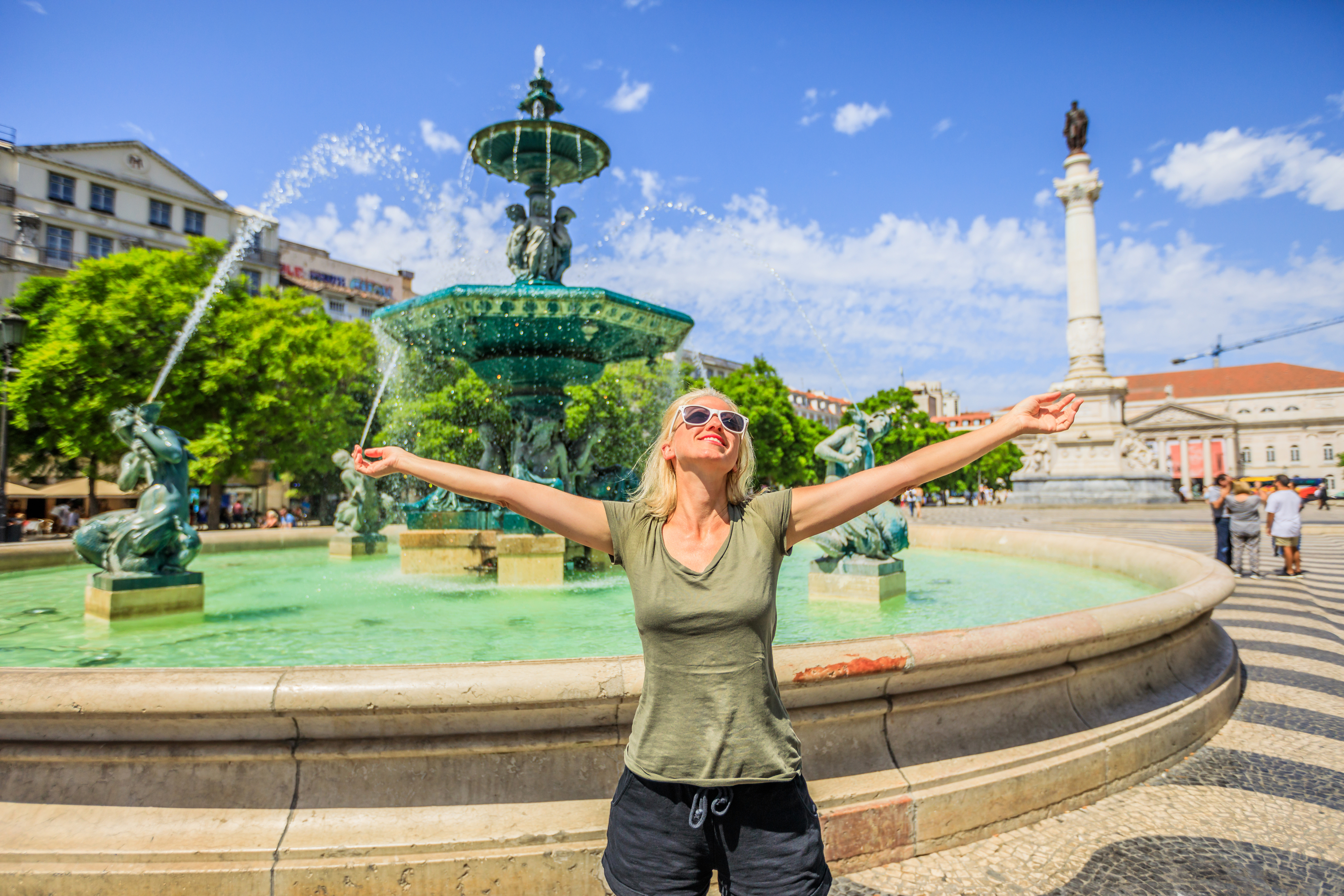
Lisbon, the capital city of Portugal, is a vibrant and enchanting destination that offers a perfect blend of history, culture, and natural beauty. From its picturesque neighborhoods to its stunning architectural landmarks, Lisbon has something to offer every traveler. Whether you have just a few days or a whole week, this city will captivate you with its charm and allure.
Read more →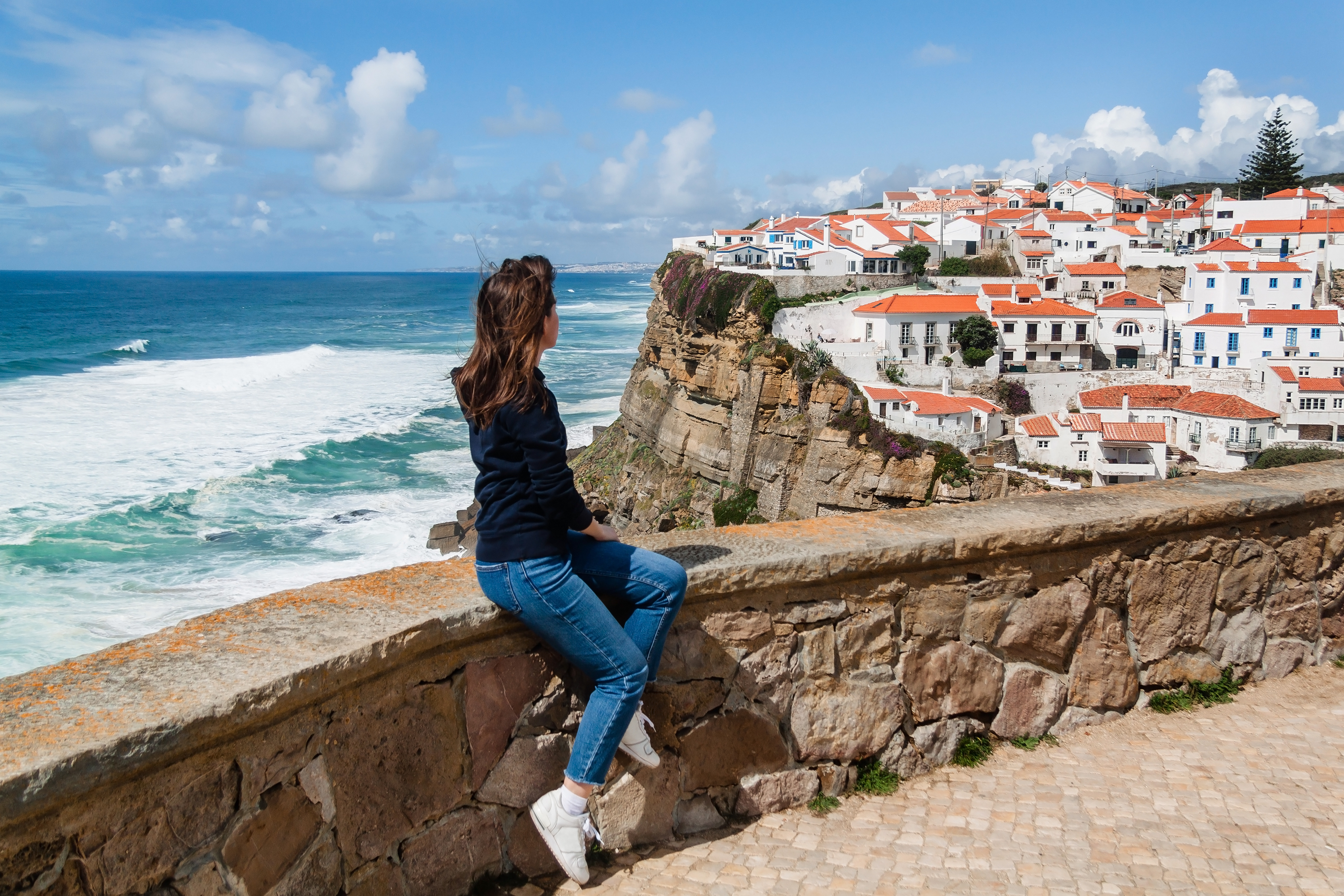
In the vicinity of Lisbon there are many beautiful villages and places to visit on day trips. At any time of the year, you can discover small towns, palaces, castles, beaches and beautiful landscapes. Signing up for a private tour with a local guide can be a very good option, so that you don't miss any detail, learn about history, while optimising time and money. Otherwise, it is also possible to do it on your own, thanks to public transport or rental cars. Which places do we recommend?
Read more →We use a single cookie, to remember this choice. We do not use analytics or advertising cookies. Read our cookie policy.