6 hrs
Lisboa
Lisbon Private Full-day Tour - History, Culture, Local Life & Gastro Experience
✓ Free cancellation Kids friendly
5.0(27 reviews)
From €219/ person
Book Now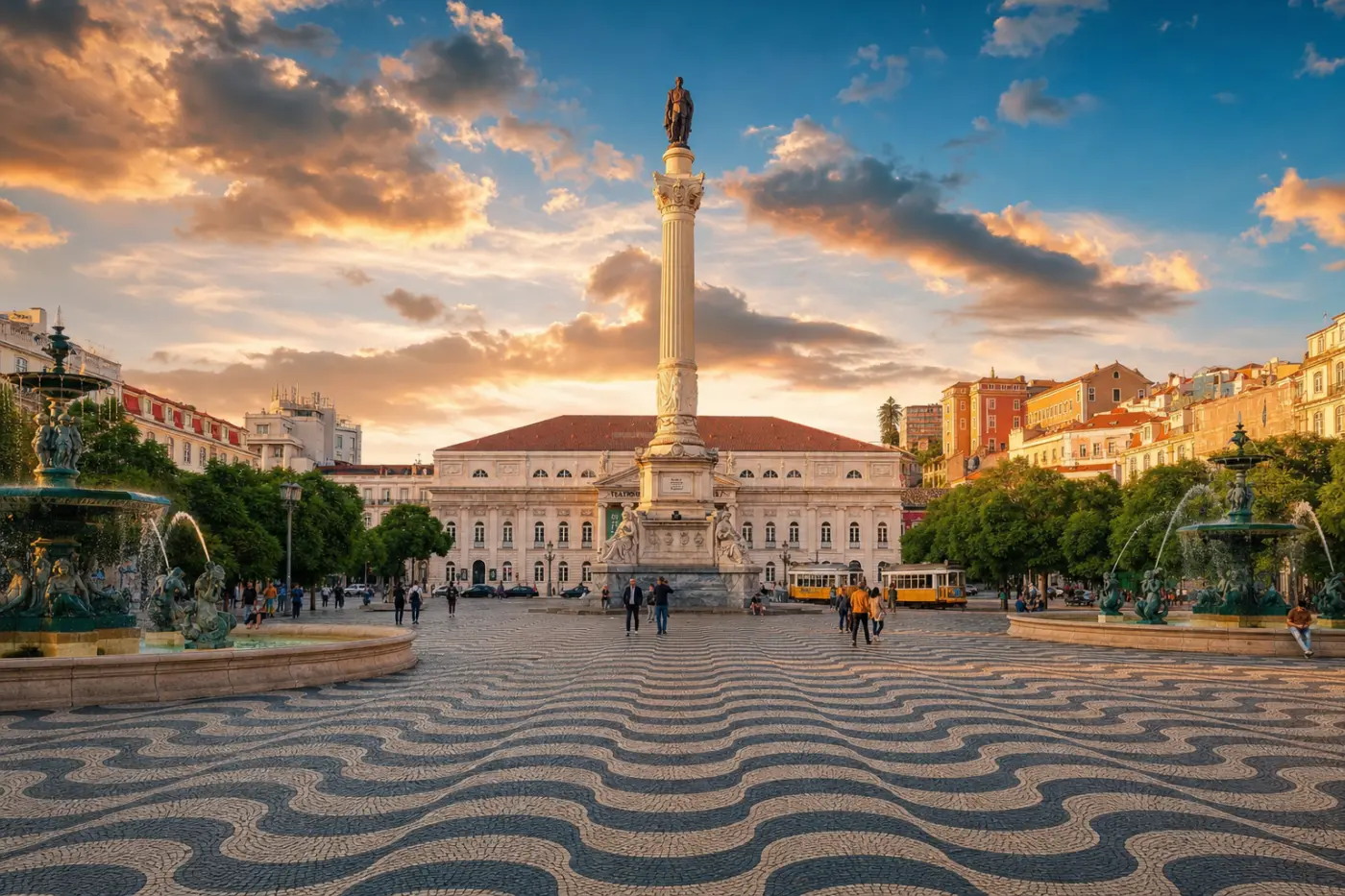
Tourist attraction
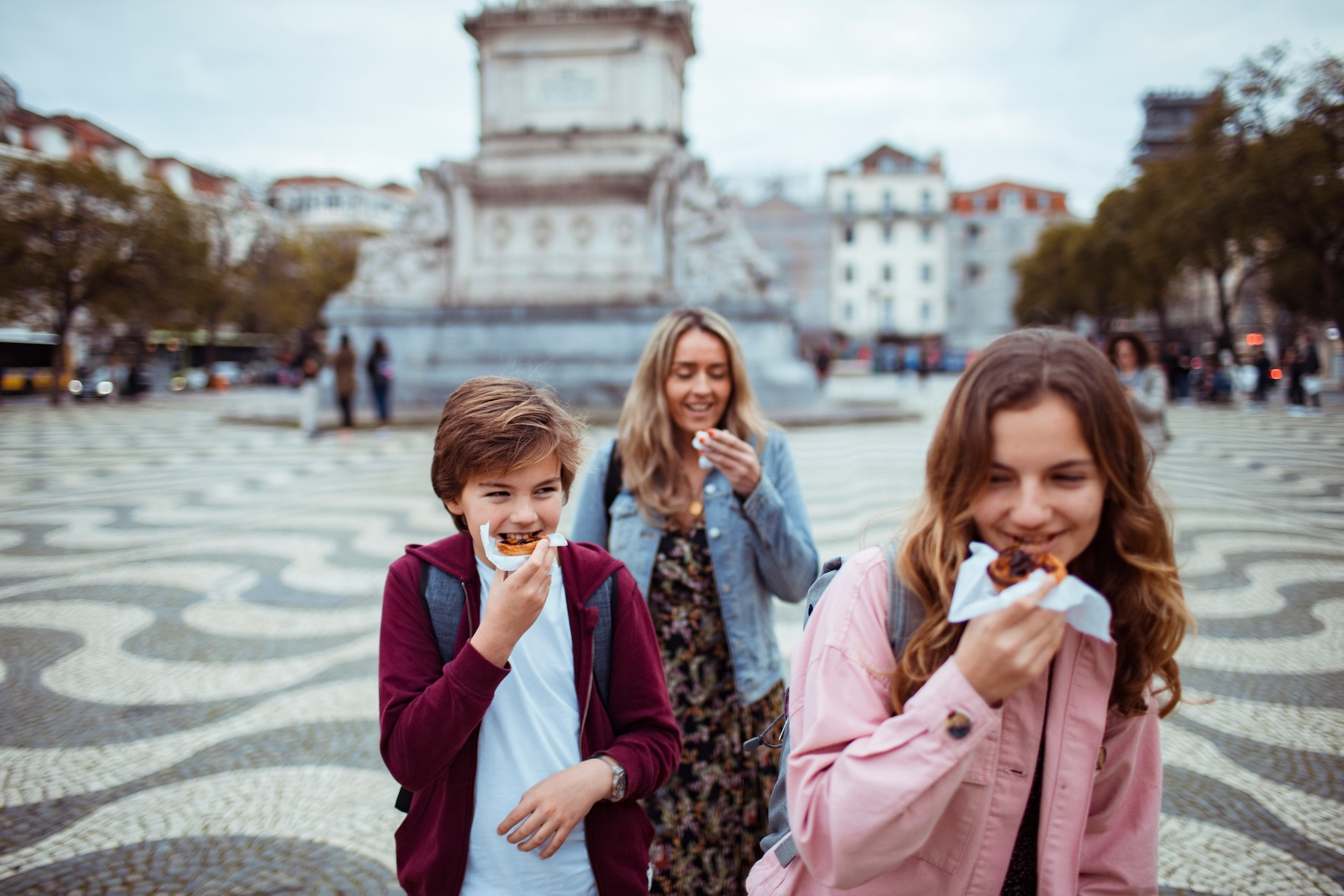
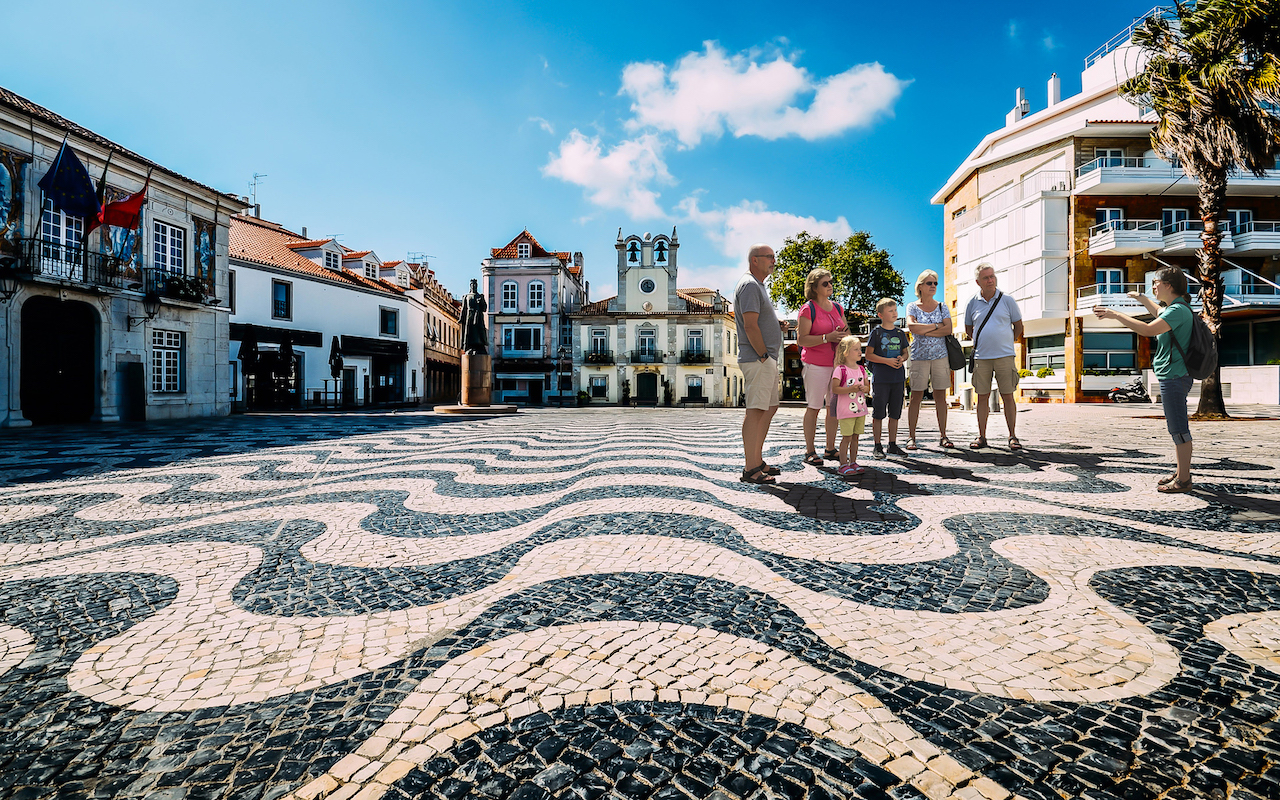
Praça Dom Pedro IV — universally known by its centuries-old name, Rossio — has been the beating heart of Lisbon since the 13th century. Founded as the city's central open ground, the name itself derives from the Portuguese for "common land," reflecting its original role as a gathering place accessible to all. The square spans the core of the Baixa district, flanked to the north by the grand Dona Maria II National Theatre and to the south by the pedestrianised Rua Augusta. Its most striking feature underfoot is the 19th-century wave-pattern calçada portuguesa (Portuguese cobblestone paving), laid in black and white limestone to evoke the ocean — a design so disorienting that locals joke it unsettles late-night revellers more than strong wine.
The square's history is as turbulent as the paving suggests. During the Inquisition era, Rossio served as Lisbon's principal execution ground; Portugal's first auto-da-fé was conducted in 1540 at the Palace of Estaus, the very site where the Teatro Nacional D. Maria II now stands. The original Lisbon hospital, the Hospital Real de Todos os Santos, occupied the square's eastern flank for centuries. The 1755 Great Earthquake levelled much of the surrounding city, but Rossio endured as the anchor around which the Pombaline Baixa was rebuilt in the decades that followed. The two ornate baroque fountains that frame the square today were imported from France and installed in 1870, the same year construction of the central column began.
At the top of that 27-metre bronze column stands a statue officially identified as Dom Pedro IV, the Brazilian-born king who granted Portugal its constitutional charter in 1826 — giving the square its formal name after the statue's inauguration in 1874. However, a persistent and well-documented legend holds that the statue is actually of Emperor Maximilian of Mexico, whose likeness was commissioned and completed before his 1867 assassination. The unwanted statue was allegedly sold to Lisbon at a discounted price, with both monarchs bearing a close enough resemblance to pass unquestioned. Lisboetas, for their part, have never adopted the official name: to everyone in the city, it remains simply Rossio.
Today the square functions as one of Lisbon's most important transport hubs, with the Rossio Metro station (green line) beneath it, the ornate Neo-Manueline Rossio Train Station — built in 1886 and serving trains to Sintra — just to the northeast, and multiple bus routes crossing through. The nearby Ginjinha Bar on the square's northern edge has been dispensing the city's signature sour-cherry liqueur, ginjinha, for over 180 years. The best time to visit is early morning, when the square belongs to commuters and café workers setting out espresso cups, or on weekend evenings when the fountains are lit and the entire square hums with the city's social energy.
Private tours with a local guide, at your own pace.
Lisboa
Lisboa
Lisboa
Lisboa

Lisboa
Lisboa

Lisboa
Lisboa
Lisboa
We use a single cookie, to remember this choice. We do not use analytics or advertising cookies. Read our cookie policy.