2 hrs
Barcelona
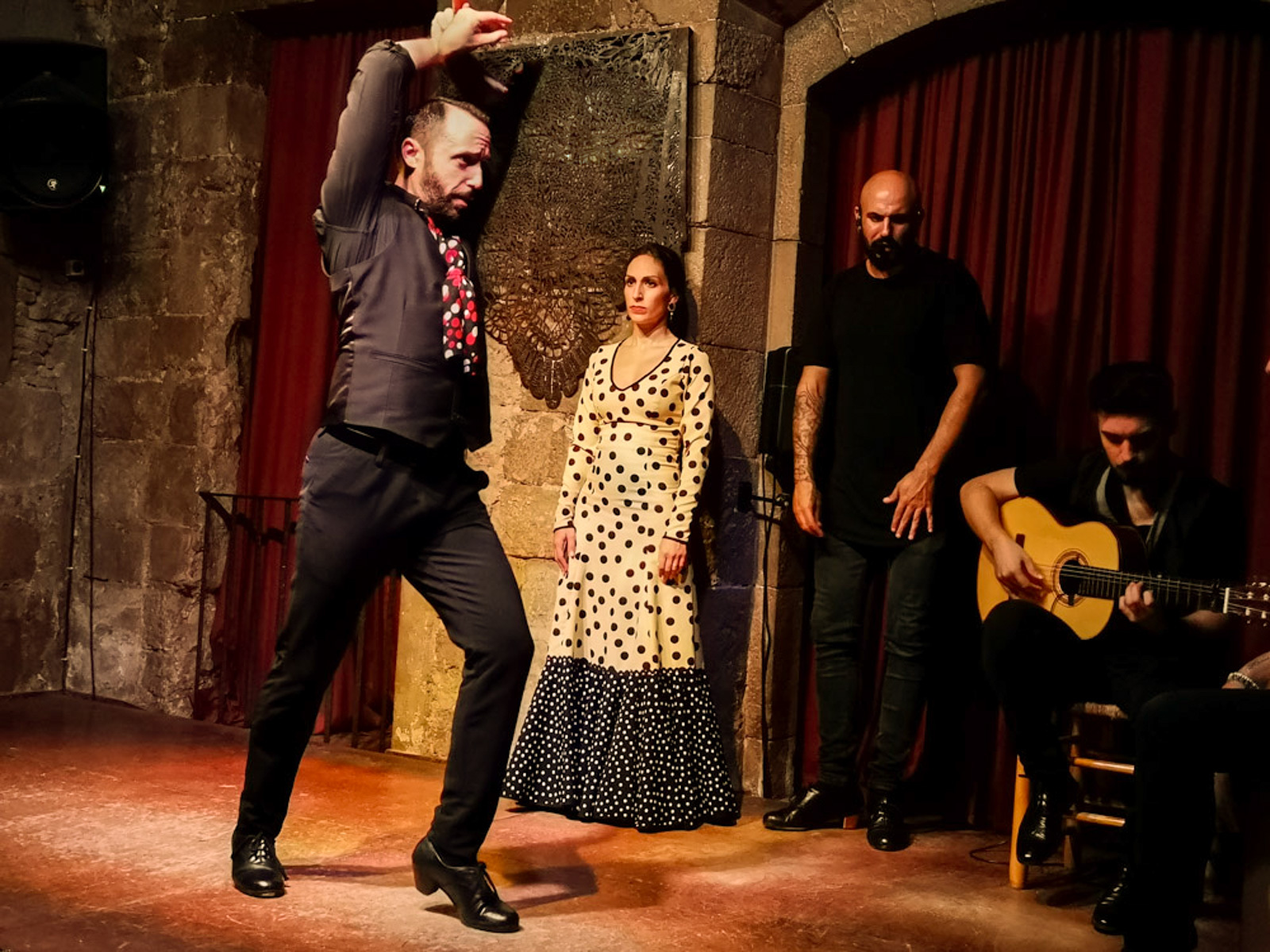
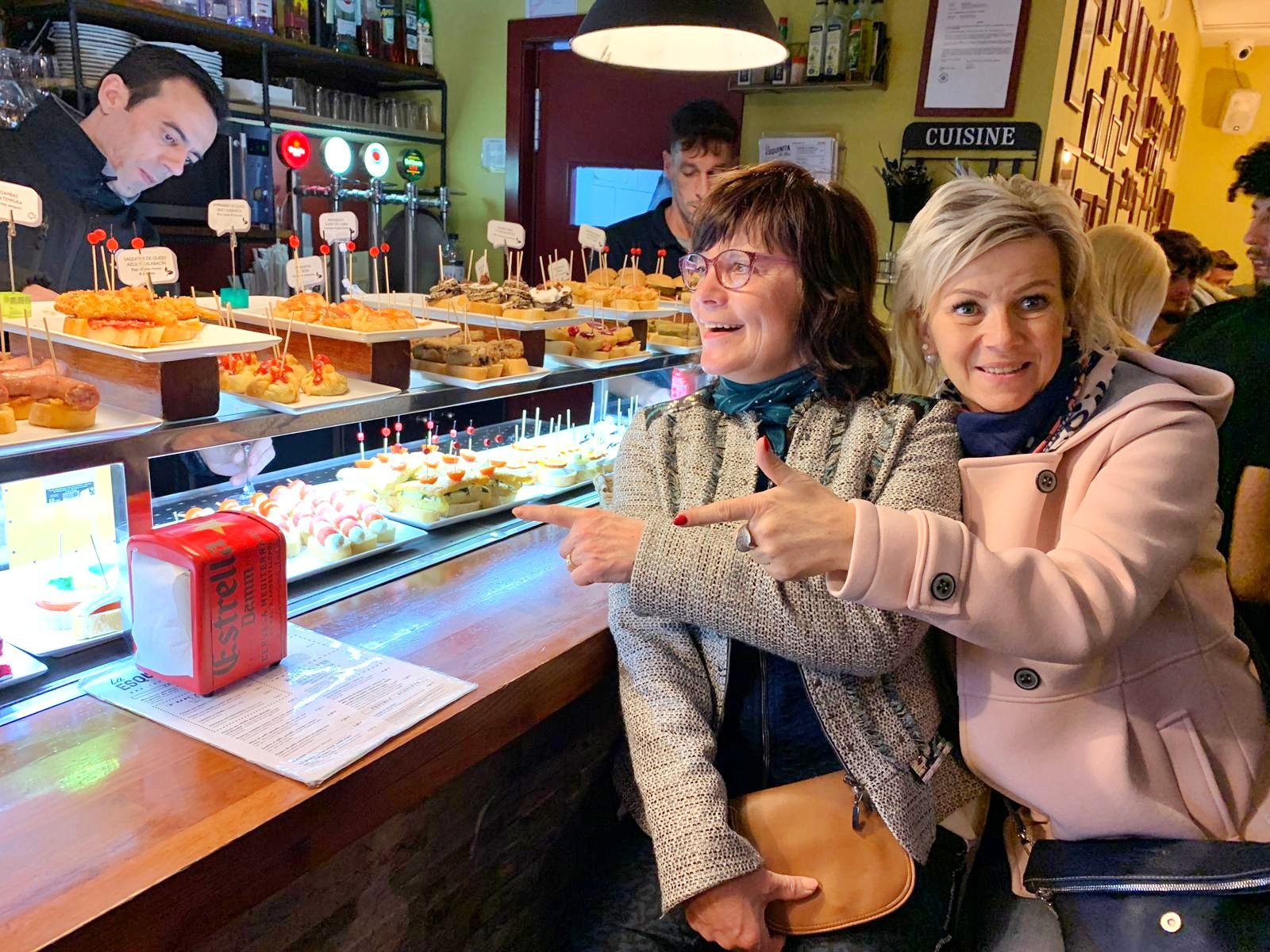
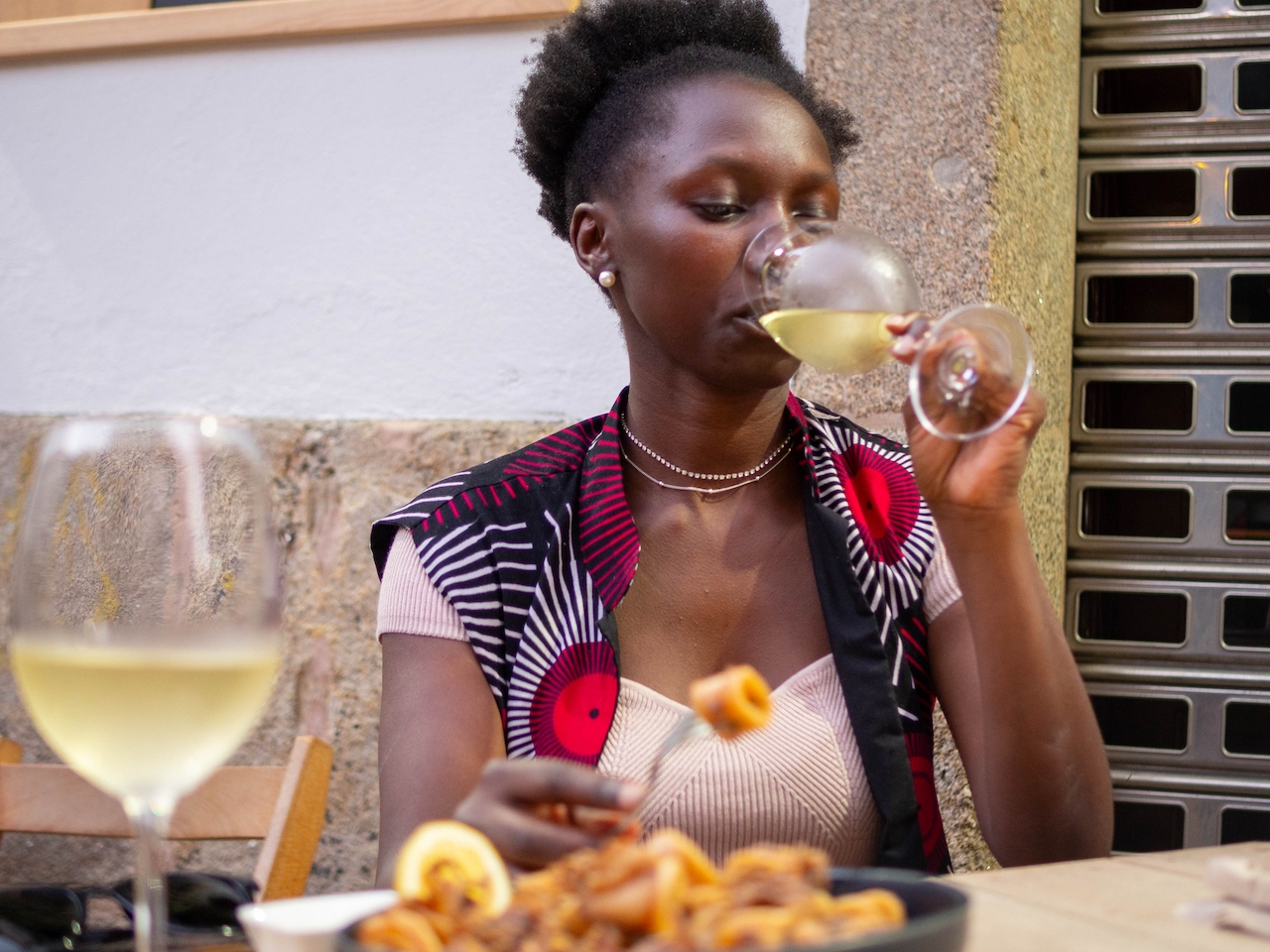
Olé Barcelona! Experience a Tapas & Flamenco Show in a Private local tour
✓ Free cancellation
4.7(108 reviews)
From €164/ person
Book Now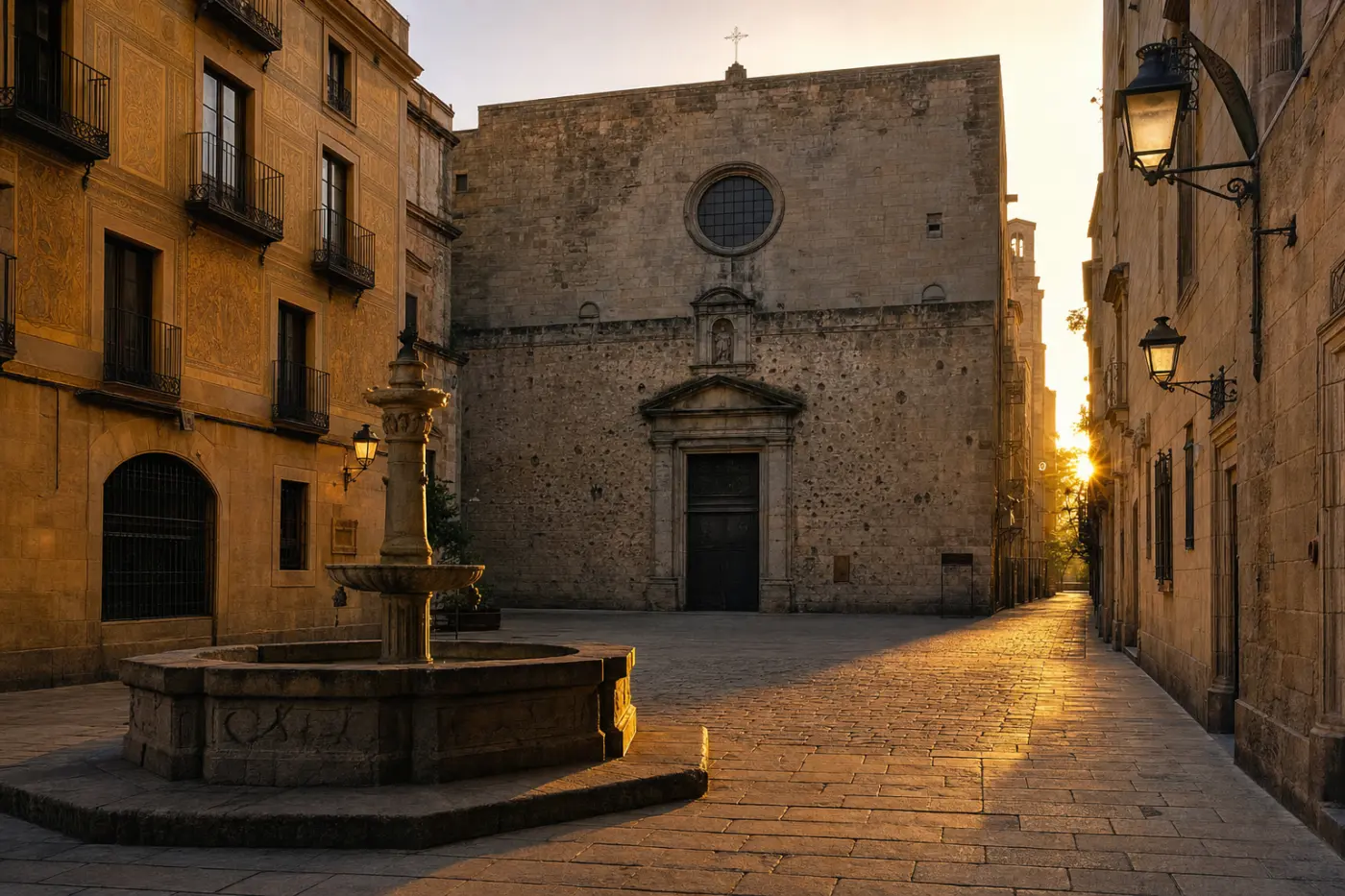
Tourist attraction
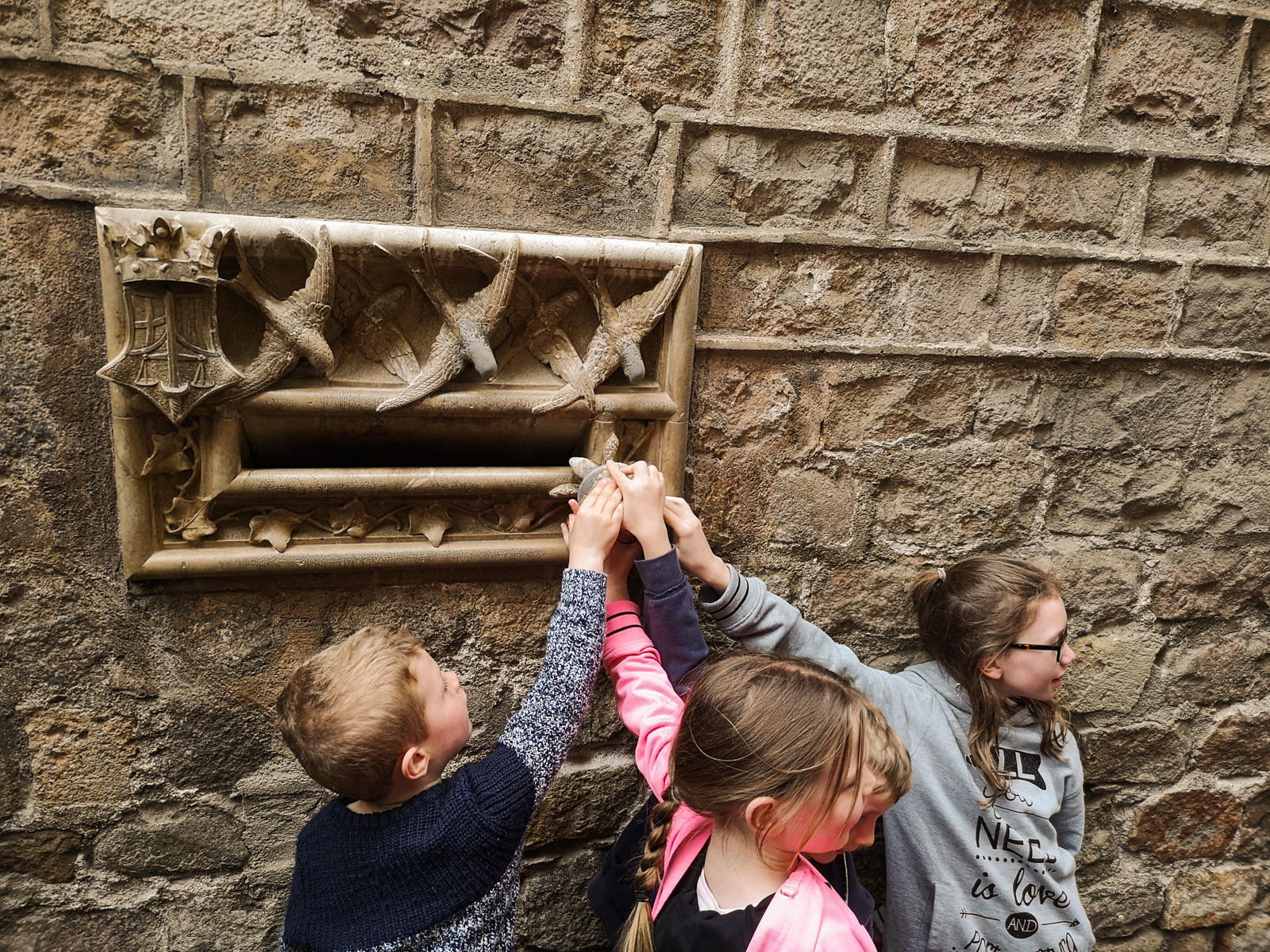
Tucked behind the Cathedral of Barcelona in the heart of the Barri Gòtic, Plaça de Sant Felip Neri is one of the oldest and most atmospheric squares in the city. Compact and cobblestoned, it is enclosed on three sides by 18th-century baroque buildings — most notably the Church of Sant Felip Neri, consecrated in 1752 and fronted by a restrained limestone façade that contrasts sharply with the ornate Catalan Gothic structures nearby. The square also houses the Museu del Calçat (Footwear Museum), installed in a former guild building of the shoemakers' brotherhood, one of Barcelona's most powerful medieval trade guilds, which gives the square its dual character: sacred and mercantile, solemn and quietly domestic.
The square's most haunting feature is not architectural but historical. On January 30, 1938, during the Spanish Civil War, Francoist aircraft carried out a bombing raid over the Barri Gòtic. Two bombs struck Sant Felip Neri directly. Dozens of civilians sheltering in the square were killed — estimates range from 42 to over 60 victims, many of them children from a nearby school who had sought refuge against the church walls. The pockmarks left by shrapnel are still clearly visible on the lower stone façade of the church, preserved deliberately as a memorial. For decades, the Franco regime suppressed the true account of the massacre, falsely attributing the deaths to Republican executions; only in the late 20th century was the historical record fully restored.
The square carries a quieter literary legacy as well. Carlos Ruiz Zafón set pivotal scenes of his 2001 novel La Sombra del Viento (The Shadow of the Wind) in Sant Felip Neri, cementing its reputation as one of Barcelona's most evocative spaces in the popular imagination. Long before Zafón, the square served as a gathering point for the shoemakers' guild from at least the 15th century; the guild's coat of arms is still visible above the entrance to what is now the footwear museum, which holds a collection spanning five centuries of Catalan and European shoe craftsmanship, including a pair of giant shoes made for the Columbus Monument and ceremonial footwear from the 19th century.
Visiting Sant Felip Neri requires nothing more than finding your way through the narrow medieval lanes — Carrer de Sant Felip Neri or Carrer de la Pietat are the most direct approaches from the Cathedral. The square is free and open at all hours, and is at its most atmospheric in the early morning before the midday crowds reach the Gothic Quarter, or at dusk when the amber lamplight catches the pitted stone. The Museu del Calçat (entrance on the square) is open Tuesday through Sunday and charges a small admission fee. If you look carefully at the church wall, roughly one metre above street level, you will find the shrapnel craters — small, irregular wounds in the stone that no restoration has ever smoothed away.
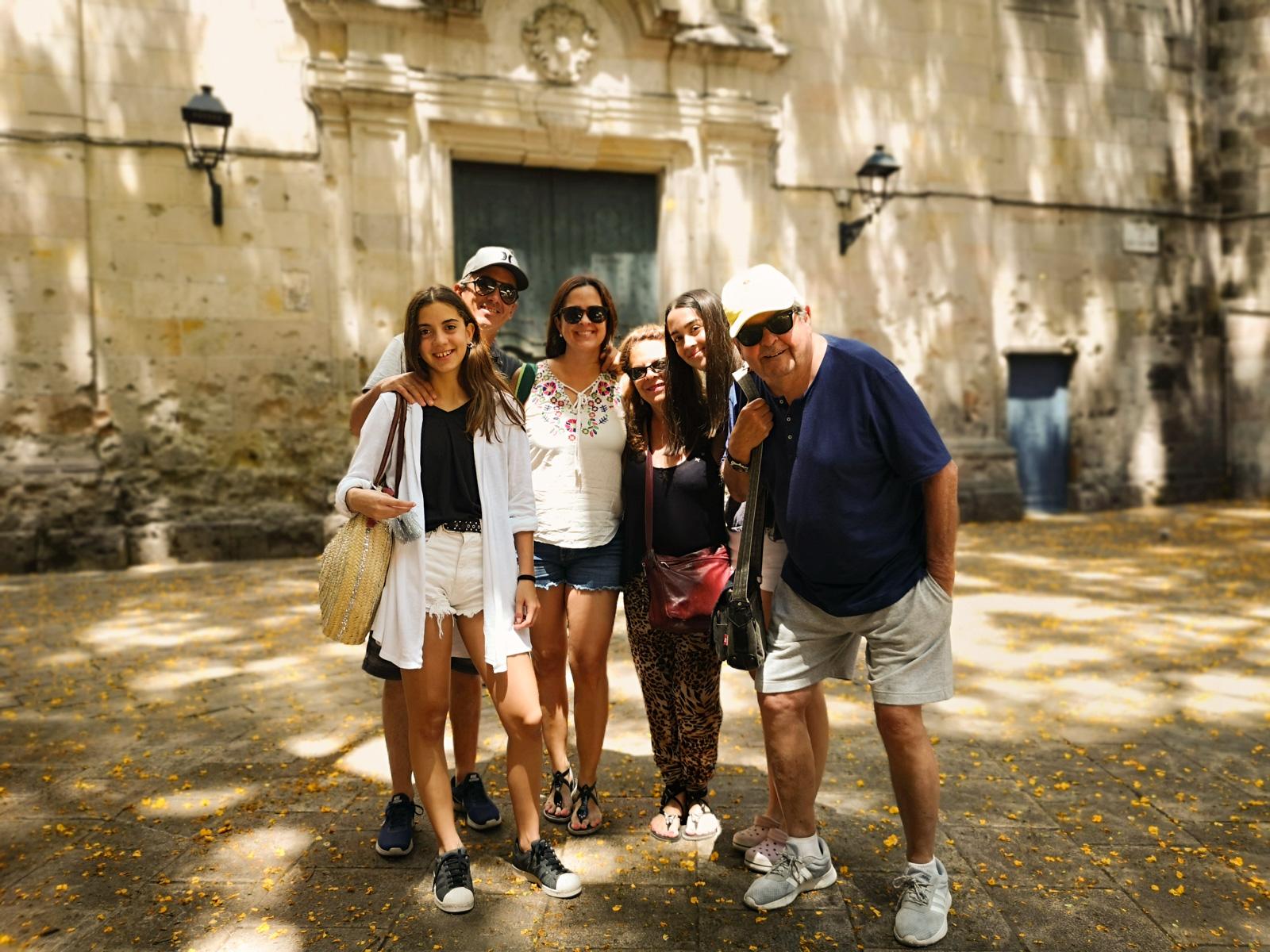
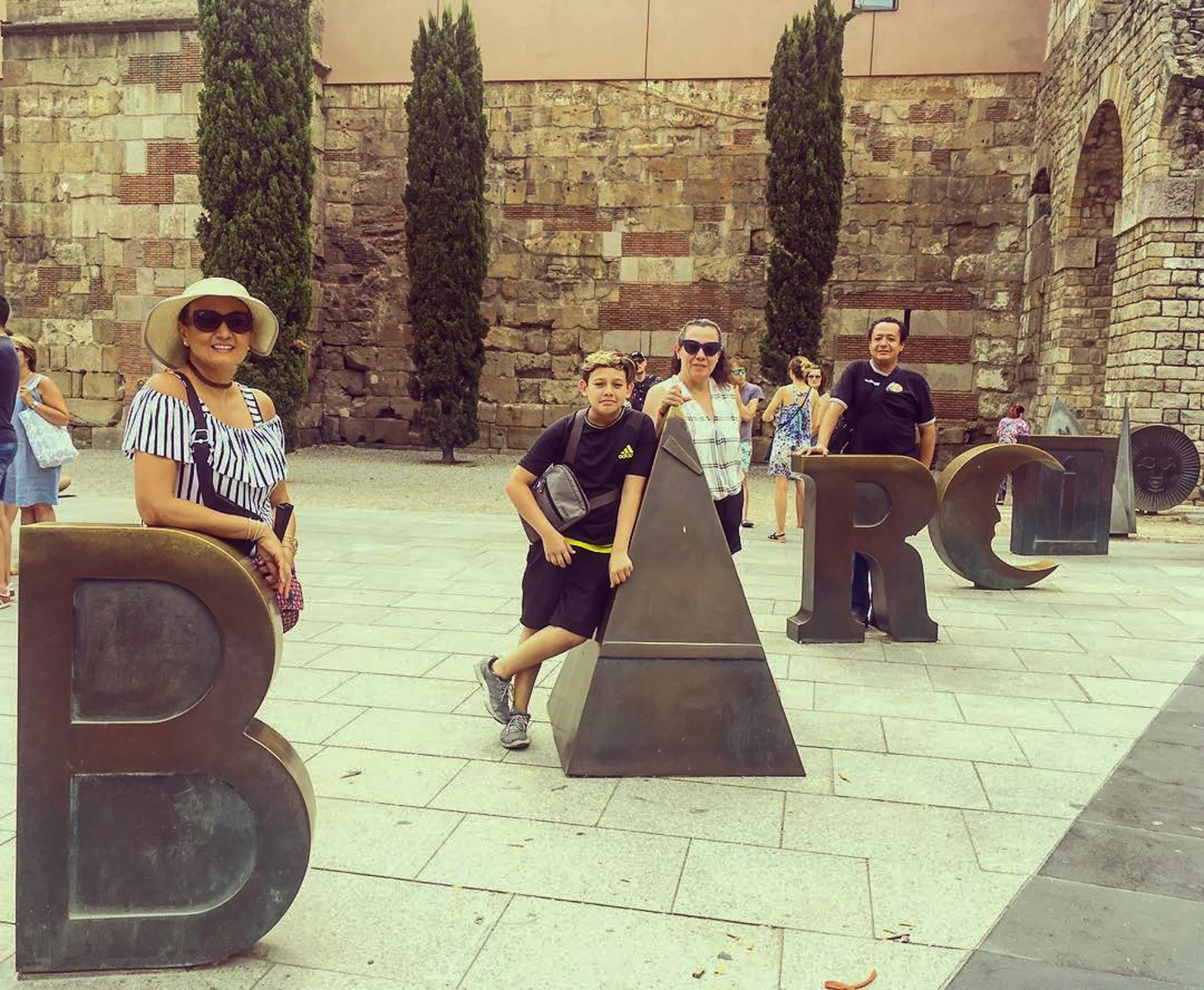
Private tours with a local guide, at your own pace.
Barcelona
Barcelona
Barcelona
Barcelona
Barcelona
Barcelona
Barcelona
Barcelona
Barcelona
Barcelona
Barcelona
Barcelona
Barcelona
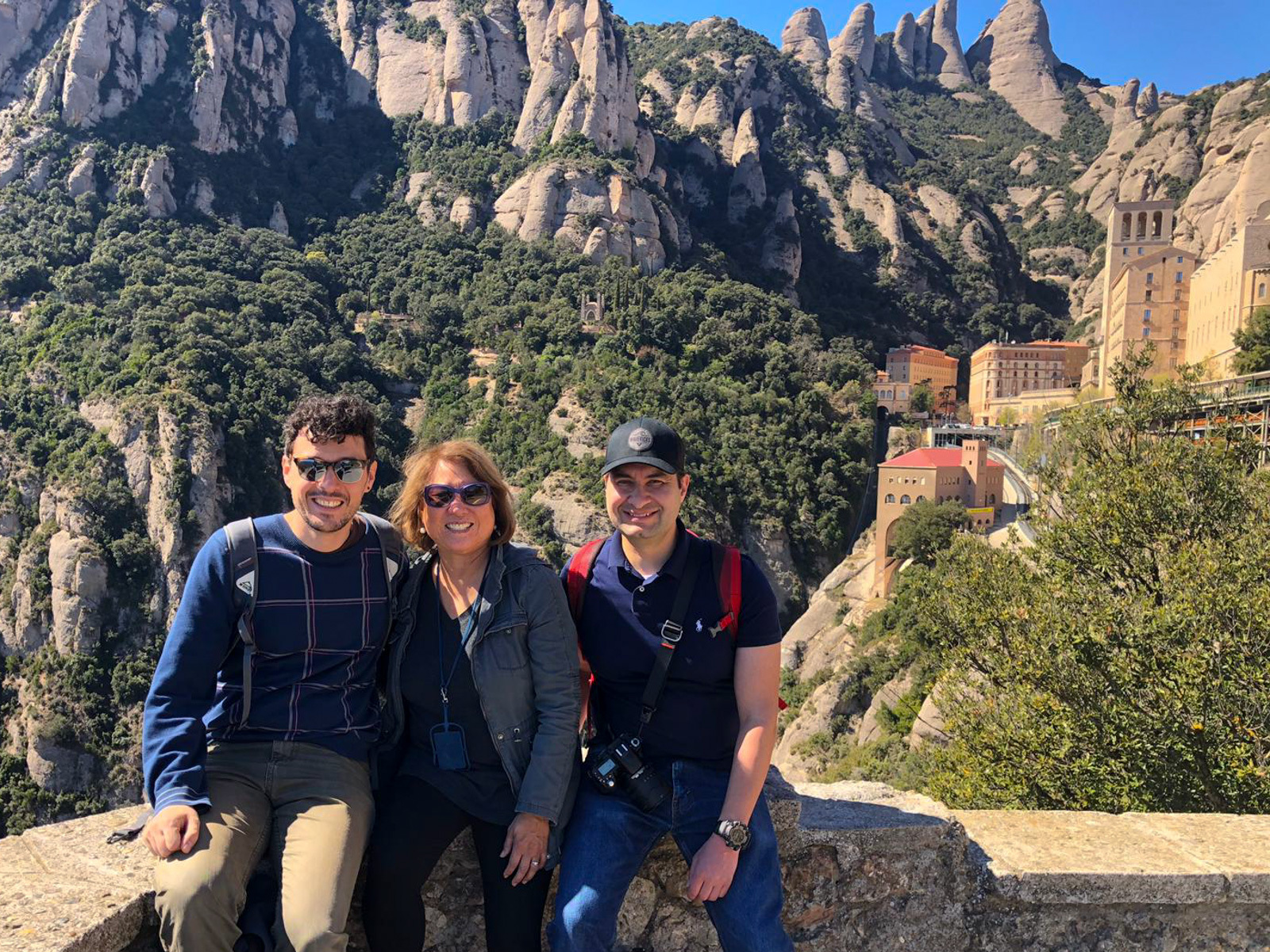
Barcelona
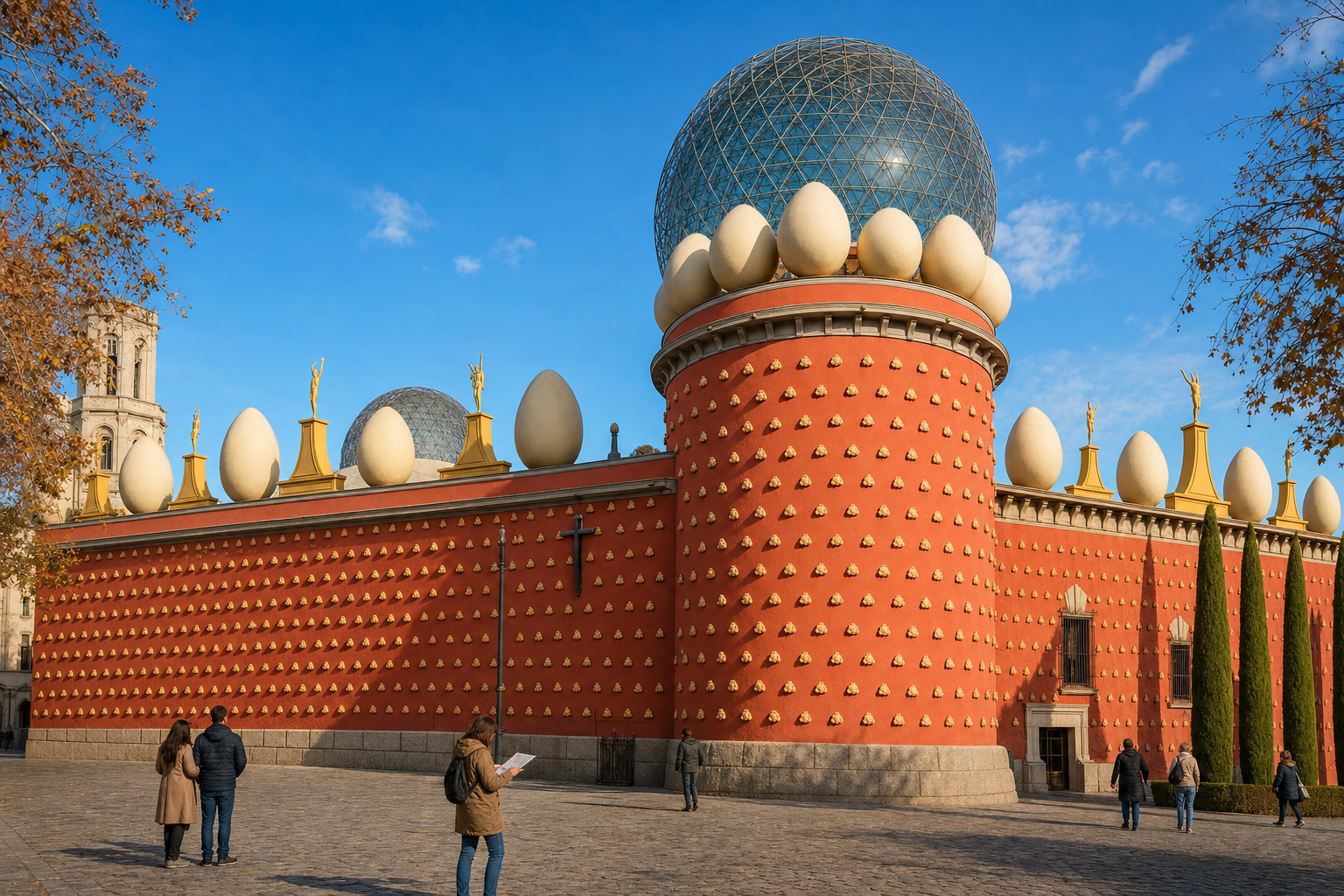
Most people know that Salvador Dalí was born in Figueres on 11 May 1904 — fewer realise that he spent the last decade of his life living inside his own museum, in a castle tower he had converted into a private apartment, refusing almost all visitors. That detail alone reframes everything you're about to see on a Costa Brava day trip from Barcelona. This isn't a sightseeing loop past pretty landmarks; it's a journey into one of the most deliberately constructed artistic universes ever assembled, set against a coastline so geologically dramatic that it physically shaped the imagery of a surrealist movement. From the geodesic dome above Figueres to the labyrinthine rooms of Portlligat, from the tramuntana-battered vines of the Empordà to the whitewashed lanes of Cadaqués, every stop carries a specific weight of history that rewards knowing before you arrive. This guide gives you that context — and shows you why adding a winery to the route isn't a detour, it's the most logical ending the day could have.
Read more →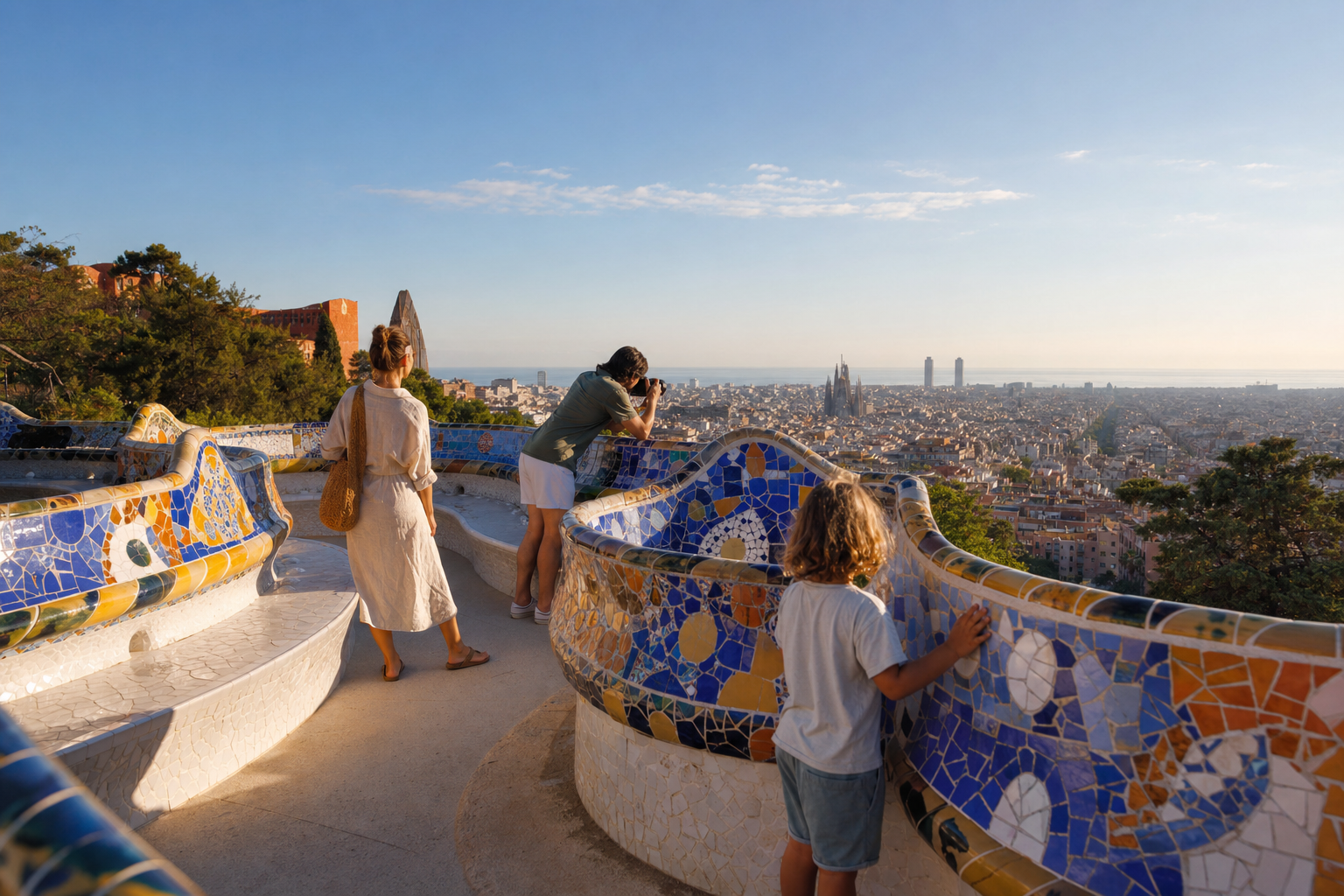
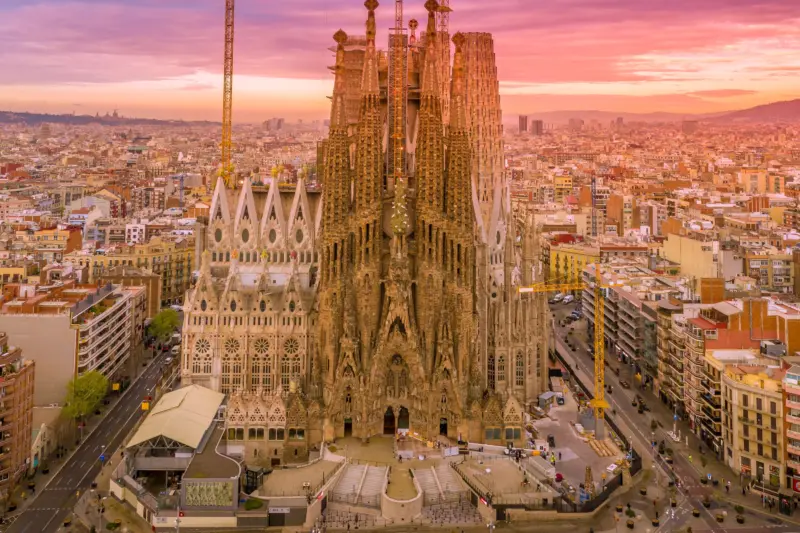
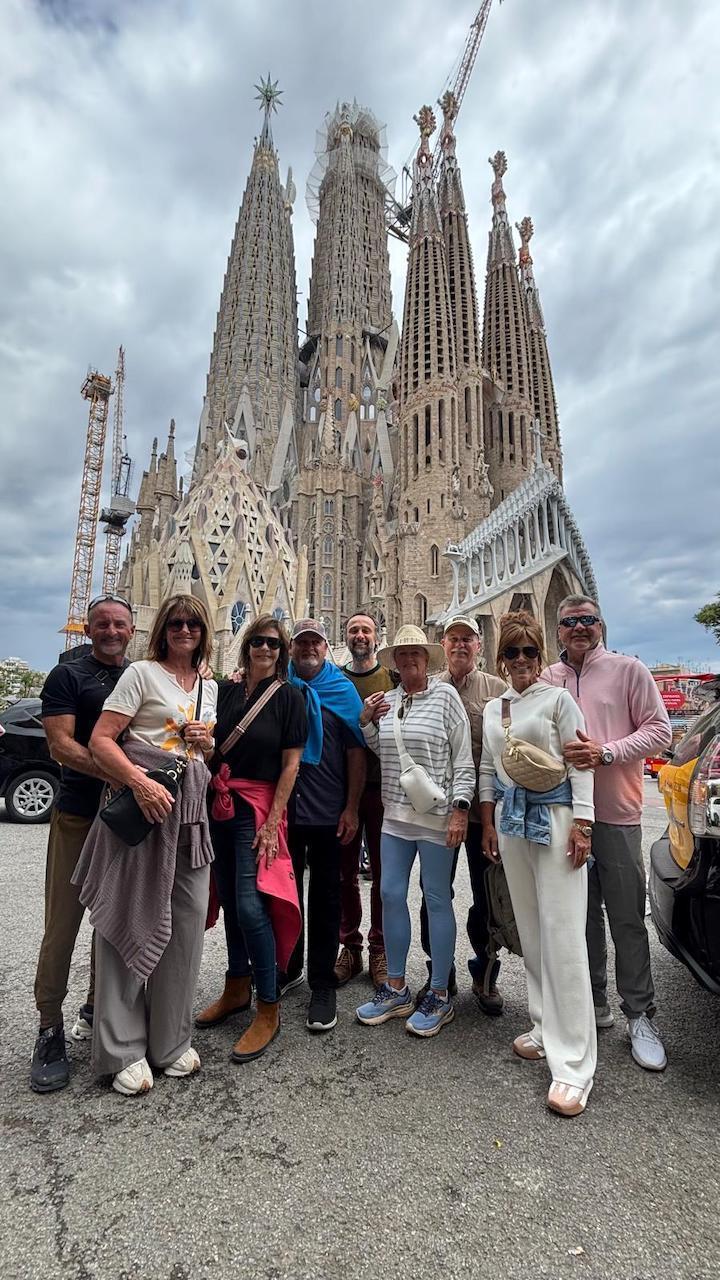
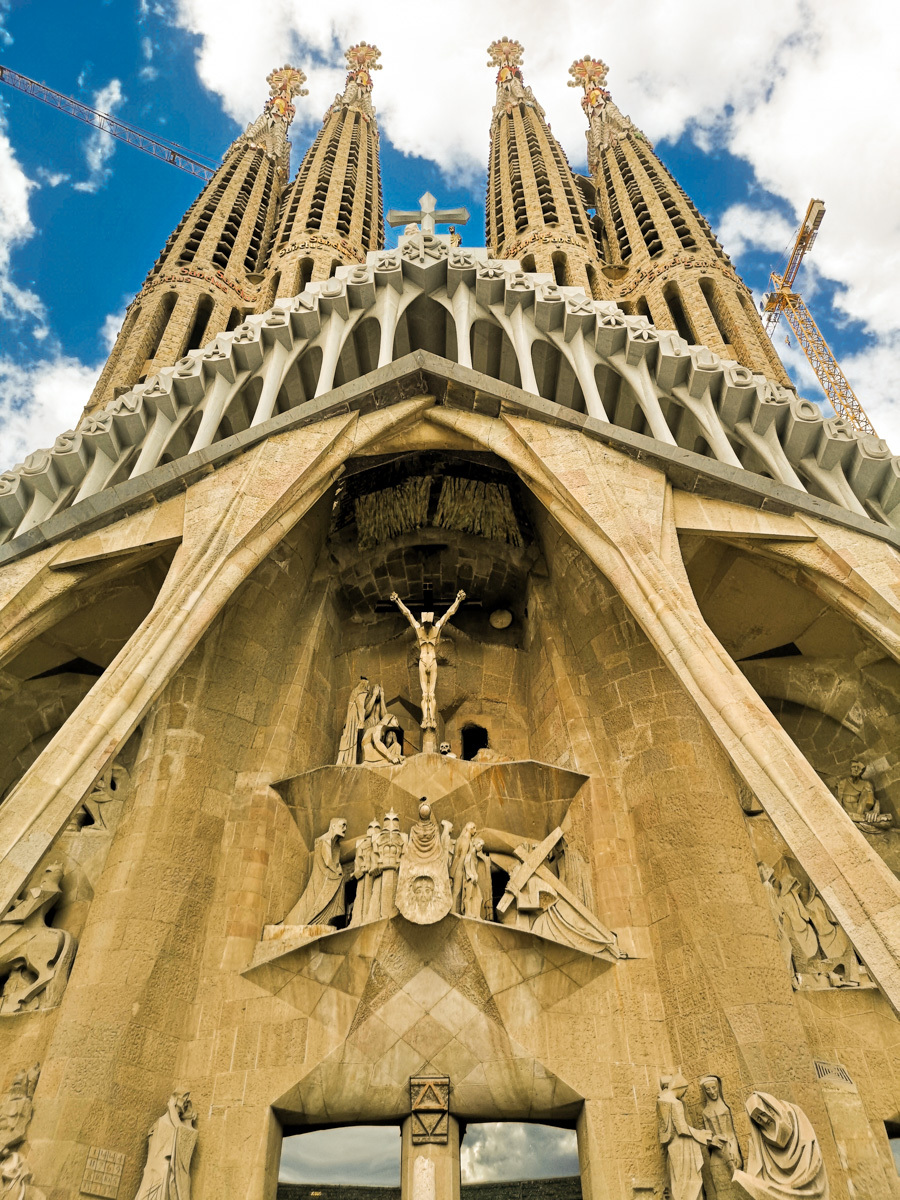
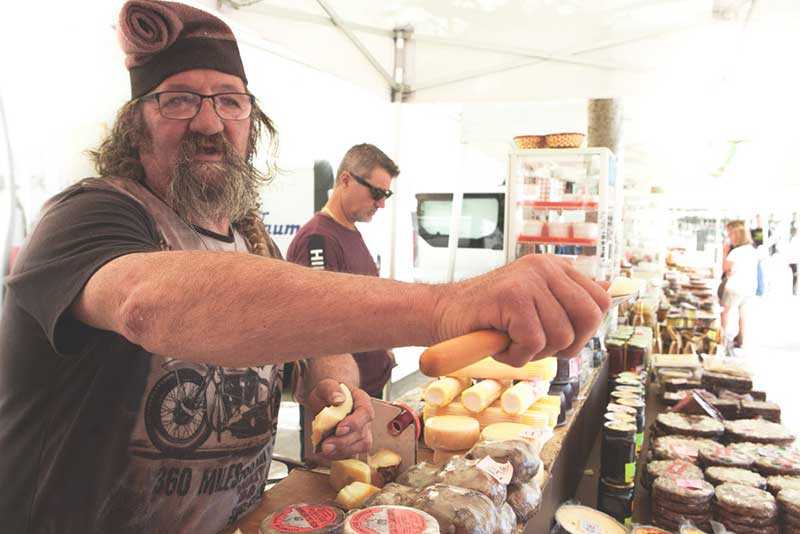
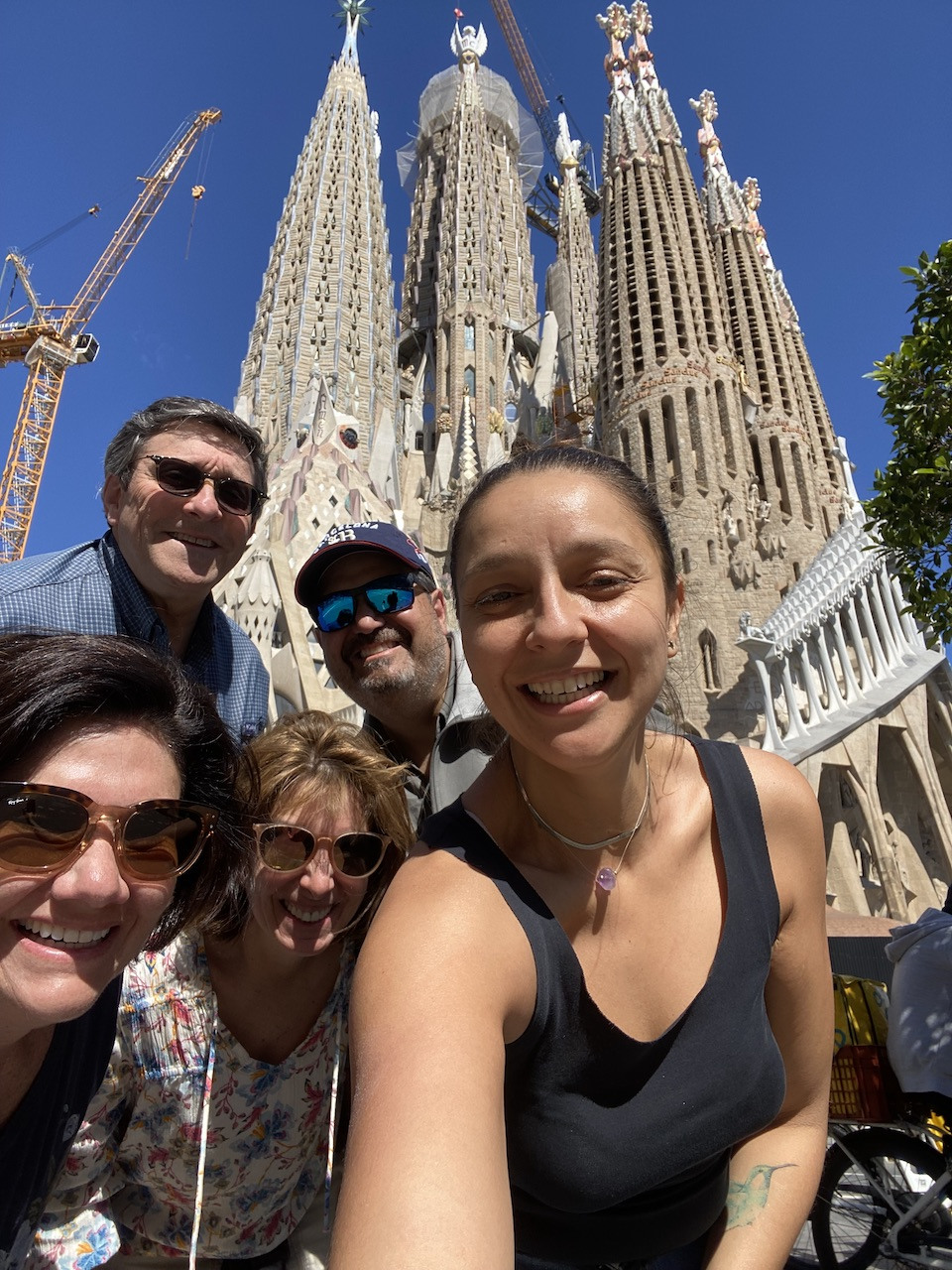
In 1883, a 31-year-old architect named Antoni Gaudí inherited a half-built church from a resigning predecessor and spent the next 43 years — until his death in 1926 — turning it into one of the most structurally radical buildings in human history. That church, the Sagrada Família, is still under construction today, and it is just one reason why Barcelona rewards curiosity more than almost any other city in Europe. But Gaudí's Barcelona is only one layer. Beneath the Gothic Quarter's cobblestones lie the preserved streets of a Roman settlement called Barcino, founded around 10 BC. In the city's markets, a food culture rooted in Catalan identity — not the generalised 'Spanish' clichés exported for tourists — plays out every single morning. Barcelona is a city that consistently offers more the deeper you look. This guide cuts past the surface to give you the historical facts, cultural context, and local knowledge that turn a good trip into an unforgettable one.
Read more →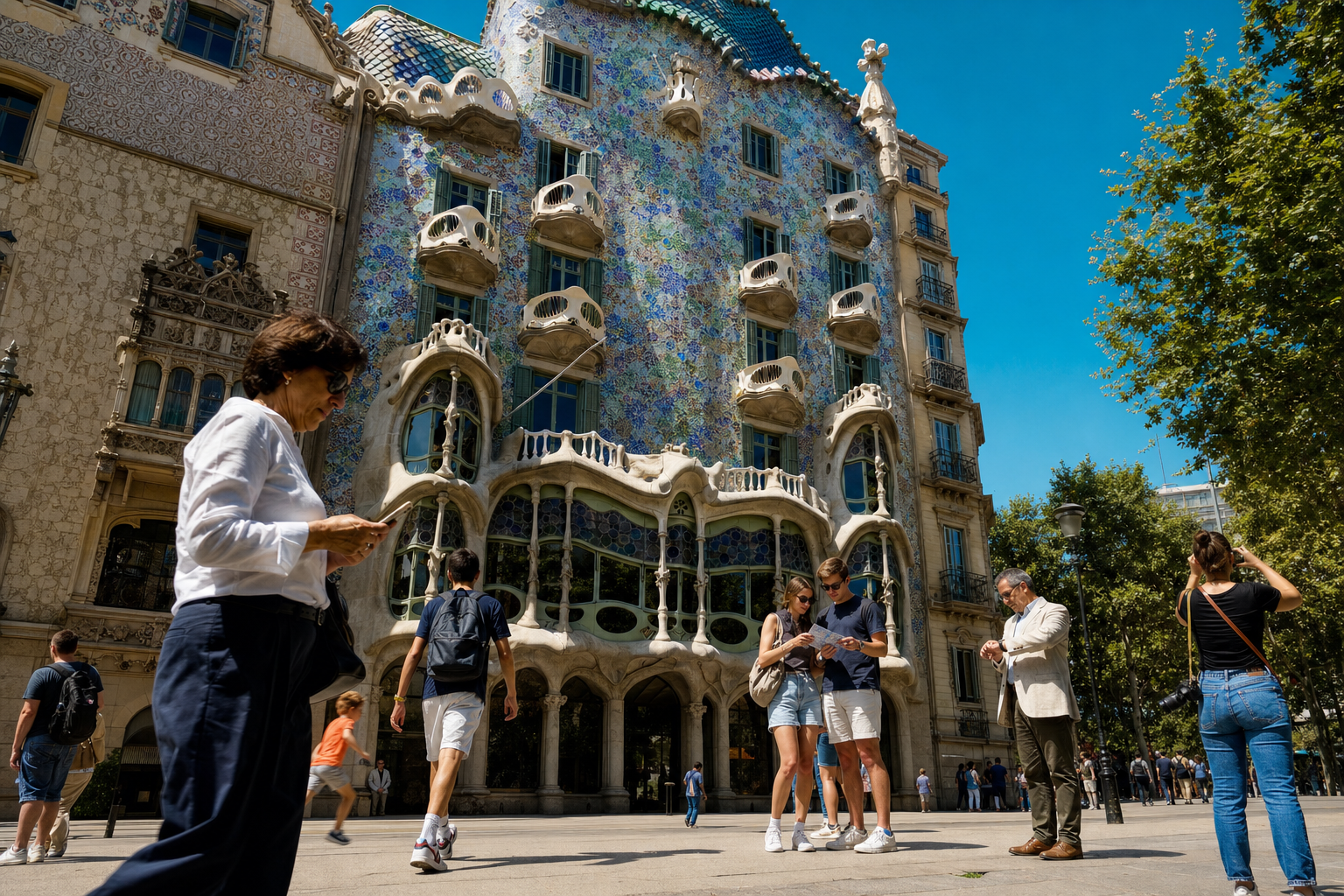
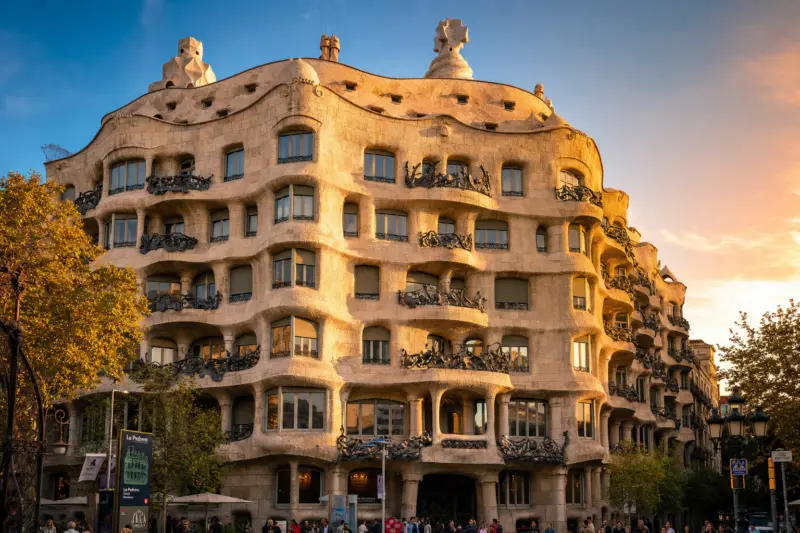
On the grandest stretch of Barcelona's Passeig de Gràcia — a boulevard so thick with Modernista jewels that locals call it the Block of Discord — one building stops every passerby cold. Casa Batlló shimmers like a living creature: scales of iridescent ceramic, a roofline that breathes, skulls carved into stone balconies. It was commissioned by a wealthy textile magnate, transformed by a visionary architect, and completed in 1906 as a statement that would redefine what a city building could be. This is its story.
Read more →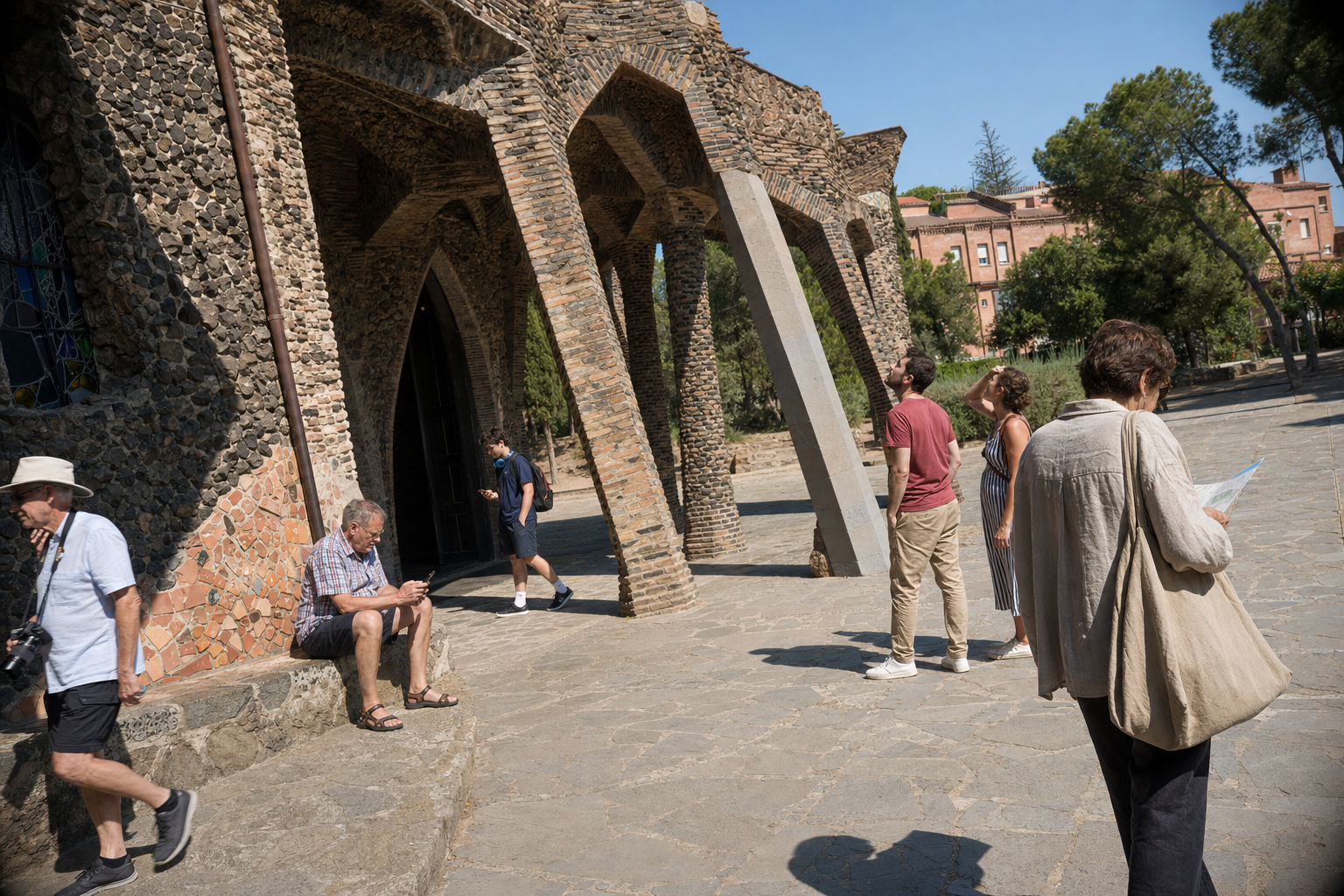
In 1890, the Catalan industrialist Eusebi Güell made a decision that was radical even by the standards of a city already electrified by modernisme: he abandoned Barcelona's choking factory districts and moved his textile mill — and his entire workforce — to a pine-forested hillside in Santa Coloma de Cervelló, just 20 kilometres southwest of the city. What he built there was not merely a factory complex but a full social experiment: a self-contained workers' village with housing, schools, a theatre, a cooperative shop, and a church that would become one of the most structurally daring buildings of the 20th century. That church was entrusted to Antoni Gaudí — and what Gaudí designed in its crypt between 1908 and 1914 was nothing less than the structural laboratory for the Sagrada Família. Colonia Güell is where the dream was tested. It draws a fraction of the crowds that queue outside Park Güell or the Sagrada Família, yet it is arguably the most intellectually fascinating Gaudí site in all of Catalonia.
Read more →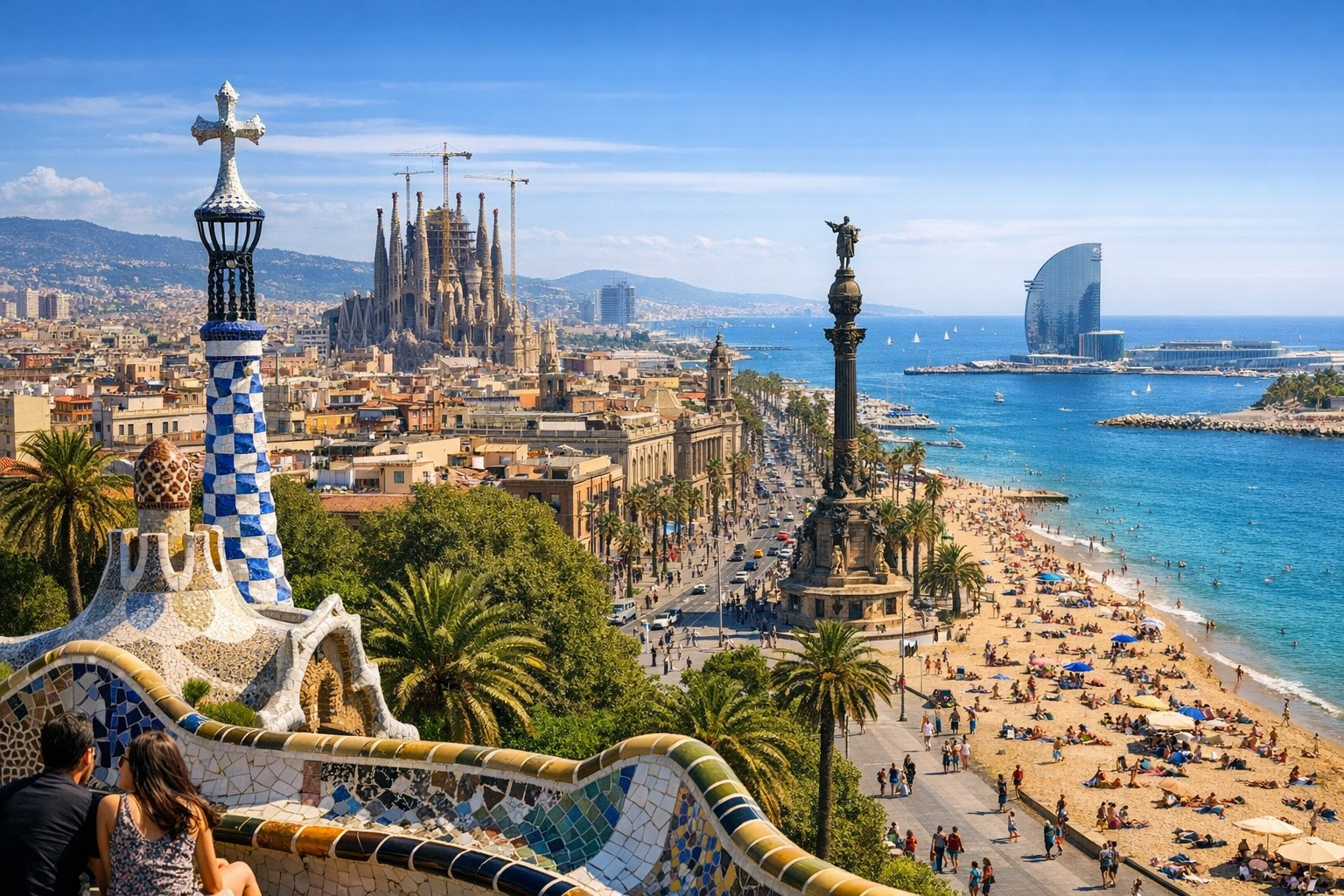
Discover the vibrant culture, stunning architecture, and culinary delights of Barcelona. From iconic landmarks to hidden gems, this guide offers the best activities to experience in the city, ensuring an unforgettable visit.
Read more →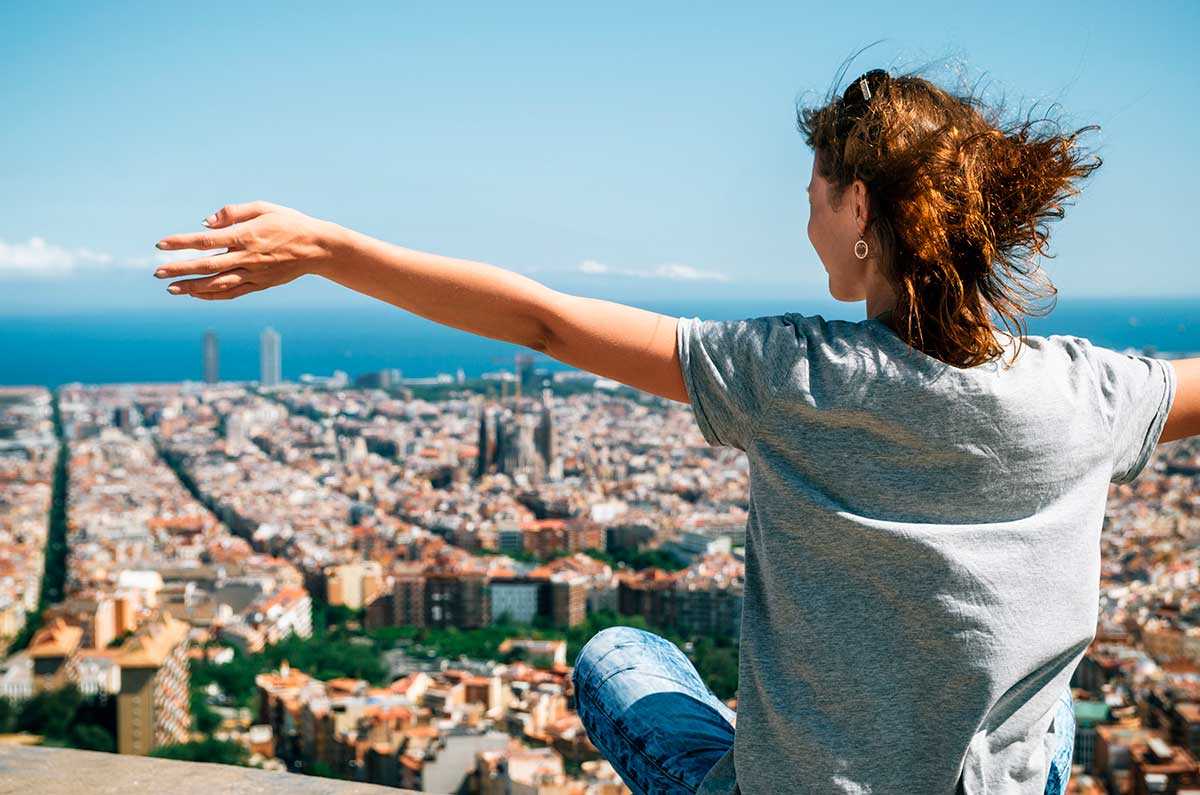
Barcelona, the enchanting coastal city in Spain, is a treasure trove of captivating attractions, historic landmarks, and awe-inspiring architecture. With so much to explore, having a well-designed attractions map can significantly enhance your sightseeing experience and ensure you make the most of your time in this vibrant destination. Whether you are an adventurous solo traveler or a family seeking a cultural getaway, a detailed map will be your faithful companion throughout your journey.
Read more →We use a single cookie, to remember this choice. We do not use analytics or advertising cookies. Read our cookie policy.