6 hrs
Lisboa
Lisbon Private Full-day Tour - History, Culture, Local Life & Gastro Experience
✓ Free cancellation Kids friendly
5.0(27 reviews)
From €219/ person
Book Now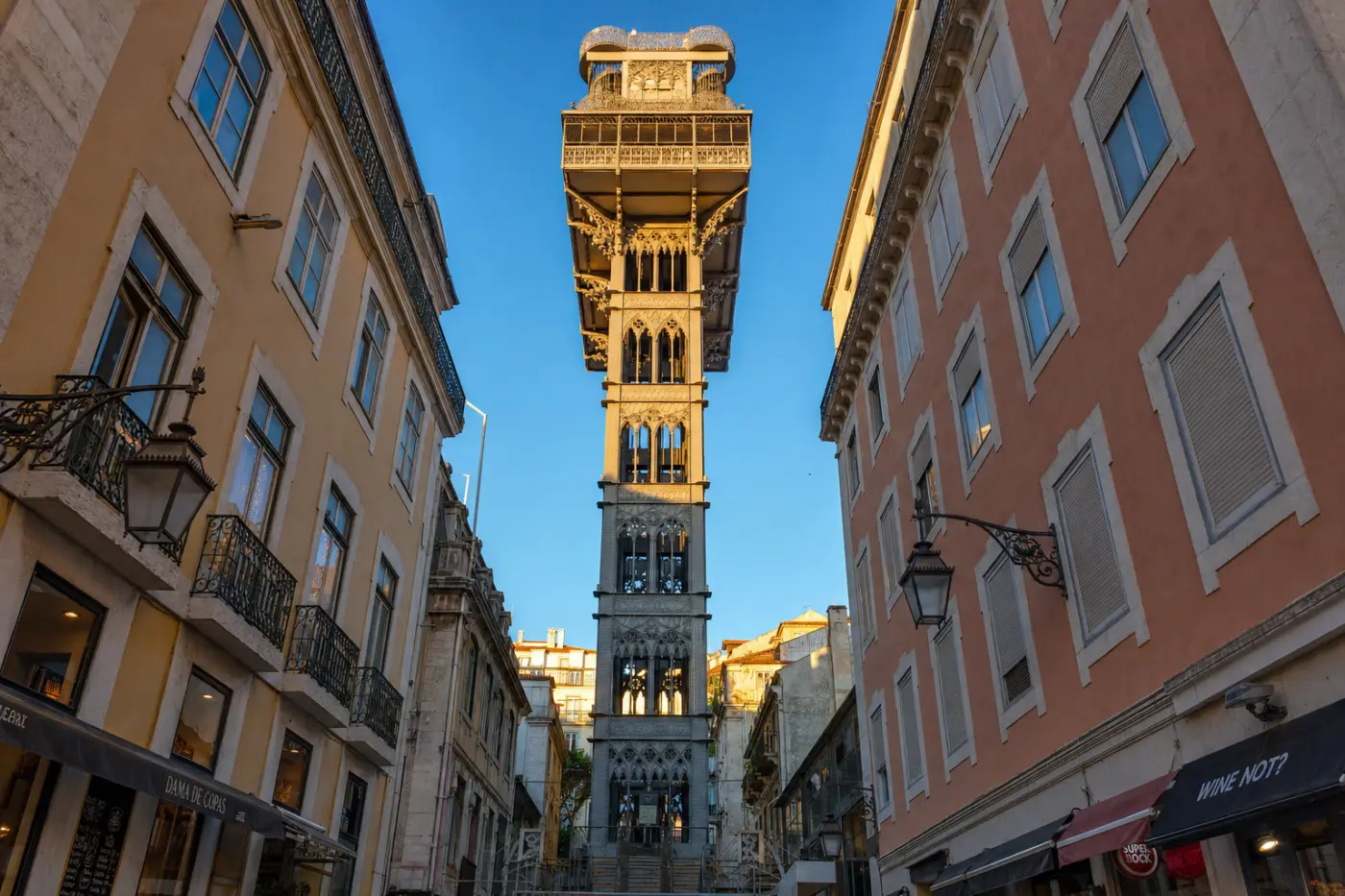
Tourist attraction
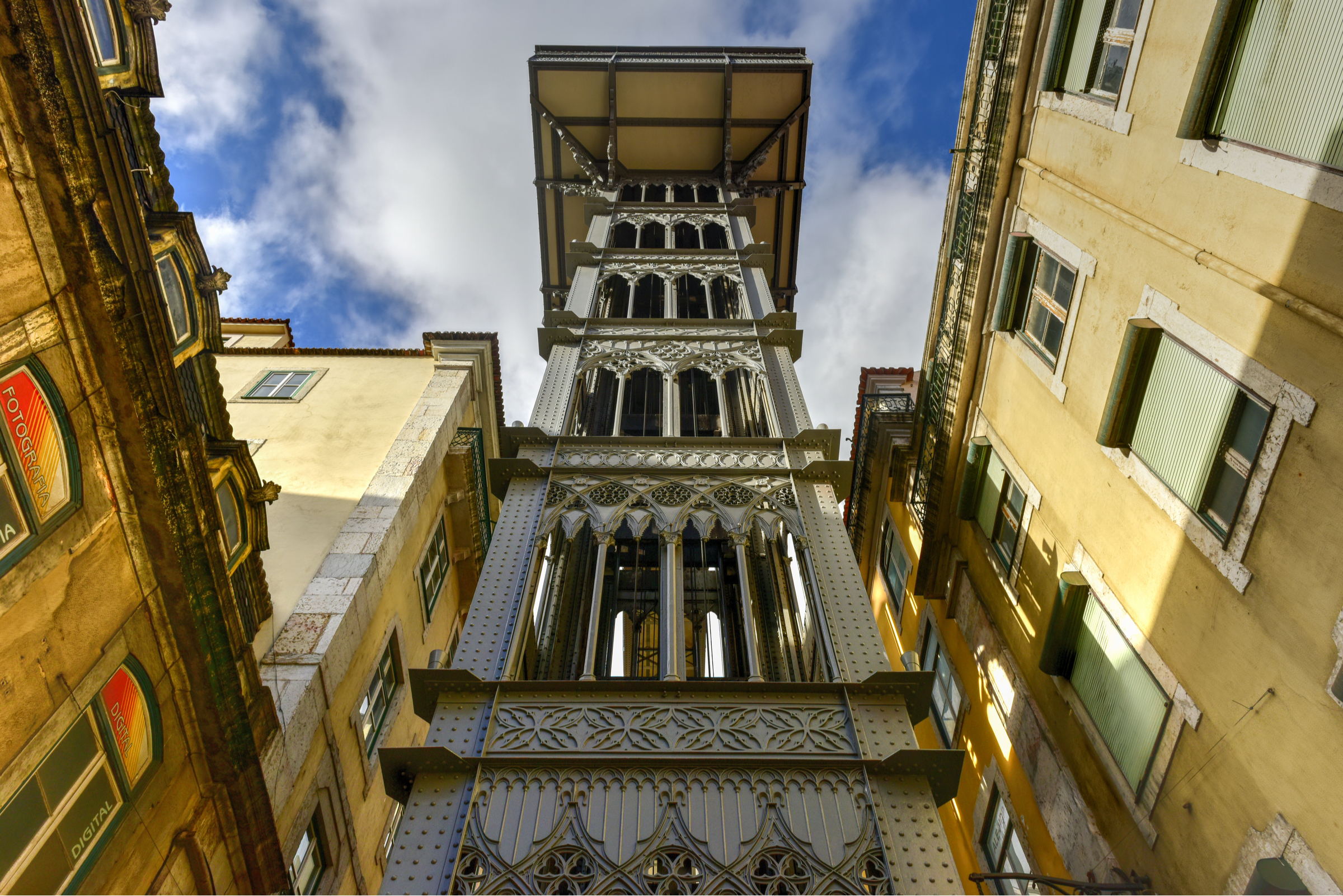
The Elevador de Santa Justa — known locally as the Elevador do Carmo — is a vertical street lift embedded in the heart of Lisbon's flat Baixa district, built to connect it with the elevated Largo do Carmo square in the Chiado neighbourhood above. Standing 45 metres tall and constructed entirely from riveted iron, the structure was designed by Raoul Mesnier du Ponsard, a Portuguese engineer of French origin who trained under Gustave Eiffel. That lineage is unmistakable: the latticed ironwork, exposed bolts, and geometric ornamentation bear an unmistakable family resemblance to the Eiffel Tower and to Lisbon's own Dom Luís I Bridge in Porto. It was inaugurated on 10 July 1902 and originally powered by steam before being converted to electric operation in 1907, making it one of the earliest electrically operated public lifts in the Iberian Peninsula.
The lift's neo-Gothic detailing — pointed arched windows, decorative finials, and filigree iron screens on the cabin walls — sets it apart from purely utilitarian industrial architecture of its era. Two wooden-panelled cabins, each capable of carrying 29 passengers, travel inside the tower on a single vertical shaft. At the top, a 42-metre-high walkway leads through a tubular iron bridge directly to the ruins of the Convento do Carmo, a Carmelite church destroyed in the 1755 Lisbon earthquake and left roofless as a deliberate memorial — a dramatic pairing of industrial modernity and Baroque catastrophe that gives the lift's upper exit a singular atmosphere. The topmost level adds another spiral staircase climbing a further three metres to an open-air belvedere terrace, offering an unobstructed 360-degree panorama over the terracotta rooftops of the Baixa, the Tagus estuary, and the hills of Alfama and São Jorge Castle.
Administratively, the Santa Justa Lift is operated by Carris, Lisbon's public transport company, and is classified as a national monument. It shares this status with Lisbon's three hillside funiculars — the Glória, Bica, and Lavra elevators — all of which date from the same late-19th-century urban infrastructure boom driven by the city's rapid population growth after post-earthquake reconstruction. The lift underwent major restoration work in 2017, including reinforcement of the iron structure and refurbishment of the original oak-panelled cabins. A single ride costs €3.90 (as of 2024), and access to the top terrace carries a separate fee of around €1.50; holders of the Lisboa Card travel for free. Operating hours run approximately 07:00–23:00 in summer and 07:00–21:00 in winter, though these are subject to seasonal adjustment.
Visitors should arrive before 09:30 or after 18:00 to avoid peak queues, which during summer months can stretch to 45 minutes. The ground-floor entrance is located on Rua do Ouro (also known as Rua Áurea) in the Baixa, a pedestrianised street historically associated with Lisbon's goldsmiths. The upper exit onto Largo do Carmo places you immediately beside the haunting skeletal nave of the Carmo Convent, now housing the Museu Arqueológico do Carmo — making the lift a natural starting point for an afternoon moving between the Chiado's literary cafés, independent bookshops, and the viewpoint of Miradouro de Santa Catarina just fifteen minutes on foot to the west.
Private tours with a local guide, at your own pace.
Lisboa
Lisboa
Lisboa

Lisboa

Lisboa

Lisboa
Lisboa
Lisboa
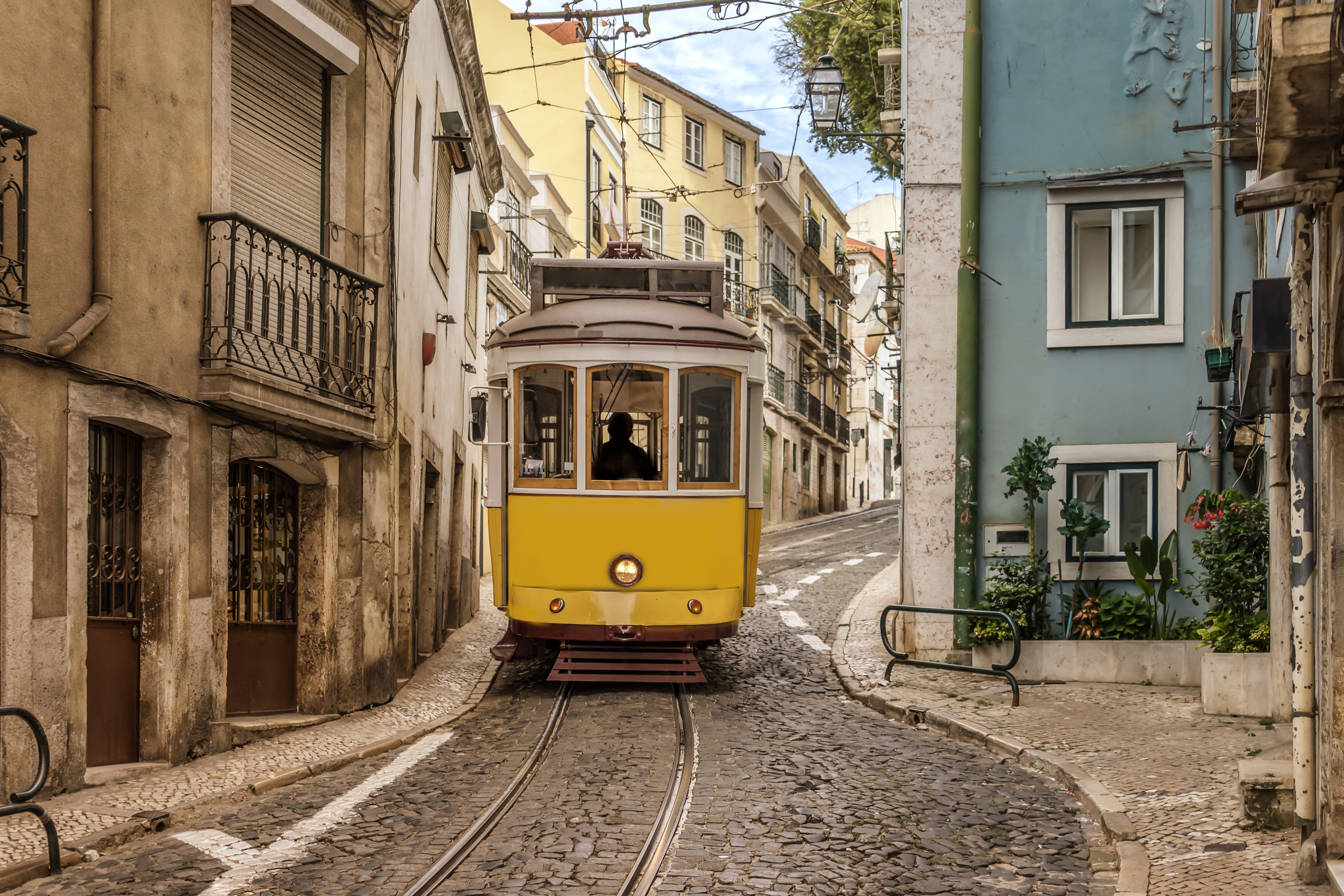
Lisboa
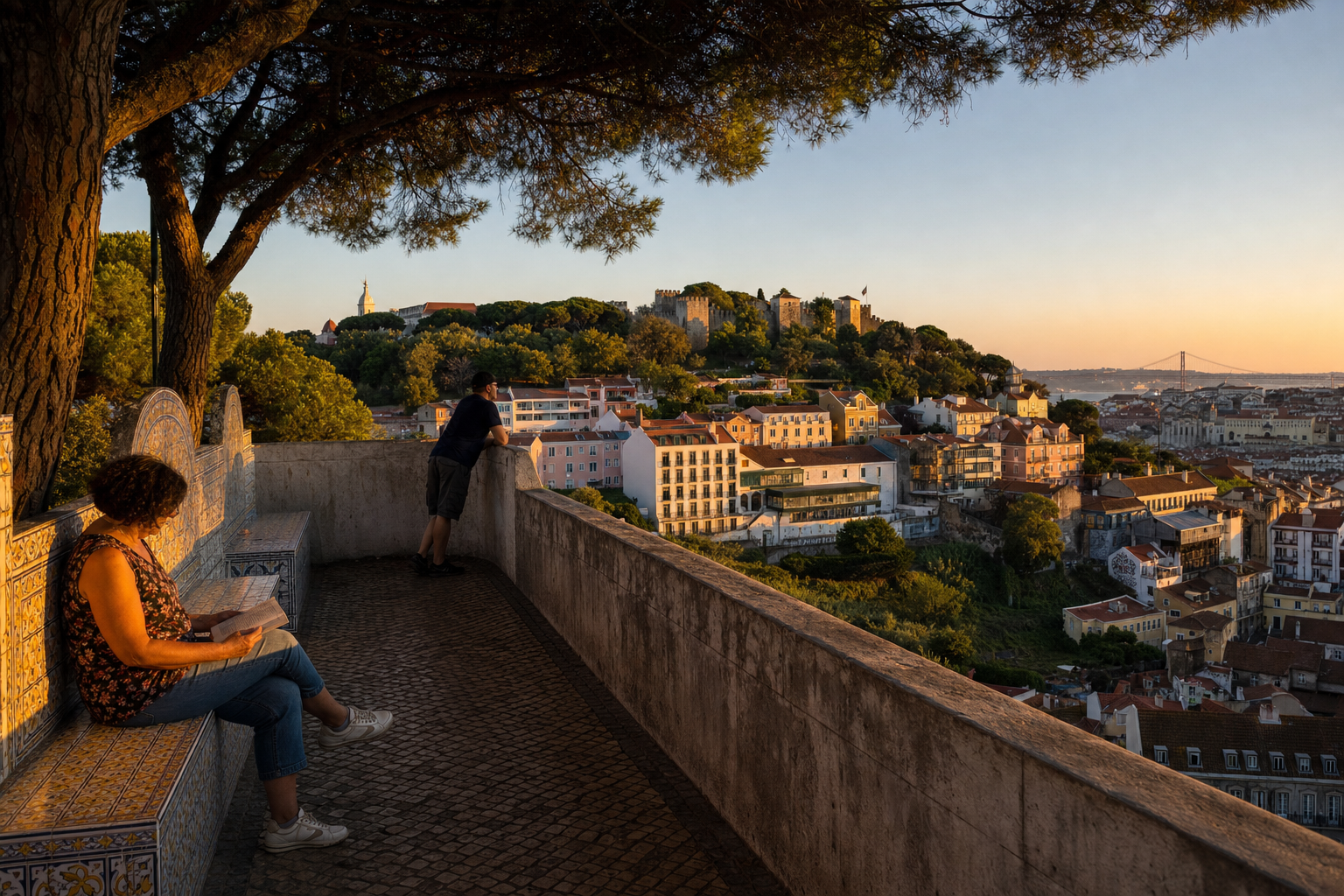
On the morning of 1 November 1755 — All Saints' Day — a catastrophic earthquake followed by a tsunami and fire destroyed roughly 85% of Lisbon. What you walk through today is, in large part, a city deliberately rebuilt from scratch. But not all of it. Alfama, clinging to its bedrock ridge above the Tagus, survived almost untouched. Mouraria, pressed against the castle hill, kept its labyrinthine medieval lanes. Belém, several kilometres west, was far enough from the epicentre to preserve its extraordinary Manueline monuments. These geological and historical accidents shaped the city's character as profoundly as any monarch or architect — and they explain why Lisbon's neighborhoods feel so radically different from one another, even when separated by a ten-minute walk. This guide goes beyond the postcard version. It digs into the specific histories, architectural DNA, and cultural layers that make each district genuinely distinct — and tells you what you'd actually miss if you only followed the crowds.
Read more →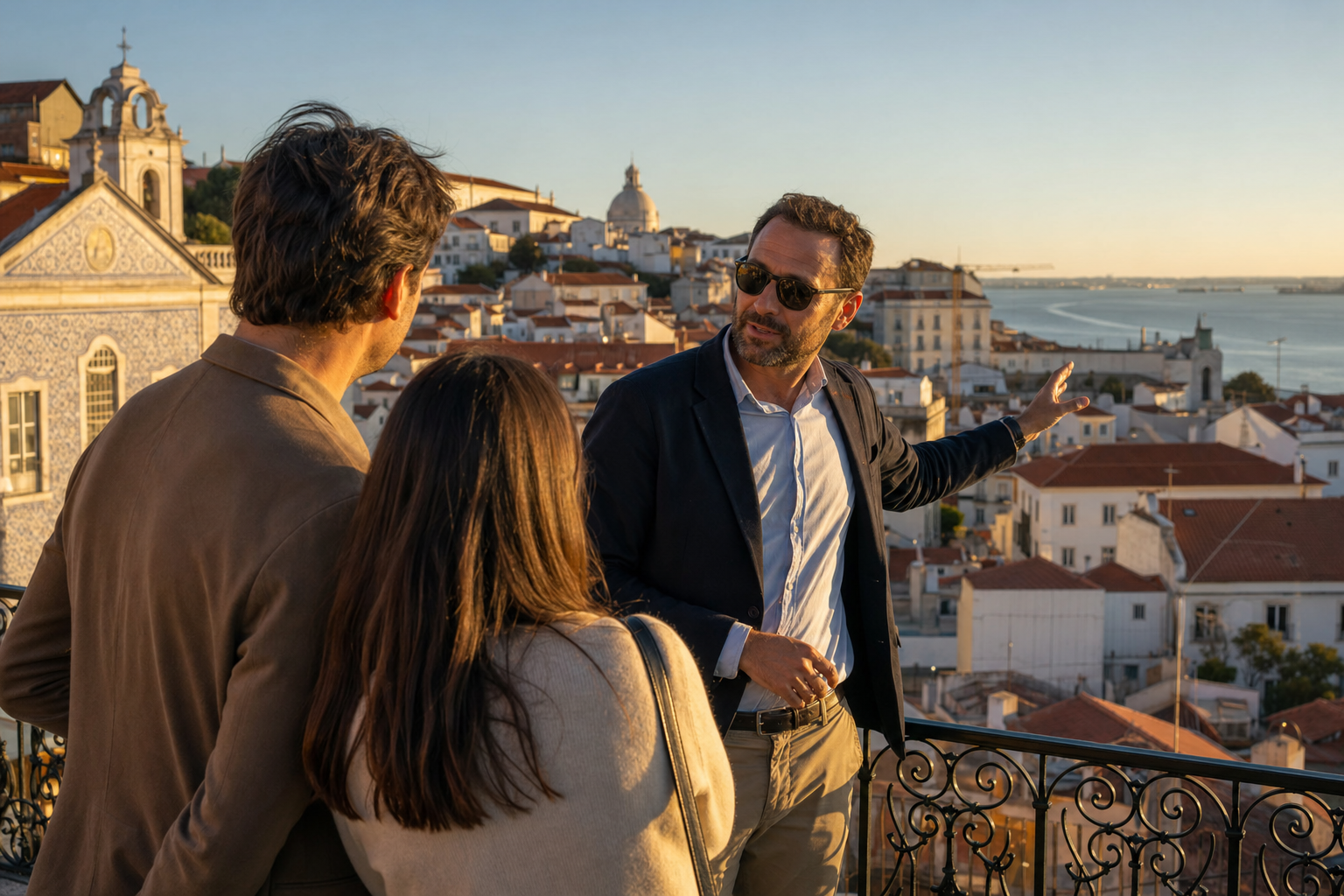
On the morning of 1 November 1755 — All Saints' Day — a catastrophic earthquake, followed by a tsunami and firestorm, killed between 30,000 and 40,000 people and erased the medieval centre of Lisbon in under six minutes. The city that rose from the rubble was rebuilt on an entirely different logic: the rational Pombaline grid of Baixa, named after the Marquis of Pombal who oversaw the reconstruction. That rupture still defines every street, tile panel, and viewpoint you encounter today — but almost no group tour has the time or flexibility to explain why. Lisbon is not one city; it is at least four, stacked across seven hills, shaped by a global maritime empire, a catastrophic earthquake, and centuries of cultural layering that even most visitors who have been here before have only scratched the surface of. That is precisely why private tours in Lisbon work so differently from anywhere else in Europe — and why getting them right matters.
Read more →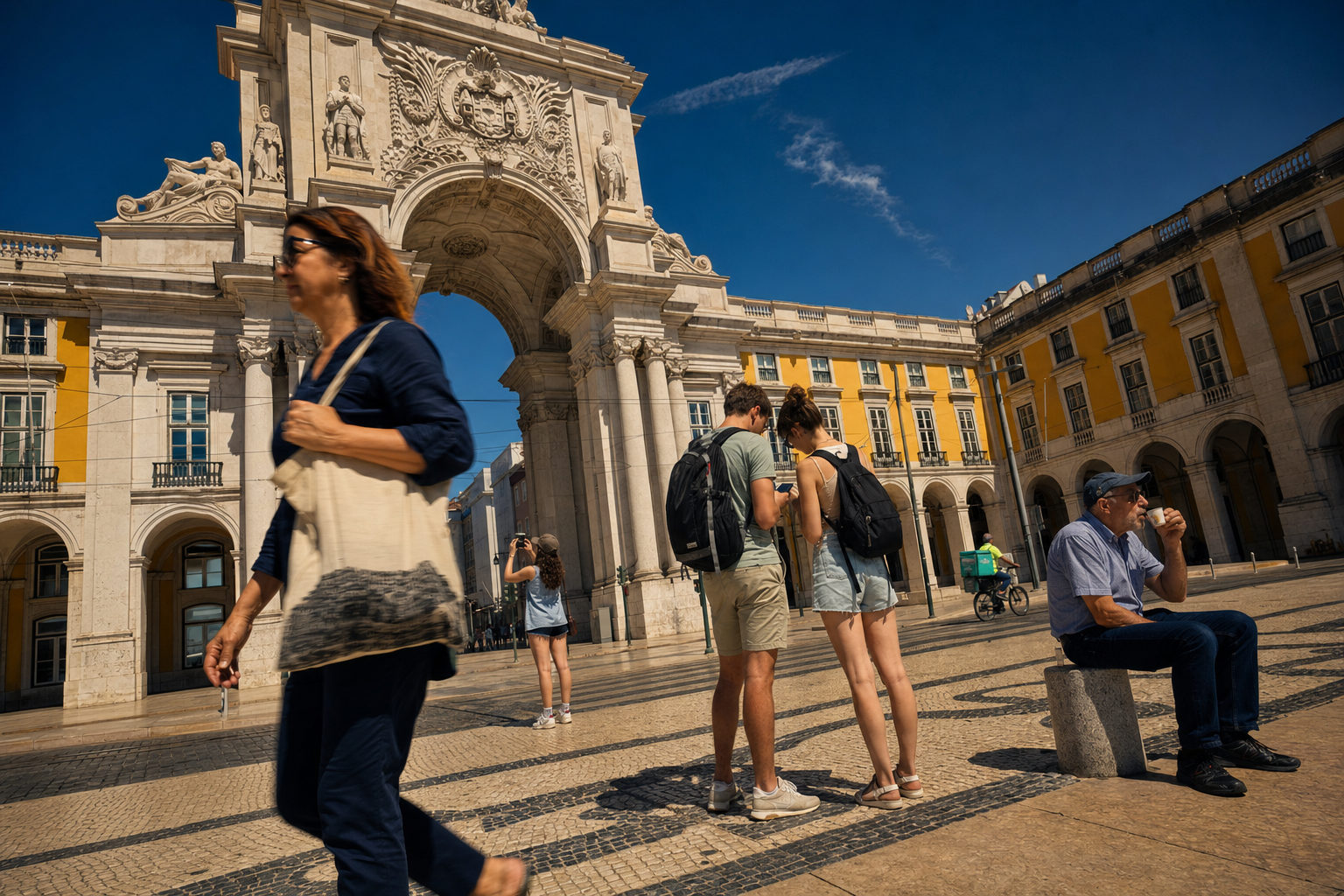
At 9:40 on the morning of 1 November 1755 — All Saints' Day, when most of Lisbon's population was inside a church — an earthquake estimated between 8.5 and 9 on the Richter scale struck the city. Three separate tremors, a tsunami, and fires that burned for five days killed between 30,000 and 40,000 people and levelled roughly 85% of the built environment. The Marquis of Pombal rebuilt the lower city from scratch on a rational Enlightenment grid — one of the first planned urban rebuilds in European history. But one neighbourhood didn't fall. Alfama, the ancient Moorish quarter, sat on solid schist bedrock and held. The street pattern you walk today is the one laid down before the 12th century. That single geological accident is the reason Lisbon feels unlike any other Western European capital: its oldest layers weren't buried under 19th-century renovation. They stayed visible, walkable, and inhabited. A long weekend in Lisbon — three full days, properly structured — is enough time to feel that depth across millennia of empire, faith, and fado. But only if you spend those days the right way.
Read more →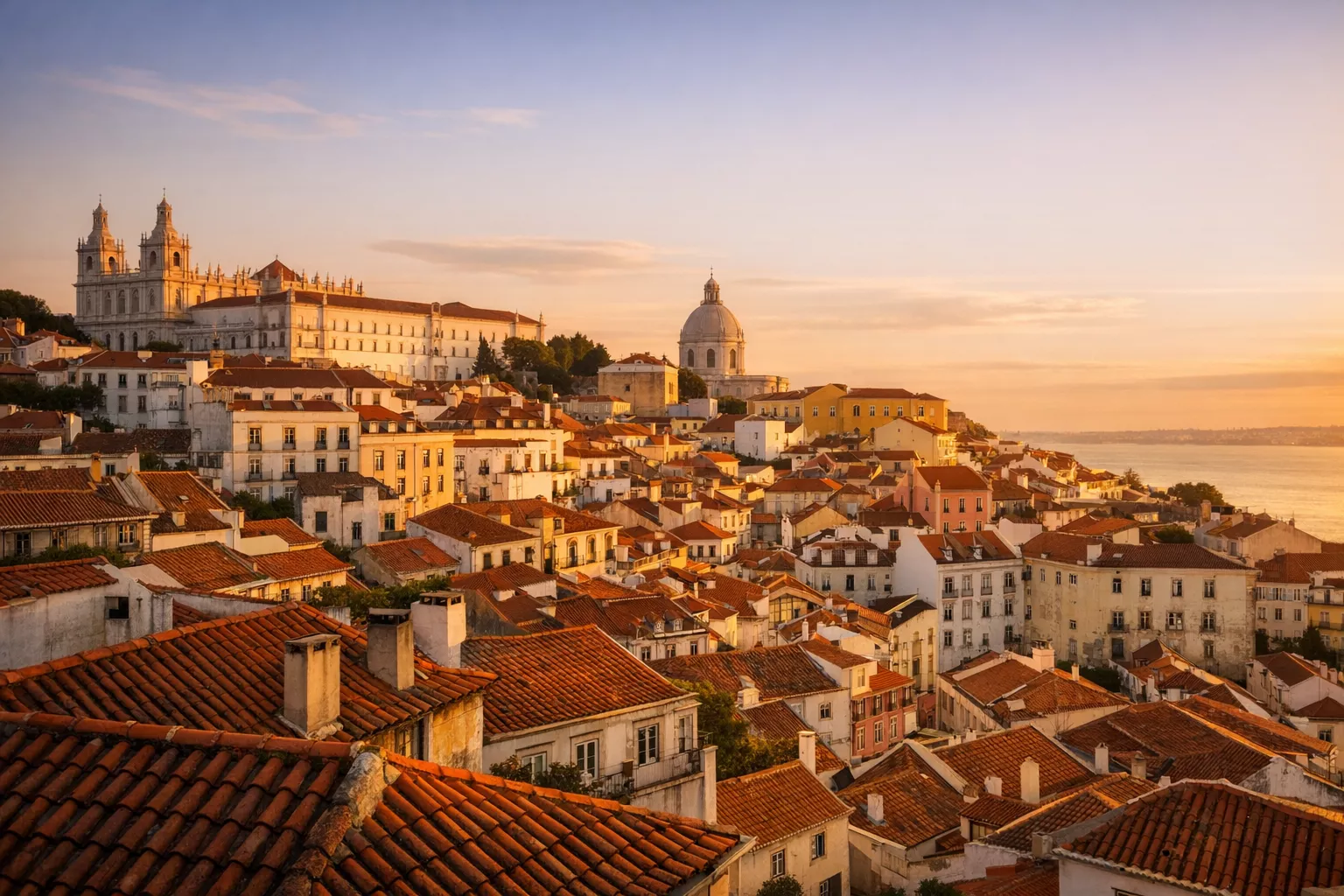
Discover the vibrant city of Lisbon, where history, culture, and gastronomy blend together perfectly. Whether you're a history buff, a foodie, or an adventurer, this guide will reveal the top things to do in Lisbon, along with links to exclusive local tours.
Read more →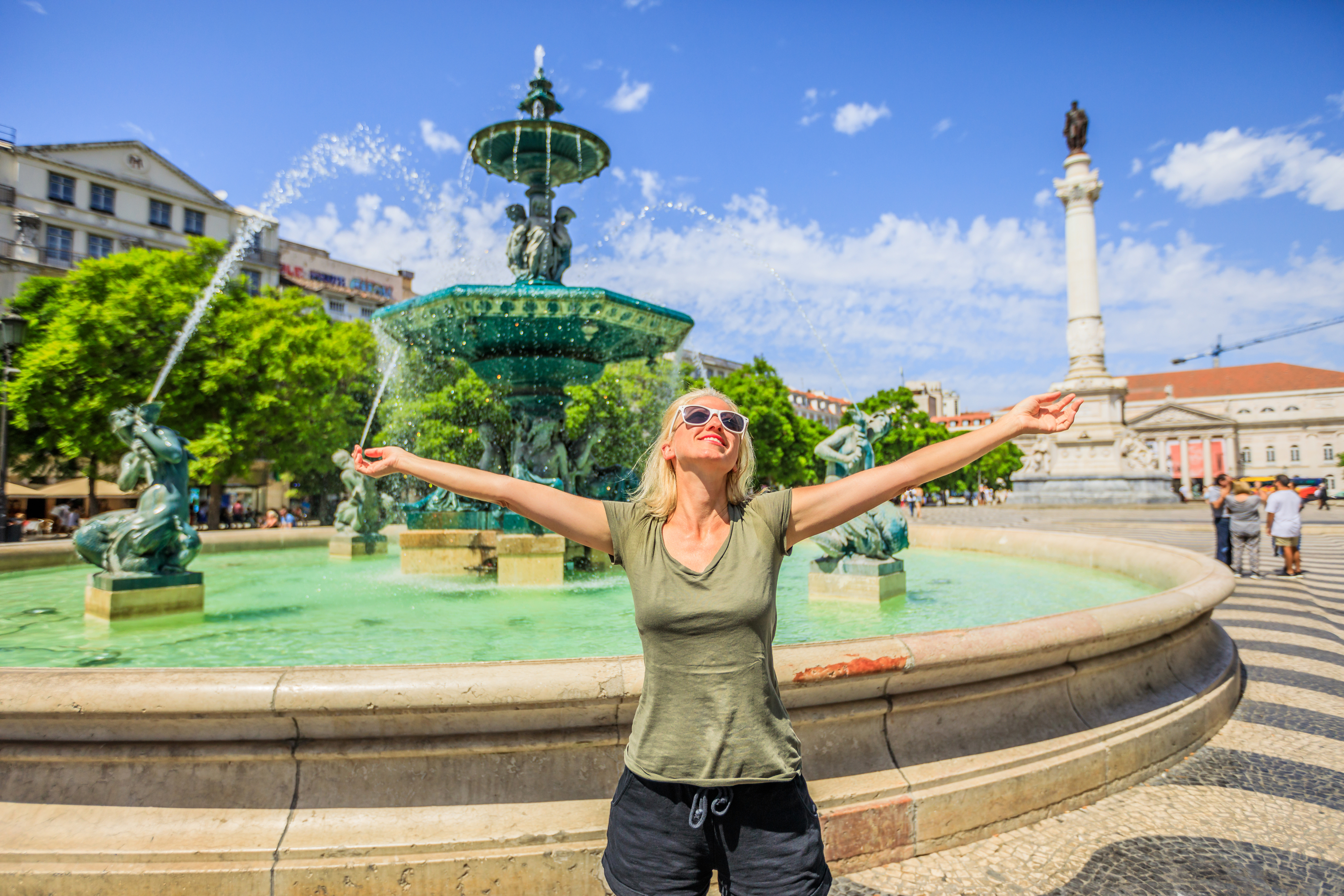
Lisbon, the capital city of Portugal, is a vibrant and enchanting destination that offers a perfect blend of history, culture, and natural beauty. From its picturesque neighborhoods to its stunning architectural landmarks, Lisbon has something to offer every traveler. Whether you have just a few days or a whole week, this city will captivate you with its charm and allure.
Read more →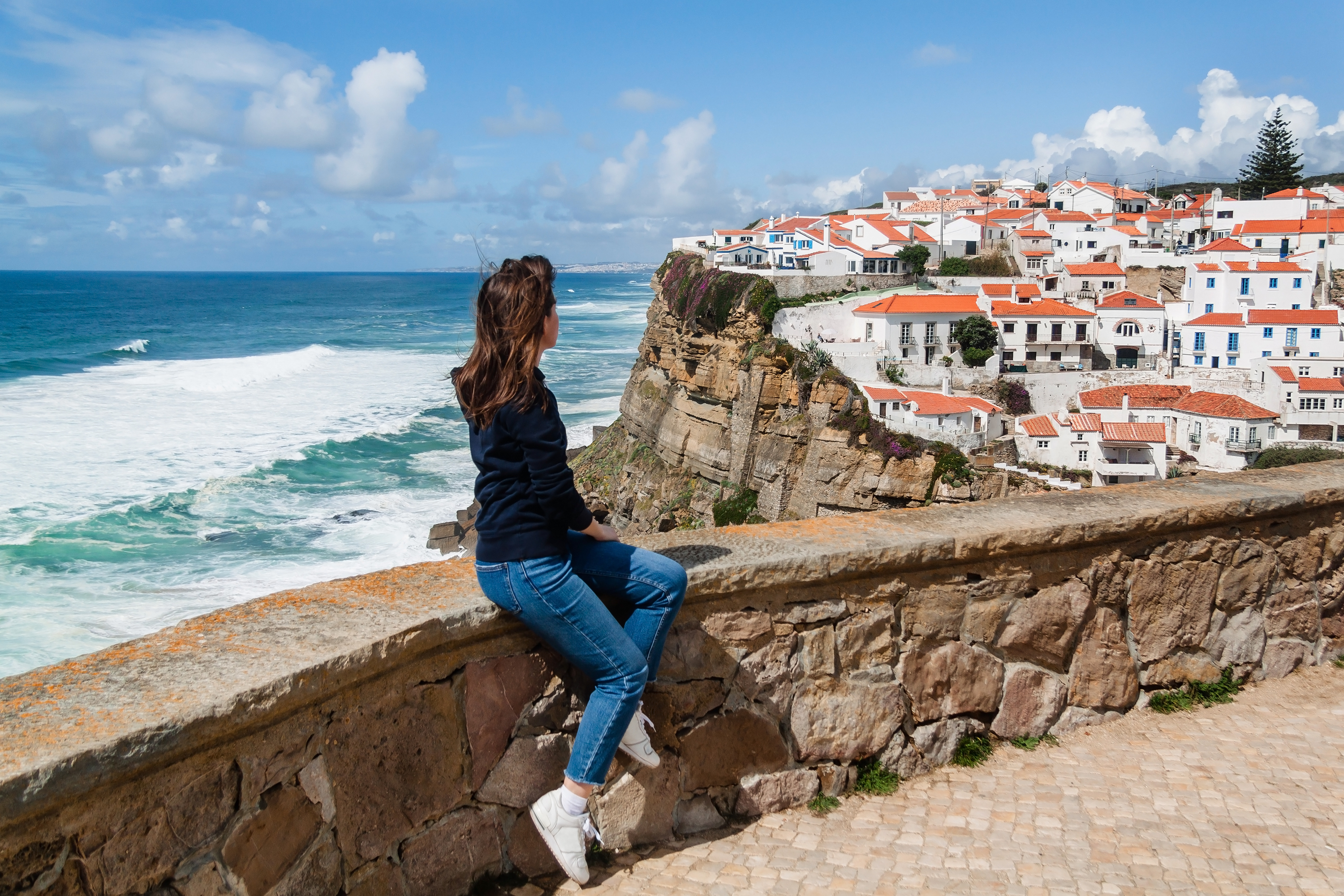
In the vicinity of Lisbon there are many beautiful villages and places to visit on day trips. At any time of the year, you can discover small towns, palaces, castles, beaches and beautiful landscapes. Signing up for a private tour with a local guide can be a very good option, so that you don't miss any detail, learn about history, while optimising time and money. Otherwise, it is also possible to do it on your own, thanks to public transport or rental cars. Which places do we recommend?
Read more →We use a single cookie, to remember this choice. We do not use analytics or advertising cookies. Read our cookie policy.