2 hrs
Barcelona
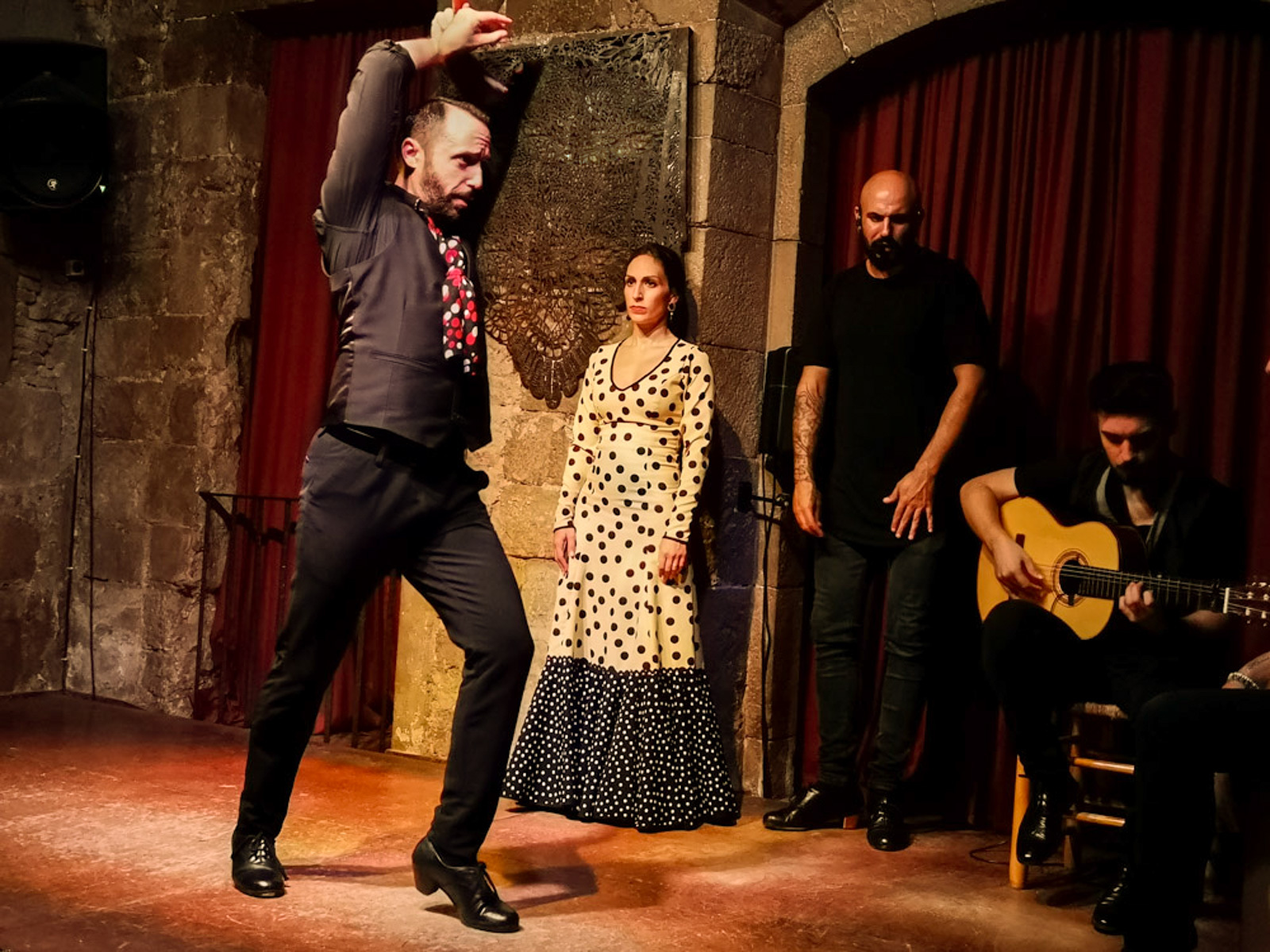
Olé Barcelona! Experience a Tapas & Flamenco Show in a Private local tour
✓ Free cancellation
4.7(108 reviews)
From €164/ person
Book Now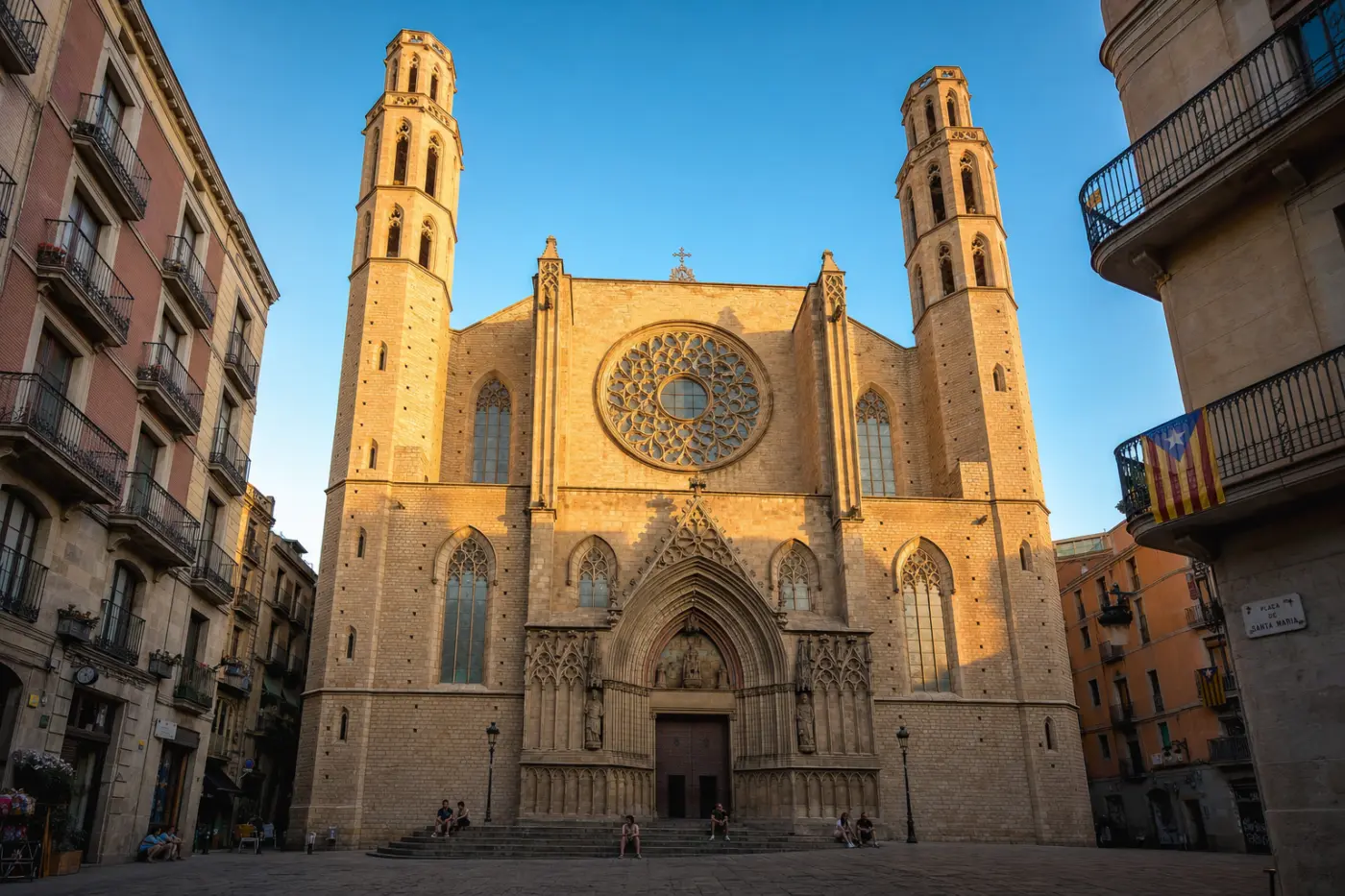
Tourist attraction
Santa Maria del Mar is a 14th-century Gothic basilica standing in the El Born district of Barcelona, widely regarded as the finest and most harmonious example of Catalan Gothic architecture in existence. Construction began on 25 March 1329 — the Feast of the Annunciation — under the direction of master builders Berenguer de Montagut and Ramon Despuig, and was completed in just 54 years, an extraordinarily short span for a medieval church of its scale. That unity of construction period is precisely why the building feels so coherent: unlike many cathedrals assembled over centuries in conflicting styles, every pillar, vault, and window of Santa Maria del Mar belongs to a single architectural vision. The church was built at the initiative of the merchants, sailors, and stevedores of the Ribera neighbourhood, who personally carried the stones from Montjuïc quarry on their backs — a fact commemorated in two stone reliefs of porters (bastaixos) carved into the main portal.
The church's dedication to "Saint Mary of the Sea" reflects its deep bond with Barcelona's maritime identity. The Ribera quarter was then the economic engine of the Crown of Aragon, whose Mediterranean empire stretched from Catalonia to Sicily and Athens. King Alfonso IV had laid the cornerstone after his conquest of Sardinia, and the building functioned as a monument to Aragonese naval ambition as much as a place of worship. The interior measures 34 metres to the vault's crown, supported by just eight extraordinarily slender octagonal columns spaced 13 metres apart — the widest nave-to-aisle ratio of any Gothic church in the world. This creates a spatial openness that the much larger Barcelona Cathedral, begun earlier and completed later, never achieves. The original stained-glass rose window above the main entrance was destroyed during an earthquake in 1428 and replaced with the current Flemish-influenced design; the apse windows, however, preserve 15th- and 16th-century glass of exceptional quality.
The building has survived violence as much as time. During the War of the Spanish Succession, Philip V's troops used it as a prison for Catalan patriots after the fall of Barcelona in 1714. More dramatically, anti-clerical rioters set the interior ablaze in July 1936 at the outbreak of the Spanish Civil War; the fire burned for eleven days, incinerating every piece of Baroque-era furniture and decoration that had accumulated over the centuries. The result, paradoxical and now celebrated, was the total restoration of the medieval interior's austere elegance — the bare stone and uncluttered space visitors see today is, in part, the legacy of that destruction. The 2001 historical novel La Catedral del Mar by Ildefonso Falcones brought the church's founding era to a global audience and significantly increased visitor numbers.
Visitors entering from the Plaça de Santa Maria are immediately struck by the vertical drama of the nave and the luminous quality of light filtering through the apse glass. The church is an active parish, so respectful silence is expected, particularly during morning and evening Mass. Guided tours, including rooftop access with views over El Born's medieval street grid, are available and highly recommended for the architectural detail they reveal in the upper galleries and triforium. The surrounding neighbourhood — with the Basílica steps, the Fossar de les Moreres memorial (honouring 1714 fallen defenders), and El Born market hall nearby — makes this one of the most historically layered squares in Barcelona. Visit at sunset when the west-facing rose window ignites the stone interior in amber light.
Private tours with a local guide, at your own pace.
Barcelona
Barcelona
Barcelona
Barcelona
Barcelona
Barcelona
Barcelona
Barcelona
Barcelona
Barcelona
Barcelona
Barcelona
Barcelona
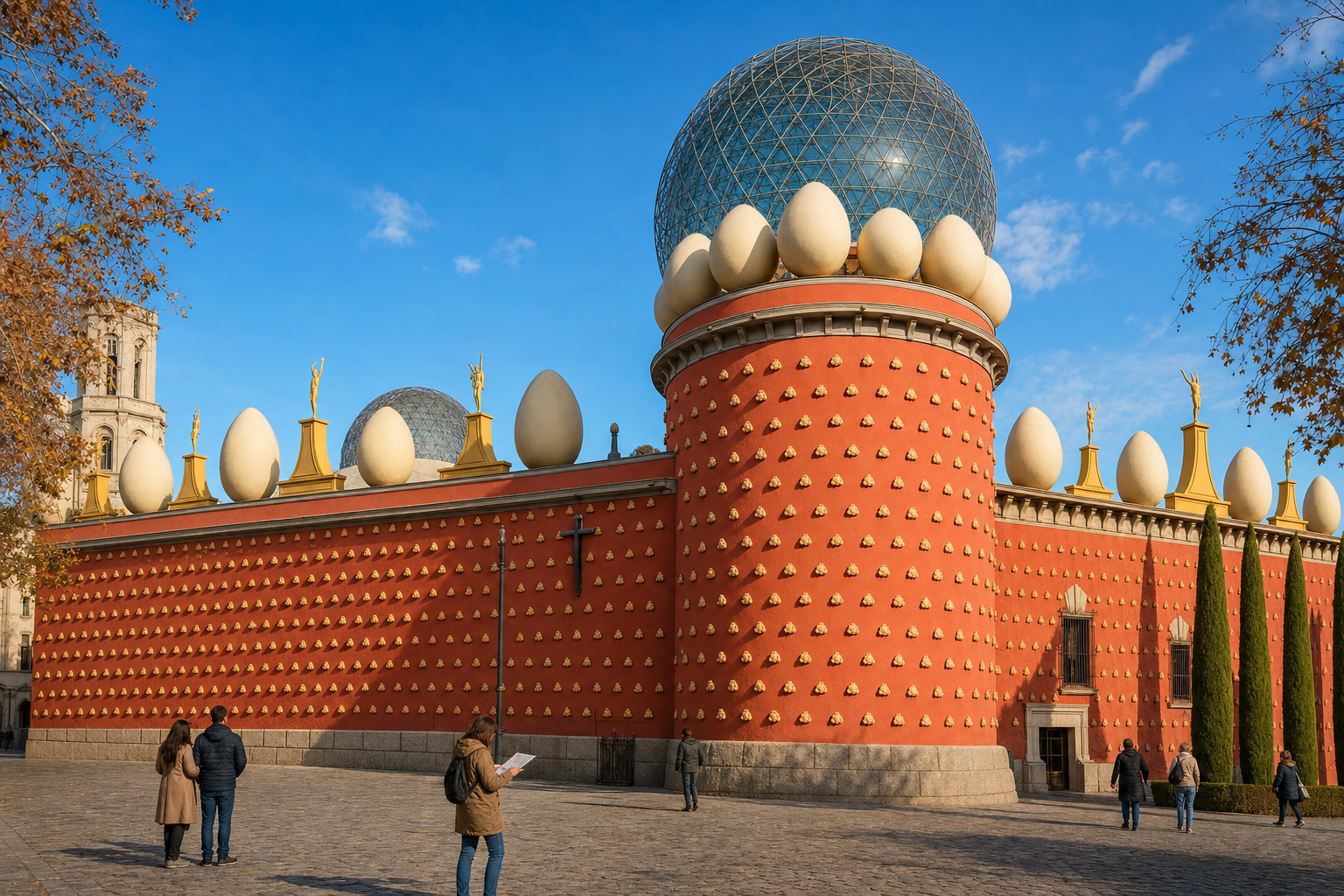
Most people know that Salvador Dalí was born in Figueres on 11 May 1904 — fewer realise that he spent the last decade of his life living inside his own museum, in a castle tower he had converted into a private apartment, refusing almost all visitors. That detail alone reframes everything you're about to see on a Costa Brava day trip from Barcelona. This isn't a sightseeing loop past pretty landmarks; it's a journey into one of the most deliberately constructed artistic universes ever assembled, set against a coastline so geologically dramatic that it physically shaped the imagery of a surrealist movement. From the geodesic dome above Figueres to the labyrinthine rooms of Portlligat, from the tramuntana-battered vines of the Empordà to the whitewashed lanes of Cadaqués, every stop carries a specific weight of history that rewards knowing before you arrive. This guide gives you that context — and shows you why adding a winery to the route isn't a detour, it's the most logical ending the day could have.
Read more →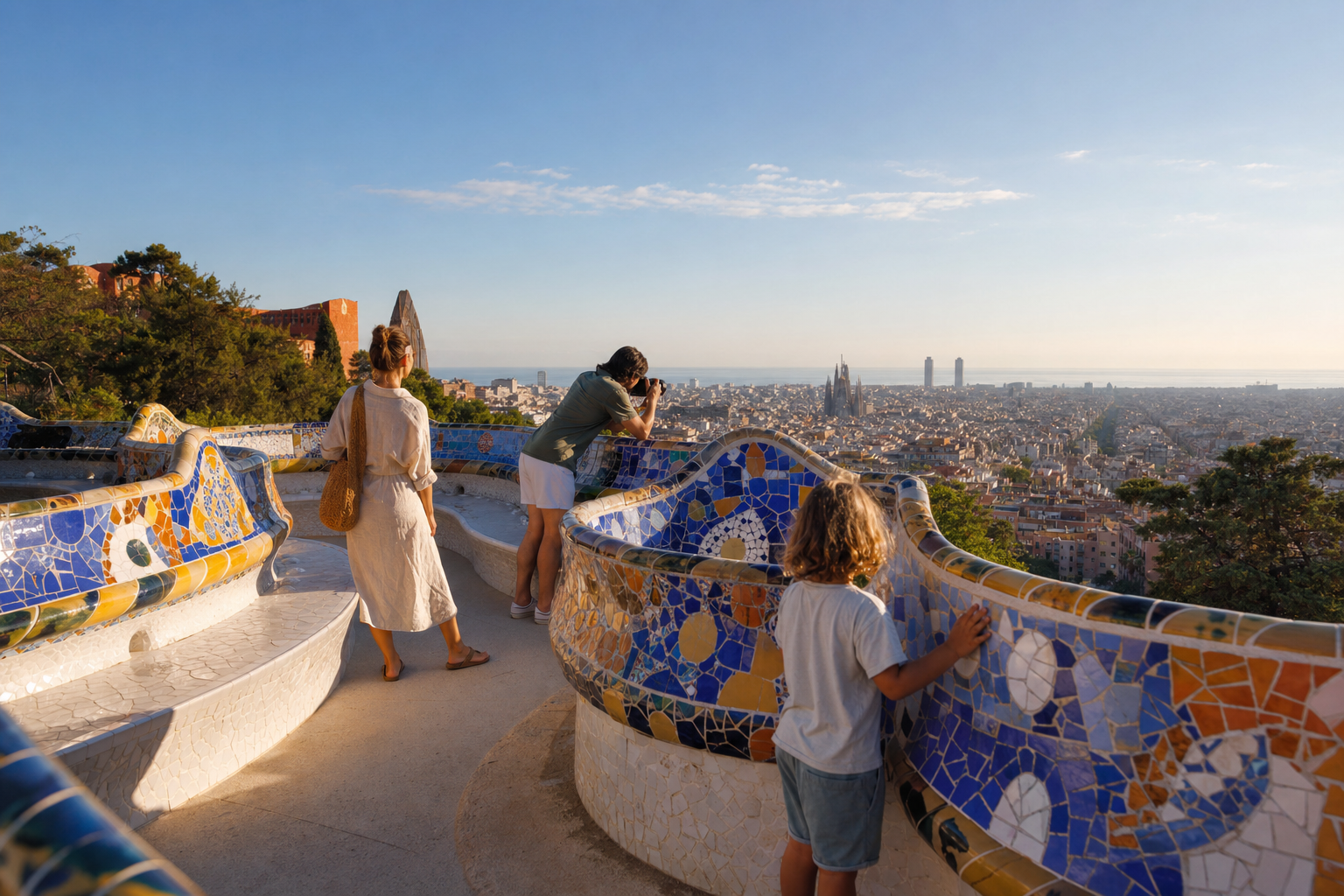
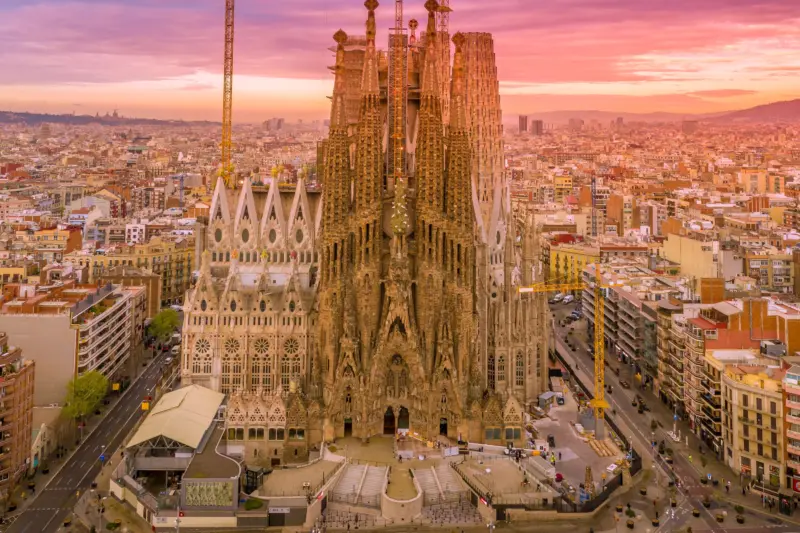
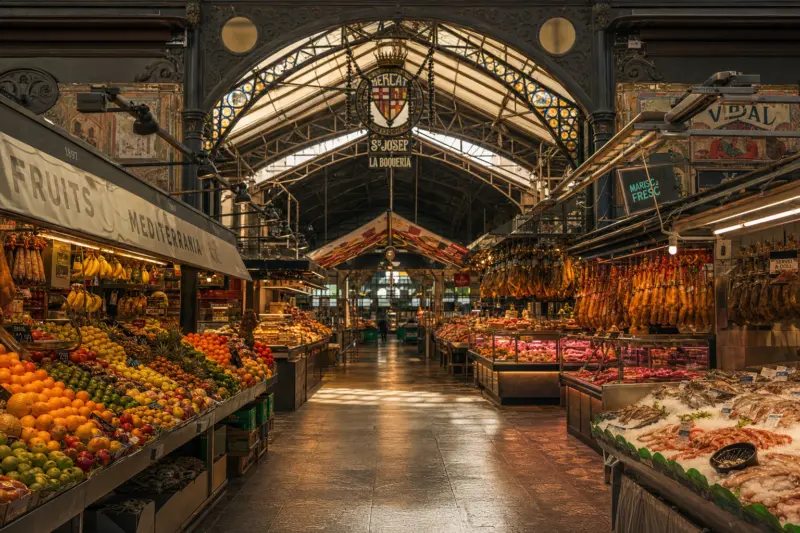
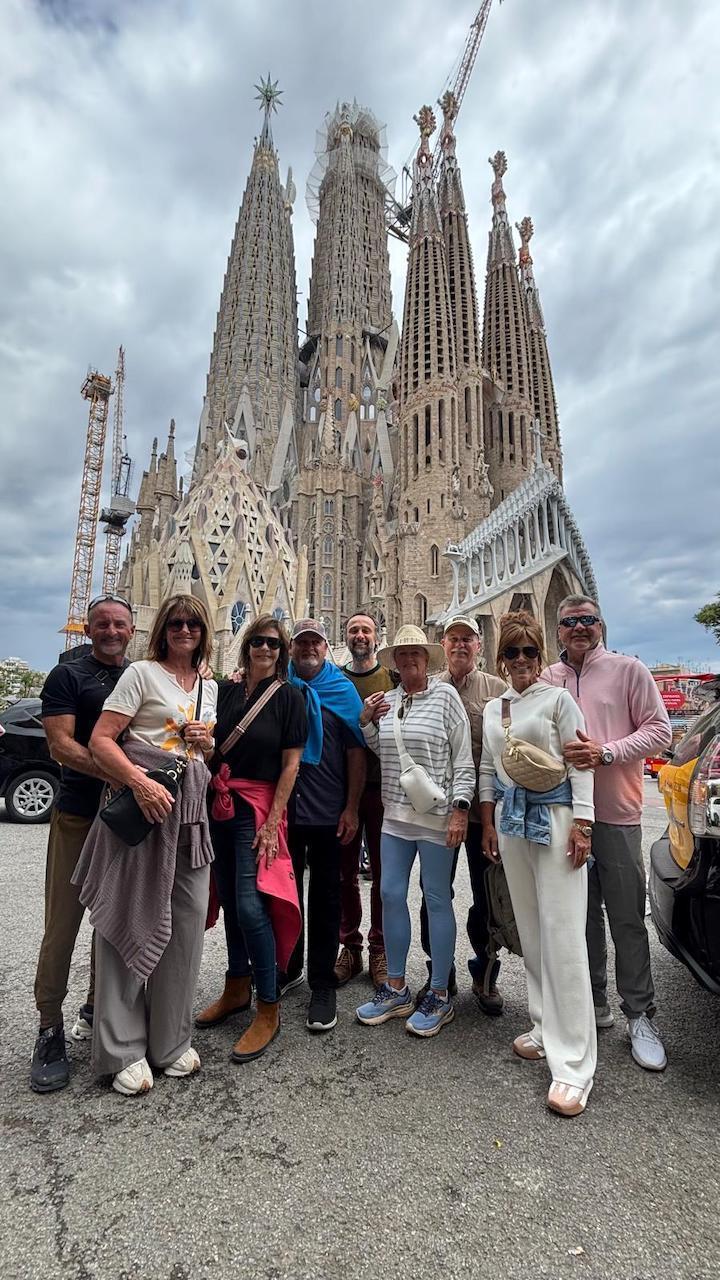
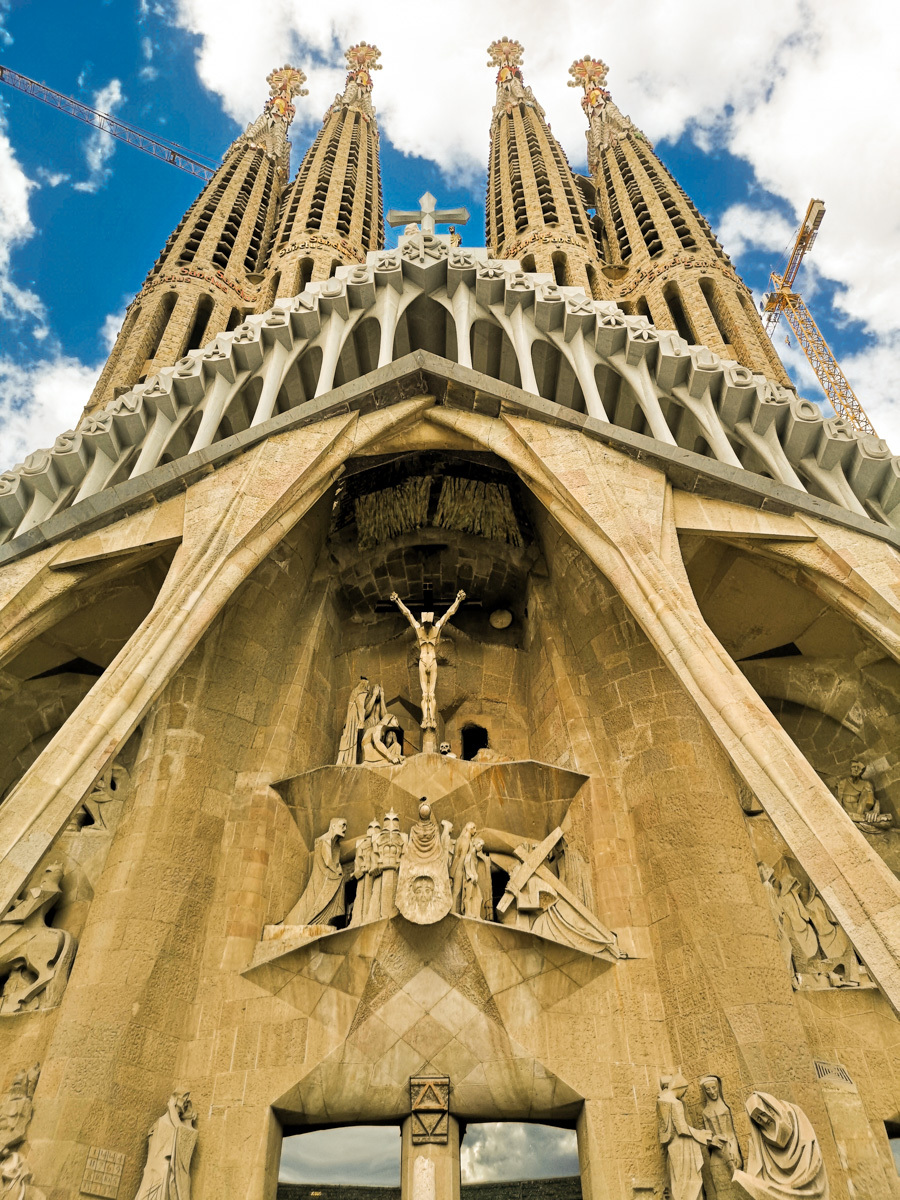
In 1883, a 31-year-old architect named Antoni Gaudí inherited a half-built church from a resigning predecessor and spent the next 43 years — until his death in 1926 — turning it into one of the most structurally radical buildings in human history. That church, the Sagrada Família, is still under construction today, and it is just one reason why Barcelona rewards curiosity more than almost any other city in Europe. But Gaudí's Barcelona is only one layer. Beneath the Gothic Quarter's cobblestones lie the preserved streets of a Roman settlement called Barcino, founded around 10 BC. In the city's markets, a food culture rooted in Catalan identity — not the generalised 'Spanish' clichés exported for tourists — plays out every single morning. Barcelona is a city that consistently offers more the deeper you look. This guide cuts past the surface to give you the historical facts, cultural context, and local knowledge that turn a good trip into an unforgettable one.
Read more →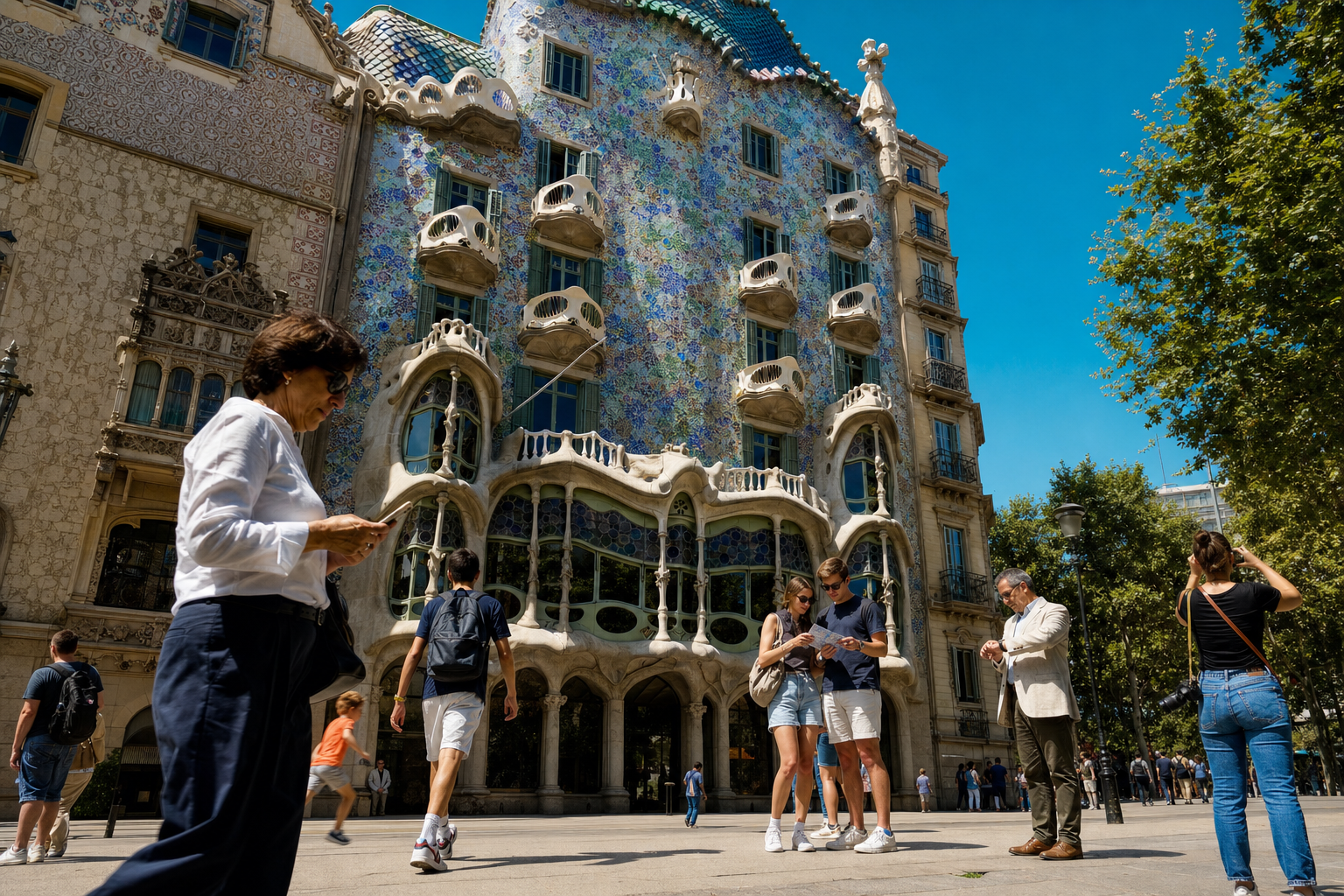
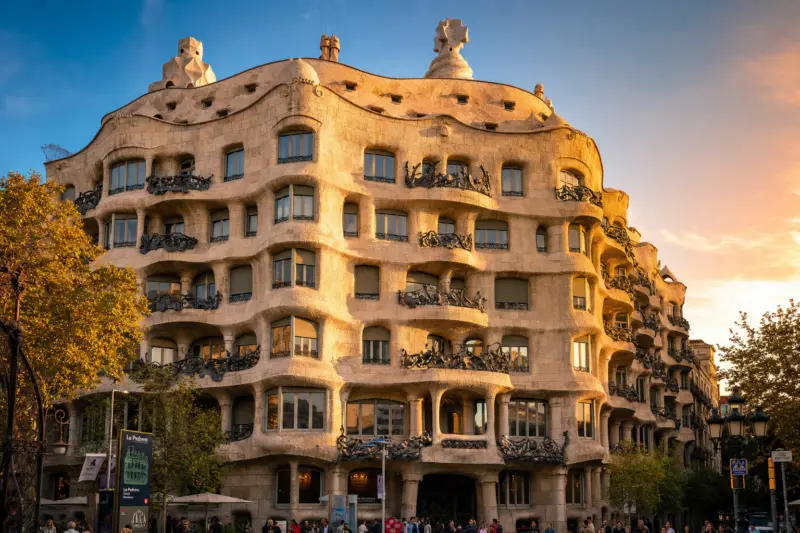
On the grandest stretch of Barcelona's Passeig de Gràcia — a boulevard so thick with Modernista jewels that locals call it the Block of Discord — one building stops every passerby cold. Casa Batlló shimmers like a living creature: scales of iridescent ceramic, a roofline that breathes, skulls carved into stone balconies. It was commissioned by a wealthy textile magnate, transformed by a visionary architect, and completed in 1906 as a statement that would redefine what a city building could be. This is its story.
Read more →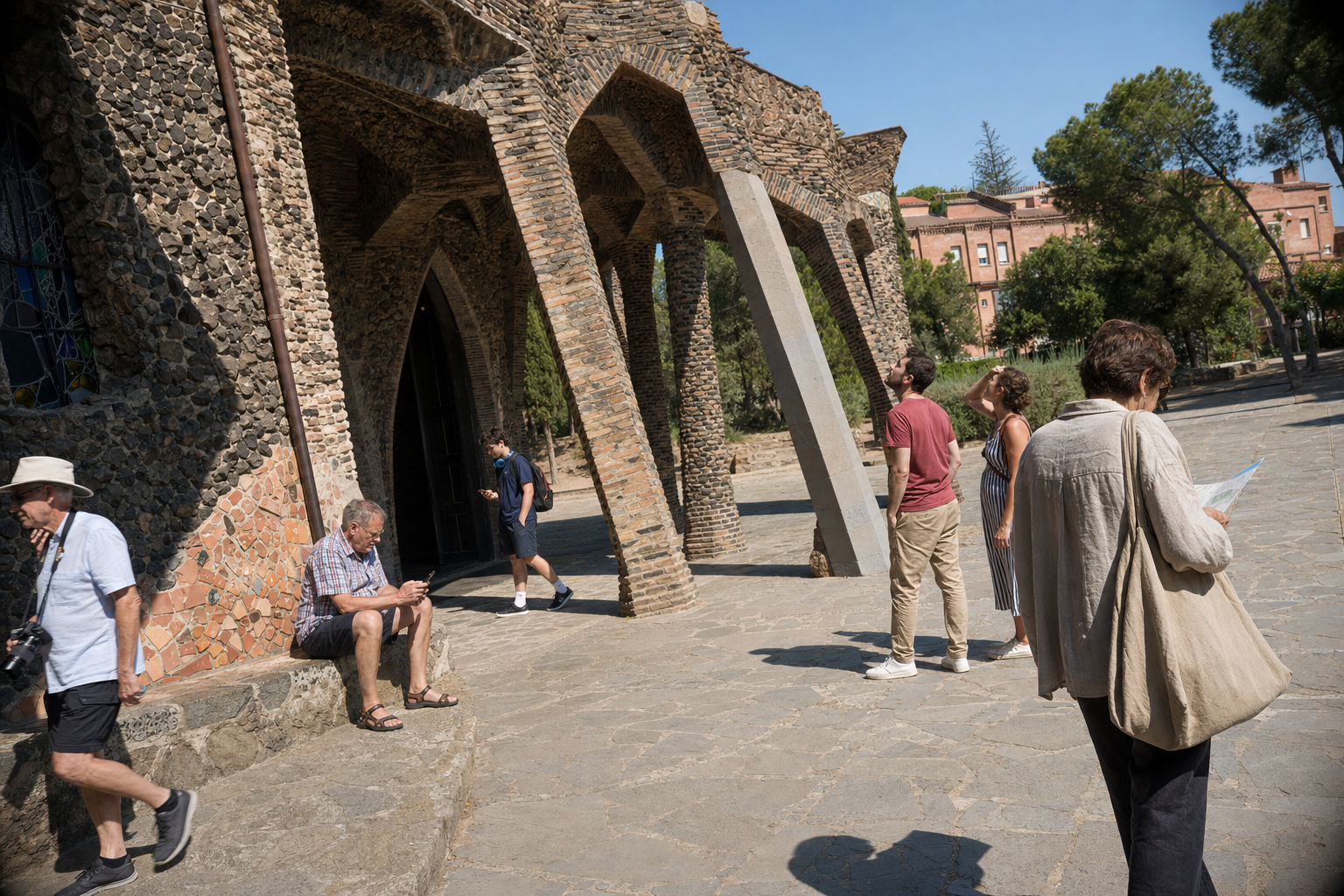
In 1890, the Catalan industrialist Eusebi Güell made a decision that was radical even by the standards of a city already electrified by modernisme: he abandoned Barcelona's choking factory districts and moved his textile mill — and his entire workforce — to a pine-forested hillside in Santa Coloma de Cervelló, just 20 kilometres southwest of the city. What he built there was not merely a factory complex but a full social experiment: a self-contained workers' village with housing, schools, a theatre, a cooperative shop, and a church that would become one of the most structurally daring buildings of the 20th century. That church was entrusted to Antoni Gaudí — and what Gaudí designed in its crypt between 1908 and 1914 was nothing less than the structural laboratory for the Sagrada Família. Colonia Güell is where the dream was tested. It draws a fraction of the crowds that queue outside Park Güell or the Sagrada Família, yet it is arguably the most intellectually fascinating Gaudí site in all of Catalonia.
Read more →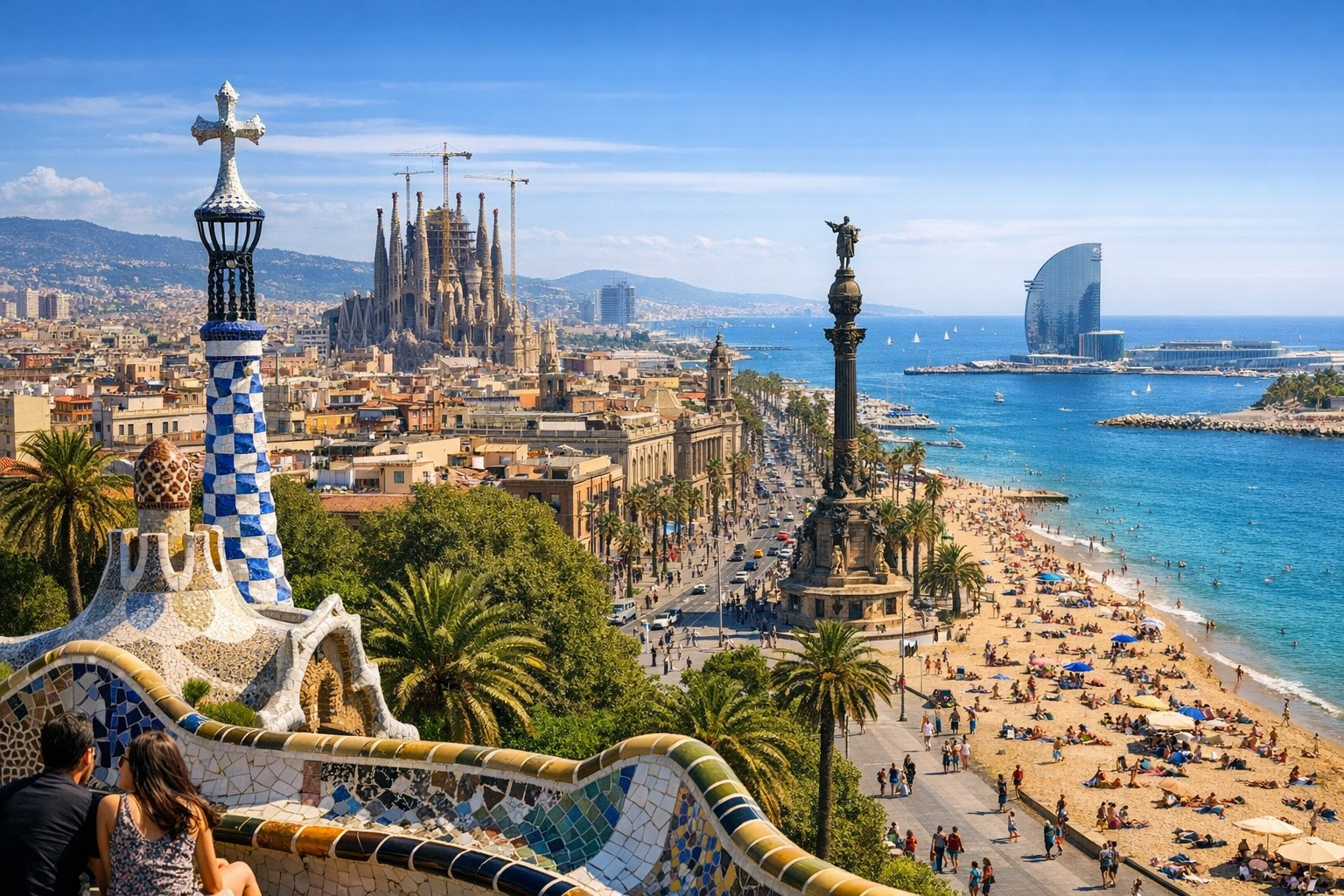
Discover the vibrant culture, stunning architecture, and culinary delights of Barcelona. From iconic landmarks to hidden gems, this guide offers the best activities to experience in the city, ensuring an unforgettable visit.
Read more →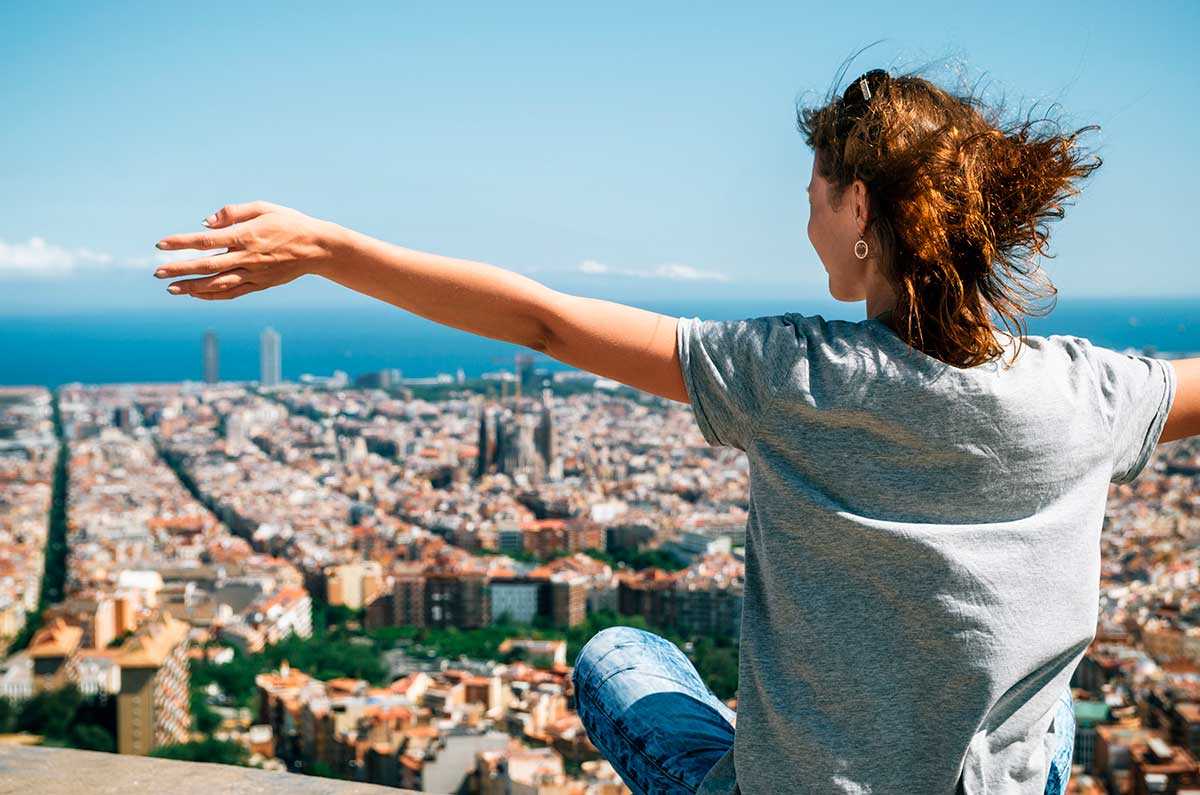
Barcelona, the enchanting coastal city in Spain, is a treasure trove of captivating attractions, historic landmarks, and awe-inspiring architecture. With so much to explore, having a well-designed attractions map can significantly enhance your sightseeing experience and ensure you make the most of your time in this vibrant destination. Whether you are an adventurous solo traveler or a family seeking a cultural getaway, a detailed map will be your faithful companion throughout your journey.
Read more →We use a single cookie, to remember this choice. We do not use analytics or advertising cookies. Read our cookie policy.