2 hrs
Barcelona
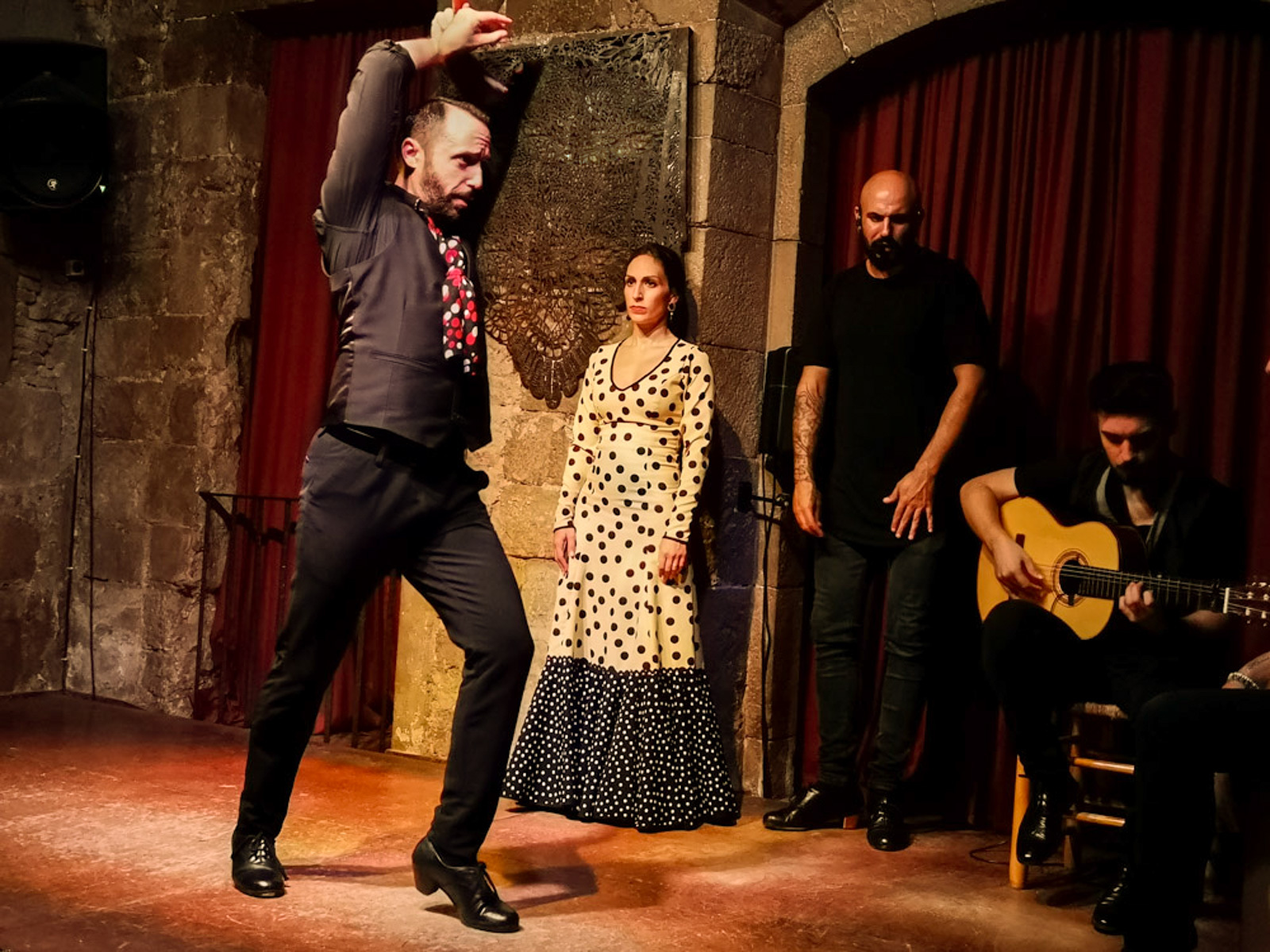
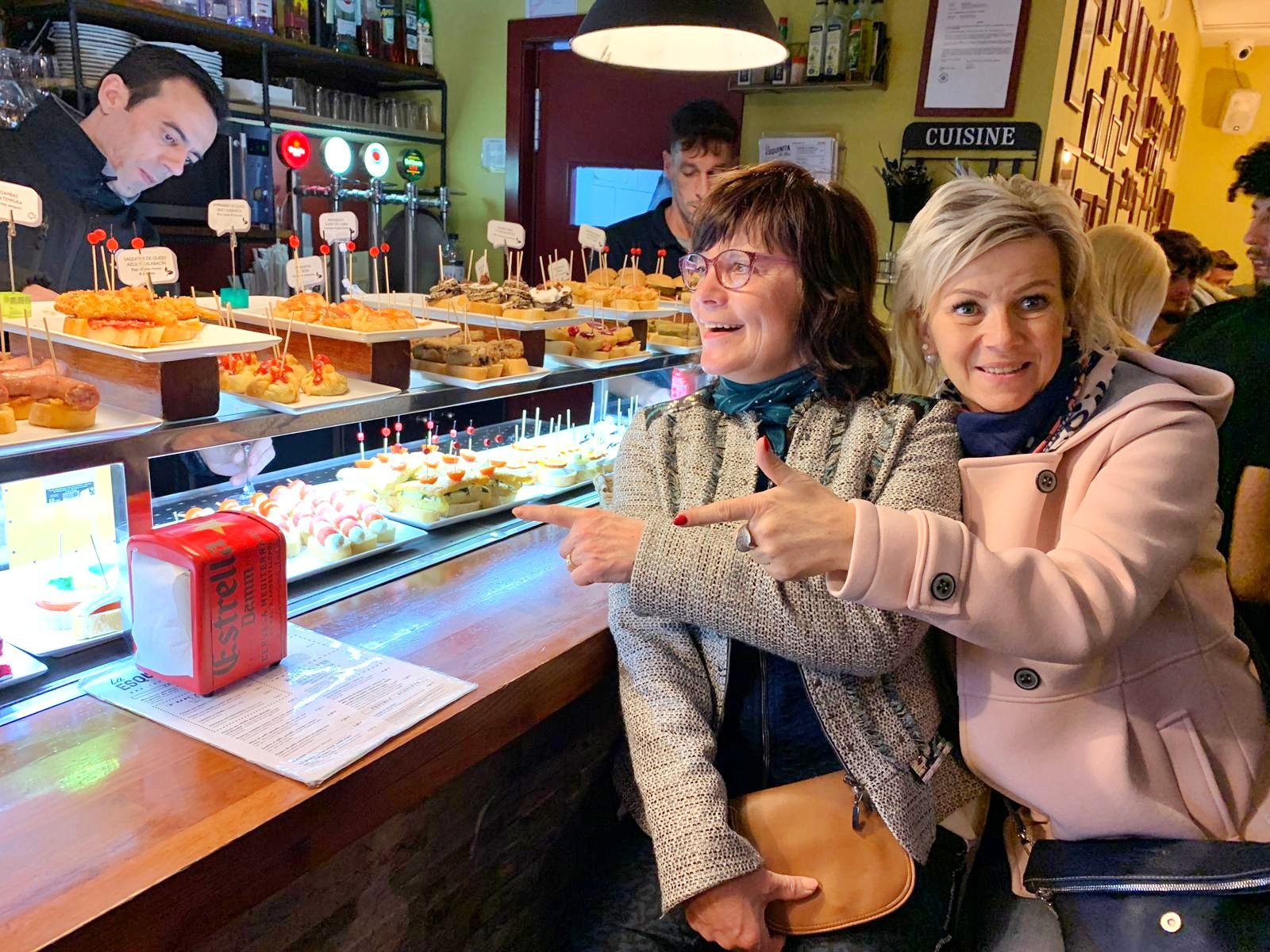
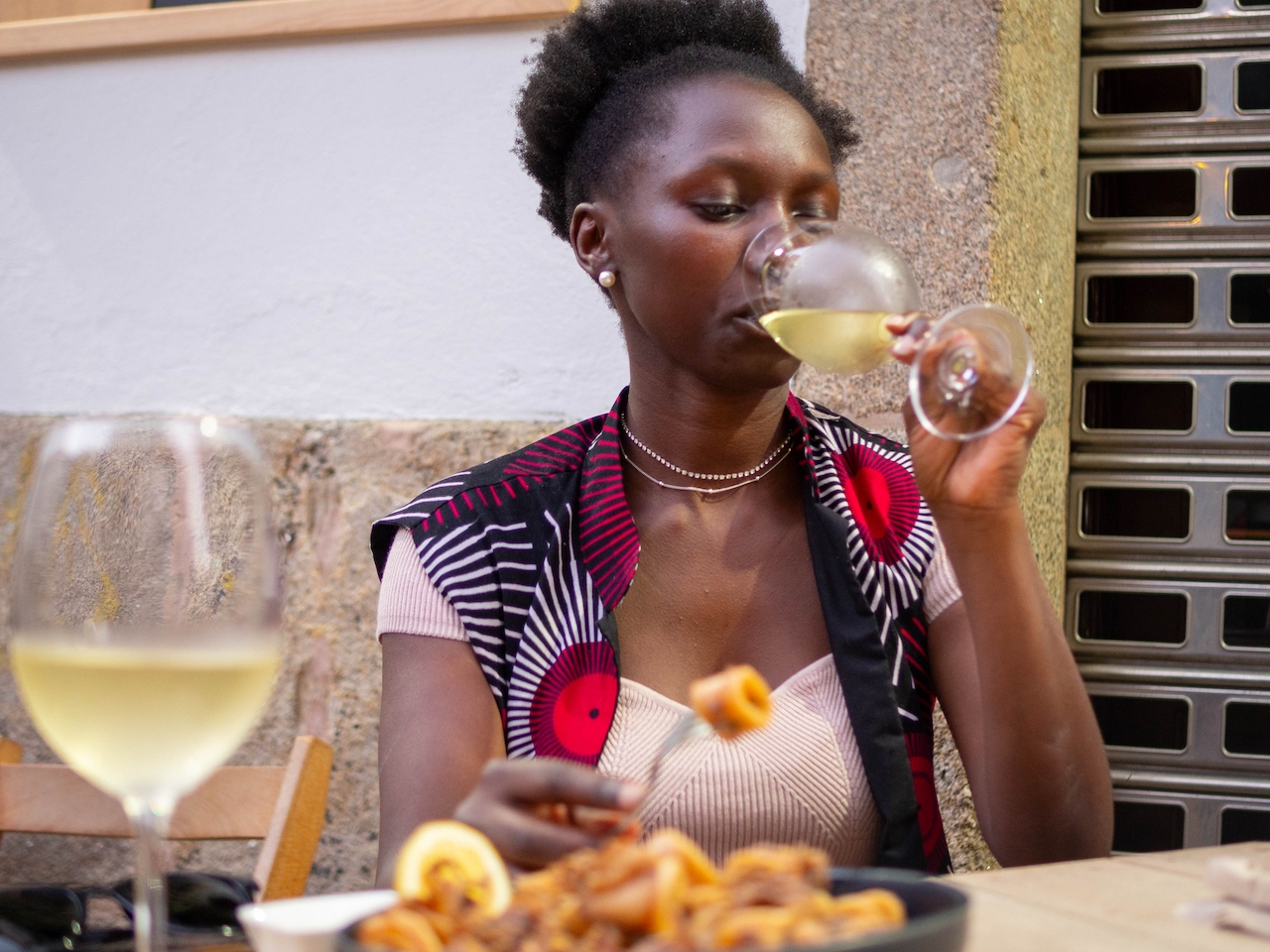
Olé Barcelona! Experience a Tapas & Flamenco Show in a Private local tour
✓ Free cancellation
4.7(108 reviews)
From €164/ person
Book Now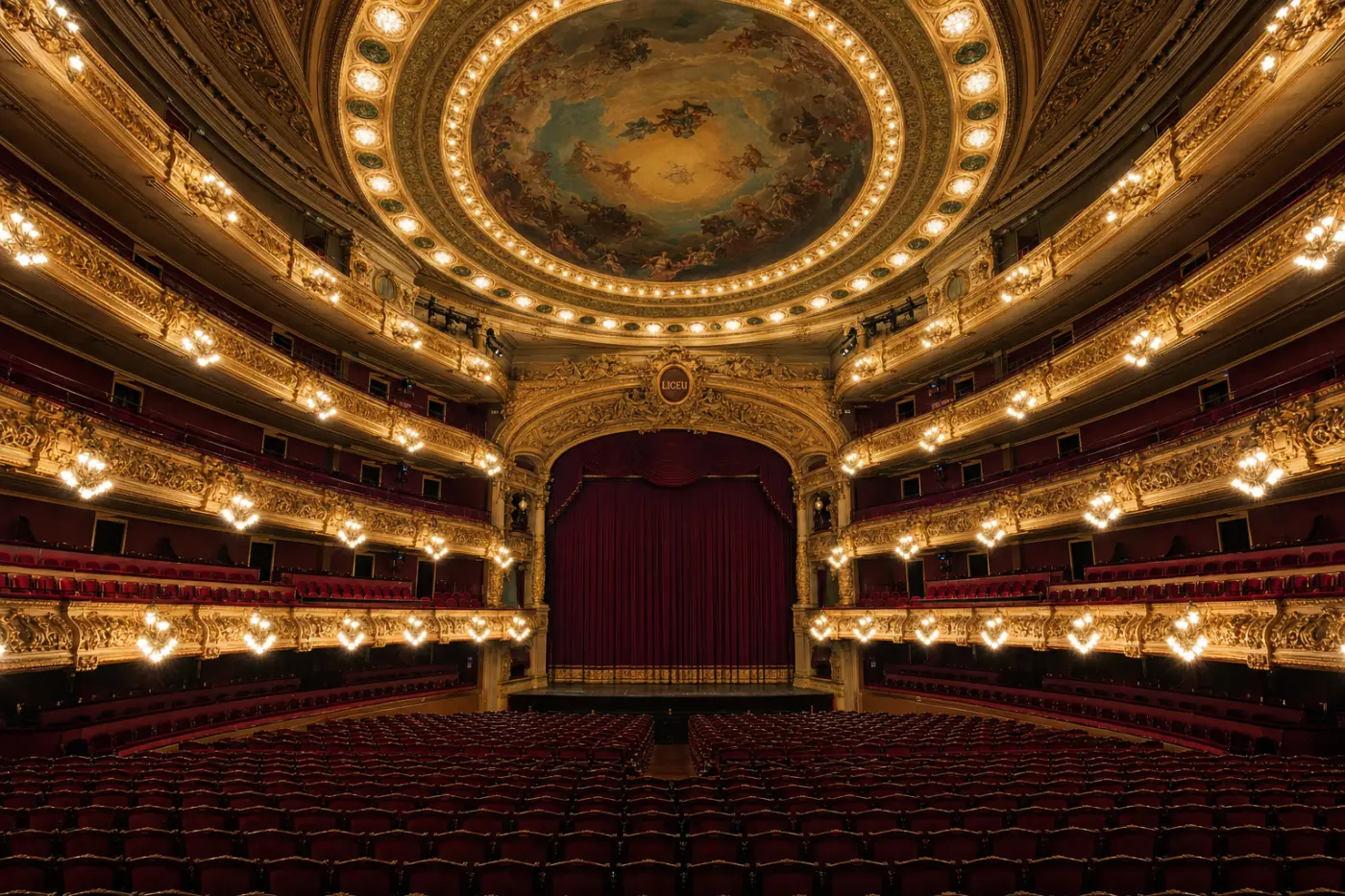
Tourist attraction
The Gran Teatre del Liceu is one of Europe's premier opera houses, standing on La Rambla at number 51–59 in the heart of Barcelona's Ciutat Vella. Founded not by royal decree but by a private society of bourgeois music lovers — the Societat del Gran Teatre del Liceu — it opened on 4 April 1847 under architect Miquel Garriga i Roca, making it a distinctly civic institution in an era when most great European opera houses were crown-sponsored. With a seating capacity of 2,292 after its post-1994 reconstruction, it ranks among the largest opera houses in the world by audience size, surpassing even Milan's La Scala in total seats.
The theatre's history is inseparable from catastrophe and resilience. On 9 April 1861, a fire triggered by a pyrotechnic accident during a performance of Donizetti's Lucia di Lammermoor gutted the stage and auditorium. The private shareholders rebuilt it within a single year, reopening in April 1862 with an interior of extraordinary opulence — gilded plasterwork, a five-tier horseshoe auditorium lined in red velvet, and a grand foyer known as the Saló dels Miralls (Hall of Mirrors) that survives to this day. Then, on 7 November 1893, the theatre became the site of one of Europe's first major anarchist terrorist attacks: during a performance of Rossini's Guillaume Tell, a young anarchist named Santiago Salvador threw two Orsini bombs into the stalls from the fifth-floor gallery. One detonated, killing 22 people. The event shook Catalan society and became a defining trauma in Barcelona's political memory. The Liceu recovered, continuing as the city's cultural anchor through the turbulence of two Spanish republics, Civil War, and Franco's dictatorship, during which Catalan-language productions were suppressed entirely.
The most devastating blow came on 31 January 1994, when a spark from a welder's torch ignited the stage curtain during routine maintenance, and a fire destroyed the main auditorium completely. No performance was scheduled and no lives were lost, but the loss of the historic hall was mourned internationally. Reconstruction — led by architects Ignasi de Solà-Morales and later Xavier Fabré — was meticulous: craftspeople reproduced the 19th-century gilded reliefs, painted ceilings, and red velvet seating from archival photographs and surviving fragments. The rebuilt Liceu reopened on 7 October 1999 with a performance of Puccini's Turandot, conducted by Josep Pons. A bold modernist extension to the rear, facing Carrer de Sant Pau, was added simultaneously, housing rehearsal halls, a new stage machinery system, and the Espai Liceu public lobby with a café and museum shop.
Visitors today can attend world-class opera and concert productions, or join one of the daily guided tours that move through the Saló dels Miralls, the auditorium, and the backstage areas — revealing the extraordinary contrast between the 19th-century gilt interior and the state-of-the-art fly tower behind it. The LiceUnder35 programme offers heavily discounted tickets for younger audiences, and the free Opera Vision streaming platform makes productions accessible globally. For those visiting La Rambla, the building's neoclassical façade with its stone pilasters and green-and-gold signage is recognisable from the street; the best time to photograph it is at dusk, when the interior lobby lights glow through the tall arched windows. Book performance tickets months in advance for the main season, which runs from September through June.
Private tours with a local guide, at your own pace.
Barcelona
Barcelona
Barcelona
Barcelona
Barcelona
Barcelona
Barcelona
Barcelona
Barcelona
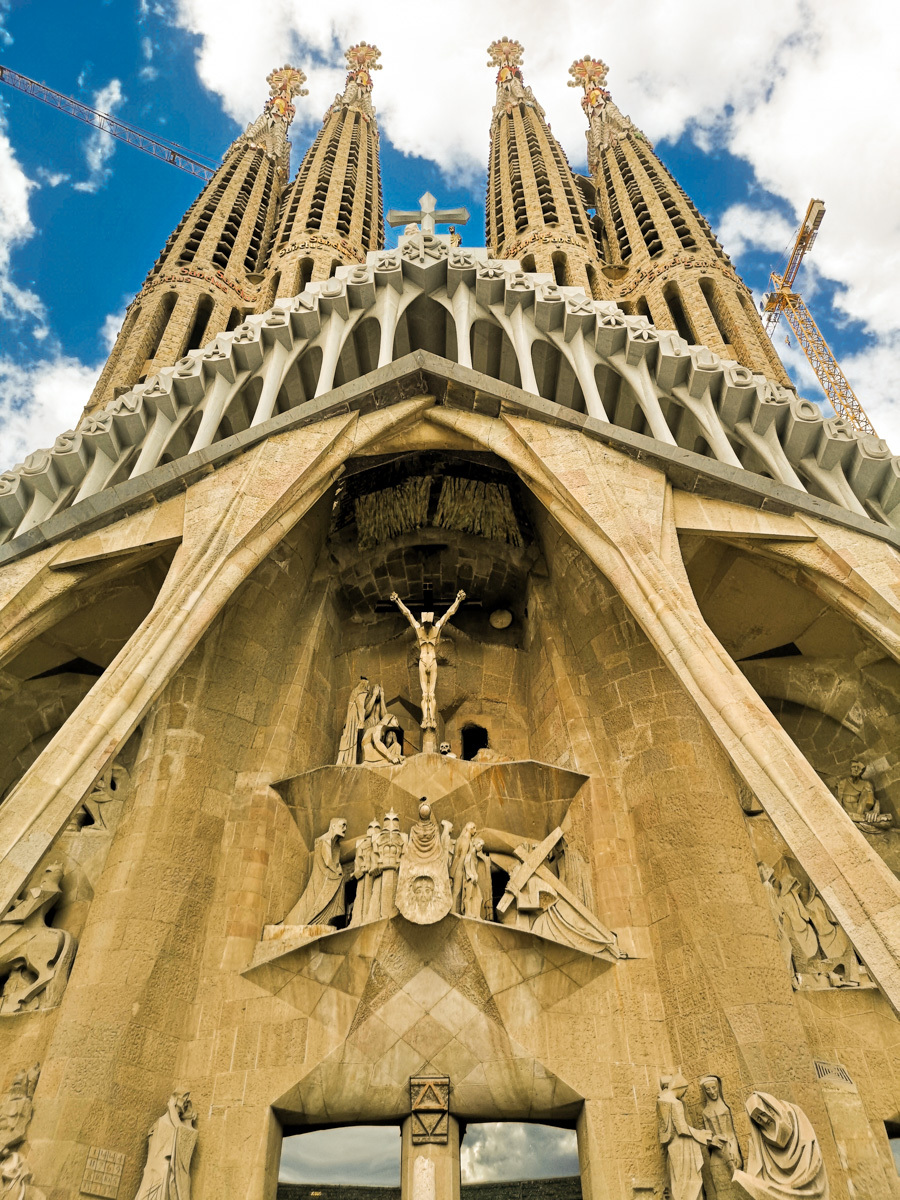
Barcelona
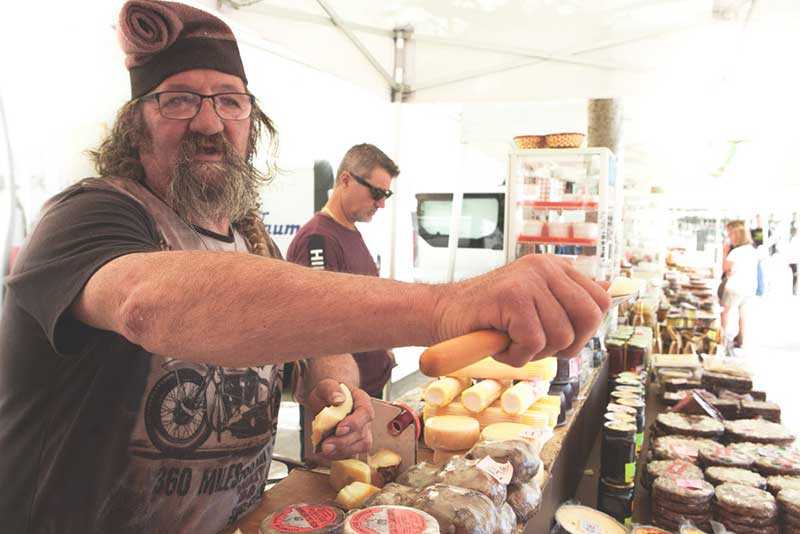
Barcelona
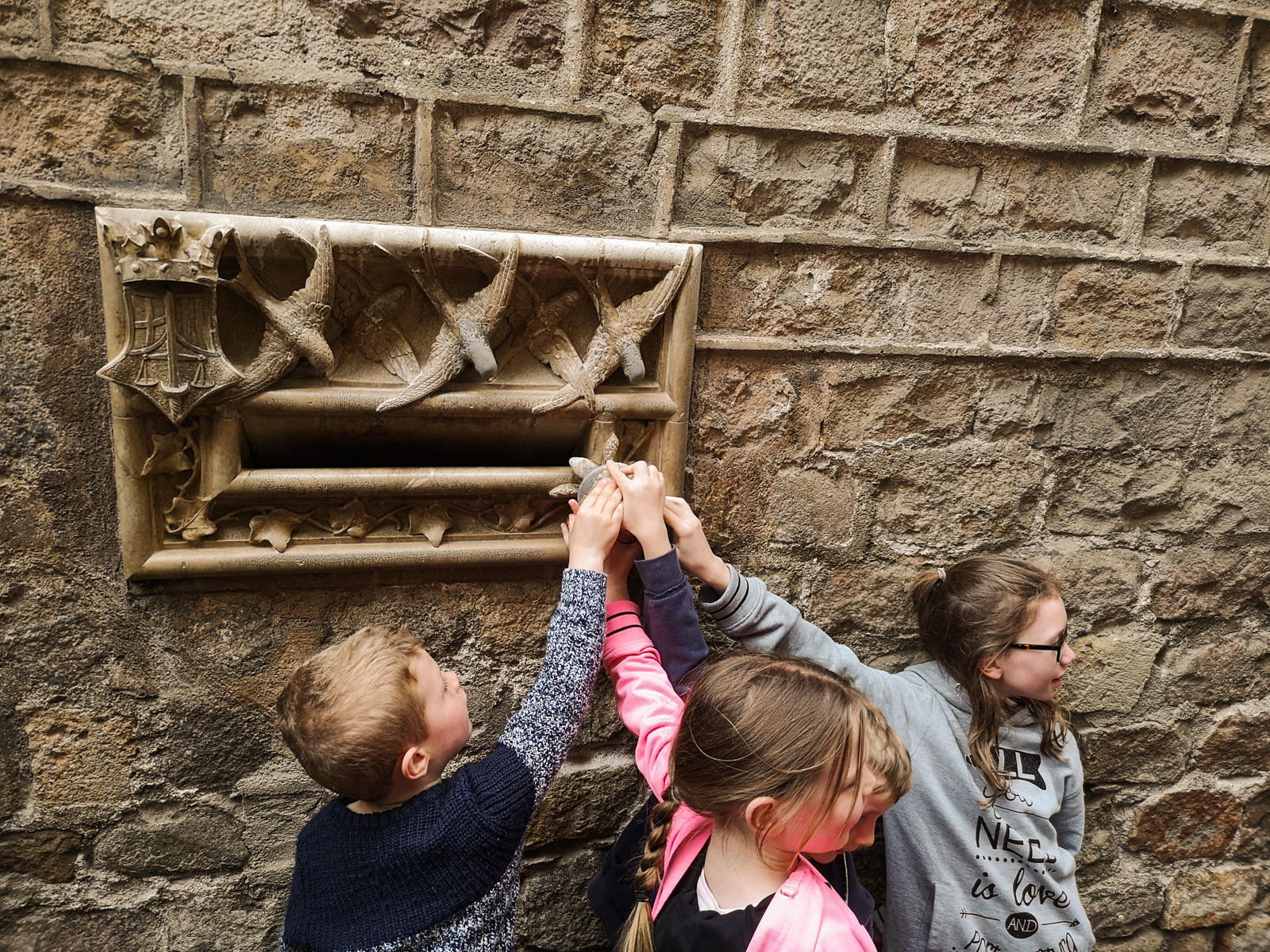
Barcelona
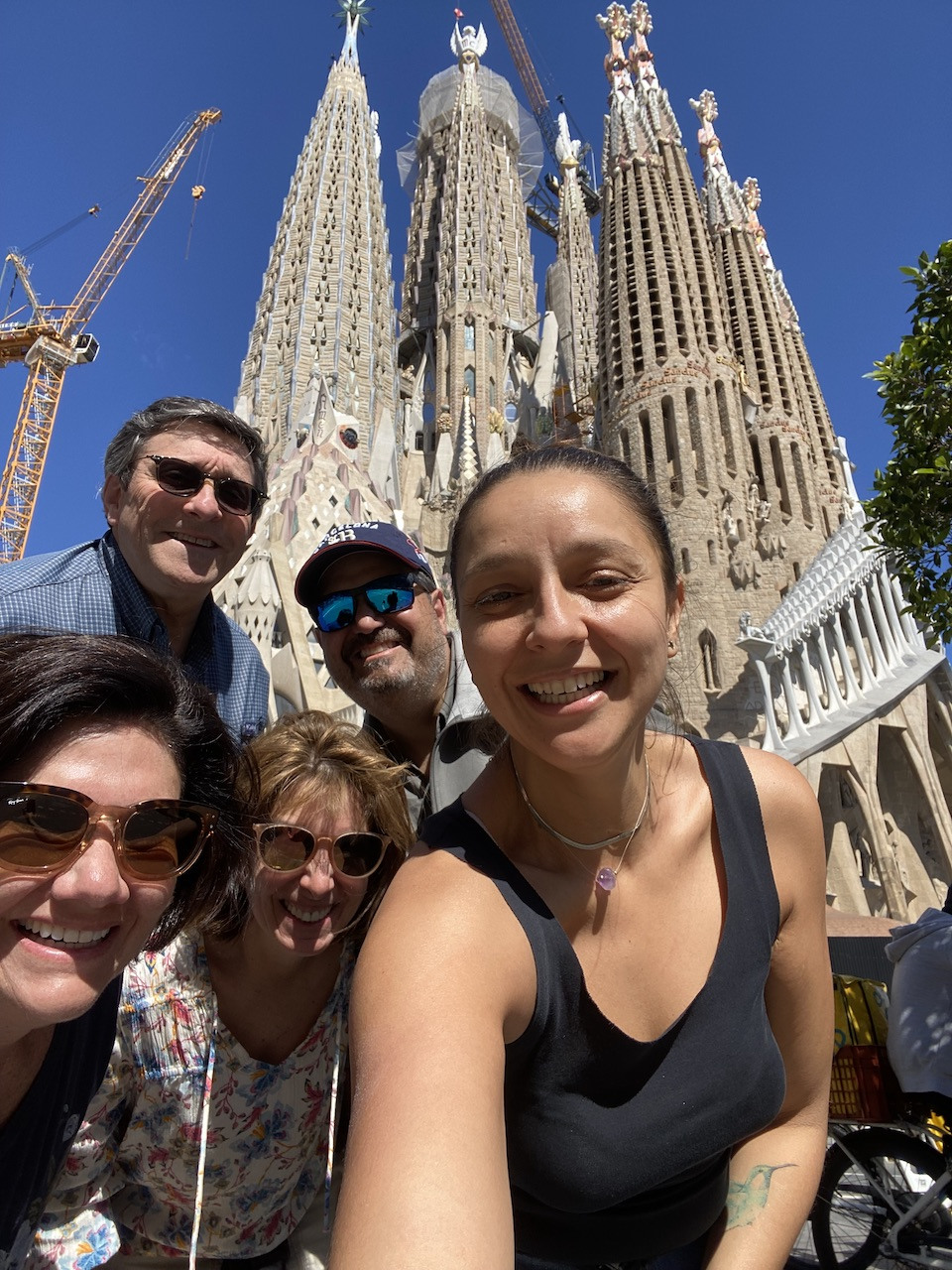
Barcelona
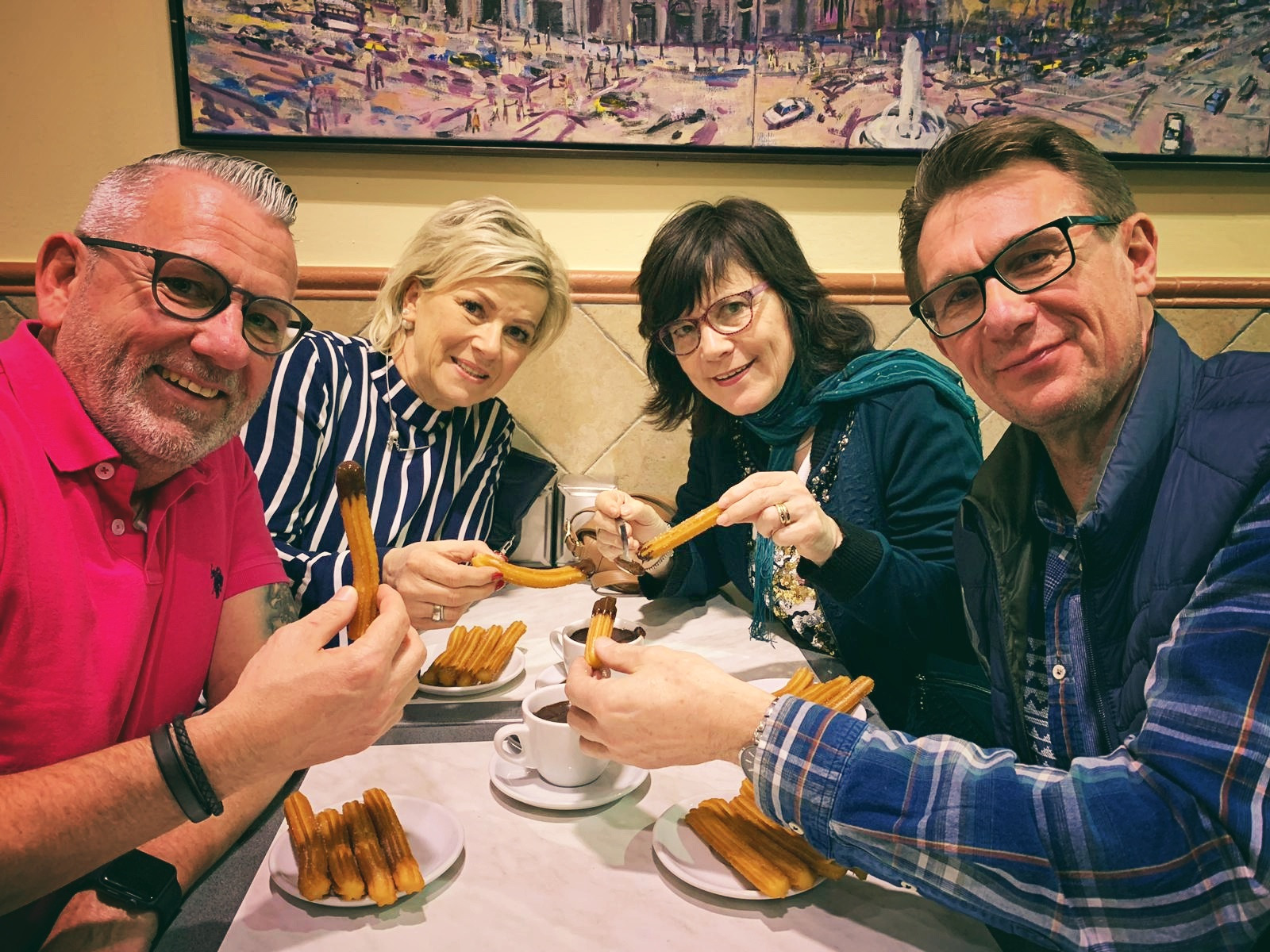
Barcelona
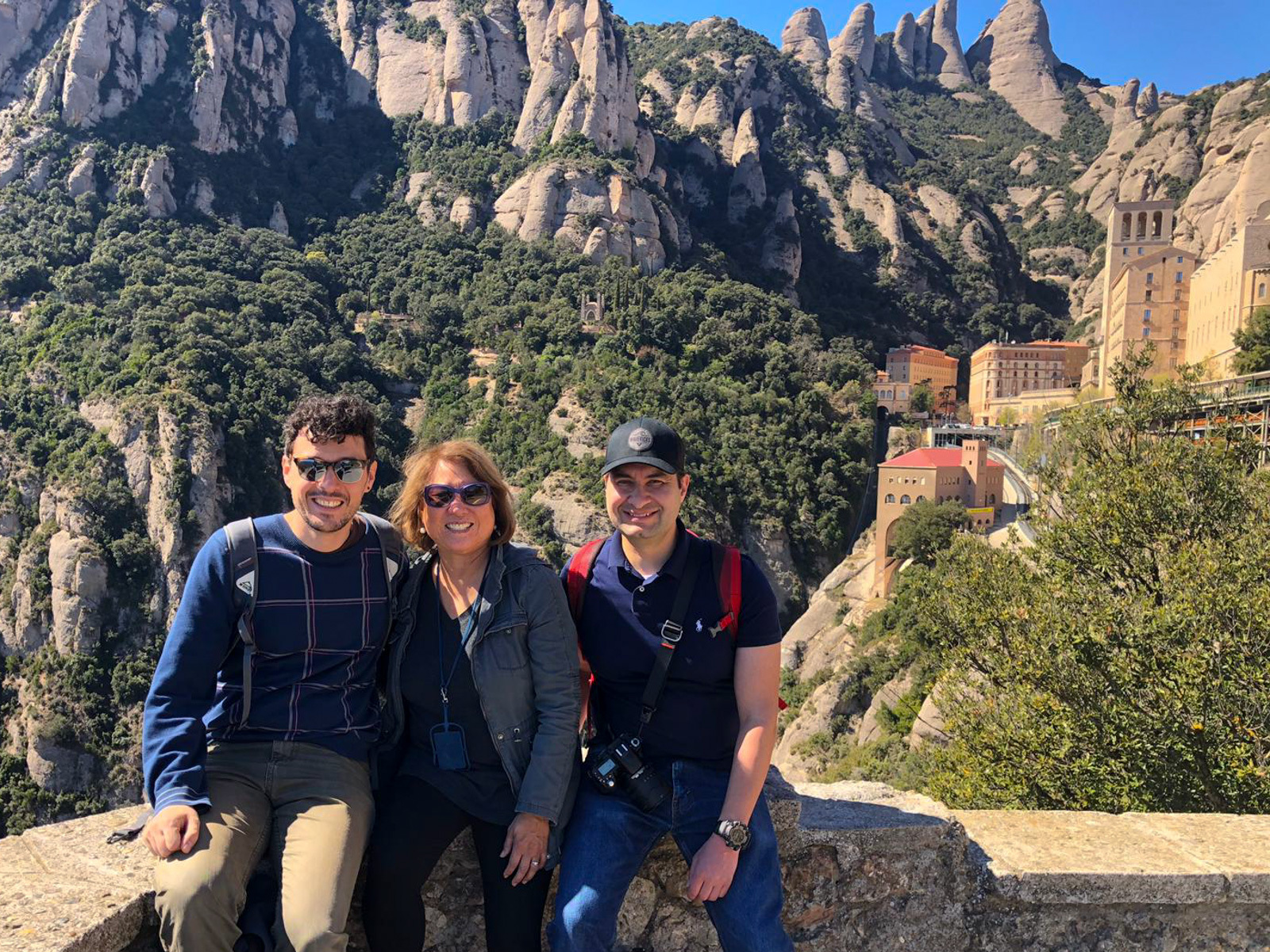
Barcelona
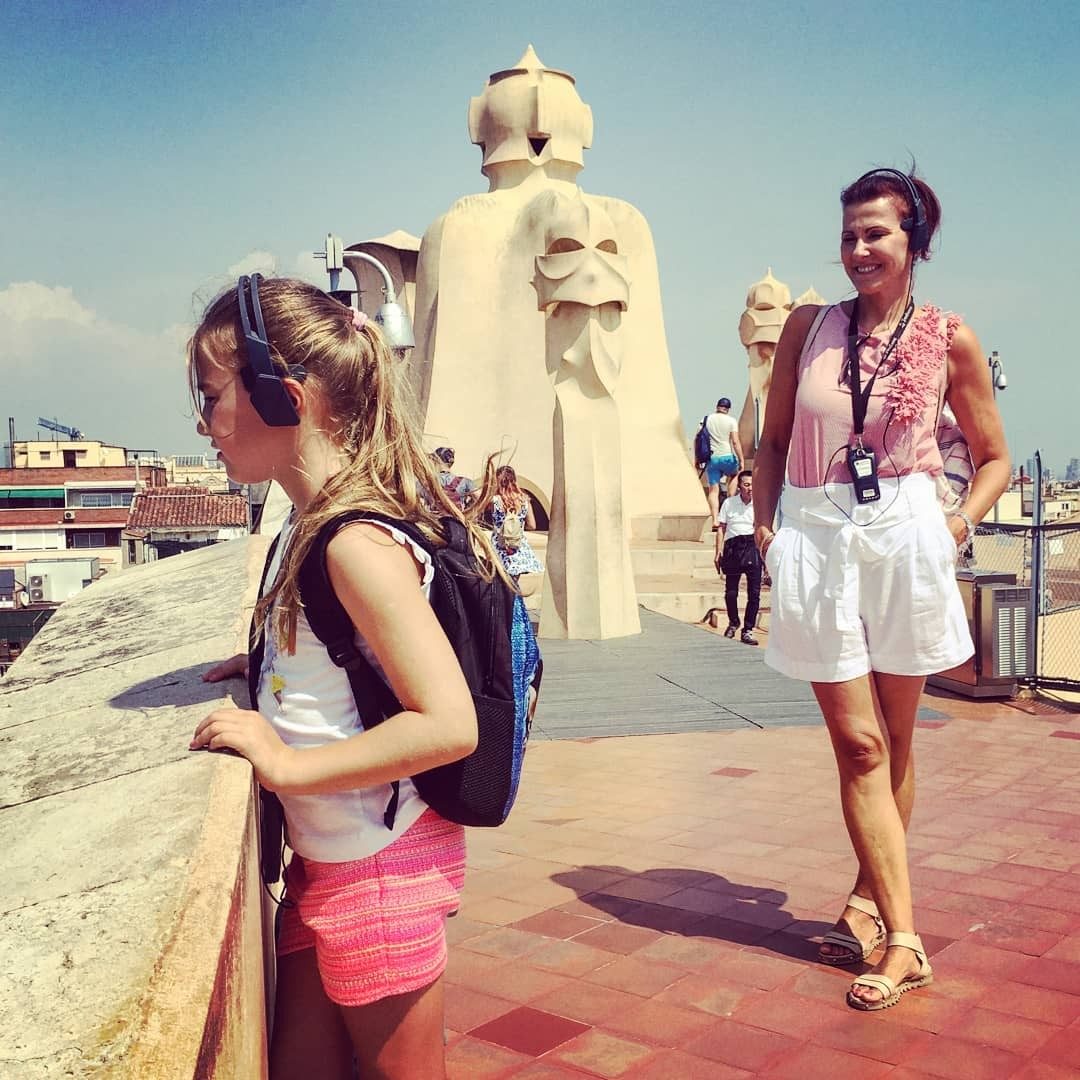
Barcelona
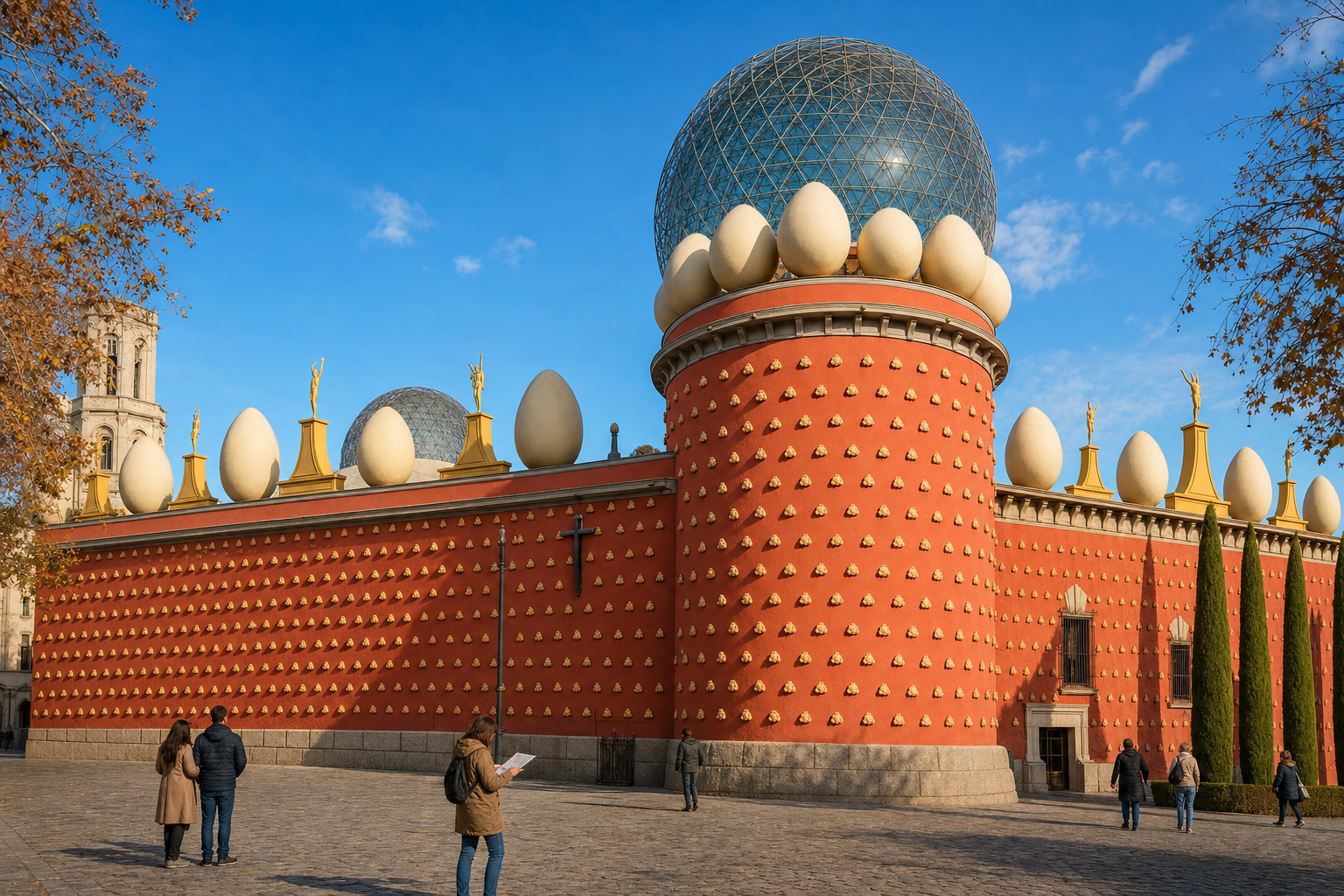
Most people know that Salvador Dalí was born in Figueres on 11 May 1904 — fewer realise that he spent the last decade of his life living inside his own museum, in a castle tower he had converted into a private apartment, refusing almost all visitors. That detail alone reframes everything you're about to see on a Costa Brava day trip from Barcelona. This isn't a sightseeing loop past pretty landmarks; it's a journey into one of the most deliberately constructed artistic universes ever assembled, set against a coastline so geologically dramatic that it physically shaped the imagery of a surrealist movement. From the geodesic dome above Figueres to the labyrinthine rooms of Portlligat, from the tramuntana-battered vines of the Empordà to the whitewashed lanes of Cadaqués, every stop carries a specific weight of history that rewards knowing before you arrive. This guide gives you that context — and shows you why adding a winery to the route isn't a detour, it's the most logical ending the day could have.
Read more →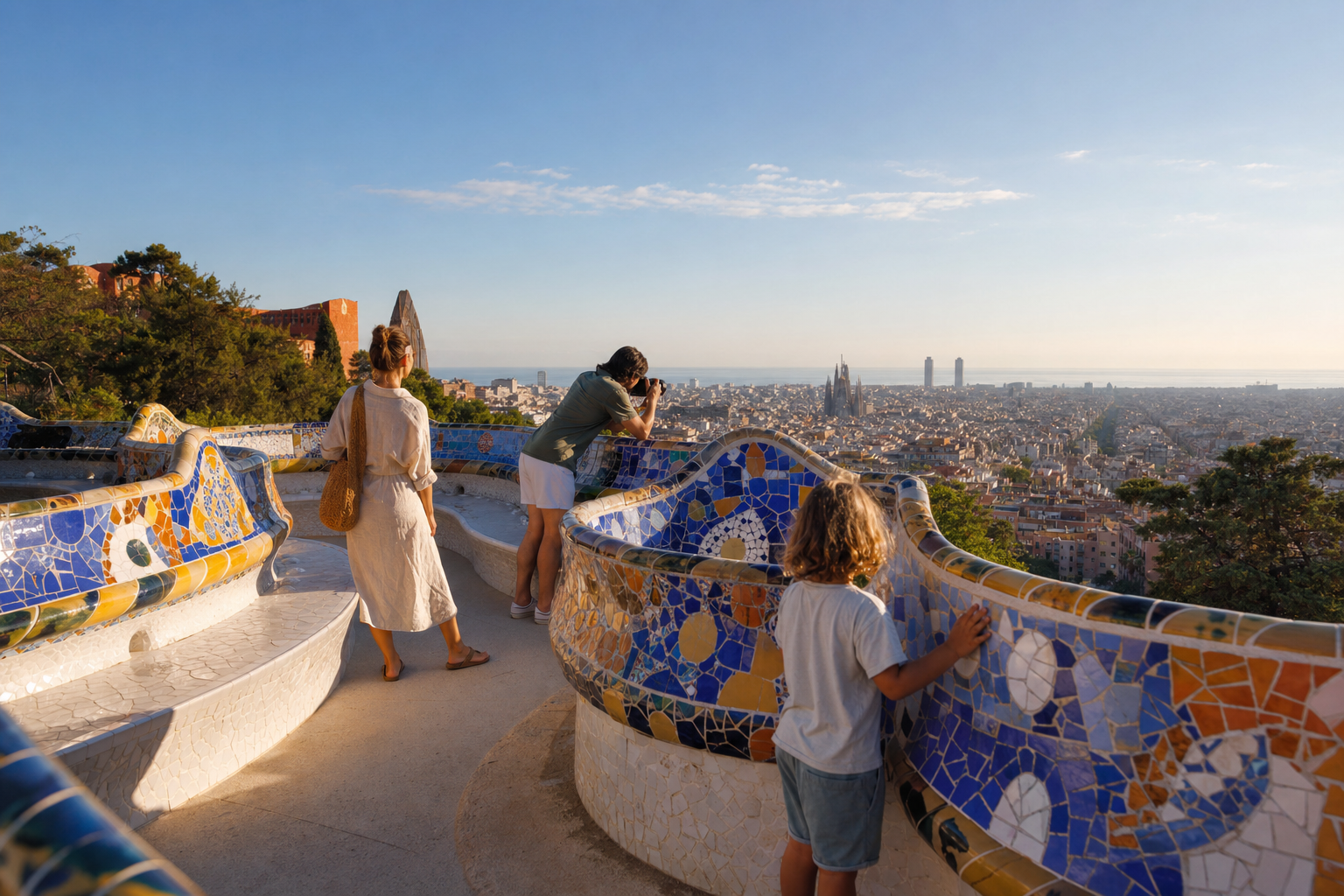
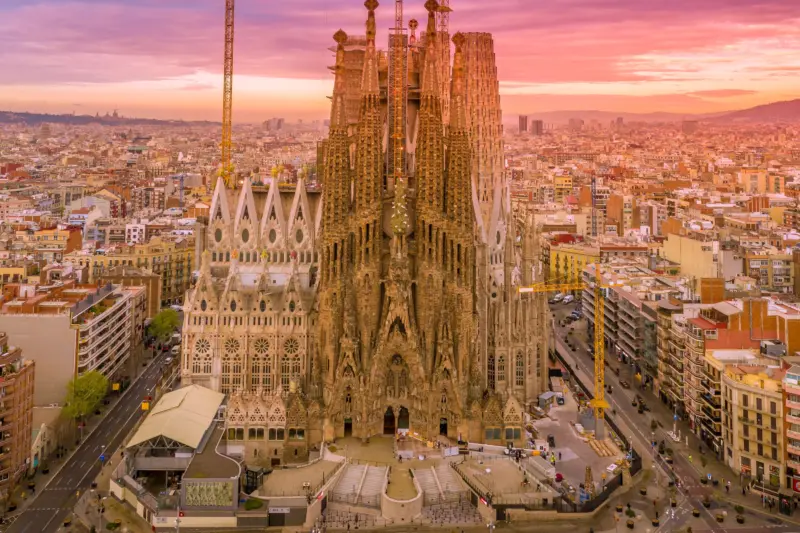
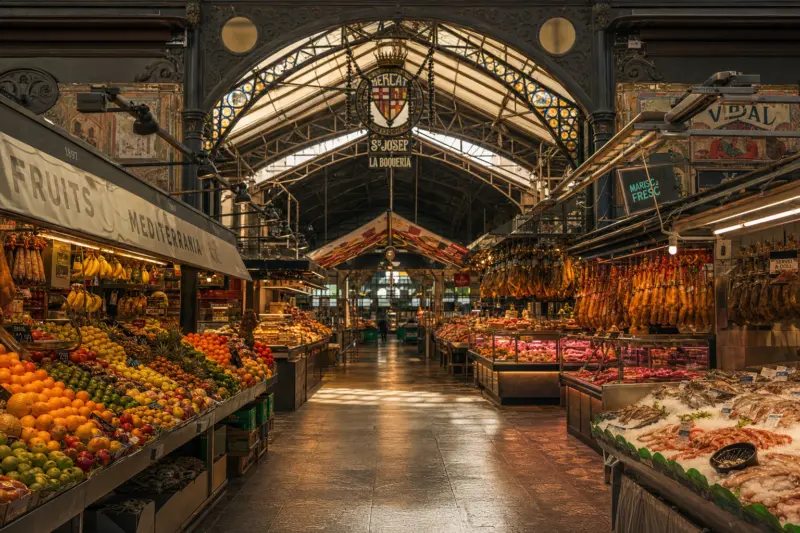
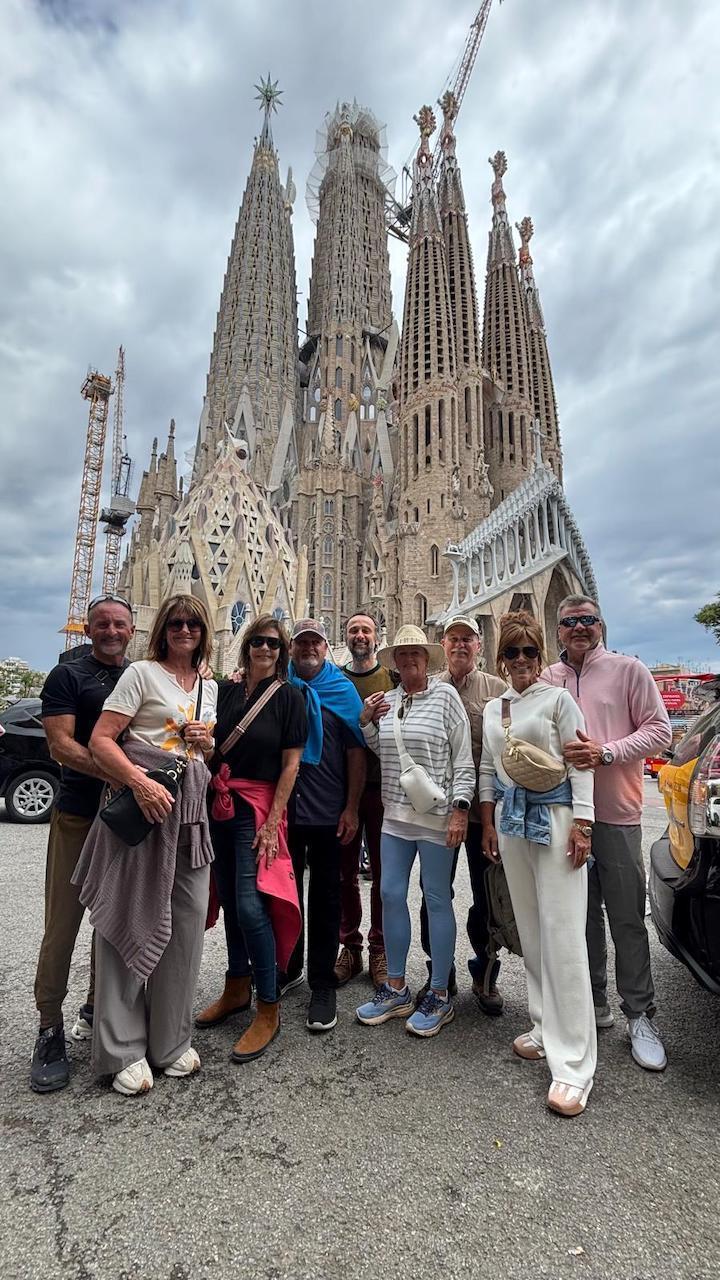
In 1883, a 31-year-old architect named Antoni Gaudí inherited a half-built church from a resigning predecessor and spent the next 43 years — until his death in 1926 — turning it into one of the most structurally radical buildings in human history. That church, the Sagrada Família, is still under construction today, and it is just one reason why Barcelona rewards curiosity more than almost any other city in Europe. But Gaudí's Barcelona is only one layer. Beneath the Gothic Quarter's cobblestones lie the preserved streets of a Roman settlement called Barcino, founded around 10 BC. In the city's markets, a food culture rooted in Catalan identity — not the generalised 'Spanish' clichés exported for tourists — plays out every single morning. Barcelona is a city that consistently offers more the deeper you look. This guide cuts past the surface to give you the historical facts, cultural context, and local knowledge that turn a good trip into an unforgettable one.
Read more →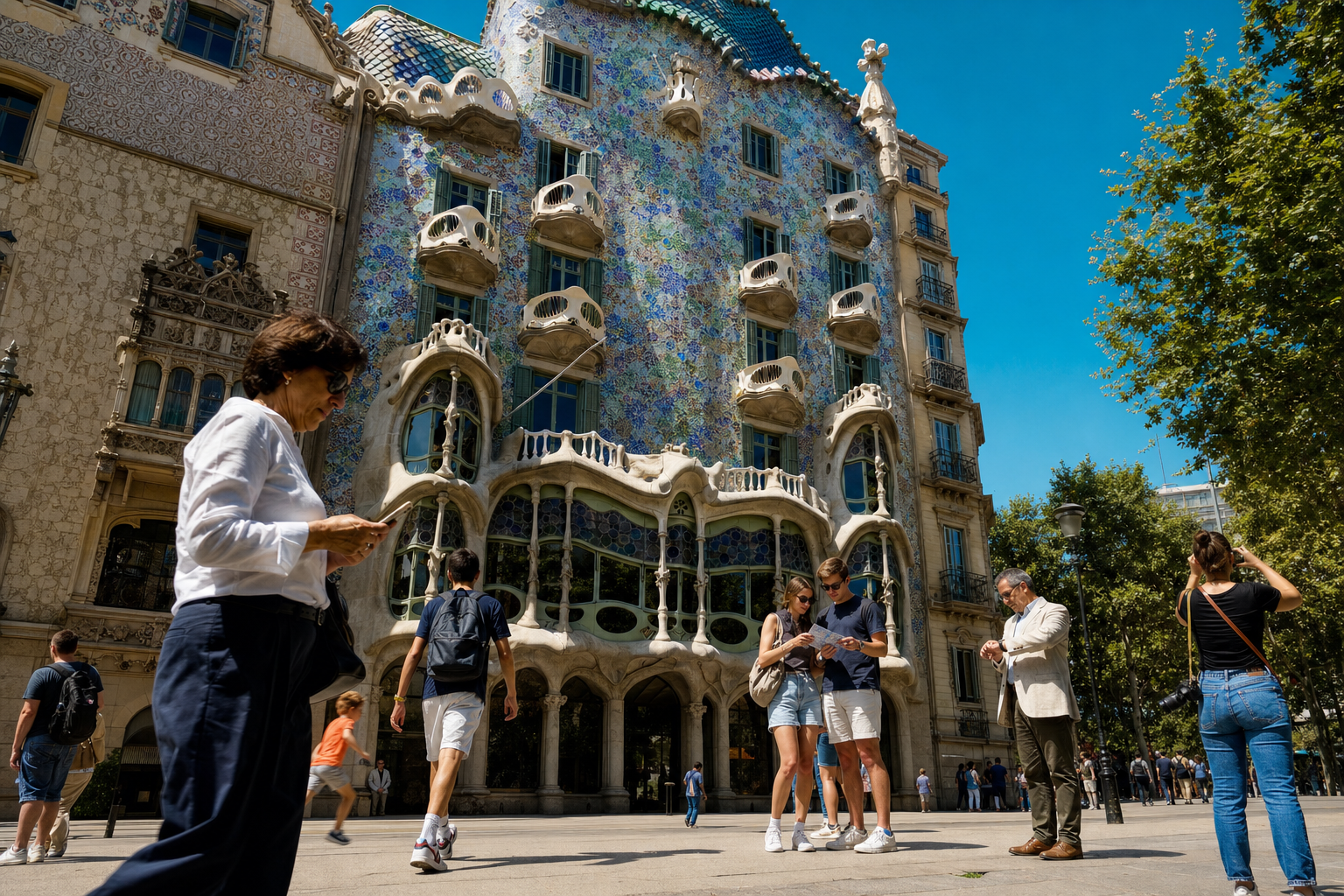
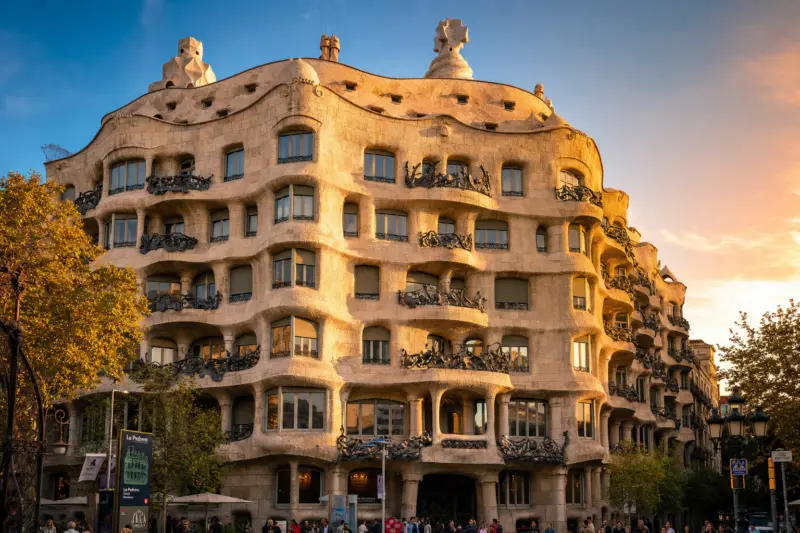
On the grandest stretch of Barcelona's Passeig de Gràcia — a boulevard so thick with Modernista jewels that locals call it the Block of Discord — one building stops every passerby cold. Casa Batlló shimmers like a living creature: scales of iridescent ceramic, a roofline that breathes, skulls carved into stone balconies. It was commissioned by a wealthy textile magnate, transformed by a visionary architect, and completed in 1906 as a statement that would redefine what a city building could be. This is its story.
Read more →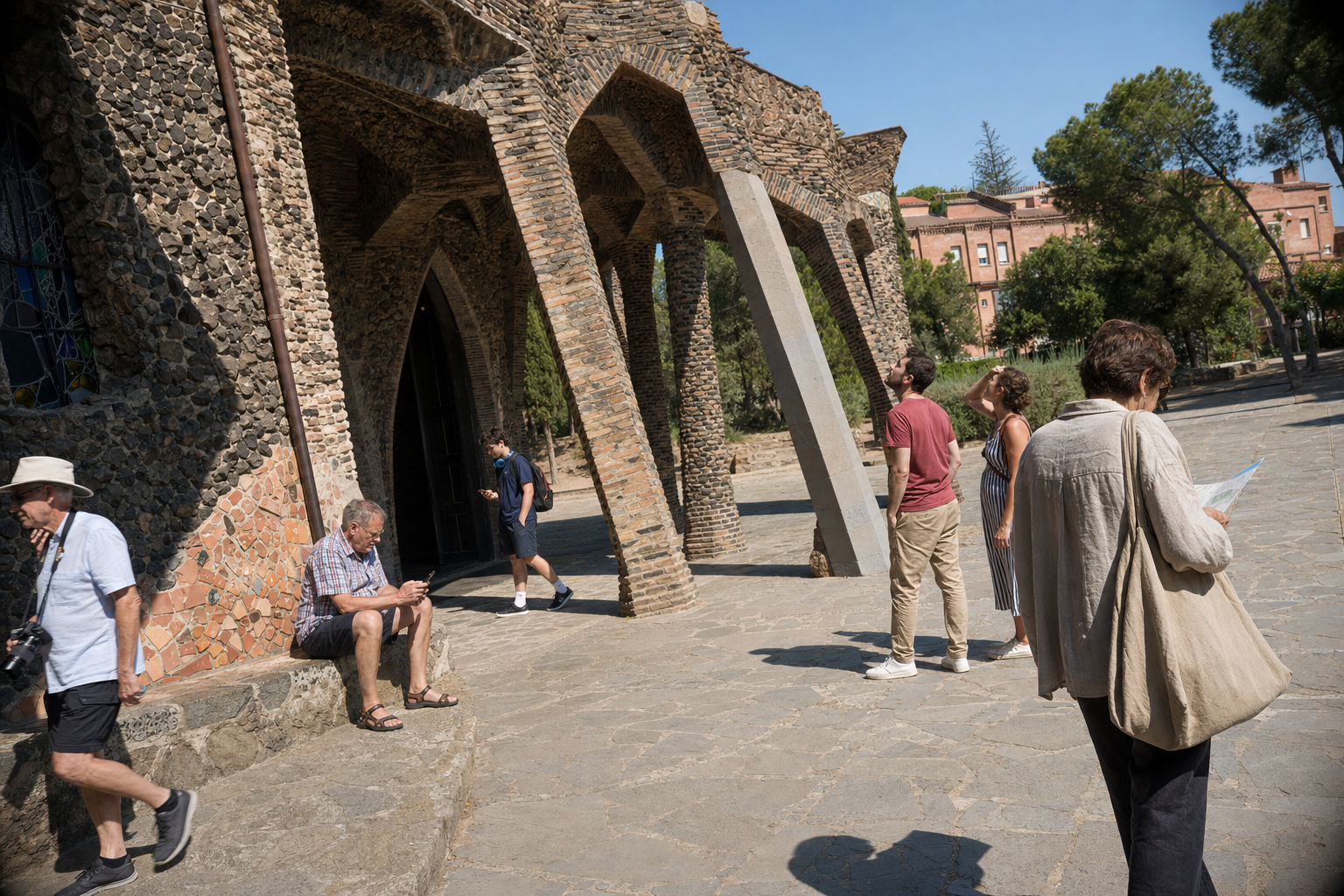
In 1890, the Catalan industrialist Eusebi Güell made a decision that was radical even by the standards of a city already electrified by modernisme: he abandoned Barcelona's choking factory districts and moved his textile mill — and his entire workforce — to a pine-forested hillside in Santa Coloma de Cervelló, just 20 kilometres southwest of the city. What he built there was not merely a factory complex but a full social experiment: a self-contained workers' village with housing, schools, a theatre, a cooperative shop, and a church that would become one of the most structurally daring buildings of the 20th century. That church was entrusted to Antoni Gaudí — and what Gaudí designed in its crypt between 1908 and 1914 was nothing less than the structural laboratory for the Sagrada Família. Colonia Güell is where the dream was tested. It draws a fraction of the crowds that queue outside Park Güell or the Sagrada Família, yet it is arguably the most intellectually fascinating Gaudí site in all of Catalonia.
Read more →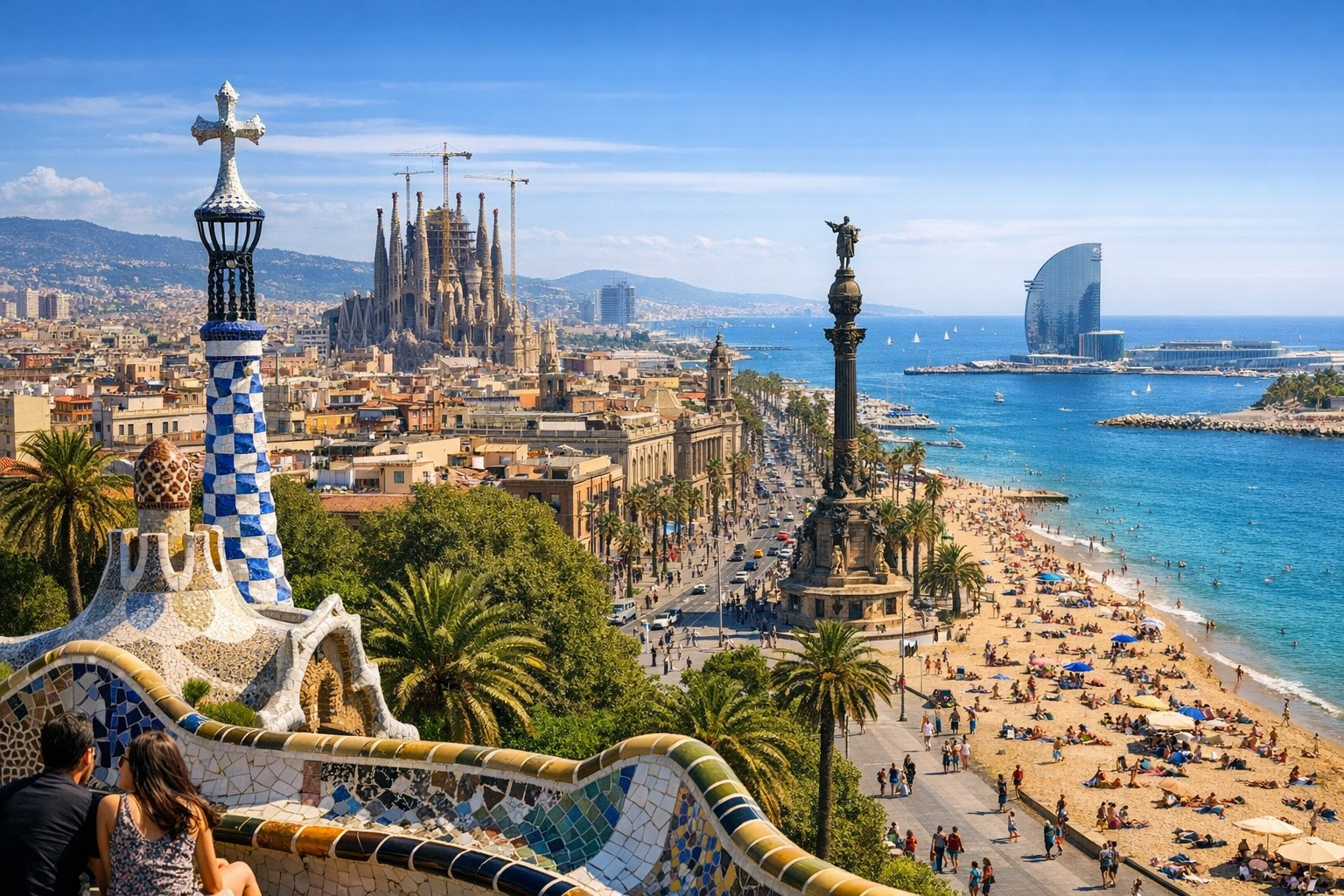
Discover the vibrant culture, stunning architecture, and culinary delights of Barcelona. From iconic landmarks to hidden gems, this guide offers the best activities to experience in the city, ensuring an unforgettable visit.
Read more →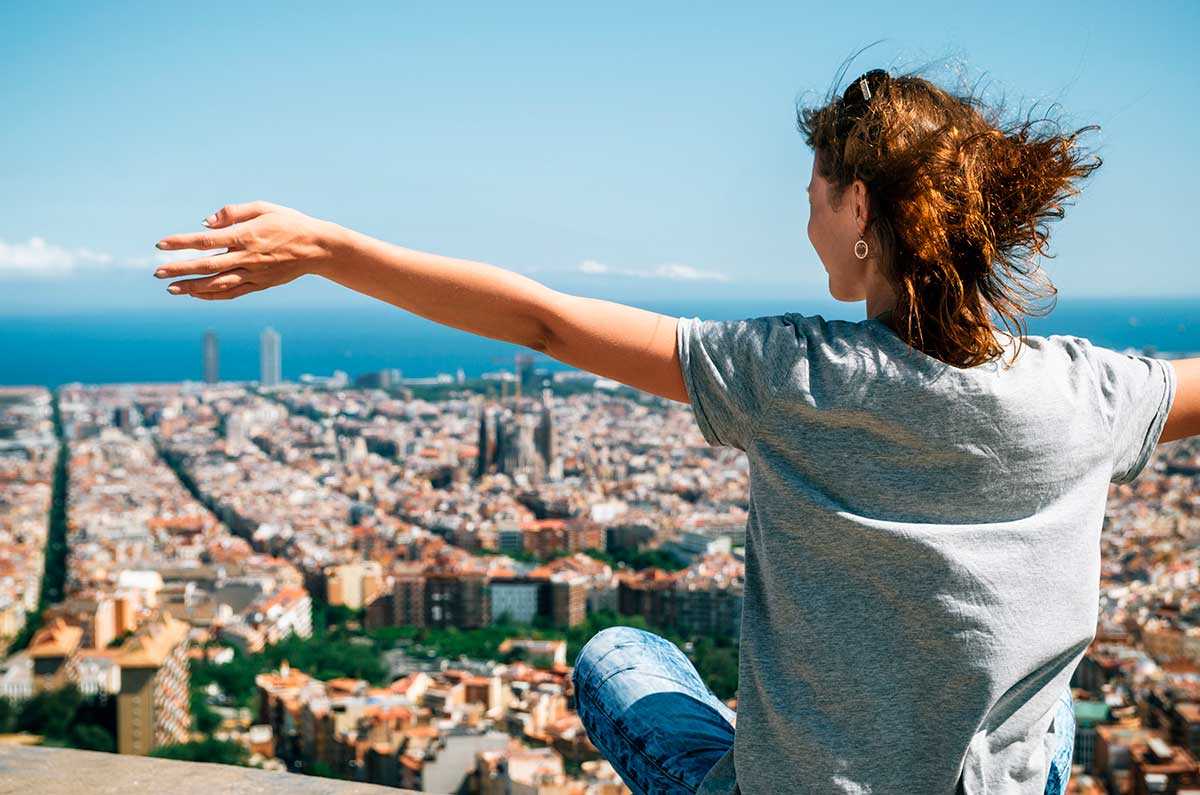
Barcelona, the enchanting coastal city in Spain, is a treasure trove of captivating attractions, historic landmarks, and awe-inspiring architecture. With so much to explore, having a well-designed attractions map can significantly enhance your sightseeing experience and ensure you make the most of your time in this vibrant destination. Whether you are an adventurous solo traveler or a family seeking a cultural getaway, a detailed map will be your faithful companion throughout your journey.
Read more →We use a single cookie, to remember this choice. We do not use analytics or advertising cookies. Read our cookie policy.