9 hrs
Rome
Orvieto Day Trip by Train with Duomo, Caves and Lunch
✓ Free cancellation Kids friendly
4.8(15 reviews)
From €554/ person
Book Now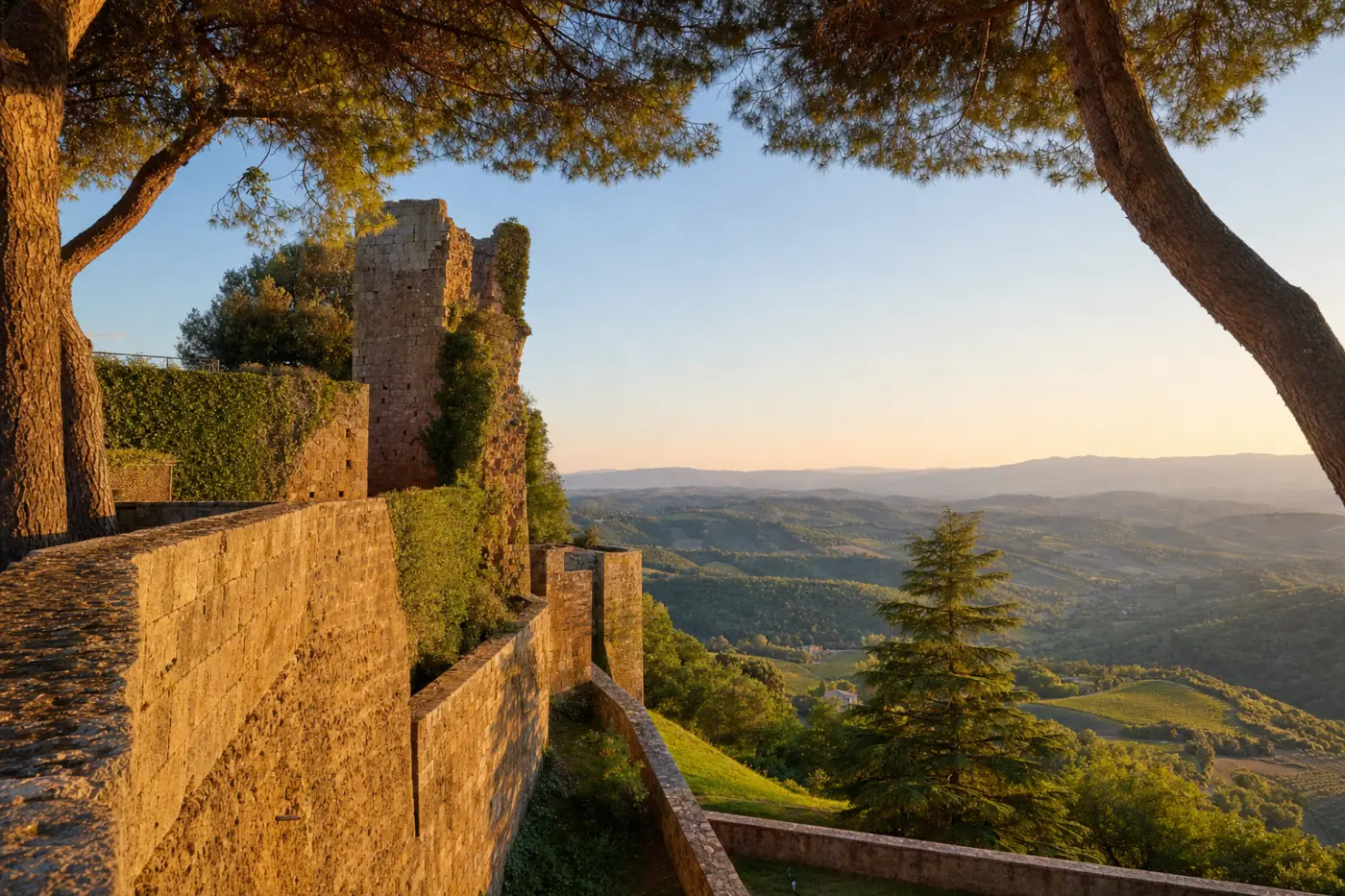
Tourist attraction
The Fortezza Albornoz is a medieval fortress built in 1364 by Cardinal Gil Álvarez Carrillo de Albornoz, the Spanish-born papal legate tasked by Pope Innocent VI with reasserting Church authority across central Italy after decades of local factional rule. Orvieto, perched on its dramatic tufa plateau some 325 metres above the Paglia River valley, had long been a prized strategic position — it had served as a refuge for no fewer than 33 popes over the centuries. The fortress was erected on the highest point of the city's rock, integrating sections of earlier Etruscan and medieval fortifications, to serve as the visible symbol of restored papal dominion over the region. It stands as one of a chain of fortresses Albornoz commissioned across Umbria and the Papal States, a programme of military architecture that fundamentally reshaped the political landscape of 14th-century central Italy.
The structure originally featured four corner towers, a central keep, and a deep well connecting to the remarkable underground tunnel network known as the Pozzo della Cava. Under the rule of the Monaldeschi family and later the della Rovere, the fortress was modified and expanded throughout the 15th century. Following the unification of Italy in 1861, the military fortifications lost their strategic purpose, and the structure was gradually dismantled — most notably its towers — leaving the broad terrace and partial curtain walls that visitors see today. The site passed into municipal ownership, and by the 20th century the grounds had been converted into a formal public park, one of the most atmospheric in all of Umbria.
Today the Fortezza Albornoz functions as a beloved public garden and belvedere. Visitors walk among umbrella pines and manicured lawns contained within the fortress's original perimeter walls, with the surviving medieval stonework providing a dramatic architectural backdrop. The western terrace delivers what many consider the finest panoramic view in the region: a sweeping vista across the Valle del Paglia toward the volcanic hills of Lazio, with vineyards and medieval towers punctuating the valley floor far below. On clear days the view extends toward Monte Amiata. The park also connects directly to the upper station of Orvieto's famous funicular, making it a natural starting or ending point for exploring the city.
The fortress grounds are freely accessible and open daily, making them an ideal spot for an early morning or late afternoon visit when the low Umbrian light intensifies the golden tones of the tufa cliffs below. The site sits a short walk from the Orvieto Duomo along Viale Cansacchi. There is no admission fee to enter the park itself, though combined tickets for the underground tunnels — which connect to the fortress's historic well system — can be purchased at nearby visitor centres. Comfortable walking shoes are recommended, as the perimeter path follows uneven historic stone surfaces.
Private tours with a local guide, at your own pace.
Rome
Rome
Rome

Rome

Rome
Rome
Rome
Rome

Rome
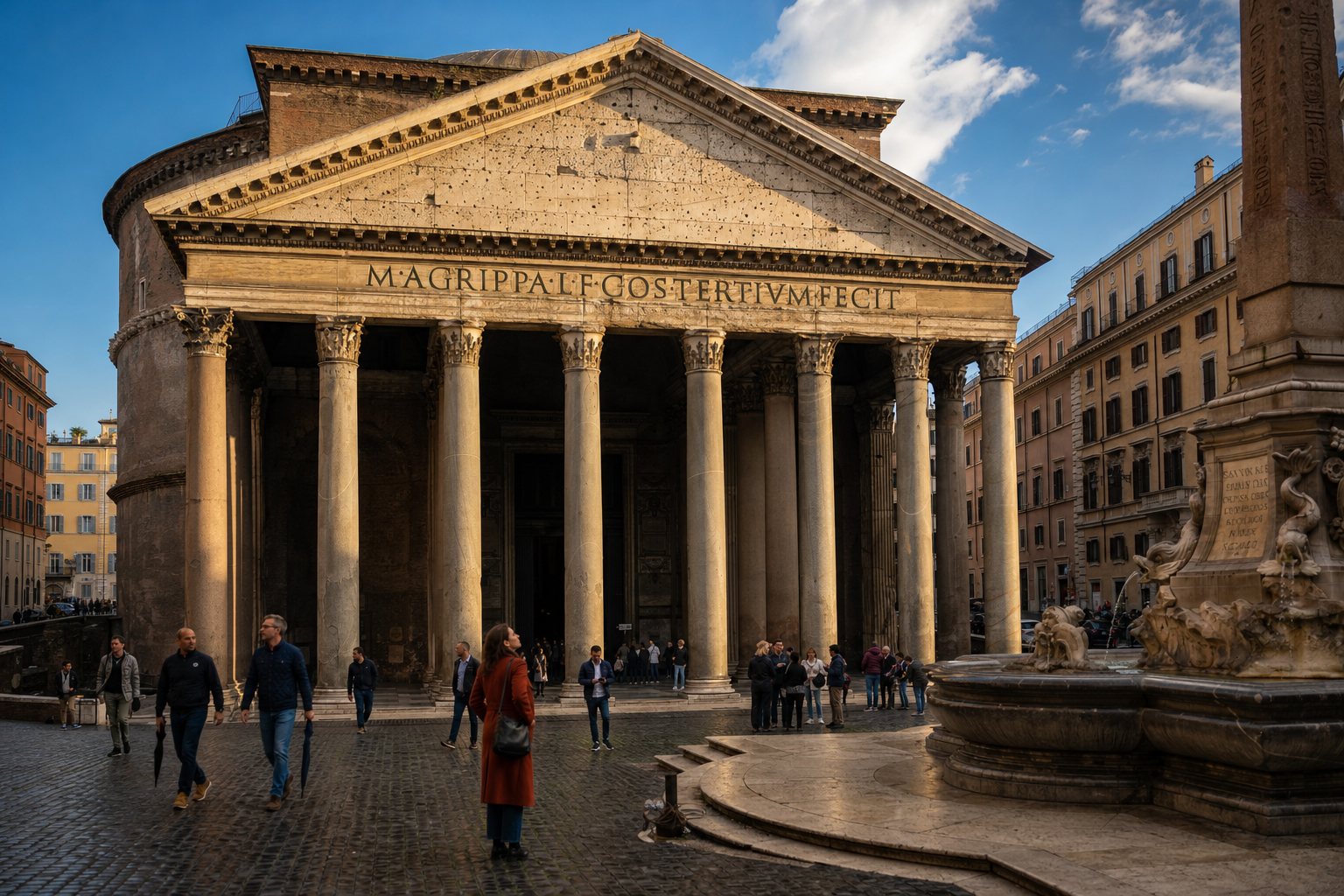
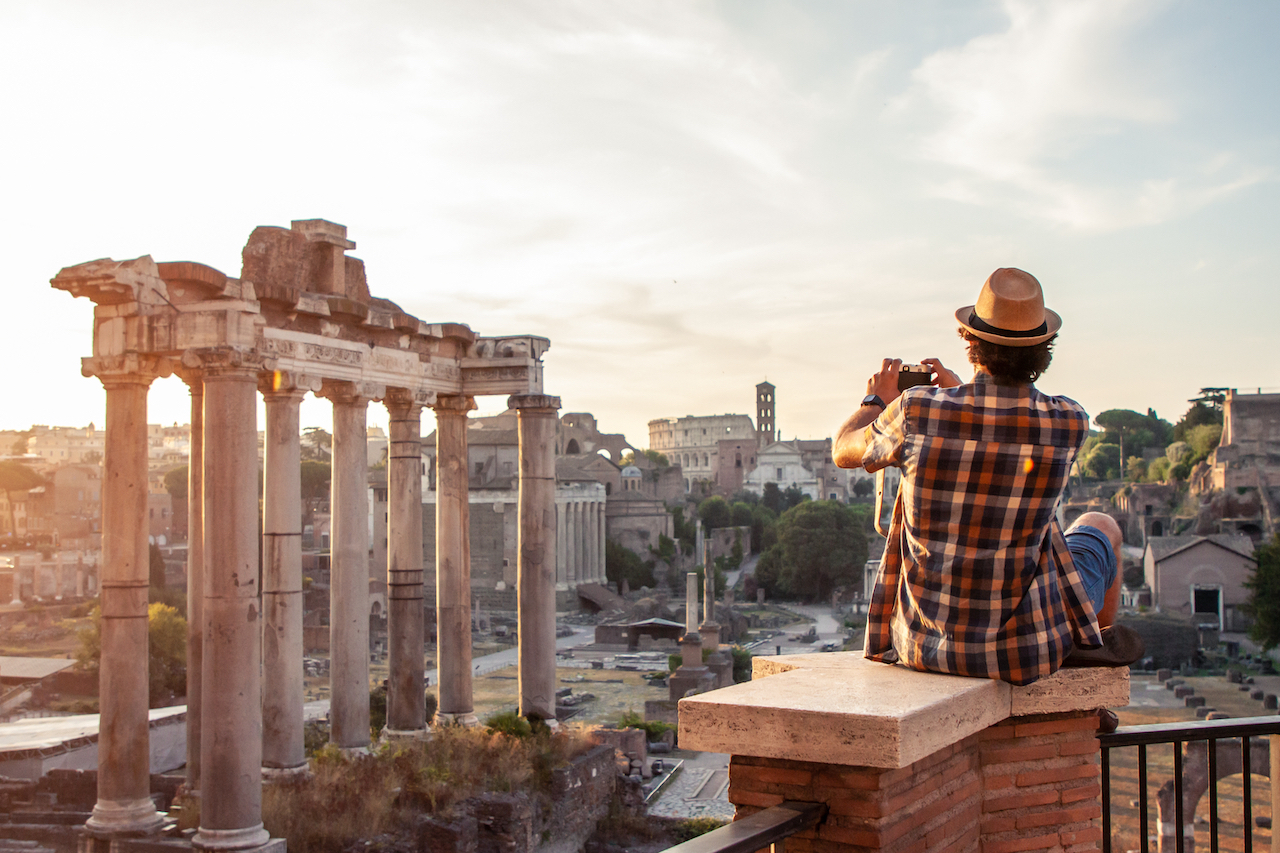
On the afternoon of 2 November 1950, Rome received 108mm of rain in a single day — one of the heaviest downpours in the city's recorded history. Locals ducked into trattorias, lingered over lunch, and emerged hours later to find the Sampietrini cobblestones of the historic center gleaming like polished obsidian. Here's the thing no travel guide tells you: rain doesn't ruin Rome. It transforms it. The same city that feels exhausting under July heat — queues snaking past the Trevi Fountain, tour groups stacked three-deep at the Pantheon — becomes something quieter, moodier, and far more liveable when clouds roll in off the Tyrrhenian Sea. Rome averages around 800mm of rainfall per year, with October, November, and February forming the wettest windows. That means millions of visitors each year encounter rain, yet most arrive with no plan beyond panic. This guide is that plan.
Read more →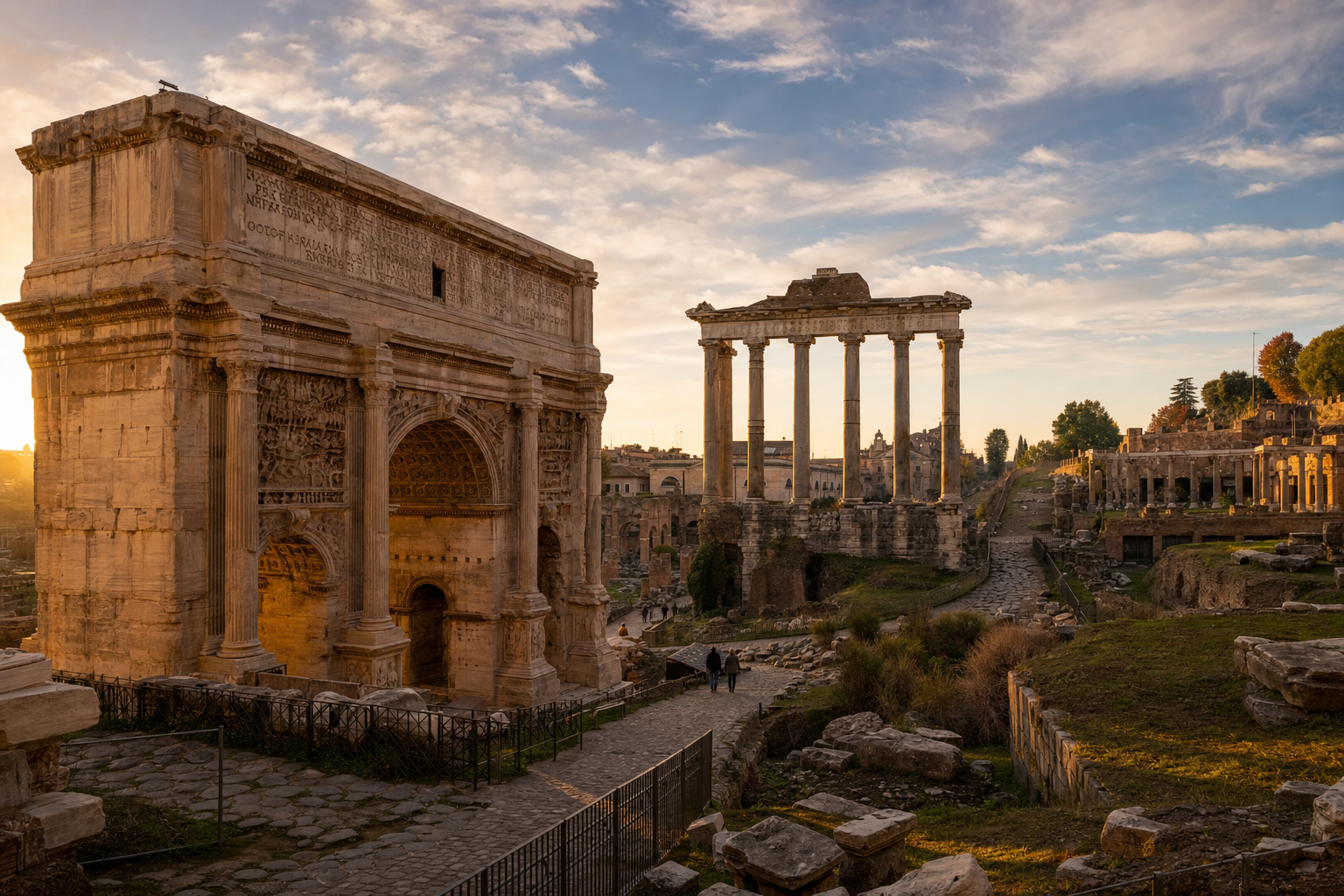
Rome was not built in a day — and it cannot be truly experienced in one either. Founded, according to tradition, on 21 April 753 BC, the city has been welcoming visitors for over two millennia, yet the question of when to go remains as contested as the Senate floor once was. Average annual tourist arrivals at the Colosseum alone exceed 7 million, meaning timing your visit is not a minor detail — it is everything. July temperatures regularly breach 35°C on the cobblestones of the Roman Forum, while a wet November morning at the Fontana di Trevi can feel like a private audience with Anita Ekberg's ghost. Each month carries its own character, crowd density, price point, and light quality. This guide cuts through the noise with specific facts, seasonal realities, and honest advice drawn from years of walking Rome's streets — so you arrive at exactly the right moment for the trip you actually want.
Read more →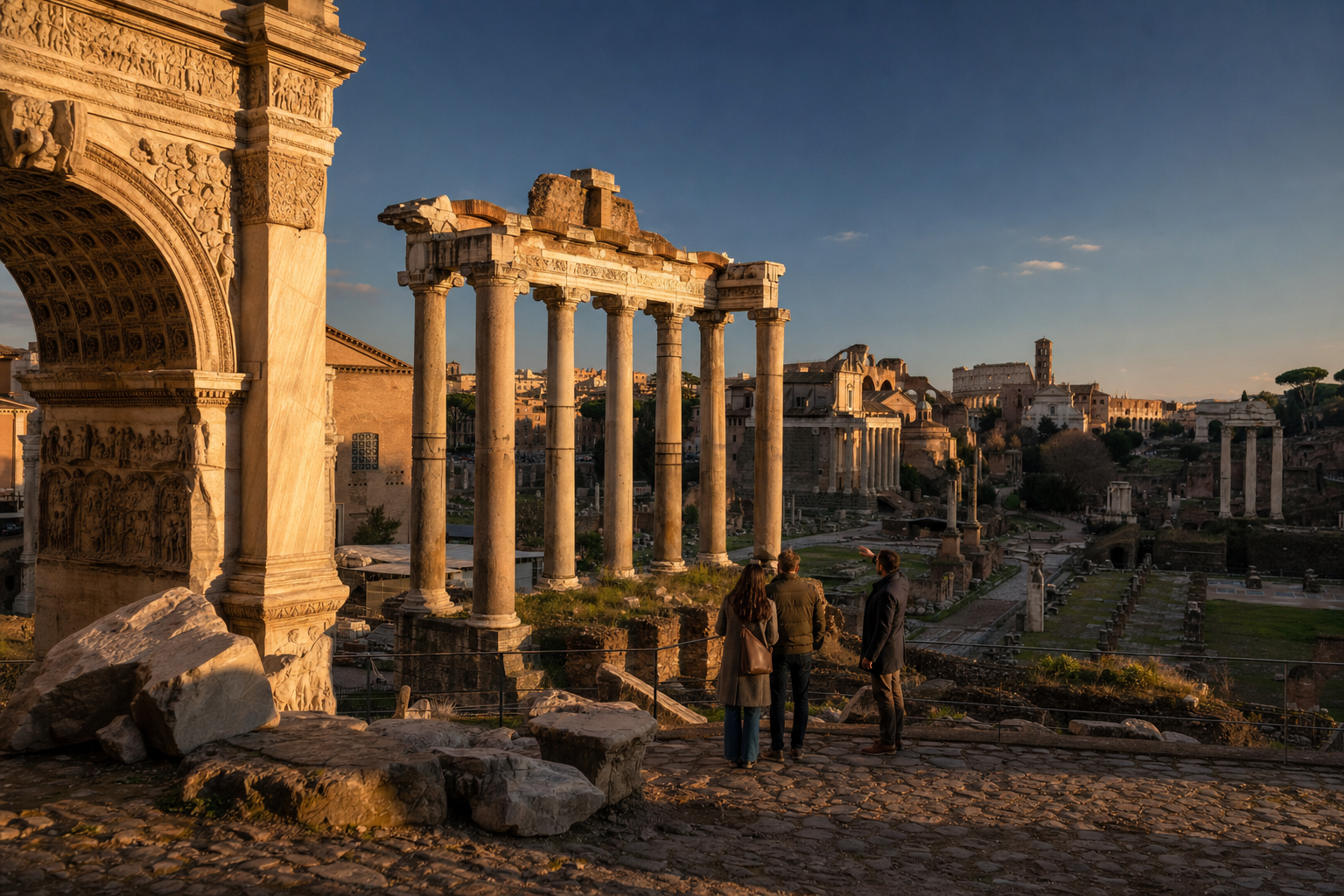
In 27 BC, Augustus Caesar famously boasted that he had found Rome a city of brick and left it a city of marble. What he didn't mention was that the city already contained several hundred years of Republican-era stone beneath his feet — and that future emperors, popes, and Renaissance architects would keep adding layers on top for the next two millennia. Today, Rome packs more than 2,000 years of continuous civilisation into 1,287 km², making it arguably the most historically dense urban environment on Earth. That density is precisely the problem with seeing it quickly, on a coach, in a crowd of strangers following a flag on a stick. Every piazza hides a deeper story. Every church floor covers an older church floor. Private tours in Rome don't just make the experience more comfortable — they make it genuinely comprehensible, turning a blur of ancient stones into a living, breathing city you actually understand.
Read more →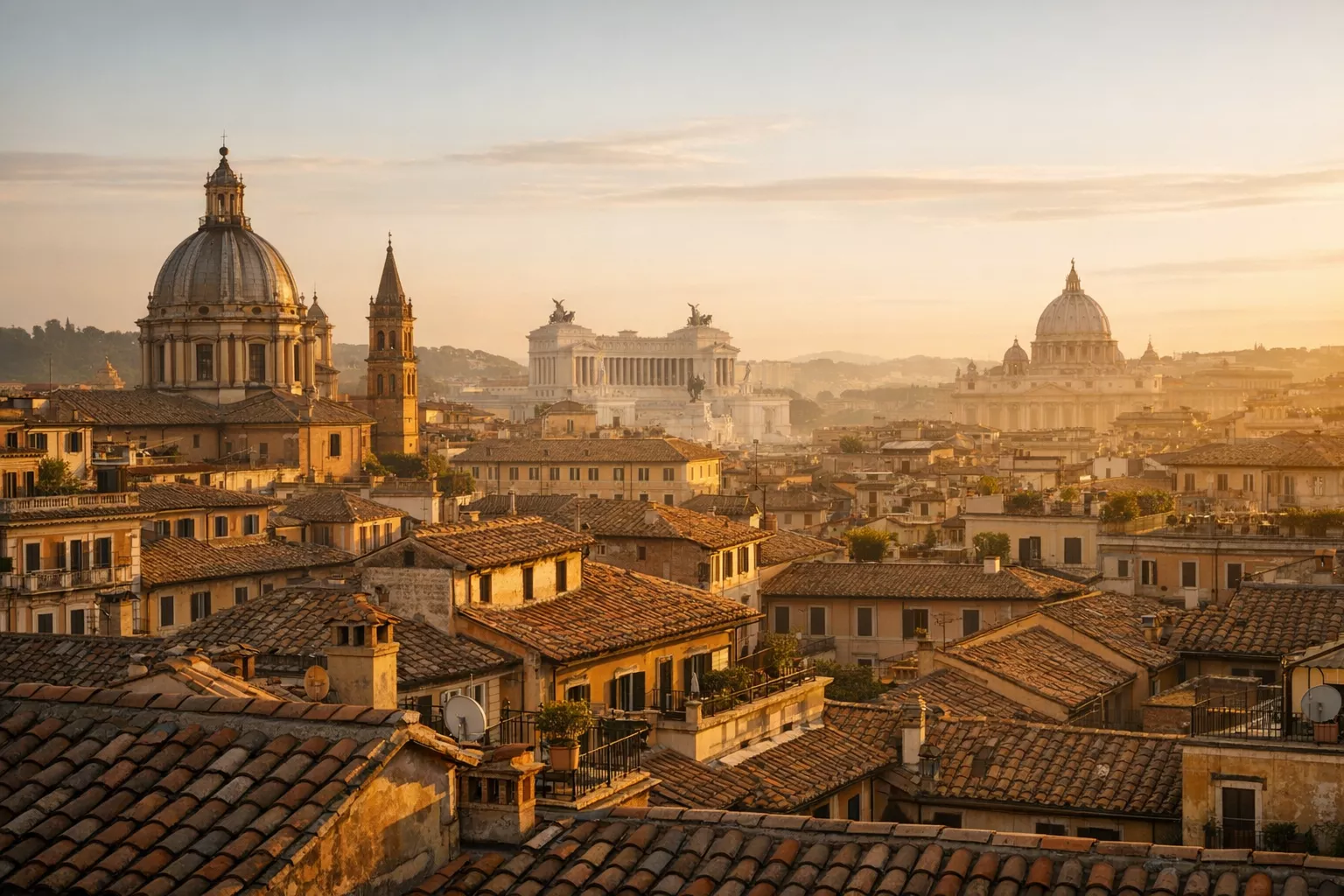
Discover the charm and beauty of Rome with our ultimate guide on what to do in this historic city. From iconic landmarks to hidden gems, we've got you covered with exciting tours and activities.
Read more →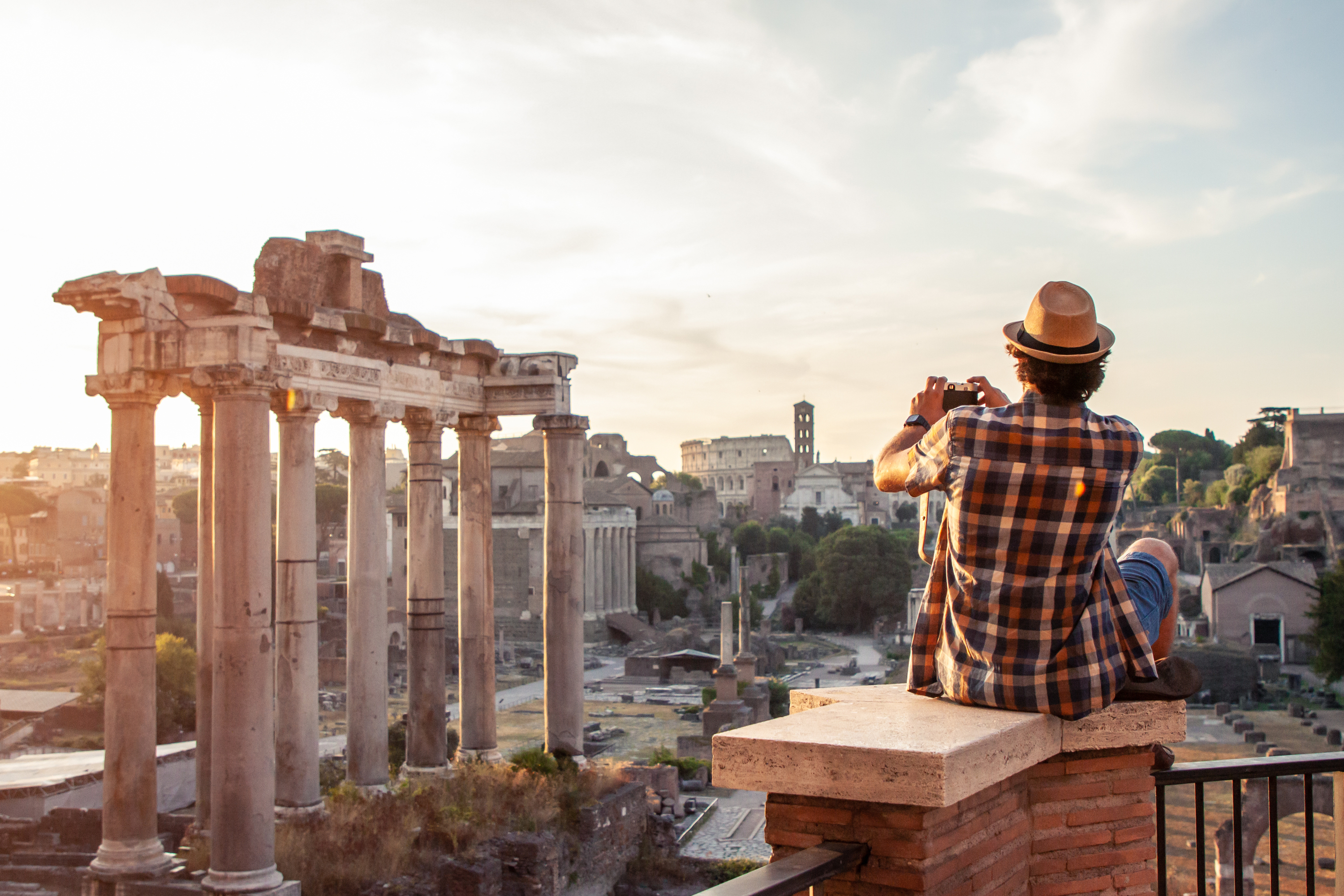
The Forum, the Colosseum and the Palatine are the three great archaeological sites that are preserved in the city of Rome. The concepts of "Forum" (the Roman Forum) or "The Forums" (the Imperial Forums), are difficult to understand what was done in them and how their spaces were organized. What is the difference between the traditional Roman Forum and the so-called Imperial Forums?
Read more →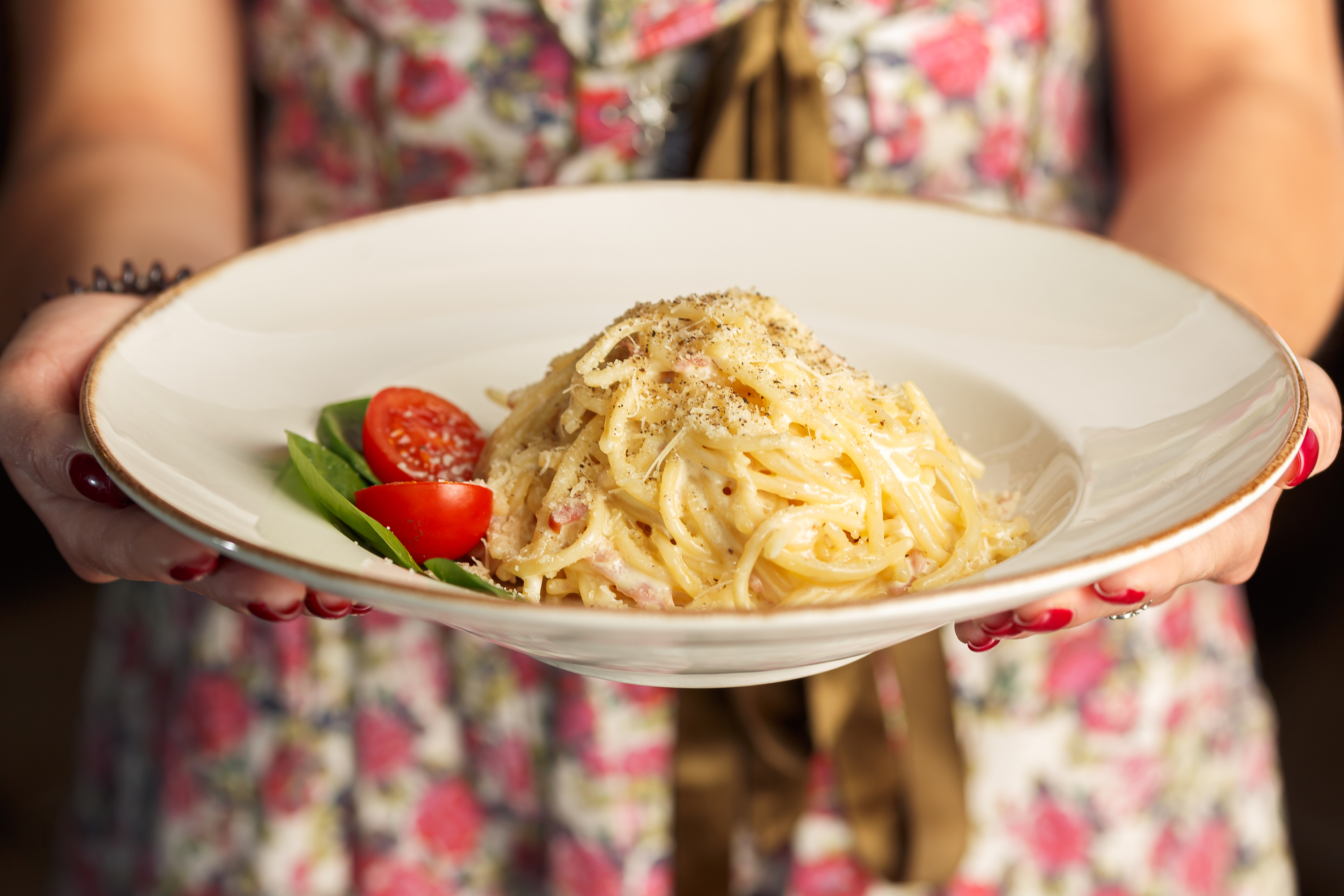
If you travel around Rome, there are dishes that you should not miss for anything in the world. Its typical dishes are very tasty and nutritious as they are very old recipes that have their origin in the villages of the region: they were thought to meet the great energy needs of the peasants. Due to this 'poor' origin, the typical dishes of the Roman cuisine are usually simple, they are made with very daily ingredients and often rich in cholesterol. It is very difficult to make a selection of recommended dishes... but we will give it a try!
Read more →We use a single cookie, to remember this choice. We do not use analytics or advertising cookies. Read our cookie policy.