4 hrs
Rome
Rome Private Tour: Forum, Pantheon & Castel Sant’Angelo Tickets
✓ Free cancellation Kids friendly
5.0(14 reviews)
From €239/ person
Book Now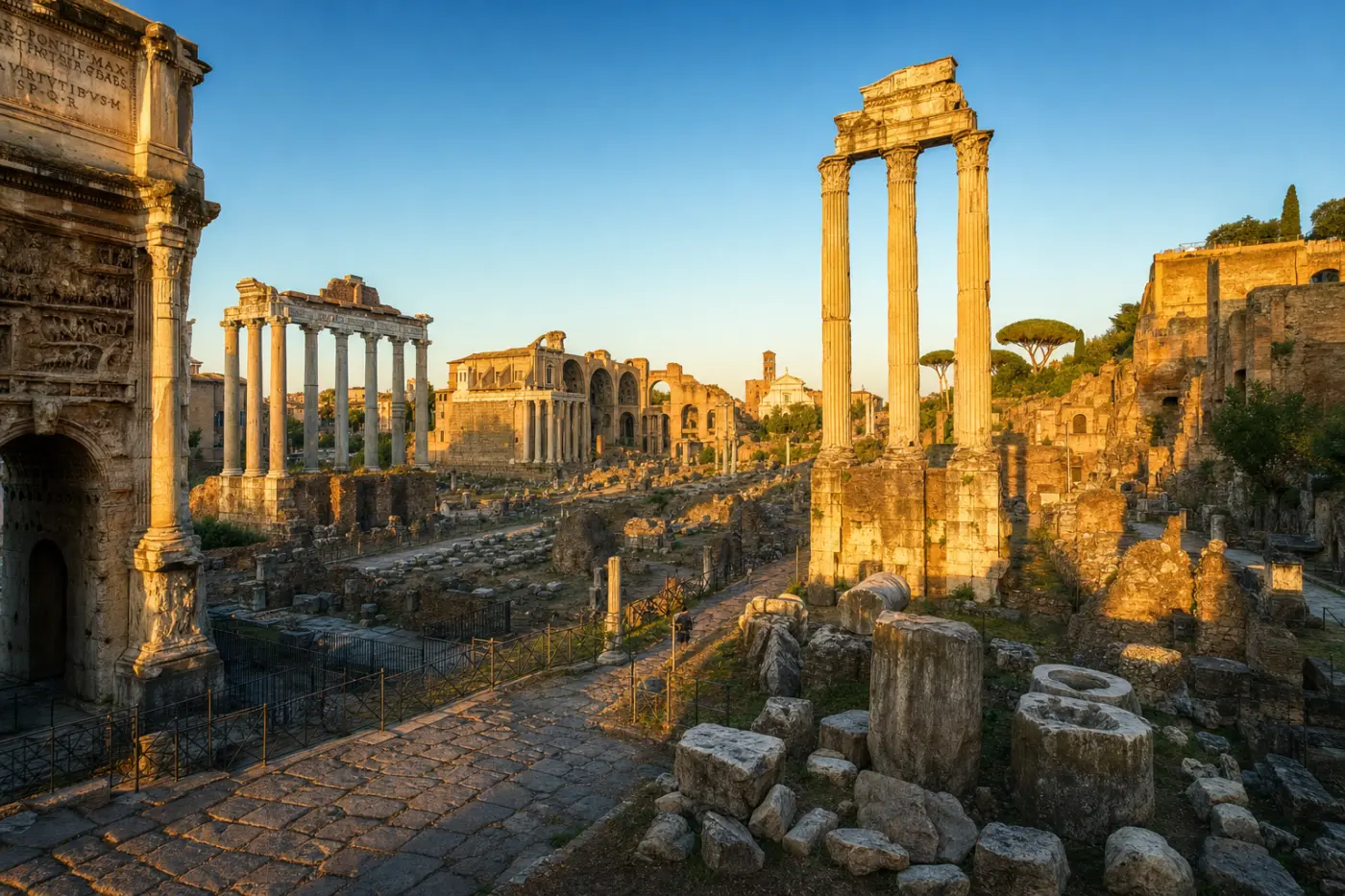
Tourist attraction
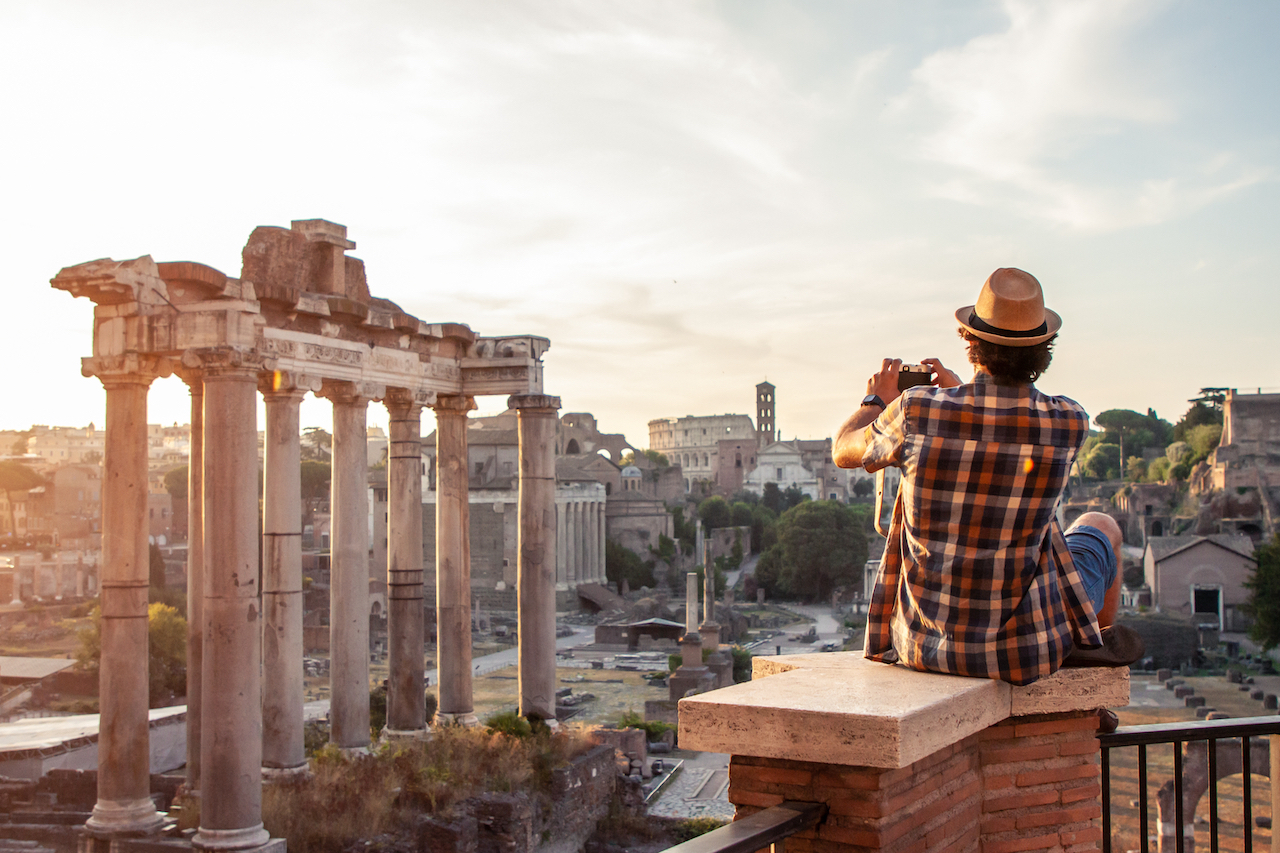
The Forum Romanum — known in Italian as the Foro Romano — is a sprawling rectangular plaza in the valley between the Palatine and Capitoline Hills, enclosed on all sides by the ruins of some of the most consequential buildings in Western history. For nearly a millennium, from roughly the 7th century BC through the fall of the Western Roman Empire in 476 AD, this open space served simultaneously as marketplace, religious precinct, law court, and the political nerve centre of a civilisation that eventually controlled territory from Scotland to Mesopotamia. What visitors walk through today is not a single ruin but a layered archaeological palimpsest — each visible column, archway, and stone-paved road representing a different era of Roman ambition.
The forum's oldest confirmed structures date to the archaic period. The Regia, traditionally associated with the second king of Rome, Numa Pompilius (715–673 BC), stands near the Via Sacra and once served as the office of the Pontifex Maximus, Rome's chief priest. The Temple of Saturn, eight columns of which still rise dramatically at the forum's western end, was first dedicated in 498 BC and served as Rome's state treasury (aerarium). The Temple of Castor and Pollux, its three elegant Corinthian columns perhaps the forum's most photographed remnant, was vowed after the Roman victory at the Battle of Lake Regillus in 496 BC. Julius Caesar himself was cremated near the Temple of Divus Iulius — a circular structure he had been deified to receive — and Romans still lay flowers on the altar-stone there today. The Arch of Septimius Severus, erected in 203 AD to celebrate military victories in Parthia and Arabia, stands nearly intact at 23 metres high, its relief panels among the finest surviving examples of imperial Roman sculpture.
By the medieval period the forum had been buried under centuries of debris — flooding from the Tiber, volcanic ash, and deliberate fill raised the ground level by as much as 9 metres in places, which is why the site sits so dramatically below the modern street level of Via Sacra. Cattle grazed among the ruins, earning the area the name Campo Vaccino (Cow Field). Systematic excavation began only in the early 19th century under Napoleon's orders and continued through the late 20th century; archaeologists still work sections of the site today. Visitors walk the original basalt-paved Via Sacra, the triumphal road along which victorious Roman generals led their processions toward the Capitoline Hill, passing the Basilica of Maxentius (begun 308 AD), whose three coffered barrel-vault bays each stand 35 metres high — the largest surviving vaults from antiquity.
The Roman Forum is included in the combined ticketing system with the Colosseum and Palatine Hill; a single ticket grants entry to all three sites and is valid for two consecutive days, which is strongly advisable given the scale of the complex. The site opens daily at 9:00 AM, with closing times varying seasonally (as late as 7:15 PM in summer). Flat, comfortable footwear is essential — the original basalt stones are uneven — and the lack of shade across most of the open forum makes early-morning or late-afternoon visits far preferable during summer months. Audio guides and certified guides hired at the entrance dramatically enrich the experience; without context, the scattered column drums and foundation outlines are easy to misread. The elevated walkway along the Palatine Hill, accessible on the same ticket, offers the best panoramic overview of the entire site.
Private tours with a local guide, at your own pace.
Rome
Rome
Rome
Rome

Rome
Rome
Rome
Rome

Rome
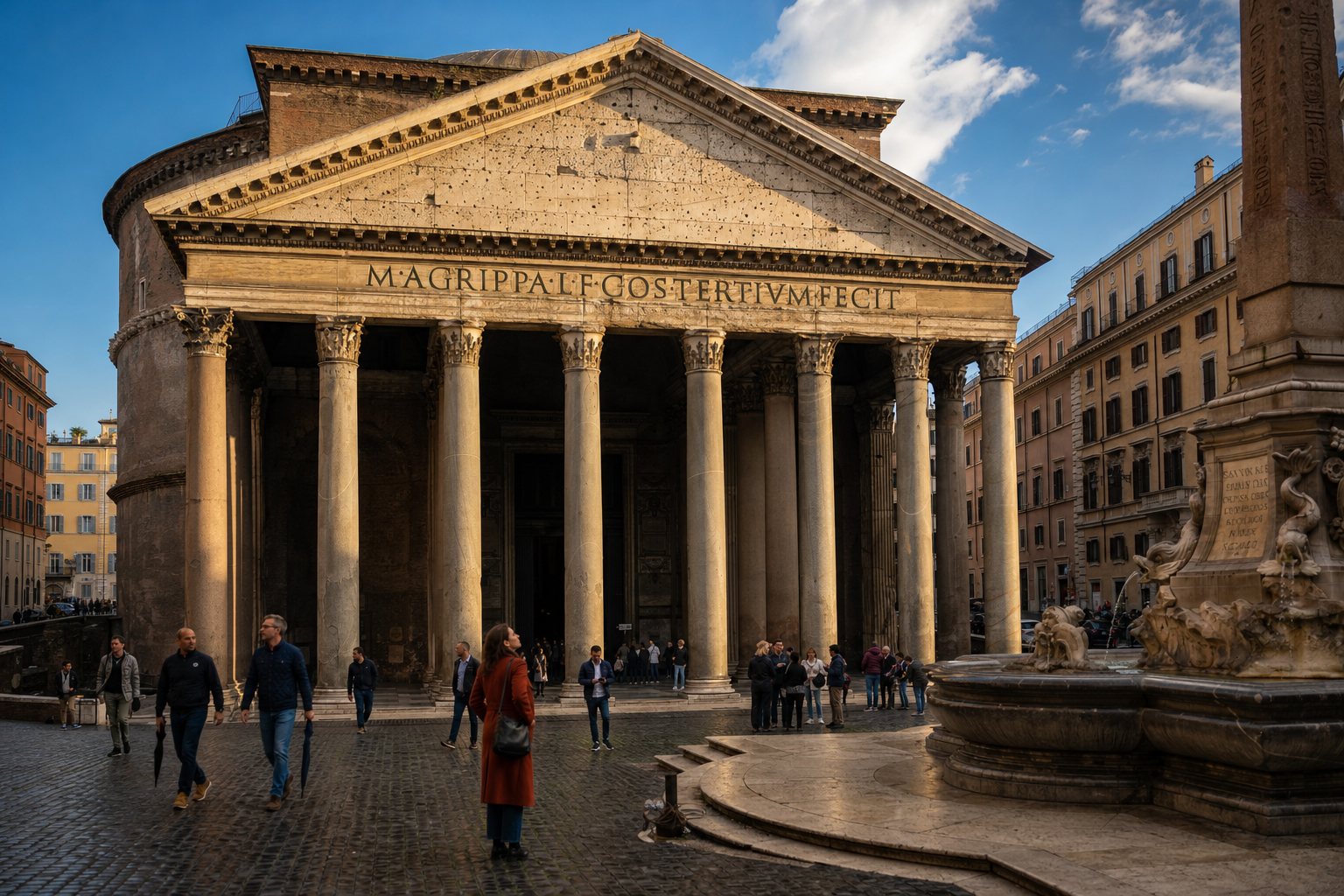
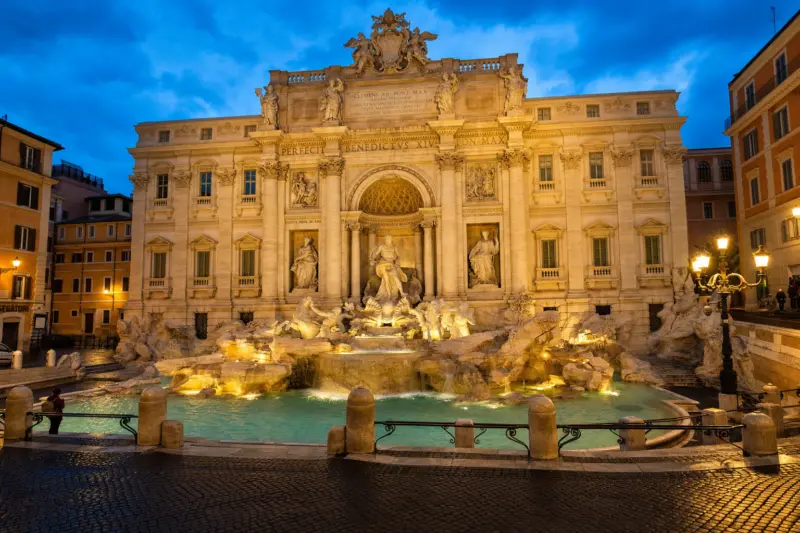
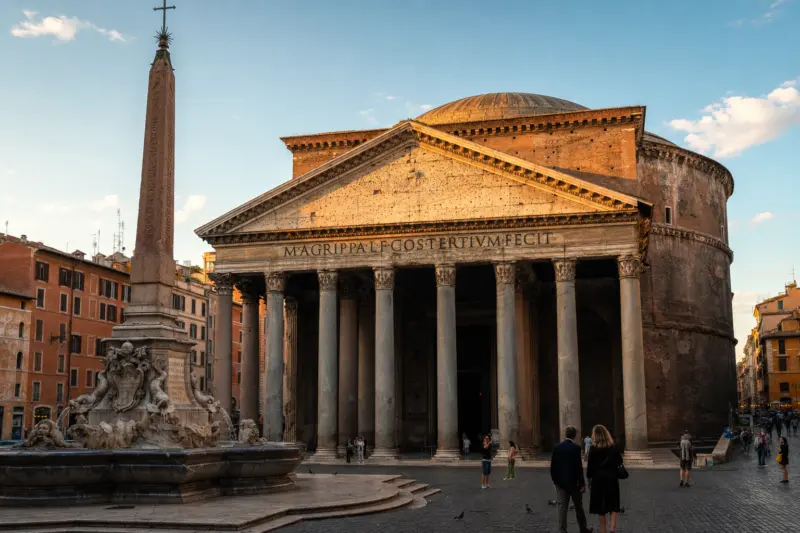
On the afternoon of 2 November 1950, Rome received 108mm of rain in a single day — one of the heaviest downpours in the city's recorded history. Locals ducked into trattorias, lingered over lunch, and emerged hours later to find the Sampietrini cobblestones of the historic center gleaming like polished obsidian. Here's the thing no travel guide tells you: rain doesn't ruin Rome. It transforms it. The same city that feels exhausting under July heat — queues snaking past the Trevi Fountain, tour groups stacked three-deep at the Pantheon — becomes something quieter, moodier, and far more liveable when clouds roll in off the Tyrrhenian Sea. Rome averages around 800mm of rainfall per year, with October, November, and February forming the wettest windows. That means millions of visitors each year encounter rain, yet most arrive with no plan beyond panic. This guide is that plan.
Read more →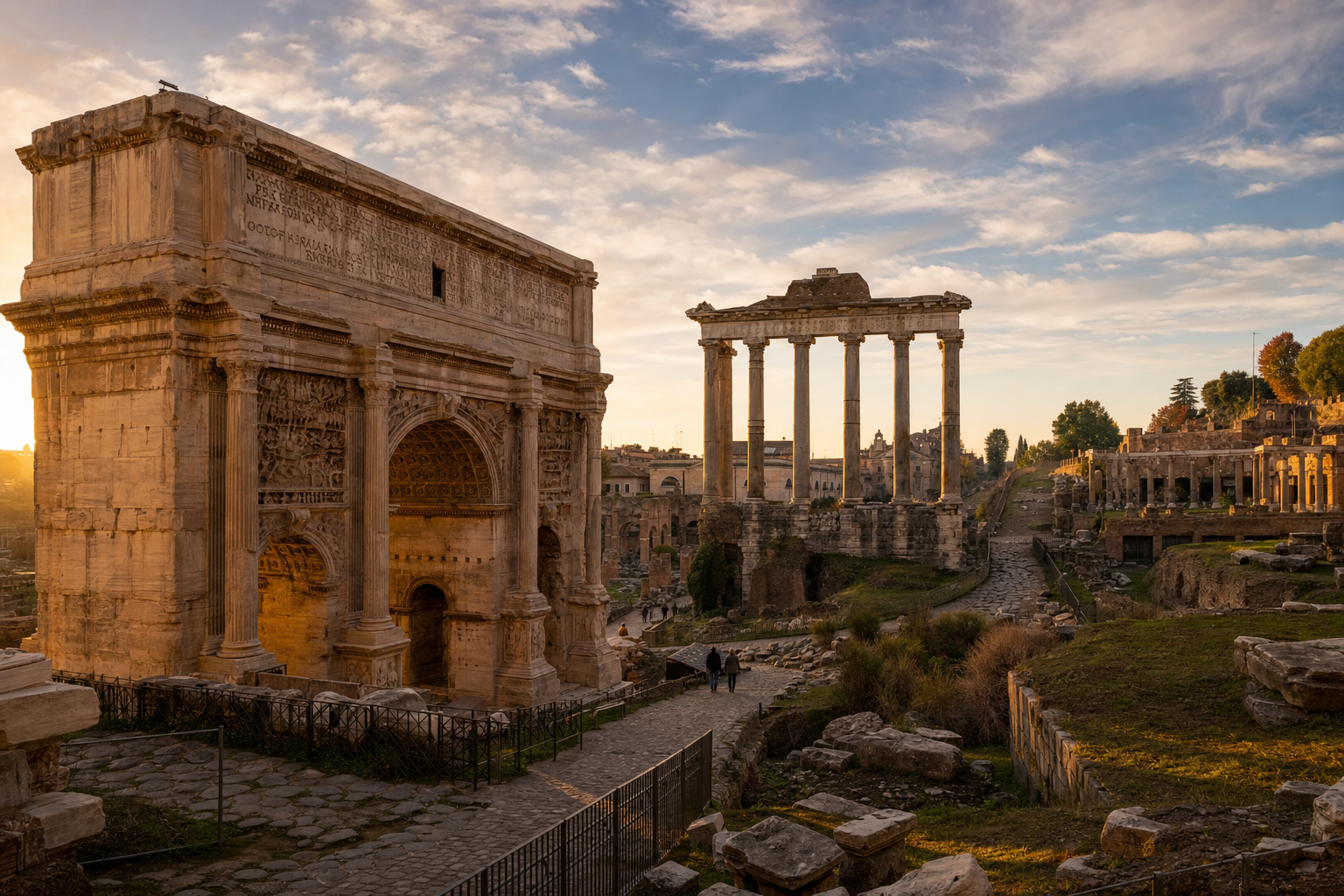
Rome was not built in a day — and it cannot be truly experienced in one either. Founded, according to tradition, on 21 April 753 BC, the city has been welcoming visitors for over two millennia, yet the question of when to go remains as contested as the Senate floor once was. Average annual tourist arrivals at the Colosseum alone exceed 7 million, meaning timing your visit is not a minor detail — it is everything. July temperatures regularly breach 35°C on the cobblestones of the Roman Forum, while a wet November morning at the Fontana di Trevi can feel like a private audience with Anita Ekberg's ghost. Each month carries its own character, crowd density, price point, and light quality. This guide cuts through the noise with specific facts, seasonal realities, and honest advice drawn from years of walking Rome's streets — so you arrive at exactly the right moment for the trip you actually want.
Read more →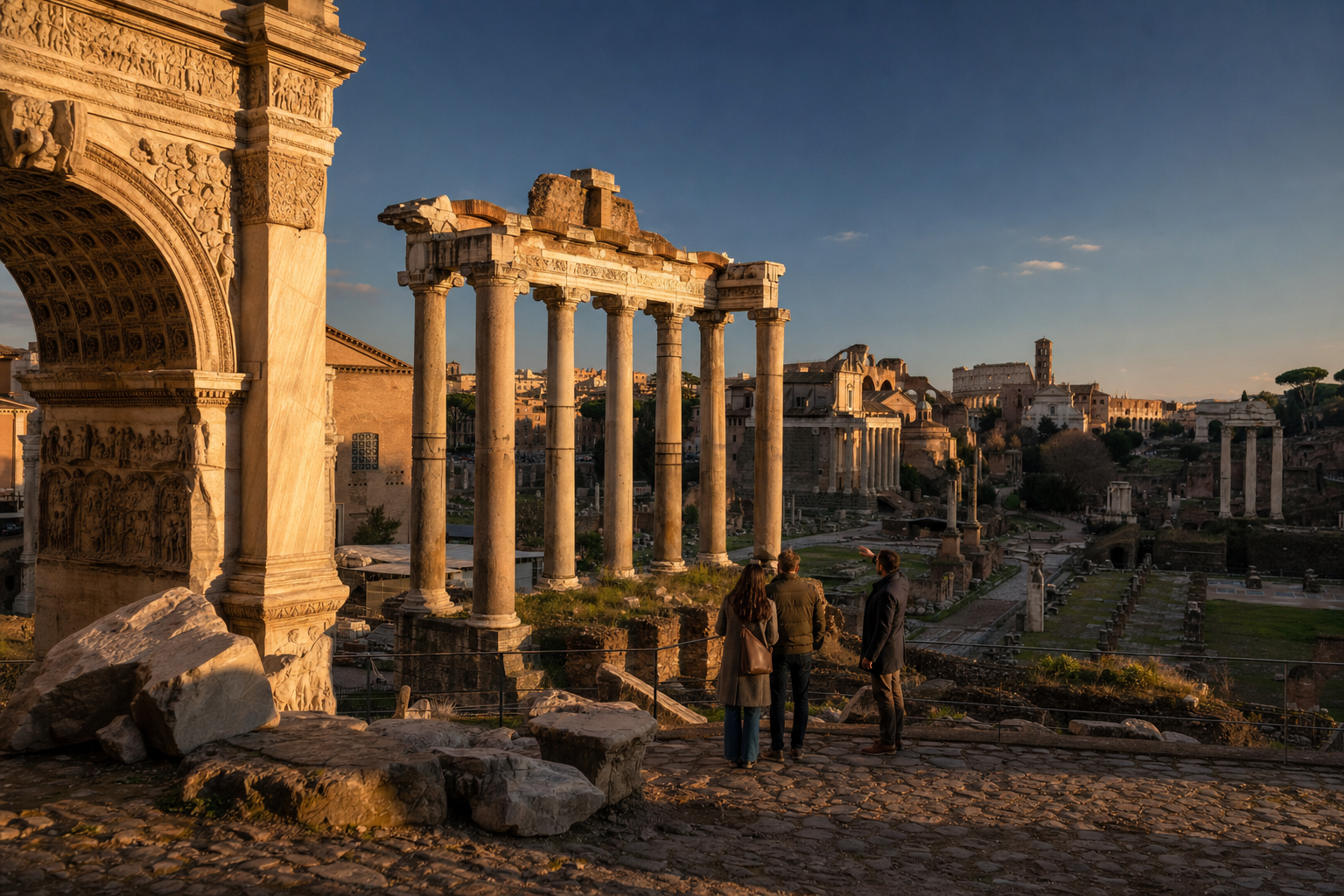
In 27 BC, Augustus Caesar famously boasted that he had found Rome a city of brick and left it a city of marble. What he didn't mention was that the city already contained several hundred years of Republican-era stone beneath his feet — and that future emperors, popes, and Renaissance architects would keep adding layers on top for the next two millennia. Today, Rome packs more than 2,000 years of continuous civilisation into 1,287 km², making it arguably the most historically dense urban environment on Earth. That density is precisely the problem with seeing it quickly, on a coach, in a crowd of strangers following a flag on a stick. Every piazza hides a deeper story. Every church floor covers an older church floor. Private tours in Rome don't just make the experience more comfortable — they make it genuinely comprehensible, turning a blur of ancient stones into a living, breathing city you actually understand.
Read more →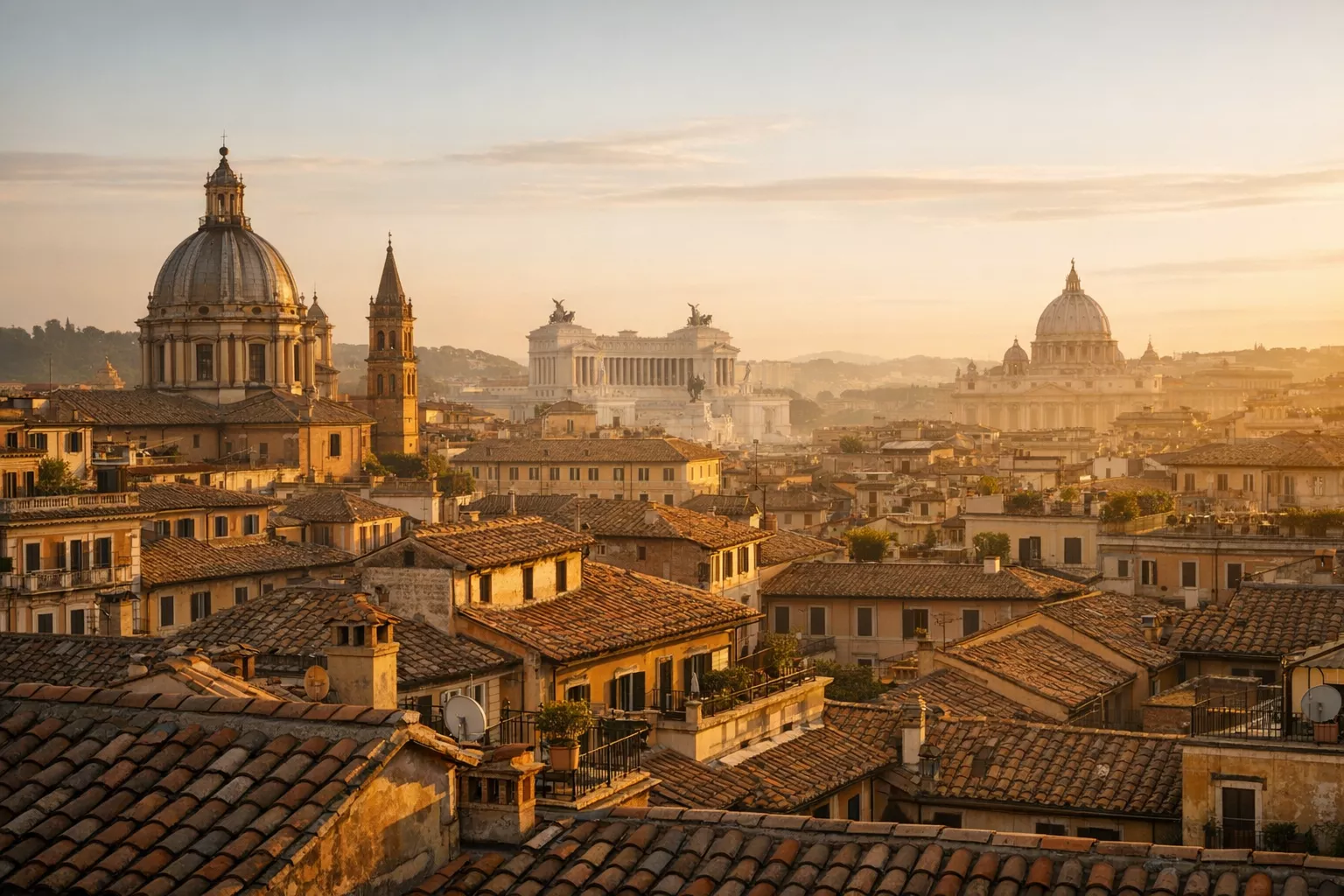
Discover the charm and beauty of Rome with our ultimate guide on what to do in this historic city. From iconic landmarks to hidden gems, we've got you covered with exciting tours and activities.
Read more →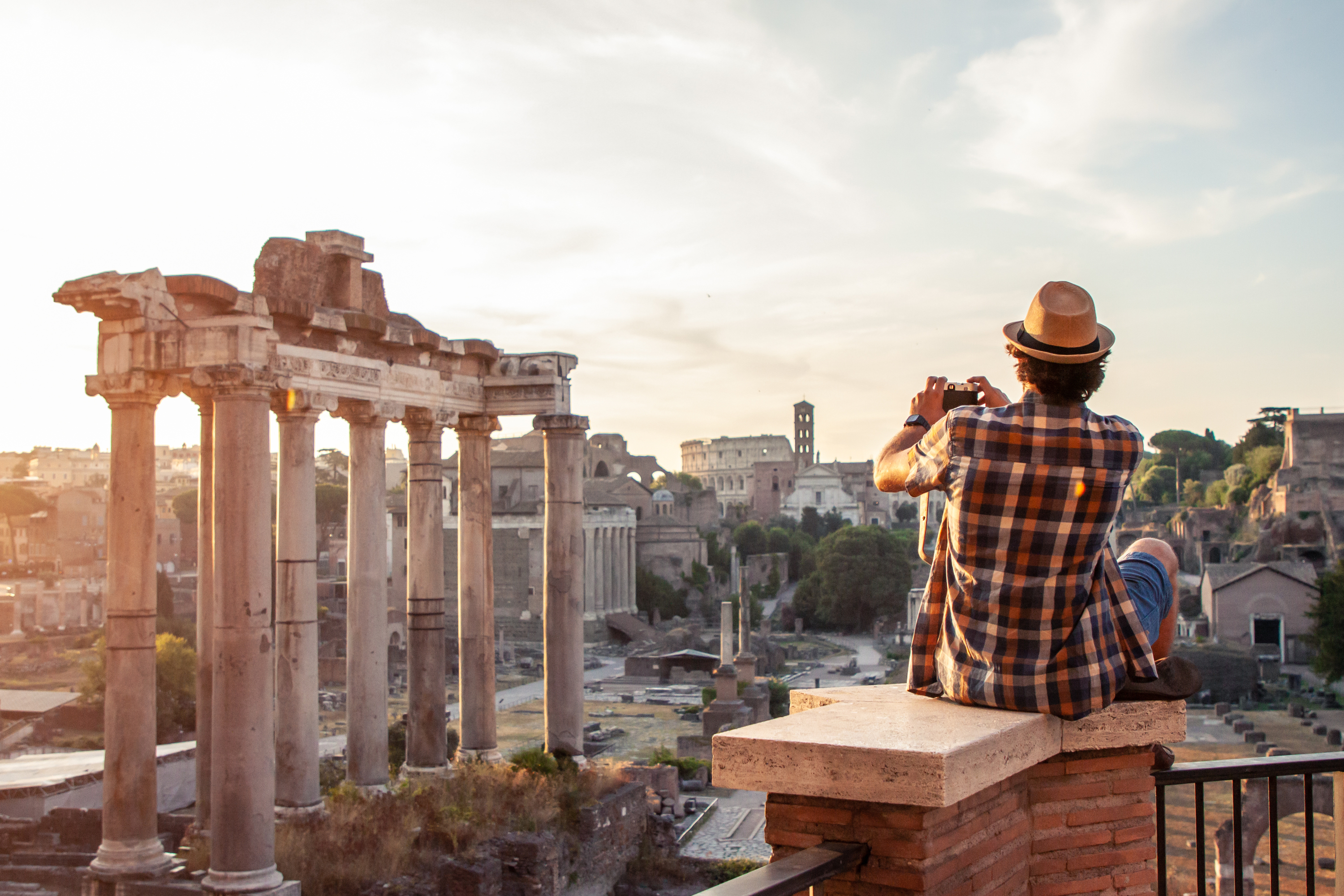
The Forum, the Colosseum and the Palatine are the three great archaeological sites that are preserved in the city of Rome. The concepts of "Forum" (the Roman Forum) or "The Forums" (the Imperial Forums), are difficult to understand what was done in them and how their spaces were organized. What is the difference between the traditional Roman Forum and the so-called Imperial Forums?
Read more →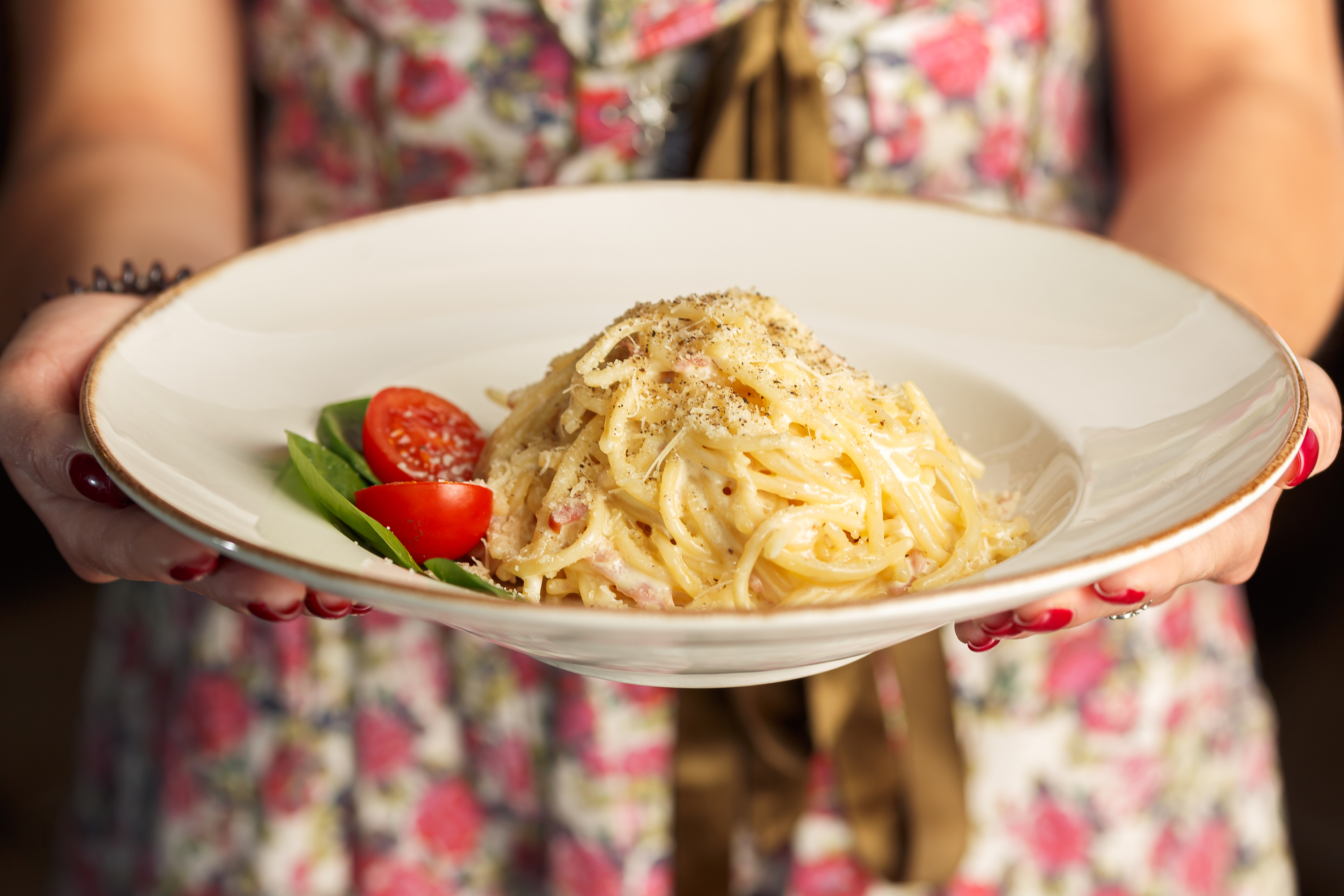
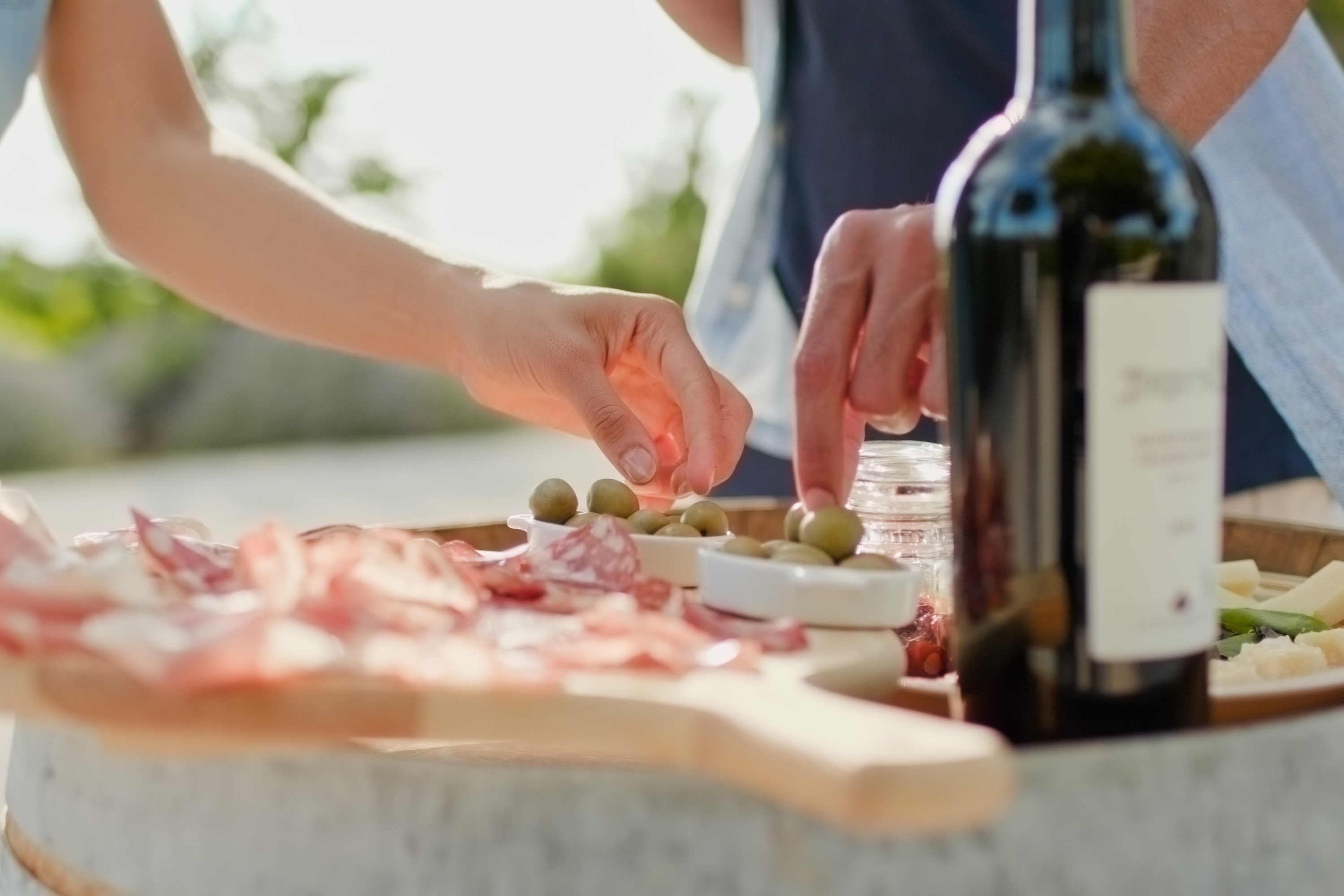
If you travel around Rome, there are dishes that you should not miss for anything in the world. Its typical dishes are very tasty and nutritious as they are very old recipes that have their origin in the villages of the region: they were thought to meet the great energy needs of the peasants. Due to this 'poor' origin, the typical dishes of the Roman cuisine are usually simple, they are made with very daily ingredients and often rich in cholesterol. It is very difficult to make a selection of recommended dishes... but we will give it a try!
Read more →We use a single cookie, to remember this choice. We do not use analytics or advertising cookies. Read our cookie policy.