3.5 hrs
Rome
Rome: Private Craft Beer Tasting Tour with Local Bites
✓ Free cancellation
5.0(11 reviews)
From €257/ person
Book Now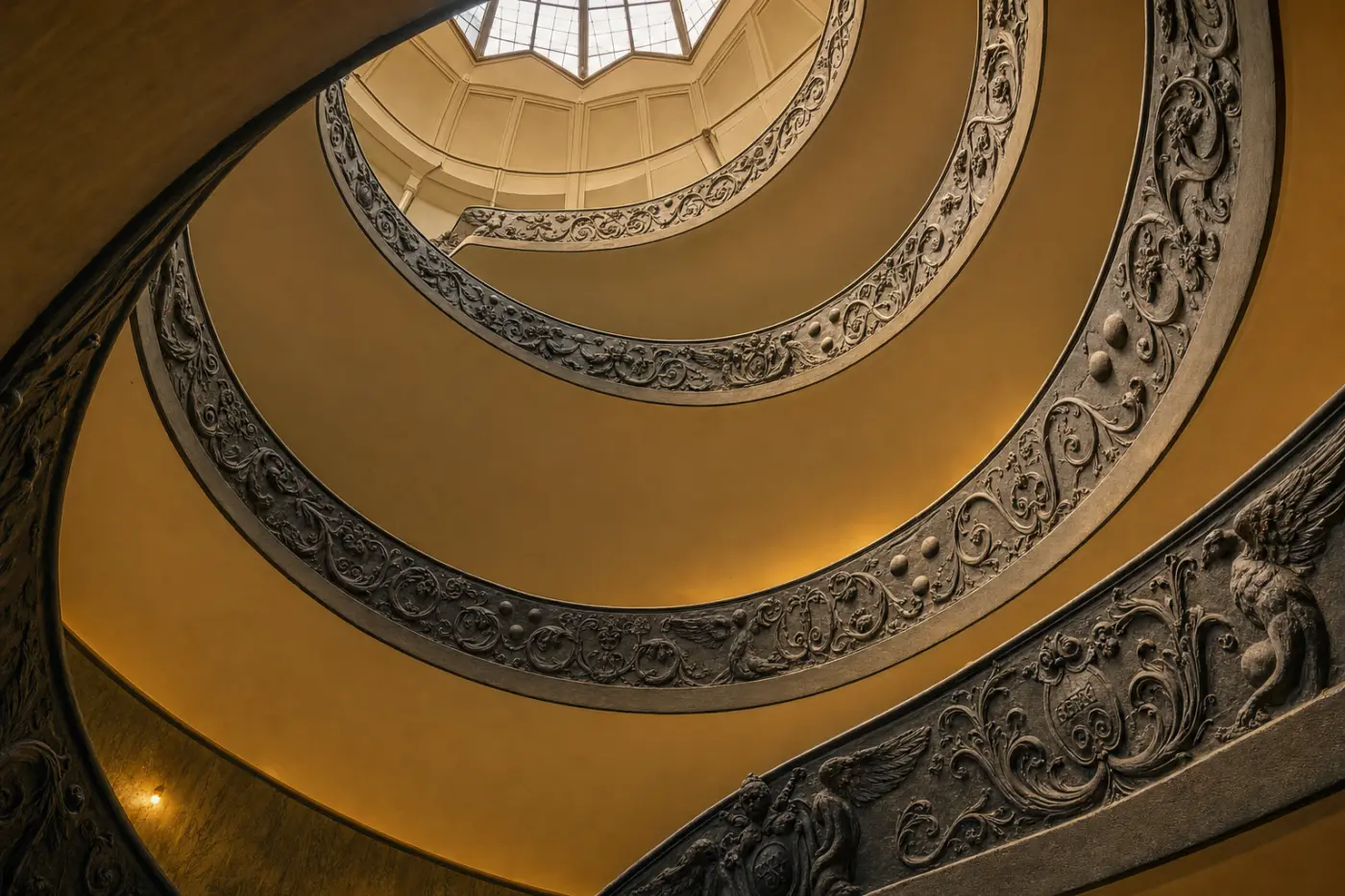
Tourist attraction
The Vatican Museums (Musei Vaticani) are among the largest and most visited museum complexes in the world, drawing over six million visitors annually through their 54 galleries and roughly 1,400 rooms spread across 9 kilometres of corridors and exhibition halls. Founded in the early 16th century by Pope Julius II, who placed the marble sculpture Laocoön and His Sons — unearthed on Rome's Esquiline Hill in 1506 — in the Belvedere Courtyard for public viewing, the collections grew continuously as successive popes commissioned, purchased, and received as gifts some of the finest art and antiquities ever produced. What began as a single Renaissance courtyard display has since expanded into a labyrinthine complex encompassing ancient Egyptian mummies and canopic jars in the Gregorian Egyptian Museum (established 1839), thousands of Greek and Roman sculptures in the Pio-Clementino Museum (organised by Popes Clement XIV and Pius VI in the 1770s and 1780s), and the breathtaking Chiaramonti Gallery — a 300-metre-long neoclassical corridor lined with over 800 ancient busts and reliefs, arranged under the supervision of Antonio Canova in the early 19th century.
No room in the complex commands more reverence than the Sistine Chapel, the private chapel of the popes built between 1473 and 1481 under Pope Sixtus IV. Its ceiling, painted by Michelangelo between 1508 and 1512 at the commission of Pope Julius II, spans 40 metres in length and depicts nine scenes from the Book of Genesis — including the iconic Creation of Adam — across a surface of approximately 460 square metres. Michelangelo returned to the chapel two decades later to paint The Last Judgment on the altar wall between 1536 and 1541, a monumental work containing over 300 figures. The side walls, often overlooked by visitors transfixed by the ceiling, were decorated between 1481 and 1483 by Renaissance masters including Sandro Botticelli, Pietro Perugino, Domenico Ghirlandaio, and Luca Signorelli. The chapel continues to serve its original sacred function as the site of papal conclaves.
Adjacent to the Sistine Chapel, the four Raphael Rooms (Stanze di Raffaello) showcase another summit of Renaissance achievement. Commissioned by Pope Julius II in 1508 — the same year he summoned Michelangelo — Raphael and his workshop transformed these private papal apartments into fresco cycles of extraordinary intellectual depth. The School of Athens, painted in the Stanza della Segnatura between 1509 and 1511, depicts fifty Greek philosophers gathered around Plato and Aristotle and is widely regarded as the definitive pictorial statement of Renaissance humanism. Elsewhere, the Gallery of Maps (Galleria delle Carte Geografiche), a 120-metre-long hall painted between 1580 and 1585 under Pope Gregory XIII, presents 40 topographical maps of Italian regions in extraordinary cartographic detail, with a barrel-vaulted ceiling of gilded grotesque decoration stretching above. The Pinacoteca, the museums' dedicated painting gallery established in 1932, holds significant works by Giotto, Leonardo da Vinci (St. Jerome in the Wilderness, c. 1480, notably unfinished), Caravaggio, and Nicolas Poussin.
Visiting the Vatican Museums demands advance planning and realistic expectations about scale. Tickets sell out days or weeks ahead, particularly during spring and summer, and should be booked directly through the official Vatican Museums website (museivaticani.va) to avoid inflated third-party prices. Entry opens at 9:00 a.m., and early-morning slots offer the thinnest crowds, especially in the Sistine Chapel where silence — officially required — is rarely achieved by midday. The museums close on Sundays, except for the last Sunday of each month when admission is free, drawing enormous queues. Wear comfortable shoes: a full visit covering the principal galleries takes four to five hours at minimum. Photography without flash is permitted throughout, except inside the Sistine Chapel. Audio guides and guided tours are available at the entrance and provide essential context for collections that would otherwise demand weeks of independent study to absorb.
Private tours with a local guide, at your own pace.
Rome
Rome
Rome
Rome

Rome
Rome
Rome
Rome
Rome
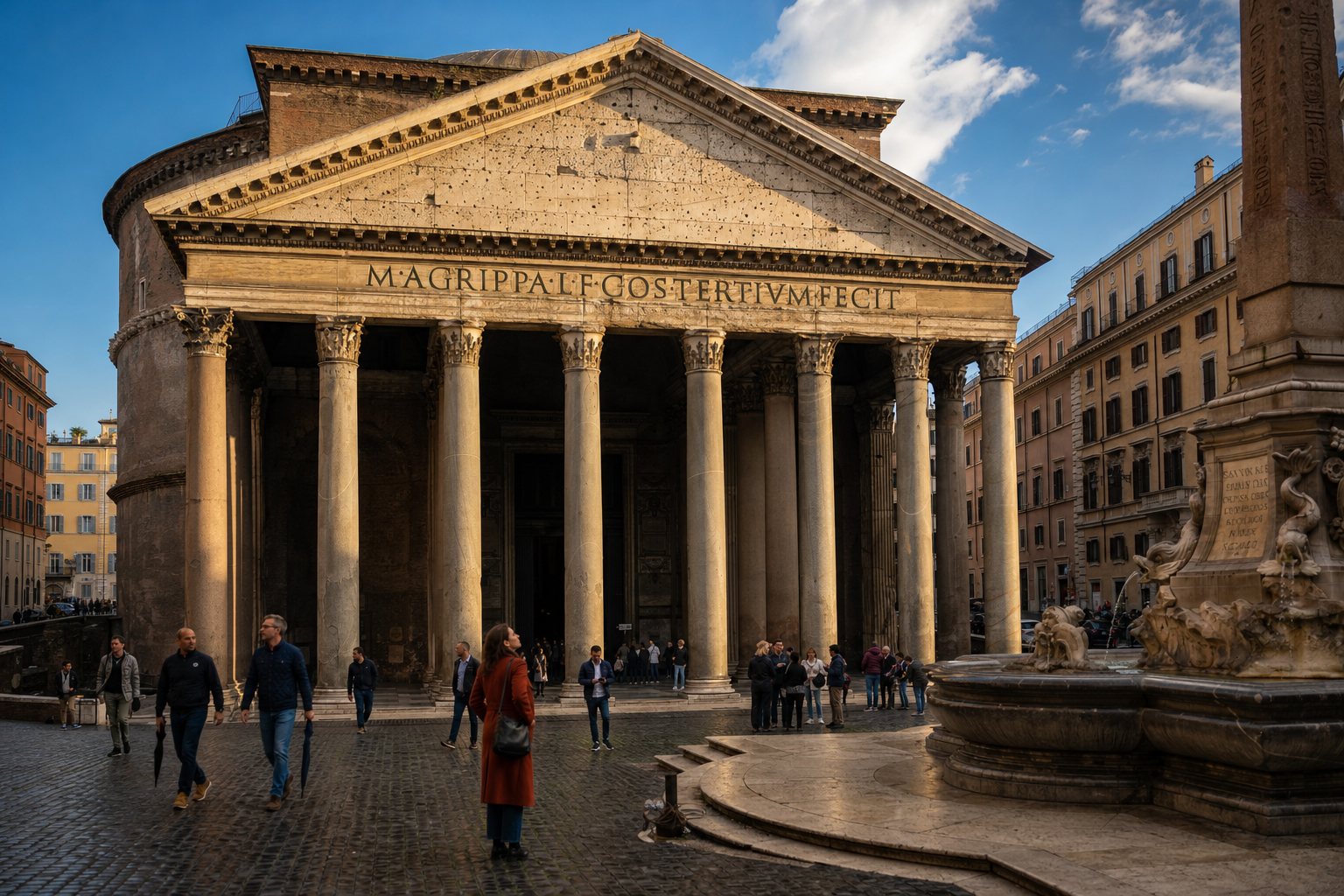
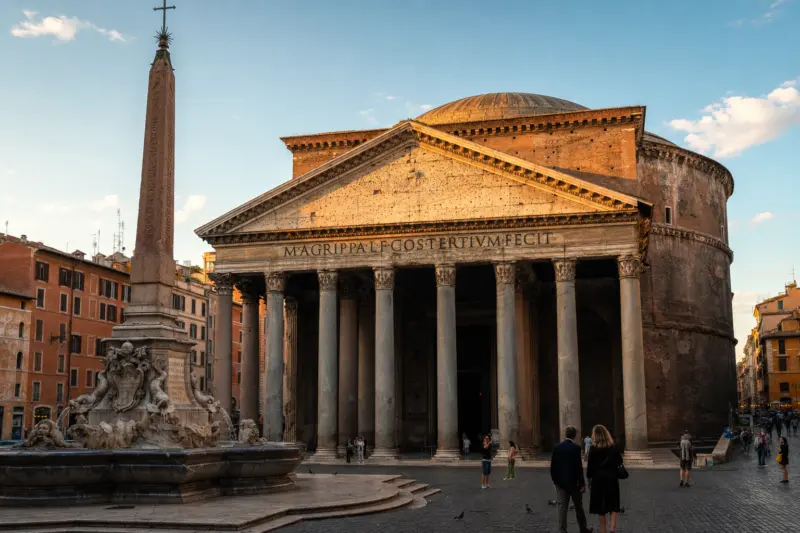
On the afternoon of 2 November 1950, Rome received 108mm of rain in a single day — one of the heaviest downpours in the city's recorded history. Locals ducked into trattorias, lingered over lunch, and emerged hours later to find the Sampietrini cobblestones of the historic center gleaming like polished obsidian. Here's the thing no travel guide tells you: rain doesn't ruin Rome. It transforms it. The same city that feels exhausting under July heat — queues snaking past the Trevi Fountain, tour groups stacked three-deep at the Pantheon — becomes something quieter, moodier, and far more liveable when clouds roll in off the Tyrrhenian Sea. Rome averages around 800mm of rainfall per year, with October, November, and February forming the wettest windows. That means millions of visitors each year encounter rain, yet most arrive with no plan beyond panic. This guide is that plan.
Read more →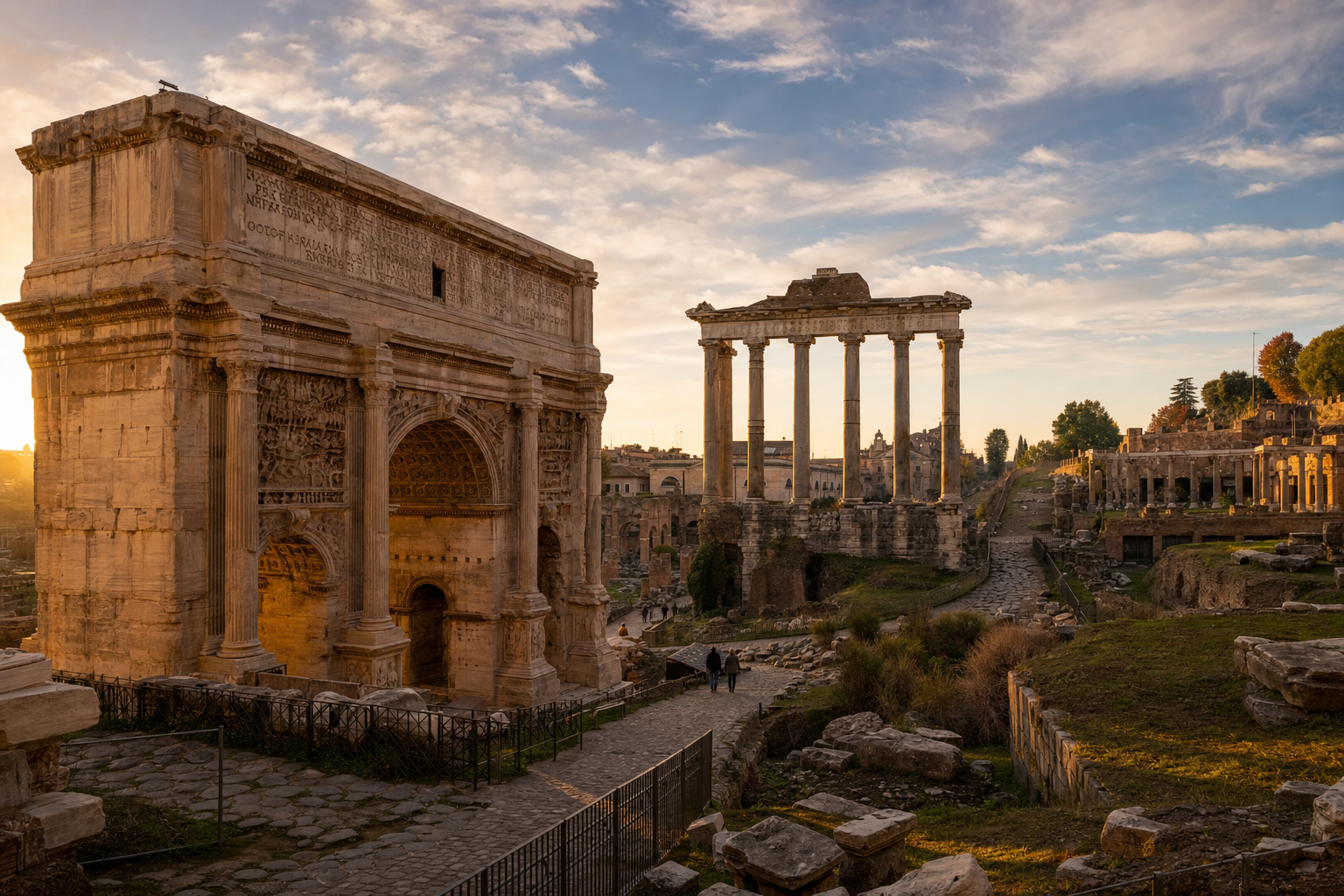
Rome was not built in a day — and it cannot be truly experienced in one either. Founded, according to tradition, on 21 April 753 BC, the city has been welcoming visitors for over two millennia, yet the question of when to go remains as contested as the Senate floor once was. Average annual tourist arrivals at the Colosseum alone exceed 7 million, meaning timing your visit is not a minor detail — it is everything. July temperatures regularly breach 35°C on the cobblestones of the Roman Forum, while a wet November morning at the Fontana di Trevi can feel like a private audience with Anita Ekberg's ghost. Each month carries its own character, crowd density, price point, and light quality. This guide cuts through the noise with specific facts, seasonal realities, and honest advice drawn from years of walking Rome's streets — so you arrive at exactly the right moment for the trip you actually want.
Read more →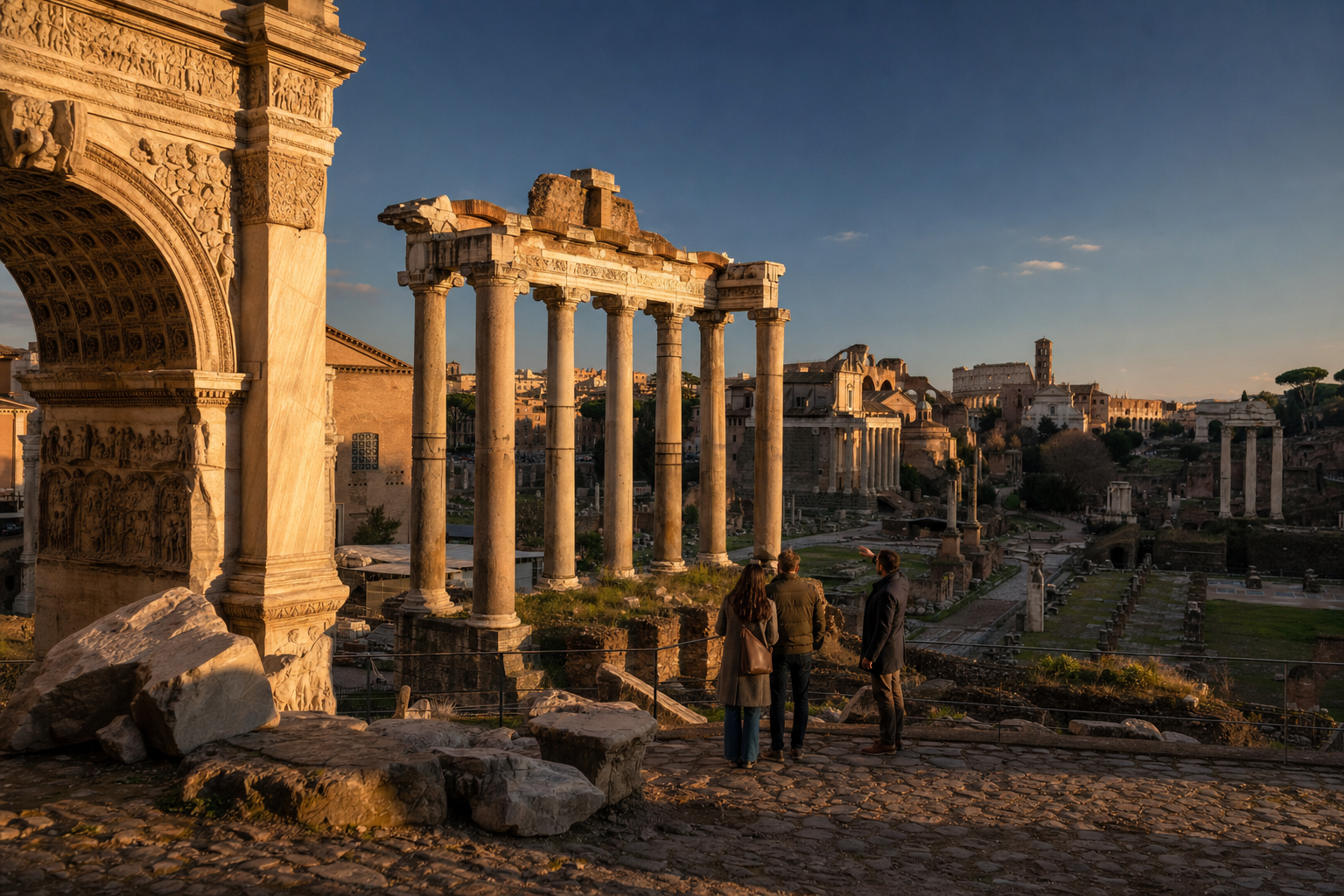
In 27 BC, Augustus Caesar famously boasted that he had found Rome a city of brick and left it a city of marble. What he didn't mention was that the city already contained several hundred years of Republican-era stone beneath his feet — and that future emperors, popes, and Renaissance architects would keep adding layers on top for the next two millennia. Today, Rome packs more than 2,000 years of continuous civilisation into 1,287 km², making it arguably the most historically dense urban environment on Earth. That density is precisely the problem with seeing it quickly, on a coach, in a crowd of strangers following a flag on a stick. Every piazza hides a deeper story. Every church floor covers an older church floor. Private tours in Rome don't just make the experience more comfortable — they make it genuinely comprehensible, turning a blur of ancient stones into a living, breathing city you actually understand.
Read more →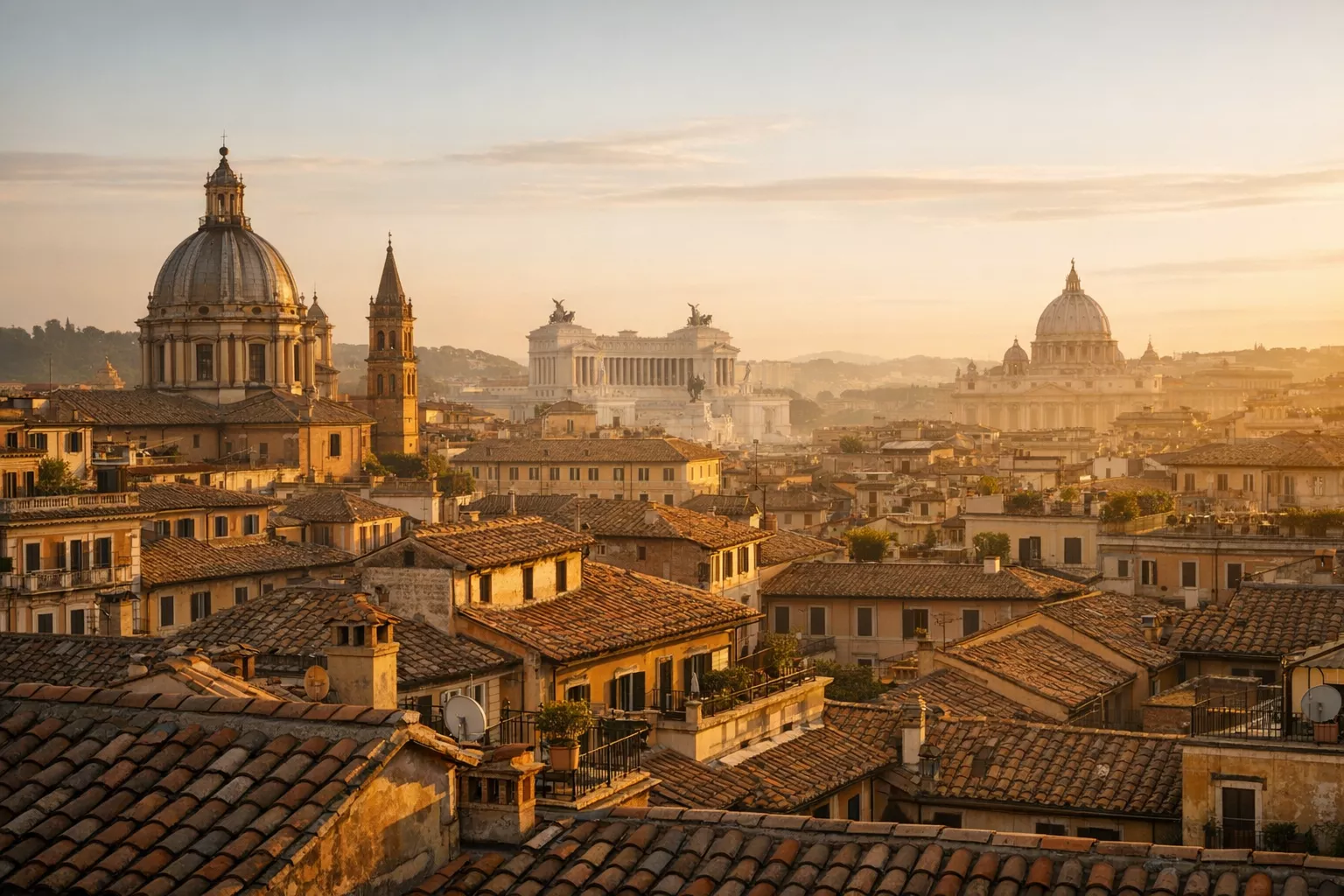
Discover the charm and beauty of Rome with our ultimate guide on what to do in this historic city. From iconic landmarks to hidden gems, we've got you covered with exciting tours and activities.
Read more →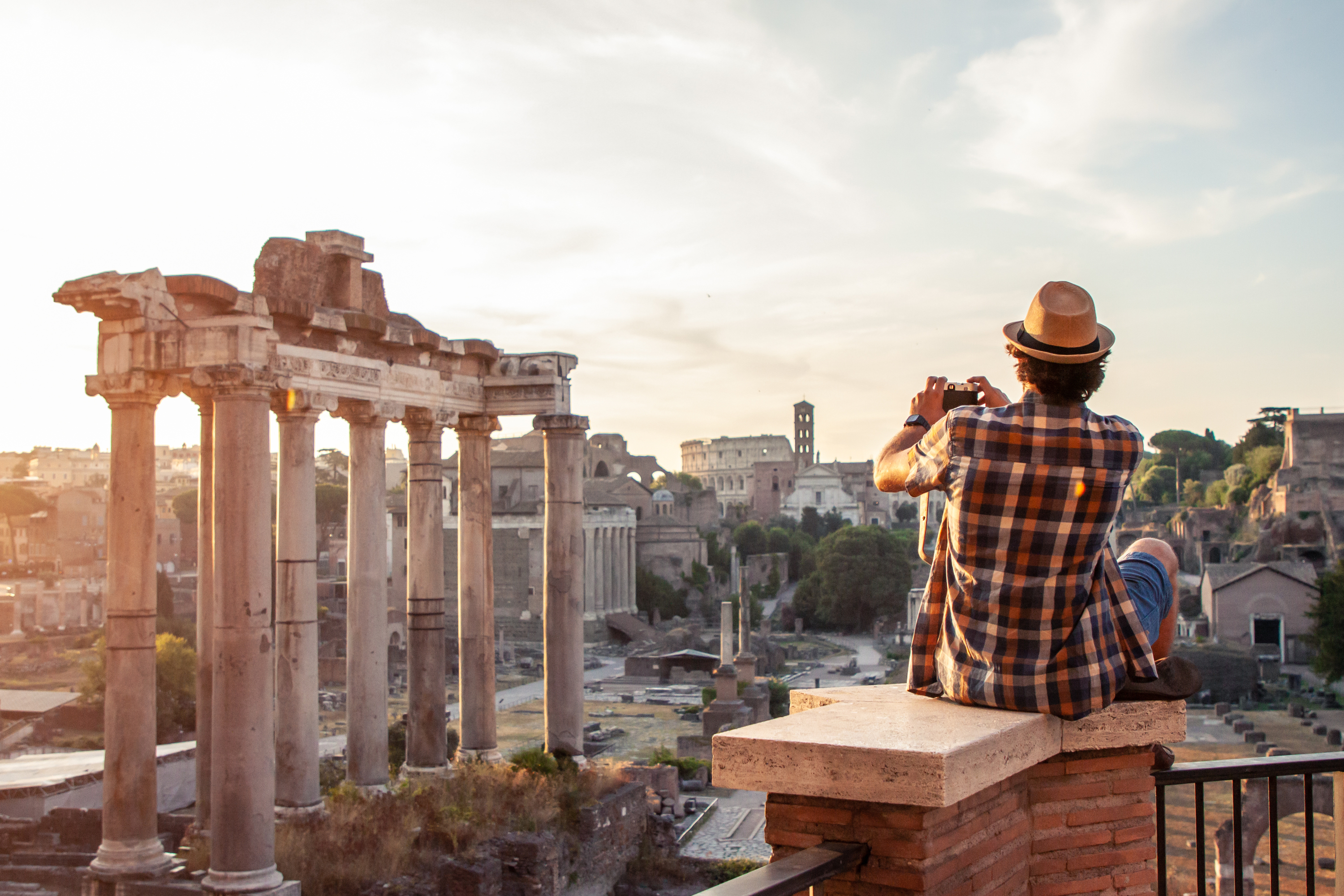
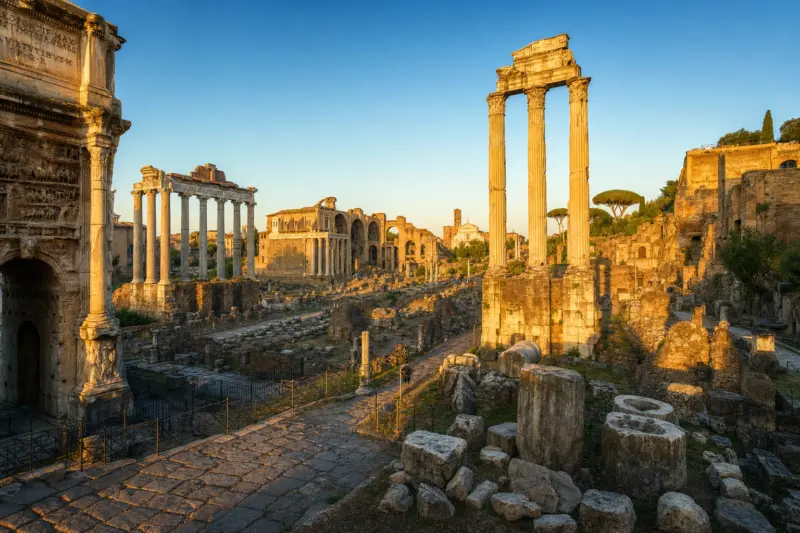
The Forum, the Colosseum and the Palatine are the three great archaeological sites that are preserved in the city of Rome. The concepts of "Forum" (the Roman Forum) or "The Forums" (the Imperial Forums), are difficult to understand what was done in them and how their spaces were organized. What is the difference between the traditional Roman Forum and the so-called Imperial Forums?
Read more →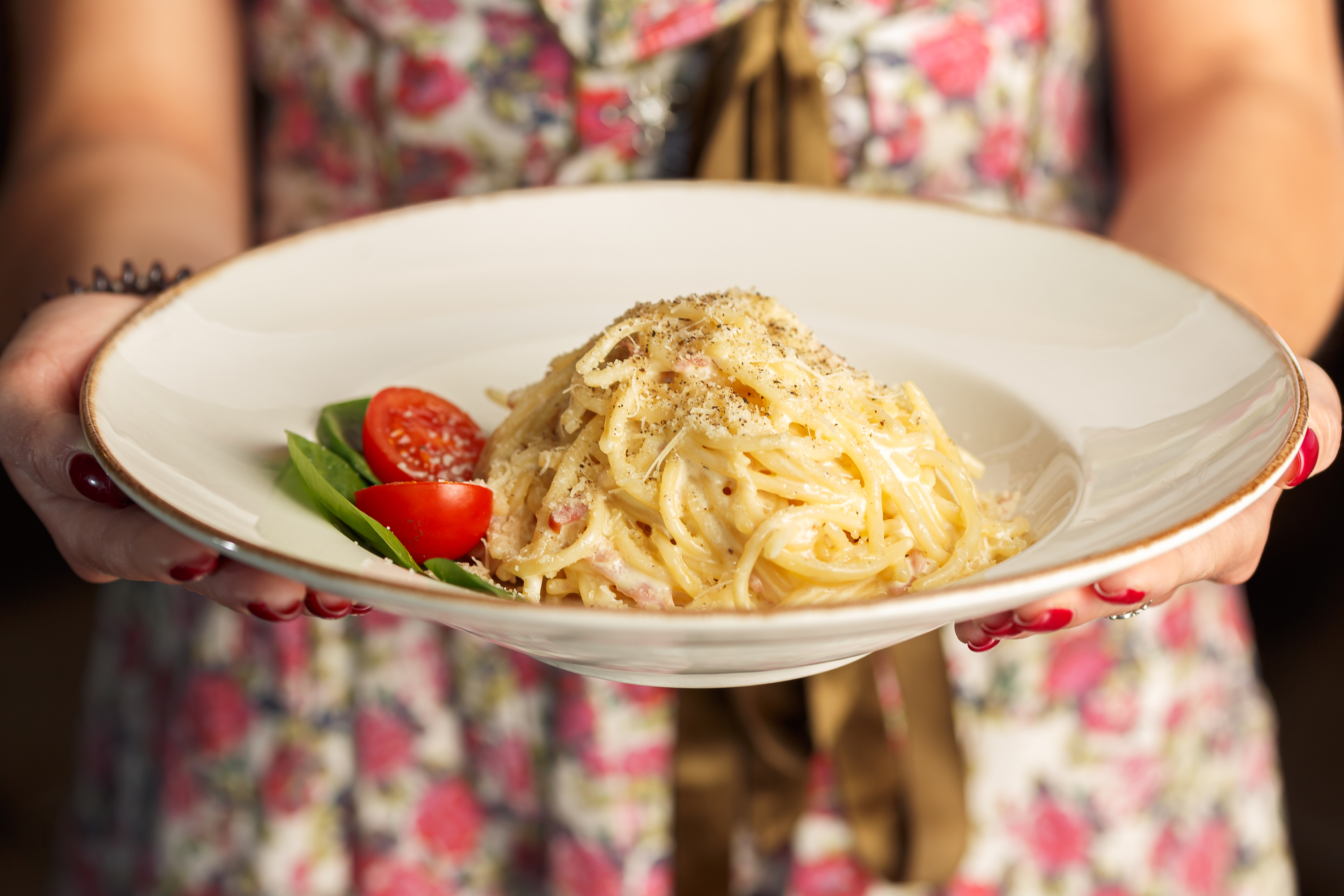
If you travel around Rome, there are dishes that you should not miss for anything in the world. Its typical dishes are very tasty and nutritious as they are very old recipes that have their origin in the villages of the region: they were thought to meet the great energy needs of the peasants. Due to this 'poor' origin, the typical dishes of the Roman cuisine are usually simple, they are made with very daily ingredients and often rich in cholesterol. It is very difficult to make a selection of recommended dishes... but we will give it a try!
Read more →We use a single cookie, to remember this choice. We do not use analytics or advertising cookies. Read our cookie policy.